Last updated: May 2026
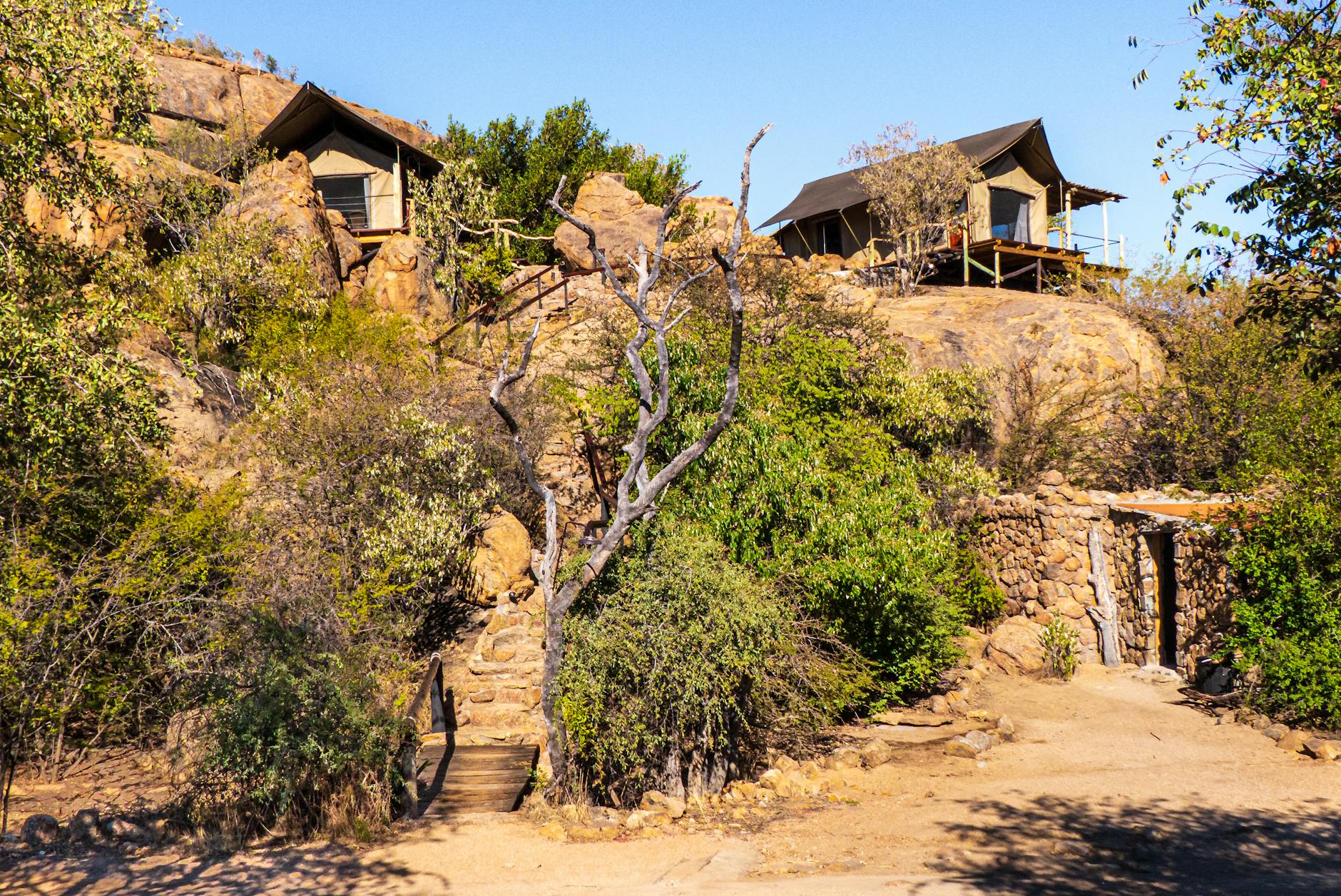
Lekurruki and Naibunga are the two most important community-owned conservancies in northern Laikipia after Il Ngwesi. Both operate as community-managed wildlife areas under the umbrella of the Northern Rangelands Trust, hosting a small number of community-financed lodges that channel revenue directly to surrounding communities. Tassia Lodge on Lekurruki is the longest-established and most accessible of the community properties; Naibunga is a federation of nine smaller group ranches operating under a single conservation framework. Lekurruki Conservancy Laikipia and Naibunga together provide some of the most authentic community-led safari experiences in Kenya.
Lekurruki and Naibunga in Brief
Location: Northeastern Laikipia, on the boundary with Samburu County. Lekurruki adjoins Il Ngwesi to the north; Naibunga is a federation across multiple group ranches further west.
Size: Lekurruki Group Ranch approximately 7,800 hectares; Naibunga Federation covers approximately 35,000 hectares across nine constituent group ranches.
Governance: Lekurruki is owned by the Lekurruki Group Ranch (predominantly Mukogodo Maasai community). Naibunga is a federation of nine smaller group ranches operating under a single board.
Distinctive features: Authentic community-led safari experience; lower price points than commercial luxury Laikipia properties; deep cultural immersion; remote bush settings; revenue flows directly to community funds.
Lekurruki Conservancy and Tassia Lodge
The Conservancy
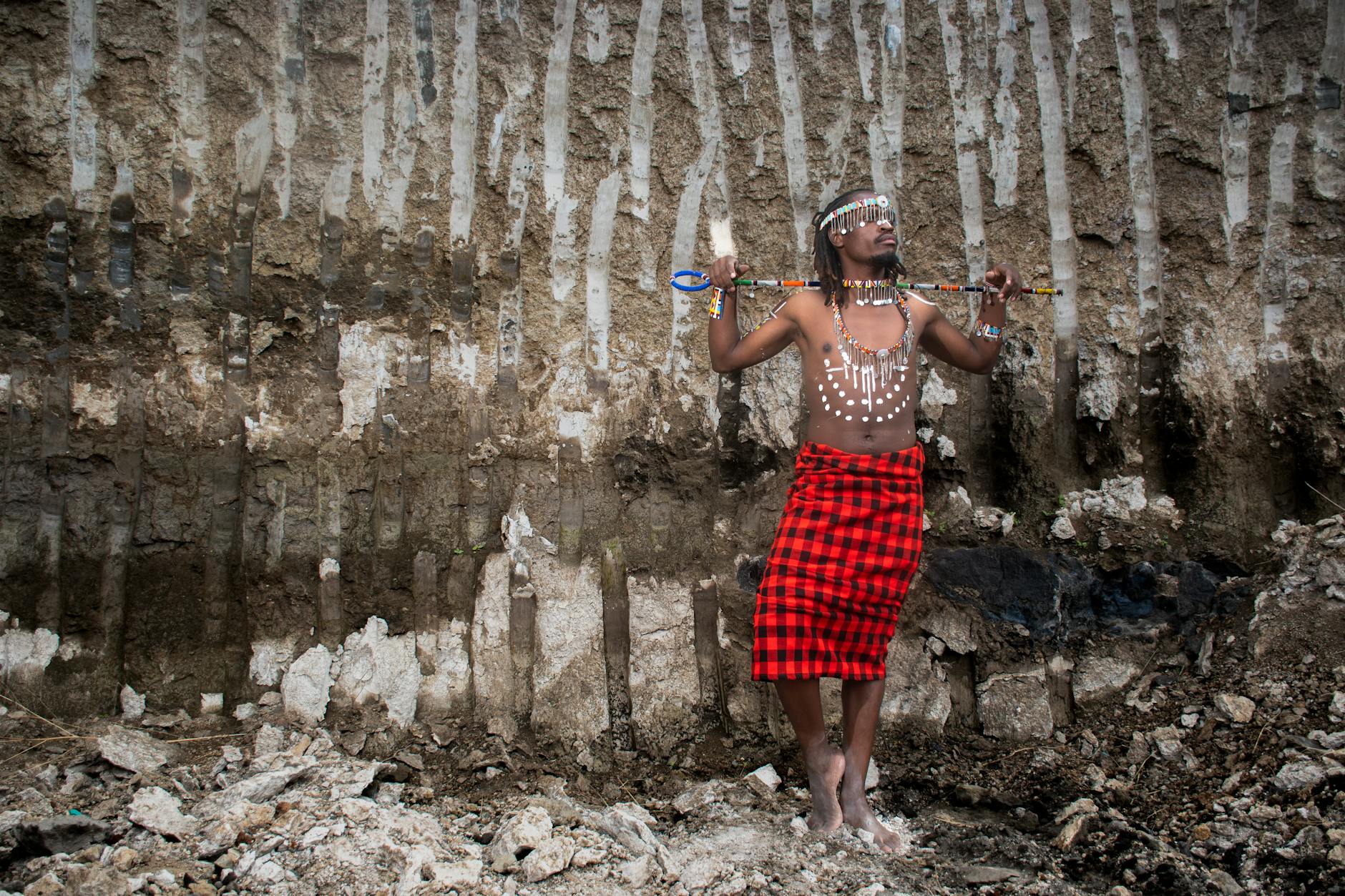
Lekurruki Group Ranch is a community-owned land of approximately 7,800 hectares, owned collectively by the Mukogodo Maasai community members. Like Il Ngwesi, the community made a strategic decision in the 1990s to set aside substantial land for wildlife conservation and develop a community-owned tourism enterprise.
Tassia Lodge
Tassia Lodge opened in 1997 as one of Africa’s earliest community-owned safari lodges. The property is six rooms in a stilt-built structure perched on a rocky outcrop with views across the Mukogodo escarpment. Construction is from locally sourced materials — wood, rock, thatching — with strong Maasai design elements.
The lodge is owned, managed and substantially staffed by the Lekurruki community. Revenue flows directly into community funds for education, healthcare, water infrastructure, and community-priority projects.
Rate: USD 400–700 per person per night all-inclusive — significantly below comparable luxury Laikipia properties.
Naibunga Conservancy Federation
The Structure
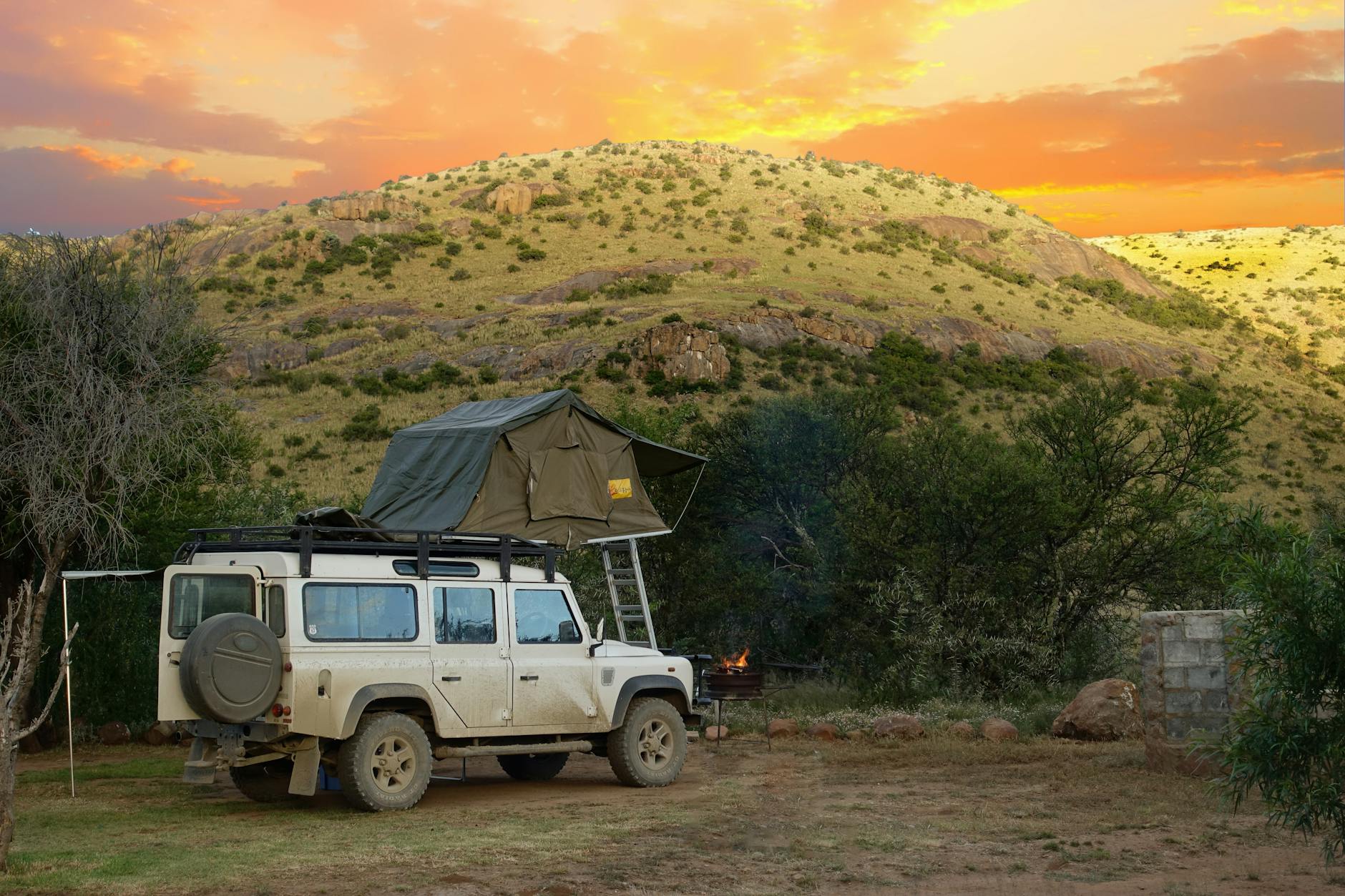
Naibunga is a federation of nine smaller group ranches in northwestern Laikipia, formed in 2007 to coordinate conservation, security, and tourism across the constituent communities. The nine ranches collectively cover approximately 35,000 hectares (87,000 acres) of community-owned land.
The constituent group ranches include Tiamamut, Lokusero, Koija, Kijabe, Naitayuri, and others. Each ranch retains its own community board; the federation coordinates cross-ranch issues including conservation, anti-poaching, tourism, and community-development partnerships.
Accommodation Options
Several community-owned lodges and camps operate within or adjacent to the Naibunga federation:
Sabuk Lodge: Eight rooms on the Koija Group Ranch. Family-friendly with strong walking and camel programmes.
Koija Starbeds: Star Beds property similar in concept to Loisaba‘s, on the Koija Group Ranch.
Various seasonal camps: Smaller mobile-style operations through specialist tour operators (Karisia walking-safari camps frequently work in this area).
Rates: USD 350–700 per person per night all-inclusive across the various properties.
The Wildlife
The wildlife across Lekurruki and Naibunga is consistent with the broader northern Laikipia landscape:
- Big Five (with seasonal elephant migration; rhino populations are smaller than at the major commercial conservancies)
- Reticulated giraffe and Grevy’s zebra
- Wild dog (occasional)
- Beisa oryx, gerenuk, lesser kudu
- Strong bird list including Northern Frontier specials
The community-managed status means wildlife encounters are sometimes less reliable than at the more commercially developed conservancies, but the cultural and conservation context adds depth that the commercial properties don’t match.
Activities
Game Drives
Standard morning and afternoon drives. Off-road permission within community land. Guides are typically community members with deep local knowledge.
Walking Safaris
Half-day to full-day guided walks with community rangers.
Cultural Visits
Authentic visits to surrounding manyattas, conversations with elders, traditional dance and music demonstrations, beadwork cooperative visits.
Camel Trekking
Camel-supported walking through the bush.
Sabuk Lodge Specialities
Sabuk Lodge has a strong river-walk programme along the Ewaso Ng’iro, plus a camel programme.
Koija Starbeds
Sleep-out platforms above active waterholes, similar in concept to Loisaba’s Star Beds.
Karisia Walking Safari Connection
Multi-day walking trips through the Naibunga and Lekurruki landscape connect with Karisia’s broader walking programme based at Tumaren.
Getting There
By Air
Charter flight to nearest airstrip (typically Tumaren or property-specific charter strips). Some properties have dedicated airstrips; others require road transfer from Loisaba or Lewa.
By Road
From Nanyuki: 3–4 hours via Doldol. From Nairobi: 6–7 hours. Roads are rough beyond Doldol; 4×4 essential and lodge transfers are typically required.
The Community Conservation Model
Both Lekurruki and Naibunga operate under the broader Northern Rangelands Trust framework, which provides governance support, anti-poaching coordination, livelihood programmes, and grant funding to member conservancies.
Revenue Flow
Lodge revenue flows directly to community funds. Federation-level coordination through Naibunga channels additional resources from grants, donor partnerships, and broader-scale conservation financing.
Community Benefits
Schools, healthcare, water infrastructure, scholarships, direct dividends in good years, employment, and (perhaps most importantly) formal recognition of community land tenure under the 2016 Community Land Act.
Conservation Outcomes
Formal designation of substantial wildlife habitat across community land; integration with the broader Laikipia–Samburu wildlife landscape; anti-poaching coordination through the federation and NRT.
How to Combine
Lekurruki / Naibunga Alone (3–4 nights)
For travellers focused on community-led safari experience plus the lower price point.
Lekurruki + Il Ngwesi (5–7 nights)
Two of Africa’s longest-established community conservancies. Easy road transfer between them.
Naibunga + Loisaba (5–7 nights)
Community-owned plus TNC-partnered conservancy contrast.
Karisia Walking Trip + Lekurruki/Naibunga
Multi-day Karisia camel-supported walking safaris frequently traverse the Naibunga federation. Combine 4–6 nights of Karisia with 2 nights at Tassia or Sabuk for a complete community-engaged experience.
Practical Tips
Length of Stay
Minimum 2 nights. 3–4 nights for proper community engagement.
What to Pack
Standard safari kit. Modest dress for cultural visits. Cash for community-shop purchases.
Children
Family-friendly. Sabuk Lodge particularly suits families. Activities include child-friendly options.
Best Time
Year-round. Dry seasons easier for walking and remote-area access.
Booking
4–6 months ahead is usually sufficient given the smaller scale.
Frequently Asked Questions
What’s the difference between Lekurruki and Naibunga?
Lekurruki is a single 7,800-hectare community-owned conservancy with Tassia Lodge as the main accommodation. Naibunga is a federation of nine smaller group ranches covering 35,000 hectares with multiple lodges (Sabuk, Koija Starbeds, others).
Are these properties less expensive than commercial Laikipia lodges?
Yes. Most community-owned properties charge USD 350–700 per person per night vs commercial luxury at USD 800–1,500+. The community-ownership model means revenue stays with the community rather than commercial profit margins.
What’s the wildlife like?
Standard northern Laikipia wildlife — Big Five plus Northern Frontier specials. Wildlife densities are generally lower than the major commercial conservancies but the cultural and conservation context adds depth.
Are the lodges luxurious?
Eco-lodge style rather than ultra-luxury. Comfortable but simpler than commercial luxury properties. Most travellers find the experience more meaningful, not less.
Can I do walking safaris?
Yes — walking is a major part of the offering at most community properties.
What does my visit fund?
Direct community funding — schools, healthcare, water infrastructure, scholarships, employment, community dividends. The community-ownership model means the impact per dollar of your visit is higher than commercial alternatives.
How do I get there?
Typically charter flights or 4×4 road transfers. Lodge can arrange transfers from Nanyuki, Lewa, or nearby airstrips.
Is the area safe?
Yes. The community ownership and partnership structures mean conservation interests align with community interests; most areas have been stable for years.
The Bottom Line
Lekurruki Conservancy and the Naibunga federation represent some of Kenya’s most authentic community-owned safari experiences. Lower price points, simpler accommodation, and deeper cultural and conservation engagement than commercial luxury alternatives. For travellers wanting their visit to substantially benefit surrounding communities, who value cultural depth over Western luxury features, and who don’t mind trading some wildlife density for community-led experience — Lekurruki, Naibunga, and the lodges within them are top recommendations.