Last updated: May 2026
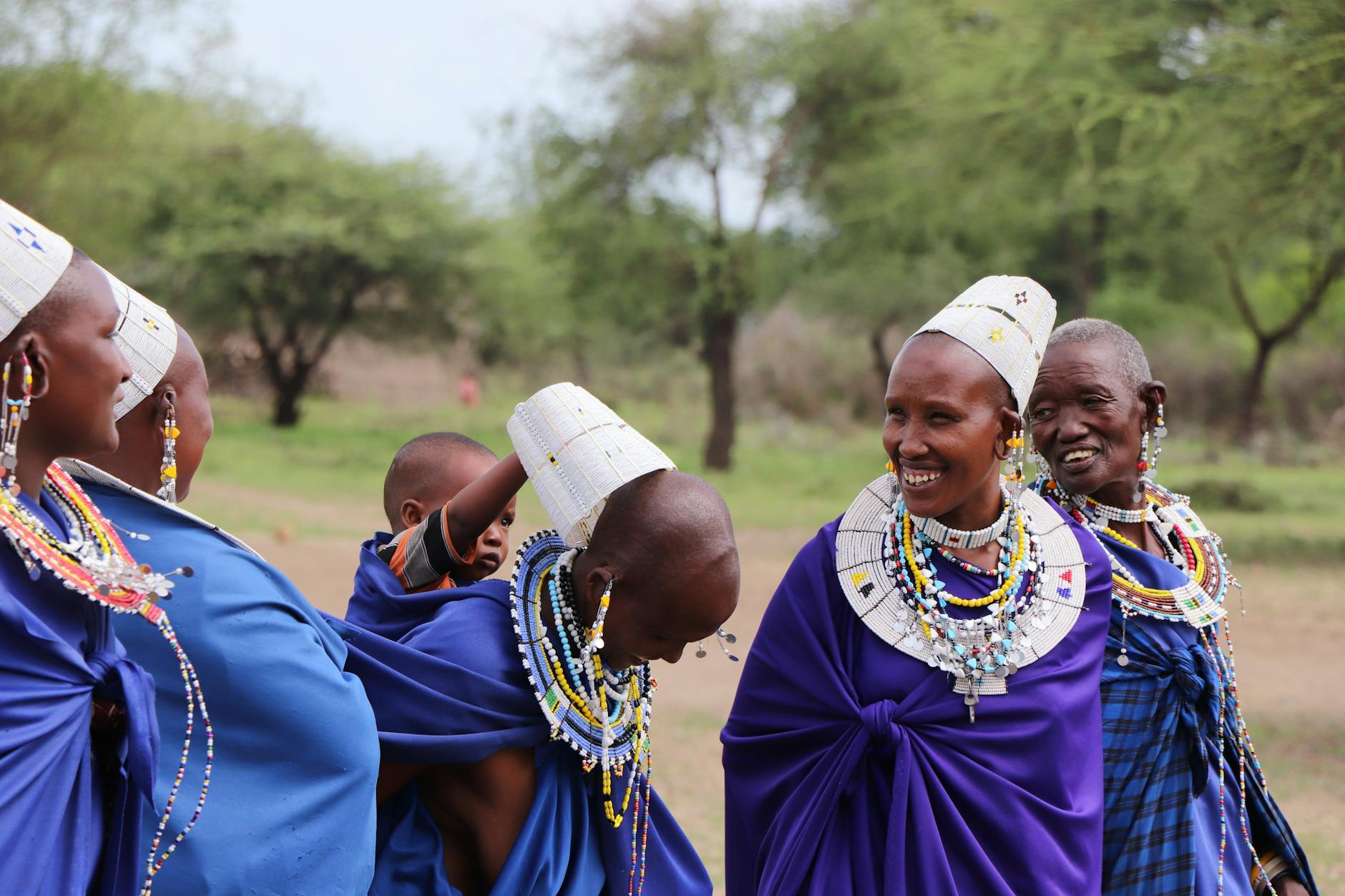
Il Ngwesi Lodge opened in 1996 as the first wholly community-owned and community-run safari lodge in Africa. The property — a stilt-built six-room eco-lodge perched on a rocky outcrop above an active waterhole at the foot of the Mukogodo escarpment — sits on the 16,500-hectare Il Ngwesi Group Ranch, owned collectively by the Mukogodo Maasai community. Every staff member, every shilling of profit, and every operational decision returns to the community. Il Ngwesi Conservancy Kenya remains, three decades on, the benchmark example of how community-owned wildlife tourism can deliver real conservation outcomes alongside meaningful community development.
Il Ngwesi in Brief
Location: Eastern Laikipia, on the Mukogodo escarpment near the Samburu County border. Closest town: Doldol; nearest major town: Isiolo (1.5 hours).
Size: 16,500 hectares / 41,000 acres / 165 km² (Il Ngwesi Group Ranch).
Governance: Owned and managed entirely by the Il Ngwesi (Mukogodo Maasai) community through their elected community board. The lodge operations, the conservancy management, the staff team, and the revenue distribution all sit under community control.
Distinctive features: The first wholly community-owned safari lodge in Africa. Six-room stilt-built eco-lodge with pool. Authentic cultural immersion with the host community. Recipient of multiple international tourism and conservation awards (UNEP Equator Prize, World Travel and Tourism Council Tourism for Tomorrow Award, others).
The Story of Il Ngwesi
The Il Ngwesi people are part of the broader Mukogodo Maasai community of eastern Laikipia. Their traditional homeland — the Mukogodo Forest and its surrounding lowlands — has been their territory for centuries.
In the early 1990s, the community made a strategic decision: to set aside a substantial portion of their grazing land (8,675 hectares of the 16,500 hectare group ranch) for wildlife conservation, and to develop a community-owned tourism enterprise that would generate revenue from the wildlife rather than from cattle alone. The decision required collective community agreement and formal land-use designation.
In 1996, with funding from USAID through the Kenya Wildlife Service, the Il Ngwesi Eco-Lodge was built. The construction was largely community labour; the design was developed in collaboration with international architects but with Maasai input shaping the structures. The lodge opened as the first wholly community-owned safari lodge in Africa.
Three decades on, Il Ngwesi has become an internationally recognised model. The Mukogodo Maasai community runs the operation, employs over 30 local staff, channels revenue into community projects (schools, healthcare, water infrastructure, scholarships), and has established formal conservation outcomes (rhino reintroduction in collaboration with Lewa, anti-poaching success, habitat protection).
The Wildlife
Big Five Plus
The Il Ngwesi conservancy and the broader Mukogodo landscape support all of the Big Five: lion, elephant, leopard, buffalo, and (increasingly) rhino — a small population of black rhino was reintroduced in 2002 in collaboration with Lewa Wildlife Conservancy, making Il Ngwesi the first community-owned conservancy to host rhinos.
Reticulated Giraffe and Grevy’s Zebra
Both Northern Frontier specials are present in good numbers across Il Ngwesi.
Wild Dog
The broader Laikipia–Samburu wild dog population uses Il Ngwesi seasonally.
Cultural Wildlife
The conservancy’s setting — at the foot of the Mukogodo escarpment, with the Mukogodo Forest reserve nearby — adds forest-edge species and dramatic landscape to the standard savanna wildlife list.
Il Ngwesi Lodge
The Property
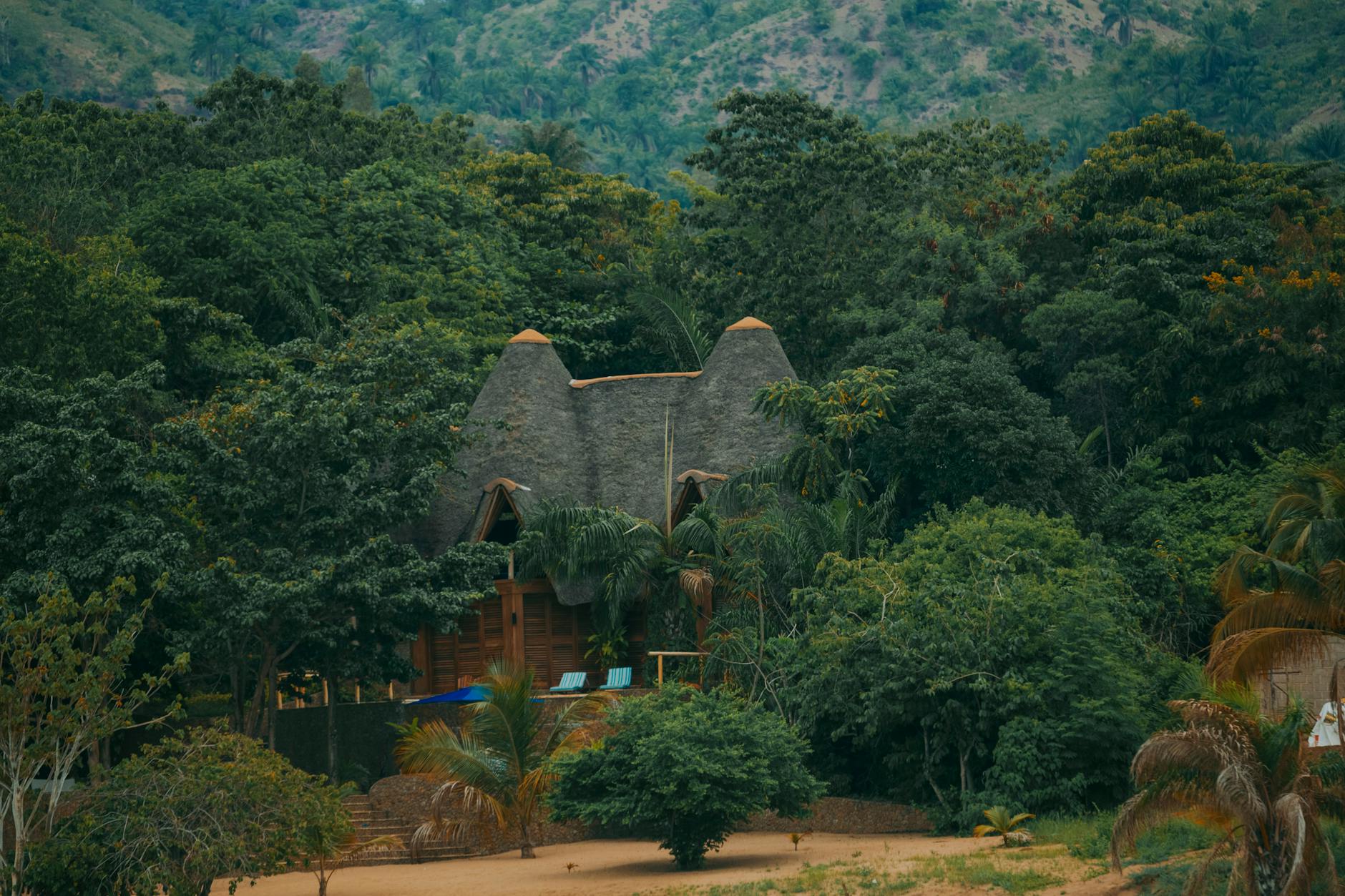
Six rooms in a stilt-built eco-lodge perched on a rocky outcrop. Constructed from locally sourced materials — wood, rock, and thatching — the lodge is small and beautifully designed. Each room has a partial open-air structure, mosquito netting, modest but comfortable furnishings, and a private terrace overlooking the waterhole.
Communal areas include a dining room, a swimming pool, a bar, a lounge, and multiple viewing platforms positioned to overlook wildlife activity. Solar power and rainwater systems are foundational.
Management
The lodge is owned, managed and staffed entirely by members of the Il Ngwesi Maasai community. Staff training has been ongoing since opening; current staff combine Maasai cultural knowledge with international hospitality standards. The lodge is one of the few in Kenya where you’ll likely meet community elders and decision-makers during your stay.
Rate
USD 450–800 per person per night all-inclusive — significantly below the rates of comparable luxury Laikipia lodges, reflecting the community-ownership model rather than commercial profit-margin pricing.
Activities
Game Drives
Standard morning and afternoon drives in 4×4 safari vehicles. Off-road driving permitted within the conservancy. Guides are typically Mukogodo Maasai community members with deep local knowledge.
Walking Safaris
Guided walks with armed Maasai rangers. The escarpment country provides dramatic walking terrain.
Cultural Experiences
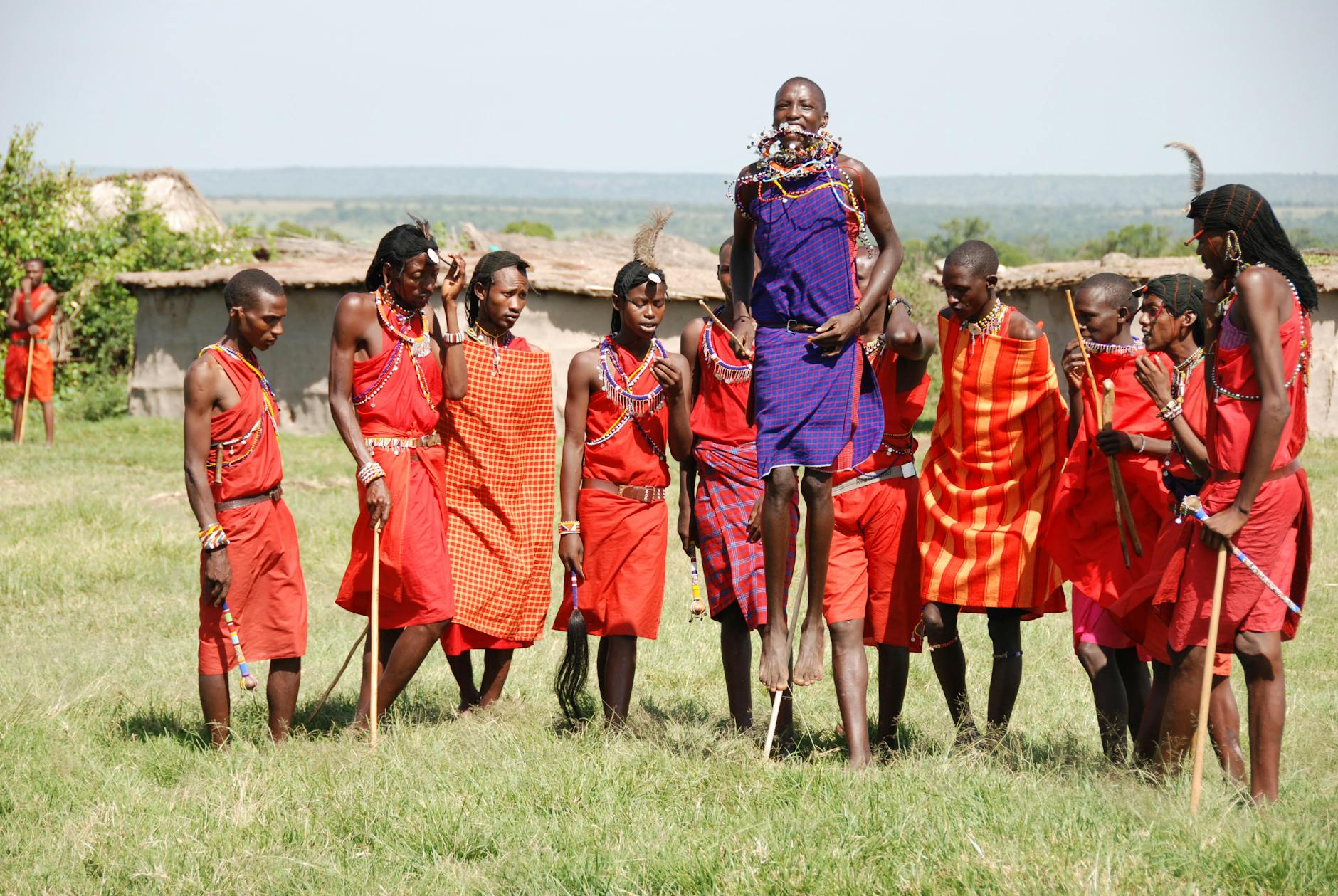
Authentic cultural experiences are central to Il Ngwesi. Visits to neighbouring manyattas, conversations with community elders, traditional dances, beadwork demonstrations, and discussions about the conservancy governance and community-development programmes.
Mukogodo Forest Excursions
Guided forest walks into the adjacent Mukogodo Forest Reserve — looking for forest birds, monkeys, and learning about the historic Yaaku hunter-gatherer culture that originated in this forest.
Camel Walks
Camel-supported walks of varying length through the conservancy.
Sundowners and Bush Meals
Sundowner stops at the rocky escarpment edge with views across the Mukogodo lowlands; bush dinners and special-occasion picnics.
Rhino Tracking
Limited rhino tracking experiences with the community rhino monitoring team.
Getting to Il Ngwesi
By Air
Charter flight to Lewa Downs Airstrip (closest), then 1-hour road transfer. Or scheduled flight to Nanyuki, then 2.5-hour road transfer.
By Road
From Nanyuki: 2.5 hours via Doldol. From Nairobi: 5–6 hours via the A2 highway. The road conditions become rougher beyond Doldol; 4×4 recommended.
From Other Laikipia Conservancies
Lewa: 1.5 hours by road. Borana: 2 hours. Loisaba: 2 hours by road or 30-minute charter.
The Community Conservation Model
Ownership and Governance
The Il Ngwesi Group Ranch is collectively owned by the Mukogodo Maasai community members registered to the group ranch. Decisions are made by an elected community board with regular general meetings. The board sets conservation policy, lodge operations strategy, revenue allocation, and partnership decisions.
Community Benefits
Revenue from the lodge and from associated tourism activities flows directly into community funds, which are allocated through democratic processes to:
- Education: school fees support, school infrastructure, scholarships
- Healthcare: clinic operations, medical referrals
- Water infrastructure: borehole maintenance, piped water systems
- Direct community dividends in good years
- Emergency drought response
Conservation Outcomes
The community has set aside 8,675 hectares specifically for wildlife conservation. The conservancy has reintroduced rhinos (in collaboration with Lewa), maintained anti-poaching coordination, and integrated with the broader Northern Rangelands Trust community conservancy network.
International Recognition
Il Ngwesi has received the UNEP Equator Prize, the World Travel and Tourism Council Tourism for Tomorrow Award, and recognition from numerous international conservation and tourism organizations. The model has been studied as a template for community-based conservation across Africa.
How to Combine Il Ngwesi
Il Ngwesi Alone (3–4 nights)
Spend the full stay at Il Ngwesi for deep cultural immersion plus standard safari activities. The community character benefits from a longer stay.
Il Ngwesi + Lewa (5–7 nights)
Two contrasting properties — community-owned eco-lodge plus the UNESCO conservancy. Both within easy road transfer.
Il Ngwesi + Loisaba (5–7 nights)
Two community-engaged properties with different scales and styles.
Il Ngwesi + Samburu (5–7 nights)
The Northern Frontier circuit. Both destinations are dry-country, community-engaged landscapes.
Practical Tips
Length of Stay
Minimum 2 nights. 3 nights is the practical sweet spot to engage meaningfully with the community programme alongside standard wildlife activities.
What to Pack
Standard safari kit. Modest dress for cultural visits (long trousers/skirts, shoulders covered). Cash for community shop purchases (beadwork particularly).
Children
Family-friendly. The cultural programme is genuinely engaging for children of the right age. Some game drives have age restrictions.
Cultural Etiquette
Ask before photographing community members. Buy from community cooperatives rather than roadside vendors. Tip generously and through the lodge’s community-fund system rather than directly.
Booking
4–6 months ahead is usually sufficient. Il Ngwesi rates are below comparable luxury Laikipia properties but availability is limited.
Frequently Asked Questions
Is Il Ngwesi really community-owned?
Yes. The Il Ngwesi Group Ranch is collectively owned by the Mukogodo Maasai community. The lodge is owned and operated by the community through their elected board.
What does my visit fund?
Direct community funding — schools, healthcare, water infrastructure, community dividends, conservation operations. The community-ownership model means no commercial profit margin extracts revenue away from the community.
Is the lodge less luxurious than commercial Laikipia properties?
The accommodation is intentionally simpler than ultra-luxury commercial lodges — eco-lodge style with sustainable design, modest finish, and emphasis on the cultural and conservation experience over Western luxury features. Most travellers find the experience more meaningful, not less.
Can I see rhinos at Il Ngwesi?
Yes — black rhinos were reintroduced in 2002. The population is small but growing. Rhino tracking experiences are available.
Is the cultural experience authentic or staged?
Authentic. Visits are organised by the community itself; the encounters are with real community members rather than performers.
How does Il Ngwesi compare to other community conservancies?
Il Ngwesi is the longest-established community-owned lodge in Africa and the most internationally recognised. Tassia Lodge (on Lekurruki) and Sarara Camp (on Namunyak in Samburu) are similar models with their own distinctive characters.
How do I get there?
Charter flight to Lewa Downs (closest) plus road transfer; or scheduled flight to Nanyuki plus longer road transfer. Lodge can arrange transfers.
Are there minimum stay requirements?
Most bookings require minimum 2 nights. 3+ nights is preferred to do justice to the community engagement.
The Bottom Line
Il Ngwesi Lodge is the original community-owned safari lodge in Africa and remains, three decades on, the benchmark for the model. Six rooms, community-owned and community-run, set in 16,500 hectares of Mukogodo Maasai land at the foot of the dramatic Mukogodo escarpment. Wildlife sightings include the Big Five plus rhinos reintroduced in 2002. The cultural engagement is authentic rather than staged. Rates are below comparable luxury commercial properties because the community-ownership model means revenue stays with the community. For travellers who want the most direct possible community-funded conservation experience in Laikipia, Il Ngwesi is the top recommendation.