Last updated: May 2026
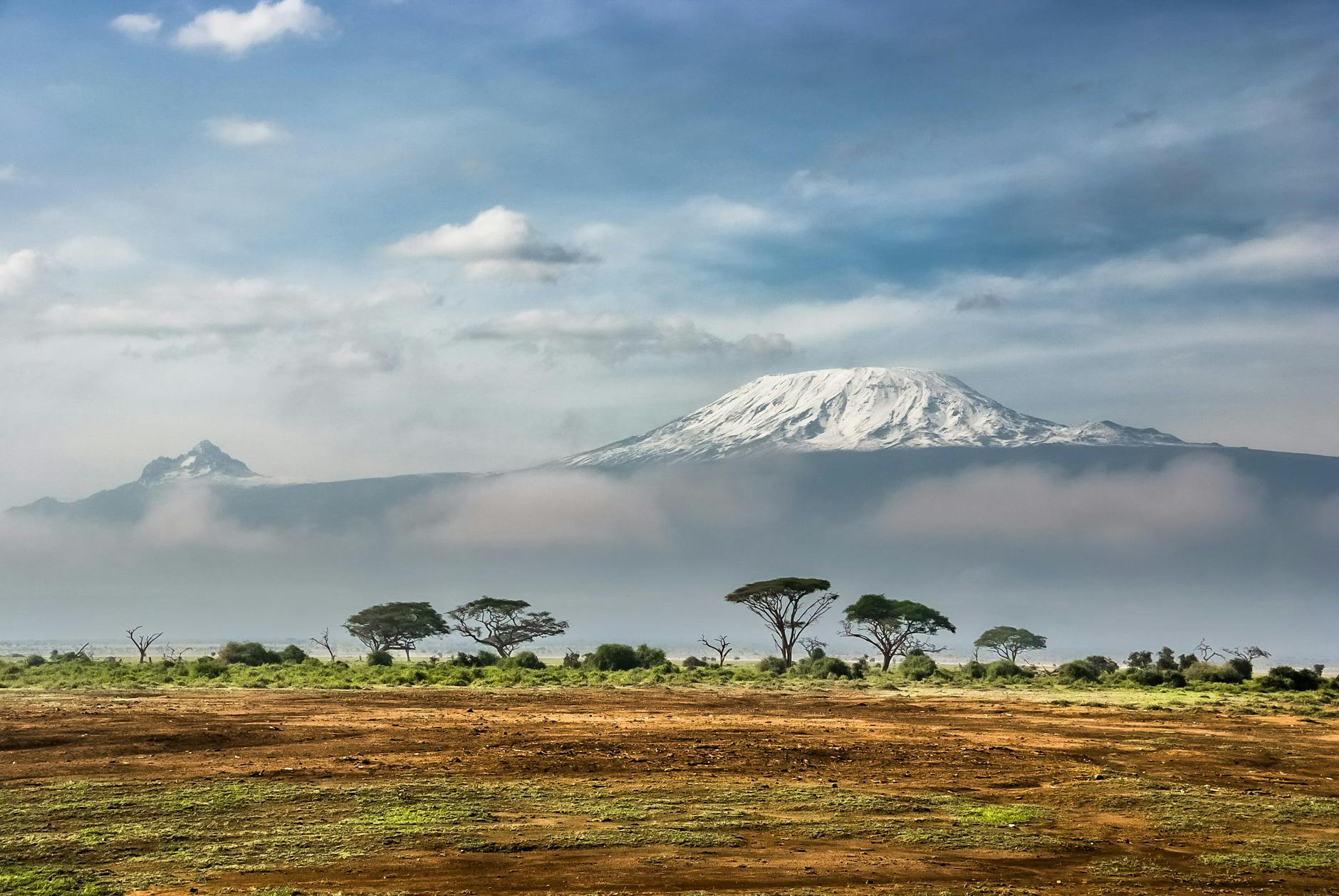
Nanyuki is the town that does most of the unsexy work behind every Laikipia safari — fuelling the Land Cruisers, restocking the lodges, processing the visa stamps, ferrying the SafariLink passengers in and out. It also happens to sit on the equator, in the snow-line shadow of Mount Kenya, with one of the strongest restaurant scenes anywhere in upcountry Kenya, a real arts community, and a personality that makes a one-night stopover frustratingly short.
This Nanyuki Kenya guide covers what the town is actually like to visit — where to stay, where to eat, what to do when you have a free afternoon between conservancy transfers, and how to use the town as a gateway to the wider Laikipia plateau. Whether you’ve got 24 hours before your flight north or you’ve based yourself here for a week of Mount Kenya climbing and conservancy day trips, the practical detail you need is below.
Where Is Nanyuki and Why It Exists
Nanyuki sits at 1,947 metres in the saddle between Mount Kenya (5,199 m, fifteen kilometres east) and the Laikipia plateau (rolling away to the west and north). The Equator runs through the southern edge of town. Population is somewhere between 70,000 and 100,000 depending on whose census year you trust — fast-growing, increasingly cosmopolitan, and visibly different from the dusty staging town it was twenty years ago.
The town began life as a colonial-era farming settlement and a stop on the Mombasa–Uganda rail extension. It was an Allied airbase during World War II, and the British Army still maintains the British Army Training Unit Kenya (BATUK) on the town’s edge — which explains the surprisingly high concentration of pubs serving fish and chips. Today the economy runs on three engines: tourism (lodges, conservancies, Mount Kenya climbing), large-scale horticulture (the flower farms east of town export cut roses worldwide), and the British military.
The result is a town with a more cosmopolitan feel than its size suggests. International visitors thread through every café. The matatu stages handle passengers heading to Isiolo, Meru, Nairobi, Nyahururu and the Samburu and Marsabit roads to the north. Mount Kenya looms over everything when the cloud lifts, which is most early mornings and most evenings.
How to Get to Nanyuki
By Air
Nanyuki Civil Airstrip is on the southern edge of town and handles daily SafariLink and AirKenya scheduled flights from Nairobi’s Wilson Airport. Flight time is 45 minutes. Costs run USD 200–280 one-way per person depending on operator and load. The military airbase next door (Nanyuki Airfield) handles BATUK and Kenya Defence Forces traffic and is not open to civilian flights, though the two share a runway.
Most safari guests transferring onward to Lewa, Loisaba or Borana fly into Nanyuki, get road-transferred (45 min to 2 hours), or fly the second leg from the Nanyuki strip to a conservancy airstrip on the same flight.
By Road from Nairobi
The drive from Nairobi takes 3.5 to 4.5 hours depending on traffic. The route follows the A2 northbound — Thika, Murang’a, Karatina, then a left turn at Karatina onto the C76 through Nyeri and onto the Nyeri–Nanyuki road, which becomes the A2 again north of Naro Moru. The road is paved the entire way, and the section from Nyeri north is one of the more scenic drives in central Kenya — Mount Kenya filling the right-hand horizon.
Self-drive in a saloon car is straightforward but matatu and shuttle services run hourly from Nairobi’s Tea Room stage. A reliable shuttle (Easy Coach, Modern Coast) costs KES 1,200–1,800 one way. Private taxi from Nairobi runs USD 120–180.
By Road from Other Towns
From Nyeri: 1 hour. From Naro Moru: 30 minutes. From Isiolo: 1.5 hours. From Meru: 2 hours. From Nakuru: 3 hours via Nyahururu. From Lewa Conservancy gate: 1 hour. From Ol Pejeta gate: 30 minutes.
Where to Stay in Nanyuki
Nanyuki has accommodation across every price band, from KES 800-a-night backpacker dorms to USD 1,000+ suites at the Fairmont. Most safari guests use the town as either a one-night staging stop (before/after the conservancy stays) or as a four-to-seven-night base for Mount Kenya climbing.
Luxury
Fairmont Mount Kenya Safari Club. The grande dame of Nanyuki accommodation, founded by William Holden and his Hollywood partners in 1959. The property sits at 2,134 m on the equator (a brass strip in the lobby marks the line) and offers 120 rooms, suites and cottages spread across 100 acres of manicured gardens, a heated outdoor pool, a 9-hole golf course, an animal orphanage, horseback riding, and what is probably the best afternoon-tea setup in the country. The Mount Kenya Wildlife Conservancy on the grounds rehabilitates orphaned bongo and other endangered species. Rates from USD 380 per room per night, climbing to USD 1,200+ for the William Holden Suite.
Mount Kenya Resort & Spa. A more contemporary luxury option a few minutes outside town. Smaller, quieter, and with a serious spa programme. Useful if you want luxury without the colonial-club atmosphere of the Fairmont.
Mid-Range
Sportsman’s Arms Hotel. Long-running town favourite, walking distance from the main shops, with a swimming pool and the unbeatable advantage of being able to stroll out to dinner. Around USD 90–140 per night. The bar attracts British Army personnel and the buffet breakfast has built a small fan base.
Kongoni Camp. Three kilometres outside town on the Nairobi side, a tented-camp-style property with permanent tents, a strong bar and restaurant scene, and pretty grounds. The food is consistently rated among the best in town. USD 80–130 per night.
The Glacier Hotel Nanyuki. A modern, town-centre business hotel that handles the corporate and event traffic. USD 60–100. Reliable rather than charming.
Le Rustique. A charming small French-themed boutique hotel with an excellent associated restaurant and bakery. Eight rooms, books up early. USD 80–120.
Budget and Backpacker
Castle Forest Lodge (technically near Naro Moru, a 25-minute drive south of Nanyuki). One of the most atmospheric budget-to-mid options in central Kenya — old wooden lodge in indigenous forest on the slopes of Mount Kenya. From USD 60.
Nanyuki Riverine Cottages, Falcon Heights, Olive Garden Resort. Three solid town options in the KES 3,500–8,000 (USD 25–60) range. All have private rooms, secure parking and Wi-Fi.
Bush Adventures and Mountain Rock are the standard backpacker base camps for Mount Kenya climbers. Dorm beds from KES 1,500.
Where to Eat in Nanyuki
Nanyuki punches well above its weight for restaurants, mostly because of the international community (military, NGO, conservation, lodge owners) that lives here permanently and demands real food. A short list of the standouts:
Trout Tree Restaurant. The famous-among-travellers lunch venue, built around a giant strangler-fig tree on the banks of the Burguret River about ten minutes south of town. The on-site trout farm supplies the menu — fresh whole trout served with ugali and greens, around USD 10–15. The treehouse seating overlooks the river and resident colobus monkeys swing overhead. Closed Mondays. Reservations recommended at weekends.
Le Rustique. French bakery and bistro on the southern edge of town. Croissants and pastries the equal of anything in Nairobi, plus a proper bistro menu — duck confit, beef bourguignon, classic salads. Lunch around USD 12, dinner USD 18–25.
Cape Chestnut. A garden restaurant tucked behind the Equator turn-off, beloved by the expat community for its weekend brunches and a menu that swings from gourmet burgers to Thai curry to wood-fired pizza. Bring cash for the on-site curio market afterwards.
Barneys. At the Nanyuki Airstrip — pre- or post-flight burgers and a reasonable menu of grills, salads and Lebanese-influenced sharing plates. Useful when your flight is delayed (which happens) or you’ve got an early morning departure and want a shorter morning. USD 8–15.
Kongoni Camp Restaurant. Steaks, fish, burgers, pizza in a relaxed garden setting three kilometres outside town. Good place to recover after an arrival flight. USD 12–20.
Dormans Café and Java House (Cedar Mall). Reliable Kenyan coffee chains with consistent breakfast menus and Wi-Fi. Useful for a working morning between meetings.
Local nyama choma joints. The roast-meat bars along the main street and around the Cedar Mall area serve the local dish — chunks of grilled beef or goat with ugali and kachumbari (raw tomato-onion salad) — for USD 4–7. Local favourites: Karen Blixen Coffee Garden, Hard Tac Pub, Mukima Pub.
Things to Do in Nanyuki
Stand on the Equator
The Equator monument on the southern edge of town is the country’s most photographed roadside attraction, and there’s a reason. Local guides set up little stalls with sinks and bowls of water and demonstrate the Coriolis effect — water draining clockwise five metres north of the line, anti-clockwise five metres south, and straight down on the line itself. (The physics is showmanship rather than science at that scale, but the demonstration is charming and the photos are mandatory.) A line of small curio shops sells Kenyan crafts at fair prices if you bargain politely. Allow 20 minutes including souvenir shopping.
Climb Mount Kenya
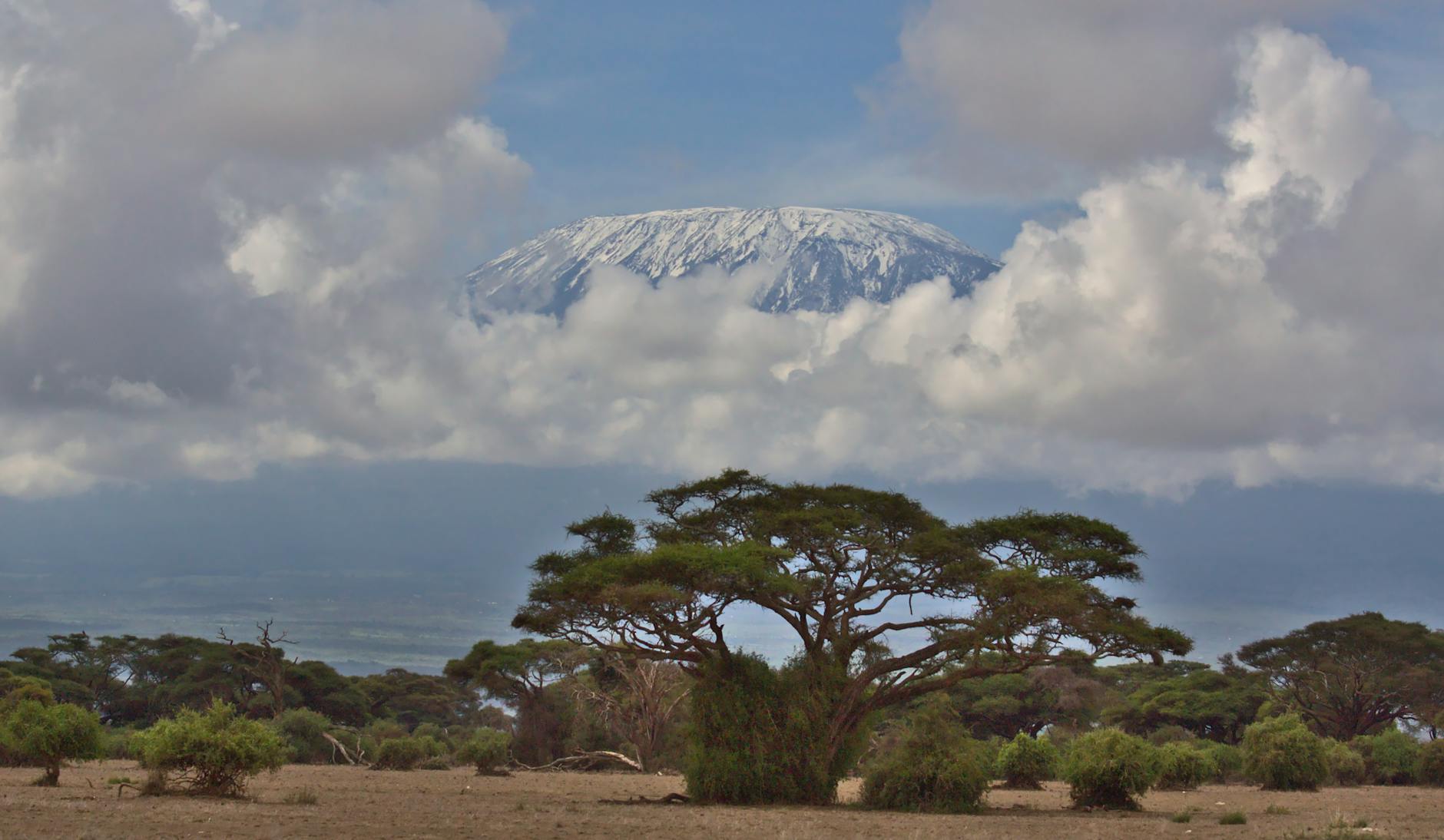
Mount Kenya is Africa’s second-highest mountain at 5,199 m and Nanyuki is the standard staging town for the Sirimon and Burguret climbing routes. A full Point Lenana ascent (the trekkable peak — Batian and Nelion require technical climbing) takes four to six days. Operators in Nanyuki can arrange everything: porters, KWS park fees, gear rental and guides. Standard four-day Sirimon up / Chogoria down routing costs USD 700–1,200 per person depending on group size and operator. Best months are January–February and August–September.
Day-walks from the Met Station or Sirimon Gate are accessible to anyone reasonably fit and don’t require multi-day commitment. Half-day forest walks pick up colobus monkeys and rich birdlife.
Visit Ol Pejeta Conservancy
Ol Pejeta is half an hour from town and is the easiest day-trip safari from Nanyuki. The conservancy contains the world’s last two northern white rhinos, the largest black rhino sanctuary in East Africa, the chimpanzee sanctuary at Sweetwaters (a Jane Goodall project), and the standard Big Five lineup. Day-visit conservancy fees run around USD 90 for non-residents; you can hire a guide and vehicle in town for around USD 150 for a half-day trip. Worth doing even if you’re staying inside Ol Pejeta on the same trip — the day-visit gates are different from the lodge gates and you’ll see different country.
Walk the Ngare Ndare Forest Canopy
Forty minutes north-east of Nanyuki, the Ngare Ndare community forest contains a 40-foot-high canopy walk that runs nearly half a kilometre through indigenous trees, ending at a 30-foot-high viewing platform above the river. The forest is a community-run KWS-recognised conservation project, the canopy walk is one of only three of its kind in East Africa, and the swimming pools at the river’s source are extraordinary — turquoise water in pale rock pools fed by waterfalls. Day-visit fees around USD 30. Allow most of a day.
Climb at the Mount Kenya Climbing Gym
An indoor and outdoor climbing wall in central Nanyuki with routes for beginners through advanced. A useful afternoon activity when the weather closes in on the mountain. Day passes around USD 12.
Horse Ride at the Mount Kenya Safari Club
The Fairmont’s stables are open to non-guests by prior arrangement. One- and two-hour rides through the conservancy on the property — bongo, eland and zebra are common sightings. Rides USD 60–90.
Visit the Animal Orphanage
The Mount Kenya Wildlife Conservancy on the Fairmont grounds runs an animal orphanage and a captive-breeding programme for the critically endangered mountain bongo (a gorgeous spiral-horned forest antelope down to fewer than 100 in the wild). Open to non-resident visitors. Day fees around USD 20.
Shop at the Nanyuki Spinners and Weavers
A women’s cooperative producing rugs, throws and tapestries in the natural-dyed wool of the highland sheep. The workshop is on the Burguret road and is open to visitors — you can watch the spinning and weaving, then buy direct from the makers. Pieces from USD 20 for a small throw to USD 400 for a large rug.
Browse the Equator Crafts Markets
The curio shops at the Equator monument and the Cedar Mall market between them carry the standard Kenyan crafts catalogue — wood carvings, soapstone, beaded jewellery, kanga and kikoi cloth, Maasai blankets — at prices well below Nairobi airport markups. Bargain politely (start at 30–40% of the asking price).
Explore Nanyuki Town Itself
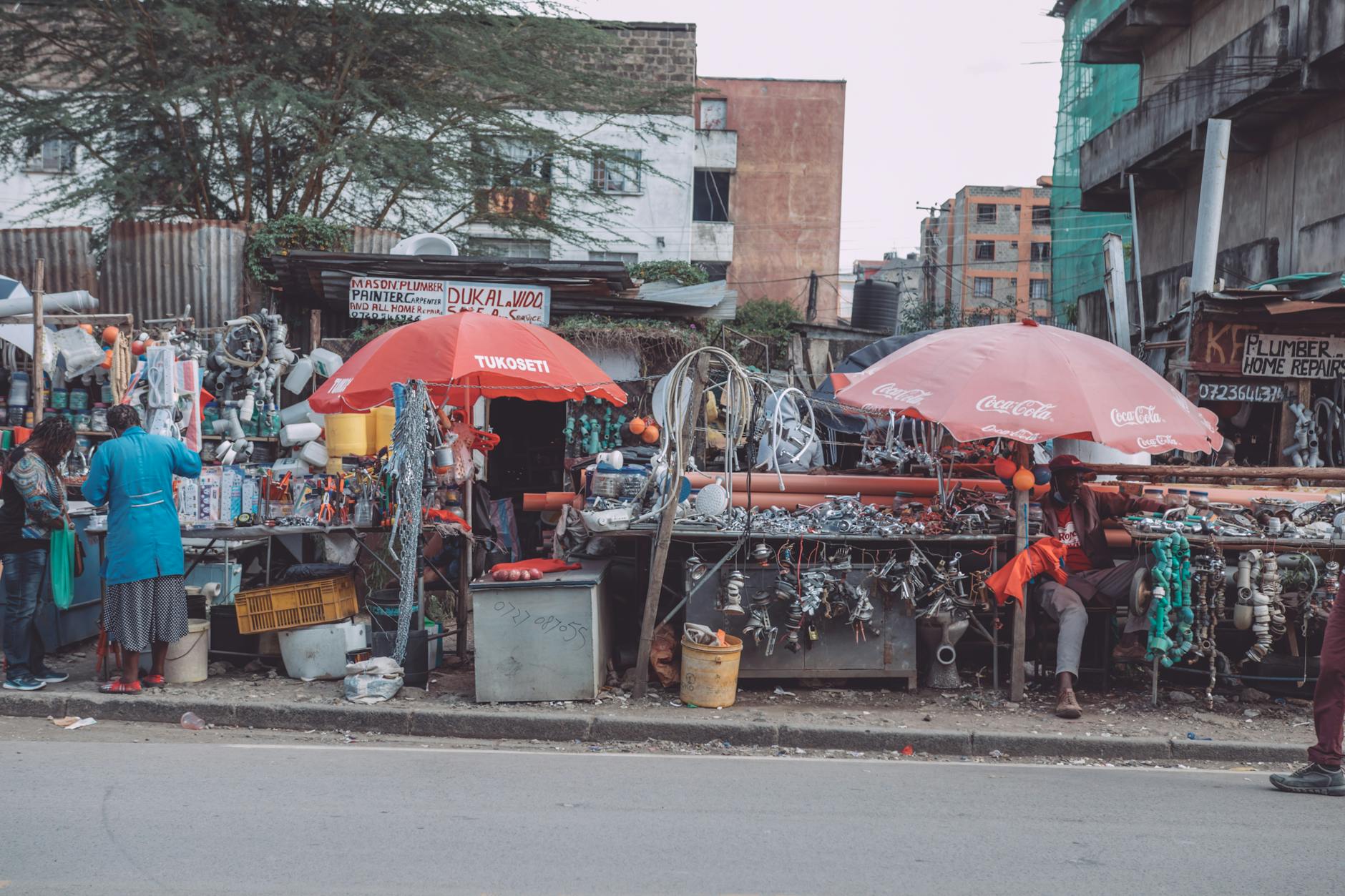
The municipal market (off Kenyatta Avenue) is colourful and active and worth an hour of strolling for the produce stalls, the spice section and the second-hand clothes (mitumba) market. The Cedar Mall is the modern shopping centre with a supermarket, banks, a cinema and the standard restaurant chains. The old colonial-era Nanyuki Club is open to non-members for lunch — old-Kenya atmosphere, lawns for a beer.
Day Trips from Nanyuki
Solio Ranch (1 hour)
One of Africa’s first private rhino conservancies, with one of the highest concentrations of black and white rhino anywhere in Kenya. Day-visit fees around USD 70.
Aberdare National Park (1.5 hours)
Bamboo forest, waterfalls, and the famous Treetops and the Ark tree-platform lodges. Day-trip is ambitious but possible with an early start.
Lewa Wildlife Conservancy (1 hour)
UNESCO-listed conservancy. Day visits possible by prior arrangement. Hosts the famous Lewa Marathon every June.
Samburu and Buffalo Springs Reserves (2 hours)
The dry-country reserves north of Mount Kenya, home to the “Samburu Special Five” (reticulated giraffe, Grevy’s zebra, Beisa oryx, gerenuk, Somali ostrich). Day-trip is a stretch — better as an overnight.
Sweetwaters Chimp Sanctuary (30 minutes)
Inside Ol Pejeta. The Jane Goodall–founded sanctuary rehabilitates chimpanzees rescued from the bushmeat and pet trades. Half-day visit easy from Nanyuki.
Practical Information
Money and Banking
The Cedar Mall branch of Equity Bank, KCB and Standard Chartered all have ATMs that accept Visa, Mastercard and Maestro. M-Pesa (Safaricom mobile money) is universal in town — you can pay for almost anything by phone if you have a Kenyan SIM. Most lodges accept card; smaller restaurants and curio shops are cash-and-M-Pesa only.
SIM Cards and Connectivity
Buy a Safaricom or Airtel SIM at the airport in Nairobi or at any of the phone kiosks in Nanyuki — KES 100 for the SIM, KES 1,000 for a useful data and airtime bundle. Bring your passport for registration. 4G coverage in Nanyuki town is reliable; 4G coverage in the conservancies is patchy and lodge Wi-Fi is variable.
Health and Safety
Nanyuki Cottage Hospital and Nanyuki Teaching and Referral Hospital handle most medical needs. For serious problems, AMREF Flying Doctors will medevac you to Nairobi from Nanyuki Airstrip. Buy travel insurance that covers medical evacuation before you fly.
Town is generally safe day and night, but standard precautions apply — don’t carry obvious valuables, use a registered taxi after dark, and keep an eye on bag straps in the markets. Pickpocketing exists; violent crime against tourists is rare.
Altitude
Nanyuki sits at 1,947 m. This isn’t high enough to cause altitude sickness in most people, but expect to feel a slight breathlessness on arrival from sea level and to need a few extra hours of sleep your first night. Mount Kenya climbs go to 4,985 m at Point Lenana, where altitude is a real issue — acclimatise properly.
Weather
Two short rainy seasons: the long rains (March–May) and the short rains (October–December). Mornings are reliably clear with mountain views; cloud builds through the day and clears in the evening. Daytime temperatures are 20–28 °C year-round; nights can drop to 8 °C. Bring a fleece for evenings even in the warm months.
What to Wear
Nanyuki is informal. Lightweight long trousers and shirts during the day, a fleece and long sleeves for evenings, sturdy walking shoes if you plan any forest walks. Lodge dress code is “smart casual” at most places — the Fairmont expects a collar at dinner. For women, modest dress (covering shoulders and knees) is appreciated in town and in markets.
Nanyuki for Different Travellers
Stopover Travellers (24 hours)
Arrive Nairobi, drive to Nanyuki, stay one night at Sportsman’s Arms or Le Rustique. Equator photo, dinner at Trout Tree or Cape Chestnut, drinks at the Nanyuki Club. Morning at the spinners and weavers, then onward to Lewa, Loisaba or Ol Pejeta in the afternoon.
Mount Kenya Climbers
Three nights in town bookending a four-day climb works well: one night before to brief, gear-check and acclimatise, then back into Nanyuki for two nights to clean up and recover before flying out. Use a backpacker camp or Sportsman’s Arms; eat at Le Rustique to celebrate on the way down.
Family Bases
Nanyuki works well as a four-to-seven-night family base, with day trips to Ol Pejeta, Sweetwaters, the Equator and Ngare Ndare interspersed with afternoons at the Fairmont pool. Younger children love the canopy walk and the chimps; older ones can do half-day Mount Kenya forest walks.
Long-Stay Visitors
Nanyuki has a small but established expat community with Airbnb-style longer rentals available. The cottages around Burguret and Mukima are popular with NGO workers and lodge staff on rotation. Rates from USD 800/month for a small one-bedroom cottage.
Where Nanyuki Fits in a Kenya Itinerary
Nanyuki is the town where most Laikipia trips begin or end. The standard pattern is: fly Nairobi to Nanyuki (or drive), then transfer to a Laikipia conservancy lodge for three to five nights, then either return through Nanyuki for an onward flight or fly direct from the conservancy airstrip.
For a longer Kenya circuit, Nanyuki sits naturally in a route that combines the Aberdares (1.5 hours south), the Mount Kenya climb, Laikipia conservancy time, and a northward extension to Samburu. Adding the Masai Mara is straightforward via a flight back to Nairobi and a connection on to the Mara airstrips. A two-week classic circuit might run: Nairobi → Aberdares → Nanyuki/Mount Kenya → Laikipia conservancy → Samburu → Mara.
Frequently Asked Questions
Is Nanyuki worth visiting on its own?
For most safari travellers, Nanyuki is a gateway and a day-or-two stopover rather than a destination in itself. That said, climbers, families, expatriates on rotation, and travellers wanting a relaxed upcountry-Kenya pace can easily fill a week here. The combination of mountain, equator, conservancy access and food scene is unusual.
How many days do I need in Nanyuki?
One to two nights is enough to see the equator, eat a couple of good meals and do a day-trip to Ol Pejeta or Ngare Ndare. Add days for Mount Kenya climbing (4–6 days minimum), additional conservancy day-trips, or as a relaxed family base.
Is Nanyuki safe at night?
Yes, with normal urban precautions. The town centre is busy and well-lit until late. Use registered taxis after dark and don’t walk alone outside the main streets late at night.
Can I visit Ol Pejeta as a day trip from Nanyuki?
Yes. The conservancy gate is 30 minutes from town. Hire a vehicle and guide in town (USD 120–180 for a half day) or arrange transport through your hotel.
What’s the best time of year to visit Nanyuki?
January–February and June–October offer the most reliable mountain views and the driest hiking weather. The shoulder months (November and March) are quieter and cheaper.
Do I need a 4×4 in Nanyuki?
Not in town and not on the main paved roads. A 4×4 is essential inside any conservancy and useful on the unpaved roads to Ngare Ndare or Burguret.
Can I fly straight to Nanyuki from outside Kenya?
No international flights operate from Nanyuki. You’ll fly into Jomo Kenyatta International (Nairobi) and connect on a domestic flight from Wilson Airport, or drive.
Is Nanyuki good for shopping?
For Kenyan crafts, yes — the spinners and weavers cooperative, the Equator curio market and the Cedar Mall craft stalls all carry the standard catalogue at fair prices. The town’s farm-fresh produce is also outstanding; a stroll through the municipal market is a small adventure on its own.
The Bottom Line
Nanyuki is the gateway to Laikipia in the literal sense (every flight, every road and every conservancy transfer goes through it), but it’s also a town worth more than the 24-hour pass-through that most safari itineraries give it. Mount Kenya, the equator, the Fairmont, the Trout Tree, the canopy walk at Ngare Ndare, and a food scene that out-punches every other upcountry town in Kenya — all packed into a county-town footprint you can walk across in twenty minutes. Add at least one extra day on either side of your conservancy nights, and you’ll see why so many people who came for one safari ended up with a small house in the foothills.