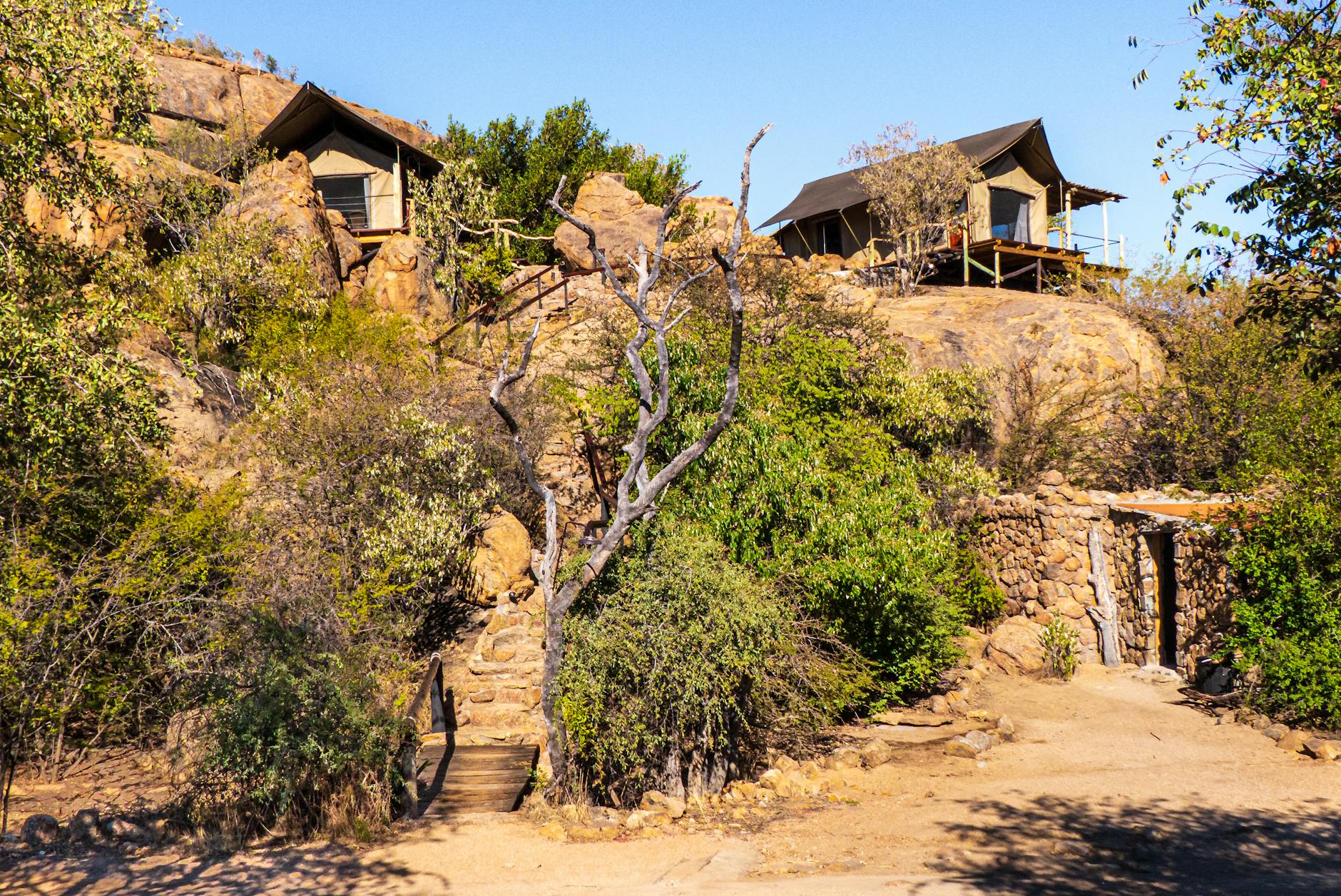
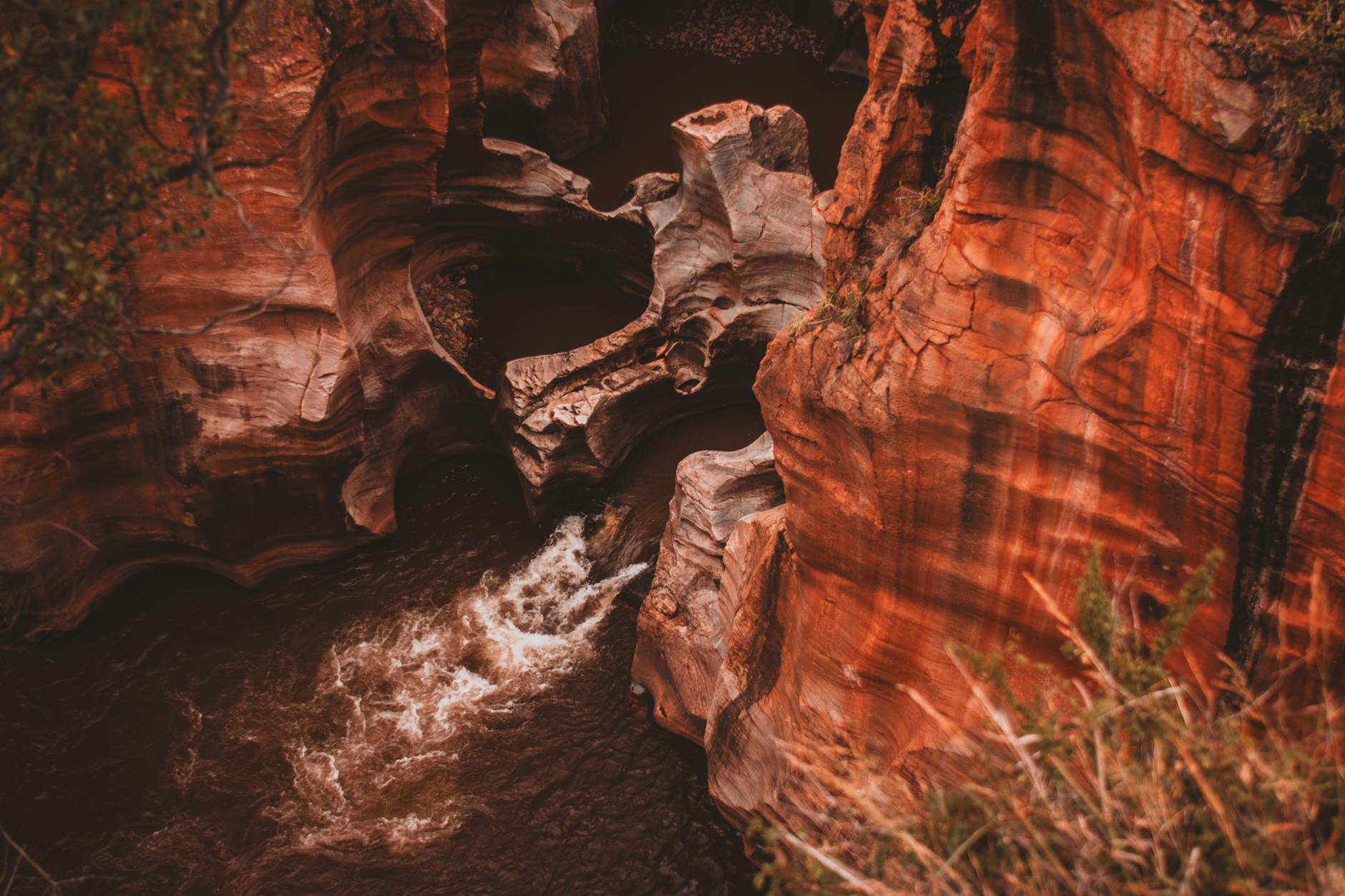
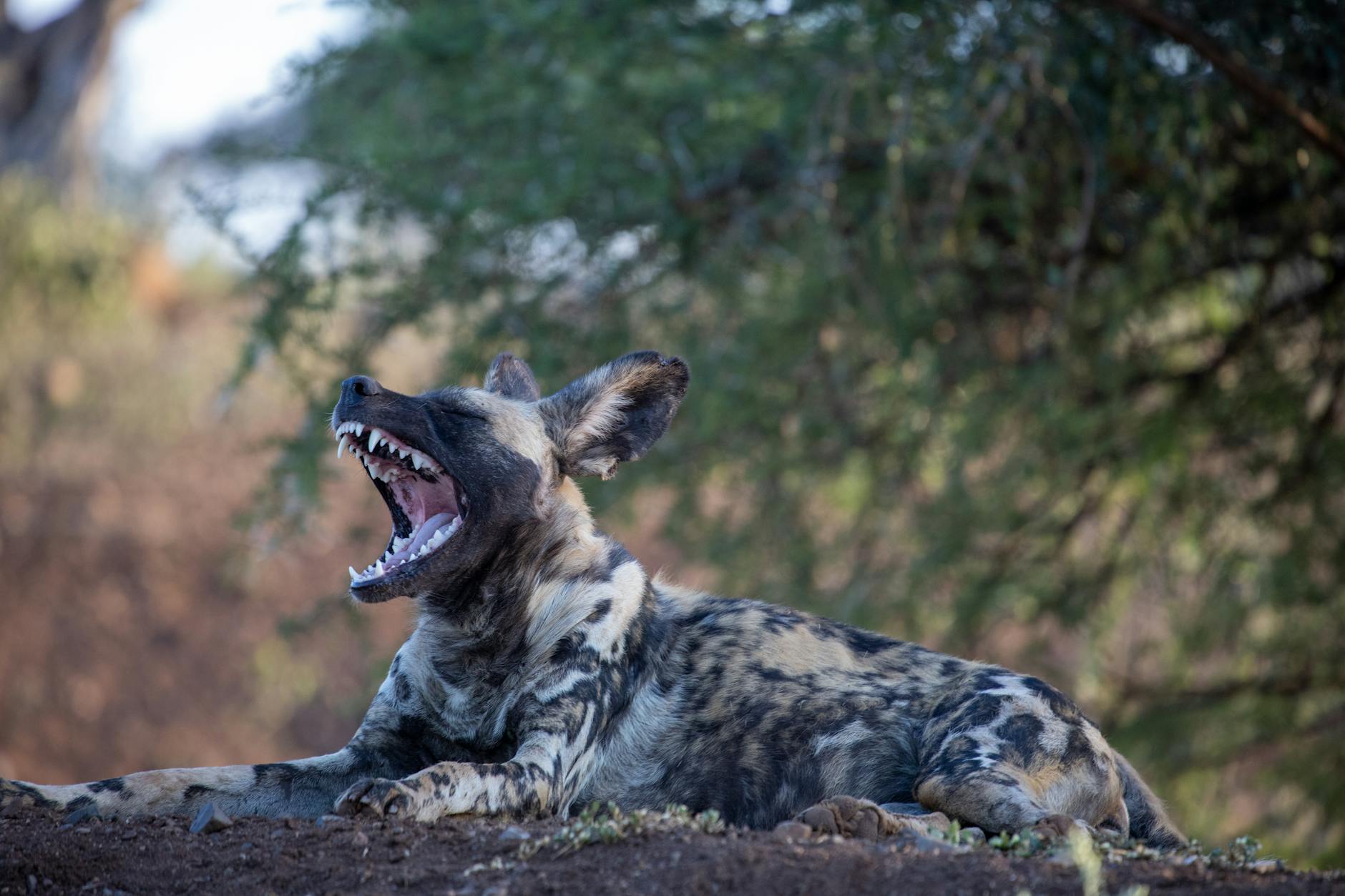
There is no gate to Laikipia, no single reserve, no boundary line on the map. What there is instead is a patchwork of more than twenty private and community-owned conservancies spread across 9,000-plus square kilometres between Mount Kenya and the Rift Valley — and, taken together, one of the largest connected wildlife landscapes on the continent. This guide walks through each of the major ones: what lives there, what you can do, where to sleep, and what sets each apart when you are planning a Laikipia safari.
The reason any of it matters is that the model works. Laikipia is the only part of Kenya where wildlife numbers have risen over the past 25 years, at a time when government parks across much of Africa have watched elephant, rhino and predators fall. It runs not on state budgets but on a mix of tourism, cattle and community ownership — and how those pieces fit together, conservancy by conservancy, is the thread through everything below.
How Laikipia Conservancies Work: The Model Explained
Unlike the Masai Mara or Amboseli, where wildlife is managed within government-designated national reserves, Laikipia’s wildlife roams across a patchwork of private ranches, community-owned group ranches, and dedicated conservation areas. There are no fences between most conservancies, allowing elephants, wild dogs, and other wide-ranging species to move freely across the landscape in response to seasonal conditions and food availability.
The Laikipia Conservancies Association (LCA), established in 2019, coordinates efforts across 24 member conservancies. Its mandate is to ensure landscape connectivity, coordinate anti-poaching operations, manage wildlife corridors, and amplify the conservation impact of individual properties. The LCA represents both private conservancies — many of which evolved from colonial-era cattle ranches — and community conservancies owned and managed by indigenous Maasai, Samburu, and Pokot communities.
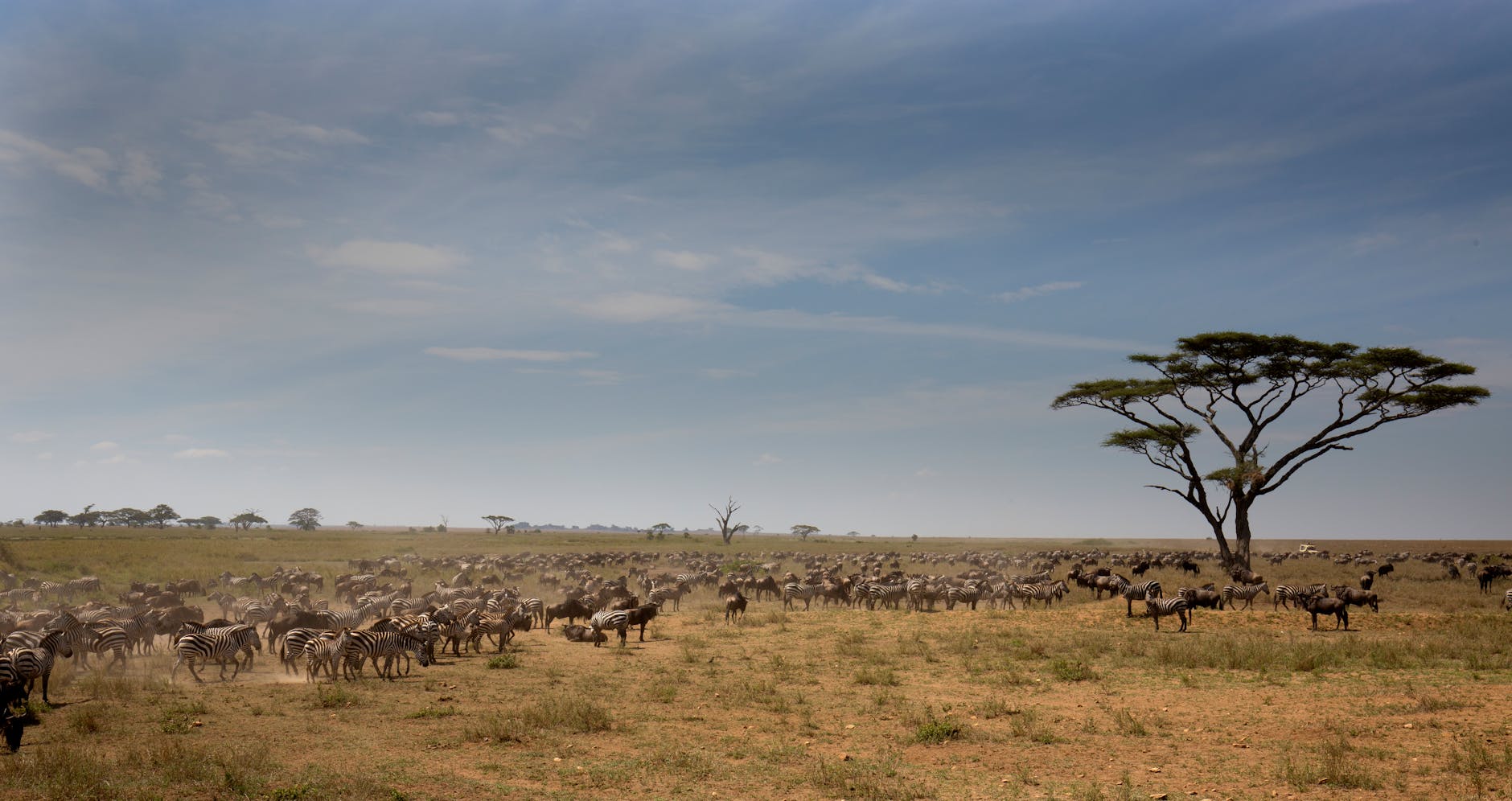
The economic engine of this model is tourism. Conservancy fees, typically ranging from $80 to $150 per person per day and usually bundled into accommodation rates, fund ranger salaries, anti-poaching technology, wildlife monitoring, veterinary interventions, and community development programs. Many conservancies also maintain cattle operations alongside wildlife, having discovered that well-managed livestock and wildlife can coexist productively — the cattle improve grassland health while generating additional revenue that supports conservation budgets.
This model has produced measurable results. Laikipia’s elephant population has stabilized and is growing. Black rhino numbers have increased dramatically under intensive protection. Wild dogs, once nearly extirpated from the region, maintain viable populations across multiple conservancies. And the community conservancies have demonstrated that when local people own and benefit from wildlife tourism, they become the most effective conservation partners imaginable.
The Major Laikipia Conservancies: A Complete Directory
Ol Pejeta Conservancy
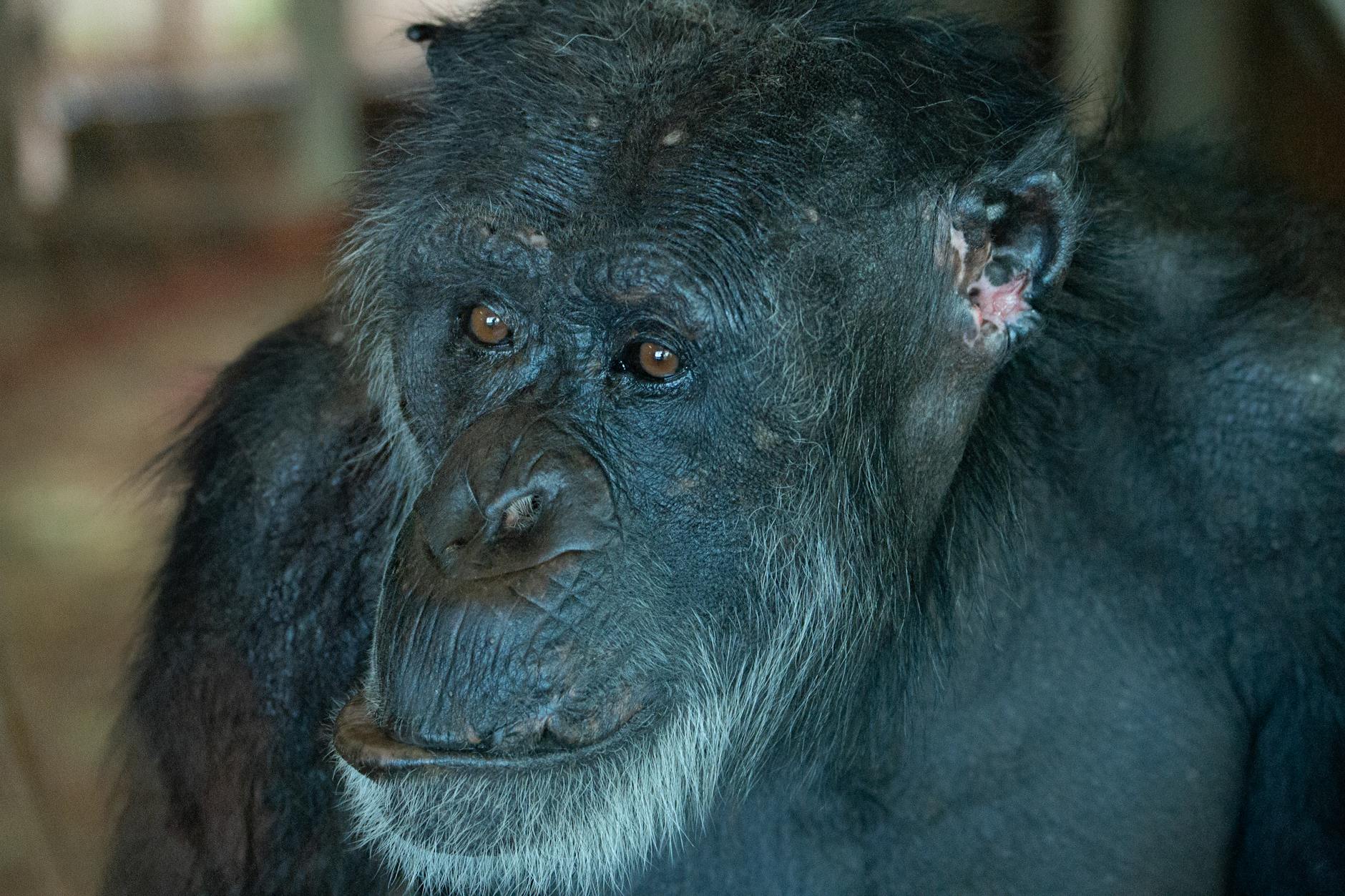
Size: 90,000 acres (364 km²) | Type: Private, not-for-profit | Location: Southern Laikipia, between Mount Kenya and the Aberdares
Ol Pejeta is the largest and most visited conservancy in Laikipia. Few conservation properties in East Africa pack in as much: the largest black rhino sanctuary on the continent, the last refuge of the planet’s two surviving northern white rhinos (Najin and Fatu), and the only chimpanzee sanctuary in Kenya (Sweetwaters). The conservancy supports all of the Big Five plus healthy populations of cheetah, spotted hyena, and over 500 bird species.
What sets Ol Pejeta apart from other Laikipia conservancies is its accessibility. It is one of the few conservancies that allows self-drive visits, making it the most budget-friendly option in the region. Day visitors can enter for approximately $110 per non-resident adult, and a range of accommodation options from camping to mid-range tented camps makes it accessible to travelers at every budget level. The conservancy also runs a dedicated lion tracking program using GPS collars, night game drives, walking safaris, horseback riding, and cycling safaris.
Ol Pejeta maintains approximately 7,000 head of Boran cattle alongside its wildlife, demonstrating that conservation and ranching can be economically complementary. Cattle sales contribute to operational costs, while the ranching infrastructure helps maintain grassland health that benefits both livestock and wildlife. The conservancy’s community department works directly and indirectly with approximately 45,000 people in 21 surrounding communities, funding education, healthcare, and livelihood programs.
Entry fees (2026): Non-residents USD $110 adult / $55 child. East African residents KES 3,500 adult / 1,750 child. Additional activity fees for lion tracking and night drives (approximately KES 9,075 per adult).
Accommodation: Ol Pejeta Bush Camp (Asilia), Kicheche Laikipia Camp, Sweetwaters Serena Camp, Mutara Camp, Ol Pejeta Safari Cottages, and camping facilities.
Best for: First-time safari visitors, rhino enthusiasts, budget-conscious travelers, families (chimpanzee sanctuary is a guaranteed hit with children).
Lewa Wildlife Conservancy
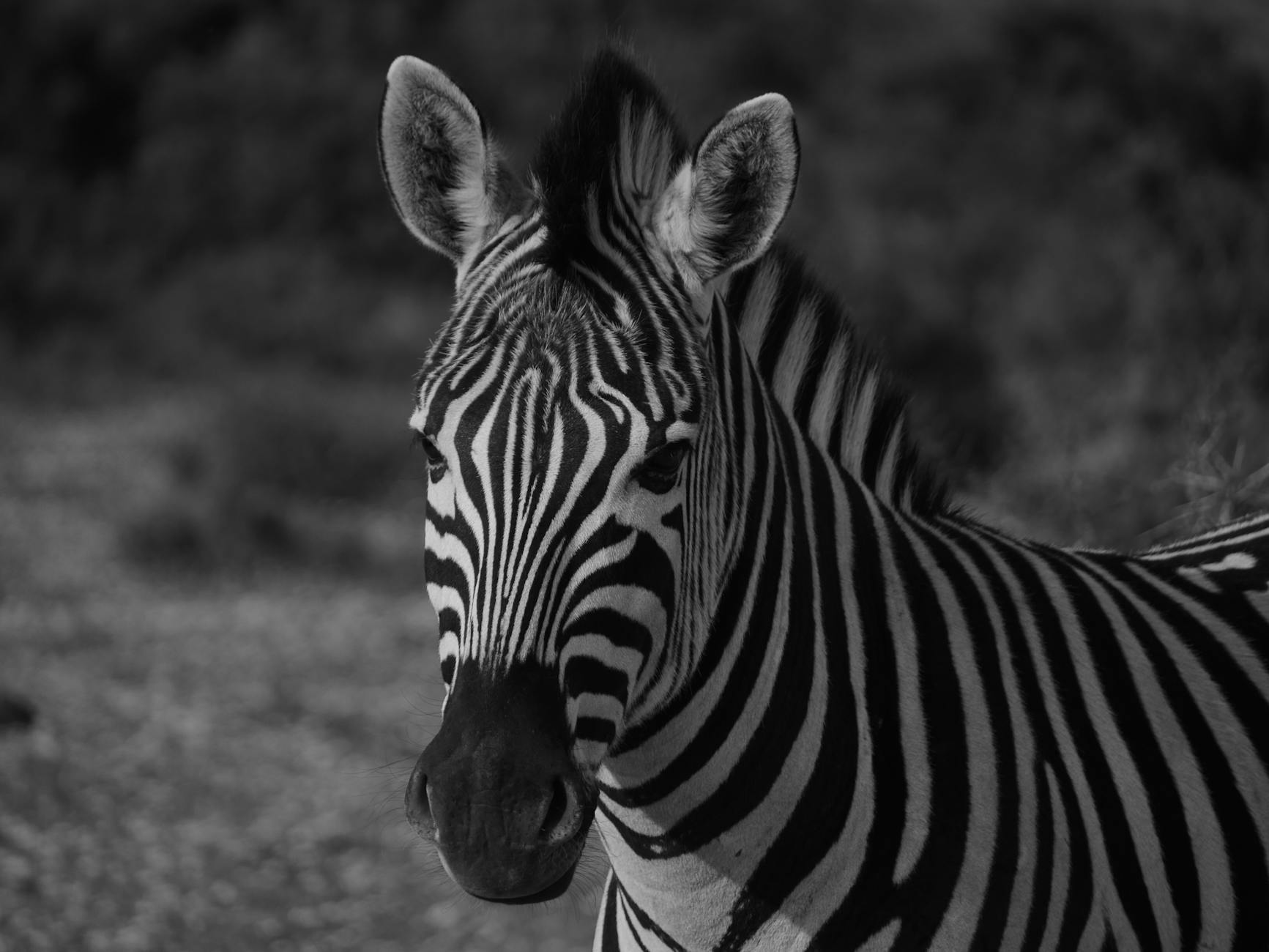
Size: 62,000 acres (250 km²) | Type: Private, not-for-profit | Location: Eastern Laikipia, foothills of Mount Kenya | UNESCO World Heritage Site
Lewa Wildlife Conservancy is, for many visitors, the standout of the Laikipia conservancies. Granted UNESCO World Heritage status in 2013 as an extension of the Mount Kenya site, Lewa was originally a cattle ranch called Lewa Downs that began supporting endangered black rhinos in the 1980s before formally converting to a wildlife sanctuary in 1995. Today it protects approximately 14 percent of Kenya’s entire rhino population and has achieved the remarkable record of zero rhinos poached since December 2019.
Lewa is equally celebrated for its Grevy’s zebra conservation. The conservancy hosts the single largest population of Grevy’s zebra in the world — approximately 350 individuals — and runs one of the most successful Grevy’s zebra monitoring and protection programs anywhere. The annual Lewa Safari Marathon, held each June, is described as the world’s wildest marathon and raises significant funds for conservation while attracting international attention to the conservancy’s work.
The conservancy pioneered several innovations that have been adopted across Kenya. It built the country’s first elephant underpass (beneath the Nanyuki-Meru highway), enabling safe passage for elephants migrating between Mount Kenya and the northern rangelands. It also developed the community conservation model that has since been replicated by the Northern Rangelands Trust across 33 conservancies spanning 44,000 square kilometers of northern Kenya.
Lewa supports four medical clinics, over a dozen schools, a women’s micro-credit program, and ten water projects in surrounding communities. This integrated approach — linking conservation directly to community wellbeing — is the foundation of Lewa’s long-term success.
Accommodation: Lewa Safari Camp (Elewana), Lewa Wilderness, Sirikoi Lodge, Lewa House, and Kifaru House.
Best for: Serious wildlife enthusiasts, rhino and Grevy’s zebra viewing, runners (the marathon), anyone seeking a conservancy with deep conservation credentials and UNESCO recognition.
Loisaba Conservancy
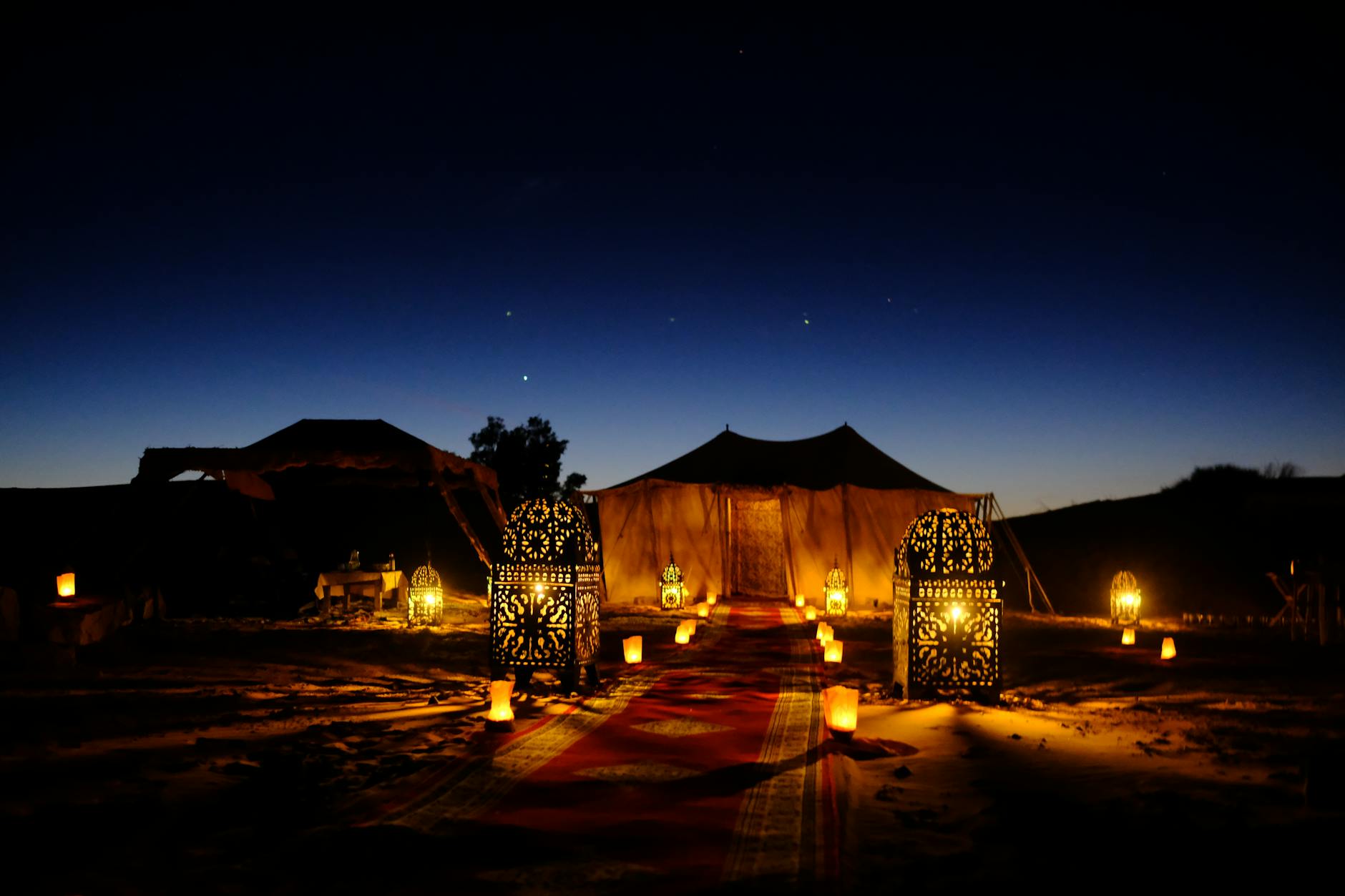
Size: 57,000 acres (230 km²) | Type: Private, not-for-profit | Location: Northern Laikipia
Loisaba is where adventure meets conservation. This vast conservancy in northern Laikipia is both a working cattle ranch and a critical wildlife corridor connecting the central Laikipia highlands with the Samburu ecosystem to the north. The landscape is more rugged and dramatic than the central Laikipia conservancies — deep gorges, rocky escarpments, and panoramic views that stretch to the distant Samburu lowlands make Loisaba one of the most scenically spectacular properties in all of East Africa.
The conservancy is internationally famous for its star beds — raised sleeping platforms where handcrafted four-poster beds on wheels are rolled out onto open wooden decks overlooking a waterhole. Guests fall asleep under a canopy of equatorial stars while wildlife congregates at the water below. It is regularly cited as one of the most iconic accommodation experiences in African travel.
Loisaba offers the widest range of adventure activities of any Laikipia conservancy. Horseback safaris let experienced riders canter alongside herds of zebra and giraffe. Camel treks follow ancient Samburu trading routes through semi-arid bushland. Mountain biking safaris cover terrain that vehicles cannot reach. Walking safaris with armed guides provide intimate ground-level encounters with the bush. And conventional game drives — both day and night — explore a landscape that is home to over 60 mammal species and 260 bird species, including elephants, lions, cheetah, leopards, reticulated giraffe, and endangered Grevy’s zebra.
Accommodation: Elewana Loisaba Star Beds, Elewana Loisaba Tented Camp, Loisaba Lodo Springs (andBeyond).
Best for: Adventure seekers, horseback riders, couples (the star beds are extraordinarily romantic), photographers seeking dramatic landscapes.
Borana Conservancy
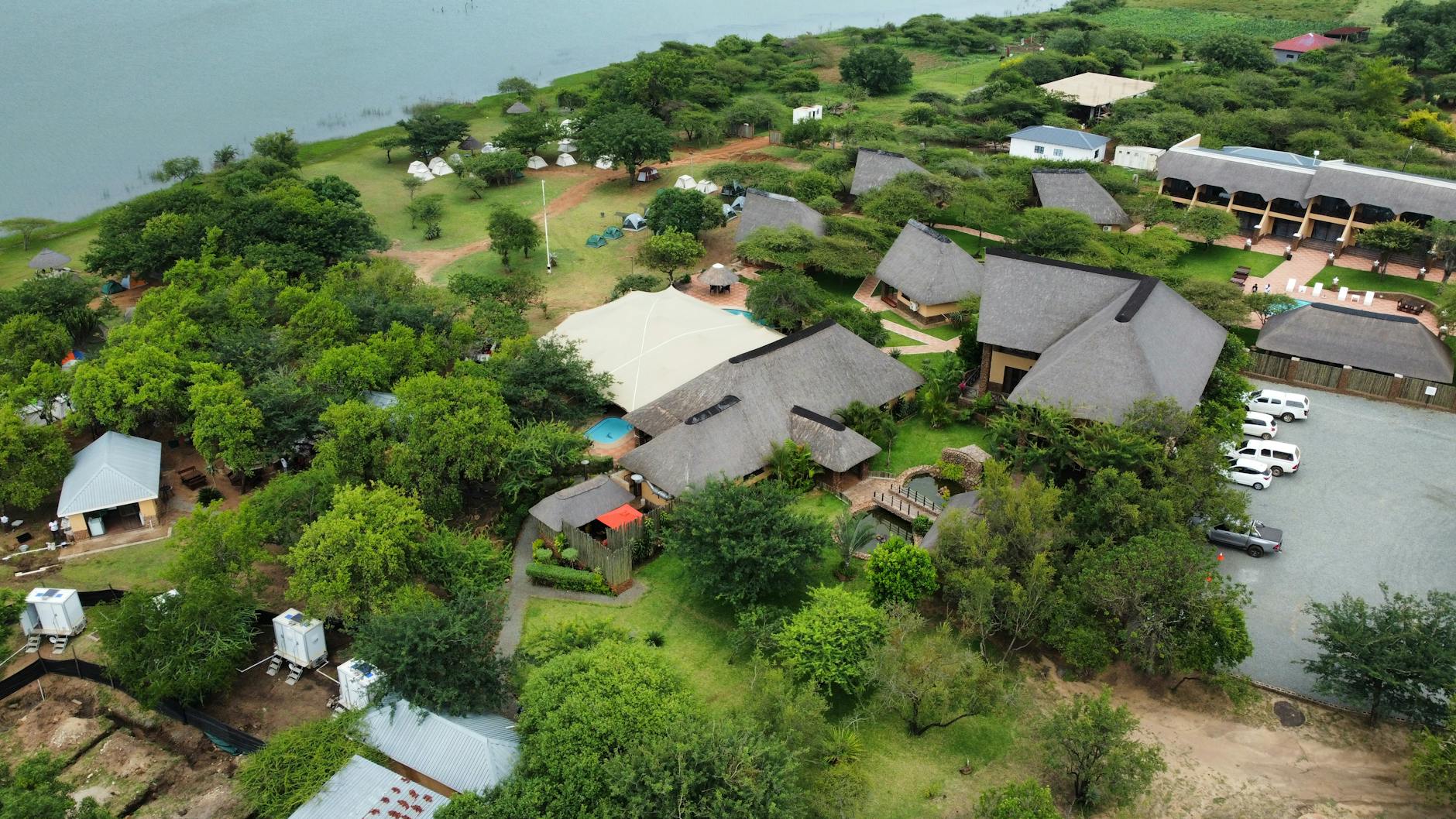
Size: 35,000 acres (142 km²) | Type: Private | Location: Eastern Laikipia, adjacent to Lewa
Borana is the most exclusive and intimate of the major conservancies. In 2014, the fence between Borana and Lewa was removed, creating the Lewa-Borana Landscape — a contiguous 90,000-acre protected area that is now the largest rhino sanctuary in Kenya. This connected ecosystem hosts a thriving community of over 250 black and white rhinos, and Borana is rightly proud of its record: zero poaching incidents since the fence came down, maintained by a dedicated team of over 130 male and female rangers.
The rhino viewing at Borana is exceptional. With fewer visitors than Ol Pejeta or Lewa, sightings here are characteristically private and unhurried — you might spend half an hour watching a black rhino cow and calf at close range with no other vehicle in sight. The conservancy also supports healthy populations of elephant, lion, leopard, buffalo, wild dog, and an impressive array of bird species.
Borana Lodge, consistently rated among the top safari lodges in Kenya, is a family-owned property where all retained earnings flow directly into conservation. The lodge accommodates a maximum of eight rooms, ensuring exclusivity, and offers game drives, walking safaris, horseback riding, and community visits. The views from the lodge — sweeping panoramas across the conservancy to Mount Kenya — are among the most spectacular in Laikipia.
The conservancy’s most innovative contribution is the elephant corridor it helped create in collaboration with Lewa, Ngare Ndare Forest, and neighboring farms. This corridor allows elephants to migrate safely between Mount Kenya’s forests and the northern rangelands, reducing human-wildlife conflict along the way.
Accommodation: Borana Lodge (The Safari Collection), Laragai House (exclusive-use).
Best for: Luxury travelers, rhino enthusiasts seeking intimate encounters, couples and honeymooners, guests who value exclusivity above all.
Solio Ranch (Solio Game Reserve)
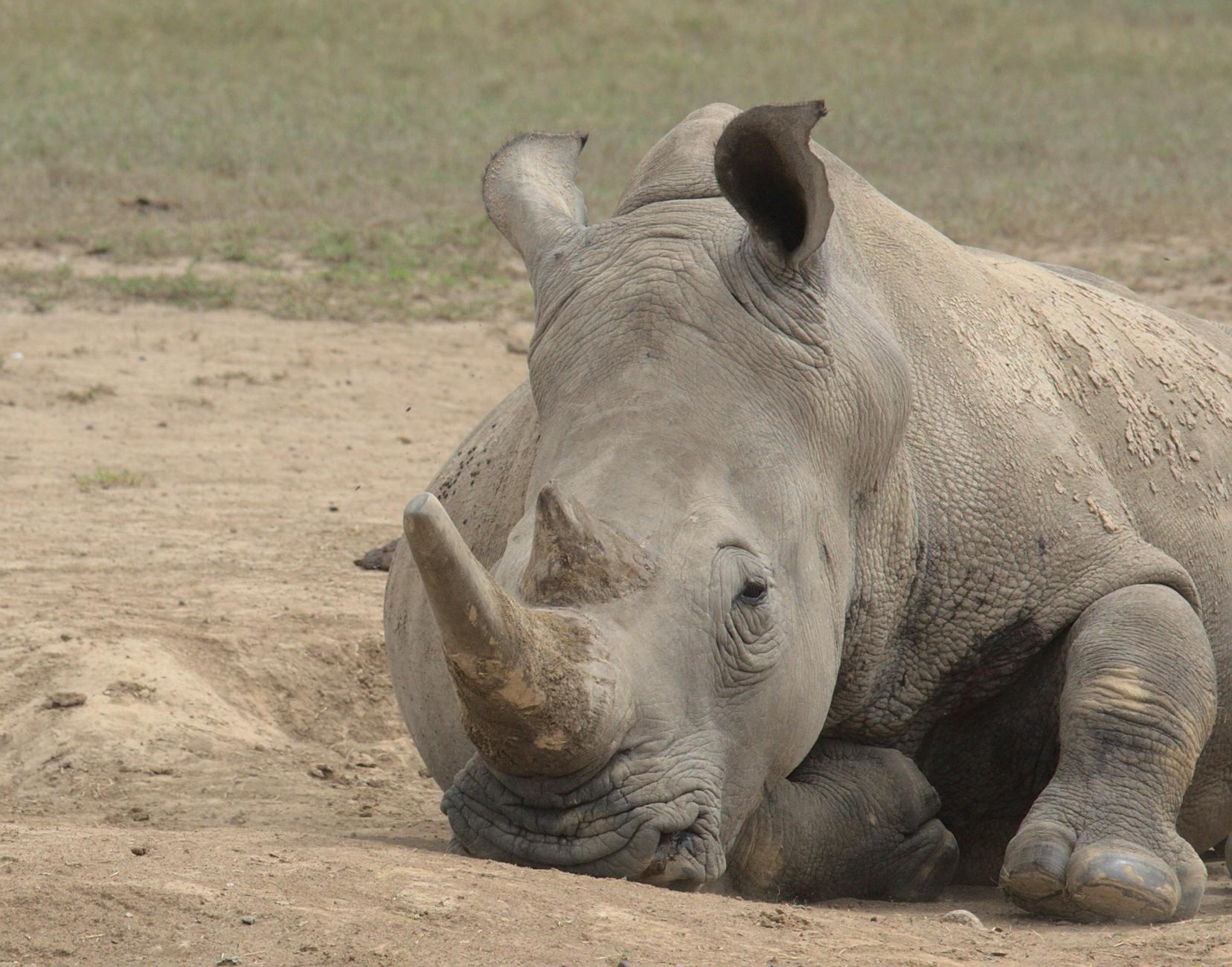
Size: 45,000 acres (182 km²) | Type: Private | Location: Southern Laikipia, between Mount Kenya and the Aberdares
Solio Ranch occupies a singular place in the history of African wildlife conservation. Founded in 1970 by Courtland Parfet, it was the world’s first private rhino sanctuary — and it remains, arguably, the most impressive. Solio has 22 percent of all the rhinos in Kenya and probably the highest density of rhinos per square kilometer of any wild habitat in Africa. On a single game drive here, it is not uncommon to see upwards of 50 rhinoceros — both black and white — grazing openly on rolling green grasslands. For rhino enthusiasts, there is simply nothing else like it.
The conservancy’s breeding program has been so successful that Solio has translocated over 100 black rhinos and 60 white rhinos to other parts of Kenya, seeding nucleus populations that have helped rebuild the national herd. This makes Solio not just a sanctuary but a rhino factory — one of the most important single properties for the survival of rhinoceros in Africa.
Beyond rhinos, Solio supports healthy populations of buffalo (often seen in herds of several hundred), lion, leopard, elephant, eland, and a wide variety of plains game. The landscape is quintessential Kenya highland — emerald green grasslands, towering yellow-barked acacia trees, and views of both Mount Kenya and the Aberdares on clear days.
Solio is typically visited as a day trip from neighboring conservancies or from Nanyuki, though Solio Lodge (operated by The Safari Collection) provides elegant on-site accommodation for guests who want to spend more time in this extraordinary rhino landscape.
Accommodation: Solio Lodge (The Safari Collection).
Best for: Rhino enthusiasts (this is the single best place in Africa for rhino viewing), photographers, guests combining Solio with nearby Ol Pejeta or the Aberdare National Park.
Segera Retreat
Size: 50,000 acres (200 km²) | Type: Private (Zeitz Foundation) | Location: Central Laikipia
Segera is unlike any other conservancy in Laikipia — or, indeed, in Africa. Established by Jochen Zeitz (founder of the Zeitz Museum of Contemporary Art Africa in Cape Town) on what was previously degraded ranchland, Segera has been transformed into a thriving wildlife conservancy that blends conservation, community, culture, and commerce — the foundation’s “4Cs” philosophy.
What distinguishes Segera is the integration of art into the safari experience. The retreat houses an impressive collection of contemporary African art from the Zeitz Collection, displayed in The Stables and Paddock House alongside the wildlife experience. This cultural dimension adds a layer of intellectual engagement that is unique in the East African safari world.
Segera’s conservation achievements are equally noteworthy. The property has planted over two million indigenous trees through its “Tree of Life” initiative, combating the deforestation that had degraded the land before Zeitz acquired it. Vast solar installations provide energy, recycled and captured rainwater feeds the gardens, and homegrown vegetables supply the kitchen. In 2019, Segera established East Africa’s first All-Women Anti-Poaching Ranger Academy — a pioneering initiative that has since been replicated elsewhere.
Wildlife on the property includes elephant, lion, leopard, buffalo, reticulated giraffe, Grevy’s zebra, and over 300 bird species. The safari experience is deeply personalized, with dedicated guides, private vehicles, and a philosophy that prioritizes quality of encounter over quantity of sightings.
Accommodation: Segera Retreat (six luxury villas, maximum 12 guests).
Best for: Art enthusiasts, sustainability-minded travelers, guests seeking ultra-luxury with genuine conservation credentials, couples and honeymooners.
Mugie Conservancy
Size: 46,000 acres (186 km²) total, with 22,000-acre dedicated conservation area | Type: Private | Location: Northwest Laikipia
Mugie is a rising name among the Laikipia conservancies. Located in northwest Laikipia at the junction of the Rift Valley and the Laikipia Plateau, this conservancy is at the forefront of predator research, partnering with the Cheetah and Wild Dog Project to study and protect lions, wild dogs, hyenas, and cheetahs. For visitors hoping to see African wild dogs — one of the continent’s most endangered carnivores — Mugie is one of the best options in the region.
Mugie also claims one of Kenya’s most unusual amenities: a scenic 9-hole golf course where giraffes occasionally wander across the fairways. The conservancy is home to key endemic northern Kenyan species including Grevy’s zebra, Jackson’s hartebeest, and reticulated giraffe, alongside lion, cheetah, leopard, elephant, and buffalo. Tala, an orphaned and fully habituated giraffe, has become the conservancy’s unofficial ambassador, greeting visitors near the headquarters.
Accommodation: Governors’ Mugie House (exclusive-use), Ekorian’s Mugie Camp.
Best for: Wild dog enthusiasts, golfers seeking the world’s most unusual course, guests who want an off-the-beaten-track experience in a less-visited conservancy.
Ol Jogi Wildlife Conservancy
Size: 58,000 acres (235 km²) | Type: Private | Location: Central Laikipia
Ol Jogi is one of Laikipia’s oldest and most established private conservancies, with a conservation history that stretches back decades. The property maintains one of the highest wildlife densities in the region, with particularly strong populations of black and white rhino, elephant, lion, leopard, cheetah, and wild dog. The conservancy operates an advanced wildlife monitoring system that includes aerial surveillance, GPS tracking, and one of the most sophisticated anti-poaching operations in Kenya.
What distinguishes Ol Jogi is its commitment to wildlife research and veterinary science. The conservancy has treated hundreds of injured and orphaned animals and operates a wildlife rehabilitation facility that has become a model for similar programs across East Africa. The property is not open to general tourism but accepts a limited number of guests through exclusive booking arrangements, making it one of the most private and exclusive wildlife experiences in Laikipia.
Best for: Guests seeking the ultimate in privacy and exclusivity, wildlife research enthusiasts, those with a deep interest in conservation science.
Community Conservancies: Where Tourism Meets Local Empowerment
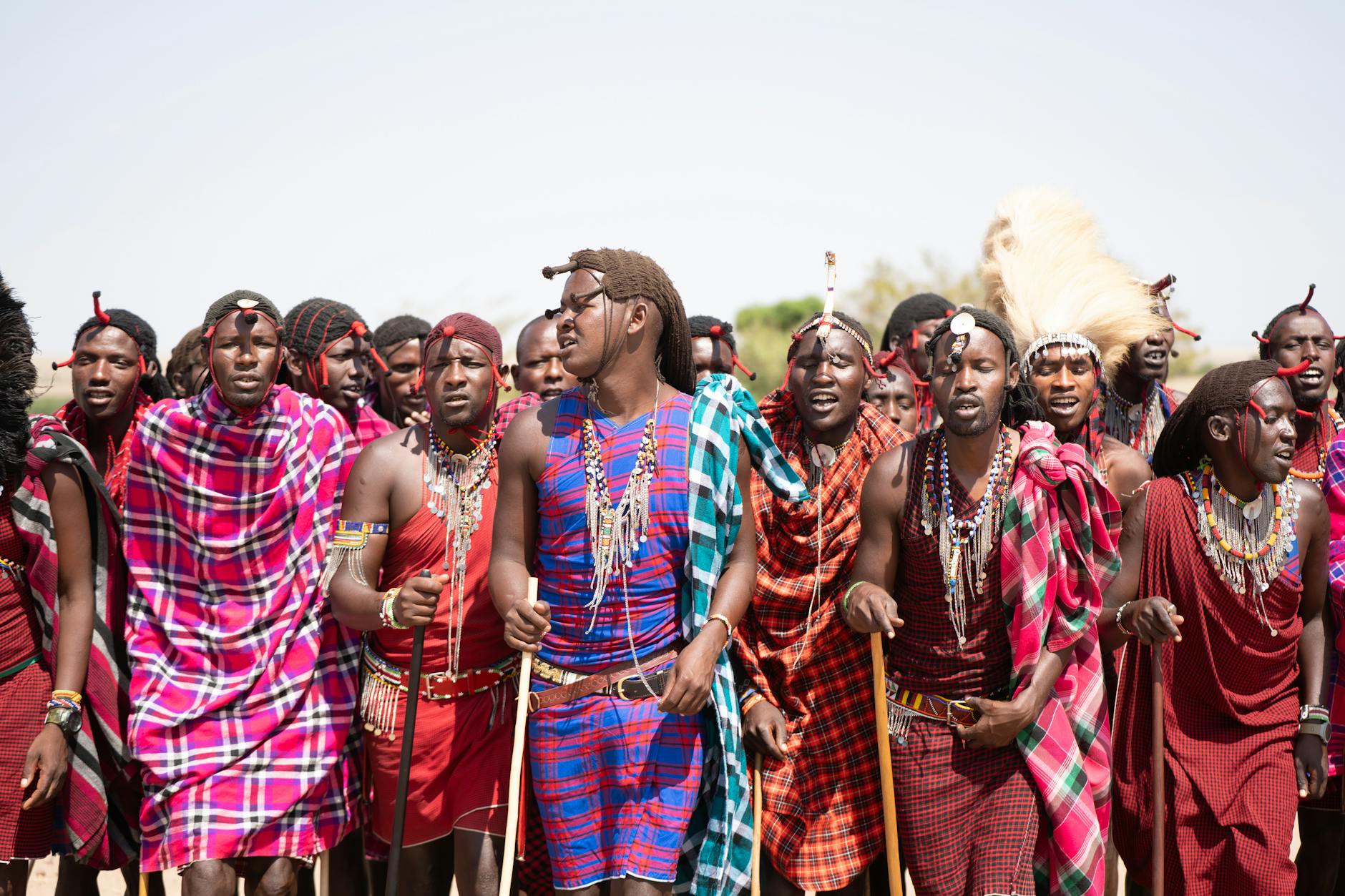
Some of Laikipia’s most meaningful and transformative safari experiences come from conservancies that are owned, managed, and staffed entirely by local communities. These properties demonstrate that conservation works best when the people who live on the land are its primary beneficiaries.
Il Ngwesi Community Conservancy
Size: 8,675 hectares | Type: Community-owned (Laikipiak Maasai) | Location: Northern Laikipia
Il Ngwesi became the first Maasai group ranch in Laikipia to embrace conservation when community elders agreed in the mid-1990s to set aside grazing land for wildlife protection, following an approach from Ian Craig of neighboring Lewa Wildlife Conservancy. With USAID funding through the Kenya Wildlife Service, the award-winning Il Ngwesi Eco-Lodge was built in 1996 — constructed entirely from local materials and perched on the edge of the Mararoi hills with breathtaking views toward Samburu.
What makes Il Ngwesi special is its authenticity. The lodge is owned, managed, and staffed entirely by members of the Laikipiak Maasai community. Guides are Maasai warriors who grew up on this land and know its wildlife intimately. Cultural interactions are not staged performances but genuine encounters with a living community. Tourism revenue funds community schools, healthcare, water projects, and livestock programs, creating a direct and visible link between conservation and community wellbeing.
Since Il Ngwesi set aside its conservation area, the ecosystem has recovered dramatically. A full complement of wildlife species — including elephant, lion, leopard, buffalo, reticulated giraffe, and Grevy’s zebra — has returned to land that was previously overgrazed and depleted. Il Ngwesi is part of the Northern Rangelands Trust network of 33 conservancies that collectively cover 44,000 square kilometers.
Accommodation: Il Ngwesi Eco-Lodge (six open-fronted bandas, maximum 12 guests).
Best for: Travelers seeking authentic cultural immersion, community-focused visitors, those who want their safari spend to directly benefit local communities.
Ol Lentille Conservancy
Size: 40,000 acres | Type: Community-owned | Location: Far northern Laikipia escarpment
Perched on one of the highest points in Laikipia, Ol Lentille offers a 40,000-acre unfenced private wilderness with views that stretch to Mount Kenya, the sacred Samburu mountain of Ololokwe, the Matthews Range, and the Karisia Hills. The conservancy is owned by local Samburu and Maasai communities and managed through a partnership that returns tourism revenue directly to the people who protect the land.
The accommodation is unapologetically luxurious — four private villas (sleeping a maximum of 16 adults and six children), each with a full staff including butler, valet, private guide, night watchman, and dedicated game vehicle. This level of exclusivity, combined with community ownership, creates a model that proves luxury tourism and community empowerment are not just compatible but mutually reinforcing.
Wildlife at Ol Lentille includes the endangered African wild dog, elephant, Grevy’s and Burchell’s zebra, greater kudu, leopard, cheetah, striped and spotted hyena, and klipspringer. The remote location means you are likely to have the entire landscape to yourself — an experience of solitude and wilderness that is increasingly rare in East Africa.
Accommodation: Four private villas: Carissa (1 bed), Acacia (2 bed), Aloe (2 bed), Boscia (3 bed).
Best for: Exclusive-use family groups, luxury travelers seeking remote wilderness, guests who value community impact alongside comfort.
Lekurruki and Naibunga Conservancies
Type: Community-owned | Location: Remote northern Laikipia
For travelers seeking truly off-the-beaten-track safari experiences, the community conservancies of Lekurruki and Naibunga represent Laikipia’s frontier. These are vast, sparsely populated landscapes where indigenous communities manage land that is home to elephant, lion, wild dog, and a full complement of northern Kenya species. Tourism infrastructure is minimal but genuine — small community-run camps like Tassia Lodge in Lekurruki offer immersive experiences that feel closer to exploration than conventional tourism. Every shilling spent here goes directly to the communities that host you.
El Karama Conservancy
Size: 14,000 acres | Type: Private (working ranch) | Location: Central Laikipia
El Karama is a working cattle ranch that doubles as a conservation area, demonstrating the coexistence model that defines Laikipia. The conservancy is popular with budget-conscious and mid-range travelers, offering an exciting safari experience at a fraction of the cost of the premium conservancies. Wildlife includes all the Big Five (rhino sightings require a drive to neighboring conservancies), plus excellent predator viewing and birdwatching. El Karama Lodge provides comfortable, good-value accommodation with a genuine bush atmosphere.
Best for: Budget and mid-range travelers, those seeking an authentic working-ranch experience alongside wildlife viewing.
Conservation in Action: How Your Visit Makes a Difference
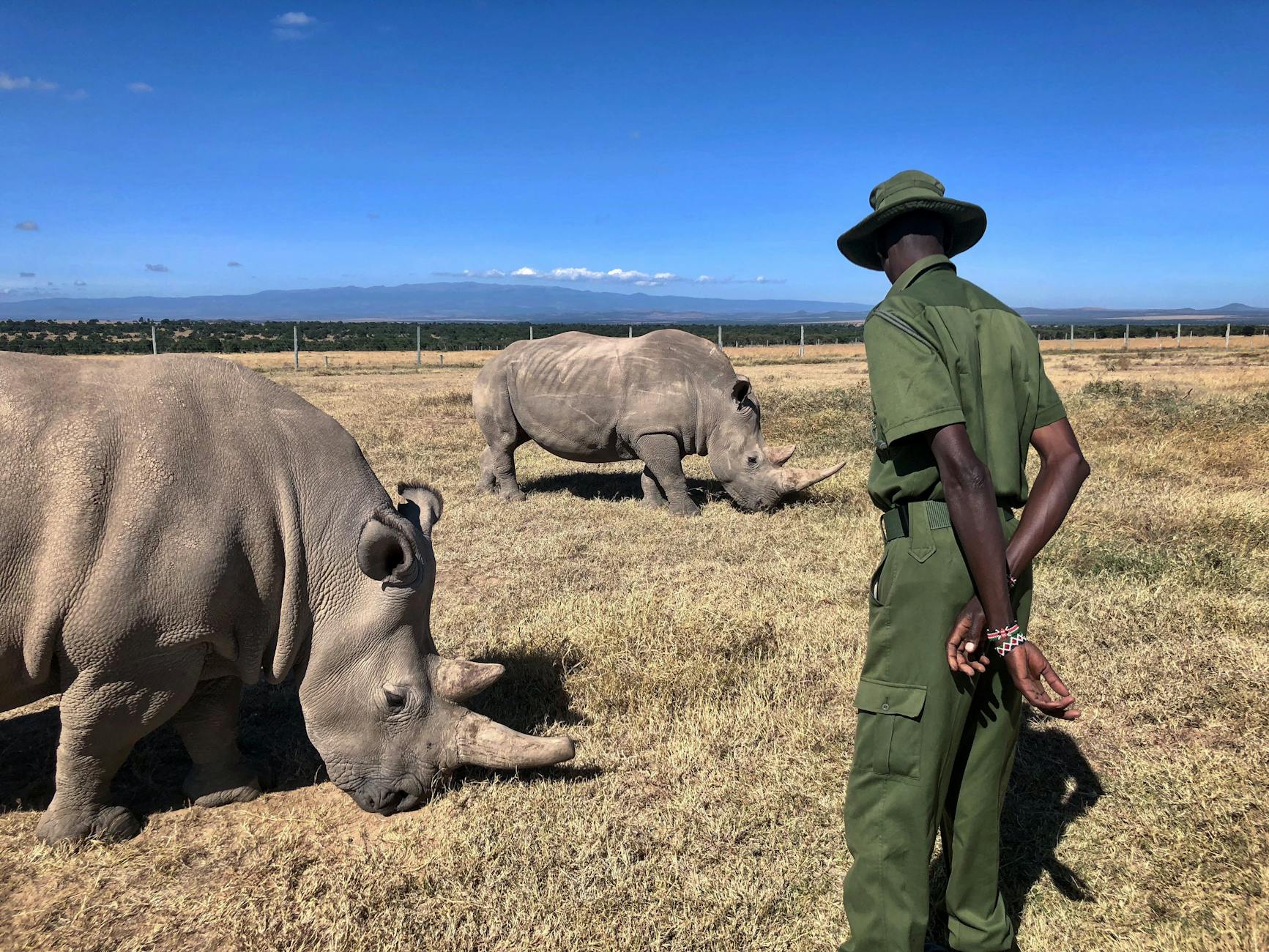
Visiting a Laikipia conservancy is not a passive experience. Your conservancy fees and accommodation costs directly fund the operations that keep this landscape and its wildlife alive. Understanding how this money flows helps appreciate why the Laikipia model has succeeded where so many others have failed.
Anti-poaching operations: Conservancy fees fund ranger salaries, training, equipment, and technology. Borana alone employs over 130 rangers — both male and female — who patrol 24 hours a day. Across Laikipia, hundreds of rangers supported by aerial surveillance, GPS tracking, and intelligence networks maintain the security that has allowed rhino, elephant, and other threatened species to thrive.
Wildlife monitoring: GPS collaring, camera traps, population surveys, and veterinary interventions all depend on tourism revenue. The data collected informs management decisions across the landscape — where to focus anti-poaching efforts, which wildlife corridors need protection, and how to manage human-wildlife conflict.
Habitat restoration: Properties like Segera have planted over two million indigenous trees, restoring degraded land to productive wildlife habitat. Across Laikipia, conservancies manage water resources, control invasive species, and maintain the ecological integrity that supports the region’s extraordinary biodiversity.
Community development: Lewa supports four medical clinics, over a dozen schools, a women’s micro-credit program, and ten water projects. Ol Pejeta works with 45,000 people in 21 communities. Il Ngwesi’s lodge funds Maasai schools and livestock programs. Across the landscape, tourism revenue provides education, healthcare, employment, and economic opportunity to communities that have made the choice to live alongside wildlife rather than eliminate it.
This direct link between tourism, conservation, and community wellbeing is what makes the Laikipia conservancy model unique. It is not conservation imposed from above by government decree. It is conservation driven from below by the people who live on the land — and sustained by the visitors who come to experience the wildlife they protect.
How to Choose the Right Laikipia Conservancy
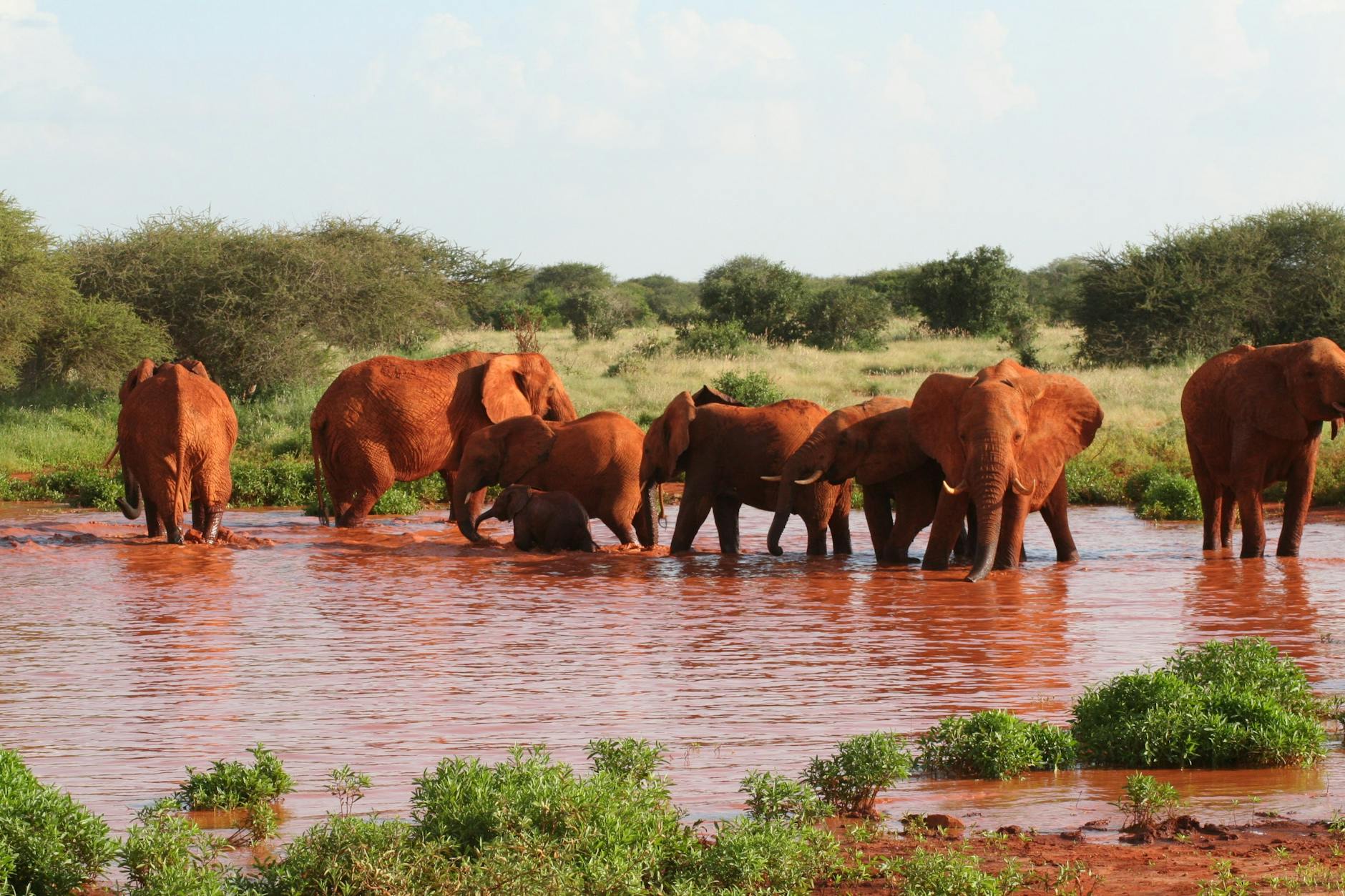
With over twenty conservancies to choose from, selecting the right one — or combination — for your Laikipia trip is the most important planning decision you will make. Here is a practical guide to matching your interests with the ideal conservancy.
For rhino viewing: Solio Ranch (highest density in Africa), Ol Pejeta (largest sanctuary, northern white rhinos), Borana-Lewa (250+ rhinos in connected landscape).
For rare species: Mugie (wild dogs, predator research), Loisaba (Northern Five, predators), Lewa (Grevy’s zebra), Ol Pejeta (chimpanzees — unique in Kenya).
For adventure activities: Loisaba (horseback, camel, mountain biking, star beds), Ol Pejeta (cycling, lion tracking), Borana (walking, riding).
For cultural immersion: Il Ngwesi (Maasai-owned), Ol Lentille (community-owned luxury), Lekurruki/Naibunga (community frontier camps).
For luxury: Segera Retreat (art + conservation), Ol Lentille (exclusive-use villas), Borana Lodge (intimate luxury with views), Sirai House (ultra-exclusive).
For budget travelers: Ol Pejeta (self-drive access, camping, mid-range camps), El Karama (working-ranch value).
For families: Ol Pejeta (chimpanzee sanctuary, lion tracking, accessible), Lewa (Grevy’s zebra, marathon connection), Loisaba (star beds, adventure activities for older kids).
For photographers: Solio (unmatched rhino close-ups), Loisaba (dramatic landscapes), Borana (intimate private sightings), Mugie (predator action).
Combining Conservancies: Multi-Property Itineraries
Many Laikipia visitors combine two or three conservancies within a single trip to experience the range of landscapes, wildlife strengths, and accommodation styles that the region offers. Classic combinations include Ol Pejeta (Big Five, northern white rhinos, accessibility) plus Lewa or Borana (UNESCO heritage, Grevy’s zebra, intimate luxury), or Loisaba (adventure, star beds, dramatic scenery) plus a community conservancy like Il Ngwesi (cultural immersion, Maasai-owned).
Internal transfers between conservancies are straightforward. Charter flights connect most major airstrips in under thirty minutes, and road transfers — while sometimes long on rough tracks in the north — pass through some of Laikipia’s most scenic landscapes. Most safari operators can arrange seamless multi-property itineraries, and combining conservancies adds variety and depth without significantly increasing overall costs.
A classic three-night Laikipia itinerary might spend two nights at a conservancy in the Lewa-Borana-Ol Pejeta cluster (for Big Five, rhinos, and core safari activities) and one night at a more remote property like Loisaba, Mugie, or Il Ngwesi (for adventure, wild dogs, or cultural experiences). Travelers with more time can add a night at Solio for the definitive rhino experience, or extend into the Samburu National Reserve — which shares wildlife corridors with northern Laikipia — for a broader northern Kenya adventure.
Wildlife Corridors: The Connections That Make It Work
The true genius of the Laikipia conservancy model lies not in any single property but in the connections between them. Wildlife corridors — strips of protected land that link conservancies to each other and to neighboring ecosystems — allow animals to move freely across a landscape that, without coordination, would fragment into isolated islands of habitat too small to sustain viable populations.
The Lewa-Borana corridor, created by removing the fence between the two conservancies in 2014, is the most celebrated example. By merging two properties into a single 90,000-acre landscape, the corridor doubled the available habitat for rhinos and other species, reducing inbreeding risk and allowing natural dispersal of populations. The result has been a dramatic increase in rhino numbers and zero poaching incidents since the corridor was established.
The Mount Kenya elephant corridor is equally important. This strip of protected land, running through farms and forests between Mount Kenya and the Laikipia Plateau, allows elephants to migrate safely between their highland forest habitat and the lowland savannas where they spend the dry season. The corridor includes Kenya’s first elephant underpass, built by Lewa beneath the Nanyuki-Meru highway, and represents a collaborative effort involving multiple conservancies, farms, government agencies, and the Kenya Wildlife Service.
Looking north, the connections between Loisaba, Mugie, and the Samburu ecosystem create a wildlife pathway that links Laikipia to one of East Africa’s most important wilderness areas. Wild dogs, elephants, and other wide-ranging species use these corridors regularly, and their continued protection is essential to the long-term viability of wildlife across the entire northern Kenya landscape.
The Laikipia Conservancies Association plays a critical role in managing these corridors, coordinating land-use planning across property boundaries, and ensuring that the mosaic of conservancies functions as a single, connected ecosystem rather than a collection of isolated fragments. This landscape-level approach to conservation is what makes Laikipia truly unique in Africa.
Practical Information for Visiting Laikipia Conservancies
Getting there: Daily scheduled flights from Nairobi’s Wilson Airport to Nanyuki, Lewa Downs, and Loisaba airstrips (45 minutes to one hour). By road, Nanyuki is approximately three hours from Nairobi on good tarmac. From Nanyuki, onward journeys to specific conservancies range from 20 minutes (Ol Pejeta) to several hours (northern community conservancies).
Conservancy fees: Typically $80-$150 per person per day, almost always bundled into accommodation rates at higher-end properties. Self-drive visitors to Ol Pejeta pay entry fees directly (approximately $110 per non-resident adult).
When to visit: Laikipia conservancies operate year-round. Dry seasons (June to September, January to February) offer the best game viewing as animals concentrate around water. Green season (March to May, October to December) brings lower rates, fewer visitors, lush scenery, and excellent birding.
What to expect: Every Laikipia conservancy prioritizes a low-volume, high-quality tourism model. Guest numbers are strictly limited. Guides are highly trained and genuinely passionate. The atmosphere is intimate rather than institutional. You are not a ticket number here — you are a guest whose visit directly sustains the wildlife and communities around you.
For detailed accommodation recommendations across every conservancy and budget level, see our Laikipia Accommodation Guide.
The Future of Laikipia Conservancies
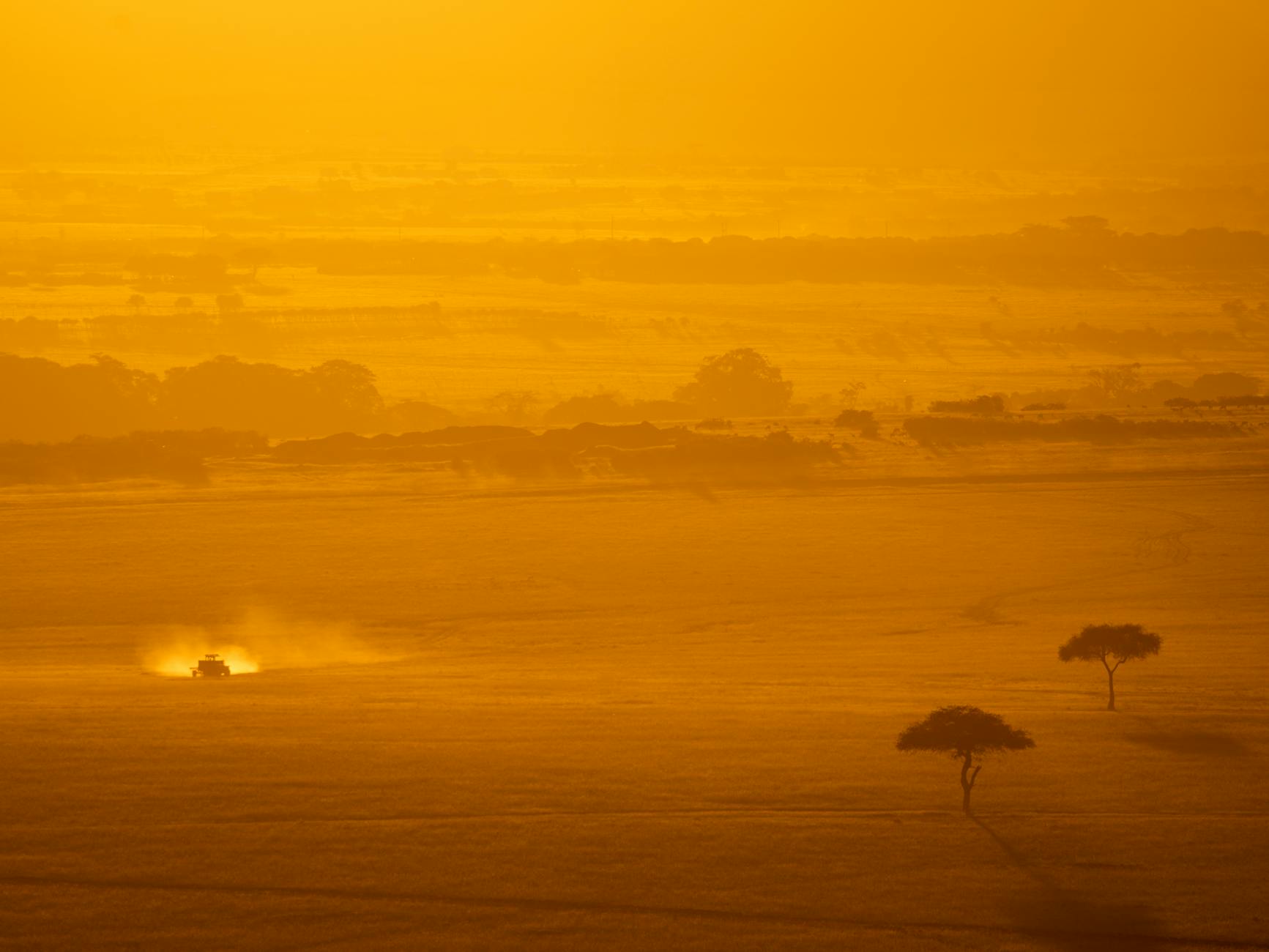
The Laikipia conservancy model is not without challenges. Climate change is altering rainfall patterns, increasing the frequency of drought, and intensifying competition for water and grazing between wildlife and livestock. Population growth in surrounding areas puts pressure on conservancy boundaries. And the global disruption of the tourism industry during COVID-19 demonstrated the vulnerability of a conservation model that depends heavily on visitor revenue.
Yet the resilience of the Laikipia model gives cause for optimism. Conservancies diversified their income during the pandemic through increased cattle operations, carbon credit programs, and domestic tourism marketing. The community conservancies, in particular, proved remarkably resilient — because the people who manage the land live on it, conservation continued even when international visitors disappeared.
The future likely lies in deeper integration. More wildlife corridors connecting conservancies. Expanded community ownership of tourism enterprises. Greater use of technology — from AI-powered camera traps to satellite-based early warning systems for poaching. And a growing recognition, both within Kenya and internationally, that the Laikipia conservancy model represents a template for sustainable conservation that works for wildlife, communities, and visitors alike.
For the traveler, this means that a visit to Laikipia’s conservancies is not just a safari — it is a participation in one of Africa’s most important conservation experiments. Every night you spend, every game drive you take, every conservancy fee you pay contributes to a model that is keeping wildlife alive on a continent where so many other approaches have failed.
Ready to explore more? Read our Complete Guide to Laikipia Kenya for the full picture of this extraordinary region, or dive into our Laikipia Safari Guide for detailed advice on planning the wildlife experience of a lifetime.