Last updated: May 2026
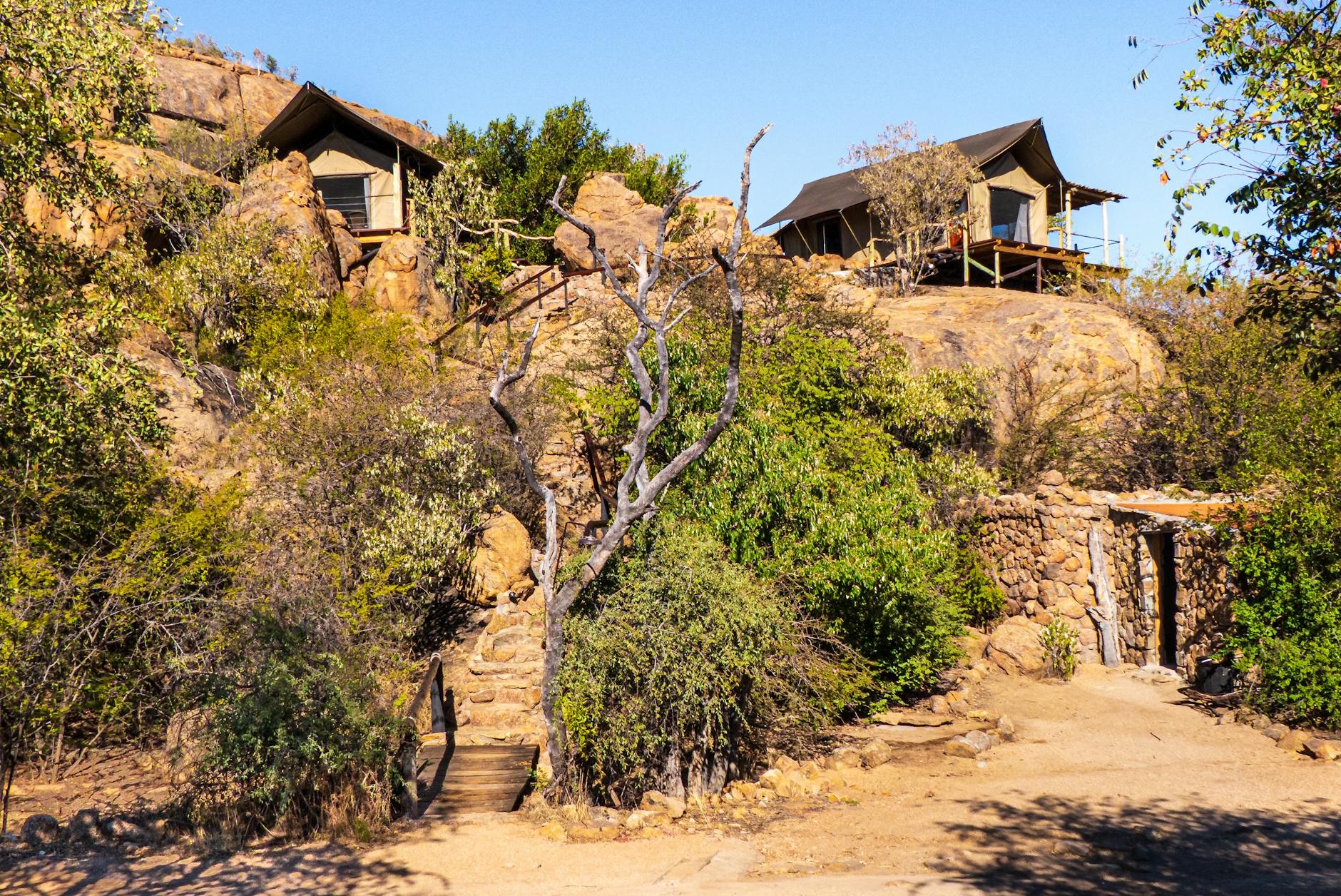
“Eco-lodge” is one of the most over-used and least-defined terms in safari marketing. In Laikipia, the term has more substance than in most African destinations because the conservancy structure itself is a sustainability framework — wildlife conservation, community partnership, and tourism revenue are integrated by design. The lodges that genuinely deserve the eco-lodge label go beyond standard practice into measurable sustainability commitments: solar power generation, water conservation systems, low-impact construction, community ownership or partnership, and verifiable conservation outcomes funded by their operations. This guide covers the genuine eco lodges in Laikipia, what makes them distinctive, and how to choose properties that match your sustainability priorities.
What Makes a Genuine Eco-Lodge
A meaningful eco-lodge designation requires verifiable commitments across multiple dimensions:
Energy: Solar power generation as the primary energy source; minimal generator backup; LED lighting; energy-efficient appliances.
Water: Rainwater harvesting; greywater recycling; low-flow fixtures; bottled-water alternatives (filtered drinking water provided in glass bottles).
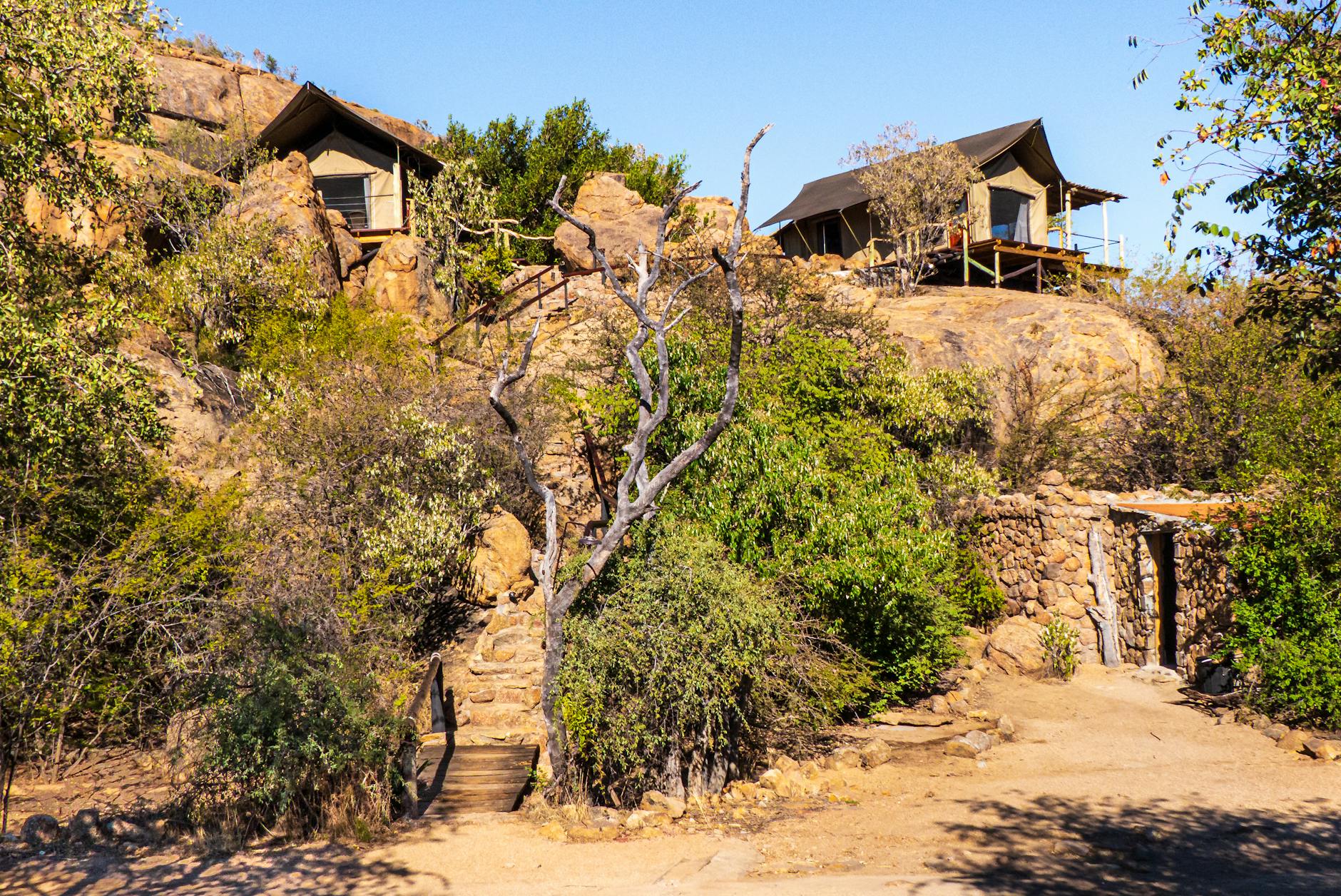
Construction: Locally sourced materials (timber, stone, thatch); minimal cement use; structures that work with rather than against the landscape; ability to be removed without permanent impact.
Waste: Composting toilets or septic systems; comprehensive waste segregation and recycling; no single-use plastics; on-site composting of organic waste.
Procurement: Local sourcing of food where possible; partnerships with local suppliers; minimisation of imported goods.
Conservation contribution: Verifiable contribution to conservancy operations through fees and direct partnerships; involvement in specific conservation programmes.
Community partnership: Local employment; community-owned or community-partnered land tenure; direct community-benefit programmes (schools, healthcare, water).
Properties that meet most or all of these criteria deserve the eco-lodge label. Properties that meet only one or two are using the term loosely.
Genuine Eco-Lodges in Laikipia
Il Ngwesi Eco-Lodge
The benchmark. Stilt-built construction from locally sourced wood, rock and thatch. Solar power, rainwater harvesting, low-flow fixtures. Community-owned (Mukogodo Maasai community) with revenue flowing directly to community funds. Recipient of the UNEP Equator Prize and the World Travel and Tourism Council Tourism for Tomorrow Award. The longest-established community eco-lodge in Africa.
Rate: USD 450–800 per person per night.
Tassia Lodge (Lekurruki)
Community-owned and operated like Il Ngwesi. Six rooms in a stilt-built lodge using locally sourced materials. Solar power, water conservation systems, community-revenue model.
Rate: USD 400–700 per person per night.
Karisia Walking Safaris
Camel-supported walking safari operation with a “leave no trace” philosophy. Camps use lightweight mobile structures that are removed after each visit. Multi-day operations through 1,000 km² of remote country. Community-engaged with employment of Samburu and Maasai guides.
Rate: USD 650–950 per person per day all-inclusive.
Porini Rhino Camp (Ol Pejeta)
Eco-luxury tented camp owned by Gamewatchers Safaris (Porini chain). Strong sustainability commitments including solar power, water conservation, local sourcing, and direct community partnerships with surrounding Maasai communities. Limited footprint with seven tents only.
Rate: USD 700–1,100 per person per night.
Ol Malo
Family-run lodge on the Loroghi escarpment. Locally sourced construction, solar power, water conservation, community partnerships. Strong walking and camel programmes that minimize vehicle use.
Rate: USD 750–1,200 per person per night.
Sosian Lodge
Working ranch with integrated wildlife and cattle management — the “Holistic Management” approach studied across African rangelands. Lodge operations use solar power and local sourcing. Multi-day mobile camps for walking and horse safaris use lightweight equipment.
Rate: USD 700–1,200 per person per night.
Sabuk Lodge (Naibunga)
Eight-room community-engaged lodge on the Koija Group Ranch. Solar power, locally sourced construction, river-walking and camel programmes that minimize vehicle impact. Revenue flows to the community partnership.
Rate: USD 600–1,000 per person per night.
Loisaba Tented Camp and Lodo Springs
The Loisaba properties operate within the broader sustainability framework of The Nature Conservancy ownership. Solar power, water conservation, formal sustainability metrics tracking. The community partnership with surrounding Maasai and Samburu communities is substantive.
Rates: USD 800–1,800 per person per night.
Borana Lodge
Family-run lodge with strong sustainability commitments — solar power, water conservation, locally sourced construction, integrated cattle and wildlife management. Conservation revenue flows directly to anti-poaching, community programmes, and habitat management.
Rate: USD 1,000–1,500 per person per night.
Sirikoi (Lewa)
While positioned as luxury, Sirikoi has substantive sustainability commitments — solar power, water conservation, garden produce sourcing, formal participation in Lewa conservancy operations and community programmes.
Rate: USD 1,200–2,000 per person per night.
Laikipia Wilderness Camp
The Heath family’s specialist family camp with solar power, water conservation, low-impact tented construction, and multi-day walking programmes that minimize vehicle use.
Rate: USD 700–1,200 per person per night.
What Eco-Lodge Stays Are Like
The Aesthetic
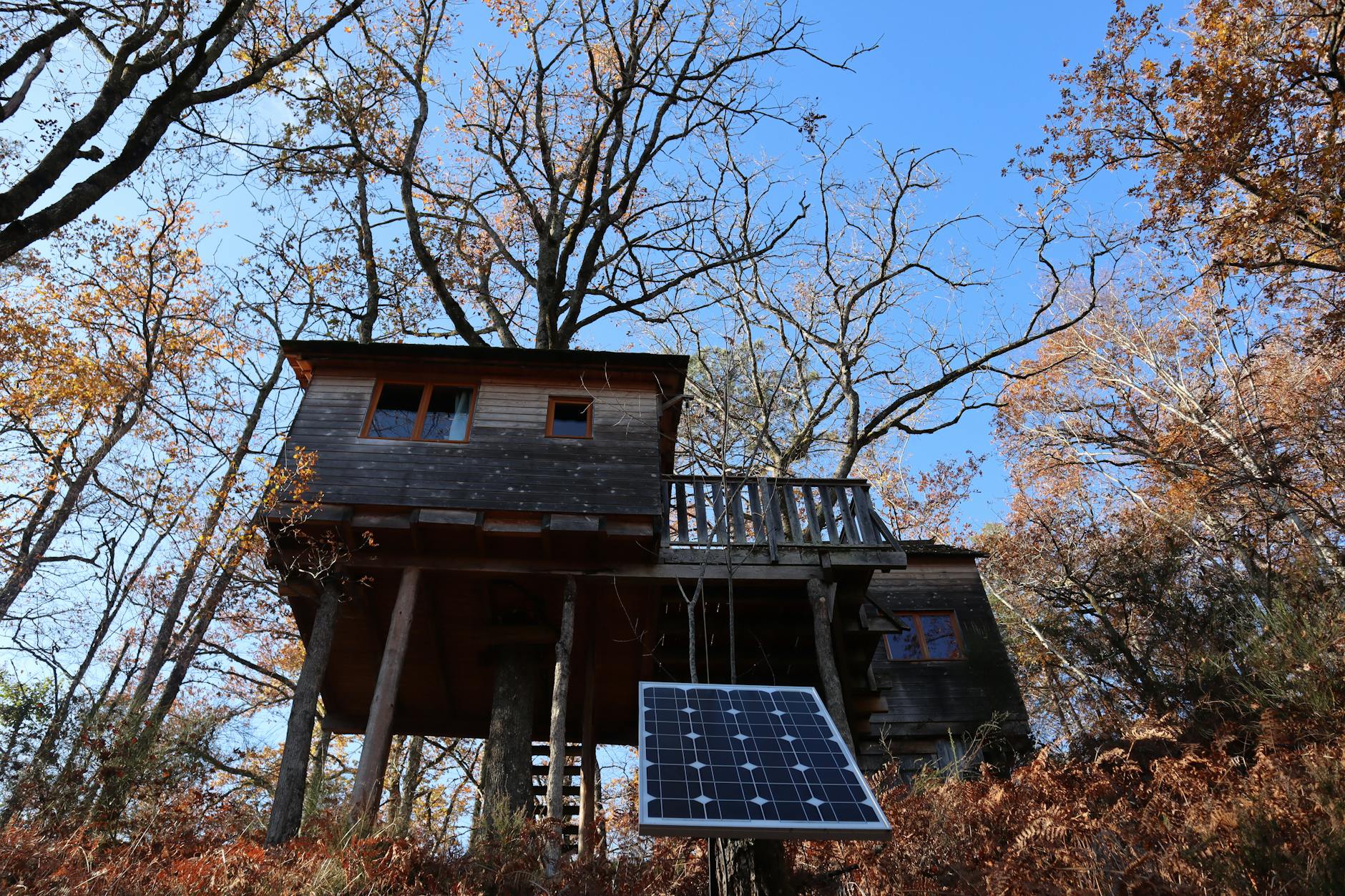
Eco-lodges typically use natural materials extensively — timber, stone, thatch, canvas. Interiors are often uncluttered with hand-crafted furniture. The aesthetic is “African design done with intent” rather than “international hotel”. Most guests find this more atmospheric, not less.
The Service
Smaller scale typically means more personal service. Staff often know guests by name. Food is often locally sourced and seasonally driven. Wine and beverage programmes may be more limited than at fully commercial luxury lodges.
The Activities
Eco-lodge activities tend toward walking, riding, biking, and other low-impact options. Vehicle use is often more selective. Cultural and conservation engagement is typically central rather than optional.
The Amenities
Solar-powered lighting that may have lower output than mains electricity. Water from rainwater systems or boreholes that may have lower pressure. Limited or no Wi-Fi. Charging stations may be in central areas rather than rooms. Some travellers find these limitations charming; others find them inconvenient.
Verifying Sustainability Claims
What to Look For
- Published sustainability reports or commitments
- Specific measurable commitments (e.g., “100% solar powered” rather than “uses solar”)
- Third-party certifications (Ecotourism Kenya, Long Run Initiative, B Corp, etc.)
- Transparent community-benefit reporting
- Specific conservation contributions documented (e.g., “$X per guest-night to anti-poaching” rather than “supports conservation”)
Red Flags
- “Eco-friendly” or “sustainable” claims without specifics
- “Supports the community” without explanation of how
- “Carbon neutral” without offset detail
- Ultra-luxury amenities (extensive air conditioning, daily linen changes, heated pools) that contradict sustainability claims
- No published metrics or third-party verification
How to Choose
For Maximum Community Impact
Il Ngwesi, Tassia, Karisia, Sabuk — all community-owned or community-partnered with revenue flowing directly to community funds.
For Refined Eco-Luxury
Sirikoi, Borana, Ol Malo — premium eco-lodges that combine substantive sustainability with luxury amenities.
For Adventure-Focused Sustainability
Karisia (multi-day camel walking), Sosian (mobile horse camps), Laikipia Wilderness (walking-focused).
For Family Eco-Stays
Sirikoi, Laikipia Wilderness, Sabuk — eco-lodge experiences with proper kids’ programmes.
Frequently Asked Questions
Is an eco-lodge stay less comfortable than a standard luxury lodge?
Sometimes. Lower-impact infrastructure (solar power, rainwater systems) can mean lower output than mains-powered alternatives. Most guests find the trade-off worthwhile.
Are eco-lodges cheaper than standard luxury lodges?
Community-owned eco-lodges (Il Ngwesi, Tassia) are typically 30–50% cheaper than comparable commercial luxury lodges. Eco-luxury properties (Sirikoi, Borana) are at the same price level as standard luxury alternatives.
What’s the difference between an “eco-lodge” and a regular conservancy lodge?
Genuine eco-lodges have specific verifiable sustainability commitments beyond the standard conservancy operations. Regular conservancy lodges contribute to conservation through fees but don’t necessarily have the deeper sustainability framework.
Can I see the Big Five at an eco-lodge?
Yes. Eco-lodges are on the same conservancies as luxury lodges and access the same wildlife.
Are eco-lodges family-friendly?
Most family-friendly eco-lodges (Sirikoi, Laikipia Wilderness, Sabuk) accept children and have age-appropriate programming. Check before booking.
How do I support sustainable tourism beyond choosing an eco-lodge?
Stay longer at fewer properties; travel in shoulder seasons; choose road transport over flights where reasonable; tip generously and through proper channels; donate to specific conservation programmes; spread the word about properties doing genuine sustainability work.
Are there budget eco-lodge options?
Yes — community-owned properties (Il Ngwesi, Tassia, Sabuk) at USD 400–800 per person per night offer eco-lodge depth at below-standard-luxury rates.
What certification should I look for?
Ecotourism Kenya certifies sustainable Kenyan operators. The Long Run Initiative recognises 4Cs (Conservation, Community, Culture, Commerce) member properties. Both add credibility to sustainability claims.
The Bottom Line
Genuine eco-lodges in Laikipia combine substantive sustainability commitments (solar power, water conservation, local sourcing, community partnership) with the conservancy model’s broader conservation framework. The community-owned options (Il Ngwesi, Tassia) offer the most direct community impact at lower price points; the eco-luxury properties (Sirikoi, Borana, Loisaba) offer refined accommodation with serious sustainability work; the adventure-focused options (Karisia, Laikipia Wilderness) offer low-impact experiences in genuine wilderness. Choose based on your priorities — community impact, luxury comfort, adventure, family-friendliness — and verify the specific sustainability claims before booking. The destination has earned a strong reputation for genuine eco-tourism; choose the properties that uphold that reputation.