Last updated: May 2026
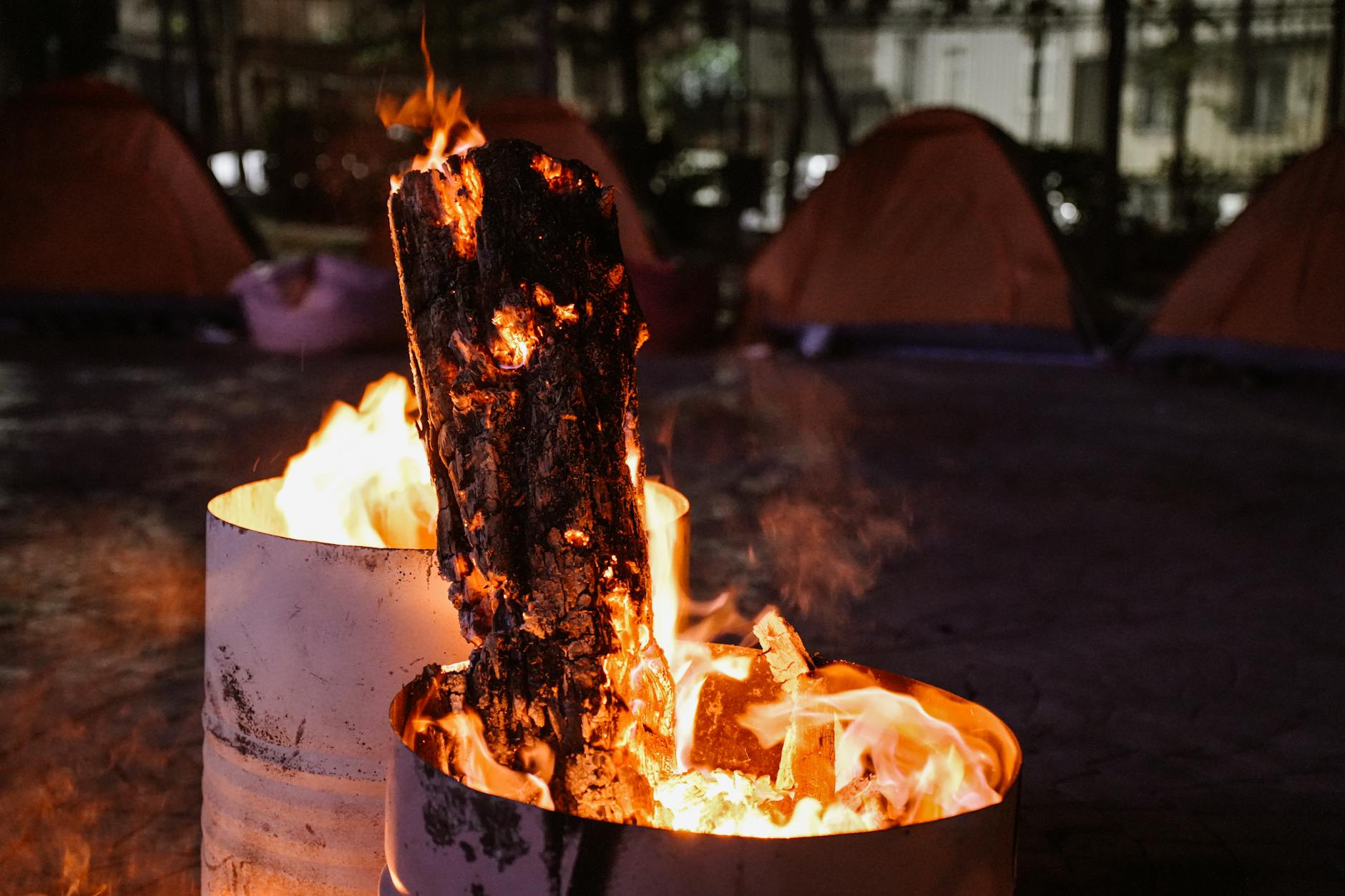
Camping in Laikipia is the budget end of the safari accommodation spectrum and a legitimate way to experience the conservancy landscape at a fraction of the cost of luxury lodges. Several major Laikipia conservancies maintain designated campsites that accept self-drive overland travellers and organised camping safari operators. Beyond the formal campsites, multi-day mobile camping and “fly camping” options exist through specialist operators. Camping in Laikipia Kenya requires more self-sufficiency than a lodge stay but delivers a closer-to-nature experience and substantially lower costs. This guide covers what’s available, what to expect, and how to do it safely.
The Laikipia Camping Landscape
Three categories of camping in Laikipia:
Designated conservancy campsites: Permanent or semi-permanent sites within conservancies, with basic infrastructure (sometimes water, sometimes long-drop toilets, sometimes a cooking area). Permit fees apply. Most require self-sufficiency for tents, cooking, and equipment.
Public campsites near Laikipia: Sites in nearby Mount Kenya National Park, Ol Pejeta day-visit camping, the Naro Moru area. Generally easier to access without conservancy permits.
Mobile and fly camping: Multi-day operations through specialist operators (Karisia walking safaris, mobile safari operators). Typically with full equipment and staff support — a different category to self-sufficient camping.
Designated Campsites in Laikipia

Ol Pejeta Conservancy
Ol Pejeta has the most developed camping infrastructure of any Laikipia conservancy. Multiple designated campsites accept self-drive vehicles and organised camping operators. Sites have basic infrastructure — water, long-drop toilets, sometimes a cooking shelter. Camping fees in addition to standard conservancy entry. Most useful for self-drive overland travellers.
Permit fees: USD 20–35 per person per night plus standard conservancy entry (USD 110 per non-resident adult per day).
Lewa Wildlife Conservancy
Designated campsites primarily for organised camping safari operators. Self-drive day-visit camping is more limited.
Other Conservancies
Most other Laikipia conservancies (Borana, Loisaba, Solio) do not have designated campsites for self-drive travellers. Mobile camping operations through specialist operators may use private camping sites within these properties.
Mount Kenya National Park (Adjacent to Laikipia)
Sirimon, Naro Moru and Chogoria gates have designated public campsites. Excellent base for combining camping with Mount Kenya day walks. Permit fees through the Kenya Wildlife Service.
Ngare Ndare Forest Reserve
Camping in the community-owned Ngare Ndare forest is possible by arrangement with the conservation reserve. Atmospheric setting near the canopy walk and river pools.
Mobile and Fly Camping
Karisia Walking Safaris
The premier multi-day fly-camping operation. Camel-supported walking safaris with mobile camps that move between fly camps each day. Three camp categories — Luxury, Classic, “AirB+C” (Air, Bed and Camel) — at different comfort levels.
Rate: USD 650–950 per person per day all-inclusive. Includes all equipment, staff support, food, beverages, transfers within the safari.
Sosian Mobile Camps
Sosian Lodge runs multi-day mobile horse and walking safaris with fly camps. Pricing as part of mobile safari packages.
Specialist Operators
Specialist Kenyan operators (Cheli & Peacock, Origins Safaris, Wild Frontiers) arrange custom multi-day camping expeditions through Laikipia and the broader northern Kenya landscape.
Self-Drive Camping Logistics

Vehicle
4×4 essential. Most conservancy access roads require ground clearance, and even paved approaches require weight capacity for camping equipment. Long Range Cruiser, Land Rover Defender, or similar are the standard choices. Hire 4x4s in Nairobi (USD 100–250 per day depending on vehicle and equipment).
Equipment
Standard requirements: tent, sleeping bags, sleeping pads, cooking equipment (stove, fuel, pots, utensils), water container (20+ litres), food for the duration, headtorch, basic first aid, navigation (GPS plus paper map). Hire shops in Nairobi rent comprehensive camping kits.
Permits and Bookings
Conservancy campsite bookings through the conservancy directly. Permit fees plus standard conservancy entry. Mount Kenya National Park permits through the Kenya Wildlife Service.
Food and Water
Most campsites do not provide food. Carry sufficient supplies for the duration. Water from boreholes available at most conservancy campsites — bring water purification tablets or a filter as backup.
Communication
Mobile phone coverage is patchy in conservancies. Carry a satellite phone for emergencies or rely on conservancy reception/staff for emergency communication.
Safety Considerations
Wildlife in Camp
Wildlife regularly passes through campsite areas — elephants, hyenas, sometimes lions. Standard protocols:
- No food or scented items in tents
- All food in vehicle or sealed containers
- No movement around camp at night without a flashlight
- Stay in or near the tent at night
- Check around the tent before exiting
- Wash dishes immediately after meals; don’t leave food residue
Vehicle Security
Lock vehicles overnight. Keep valuables out of sight. Most campsites are inside conservancy fenced areas with security; theft is rare but vigilance is appropriate.
Emergency Protocols
Tell conservancy reception your itinerary. Carry emergency contact numbers. Have AMREF Flying Doctors or equivalent emergency evacuation insurance.
Weather Considerations
Wet seasons (April–May, November) make camping more challenging — wet tents, muddy sites, more mosquitoes. Dry seasons (June–October, January–February) are much more comfortable for camping.
Cost Comparison
For a 4-night self-drive camping trip in Laikipia (Ol Pejeta + Mount Kenya combination):
- Vehicle hire: USD 600–1,000 (4×4 with camping kit)
- Fuel: USD 200–300
- Conservancy fees: USD 500–700 (4 nights at Ol Pejeta-area pricing)
- Mount Kenya permits: USD 100–200
- Food and supplies: USD 150–250
- Total: USD 1,550–2,450 for two people for 4 nights — substantially below luxury lodge costs
Per-person cost: USD 775–1,225 for the 4-night trip. Compare to USD 4,000–10,000+ for the same period at luxury lodges.
Mobile Safari Camping Through Operators
If self-drive camping seems daunting, multi-day mobile camping operations through Karisia or specialist operators offer an intermediate option:
- USD 650–950 per person per day all-inclusive
- Full equipment, staff support, food and beverages included
- Multi-day routes through different country
- Camel or vehicle support for gear transport
- Closer-to-nature experience than fixed lodges with most of the logistical work handled
What to Pack for Camping in Laikipia
Standard Kit
- 4-season tent (handles temperature swings)
- Sleeping bag (rated for temperatures down to 5°C)
- Sleeping pad
- Pillow (camping-specific or a sweatshirt)
- Headtorch with red-light option
- Spare batteries
- Multi-tool
- Cookware (stove, fuel, pots, utensils, plates, mugs)
- Water container (20+ litres) plus daily water bottles
- Water purification tablets
- Food cooler with ice packs
- First aid kit including antimalarial prophylaxis if your doctor recommends
- Insect repellent (high DEET concentration)
- Sunscreen SPF 50+
- Layered clothing including warm fleece for nights
- Sturdy walking boots
- Wide-brimmed hat with chin strap
- UV-rated sunglasses
- Camera and binoculars
- Cash in Kenyan shillings for permit fees
Frequently Asked Questions
Is camping in Laikipia safe?
With standard protocols, yes. Wildlife is the main consideration; following the rules (no food in tents, no movement at night, stay near the tent) keeps incidents very rare.
Can I camp at any conservancy?
No — most conservancies don’t accept self-drive camping. Ol Pejeta is the main exception with developed camping infrastructure for self-drive travellers.
How much does camping cost?
USD 20–35 per person per night campsite fees, plus standard conservancy entry fees. Mobile camping safaris through operators run USD 650–950 per person per day all-inclusive.
Do I need a 4×4?
Yes for self-drive camping. Conservancy access roads and most campsites require 4×4 capability.
Are there showers at conservancy campsites?
Basic facilities — typically long-drop toilets and water access, sometimes solar showers. Don’t expect hot showers.
Can I camp in the Mukogodo Forest?
By arrangement with the community management. The forest setting is atmospheric.
What’s the best alternative to self-drive camping?
Karisia walking safaris — multi-day camel-supported walking with fly camps. Combines the close-to-nature experience with full operator support.
Can children come on a camping safari?
Children 8+ usually fine on self-drive camping. Multi-day mobile operations may have minimum age requirements (typically 10+).
The Bottom Line
Camping in Laikipia is a legitimate budget-friendly safari option for travellers willing to handle some logistics themselves. Ol Pejeta is the most accessible conservancy for self-drive camping; Mount Kenya National Park and the Ngare Ndare forest add adjacent options. Multi-day mobile camping through specialist operators (Karisia in particular) offers an intermediate option combining the close-to-nature experience with full support. Either way, expect to spend 50–80% less than luxury lodge alternatives while getting a different — sometimes more memorable — kind of safari experience. Bring proper gear, follow the safety protocols, and you’ll have a Laikipia trip that travellers spending ten times as much may well envy.