Last updated: May 2026
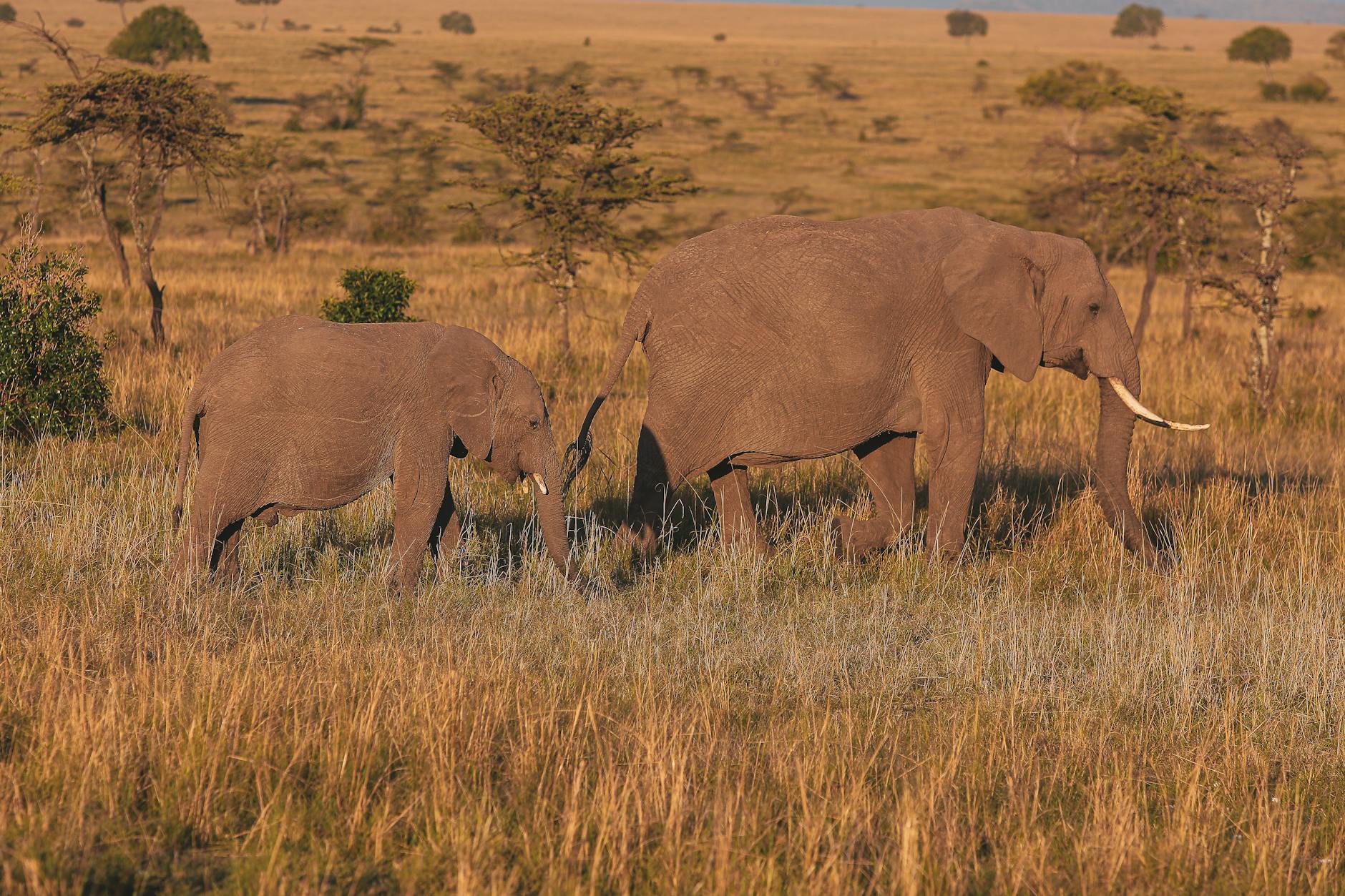
The simplest accurate description of Laikipia climate and weather is “high-altitude equatorial savanna.” That gives you the broad shape — temperate days, cool nights, two short rainy seasons, intense sun — but the practical detail matters if you’re booking a safari, packing for a trip, or trying to figure out whether November will be too wet or August will be too dusty. The plateau’s altitude (1,700–2,500 m) and its position straddling the equator combine to create a climate that’s noticeably different from coastal Kenya, hotter than the Aberdares forests, drier than the Mount Kenya foothills, and surprisingly variable across the 9,500 km² of the county itself.
This guide covers Laikipia’s climate by month, the rainfall patterns, the temperature ranges at different altitudes, the seasonal rhythms that affect wildlife and lodging, and the practical implications for what to pack and when to visit.
The Climate in One Paragraph
Laikipia has a high-altitude equatorial savanna climate. Average annual rainfall ranges from about 400 mm in the dry north to over 1,200 mm in the southern foothills. Two rainy seasons — the long rains in March–May (peak in April) and the short rains in October–November — separate three drier periods. Daytime temperatures stay in a narrow 22–28 °C band year-round; nights drop to 8–14 °C. The climate is mild, the seasons are subtle by temperate-zone standards, and the most useful lens for understanding Laikipia weather is “wet vs. dry” rather than “summer vs. winter.”
Rainfall: The Plateau’s Defining Variable
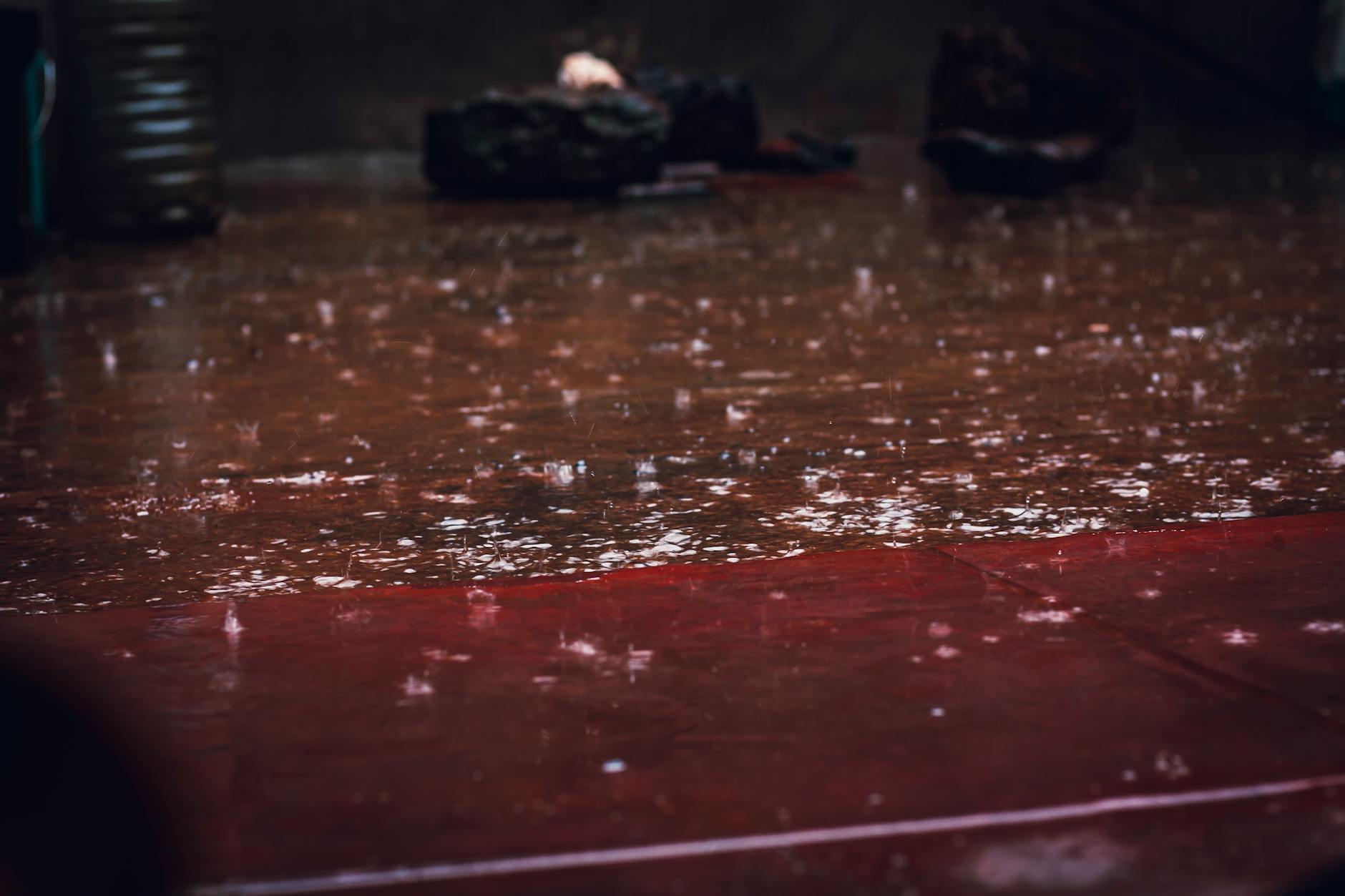
Rainfall is the variable that matters most in Laikipia. It determines grass growth, wildlife distribution, road conditions, mosquito activity and lodge accessibility. There are two distinct rainy seasons, both driven by the inter-tropical convergence zone (ITCZ) crossing the equator twice a year:
The Long Rains (March – May)
March through May is the longer and more reliable rainy season, with April typically the wettest month. Total long-rains precipitation is 200–500 mm depending on location across the plateau. Rainfall pattern: typically afternoon thunderstorms rather than continuous rain — mornings are often clear, cloud builds through the day, and storms develop in late afternoon or early evening. Some days are dry; some weeks see daily storms.
Practical implications: minor unpaved roads can become difficult; some camps close for renovation in May; the landscape transforms from dust-brown to vivid green within days of the first rains. Wildflowers appear in abundance. Calving season for many resident species begins. Mosquito populations rise from late April through July.
The Short Rains (October – November)
October and November form the shorter rainy season. Total precipitation is generally 100–250 mm, less reliable than the long rains and more variable year to year. Some years the short rains are negligible; others they produce as much rain as the long rains. November is typically the wettest of the two months on the southern plateau; October is wettest in the northern lowlands.
Practical implications: similar to the long rains but shorter and less disruptive. Migrants arrive (both Palearctic birds and intra-African species). The landscape greens up before peak December tourism. Lodges remain open but conservation operators sometimes restrict mobile fly camps until the rains pass.
The Dry Seasons
Three relatively dry periods separate the rains:
Short Dry (December – February): The cool, sunny window between the short rains and the long rains. Daytime temperatures 22–26 °C, nights 8–12 °C, generally sunny mornings, occasional afternoon clouds. One of the most pleasant times to visit.
Long Dry (June – September): The classic safari season. Cooler than the short dry (often the coolest part of the year on the plateau, with daytime highs 20–24 °C and nights 6–10 °C in the higher conservancies). The country dries out steadily through the period; by September, dust is everywhere and water sources are concentrated. Wildlife congregates around the remaining water, making game viewing predictable and excellent.
Late Dry (early March): A brief, hot window before the long rains break. Highest daytime temperatures of the year; the country looks parched.
Temperature: Altitude, Not Latitude
Because Laikipia straddles the equator, latitude doesn’t drive temperature variation. Altitude does. Temperature ranges depend almost entirely on where you are on the plateau:
Northern lowlands (1,260–1,500 m, e.g. north of the Ewaso river): Hottest daytime temperatures, often 26–30 °C in the dry season; nights 12–15 °C.
Mid-plateau (1,800–2,000 m, e.g. Ol Pejeta, Mpala, Loisaba): Daytime 22–27 °C; nights 8–12 °C.
Southern highlands (2,100–2,400 m, e.g. Borana, the Nyahururu area): Daytime 18–24 °C; nights 5–9 °C. Frost is uncommon but possible at the highest elevations during cool dry-season nights.
Mount Kenya foothills (above 2,400 m): Cooler still — daytime 15–22 °C; nights routinely below 5 °C. This isn’t really Laikipia plateau anymore but matters for visitors basing in Naro Moru or staging Mount Kenya climbs.
Month-by-Month Climate Guide
January — Cool, Sunny, Excellent
Daytime 22–26 °C, nights 8–12 °C. Mostly clear mornings; some afternoon clouds. Very little rain (typically under 50 mm). Migratory birds present. Wildlife visible. One of the best months for a Laikipia safari.
February — Warm, Dry, Hazy
Daytime 24–28 °C, nights 8–12 °C. Driest month in much of Laikipia (often under 30 mm). Country is brown. Dust hazes the long views. Excellent for wildlife concentration around water; less photogenic for landscape.
March — Warm, Then Wet
First half of the month: warm and dry, similar to February. Second half: long rains often begin. Daytime 24–28 °C, nights 10–14 °C. Variable; can be excellent or can deliver early disruptive storms.
April — The Wettest Month
Long rains in full swing. Total monthly rainfall often 150–250 mm. Afternoon thunderstorms most days. Daytime 22–26 °C, nights 11–14 °C. Country greens up dramatically. Some lodges close for renovations. Roads become difficult. Calving season peaks for many species.
May — Tail End of the Long Rains
Rainfall declining; storms become less frequent through the month. Daytime 22–26 °C, nights 10–13 °C. Total monthly rainfall 80–150 mm. Country is at its greenest. Excellent month for landscape photography and bird breeding plumage. Many lodges reopen mid-month.
June — Long Dry Begins
Reliably dry. Daytime 20–25 °C (cooler than the previous months), nights 7–11 °C. Mornings often clear and cool — the start of “fleece weather” at Laikipia altitude. Excellent for game viewing as the wet-season grass starts to dry and wildlife becomes more visible.
July — Cool, Dry, Reliable
Coolest month at higher elevations. Daytime 18–24 °C, nights 6–10 °C. Generally clear and bright. Total rainfall often under 30 mm. Peak European school-holiday season — lodges fill up.
August — Cool and Dusty
Similar to July, with dust building. Daytime 18–24 °C, nights 6–10 °C. Country progressively browning; good wildlife concentration around water. Excellent visibility for photography.
September — Late Long Dry
Country is properly dry. Daytime 20–26 °C, nights 7–11 °C. Excellent wildlife. Predictable conditions. Some haze from regional fires (not in Laikipia itself but drifting from East African agricultural burning).
October — Short Rains Often Begin
Variable. Daytime 22–28 °C, nights 9–13 °C. The first of the short rains often arrive in the second half of the month. Country starts to green up; afternoon storms become more frequent. Total rainfall typically 70–150 mm.
November — Short Rains Peak
Wettest month after April in much of Laikipia. Daytime 22–27 °C, nights 10–14 °C. Total rainfall 100–200 mm. Migratory birds peak. Calving for some species. Country green and photogenic. Slightly variable lodge availability.
December — Holidays Window
Short rains tail off through the month. Daytime 22–26 °C, nights 8–12 °C. Total rainfall 50–100 mm. Lodges fill with December-holiday traffic; rates peak. Wildlife excellent; landscape green.
Climate by Region Within Laikipia
Southern Plateau (Nanyuki, Borana, Lewa)
Wettest part of Laikipia. Annual rainfall 800–1,200 mm. Cooler nights (often 6–10 °C in dry season). Mount Kenya rain-shadow effects mean the immediate eastern foothills can be drier than the Naro Moru area to the south.
Central Plateau (Ol Pejeta, Mpala, Sosian, Loisaba southern boundary)
Mid-rainfall: 500–800 mm annually. Drier than the southern belt. Standard conservancy climate.
Northern Lowlands (Loisaba’s lower reaches, Ol Malo, Mukogodo)
Drier: 400–600 mm annually. Hotter daytime temperatures. Vegetation more arid (acacia-commiphora bushland).
Western Plateau (Rumuruti, Nyahururu)
Variable: Nyahururu and the higher western plateau can receive 800+ mm annually; Rumuruti and the central-west are drier (500–700 mm).
What the Climate Means for Wildlife
Wildlife Distribution Shifts With the Rains
Wildlife on the conservancies follows water and grass. In the long-dry season (June–September), wildlife concentrates around permanent water (rivers, dams, conservancy waterholes). This makes game viewing predictable: drive to water, find animals.
In the short-dry season (December–February), wildlife is more dispersed because temporary water sources persist from the recent rains. Sightings are still good but you cover more country to find them.
During and immediately after the rains (April–May, November–December), wildlife disperses widely across the landscape because water is abundant everywhere. This is when you see species in unusual places — antelope on hilltops, predators in country they don’t normally visit, elephants miles from any river.
Calving Seasons
Many Laikipia species time their calving to the rains. Impala, eland, hartebeest, oryx and Grevy’s zebra all peak their calving in late April–early June (synchronised with the green-up of the long rains). A second smaller calving peak follows the short rains in November–December. The result: a green-season visit (May, June, November, December) gives you young animals.
Bird Migrations
Palearctic migrants (warblers, wheatears, harriers, European bee-eaters, Eurasian rollers) arrive November–December and depart March–April. Intra-African migrants (Madagascar bee-eater, white-rumped swift, several cuckoos) shift through on different schedules. November–February is therefore the highest-volume bird month.
What the Climate Means for You
What to Pack
Always: Layers. A long-sleeved shirt and lightweight long trousers for game drives (insect protection, sun protection). A fleece for evenings — Laikipia at 2,000 m gets properly cold after sunset. Wide-brimmed hat. UV-rated sunglasses. SPF 50+ sunscreen (UV at altitude is much stronger than at sea level). Closed walking shoes or boots.
Dry season (June–September, January–February): Add a buff or scarf for the dust. A windbreaker for early-morning open-vehicle game drives.
Wet season (April–May, November): A lightweight rain jacket. Quick-dry trousers. A spare pair of shoes (boots get wet on walking safaris). A waterproof bag for camera gear.
Vehicle and Road Conditions
Paved A2 highway is unaffected by season. Conservancy tracks and dirt access roads degrade during the rains. April and November are the months when 4×4 becomes essential rather than recommended on minor tracks. Lodges plan around this — your transfers will be timed to avoid the worst of the rain even in wet months.
Lighting for Photography
Best photographic light: dry-season early morning and late afternoon, when low sun and dust create dramatic side-lighting. Wet-season storms produce extraordinary skies — towering cumulus, dramatic clearing storms, occasional double rainbows over the plateau. Photographers split between July–September (clean dry light) and November–April (atmospheric wet-season skies); both produce strong work.
Mosquitoes and Malaria
Malaria risk in Laikipia is low — the altitude reduces mosquito populations and the dry climate keeps numbers down. Mosquitoes are most numerous from April through July (after the long rains) and again in November–December (after the short rains). Use DEET-based repellent; consider antimalarial prophylaxis based on your doctor’s advice. Higher-altitude conservancies (Borana, Lewa, Mugie) have very low mosquito populations; the lower Ewaso valley has more.
Climate Variability and Long-Term Change
Laikipia, like the rest of East Africa, is experiencing increasing climate variability. The long rains have been less reliable in some recent years; severe droughts have occurred more frequently. The 2017 and 2022 droughts pushed pastoralist herds onto conservancy land in numbers that strained the conservation system. Annual rainfall trends are difficult to discern in short data series, but inter-annual variability is clearly increasing.
For visitors this means slightly more uncertainty about specific months. The “long rains” can start earlier or later than expected, can be heavier or weaker than average, and can in extreme years produce flooding that affects conservancy operations. Most years are normal; some years are not. Lodges plan for variability and conservancy infrastructure is generally robust.
Frequently Asked Questions
What’s the absolute best month for weather in Laikipia?
If “best” means clear, dry, comfortable and reliable, July–September is the strongest window. If “best” means warm, sunny and visually green, January–February is the alternative. November is the wild-card month — sometimes excellent, occasionally too wet.
How cold does it get at night?
On most of the plateau, dry-season nights drop to 6–10 °C. Lodge tents and rooms have heaters, hot-water bottles or fireplaces. You will want a fleece for evening sundowners and may want long johns for early-morning game drives in June–August.
Can I visit during the rains?
Yes. Many lodges remain open through the long rains (April–May), and the short rains (October–November) hardly disrupt operations. The rewards: green landscape, baby animals, dramatic skies, much lower rates and far fewer other guests. The trade-offs: more rain (obvious), more mosquitoes, occasionally muddy tracks, and the small risk of a thunderstorm interrupting an outdoor activity.
Does it ever snow in Laikipia?
No. Mount Kenya itself is glaciated and gets snow on the upper slopes, but the Laikipia plateau is too low and too warm for snow. Frost has been recorded at the highest elevations (above 2,400 m) on cool dry-season nights but it’s rare.
How much does altitude affect the climate?
Substantially. A lodge at 2,200 m on the southern plateau will have nights 5 °C cooler than a camp at 1,500 m on the northern Ewaso. The southern lodges feel cool and crisp; the northern camps feel warmer and dustier. Pack for the lodge category you’re staying in.
How does Laikipia’s climate compare to the Masai Mara?
Laikipia is cooler (higher altitude), drier on average, with bigger day-night temperature swings, and a similar seasonal rainfall pattern but slightly less total rain. The Mara is warmer, more humid in the long-grass areas, and more dramatically affected by the long-rain–short-rain cycle.
What about climate change — is the long rain becoming unreliable?
Yes, in the sense that several recent long-rains seasons have been weaker than the long-term average. The 2022 drought was severe across northern Kenya. Conservancies are adapting (water-storage upgrades, drought-resistant livestock breeds, earlier-warning systems). Visitors should plan for normal seasons but know that the climate is more variable than it used to be.
The Bottom Line
Laikipia’s climate is mild, equatorial, two-rainy-seasons, and friendly to visitors year-round. The plateau’s altitude gives you cooler nights and clearer light than coastal Kenya. The long rains in April are the only month genuinely difficult for safari logistics; the short rains in November are mostly an advantage if you can handle a bit of weather. The dry season from June through September is the canonical choice for first-time safari visitors who want predictable conditions. The cool sunny window from January to February is a strong alternative. Pack layers, bring sun protection, and don’t believe anyone who tells you you need to choose between green-and-rainy and brown-and-dry — both seasons have their virtues, and the worst weather Laikipia will throw at you is a very ordinary afternoon thunderstorm.