Choosing the right Laikipia accommodation is the single most important decision you will make when planning a safari in this extraordinary corner of Kenya. Where you stay shapes everything — the wildlife you see, the activities available, the conservation story you become part of, and the memories you take home. Laikipia Kenya offers an exceptional range of places to stay, from some of Africa’s most exclusive private villas to community-owned eco-lodges, classic tented safari camps, working ranch houses, and budget-friendly options that bring this world-class destination within reach of every traveler. This comprehensive guide covers every type of Laikipia accommodation, with detailed recommendations for each conservancy and every budget level.
What distinguishes Laikipia lodges and camps from accommodation in other Kenya safari destinations is the intimacy of the experience. Most properties host no more than twelve to twenty guests at a time across thousands of acres of private conservancy. Your guide knows your interests by name. Meals are shared around a communal table or served in the bush under acacia trees. The atmosphere is closer to staying in a private home than checking into a hotel — and the conservation impact of your stay is immediate and tangible, with fees funding ranger patrols, wildlife monitoring, and community programs.
What Makes Laikipia Accommodation Different from Other Kenya Destinations
Safari accommodation exists across Kenya — from the Masai Mara to Amboseli, from Samburu to Tsavo. But Laikipia lodges and camps operate under a model that is fundamentally different from properties in government-managed parks, and understanding this difference helps explain why the experience feels so distinctive.
In national parks and reserves, accommodation providers lease land from the government and pay park fees that flow into the Kenya Wildlife Service system. Tourism is one revenue stream among many, and the relationship between lodges and conservation is indirect. In Laikipia, every property exists within a private or community conservancy where tourism is the primary economic driver. Your accommodation fees do not disappear into a government bureaucracy — they pay the ranger who will guide your walking safari tomorrow morning, fund the veterinary team that treated a snared elephant last week, and support the community school where your Samburu tracker’s children are studying.
This direct connection between your stay and conservation outcomes creates an atmosphere that is palpably different from a national park lodge. Staff are not just hospitality workers — they are part of a conservation enterprise whose success depends on the wildlife you have come to see. Guides are not just entertainers — they are field researchers whose observations contribute to real-time wildlife monitoring. And the low guest numbers that characterize Laikipia accommodation are not a marketing choice but a conservation imperative: fewer visitors means less disturbance, less road damage, and a more sustainable relationship between tourism and the landscape that sustains it.
The practical result is an experience of remarkable intimacy. Where a large Mara camp might host 60-80 guests, a typical Laikipia property accommodates 12-20. Your guide remembers your name, your photographic preferences, and the species you most want to see. Meals are often communal, creating the easy camaraderie that is one of the quiet pleasures of the safari experience. And the knowledge that your presence is directly funding the survival of rhinos, elephants, and wild dogs adds a layer of meaning that transforms a holiday into something more profound.
Understanding Laikipia Accommodation: What to Expect
Before diving into specific properties, it helps to understand the categories of Laikipia accommodation and what each one offers.
Luxury lodges are permanent structures, often built from stone and timber, with en-suite bedrooms, swimming pools, spa facilities, and gourmet dining. They offer the highest level of comfort and personalization, with dedicated guides and private vehicles for each party.
Tented safari camps are the quintessential East African safari accommodation. These are not basic camping tents but spacious canvas structures with proper beds, writing desks, en-suite bathrooms with flush toilets and hot showers, and private verandas overlooking the bush. The canvas walls let you hear the sounds of the African night — hyenas calling, elephants trumpeting in the distance — creating an immersive experience that permanent structures cannot replicate.
Eco-lodges are typically community-owned properties built from local materials, with a strong emphasis on sustainability and cultural authenticity. Comfort levels vary but are generally good, and the experience of staying in a community-run property adds a dimension of meaning that no luxury lodge can match.
Ranch houses and private homes offer exclusive-use accommodation on working cattle ranches, providing a uniquely personal and informal safari experience.
Budget options include camping facilities, simple guesthouses, and affordable tented camps, primarily around Nanyuki and Ol Pejeta Conservancy.
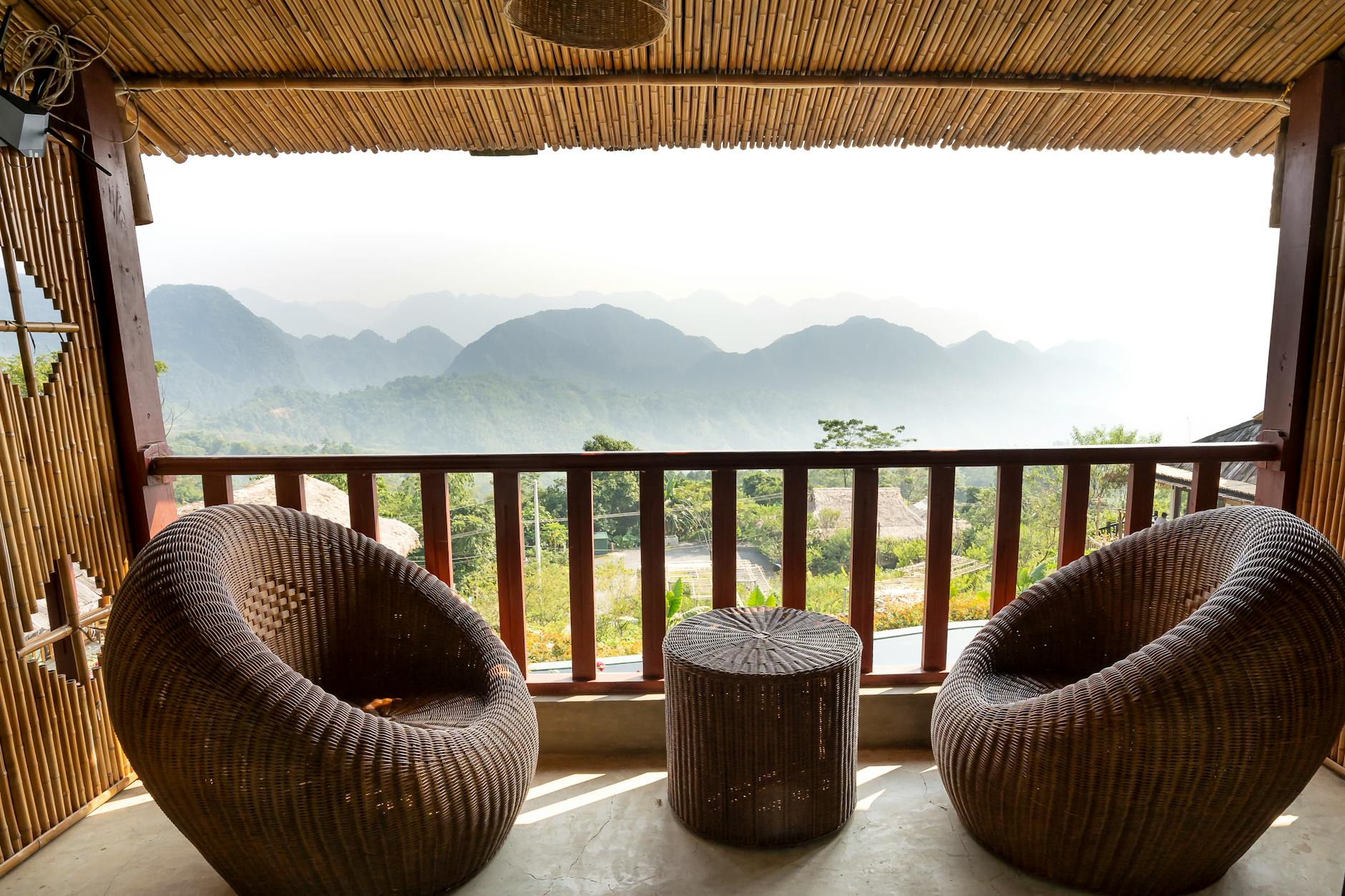
Ultra-Luxury: Laikipia’s Finest Safari Properties
For travelers seeking the pinnacle of safari luxury, Laikipia competes with the very best destinations in Africa. These properties combine extraordinary comfort with genuine conservation credentials and deeply personalized service. Rates typically range from $1,200 to $2,500+ per person per night, fully inclusive.
Segera Retreat
Conservancy: Segera (50,000 acres) | Rooms: 6 villas (max 12 guests) | Style: Contemporary African luxury with art collection
Segera Retreat is Laikipia’s most distinctive luxury property. Founded by Jochen Zeitz on what was previously degraded ranchland, the retreat houses an impressive collection of contemporary African art alongside one of the most thoughtful conservation programs in East Africa. Six spacious villas — each with private living areas, outdoor showers, and fireplaces — are set among indigenous gardens where two million trees have been planted as part of the property’s reforestation program. Activities include game drives across 50,000 private acres, walking safaris, horseback riding, cultural visits, and time spent exploring the art collection. Vast solar installations provide energy, and the kitchen garden supplies much of the cuisine. Segera established East Africa’s first All-Women Anti-Poaching Ranger Academy in 2019.
Best for: Art lovers, sustainability-focused travelers, honeymooners seeking sophistication in the wilderness.
Sirai House
Conservancy: Borana (35,000 acres) | Rooms: 6 suites (max 12 guests, exclusive use) | Style: Ultra-luxury private villa
Sirai House is the most exclusive accommodation option in Laikipia. Set on a 250-acre private estate within Borana Conservancy, this exclusively booked villa features six elegantly appointed suites, a heated infinity pool with views across the conservancy to Mount Kenya, a fully equipped spa and gym, a private cinema, wine cellar, and stables for horseback safaris. The house comes fully staffed with a private chef, butler, dedicated guide, and game vehicle. Every detail is curated — from the locally sourced cuisine to the bespoke safari experiences. A minimum three-night stay is required, with conservancy fees of $220 per person per night on top of the house rate.
Best for: Private groups, multi-generational families, celebrations, travelers for whom no detail is too fine.
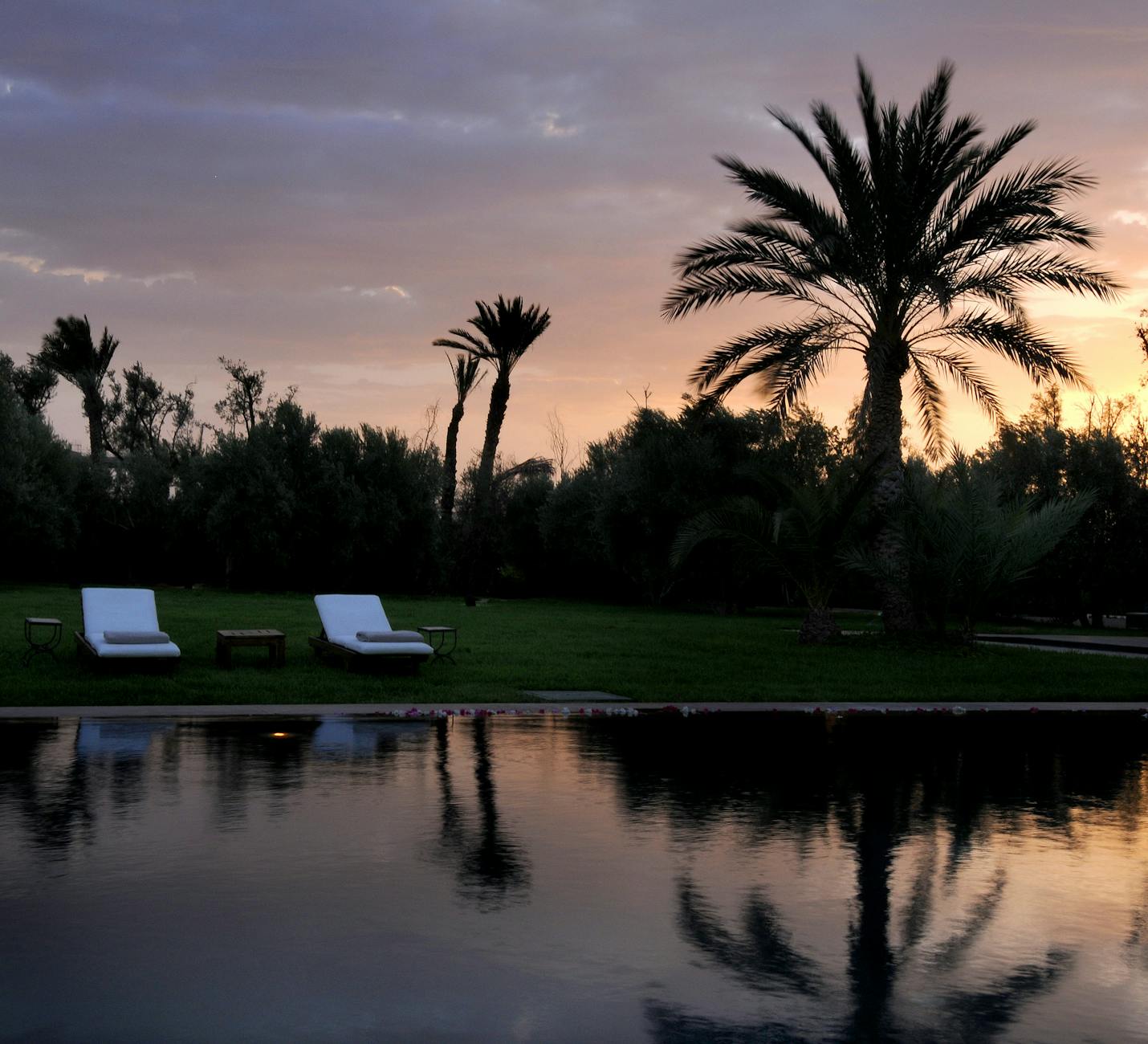
Ol Lentille
Conservancy: Ol Lentille (40,000 acres, community-owned) | Rooms: 4 private villas (max 16 adults + 6 children) | Style: Exclusive-use villas with community ownership
Positioned on one of the highest points in Laikipia with panoramic views stretching from Mount Kenya to the sacred Samburu mountain of Ololokwe, Ol Lentille offers four private villas — Carissa (1 bedroom), Acacia (2 bedrooms), Aloe (2 bedrooms), and Boscia (3 bedrooms) — each fully staffed with butler, valet, private guide, night watchman, and dedicated game vehicle. The 40,000-acre conservancy is unfenced and managed by local Samburu and Maasai communities, who receive direct tourism revenue. Wildlife includes endangered wild dogs, elephants, Grevy’s zebra, greater kudu, leopard, and cheetah. The remoteness — this is the far northern escarpment of Laikipia — ensures you will have the landscape almost entirely to yourself.
Best for: Exclusive-use family groups, travelers seeking total privacy, those who want luxury with genuine community impact.
Borana Lodge
Conservancy: Borana (35,000 acres) | Rooms: 8 cottages | Style: Intimate family-run luxury
Consistently rated among Kenya’s top safari lodges, Borana Lodge is a family-owned property where all retained earnings flow directly into conservation. Eight charming cottages are positioned well apart within landscaped gardens on the edge of the Laikipia Plateau, with views that sweep across the conservancy to Mount Kenya. The lodge has a swimming pool, spa, and an atmosphere that feels more like a private country house than a commercial safari operation. With the Lewa-Borana corridor creating a 90,000-acre connected landscape, wildlife viewing is exceptional — over 250 rhinos, healthy lion and elephant populations, and the possibility of wild dog sightings. Activities include game drives, walking safaris, horseback riding, and visits to local communities.
Best for: Discerning travelers seeking understated luxury, rhino enthusiasts, couples and honeymooners.
Classic Tented Safari Camps: The Heart of the Laikipia Experience
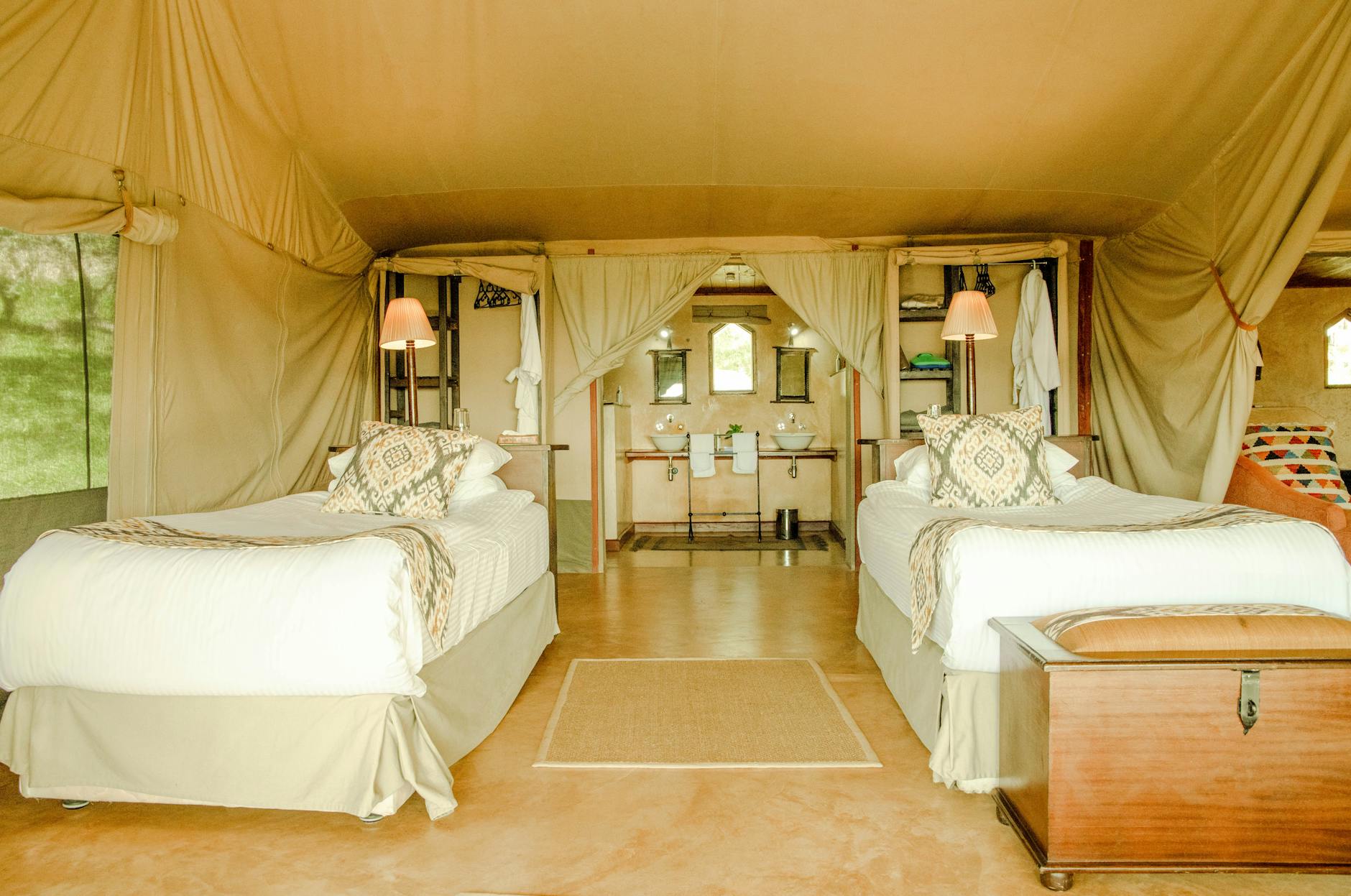
For many safari travelers, a tented camp represents the ideal balance of comfort, immersion, and value. Laikipia’s tented camps sit squarely in the mid-range to upper mid-range bracket, with rates typically between $500 and $1,000 per person per night, fully inclusive of meals, drinks, game activities, and conservancy fees.
Kicheche Laikipia Camp
Conservancy: Ol Pejeta | Tents: 6 (including 1 family suite) | Style: Award-winning eco-luxury
Kicheche Laikipia is widely regarded as the finest tented camp in Ol Pejeta Conservancy. Located in the remote western wilderness zone, well away from the day-visitor areas, the camp offers an exclusive experience with just six spacious tents, each with en-suite bathroom, outdoor shower, and veranda facing a productive waterhole. The guiding at Kicheche is exceptional — the camp employs some of the most experienced and knowledgeable guides in Laikipia, and the emphasis is on quality of encounter rather than ticking boxes. A family suite with interconnecting tents makes this one of the best options for families. Full board, all drinks, game drives, walking safaris, and conservancy fees are included.
Loisaba Tented Camp
Conservancy: Loisaba | Tents: 12 rooms | Style: Luxury tented with dramatic views
Completely rebuilt in 2016, Loisaba Tented Camp is ranged along a ridge with views across the conservancy toward Mount Kenya. Twelve tented rooms with en-suite facilities offer a high level of comfort, while the camp’s position within the 57,000-acre conservancy provides access to an extraordinary range of activities: game drives, walking safaris, horseback safaris, camel treks, mountain biking, and the option to spend a night at the famous Loisaba Star Beds. The wildlife is diverse — elephants, lions, cheetah, reticulated giraffe, Grevy’s zebra, and over 260 bird species.
Lewa Safari Camp
Conservancy: Lewa Wildlife Conservancy (UNESCO World Heritage Site) | Tents: 12 | Style: Classic tented with conservation focus
Operated by Elewana Collection, Lewa Safari Camp sits within the UNESCO-listed Lewa Wildlife Conservancy. Twelve tented rooms with verandas overlook a waterhole that attracts elephants, rhinos, and plains game throughout the day. Lewa’s exceptional guiding team offers game drives, walking safaris, horseback riding, and behind-the-scenes conservation experiences including visits to the rhino tracking and anti-poaching operations. The camp provides an ideal base for experiencing Lewa’s extraordinary Grevy’s zebra and rhino populations.
Lewa Wilderness
Conservancy: Lewa | Rooms: 10 thatched cottages | Style: Heritage lodge with conservation DNA
Lewa Wilderness is the original lodge in Lewa Wildlife Conservancy, founded by the Craig family whose vision transformed the former cattle ranch into one of East Africa’s most important conservation areas. Ten thatched cottages offer comfortable, unfussy accommodation — this is not a design hotel but a place with genuine soul, where the conservation mission permeates every aspect of the experience. The Craig family still lives on the property, and staying here feels like visiting old friends who happen to have 62,000 acres of UNESCO World Heritage wilderness outside their front door. Horseback safaris, guided walks, game drives, and camel trekking are all available.
Kifaru House
Conservancy: Lewa | Rooms: 4 cottages (max 8 guests) | Style: Intimate photographer’s lodge
Kifaru House is Lewa’s most exclusive property — a small, stylish lodge with just four cottages designed particularly with photographers in mind. The name means “rhino” in Swahili, and the lodge delivers on the promise: Lewa’s exceptional rhino and Grevy’s zebra populations are accessible from dedicated photography vehicles with expert guides who understand both animal behavior and photographic composition. The intimate size means a highly personalized experience, and the lodge is frequently used by professional wildlife photographers on assignment.
Ol Pejeta Bush Camp
Conservancy: Ol Pejeta | Tents: 7 | Style: Intimate and authentic
Operated by Asilia Africa, Ol Pejeta Bush Camp combines authentic East African safari tradition with deep conservation purpose. Seven en-suite tents, including a family tent, feature solar power and sustainable design. The camp’s location in the heart of Ol Pejeta provides access to all of the conservancy’s highlights: Big Five game drives, the northern white rhino enclosure, the Sweetwaters Chimpanzee Sanctuary, lion tracking, and night drives. This is an excellent mid-range option that delivers a genuine and immersive safari experience.
Loisaba Lodo Springs
Conservancy: Loisaba | Rooms: 8 tents | Style: Secluded and exclusive
Tucked into a hillside in a more remote corner of Loisaba Conservancy, Lodo Springs is an andBeyond property with just eight tents that offer understated luxury, fantastic views, and a sense of complete seclusion. Natural springs at the base of the camp attract wildlife throughout the day, and the intimate size ensures a highly personalized experience.
Suyian
Location: Laikipia Plateau | Rooms: Small, exclusive | Style: Newly opened design lodge
Suyian is one of the most exciting new arrivals in Laikipia, having opened in July 2025. Already described as one of the most beautifully designed lodges in Kenya, the property combines contemporary architecture with deep respect for the landscape. Early reviews highlight exceptional guiding, thoughtful cuisine, and a design sensibility that sets it apart from the classic colonial-era aesthetic that dominates much of East African safari accommodation. For travelers who value architectural innovation alongside wildlife, Suyian is a compelling new option.
Laikipia Wilderness Camp
Location: Northern Laikipia | Tents: Multiple configurations including family tents | Style: Family and adventure specialist
For over two decades, Laikipia Wilderness Camp has specialized in hosting families and adventure seekers. The camp offers a huge range of activities designed to engage visitors of all ages: bush walks, river adventures, sleepouts, fly camping, camel trekking, and game drives. Four family tents comprising interconnecting double and twin units accommodate families with multiple children — one tent is large enough for families with up to four children. The camp’s guides are skilled at adapting activities to different ages, ensuring that five-year-olds and fifteen-year-olds are equally engaged. This is arguably the single best property in Laikipia for families with young children.
Community Eco-Lodges: Where Tourism Transforms Lives
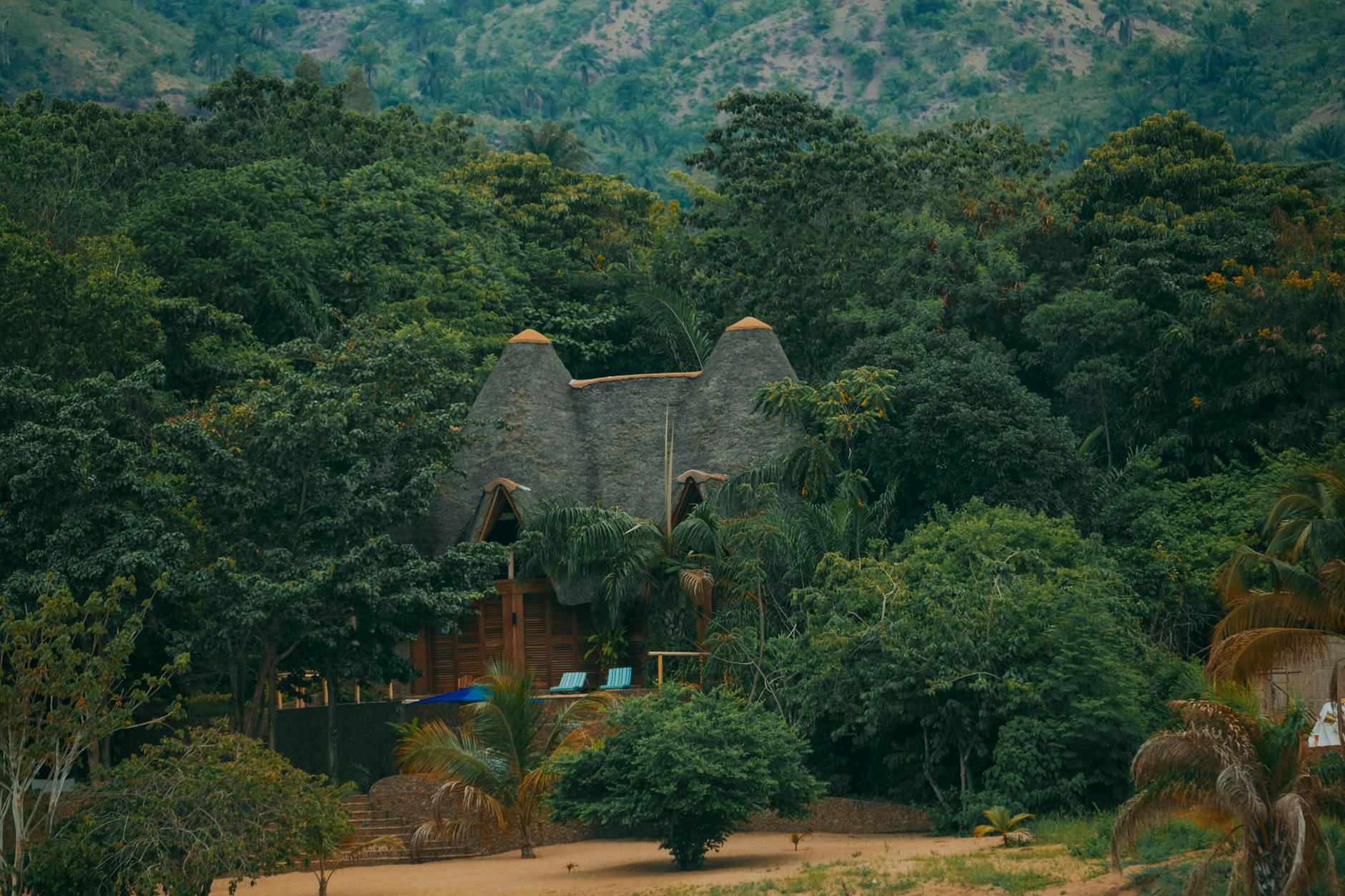
For travelers who want their Laikipia accommodation to carry the deepest possible social impact, community eco-lodges offer something no luxury property can match: the knowledge that every shilling you spend goes directly to the community that built, owns, and operates the lodge.
Il Ngwesi Eco-Lodge
Community: Laikipiak Maasai | Rooms: 6 open-fronted bandas (max 12 guests) | Style: Award-winning community-owned
Built in 1996 from local materials and perched on the edge of the Mararoi hills with views toward Samburu, Il Ngwesi is owned, managed, and staffed entirely by members of the Laikipiak Maasai community. The lodge is rustic by luxury standards — open-fronted bandas with thatched roofs and no glass in the windows — but the experience is profoundly authentic. Guides are Maasai warriors who grew up on the land. Cultural interactions are genuine. Wildlife has recovered dramatically since the community set aside its conservation area. Tourism revenue funds schools, healthcare, and water projects. This is community conservation at its most direct and meaningful.
Tassia Lodge
Community: Lekurruki | Rooms: 6 bandas | Style: Remote community-run
For travelers seeking Laikipia’s frontier, Tassia Lodge in the remote Lekurruki community conservancy offers an experience that feels closer to exploration than conventional tourism. Six stone-and-thatch bandas perch on a rocky outcrop with views across vast, sparsely populated wilderness. The lodge is run by the local community with support from conservation partners, and activities include game drives, walking safaris, camel treks, and cultural visits. This is off-the-beaten-track in the truest sense — the nearest paved road is hours away.
Ranch Houses and Private Homes: Exclusive Laikipia Character
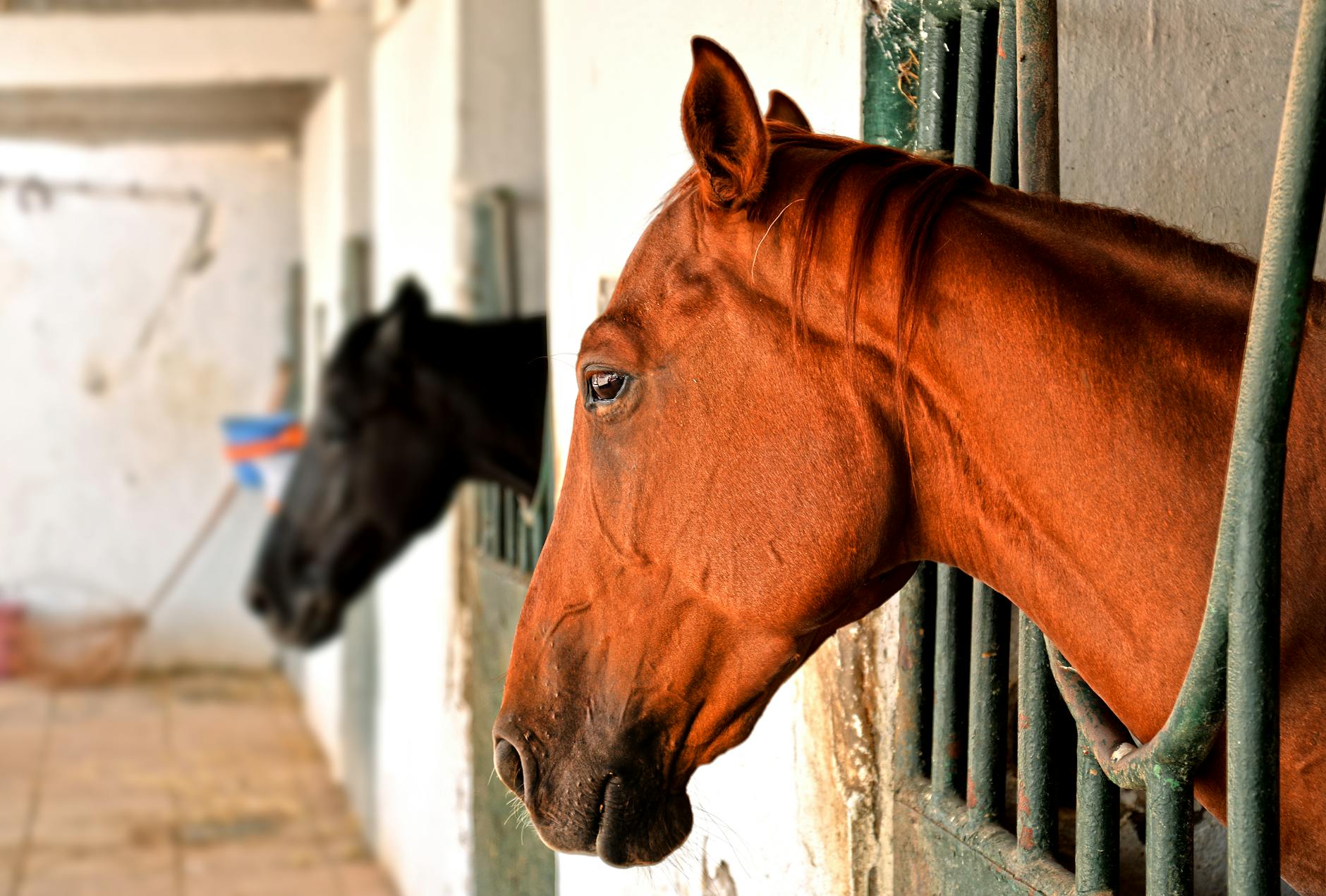
Laikipia’s heritage as a ranching landscape means that several properties offer accommodation in historic ranch houses — an experience that combines the warmth of a private home with the wildlife of a conservancy.
Sosian Lodge
Conservancy: Sosian (24,000 acres) | Rooms: 7 (in restored ranch house and cottages) | Style: Ranch house luxury
Sosian is a 1940s ranch house that has been beautifully restored as a safari lodge, retaining the character of its colonial-era origins while adding modern comforts. The property is particularly renowned for its horseback safari program — Sosian breeds its own horses and offers rides ranging from morning canters to multi-day riding expeditions. Wildlife includes Big Five (rhino by arrangement at neighboring conservancies), wild dogs, and a full complement of plains game. The atmosphere is distinctly private-house — think crackling fireplaces, book-lined shelves, and family-style dining.
Ol Malo Lodge
Size: 5,000 acres | Rooms: 5 cottages + Ol Malo House (exclusive use) | Style: Family-run mountain retreat
Perched on the Laikipia escarpment, Ol Malo is a family-run property that excels at multi-generational travel. Five stone cottages and the exclusive-use Ol Malo House offer panoramic views across the northern lowlands. Activities are refreshingly varied — game drives, horseback safaris, camel treks, mountain biking, helicopter flights, and swimming in natural rock pools. There are no rigid schedules; you set the pace. For families with children, this flexibility and breadth of activity is invaluable.
Family-Friendly Laikipia Accommodation
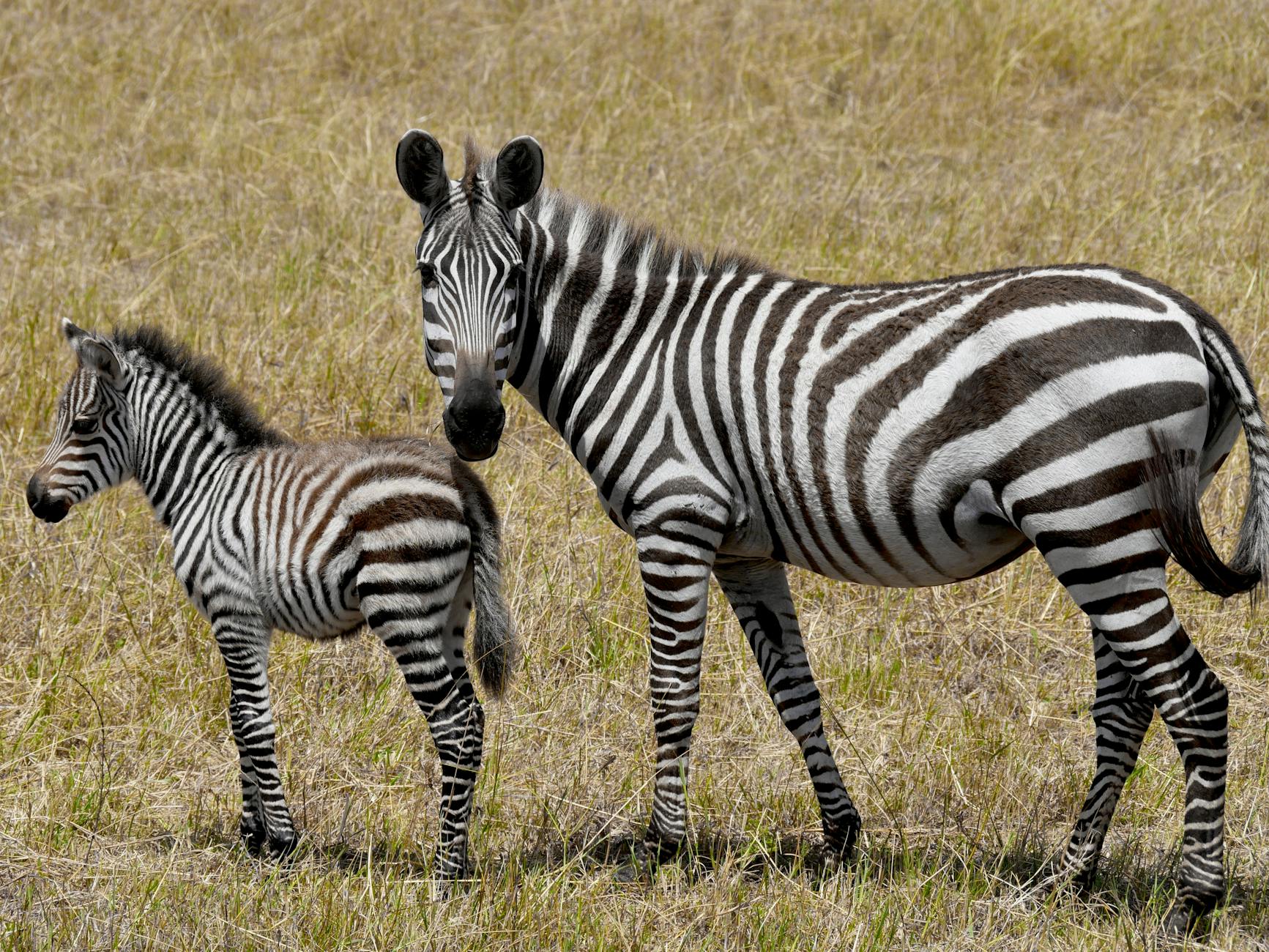
Laikipia is increasingly recognized as one of Kenya’s best family safari destinations. The private conservancy model offers flexibility that national parks cannot — no rigid schedules, a wide range of activities beyond vehicle-based drives, and properties that genuinely welcome children rather than merely tolerating them.
Top Family Picks
Laikipia Wilderness Camp has specialized in hosting families for over 20 years, with four family tents (interconnecting double and twin), and a huge range of activities including bush walks, river adventures, and sleepouts designed specifically for children. One family tent accommodates up to four children.
El Karama Lodge is owner-managed by parents with a young family, creating a genuinely relaxed atmosphere. Daily Bush School sessions teach children to track animals, identify birds, and understand the ecosystem. The lodge has a pool, bush camping adventures, and rates that represent excellent value for families.
Kicheche Laikipia Camp offers a custom-designed family suite with interconnecting tents, exceptional guiding that adapts to children’s interests and attention spans, and the full range of Ol Pejeta activities including the chimpanzee sanctuary.
Solio Lodge features interconnected family cottages with double and twin en-suite bedrooms joined by a shared lounge area, ideal for families wanting privacy and togetherness in the same space. The rhino viewing — often 50+ animals on a single drive — captivates children and adults equally.
Budget Accommodation: Laikipia on a Shoestring
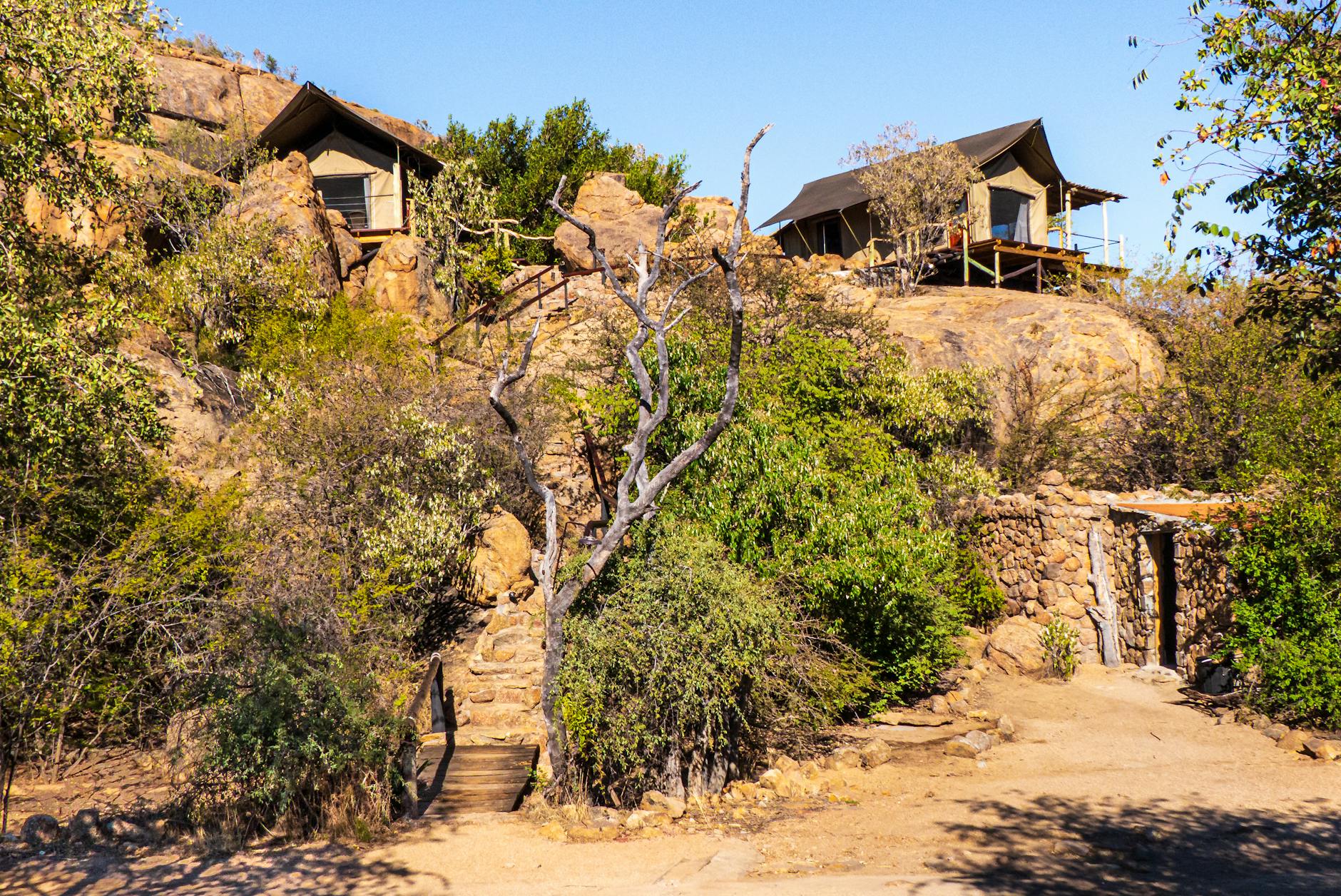
While Laikipia is primarily a mid-range to luxury destination, budget travelers are not excluded. Several options bring the Laikipia experience within reach of backpackers and cost-conscious travelers.
Ol Pejeta: The Budget Gateway
Ol Pejeta Conservancy is the most accessible option for budget travelers. It is one of the few Laikipia conservancies that allows self-drive visits, meaning you can enter with your own vehicle (or a rental) and explore independently. Entry fees are approximately $110 per non-resident adult per day. Camping facilities within the conservancy start from $35-$60 per person per night. The Ol Pejeta Safari Cottages offer simple, comfortable rooms at budget-friendly rates. Day visits from Nanyuki — just 20-30 minutes away — are also feasible for travelers staying in town.
Nanyuki Town: The Laikipia Base
Nanyuki, the bustling gateway town on the southeastern edge of the Laikipia Plateau, offers the widest range of budget accommodation in the region. Hotels and guesthouses start from as little as $25 per night, with mid-range options like Sportsman’s Arms Hotel, Storms Resort, and various B&Bs providing comfortable bases for day trips to Ol Pejeta and other nearby conservancies. The town sits directly on the equator and has ATMs, supermarkets, restaurants, and all essential services.
El Karama Lodge
While not rock-bottom budget, El Karama Lodge on a working cattle ranch offers an exciting safari experience at rates significantly below the premium conservancies. Full-board rates include meals, game drives, and walking safaris. The lodge provides excellent value for travelers who want a genuine Laikipia bush experience without the premium price tag.
What’s Included in Laikipia Accommodation Rates
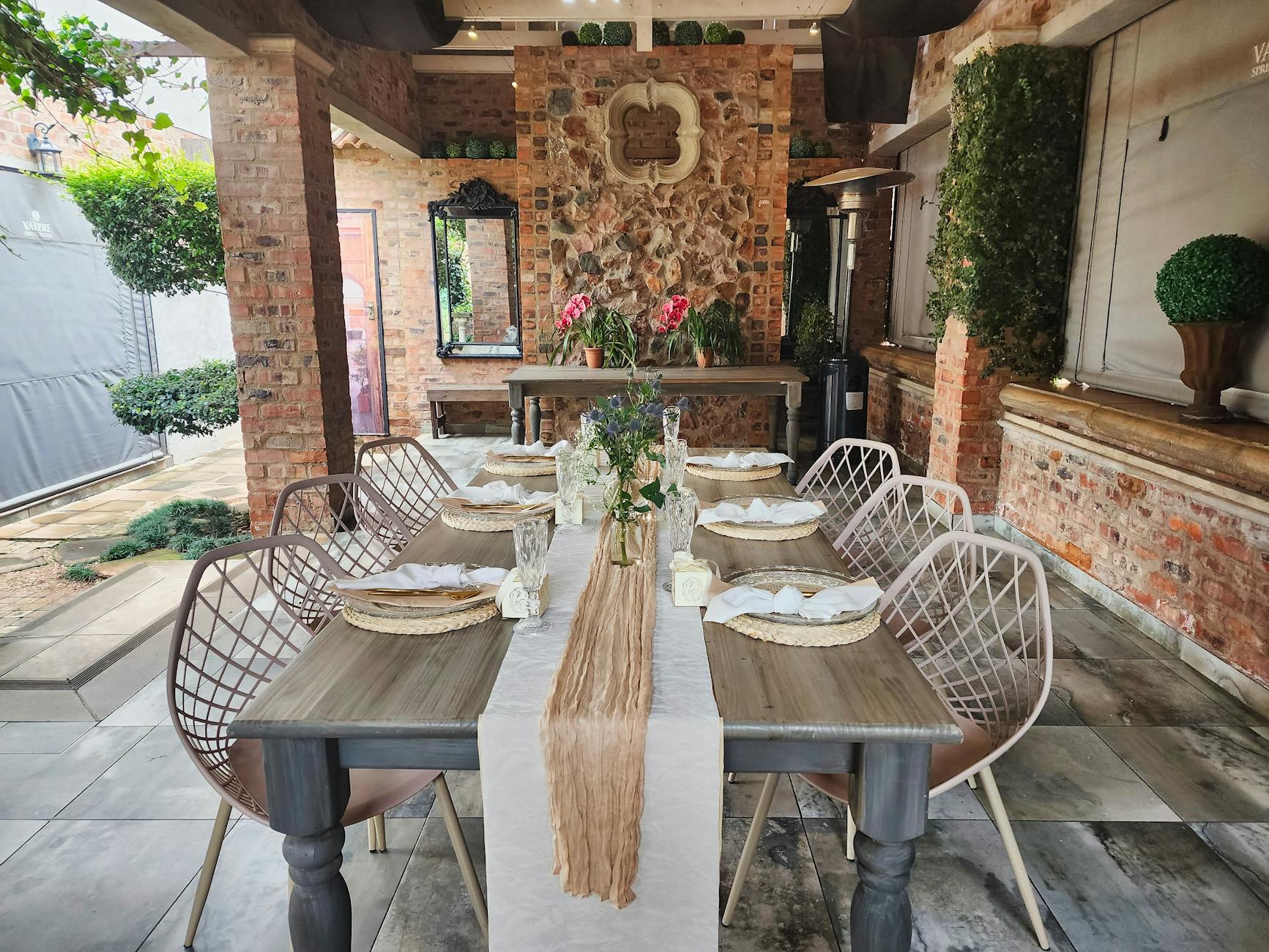
Understanding what is and is not included in Laikipia accommodation rates helps you compare properties accurately and avoid unexpected costs.
Typically included (mid-range and above): Accommodation, all meals (breakfast, lunch, afternoon tea, dinner), house wines, local beers, spirits, and soft drinks, two game activities per day (morning and afternoon/evening), conservancy fees, laundry, and airstrip transfers.
Typically not included: Premium champagnes, vintage wines, spa treatments, scenic helicopter flights, internal flights to Laikipia, international flights, travel insurance, tips for guides and camp staff, and any off-property excursions (such as day trips to Solio Ranch or Ngare Ndare Forest).
Conservancy fees range from $80 to $150 per person per day at most properties and are almost always bundled into the nightly rate at mid-range and luxury properties. These fees go directly to conservation and community programs — they are not a surcharge but the economic engine that sustains the wildlife you have come to see.
Tipping guidelines: $15-$25 per person per day for your dedicated guide, $10-$15 per person per day for general camp staff (typically pooled into a communal tip box). Tips are a significant part of staff income and are warmly appreciated.
Choosing the Right Laikipia Accommodation: A Decision Guide
With dozens of properties to choose from, selecting the right Laikipia accommodation depends on your priorities, budget, and travel style. Here is a practical framework.
If your priority is wildlife variety: Stay in Ol Pejeta (largest conservancy, Big Five, northern white rhinos, chimpanzees) or Lewa (UNESCO heritage, Grevy’s zebra, rhinos). Both offer multiple accommodation options at various price points.
If your priority is exclusivity: Sirai House (max 12 guests, exclusive use), Ol Lentille (private villas), or Segera Retreat (max 12 guests) deliver the most private experiences.
If your priority is adventure activities: Loisaba (horseback, camel, star beds, mountain biking) or Sosian (horseback specialist) offer the widest range of activities beyond game drives.
If your priority is rhinos: Solio Lodge (highest density anywhere), Borana Lodge (connected 90,000-acre landscape), or Ol Pejeta (largest sanctuary, northern white rhinos).
If your priority is community impact: Il Ngwesi (Maasai-owned), Ol Lentille (community-owned luxury), Tassia (remote community frontier).
If your priority is value: Ol Pejeta camping and self-drive, El Karama Lodge, or Nanyuki town hotels for day-trip access.
If you are traveling with children: Laikipia Wilderness Camp (family specialist), El Karama (Bush School), Kicheche Laikipia (family suite), or Ol Malo (flexible scheduling).
Unique Stays: Laikipia’s Most Memorable Accommodation Experiences
Beyond conventional lodges and camps, Laikipia offers several accommodation experiences that rank among the most memorable in all of African travel.
Loisaba Star Beds
The star beds at Loisaba Conservancy are, quite simply, one of the most iconic accommodation experiences in Africa. Handcrafted four-poster beds on wheels are rolled out onto raised wooden platforms overlooking a waterhole. You fall asleep under the vast equatorial sky — the Milky Way blazing overhead in the absence of any light pollution — while elephants, buffalo, and other wildlife visit the water below. It is at once utterly simple and utterly extraordinary. The star beds accommodate a maximum of eight guests in four rooms, and they sell out months in advance during peak season.
Fly Camping
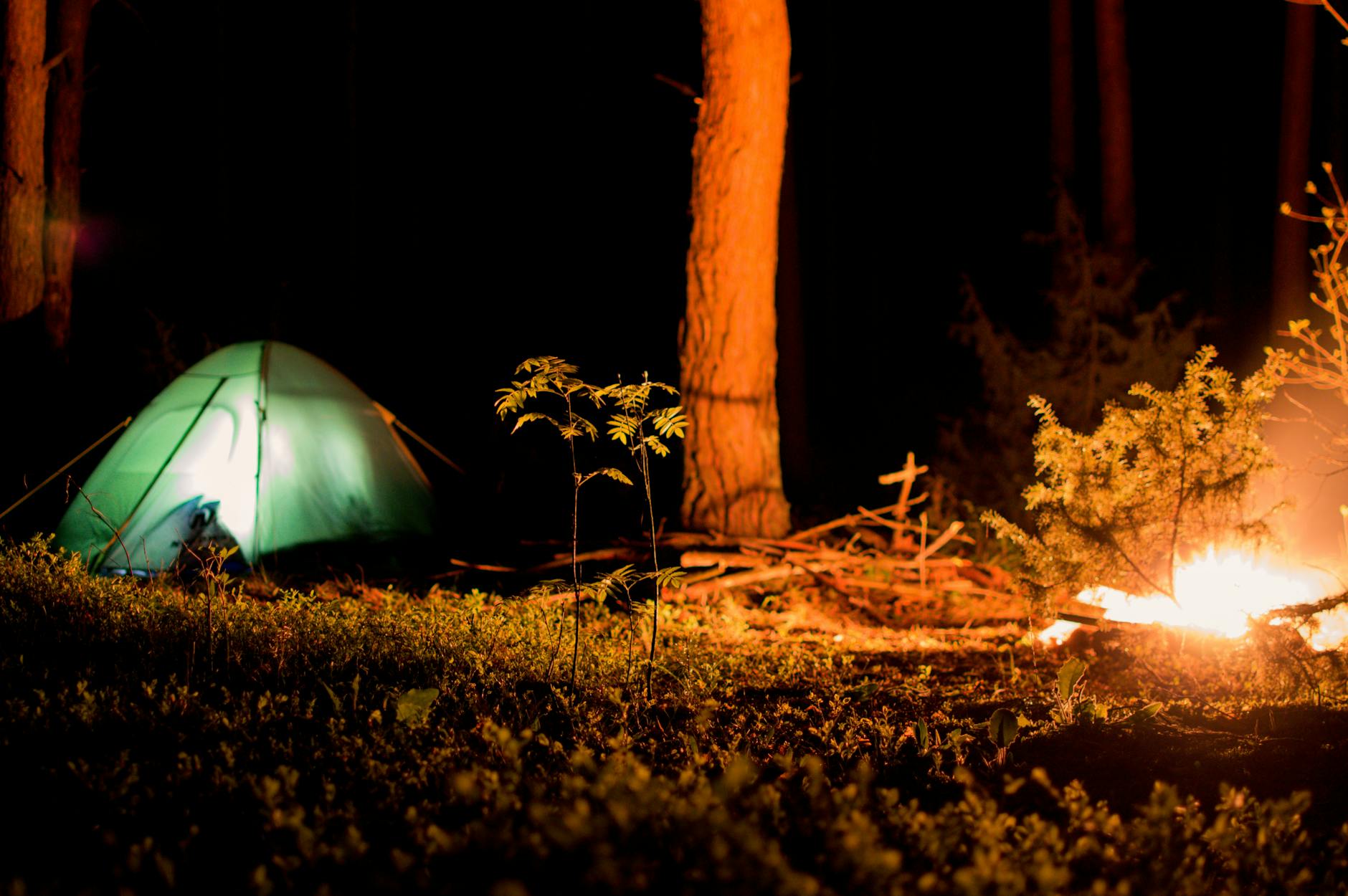
Several Laikipia properties offer fly camping as an optional add-on to a lodge or camp stay. You walk or drive out to a remote location where a lightweight camp has been prepared — typically a simple canvas tent, a bucket shower, a campfire, and nothing else but the African bush. Dinner is cooked over the fire. The sounds of the night are your entertainment. Falling asleep in a fly camp, with the call of a hyena as your lullaby and the stars as your ceiling, strips the safari experience to its essential core. It is not for everyone — but for those who embrace it, a fly camp night becomes the highlight of the entire trip.
Bush Breakfasts and Sundowner Suppers
While not accommodation per se, the practice of dining in the bush is such a defining feature of the Laikipia experience that it deserves mention. Nearly every camp and lodge offers bush breakfasts — full table setups under acacia trees after a morning game drive — and sundowner drinks at scenic viewpoints as the sun sets over the plateau. Many also offer star-lit dinners around campfires, with three-course meals served by candlelight in a riverbed or clearing. These meals transform simple sustenance into unforgettable experiences, blurring the line between accommodation and adventure.
Combining Properties: Multi-Lodge Itineraries
Many Laikipia visitors stay at two or three properties during a single trip to experience different conservancies, landscapes, and accommodation styles. Classic combinations include a tented camp in Ol Pejeta or Lewa (for Big Five and rhinos) paired with an adventure property in Loisaba (for star beds, horseback, and dramatic scenery) or a community eco-lodge (for cultural immersion and impact). Internal charter flights connect most Laikipia airstrips in under thirty minutes, and road transfers between conservancies pass through some of Kenya’s most scenic highland landscape.
A well-planned four-to-six-night Laikipia itinerary might split between two properties: two to three nights at a wildlife-rich central conservancy and two to three nights at a more remote or activity-focused property. This delivers variety without excessive moving and allows enough time at each property to settle in, build a relationship with your guide, and experience the full range of activities on offer.
Seasonal Pricing: When to Find the Best Value
Laikipia accommodation pricing follows a three-tier seasonal structure that can significantly affect the cost of your safari.
Peak season (July to October, Christmas-New Year): Highest rates, strongest demand, earliest booking required. This period coincides with the dry season and the wildebeest migration in the Mara, making it the most popular time for combined Laikipia-Mara itineraries. Expect to pay full published rates, and book six to twelve months ahead for top properties.
Shoulder season (January-February, June, November-December): Rates drop 15-30 percent from peak, but wildlife viewing remains excellent. January and February are dry months with superb game viewing. June marks the start of the dry season with still-green landscapes. November and December offer short rains that rarely disrupt activities. This is the sweet spot for value-conscious travelers who want great wildlife without peak-season pricing or crowds.
Green season (March to May): The lowest rates of the year, with discounts of 30-50 percent at some properties. The landscape is lush and green, birdwatching is exceptional, and those willing to tolerate occasional rain and muddier roads can find extraordinary value. Some camps close during April and May, but many remain open with reduced rates and “stay four, pay three” promotions. Families benefit particularly from green-season pricing, when some properties offer free stays for children under twelve.
Understanding these seasonal dynamics and being flexible with dates can make the difference between a three-night and a five-night Laikipia safari for the same budget. The wildlife is resident year-round — there is no bad time to visit, only different times with different advantages.
Booking Tips and Practical Advice
Book early for peak season. Laikipia’s top properties (particularly Segera, Sirai, Ol Lentille, and Borana) have very limited capacity and fill months in advance for July-October and the Christmas-New Year period. Properties are already 60-70 percent booked for peak 2026. If your dates are fixed, book six to twelve months ahead.
Consider the shoulder season. June, November, and early December offer near-peak wildlife viewing at rates that can be 20-30 percent lower than high season. March to May (the long rains) offers the biggest discounts, though some camps close during the wettest months and roads can be challenging.
Use a specialist operator. East Africa safari specialists have access to allocations, unpublished rates, and insider knowledge of which properties suit which travelers. They can also coordinate multi-property itineraries, internal flights, and Mara or Samburu extensions seamlessly. The added cost (if any) is typically offset by the value of their expertise and access.
Ask about special offers. Many camps offer “stay four, pay three” promotions during green season, children’s discounts (some properties allow under-12s to stay free or at 50 percent), and honeymoon packages. These are rarely advertised on general booking platforms — ask directly or through a specialist agent.
Check the minimum stay. Some exclusive-use properties (Sirai House, Ol Lentille) require minimum stays of three nights. Family groups booking exclusive use should factor this into planning.
For a broader overview of the region, its wildlife, and its conservation story, explore our Complete Guide to Laikipia Kenya. For detailed safari planning — including what to expect on game drives, walking safaris, and night drives — read our Laikipia Safari Guide. And to understand the conservancies where these properties are located, see our Laikipia Conservancies Guide.
Leave a Reply