Last updated: May 2026
The most common Kenya-safari decision travellers wrestle with is Laikipia vs Masai Mara. Both are world-class. They’re also fundamentally different products: the Mara is a state-managed national reserve famous for big-cat density and the wildebeest migration; Laikipia is a 9,500 km² mosaic of private and community conservancies famous for rhinos, walking and night drives, and a less-crowded experience. Which one is right for you depends on what you actually want from an African safari, not on which one is more famous.
This guide compares the two destinations head-to-head across the dimensions that matter most: wildlife, crowds, costs, accommodation, activities, photography, family-friendliness, weather and transportation. The honest answer for most travellers is that you should visit both. But if you can only pick one, this comparison will help you choose well.
Quick Verdict
Choose the Masai Mara if: You want maximum big-cat density, the wildebeest migration (July–October), iconic open-plains landscapes, and a budget option below USD 400 per person per night.
Choose Laikipia if: You want walking and horseback safaris, fewer vehicles per sighting, the world’s last northern white rhinos and most of Kenya’s black rhino population, family-friendly malaria-low conservancies, and a deeper conservation-funding model.
Choose both: If your budget and time allow, the Mara-plus-Laikipia combination is the strongest 7–10 day Kenya safari for most travellers.
Wildlife Comparison
Wildebeest Migration
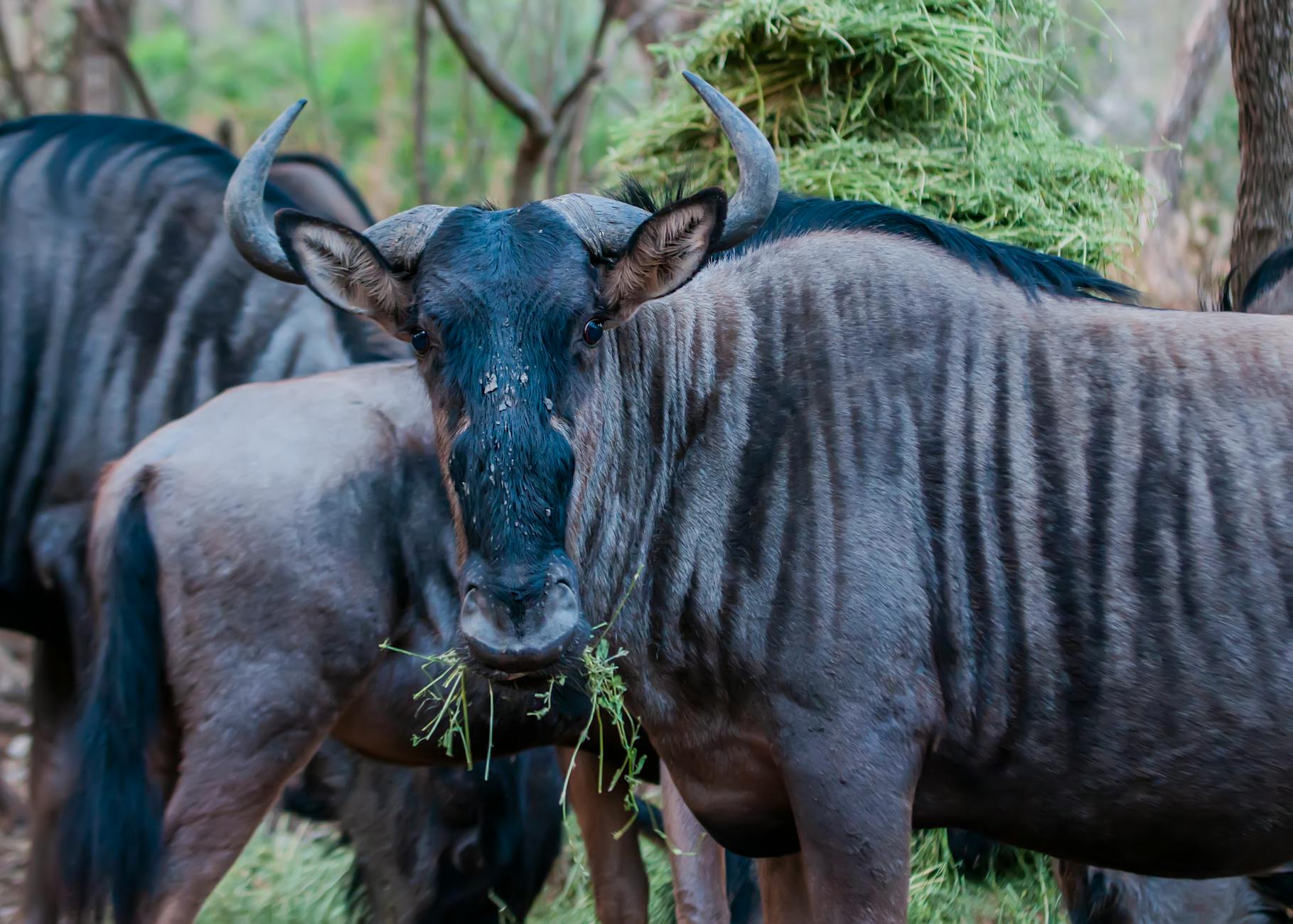
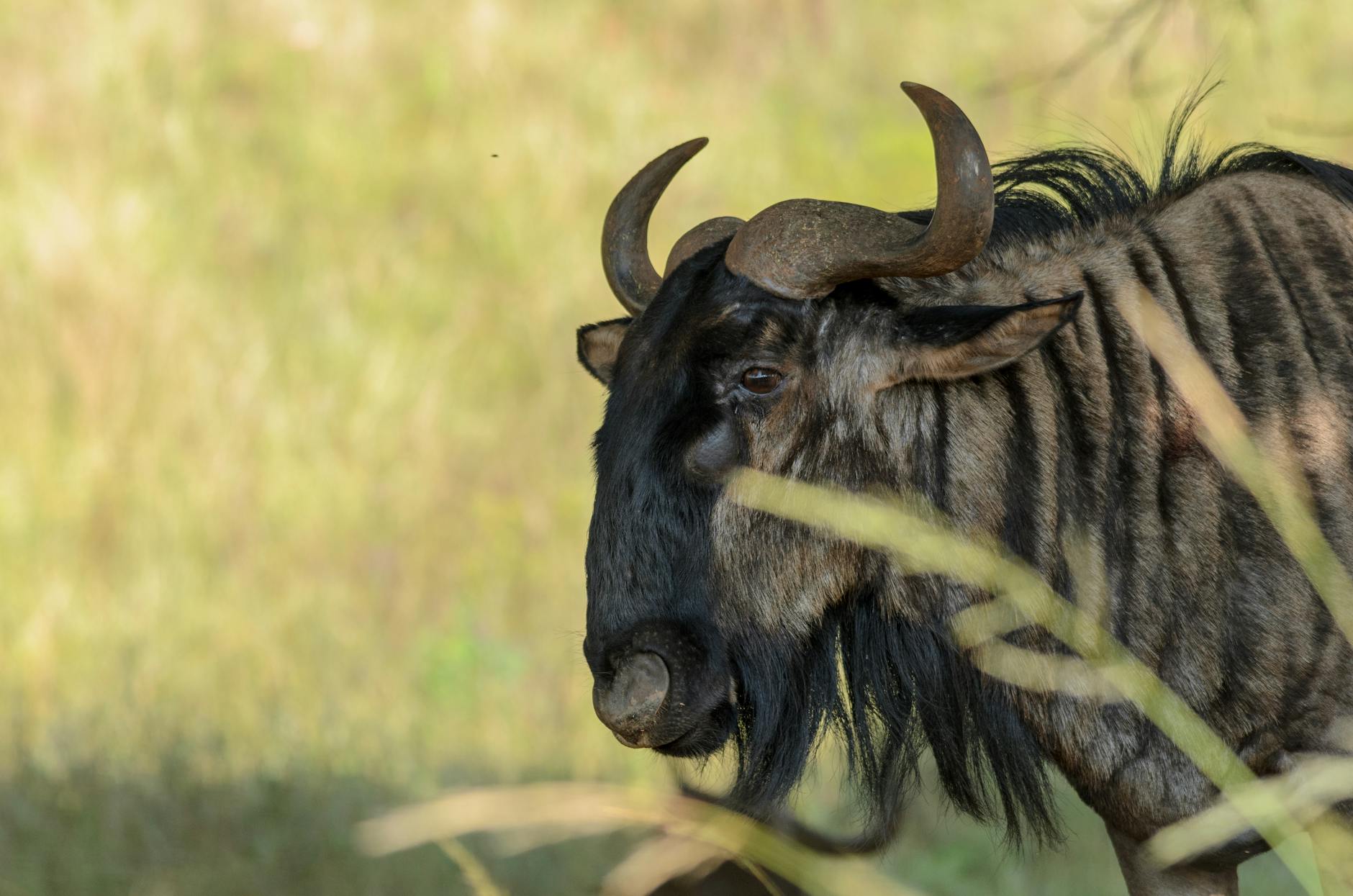
The Masai Mara wins this category outright. Approximately 1.5 to 2 million wildebeest, plus zebra and gazelles, cross from Tanzania’s Serengeti into the Mara between roughly July and October each year. The famous Mara River crossings, with crocodile predation, are one of the great wildlife spectacles of the planet. Laikipia has small populations of wildebeest but no migration.
Verdict: Masai Mara, easily.
Big Cats
The Mara has the highest concentration of large predators in Africa. A good day in the Mara might produce 15+ lions, multiple cheetahs and a leopard sighting. Laikipia has plenty of lions, leopards and cheetahs but population densities are lower — a good Laikipia day might produce 4–8 lions, a leopard and a cheetah encounter.
Verdict: Masai Mara for sheer numbers.
Rhinos
Laikipia is the dominant African destination for rhino viewing. Over 500 black rhinos live across Lewa, Borana, Ol Pejeta, Solio and Sera — roughly half of Kenya’s national black rhino population. Ol Pejeta also holds the world’s last two northern white rhinos. The Mara has rhinos but in much smaller numbers — perhaps 30–40 black rhinos in the entire reserve, often hard to find.
Verdict: Laikipia, decisively.
Elephants
Both destinations hold significant elephant populations. The Mara has perhaps 1,500–2,000 elephants; Laikipia has over 7,000. Mara elephants are concentrated in the riverine forests; Laikipia elephants range widely across the plateau and conservancies. Encounter quality is similar; Laikipia has slightly more total animals to encounter.
Verdict: Laikipia for numbers; Mara for the riverine setting.
Endangered and Specialist Species
Laikipia wins on most endangered-species indicators. African wild dog populations are stronger in Laikipia (multiple resident packs across the conservancies). Grevy’s zebra is essentially Laikipia-only in Kenya — the species barely occurs in the Mara. Reticulated giraffe (the geometrically patterned northern species) replaces the Masai giraffe of the Mara. Beisa oryx, gerenuk, lesser kudu and Somali ostrich are northern-frontier species not found in the Mara.
Verdict: Laikipia, for variety beyond the standard list.
Bird Life
Both destinations have bird lists in the 450–500 species range. The Mara’s count is slightly higher; Laikipia’s variety is greater (highland forest species + savanna species + arid-zone specialists in a single landscape).
Verdict: Approximately equal; Laikipia for variety, Mara for raptors.
Crowds and Exclusivity
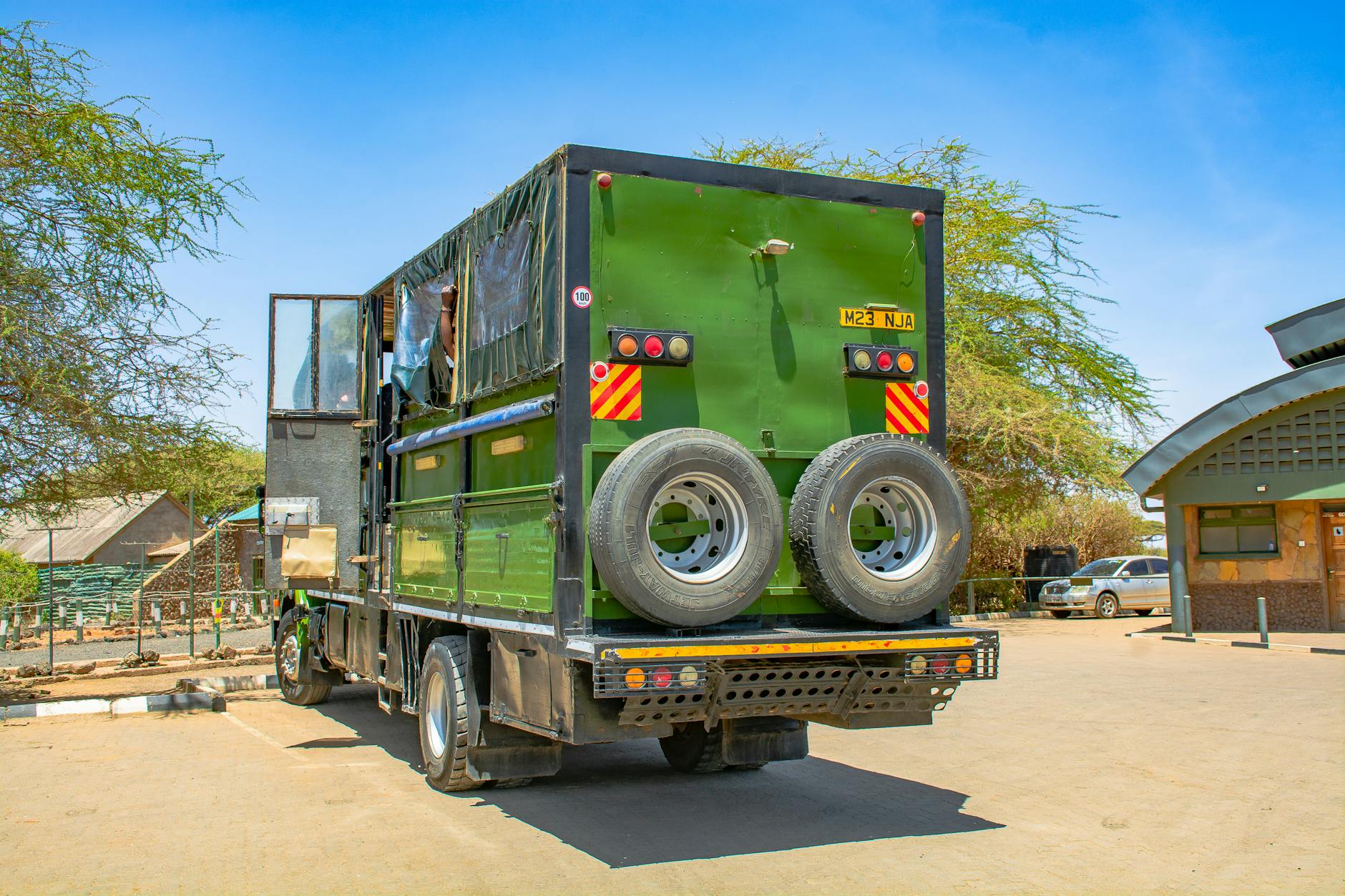
The Masai Mara in peak season (July–October, December–early January) sees high vehicle volumes. Inside the National Reserve, a single leopard sighting can attract 10–25 vehicles. The conservancies bordering the Mara (Mara North, Olare Motorogi, Naboisho, Ol Kinyei) have stricter vehicle caps and exclusive-use options that mitigate this — but the Reserve itself is busy.
Laikipia conservancies typically cap visitor numbers at far lower densities. A wildlife sighting on most Laikipia properties involves your vehicle and possibly one other; on smaller properties (Suyian, Sosian, Ol Malo) you may not see another vehicle for an entire morning game drive. The exclusivity is the single biggest experiential difference between the two destinations.
Verdict: Laikipia, decisively. The Mara conservancies (not the Reserve) approach Laikipia exclusivity but at higher cost.
Cost Comparison
Lodge and Camp Pricing
Both destinations span budget to ultra-luxury. Approximate per-person-per-night ranges (high season, all-inclusive):
- Budget: Mara USD 150–350; Laikipia USD 250–450
- Mid-range: Mara USD 350–700; Laikipia USD 450–800
- Luxury: Mara USD 700–1,500; Laikipia USD 800–1,500
- Ultra-luxury: Mara USD 1,500–3,500; Laikipia USD 1,200–2,500
The headline: the Mara is cheaper at the lower end of the market, comparable at the high end, and Laikipia tends to be slightly less expensive at ultra-luxury. The Mara budget options are more numerous and easier to find.
What’s Included
Laikipia conservancy rates typically bundle conservancy fees (USD 80–150/person/night), private vehicles, walking and night drives, and unlimited drinks. Mara rates often charge separately for park entry (USD 70–150/person/day), shared vehicles unless you upgrade, and bar premium spirits. Apples-to-apples, the gap narrows considerably.
Verdict: Mara wins at the budget end; comparable at mid-range and luxury; Laikipia includes more in the rate.
Accommodation Style
The Masai Mara has more polished, internationally branded properties (the Fairmont Mara Safari Club, Sarova Mara, Mara Serena) alongside boutique tented camps. Many Mara camps are larger (20–40 tents or rooms) and operate at a higher commercial scale.
Laikipia retains a much higher proportion of small (8–16 bed) family-run lodges and tented camps. The atmosphere is often more personal — owners on-site, intimate dinners, longer service relationships with returning guests. Examples: Sosian, Suyian, Borana, Lewa Wilderness, Sirikoi, Ol Malo, Karisia.
Verdict: Mara for polished commercial properties; Laikipia for distinctive small-scale lodges.
Activities Beyond Game Drives
This is where the two destinations diverge most dramatically.
Mara activities: Vehicle-based game drives, hot air balloon rides at dawn (USD 450–600/person), Maasai village visits, optional bush breakfasts. Walking is technically possible on the conservancies bordering the Reserve but is heavily restricted. Night drives are not allowed in the Reserve and are limited on most conservancies.
Laikipia activities: Game drives, walking safaris (almost universal), horseback safaris (Sosian, Borana, Ol Malo, Lewa), camel trekking (introductory through multi-day Karisia expeditions), mountain biking, sleep-outs on raised platforms, fly camping, helicopter excursions to Mount Kenya glaciers, hot air balloon (smaller operations than the Mara), white-water rafting on the Tana, climbing on Mount Kenya, and rhino tracking on foot.
Verdict: Laikipia, easily. The activity menu is unmatched in Kenya.
Photography
The Mara wins for migration and big-cat photography during the migration window — there’s nothing like crocodiles taking wildebeest at a Mara River crossing for sheer drama. Cheetah hunts on the Mara plains, lion prides on rocky outcrops, the open horizons under huge skies — all of these are signature Mara images.
Laikipia wins for off-road positioning (closer angles, better composition), low-vehicle exclusivity (no vehicles in the background of your shots), the Mount Kenya backdrop on southern conservancies, and night-drive photography (leopards, hyenas, owls). For wildlife portraits and intimate behaviour shots, Laikipia gives you better access; for the iconic open-plains African images, the Mara is unbeatable.
Verdict: Mara for migration and big-cat density; Laikipia for everything else.
Family-Friendliness
The Mara has its share of family-friendly camps but the standard pattern is shared-vehicle game drives, minimum-age rules at many lodges, and limited non-driving activities. The Mara is also at lower altitude (1,500–1,800 m) which means more mosquitoes and higher malaria risk than Laikipia.
Laikipia is the easier family destination. Most major conservancies are at altitudes considered low malaria risk. Lodges have built family suites with separate kids’ rooms; junior-ranger programmes and bush schools are common; walking safaris, camel rides, mountain biking and pool time give kids variety. Properties like El Karama, Lewa Wilderness, Borana and Laikipia Wilderness are specifically designed around family travel.
Verdict: Laikipia, decisively, for families with children under 12.
Weather and Best Time
Both destinations have similar climate patterns (two rainy seasons, a long dry season from June–September). Laikipia is cooler at night (higher altitude), drier overall, and slightly more reliable in the shoulder seasons.
The Mara’s defining season is July–October (wildebeest migration). For Laikipia, June–October is excellent (long dry season) and January–February is also strong. Both destinations work well in November (short rains) and May (tail of long rains) for travellers willing to accept some weather variability.
Verdict: Mara for July–October migration; Laikipia for year-round flexibility.
Getting There
Both destinations are an easy hop from Nairobi:
Mara: SafariLink and AirKenya operate daily 45–60 minute flights from Wilson Airport to multiple Mara airstrips. Driving from Nairobi takes 5–6 hours via the C12. Self-driving is possible but the road is rough.
Laikipia: 45-minute SafariLink/AirKenya flights from Wilson to Nanyuki, Lewa Downs, Loisaba and other strips. Driving from Nairobi to Nanyuki takes 3.5–4.5 hours on the paved A2 highway.
Combining the two: a SafariLink flight from a Laikipia airstrip back to Wilson and onward to a Mara strip takes a half-day total. Most multi-destination Kenya itineraries route through Nairobi between legs.
Verdict: Approximately equal; Laikipia is slightly easier by road.
Conservation Story
The Mara National Reserve is state-owned and managed by the Narok County Government. Park-entry fees go into the central revenue pool. The community conservancies bordering the Reserve (Mara North, Naboisho, Ol Kinyei) channel a portion of revenue to neighbouring Maasai communities and have improved the conservation funding model.
Laikipia is private and community-conservancy land. Conservancy fees built into nightly rates fund anti-poaching, wildlife monitoring, community schools, healthcare, and infrastructure. The transparency and direct-impact of the funding model is meaningfully stronger than the Mara’s, and the conservation outcomes (rhino recovery, wild dog recovery, community partnerships) are well-documented.
Verdict: Laikipia, for direct conservation impact per dollar.
Combining Laikipia and the Masai Mara
The strongest argument: stop choosing and do both. The classic 7–10 day Kenya safari combines them.
Sample 7-night itinerary:
- Day 1: Arrive Nairobi (overnight)
- Days 2–4: Fly to Lewa Downs / Loisaba / Ol Pejeta (3 nights Laikipia)
- Days 5–7: Fly to Mara (3 nights Mara)
- Day 8: Fly out via Nairobi
Sequence matters. Most operators recommend Laikipia first, then the Mara — the Mara is more dramatic and finishing strong is psychologically better. The contrast between the two destinations becomes its own story: the conservancy intimacy of Laikipia followed by the migration drama of the Mara.
Frequently Asked Questions
If I can only do one, which should I pick?
Depends on priority. For wildlife density and the migration: Mara. For walking safaris, rhinos, exclusivity and family travel: Laikipia. For first-time safari without strong opinions: Mara, because it delivers the iconic experience. For travellers who want depth over icons: Laikipia.
Is Laikipia just for return travellers?
Not at all. First-timers benefit from Laikipia’s conservancy advantages and the activity variety. The “Laikipia is for return travellers” idea is outdated marketing.
Which has better wildlife photography?
Different specialities. Mara for migration drama, big-cat behaviour and open-plains compositions. Laikipia for off-road positioning, intimate portraits, night-drive subjects, and Mount Kenya backdrops. Serious photographers do both.
Is the Mara unsafe because of crowds?
Crowds are an aesthetic and ethical concern (vehicle pressure on sightings, off-road damage in the Reserve) more than a safety one. The Reserve has rules against vehicle crowding but enforcement varies. Mara conservancies adhere to stricter rules.
Can I see the Big Five in both destinations?
Yes. Both have all five (lion, elephant, leopard, rhino, buffalo). Laikipia has substantially more rhinos. Mara has substantially more lions and a similar leopard population.
What’s the price difference for a 5-night trip?
For mid-range lodges (USD 600–800 per person per night range), the total cost difference between Mara and Laikipia is around USD 500–1,500 over a 5-night trip, including conservancy/park fees, with Laikipia higher. Budget travellers will find a bigger gap (Mara cheaper); luxury travellers will find a smaller gap.
Which destination is better for honeymoon?
Both work well. Laikipia for romantic seclusion, walking and horse rides, sleep-outs under the stars. Mara for migration drama, balloon rides, and the iconic African landscape. Many honeymooners do both.
The Bottom Line
The Masai Mara is the famous Kenya safari destination for very good reasons: density, drama, accessibility and the migration. Laikipia is the less-known alternative for equally good reasons: exclusivity, walking and horseback access, the strongest rhino population in Africa, family-friendliness, and a conservation model that channels your fees directly to conservation outcomes. They’re complementary, not competitive. Most thoughtful travellers visit both. If you must choose one, pick the Mara for icon and density; pick Laikipia for depth, exclusivity and the activity menu Kenya’s national parks can’t offer.