Last updated: May 2026
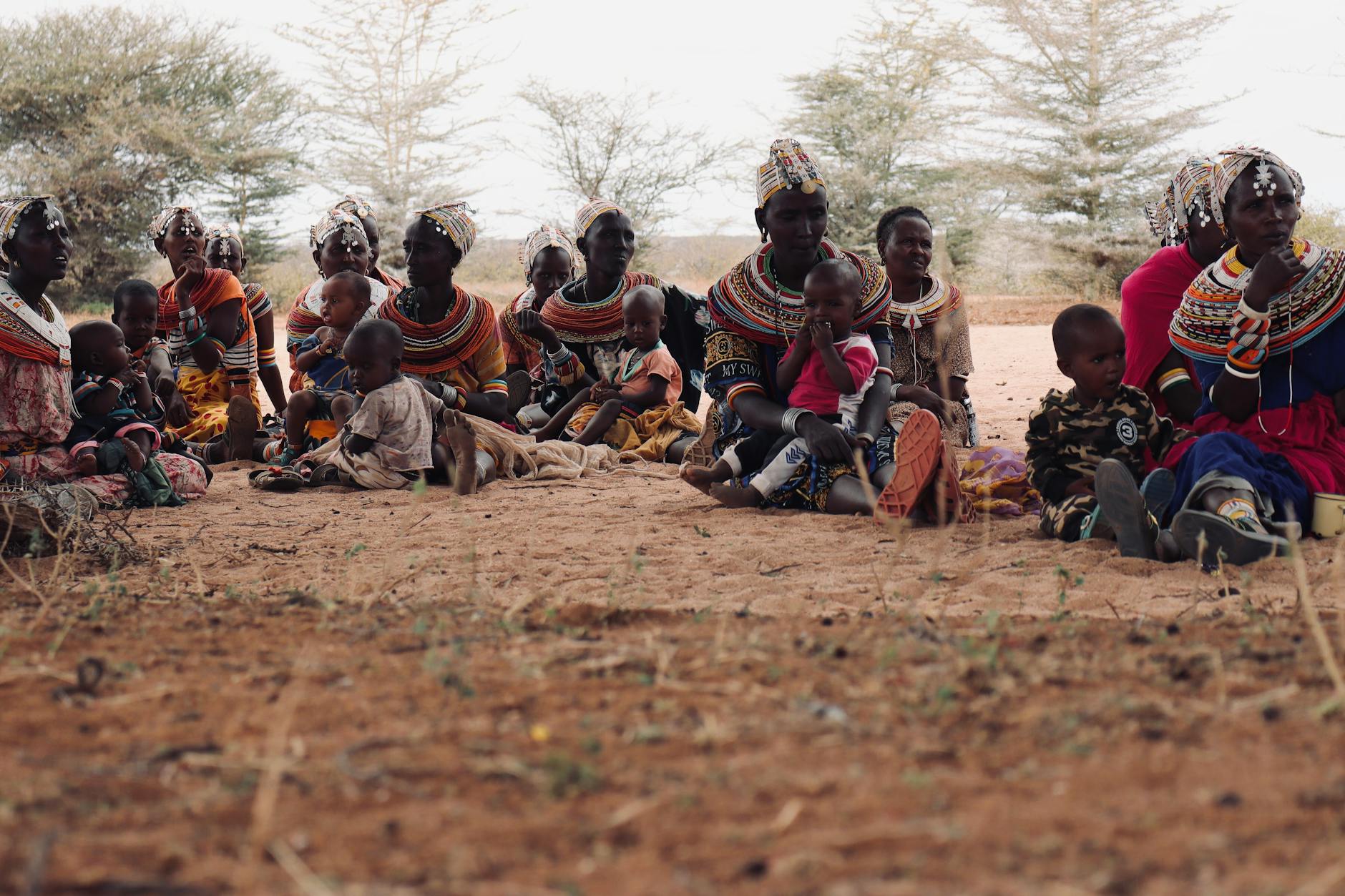
Most safari coverage of Laikipia focuses on wildlife and conservation. The story of the people who actually live on the plateau gets shorter shrift, which is a mistake — because the Laikipia people and culture are the reason the conservation model exists, the constituency that determines whether it survives, and the source of much of what makes a Laikipia visit interesting beyond the game drives. The plateau is home to several distinct communities: the historic Maasai (Ilaikipiak), the Samburu in the north, the Mukogodo (formerly hunter-gatherer Yaaku), the Pokot in the north-west, the Kikuyu and Meru in the southern agricultural belt, and the small but influential descendants of colonial-era ranching families. Each has its own history with the land and its own role in the contemporary conservancy landscape.
This guide gives you the practical anthropology — who’s who, where they live, what their cultural traditions look like, how the historical land question shapes contemporary politics, and how visitors can engage respectfully with communities through community conservancies and cultural visits.
The Communities of Laikipia in Brief
Maasai (Ilaikipiak): The historic inhabitants of the plateau before the colonial-era expulsions of 1904 and 1911. A small Maasai presence remained on the plateau through the 20th century, particularly in the south-east. Today, Maasai families are present in northern Laikipia and along the Samburu boundary as members of community conservancies and group ranches.
Samburu: Maa-speaking pastoralists of the northern plateau and across the boundary into Samburu County. Closely related to the Maasai linguistically and culturally; distinguished by some traditions of dress, ornament and clan structure.
Mukogodo (Yaaku): Originally hunter-gatherers of the Mukogodo forest in eastern Laikipia who shifted to cattle-keeping under Maasai influence in the 19th and early 20th centuries. Today most identify as Maasai; a small revival of the original Yaaku language and identity is underway.
Pokot: Pastoralist community of the northwestern boundary (Baringo and West Pokot counties), who graze livestock into Laikipia during droughts. Have been involved in periodic land-conflict events including the 2017 invasions.
Kikuyu: Bantu-speaking agricultural community originally from the slopes of Mount Kenya who form the bulk of population in the southern agricultural belt around Nanyuki, Naro Moru and Nyahururu.
Meru: Bantu-speaking agriculturalists of the eastern slopes of Mount Kenya, present along Laikipia’s eastern boundary.
Turkana, Borana, Somali: Smaller communities present primarily through trade and labour migration from northern counties.
European-Kenyan ranching families: Descendants of colonial-era settlers who acquired large ranches in the 1910s and 1920s. Several remain influential in the conservancy movement.
The Maasai of Laikipia: Past and Present
The Ilaikipiak Identity
The Maasai who lived on the Laikipia plateau before colonial dispossession identified themselves as Ilaikipiak (sometimes anglicised as Loikop, Loikop-Maasai or Laikipiak Maasai). They were one of the major Maa-speaking pastoralist confederations of 19th-century East Africa, alongside the Maasai proper (occupying the southern Rift Valley) and the Samburu (occupying the country north and east).
The Ilaikipiak were a powerful and demographically significant group through most of the 19th century — major participants in inter-Maa warfare, trade and political alliances. By the late 19th century they had been weakened by the Rinderpest cattle plague (which killed an estimated 90% of cattle across East Africa in the 1880s and 1890s), drought, and intra-Maa conflict. This vulnerability set the stage for the colonial-era treaties.
The 1904 and 1911 Expulsions
The 1904 Maasai Agreement moved Maasai from the central highlands into two reserves — a northern reserve in Laikipia and a southern reserve in present-day Kajiado and Narok. The 1911 follow-up agreement moved them again, out of Laikipia entirely and into the southern reserve. (For more historical detail, see our separate History of Laikipia article.)
The result for Maasai identity in Laikipia has been complicated. The Ilaikipiak who moved south merged into the broader Maasai community of Kajiado and Narok. A small number stayed in Laikipia under various accommodations with European ranchers — typically as ranch labour and pastoralists working under tolerance arrangements. These “Loitokitok” Maasai families remained in pockets across the plateau through the 20th century.
Contemporary Maasai Presence
Today Maasai communities are present in northern Laikipia primarily through the community conservancies — Il Ngwesi, Lekurruki, Naibunga and the Mukogodo group ranches all have substantial Maasai membership. The cultural revival of the last 25 years has rebuilt Maasai institutions on the plateau, and the community conservancy movement has given Maasai communities a formal land-tenure stake in Laikipia they didn’t have between 1911 and the late 20th century.
Samburu Culture and the Northern Plateau
Identity and Language
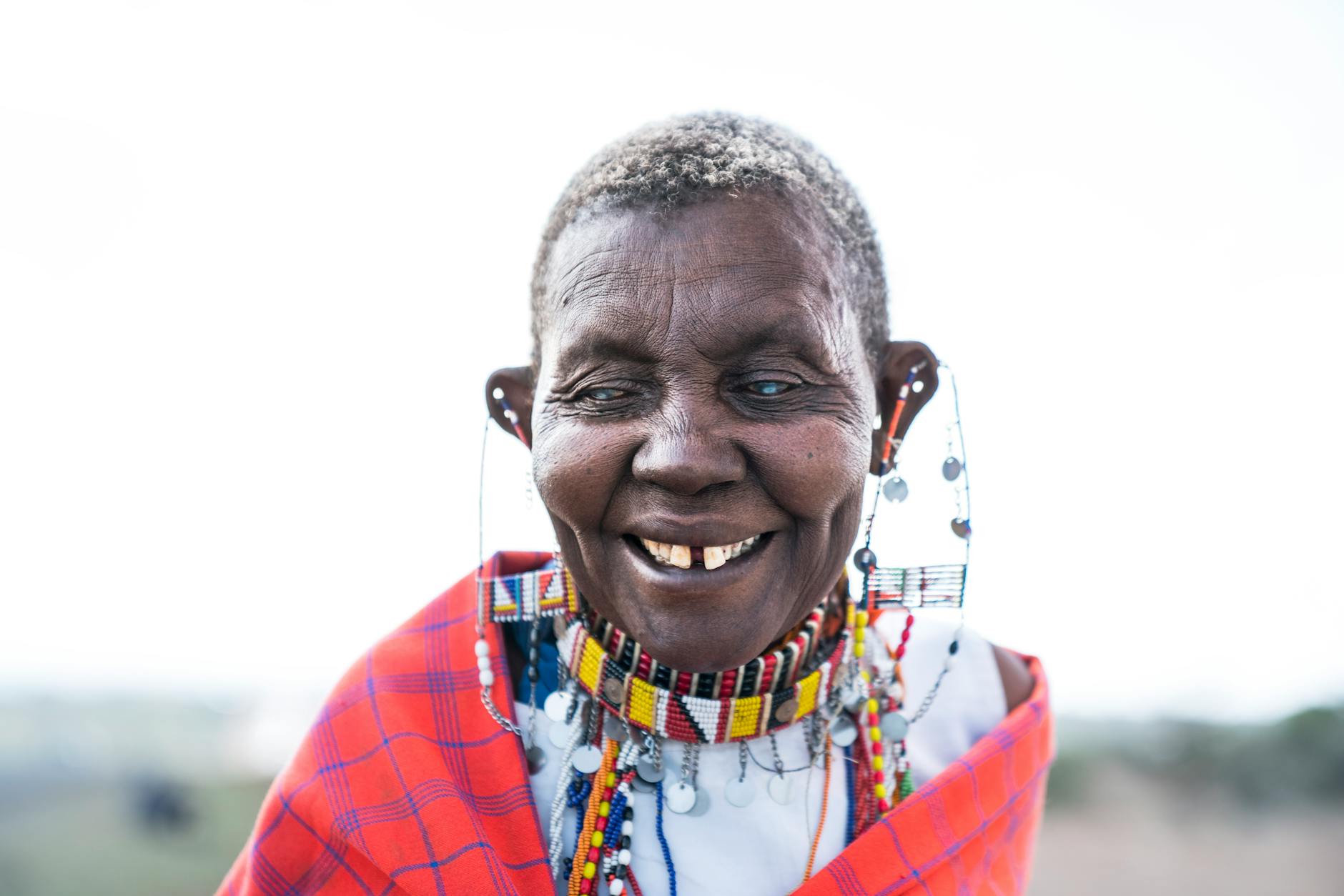
The Samburu are Maa-speaking semi-nomadic pastoralists closely related to the Maasai. The Samburu language (sometimes called Samburu Maa) is a dialect of Maa mutually intelligible with mainstream Maasai. Samburu identity emerged from the same Loikop pastoralist confederation that produced the Maasai and the Ilaikipiak; the three identities split sometime in the 18th or 19th century and have continued to differentiate since.
The Samburu population is concentrated north of the Laikipia border in Samburu County, but Samburu families and their cattle range freely across the boundary. Several Laikipia conservancies (Loisaba, Ol Malo, the northern community conservancies) have substantial Samburu presence in their guide and ranger teams.
Cultural Traditions
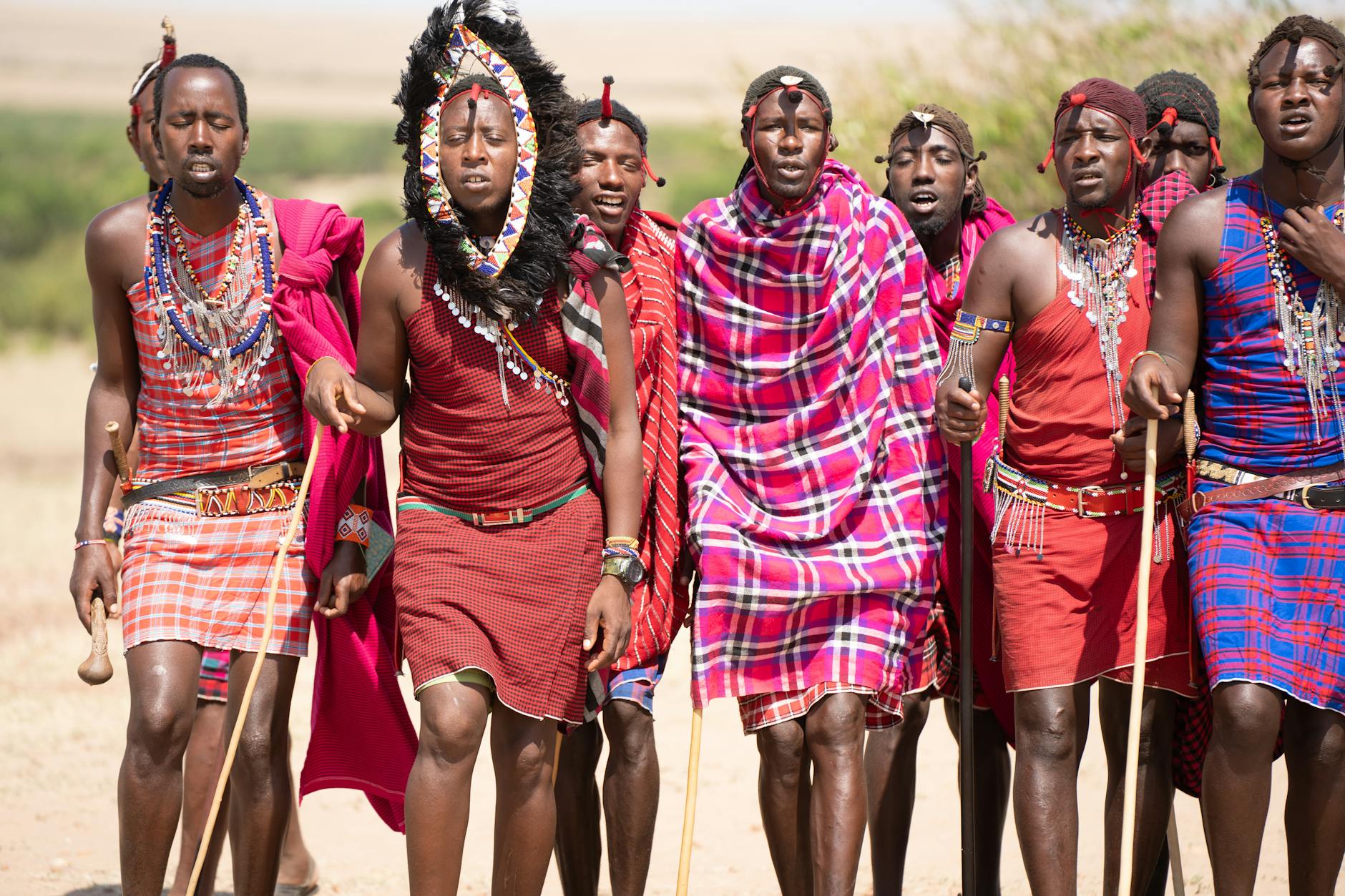
Samburu society is patriarchal and age-set based. Boys are initiated through a circumcision ceremony in their early teens and become moran (warriors) for an extended period — typically a decade or more — before marrying and transitioning to elder status. The moran period is marked by distinctive dress (long red ochre-stained hair, beaded ornaments, walking sticks), restricted diet, and a focus on cattle protection and warrior training.
Samburu women have their own age-grade structure and are responsible for the manyatta (homestead), milking, food preparation, and child-rearing. Beadwork is highly developed: women wear stacks of multi-coloured beaded necklaces (mporo), large beaded discs around the neck and collarbones, and elaborate ear ornaments. Specific bead colours, patterns and combinations indicate age, marital status, clan affiliation and sometimes recent life events (births, deaths, ceremonies).
Cattle are central to Samburu life — measured for wealth, exchanged for marriage (bride-wealth), sacrificed at major ceremonies, and the subject of the elaborate songs and praise poetry that accompany every herding activity.
Visiting Samburu Communities
Several Laikipia community conservancies — particularly the northern conservancies bordering Samburu County — offer cultural visits to Samburu manyattas. The best-organised programmes (Sarara Camp on Namunyak, Tassia Lodge on Lekurruki, Il Ngwesi Lodge) are run by the communities themselves. The community sets the format, the visit fee goes directly into community funds, and the experience is genuine cultural exchange rather than performance.
The Mukogodo (Yaaku)
From Hunter-Gatherers to Pastoralists
The Mukogodo people of eastern Laikipia have one of the most interesting cultural histories in Kenya. They were originally Yaaku — a small hunter-gatherer community speaking a distinct Cushitic language, living in caves in the Mukogodo Forest, and sustaining themselves on hunting, gathering, bee-keeping and honey collection.
Through the 19th century the Yaaku came under increasing influence from the surrounding Maasai (specifically the Mukogodo Maasai), gradually shifting to cattle-keeping and Maa-language adoption. By the early 20th century most Mukogodo identified as Maasai, spoke Maa rather than Yaaku, and pursued a pastoralist livelihood. The Yaaku language fell into near-extinction by the late 20th century.
Cultural Revival
A modest revival of Yaaku identity has been underway since around 2000, partly through the Mukogodo Forest community conservation work and partly through efforts to document and revive the original Yaaku language. The Mukogodo Forest itself is a Kenya Forest Service conservation reserve with active community management; visitors can sometimes arrange forest walks with Mukogodo guides who can explain the historical hunter-gatherer use of forest resources.
Contemporary Presence
Today the Mukogodo are present primarily in north-eastern Laikipia around Doldol, in the community conservancies that border the Mukogodo Forest, and as members of group ranches across the eastern plateau. They participate in the community conservancy economy and contribute to anti-poaching and conservancy operations across the eastern Laikipia landscape.
The Pokot
The Pokot are a Kalenjin-speaking community whose traditional territory lies in West Pokot County (north of Baringo) on the western boundary of Laikipia. Pokot pastoralists have grazed livestock into north-western Laikipia for generations, particularly during droughts when their home country becomes too dry to support their herds.
The Pokot have been involved in periodic conflicts with conservancies and other Laikipia communities — most dramatically during the 2017 land invasions, when armed Pokot pastoralists drove tens of thousands of cattle onto Laikipia ranches and several lodges were burned. The conflict was driven by a complex mix of drought, election-cycle politics, and long-standing land-rights grievances.
Contemporary Pokot–Laikipia relations are stable but tense. Conservancies have invested in dialogue programmes, expanded community-grazing arrangements during droughts, and worked through the county and national governments on long-term land-use planning. Cultural visits to Pokot communities are not a standard tourist offering but can be arranged through specialised community-based programmes.
Kikuyu and Meru: The Agricultural Belt
The southern Laikipia belt around Nanyuki, Naro Moru and the foot of Mount Kenya is dominated by Bantu-speaking agriculturalists — primarily Kikuyu (whose traditional homeland is the slopes of Mount Kenya) and Meru (the eastern slopes). These communities established a strong presence in southern Laikipia during the post-colonial settlement schemes and the agricultural development of the Mount Kenya foothills.
Kikuyu and Meru communities are the dominant population of Nanyuki town, the agricultural hinterland, and the small market centres along the A2 road. Their cultural traditions — distinct from the Maa-speaking pastoralist cultures of the conservancy landscape — include the Kikuyu Athi-Tatu age-grade system, complex circumcision ceremonies, deep oral traditions, and a strong agricultural calendar tied to maize, beans, coffee and (more recently) horticulture.
For visitors, the cultural encounter with Kikuyu and Meru communities is more often through everyday transactions — restaurants in Nanyuki, market stalls, vehicle drivers, lodge staff — than through formal cultural visits. The Kikuyu of Nanyuki tend to identify as urban Kenyans first and Kikuyu second; their traditional culture is increasingly woven into a broader contemporary Kenyan identity.
The Mosaic of Languages
Kenya’s national languages are Kiswahili and English, both widely spoken across Laikipia. Beyond these, the linguistic landscape of the plateau is unusually rich:
- Maa: The Maasai language, spoken by Maasai, Samburu and most Mukogodo communities. A Nilotic language with Eastern Nilotic affiliations.
- Kikuyu: Bantu language of the Kikuyu people, dominant in southern Laikipia.
- Kimeru: Bantu language of the Meru people, dominant on the eastern fringe.
- Pokot: Kalenjin language of the Pokot people, in north-western Laikipia.
- Yaaku: Critically endangered Cushitic language of the original Mukogodo hunter-gatherers, undergoing modest revival.
- Turkana, Borana, Somali: Spoken by smaller migrant communities.
Conservation guides on Laikipia conservancies typically speak Maa or Kikuyu (or both) plus Swahili and English. Asking about your guide’s language background is one of the easiest ways to start a substantive cultural conversation.
Cultural Visits and Community Tourism
The Right Way to Engage
The wrong way: a quick “village visit” arranged through a lodge that pays a token fee and runs a 30-minute performance. The right way: visits to community-owned conservancy lodges and cultural programmes where the community sets the format and the revenue flows directly to community funds.
Recommended Community Tourism Experiences
Il Ngwesi Lodge. The first community-owned and operated conservancy lodge in Africa (opened 1996). Owned by the Il Ngwesi Group Ranch (predominantly Maasai). Cultural visits, community projects, and a long-running community-tourism revenue stream.
Tassia Lodge (Lekurruki). Community-owned conservancy lodge on the Lekurruki Group Ranch (Mukogodo and Maasai membership). Strong cultural programme including manyatta visits, beadwork demonstrations and explanations of the conservancy structure.
Sarara Camp (Namunyak, just over the Samburu border). Pioneer community conservancy lodge. The Singing Wells experience — Samburu warriors drawing water for cattle from sand wells, accompanied by traditional water-drawing songs — is one of the most authentic cultural encounters in Kenya.
Loisaba community visits. Loisaba’s broader conservation programme includes visits to surrounding Maasai and Samburu communities through long-established partnerships. The conservancy has invested in community schools, healthcare clinics, and grazing programmes that visitors can learn about.
Lewa community programmes. The Lewa Education Programme supports nineteen primary and three secondary schools across the surrounding communities. Visits to schools and meetings with community leaders can be arranged through the conservancy.
Practical Etiquette for Cultural Visits
Ask before photographing people. Permission is the rule. Many communities expect a small payment for portrait photography; some prefer not to be photographed at all. Always ask through your guide.
Dress modestly. Long trousers/skirts and shoulders covered are appreciated, particularly when entering a manyatta or attending a ceremony.
Buy from community cooperatives. Beadwork from a women’s cooperative or community shop benefits the makers directly. Buying from roadside hawkers benefits intermediaries.
Don’t haggle aggressively. Bargaining is normal but should be polite and proportionate. Aggressive haggling at a community shop is bad form.
Respect ceremonial restrictions. Some ceremonies (initiations, age-grade transitions, certain weddings) are not appropriate for outsiders. Your guide will know.
Tip generously and through proper channels. Lodges have established systems for tipping staff and guides; community visits should pay through the community’s own structure (which the lodge or guide can arrange).
The Cultural Future of Laikipia
The cultural landscape of Laikipia continues to evolve. Three trends are particularly visible:
Pastoralist livelihood transitions. Younger Maasai and Samburu generations are increasingly combining traditional cattle-keeping with formal employment in the conservancy economy, education-based career paths, and small business. Traditional dress and ceremonies persist but are layered onto modern lives.
Community land-tenure formalisation. The 2016 Community Land Act has given group ranches stronger legal mechanisms for community ownership. Several Laikipia group ranches have transitioned formally to community land tenure, strengthening their bargaining position with conservancies and government.
Cultural revival movements. The Yaaku language revival, broader Maasai cultural pride initiatives, and renewed interest in traditional pastoralist practices (including indigenous knowledge of grazing management, medicinal plants, and water sources) are reshaping cultural identity in active ways.
Frequently Asked Questions
Are most of the people in Laikipia Maasai?
No. Maasai are an important community, particularly in the northern conservancies, but the largest population on the plateau is Kikuyu (in the southern agricultural belt). Samburu, Mukogodo, Pokot, Meru and smaller groups complete the demographic picture.
Can I visit a Maasai or Samburu village?
Yes — the best way is through community-owned conservancy lodges (Il Ngwesi, Tassia, Sarara) or formal cultural programmes at major conservancies (Loisaba, Lewa). Avoid roadside village-visit operations that aren’t tied to community organisations.
What languages should I learn before visiting?
English is widely spoken on conservancies. A few words of Kiswahili (jambo, asante, karibu) are appreciated. A few words of Maa (sopa for hello, ashe for thank you) will delight your guide and any community members you meet.
How can I contribute to community well-being beyond paying for the visit?
Direct donations to community conservancy funds (Il Ngwesi, Lekurruki, Northern Rangelands Trust). Buying beadwork and crafts directly from community cooperatives. Supporting Kenyan-owned tour operators and Kenyan-employed lodge staff through generous tipping. Educational sponsorships through the Lewa Education Programme or similar initiatives.
Are there cultural festivals I can attend?
Some — the Lewa Marathon in late June draws large international and Kenyan crowds and includes cultural performances. Various community conservancy events and ceremonial occasions are open to visitors with prior arrangement. Ask your lodge what’s happening during your visit dates.
What’s the relationship between the conservancy economy and traditional pastoralism?
Increasingly cooperative, after decades of tension. Modern conservancies allow community-grazing access during droughts, employ community members as rangers and guides, and channel revenue into community development. Traditional pastoralism remains the cultural and economic core of Maasai and Samburu life.
Why does the colonial history still matter?
Because the land-tenure structure that resulted from the 1904 and 1911 expulsions is the foundation of the contemporary conservancy landscape. Most “private” Laikipia conservancies are on land that was Maasai cattle country before the colonial settlement. The legitimacy of the conservation model rests on continuing community partnerships that acknowledge this history.
The Bottom Line
Laikipia’s people are not a backdrop to its wildlife — they are its co-stewards, the constituency that determines whether conservation succeeds, and the source of much of what makes a Laikipia visit interesting beyond the safari vehicle. The Maasai, Samburu, Mukogodo, Pokot, Kikuyu and Meru communities of the plateau each have distinct histories, languages, traditions and present-day stakes in the land. Visitors who engage with this cultural complexity — through community-owned lodges, respectful cultural visits, and a willingness to learn the history — get a richer experience and contribute meaningfully to the long-term sustainability of Laikipia’s conservation success.