Last updated: May 2026
The phrase “Big Five” was coined by colonial-era hunters to describe the five animals most dangerous to hunt on foot — lion, elephant, leopard, rhino, buffalo. The same five became the headline list of African safari wildlife in the post-hunting era, and they remain the species most safari travellers most want to see. The good news for visitors to Laikipia: every member of the Big Five Laikipia Kenya list is present, in some cases at higher densities than anywhere else in Africa, and on properties where you can encounter them in ways national parks don’t allow — on foot, off-road, after dark, with private vehicles and small groups.
This guide covers each member of the Big Five in Laikipia in detail: where they’re found, on which conservancies, how reliably you’ll see them, what time of year is best, and the specific lodges and experiences that maximise your chances. Whether you’re aiming for a clean five-day Big Five sweep or just hoping for a memorable encounter with one or two species, the practical detail is below.
The Five Animals in Brief
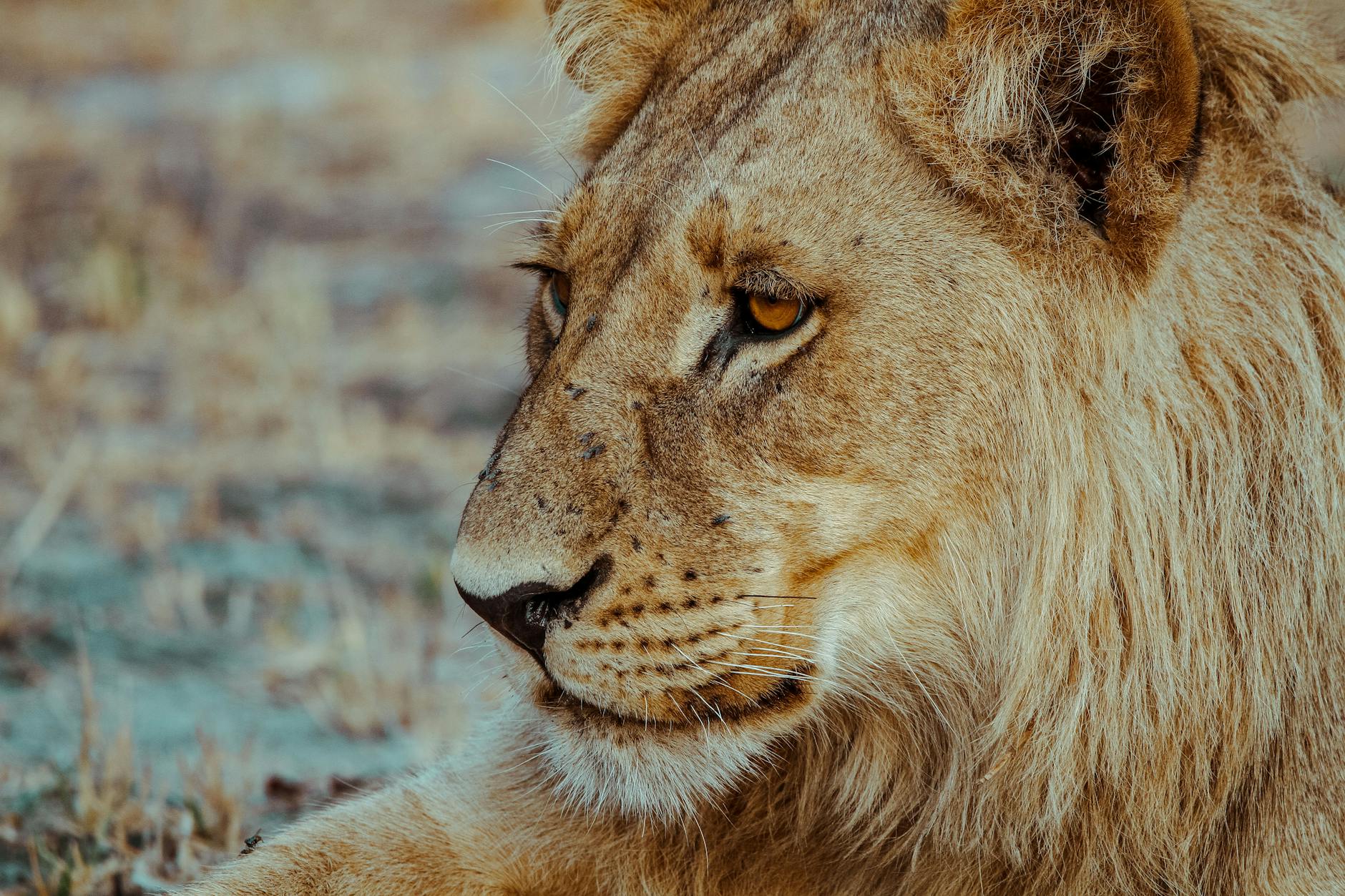
Lion: Resident populations across all major conservancies. Best densities on Ol Pejeta, Lewa, Borana, Loisaba and Solio. Reliable sightings on a 3-day visit.
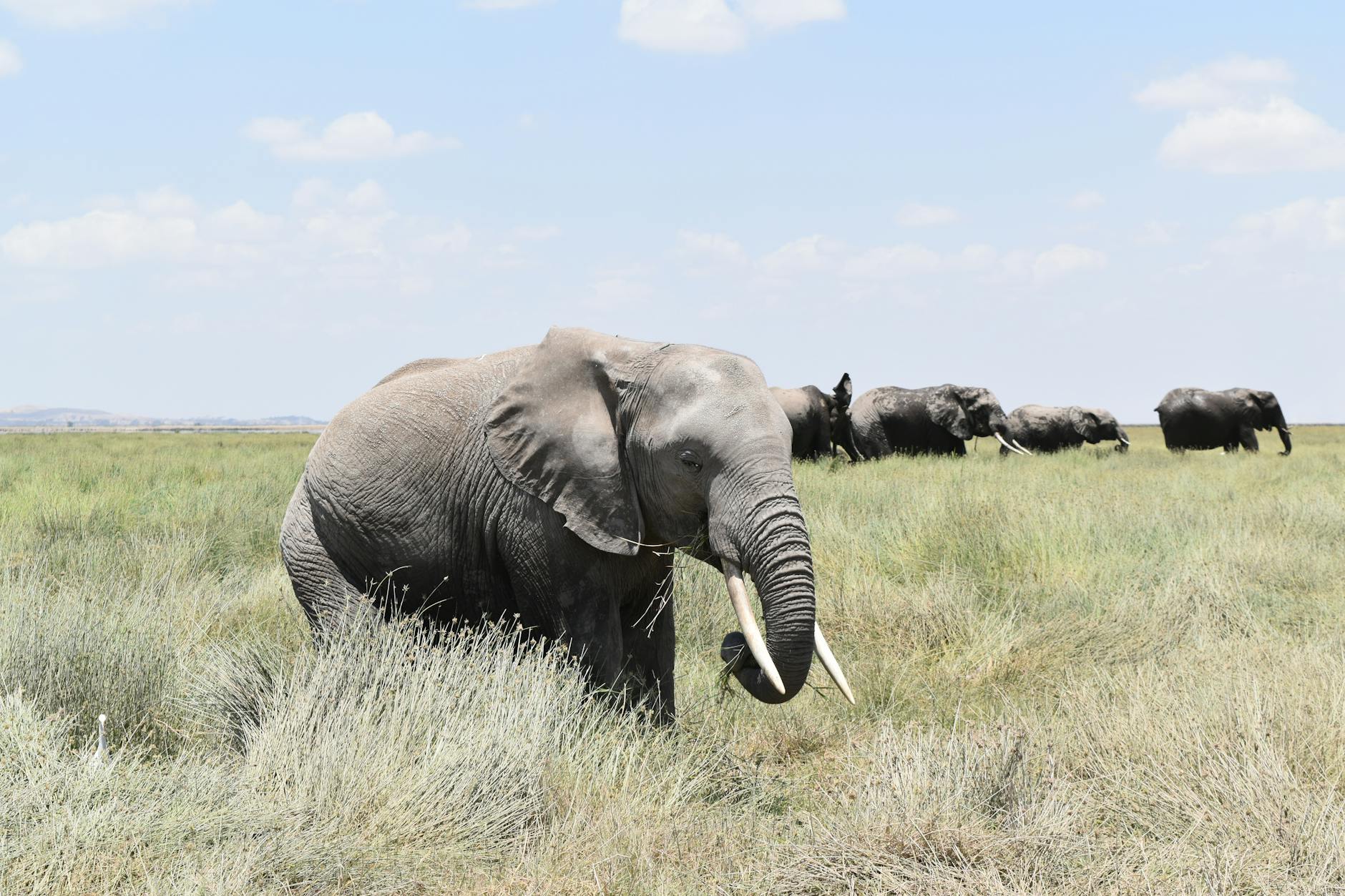
Elephant: Over 7,000 elephants across the plateau and adjacent Mount Kenya forest. Reliable sightings everywhere, especially near rivers and waterholes.
Leopard: Common but secretive. Best sightings on Borana, Loisaba, Mpala and during night drives. The famous melanistic (“black”) leopard is found primarily in southern Laikipia.
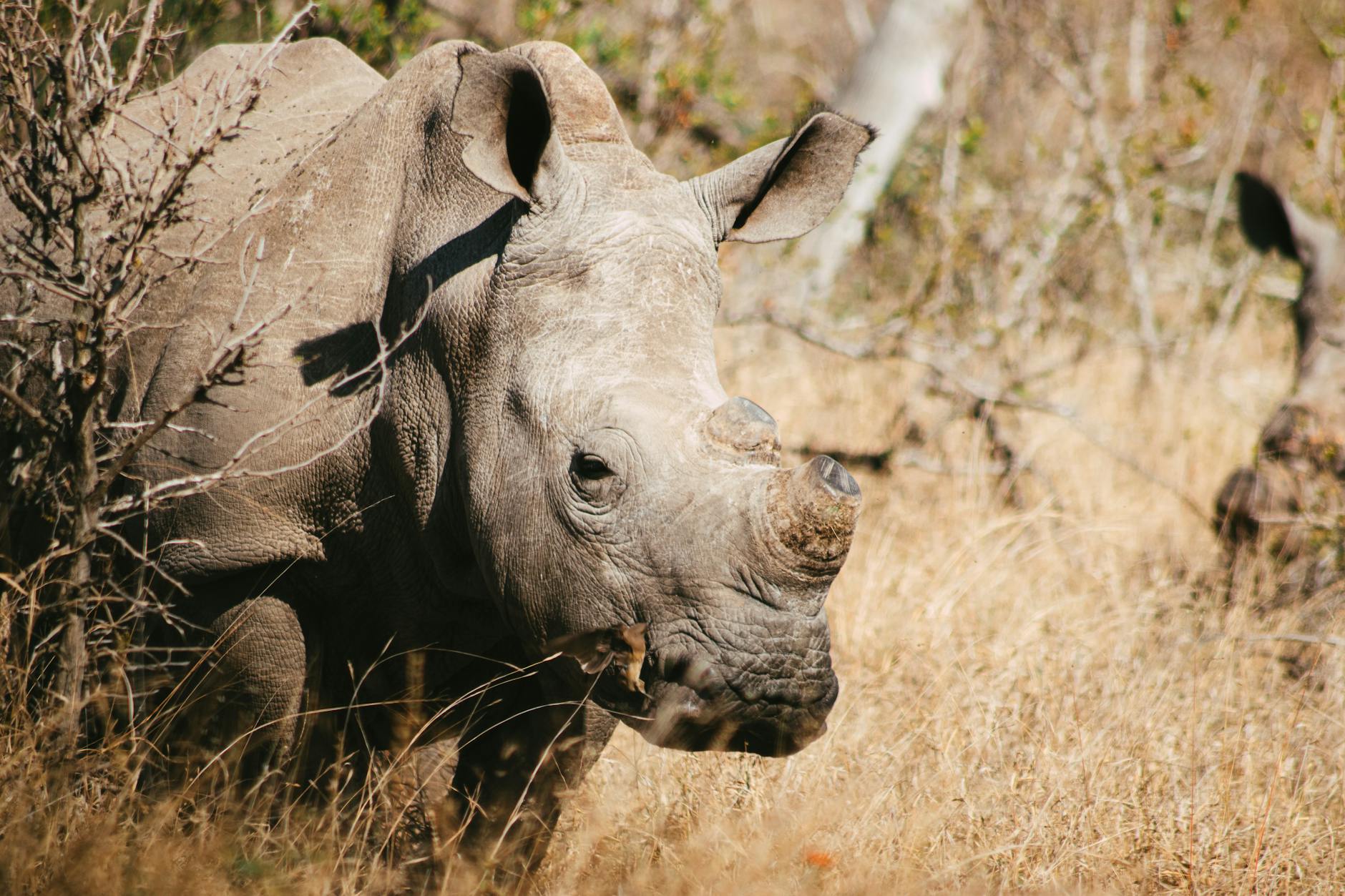
Rhino: Over 500 black rhinos and several hundred white rhinos. The strongest rhino destination in Africa. Core conservancies: Lewa, Borana, Ol Pejeta, Solio, Sera. Plus the world’s last northern white rhinos at Ol Pejeta.
Buffalo: Common across all conservancies in herds of varying size; old solitary bulls (the “dagga boys”) on most properties.
A 4–5 day Laikipia safari at the right combination of conservancies will produce all five reliably. A 7-day safari adds depth — multiple encounters with each species, different individuals, varied settings.
Lions in Laikipia
Where to See Them
Lion populations in Laikipia are stable to slightly increasing — one of the few African landscapes where this is true. Major prides are resident on:
Ol Pejeta Conservancy. Several resident prides, often visible on morning game drives in the open grassland between the Ewaso Ng’iro river and the conservancy headquarters. The Mutara pride is the most-encountered. Lion density on Ol Pejeta is comparable to most Mara conservancies.
Lewa Wildlife Conservancy. Resident prides across the conservancy. Less dense than Ol Pejeta but reliable. The Sirikoi area in particular has consistent lion sightings.
Borana Conservancy. Pride dynamics shift; current resident prides tend to favour the lower elevation country in the south of the conservancy. Lions on Borana are particularly habituated to vehicles, allowing close ethical encounters.
Loisaba Conservancy. Lion density is lower than the southern conservancies but encounters are very high quality — lions in dramatic escarpment country, often walking the ridge at dawn or dusk.
Solio Ranch. Smaller resident pride; sightings often combined with rhino encounters during the day.
Mugie, Suyian, Sosian, El Karama, Mpala: Lions present in smaller numbers; sightings less reliable on a single visit but rewarding when they happen.
Lion-Specific Tips
Best chances: morning drives 6:00–9:00 (lions are active around dawn), late afternoon drives 16:30–18:30 (re-emerging from rest), and night drives (active hunting often after dark). Dry season (June–September) concentrates wildlife — and therefore lions — around water sources.
Walking with lions: walking safaris on Laikipia conservancies regularly encounter lions, but the protocol is conservative — back away to maintain distance, never run, follow the armed guide’s instructions. Lions in this context are interested in the prey species the walking party is “with” rather than in humans.
Conservation note: the Ewaso Lions and Lion Landscapes projects work across Laikipia and the broader northern Kenya landscape on lion conservation, including conflict-mitigation work (predator-proof bomas for community livestock) that has reduced retaliatory killings substantially.
Elephants in Laikipia
Where to See Them
Laikipia’s elephant population — over 7,000 across the plateau and the adjacent Mount Kenya forest — is one of the largest in Kenya. Encounters are reliable on every conservancy but density and behaviour varies:
Lewa Wildlife Conservancy and the Mount Kenya Elephant Corridor. Lewa’s location at the foot of Mount Kenya means it sees the seasonal movement of elephants between the highland forest and the lowland conservancies. The Mount Kenya Elephant Corridor underpass (built beneath the Nanyuki–Meru road in 2010) channels this movement; visiting the underpass area gives you a sense of the conservation infrastructure.
Ol Pejeta Conservancy. Large resident elephant herds, often visible in the central grassland and along the river. The 90,000-acre conservancy supports several hundred resident elephants plus seasonal movement.
Loisaba Conservancy. Elephants are particularly visible at the river crossings and waterholes. Loisaba’s escarpment country gives dramatic photographic settings for elephant encounters.
Borana Conservancy. Large herds throughout, particularly during the dry season when they congregate around the conservancy’s permanent water sources.
Mpala, Solio, Sosian, El Karama, Suyian, Mugie: Elephants common across all of these properties; encounters most reliable around water.
The community conservancies (Il Ngwesi, Lekurruki, Naibunga): Elephants move freely across the community land–private conservancy boundaries; encounters can be excellent and the cultural context (community-owned land, community guides) adds depth.
Elephant-Specific Tips
Best chances: any time of day. Elephants are large, easy to spot, and active throughout daylight hours (with reduced activity in the hottest part of the early afternoon). Focus on water sources for reliable encounters — rivers, dams, conservancy waterholes.
The bull elephants in musth (a periodic state of heightened reproductive activity in mature males, accompanied by aggressive behaviour) require respect. Guides know which individual bulls are in musth and will give them wide berth. Family groups with calves are also more defensive than other groupings.
Conservation context: Save the Elephants and the Mount Kenya Trust have spent decades securing the elephant corridors that allow Laikipia’s elephants to range across the landscape. Your conservancy fees fund this work.
Leopards in Laikipia
Where to See Them
Leopards are the most secretive of the Big Five and your encounter rate depends heavily on the conservancy and your luck. Best probabilities:
Borana Conservancy. Borana has high leopard density and a guide team experienced in leopard tracking. Sightings on a 3-day stay are common.
Loisaba Conservancy. The escarpment country provides ideal leopard habitat (rocky outcrops, riverine forest, broken terrain). Good sighting rates.
Mpala Research Centre area. Long-running research presence has produced detailed leopard tracking data; lodges in the area can put you on individual leopards.
Lewa Wildlife Conservancy. Resident leopards across the conservancy; sightings reliable on a 3–4 day visit.
Ol Pejeta Conservancy. Several resident leopards; sightings less reliable than on Borana or Loisaba but happen regularly.
Sosian Lodge. Particularly good for leopard during night drives across the ranch.
The Black Leopard
Southern Laikipia (particularly the Lewa–Borana–Mpala–Loldaiga area) is one of the few places in the world where the melanistic “black leopard” has been photographed in the wild in recent years — including the famous 2018 images by Will Burrard-Lucas. Black leopards are not a separate species — they are normal leopards with melanism, a genetic trait that produces a black coat. The colour is recessive and uncommon. Sightings are very rare even for guests staying in the area; the published images came from camera-trap projects rather than chance encounters. (For more on the black leopard, see our separate dedicated guide.)
Leopard-Specific Tips
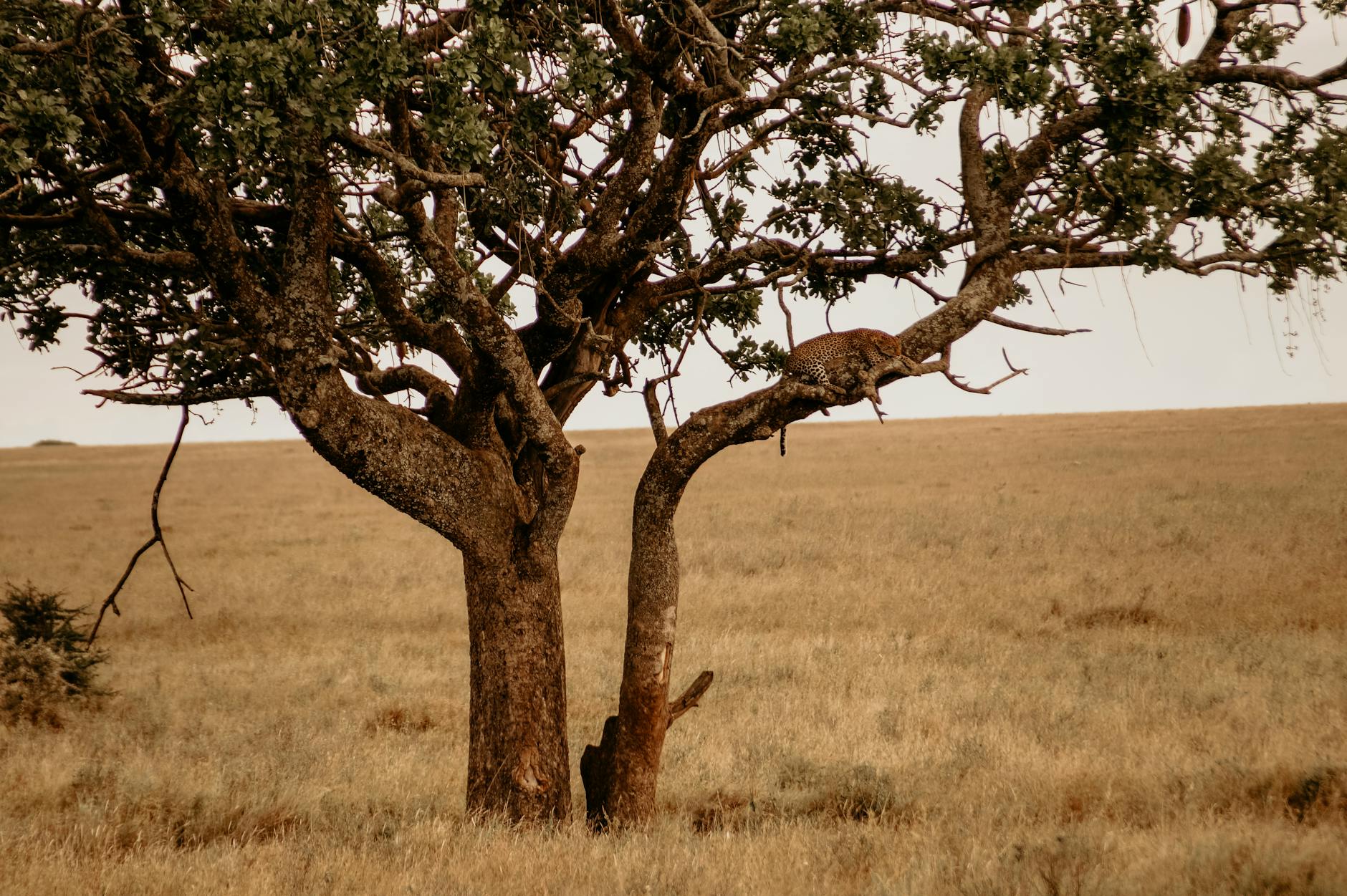
Best chances: early-morning drives (leopards often visible at dawn before retreating to a daytime tree); late-afternoon drives (re-emerging); night drives (active hunting). Look up — leopards drape themselves over horizontal branches and look like part of the tree. Acacia trees with substantial horizontal branches are the classic leopard-spotting structure.
Tracking: experienced guides on most major conservancies can read leopard signs (tracks, scat, drag-marks of kills, alarm calls of prey species). Asking your guide to “track for leopard” focuses the morning drive on the most productive country.
Rhinos in Laikipia
Where to See Them
Laikipia is the world’s strongest rhino destination, holding over half of Kenya’s national black rhino population. Major rhino conservancies:
Ol Pejeta Conservancy. Over 200 black rhinos — the largest single population in East Africa. Plus white rhinos and the world’s last two northern white rhinos (Najin and Fatu, kept in a 700-acre fenced area with 24-hour armed protection). Visiting Ol Pejeta and the northern white rhinos is one of the iconic Laikipia experiences.
Lewa Wildlife Conservancy. Around 170 black rhinos plus white rhinos. Lewa is generally regarded as having Kenya’s finest Big Five experience because of the combination of high rhino density and the Mount Kenya backdrop.
Borana Conservancy. Around 120 black rhinos plus white rhinos. Borana works closely with Lewa across a contiguous fence-removed landscape.
Solio Ranch. The original African private rhino sanctuary (1970s); the highest density of rhinos per acre of any property in Kenya. Both black and white rhinos in remarkable numbers.
Sera Community Conservancy. A community-owned conservancy hosting black rhinos — a pioneering example of community rhino conservation. Located on the eastern edge of Laikipia and into Samburu County.
Mugie Conservancy. Smaller rhino population but a working conservation operation.
Rhino-Specific Experiences
Rhino tracking on foot. Several conservancies (Borana, Lewa, Ol Pejeta, Sera) offer guided rhino tracking with the conservancy’s monitoring team. You join a radio-tracked patrol, learn rhino identification techniques, and often get unusually close on foot. This is one of the most powerful Laikipia experiences and a useful funding mechanism for the monitoring teams.
Visiting the northern white rhinos. Najin and Fatu live in a 700-acre fenced enclosure on Ol Pejeta with 24-hour armed protection. Guests on Ol Pejeta lodges can visit them — a humbling and somewhat melancholy encounter with the last two members of a subspecies. The IVF programme attempting to produce calves through southern white rhino surrogates can be discussed in detail by the staff.
Sundowner with the rhinos. Several Lewa, Borana and Ol Pejeta lodges arrange evening sundowners at locations with rhino activity — a glass of wine, a campfire, and rhinos in silhouette against the evening sky.
Rhino-Specific Tips
Best chances: any time of day. Black rhinos are most active at dawn and dusk; white rhinos are active throughout daylight hours.
The difference between black and white rhinos: not colour (both are grey). White rhinos are larger, have wider square mouths (for grazing grass), live in small groups, and are generally more docile. Black rhinos have hooked upper lips (for browsing leaves), are more solitary, and have a reputation for unpredictable charging. Both species are present on most major Laikipia rhino conservancies.
Photography: rhinos are remarkably patient subjects. Telephoto lenses (300–600 mm) work well for portraits; wide-angle lenses can capture the dramatic landscape context.
Buffalo in Laikipia
Where to See Them
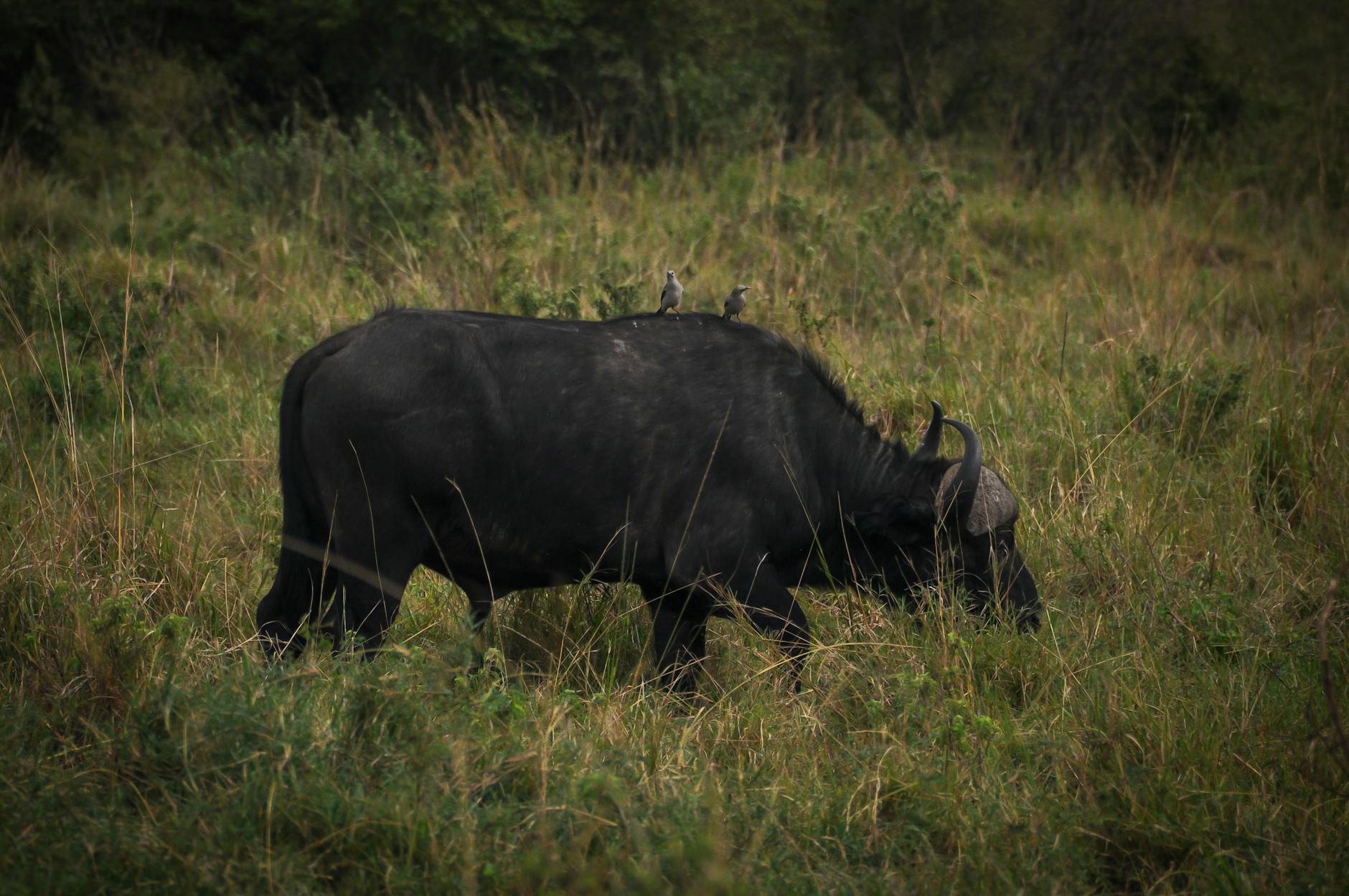
Buffalo are common across every Laikipia conservancy — the easiest of the Big Five to encounter. Large herds are typical of the wetter southern conservancies (Borana, Lewa, parts of Ol Pejeta) where good grazing supports group sizes of 100+. Smaller groups and solitary old bulls are common on the drier northern properties.
Ol Pejeta Conservancy. Large herds in the central grassland; old bulls everywhere.
Lewa Wildlife Conservancy. Reliable buffalo encounters. The Sirikoi area in particular often has herds of 100+ visible from the lodges.
Borana Conservancy. Substantial buffalo populations in the southern lower country.
Loisaba Conservancy. Smaller herds; particularly photogenic against the escarpment backdrop.
Mpala, Sosian, Solio: All reliable for buffalo.
Buffalo-Specific Tips
Buffalo are responsible for more human deaths in Africa than any other large mammal. Old solitary bulls (the “dagga boys” — meaning “mud” boys, named for their habit of wallowing) are particularly dangerous. They’ve usually been driven out of the herd by younger males and are bitter, aggressive, and easily provoked.
Approach: from a vehicle, buffalo are easy to encounter and photograph at a respectful distance. On foot, never approach a buffalo — even a “calm” one — without an armed guide. Walking parties give buffalo wide berth as a default.
Photography: the dramatic head-on portrait of a buffalo bull (heavy boss, scarred face, suspicious eyes) is one of the great African images. Long lenses give you the headshot from a safe vehicle distance.
Putting Together a Big Five Itinerary
3-Day Express Big Five
3 nights at Ol Pejeta or Lewa-Borana area. Realistic to see all five species in this window with private vehicle and good guide. Best for travellers with limited time who want to tick the list.
5-Day Strong Big Five
2 nights at Ol Pejeta (lions, elephants, white rhinos, northern white rhinos, buffalo) + 3 nights at Lewa-Borana area (rhinos in greater numbers, leopard, Mount Kenya backdrop, walking and rhino tracking). Adds depth and variety.
7-Day Comprehensive Big Five
2 nights Ol Pejeta + 2 nights Borana or Lewa + 3 nights Loisaba (different country, leopard density, escarpment landscape, dramatic wildlife photography). All five species multiple times in different settings.
10-Day Big Five Plus
Add a multi-day walking or horse safari (Karisia, Sosian) to one of the above itineraries. Lets you encounter the Big Five from non-vehicle perspectives — a leopard from a horse, an elephant herd from a fly camp, a rhino on foot.
When to Go
Big Five encounters are reliable year-round, but there are seasonal patterns:
Dry season (June–September): Wildlife concentrates around water; visibility is excellent; encounters are highly predictable. The best window for first-time Big Five travellers who want efficient sightings.
Short dry (December–February): Excellent conditions, slightly more vegetation, baby animals from the November–December calving peak. Strong second choice for Big Five trips.
Shoulder seasons (April–May, October–November): Wildlife is more dispersed across the landscape because water is more abundant. Encounters are still good but require more driving. Lower lodge rates compensate.
Frequently Asked Questions
Will I really see all five in three days?
At a top conservancy with a private vehicle and a good guide, very likely. Seasoned operators routinely deliver Big Five in 3 days at Ol Pejeta, Lewa, Borana or Solio. Rhinos and elephants are very reliable; buffalo are easy; lions are likely; leopards are the variable.
Is the leopard the hardest of the five to see?
Yes, by some margin. Leopards are nocturnal, secretive, and spend much of the day in tree cover. Even on properties with high leopard density, dedicated effort (early morning starts, night drives, tracking expertise) is required.
Can I see the Big Five in a single day?
Possible but not optimal. A long single day at Ol Pejeta with a private vehicle and an early start could deliver four out of five (lions, elephants, rhinos, buffalo) and possibly leopard. Spreading the same effort over 2–3 days produces much better experiences and higher overall probability.
Is there a “Big Six” or “Big Seven” in Laikipia?
Some operators include cheetah and African wild dog in extended Big Five lists. Both are present in Laikipia (cheetah less common than wild dog). The “Magnificent Seven” of Laikipia might be: Big Five plus wild dog plus reticulated giraffe.
Which lodge has the best Big Five chances on a single property?
Lewa-Borana area (treated as a single landscape since the fence between them was removed) probably gives you the highest density of all five within a single day’s driving. Ol Pejeta is the close runner-up and has the unique northern white rhino experience.
Do I need an expensive luxury lodge to see the Big Five?
No. Mid-range conservancy lodges (Sweetwaters Serena, Ol Pejeta Bush Camp, Naro Moru-area camps) all access the same wildlife as luxury properties on the same conservancies. The wildlife sightings depend on the conservancy and the guide, not the lodge category.
What if I really want to see the black leopard?
Realistic chances are very low. The black leopard photographed in 2018 by Will Burrard-Lucas was found through extensive camera-trap work, not chance sightings. If the black leopard is your goal, plan a longer stay (10+ nights) on Lewa-Borana-Loldaiga and accept that you may not get a sighting. Most travellers will need to be content with the standard spotted leopard.
The Bottom Line
Laikipia delivers the Big Five at high reliability across multiple conservancies, and adds advantages no national park can match: walking and rhino-tracking on foot, off-road positioning for better photography, night drives that produce leopards and other nocturnal subjects, private vehicles that don’t share sightings with strangers, and the world’s last northern white rhinos as a once-in-a-lifetime add-on. A 5-day Big Five trip at the right combination of conservancies — Ol Pejeta plus Lewa-Borana, or Ol Pejeta plus Loisaba — delivers all five species multiple times in different settings, and gives you the experiential variety that turns a bucket-list tick into a lasting wildlife memory.