Last updated: May 2026
Most safari travellers come for the Big Five. The travellers who come specifically for the world’s rarest African mammals come for what’s beyond the Big Five — and increasingly, they come to Laikipia. The plateau holds the largest concentration of Laikipia endangered species in Kenya: roughly half of the country’s black rhinos, the world’s last two northern white rhinos, the strongest African wild dog population in northern Kenya, the majority of the world’s Grevy’s zebra population, the bulk of Kenya’s reticulated giraffe, and significant populations of less-famous threatened species like the Mountain bongo (in nearby Mount Kenya forest), the Patas monkey, and the Lesser kudu.
This guide covers each of Laikipia’s major endangered species — what they are, why they matter, where to see them on the plateau, what conservation programmes are protecting them, and how your visit contributes to their continued survival.
Why Laikipia Matters for Endangered Species
Three structural factors make Laikipia the most important Kenyan landscape for endangered species:
The conservancy model. Active protection by 24+ private and community conservancies — including dedicated anti-poaching teams, wildlife monitoring, veterinary services, and habitat management — provides a level of species protection that state-managed national parks struggle to match.
The habitat seam. The plateau’s position between Kenya’s wet Central Highlands and the dry Northern Frontier means it provides habitat for species from both biomes — including Northern Frontier specialists (Grevy’s zebra, reticulated giraffe, Beisa oryx, gerenuk) that are scarce or absent in southern Kenya.
The financial model. Conservancy fees built into safari rates fund the actual conservation work — rangers, dogs, vet care, monitoring teams, fences, water infrastructure. The model is direct and verifiable, and the conservation outcomes are documentable.
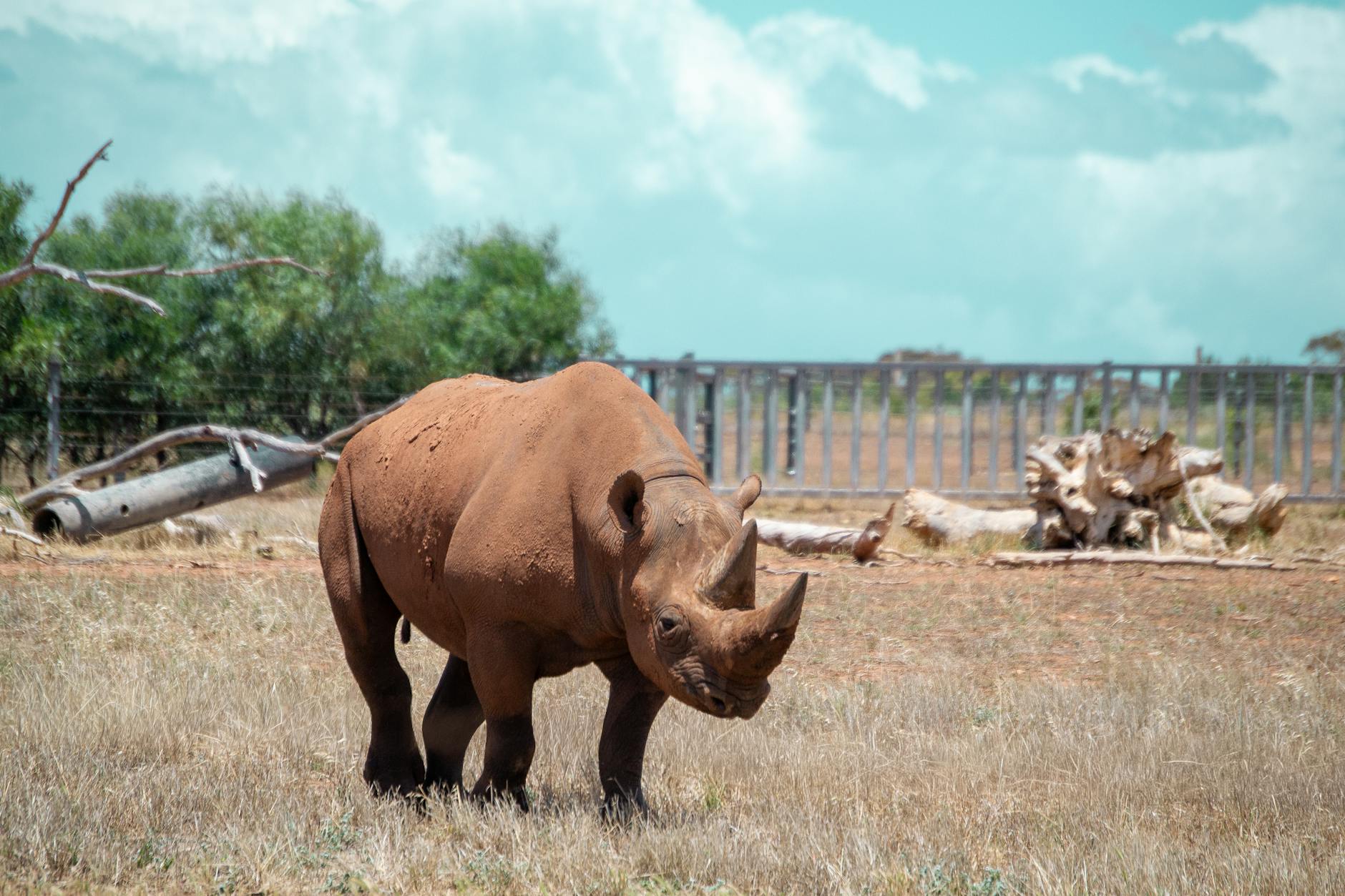
Black Rhino (Diceros bicornis) — Critically Endangered
The Status
Black rhinos were nearly extinguished by poaching in the 1970s and 1980s. Kenya’s national population crashed from around 20,000 in 1970 to perhaps 350 by 1989 — one of the worst conservation crises ever recorded. The IUCN lists the species as Critically Endangered. Total continental population today is around 6,000.
Kenya’s national population has rebuilt to around 1,000 — most of it on private and community conservancies, and most of those in Laikipia. The recovery is one of the great African conservation stories.
Where to See Them in Laikipia
Ol Pejeta Conservancy: Over 200 black rhinos — the largest single population in East Africa. Reliable sightings on multiple game drives.
Lewa Wildlife Conservancy: Around 170 black rhinos. Lewa specializes in rhino tracking on foot — a powerful experience.
Borana Conservancy: Around 120 black rhinos. The Borana–Lewa fence-removed landscape now functions as one of the largest contiguous black rhino habitats in Africa.
Solio Ranch: The original African private rhino sanctuary. Highest rhino density per acre of any property in Kenya. Reliable sightings on every game drive.
Sera Community Conservancy: The first community-owned black rhino conservancy in East Africa, demonstrating that community-managed land can hold critically endangered species.
Conservation Programmes
Each rhino conservancy runs detailed monitoring programmes — every individual rhino is named, tracked, and photographed regularly. Anti-poaching dog units (Belgian Malinois and bloodhounds) are deployed at Ol Pejeta, Lewa and Borana. Translocation programmes move rhinos between conservancies to maintain genetic diversity. Conservancy fees from your stay fund this work directly.
Northern White Rhino (Ceratotherium simum cottoni) — Functionally Extinct
The Status
The northern white rhino is functionally extinct — only two individuals survive in the entire world, both female, both in their 30s, both at Ol Pejeta Conservancy. The subspecies has been driven to extinction by poaching across central and East Africa. The last male, Sudan, died in 2018.
The Recovery Programme
An ambitious in-vitro fertilisation programme is attempting to produce calves through southern white rhino surrogates. Stored sperm from deceased northern white males has been combined with eggs harvested from Najin and Fatu to produce 30+ viable embryos. The first surrogate-pregnancy attempts are underway. The programme — led by BioRescue, an international consortium including the Leibniz Institute, Avantea, and Ol Pejeta — is one of the most ambitious species-recovery efforts ever attempted.
The Visit
Najin and Fatu live in a 700-acre fenced enclosure on Ol Pejeta with 24-hour armed protection. Guests on Ol Pejeta lodges can visit them — a humbling, somewhat melancholy encounter with the last two members of a subspecies. Their handlers (some of whom have worked with these specific animals for over a decade) explain the IVF programme in detail and discuss the conservation context. Conservancy fees and direct donations fund the programme.
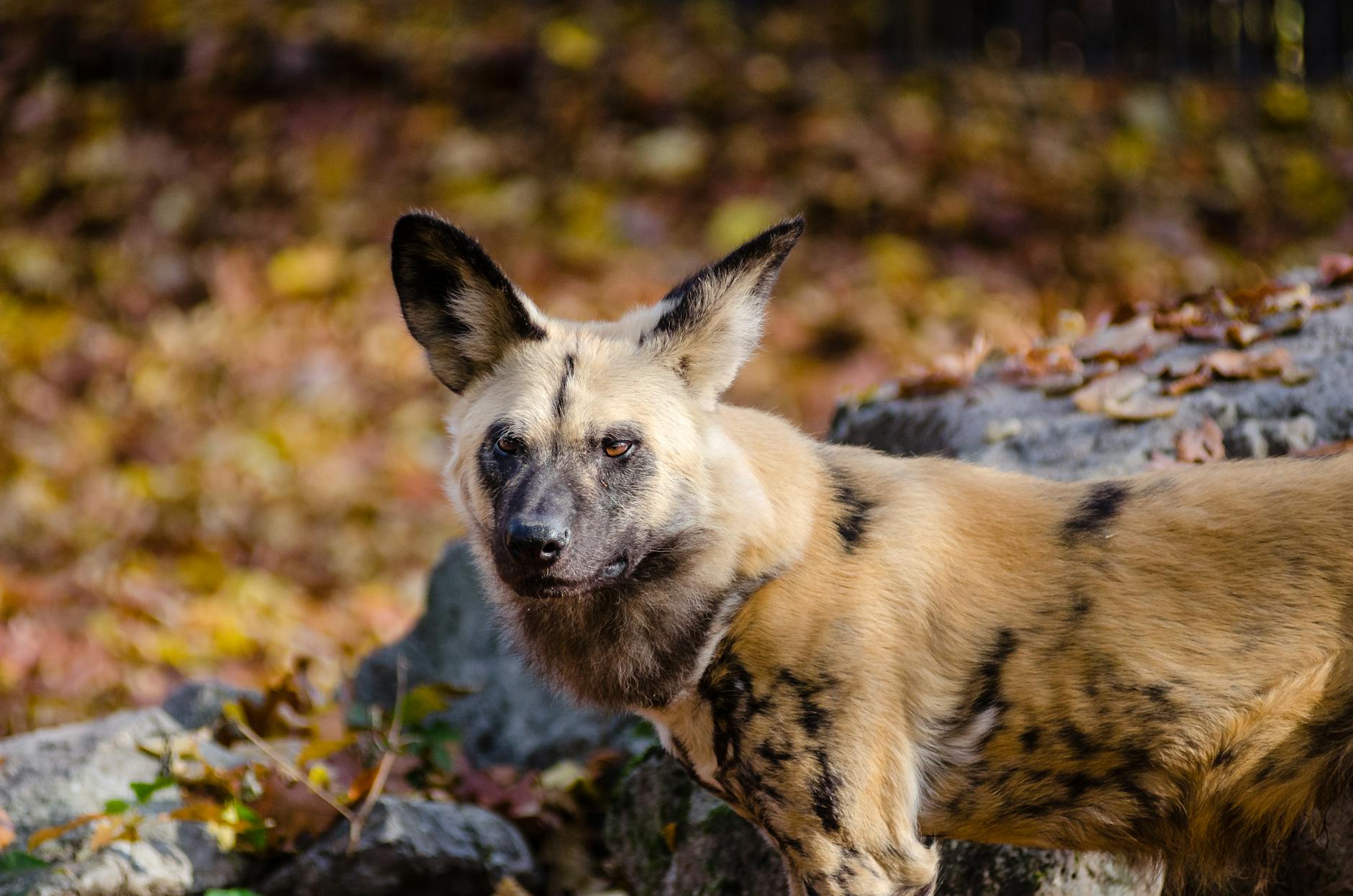
African Wild Dog (Lycaon pictus) — Endangered
The Status
African wild dogs (also called painted wolves) are the second most endangered carnivore in Africa, after the Ethiopian wolf. The IUCN lists the species as Endangered. Total continental population is estimated at fewer than 7,000, with strongholds in Botswana, Tanzania, Zimbabwe and a small but increasingly important population in northern Kenya — anchored by Laikipia.
Why Laikipia Is a Stronghold
Wild dogs need vast home ranges (often 500+ km² per pack), low livestock conflict, low rabies and canine distemper exposure, and protected denning sites. Laikipia’s contiguous fence-free landscape, low livestock density (compared to the Mara), and active veterinary surveillance create unusually favorable conditions. The Mpala Research Centre’s wild dog programme has tracked and protected the Laikipia population for over twenty years.
Where to See Them
Laikipia Wilderness: The Heath family’s camp specialises in wild dog encounters; their guides can typically locate the resident pack.
Mugie Conservancy: Multiple wild dog sightings reported regularly.
Loisaba Conservancy: Wild dogs roam through Loisaba seasonally; encounters can be excellent when packs are present.
Ol Pejeta Conservancy: Resident wild dogs, though sightings are less reliable than at the smaller specialist properties.
Mpala area: The Mpala research staff track wild dog movement and lodges in the area can put you on packs.
The 2017 Distemper Outbreak
The Phoenix Pack — the most famous Laikipia wild dog pack — was decimated by canine distemper in 2017. Only a handful of dogs survived. The pack has been slowly rebuilding since, with active veterinary support. The story illustrates how vulnerable even well-protected wild dog populations remain to disease.
Conservation Programmes
The Mpala wild dog research programme, the Northern Kenya Conservation Clubs, and several conservancy-based wild dog initiatives between them constitute one of the most extensive wild dog protection efforts in Africa. Visitor fees fund veterinary care, GPS collaring, and community education programmes that reduce conflict.
Grevy’s Zebra (Equus grevyi) — Endangered
The Status
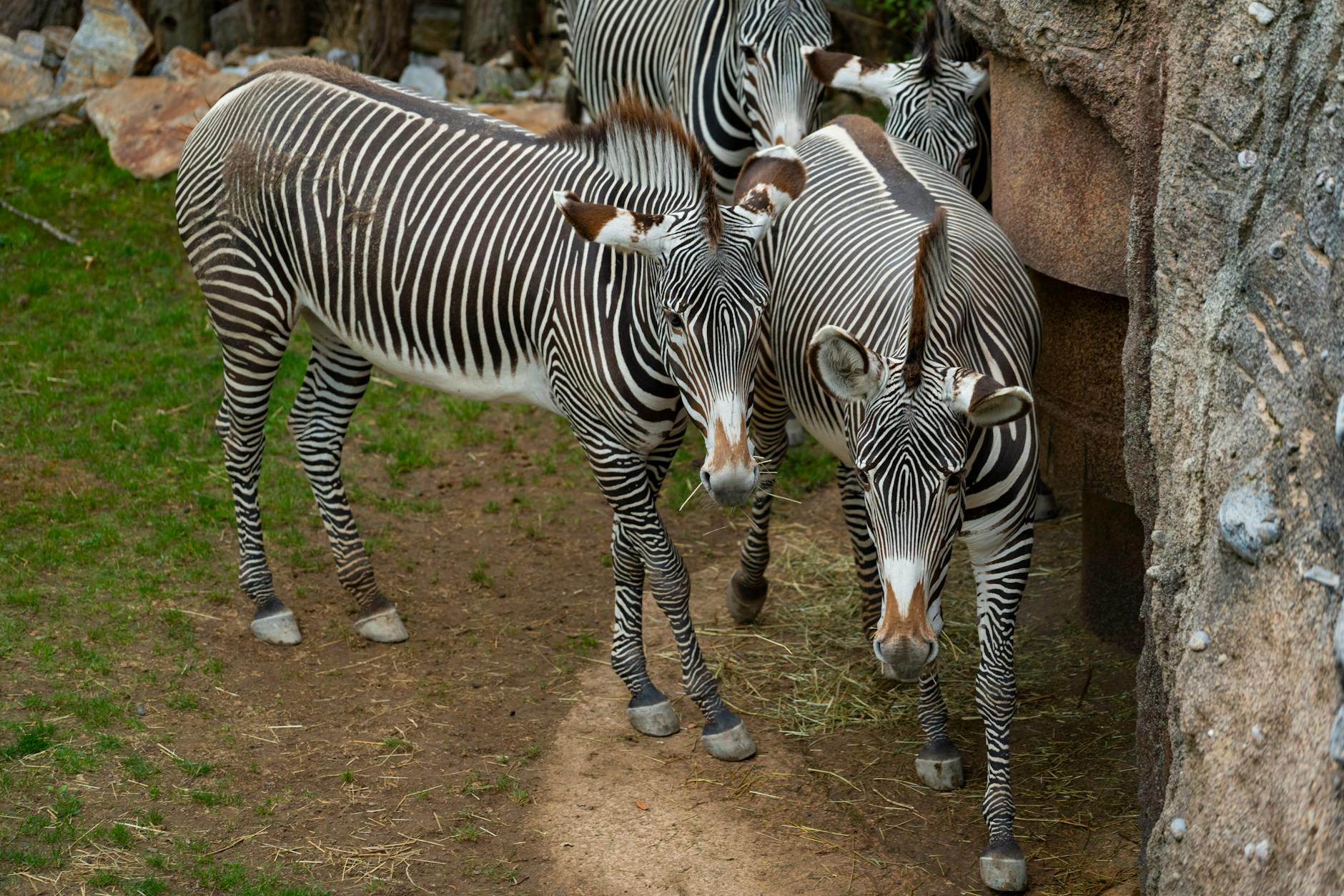
Grevy’s zebra is the larger, narrower-striped, more endangered cousin of the common Burchell’s plains zebra. The IUCN lists the species as Endangered. Total world population is around 3,000 — most of them in northern Kenya (Laikipia, Samburu, Marsabit), with smaller populations in southern Ethiopia.
Distinguishing Grevy’s zebra from Burchell’s: Grevy’s are larger; their stripes are narrower and don’t extend onto the belly (which is white); they have larger more rounded ears; and their stripes form a chevron pattern over the rump. Once you’ve seen them side-by-side the difference is unmistakeable.
Where to See Them
Lewa Wildlife Conservancy: Over 350 Grevy’s zebras — one of the largest single-conservancy populations in the world.
Loisaba Conservancy: Substantial Grevy’s zebra population in the drier northern bushland habitat the species prefers.
Mpala area and the Ewaso river country: Reliable Grevy’s zebra encounters in the riverine and bushland habitat.
The community conservancies of northern Laikipia and southern Samburu: Important Grevy’s zebra range; the Grevy’s Zebra Trust works extensively with these communities on species recovery.
Conservation Programmes
The Grevy’s Zebra Trust, headquartered at Lewa, runs the species recovery programme across the Laikipia–Samburu landscape. Their work includes population monitoring, anti-poaching coordination, community education, and habitat management. Population trends have stabilised after decades of decline; cautiously, the trust reports the species is now slightly increasing.
Reticulated Giraffe (Giraffa reticulata) — Endangered
The Status
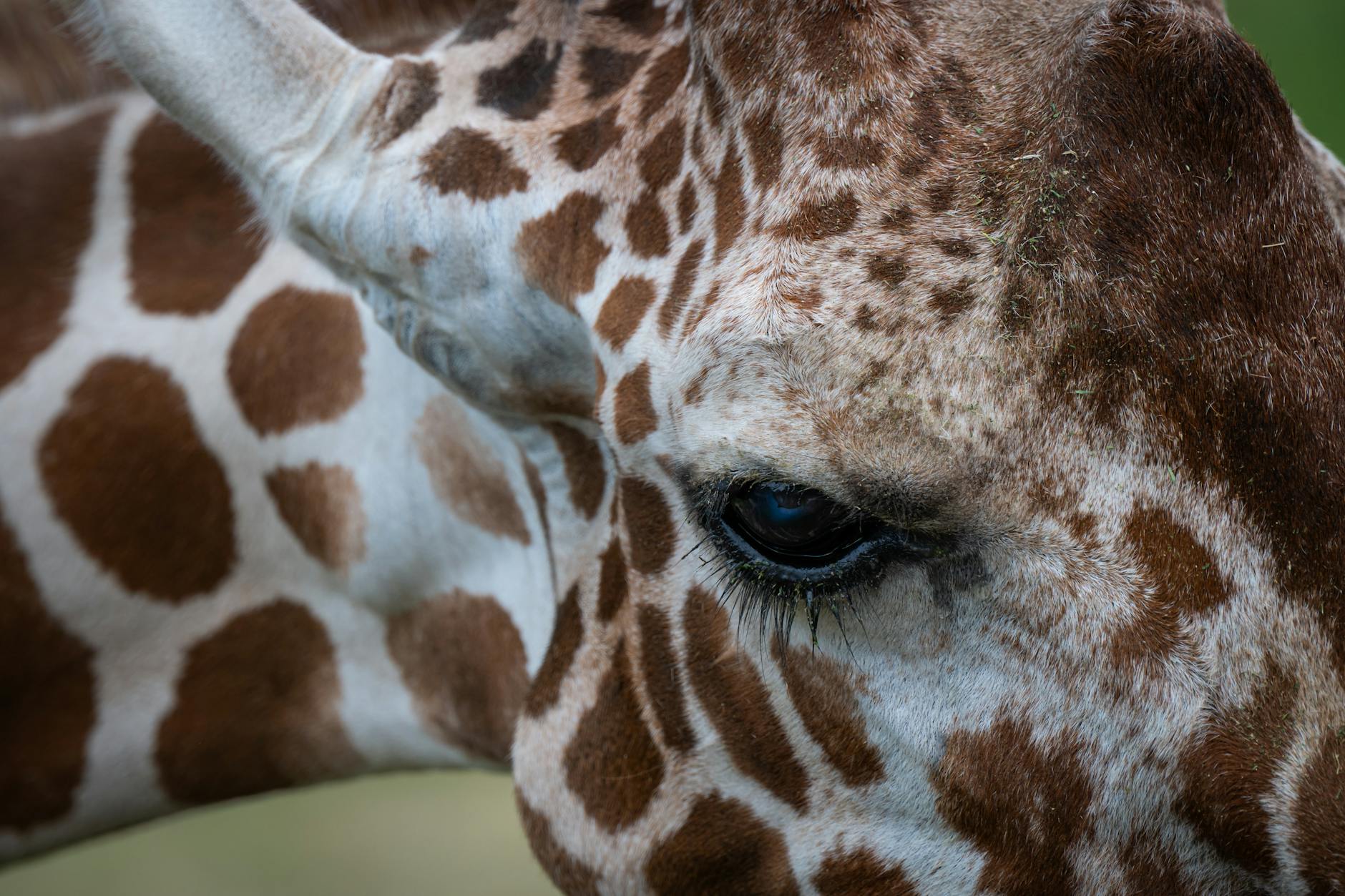
The reticulated giraffe — sometimes called the Somali giraffe — is one of nine recognised giraffe subspecies (or, by some taxonomic treatments, a separate species). It is distinguished by the geometric pattern of brown blocks separated by clearly defined white lines. The IUCN classifies the species as Endangered.
Reticulated giraffe populations crashed from around 36,000 in 1998 to around 8,000 by 2018, driven primarily by poaching for meat and bone marrow. Recent conservation efforts have stabilised numbers; the species now has perhaps 11,000–15,000 individuals, mostly in northern Kenya and Somalia.
Where to See Them
Reticulated giraffe replace Masai giraffe across most of Laikipia. Reliable sightings:
All northern Laikipia conservancies: Loisaba, Ol Malo, Mugie, Suyian, the community conservancies of the north — all hold significant reticulated giraffe populations.
Lewa Wildlife Conservancy: Reliable encounters across the conservancy.
Borana Conservancy: Significant population.
Solio Ranch: Reticulated giraffe co-occurs with Masai giraffe in the Solio area, which is at the southern edge of the reticulated giraffe range.
Conservation Programmes
The Giraffe Conservation Foundation works across northern Kenya on reticulated giraffe protection. Conservancy-based programmes monitor populations and address the main threats (poaching, habitat loss, fence entanglement).
Other Endangered Species in Laikipia
Cheetah (Acinonyx jubatus) — Vulnerable
Cheetah are present in smaller numbers across Laikipia, particularly on the more open conservancies (Solio, parts of Ol Pejeta, parts of Loisaba). Population is stable but lower density than in the Masai Mara.
Patas Monkey (Erythrocebus patas) — Vulnerable
The fast-running, ground-dwelling Patas monkey occurs in small populations across drier parts of Laikipia. Sightings are uncommon but not impossible.
Mountain Bongo (Tragelaphus eurycerus isaaci) — Critically Endangered
The forest-dwelling mountain bongo is critically endangered, with fewer than 100 in the wild — most in the Aberdares and Mount Kenya forests adjacent to Laikipia. The Mount Kenya Wildlife Conservancy at the Fairmont in Nanyuki runs a captive breeding and re-introduction programme. Visitors can see captive bongos at the Animal Orphanage and learn about the species recovery effort.
Aardvark (Orycteropus afer) — Least Concern but Rarely Seen
Not endangered, but rarely encountered because of their nocturnal and subterranean lifestyle. Night drives in Laikipia produce occasional aardvark sightings — a real treat for serious wildlife enthusiasts.
African Pangolin (Smutsia and Phataginus species) — Vulnerable to Critically Endangered
Three pangolin species occur in Kenya, including in Laikipia. They are extremely rare and rarely seen, but represent some of the most heavily trafficked mammals in the world. Conservancy-based pangolin monitoring is in early stages.
Stripe-Cheeked Bushveld Gerbil and Other Small Mammals
Several small mammals in Laikipia have restricted ranges and uncertain conservation status. Most are rarely seen but represent the broader biodiversity that makes Laikipia ecologically significant.
Sharpe’s Longclaw and Hinde’s Babbler — Endangered Birds
Two Kenya endemic birds — Sharpe’s Longclaw (Endangered) and Hinde’s Babbler (Vulnerable) — occur in Laikipia. Sharpe’s Longclaw lives in the high-altitude grasslands of the Aberdares–Mugie area; Hinde’s Babbler in the dense bushland of Solio and the Mukogodo Forest.
How to Maximise Endangered-Species Encounters
Choose the Right Conservancies
For rhinos: Lewa, Borana, Ol Pejeta, Solio, Sera. For Grevy’s zebra and reticulated giraffe: Lewa, Loisaba, the northern community conservancies. For wild dog: Laikipia Wilderness, Mugie, Loisaba. For northern white rhinos: Ol Pejeta is the only option.
Hire a Specialist Guide
General safari guides will identify the obvious species and miss the rare ones. Asking specifically for an experienced wildlife guide who can work with you on rare-species spotting (and is willing to spend time tracking rather than just driving) makes an enormous difference.
Spend Multiple Days
Endangered species are by definition uncommon. A 3-day stay gives you reasonable chances; a 5–7 day stay across two conservancies gives you much better chances of multiple species.
Engage with Conservation Staff
Many conservancies offer behind-the-scenes experiences with the conservation teams: rhino tracking with monitoring teams, anti-poaching dog handler demos, wild dog research presentations, vet operations observation. These experiences both teach you about the species and add to your sighting opportunities.
Visit Off-Peak
The shoulder seasons (April–May, November) are quieter and the wildlife is more dispersed — you may have to work harder for sightings, but you’ll have country to yourselves and the wildlife isn’t habituated to dozens of vehicles.
How Your Visit Funds Endangered Species Conservation
The Laikipia conservation funding model channels visitor fees directly into species protection:
Conservancy fees (USD 80–150 per person per night) fund anti-poaching teams, wildlife monitoring, veterinary care, water infrastructure, and ranger salaries.
Specific species programmes can receive direct donations beyond the conservancy fee. The Grevy’s Zebra Trust, Save the Rhino International, the Mpala Wild Dog Programme, the BioRescue northern white rhino IVF programme, the Giraffe Conservation Foundation and the Mount Kenya bongo programme all accept direct contributions.
Community partnership. Many endangered species cross between private conservancies and community land. Conservancy fees fund the community partnership programmes (schools, health clinics, water infrastructure) that make community participation in species protection sustainable.
Frequently Asked Questions
What’s the rarest animal I might see in Laikipia?
The two surviving northern white rhinos at Ol Pejeta. After that, the wild dog packs (especially the Phoenix Pack) and the Sharpe’s Longclaw bird (in the right habitat with a specialist guide).
How do I tell a Grevy’s zebra from a regular zebra?
Grevy’s are larger, with narrower stripes that don’t extend onto the white belly, and larger rounded ears. Once you see them side-by-side the difference is obvious.
Will I really see wild dogs?
Possibly, but not guaranteed. Wild dogs range over huge territories and aren’t always in the conservancies you’re visiting. The properties that focus on wild dog (Laikipia Wilderness particularly) have higher sighting rates. A 5+ day Laikipia stay improves your odds significantly.
Is the northern white rhino IVF programme actually going to work?
It’s an open scientific question. Embryos have been successfully produced; the surrogate-pregnancy phase is the next major test. The programme is a moonshot — a serious attempt to recover a functionally extinct subspecies through IVF and surrogacy. Whether it succeeds depends on multiple unproven biological steps, but the programme has scientific credibility and substantial conservation commitment.
Why are reticulated giraffes endangered if I see lots of them?
Population has crashed dramatically over the last 20 years. They are still locally common in northern Kenya — particularly on Laikipia conservancies where they’re protected — but the broader population trend is negative. Continued conservation work is essential.
Can I donate directly to species programmes?
Yes. Most major species programmes have direct donation pages and several are registered charities in the US, UK and EU. Save the Rhino International, the Grevy’s Zebra Trust, the Mount Kenya Trust, Ol Pejeta Conservancy, Lewa Wildlife Conservancy, Loisaba Conservancy and Save the Elephants all accept direct contributions.
Is photographing endangered species ethical?
Yes, when done with respect for the animals and the conservation context. Photographs of endangered species fund conservation through publishing fees, raise awareness, and document populations for research. Avoid baiting or harassment; respect guide instructions; never share precise location data for sensitive species (rhino specifically).
The Bottom Line
Laikipia holds the most important concentration of endangered African mammals in Kenya — half of the country’s black rhinos, the world’s last northern white rhinos, the strongest wild dog population in northern Kenya, the majority of the world’s Grevy’s zebra, and substantial populations of reticulated giraffe, Patas monkey, and other threatened species. Choosing Laikipia for your safari directly funds the conservation work that keeps these species alive. The species recovery story is real, the threats remain serious, and the visitor’s role — through conservancy fees, direct donations, and informed advocacy — is more meaningful than at almost any other African safari destination.