Last updated: May 2026
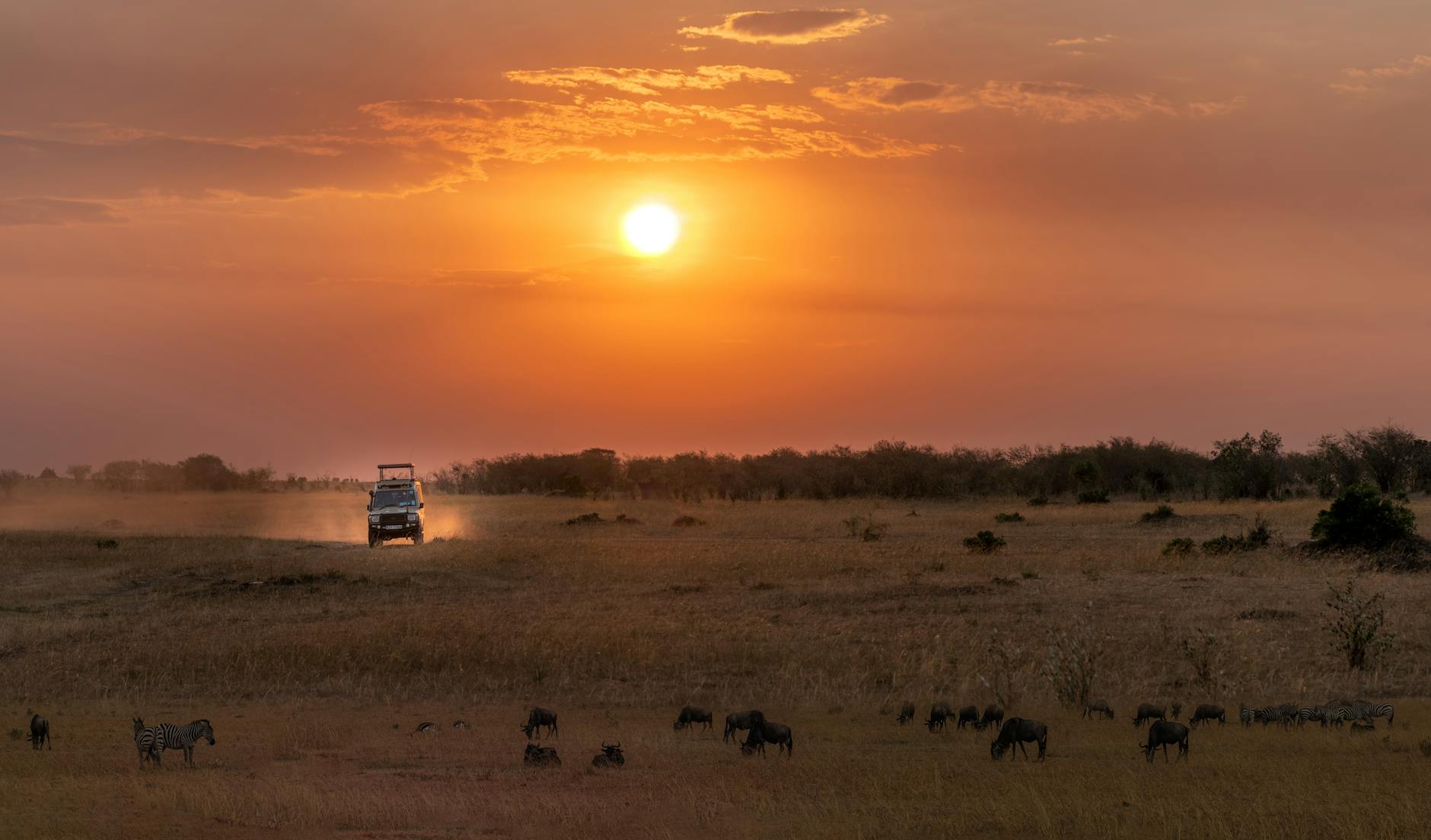
Most “why visit X” articles read like brochure copy — superlatives and stock photos and no real argument. Why visit Laikipia Kenya deserves a more honest answer because the case for the plateau is genuinely different from the case for any other African safari destination. It’s not the most famous (Mara wins). It’s not the cheapest (Naivasha wins). It’s not the highest-density wildlife (also Mara). What Laikipia delivers is something the major destinations can’t: walking and horseback safaris through Big Five country, the world’s last northern white rhinos, half of Kenya’s black rhino population, fence-free 9,500 km² of contiguous private land where you can do things national parks don’t allow, and a conservation model that turns your safari fees directly into rhinos saved.
This guide gives you fifteen specific, defensible reasons to put Laikipia on your Kenya itinerary — not as the only destination, but as the destination most travellers don’t know they should visit until somebody tells them.
1. You Can Walk and Ride Through Big Five Country
National parks across Kenya forbid walking and horseback safaris because the rules — written for state-managed parks with millions of annual visitors — don’t allow it. Laikipia conservancies set their own rules and they allow both. You can do a half-day bushwalk with an armed guide on most major Laikipia properties; you can do a multi-day camel-supported walking trip on Karisia or a horse-back safari on Sosian, Borana or Ol Malo. This is the single biggest experiential difference between Laikipia and the Mara, Tsavo or Amboseli.
2. Half of Kenya’s Black Rhinos Live Here
Of Kenya’s roughly 1,000 black rhinos, more than 500 live on Laikipia conservancies — Lewa, Borana, Ol Pejeta, Solio, Sera and a few others between them hold the largest concentration of black rhino on Earth. Solio Ranch was the first private rhino sanctuary in Africa (1970s). Ol Pejeta now holds 200+. Lewa and Borana together hold another 200. If seeing a black rhino is on your safari list, Laikipia is statistically the most reliable destination on the continent.
3. The World’s Last Northern White Rhinos Are Here
Two animals — Najin and Fatu, both female — live on Ol Pejeta Conservancy under 24-hour armed guard. They are functionally the last of a subspecies that once roamed central Africa. An IVF programme using stored sperm from deceased males and harvested eggs is attempting to produce calves through southern white rhino surrogates. Ol Pejeta is the operational centre of one of the most ambitious species-recovery programmes ever attempted. You can visit the rhinos and their handlers; you can fund the programme directly through your conservancy fee.
4. You’ll See Far Fewer Other Vehicles
The Masai Mara in peak season has hundreds of safari vehicles in the reserve at any moment. A leopard sighting can mean fifteen vehicles fighting for position. Laikipia conservancies cap visitor numbers and often run private exclusive-use vehicles. You’ll often have a sighting entirely to yourself; on the smaller conservancies you may not see another vehicle for an entire morning. The crowd-free experience changes everything — your wildlife encounters are unhurried and the photography is composition-driven rather than position-driven.
5. Night Drives Are Allowed
Kenyan national parks ban game drives after dark. Conservancies allow them. Night drives in Laikipia produce wildlife you simply won’t see otherwise: leopards hunting, hyenas active, aardvarks emerging, three or four owl species, several nightjars, the smaller carnivores like genet and white-tailed mongoose. For wildlife photographers and serious naturalists, the night-drive option alone is reason to choose Laikipia.
6. Off-Road Driving Lets You Get Closer
National parks restrict you to designated tracks. Conservancies allow off-road driving — your guide can position the vehicle for the best angle on a leopard in a tree, follow a hunting wild dog pack across the bushland, or get you to the edge of a wallow without spooking the animals. The wildlife encounters are more intimate as a result.
7. Mount Kenya Is Always There
The 5,199 m profile of Mount Kenya dominates the southern horizon from most Laikipia conservancies. On clear mornings the snow-capped peaks (Batian and Nelion) catch the dawn light over the lodge breakfast table. The mountain isn’t a backdrop you forget — it shapes the visual character of every game drive in the southern half of the county. Photographing wildlife with Mount Kenya behind it is one of the great African image categories.
8. The Bird List Is Extraordinary
Laikipia’s bird list runs to 350–410 species depending on conservancy boundary — including Kenya endemics (Hinde’s Babbler, Sharpe’s Longclaw), Kenya near-endemics (Jackson’s Hornbill), some of the highest densities of large eagles in East Africa, all the iconic colour species (lilac-breasted roller, multiple bee-eaters, multiple starlings), and migratory traffic that doubles the daily count from November through April. For birders, the plateau is one of Africa’s most productive single destinations.
9. The Wildlife Variety Is Unusually Wide
Laikipia sits at the seam between Kenya’s wet Central Highlands and the dry Northern Frontier. The result is a wildlife list that combines southern-Kenya species (lion, elephant, Burchell’s zebra, leopard) with northern-Kenya specialities you won’t see in the Mara — reticulated giraffe (replacing the Masai giraffe of the Mara), Grevy’s zebra (replacing or co-occurring with Burchell’s), Beisa oryx, gerenuk on the northern fringe, Somali ostrich, plus the highest density of African wild dog in East Africa. The species totals are not as high as the Mara’s biggest days, but the variety per square kilometre is greater.
10. The Conservation Story Is Real
Most safari destinations have conservation messaging. Few have conservation outcomes you can point to. Laikipia has rebuilt its black rhino population from a 1980s low of perhaps 50 to over 500 today. It hosts the world’s last northern white rhinos and the most ambitious species-recovery IVF programme ever attempted. African wild dog populations have recovered. The community-conservancy model has been studied as a template across Africa. Your safari fee — including the conservancy levy that’s typically USD 80–150 per person per night — funds rangers, anti-poaching dog teams, vet care, community schools and clinics. The conservation impact per dollar is among the highest in any African safari destination.
11. Family-Friendly in a Way Most Safaris Aren’t
Many family-with-kids safaris hit a wall in the standard Kenyan destinations: minimum-age rules at lodges, malaria concerns with younger children, vehicle-only game drives that bore an eight-year-old into mutiny. Laikipia solves all three. Most major conservancies are at altitudes considered low malaria risk. Lodges have built family suites, junior-ranger programmes, walking activities, camel rides, mountain biking and pool time. Properties like El Karama, Lewa Wilderness, Borana and Laikipia Wilderness specifically cater to families with kids 4 and up.
12. The Adventure Activity Menu Is Africa’s Deepest
Beyond walking and horse safaris, Laikipia offers camel trekking (introductory through multi-day Karisia expeditions), mountain biking on graded trails, sleep-outs on raised platforms above waterholes, fly camping, helicopter excursions to Mount Kenya glaciers, hot air ballooning over the Ewaso valley, fishing for trout in the Burguret river, climbing on Mount Kenya itself, and rafting on the Tana and Ewaso. No other African safari destination offers this density of non-vehicle activities in a single landscape.
13. The Lodges Are Small, Distinctive, and Often Family-Run
Mara lodges and tented camps are increasingly large, polished, and operated by international hotel groups. Laikipia retains a much higher proportion of small (8–16 bed) family-run camps and lodges with strong personal character. Sosian, Suyian, Borana, Ol Malo, Lewa Wilderness, Sirikoi, Laikipia Wilderness — these are properties where you’ll likely meet the owners over dinner and where service is personal rather than corporate.
14. The Cultural Encounters Are Substantive
Visits to neighbouring Maasai, Samburu and Mukogodo communities — through community-owned conservancies (Il Ngwesi, Tassia, Sarara) and well-established cultural programmes at Loisaba, Lewa and others — go beyond the staged “village visit” of more touristy destinations. Conservancies that channel revenue directly to community programmes give you a way to engage with local communities on terms that don’t feel transactional.
15. You’ll Combine Well With Other Kenyan Destinations
Laikipia isn’t a “skip the rest of Kenya” choice. It’s the strongest plateau-and-highland leg of a wider Kenya itinerary. The standard pattern: Nairobi → Laikipia (3–5 nights) → Masai Mara (3–4 nights) gives you the conservancy experience and the migration; adding Samburu (just over the northern border) brings in the dry-country specials; adding the coast gives you a beach decompression. Laikipia plays beautifully with everything else Kenya offers and is the easiest leg to fly between others on SafariLink.
The Honest Counterargument
Why might you not visit Laikipia? Three honest reasons.
If you have only 5 days and want the migration: The Masai Mara from July through October is the migration window. Skip Laikipia for that trip and come back another time.
If your budget is genuinely tight: Laikipia conservancy lodges run USD 450–1,400 per person per night. Mara budget camps and lodges can be had for half that. There are mid-range Laikipia options (mid-range community conservancy lodges, Sweetwaters Serena, Naro Moru staging hotels) but the destination skews mid-to-high price.
If big-cat-density is your only goal: The Mara has the densest concentration of large predators in Africa. Laikipia has plenty of lion and leopard but the predator-per-square-kilometre numbers don’t match. If you want to see twenty lions in a day, choose the Mara.
The Best Combinations
For 7 days: 4 nights Laikipia + 3 nights Masai Mara. Classic Kenya combination.
For 10 days: 4 nights Laikipia + 3 nights Samburu + 3 nights Masai Mara. Strong wildlife variety.
For 14 days: 5 nights Laikipia + 3 nights Mara + 3 nights coast (Diani or Watamu) + 2 nights Nairobi/Aberdares for cultural and forest variety.
For 21 days (the dream trip): add Mount Kenya climbing, Karisia walking safari, and a longer northern Frontier extension to Lake Turkana.
Frequently Asked Questions
Is Laikipia worth visiting if I’ve already seen the Masai Mara?
Yes — for the conservancy model, walking safaris, rhino populations, family-friendly facilities and the Mount Kenya backdrop, all of which the Mara doesn’t offer.
Is Laikipia better for a first-time safari or a return trip?
Either. First-timers benefit from the higher-quality wildlife encounters and the activity variety. Return travellers benefit from the depth — they can do walking safaris and adventure activities that aren’t possible elsewhere.
How does the cost compare to other Kenyan destinations?
Laikipia is generally 20–40% more expensive per night than Masai Mara budget options, but more is included (conservancy fees, walking and night drives are bundled in your nightly rate; in the Mara those are extras or unavailable). For total trip cost the gap narrows.
What’s the single most “Laikipia” experience?
A walking safari with a Maasai guide, ending at a sleep-out platform above a waterhole, with Mount Kenya silhouetted against the dawn the next morning. Or a horseback ride alongside a herd of Grevy’s zebra. Both are uniquely Laikipia.
Should I visit Laikipia or Tsavo for my second Kenya trip?
Laikipia. Tsavo is huge and dramatic but the wildlife densities and lodge quality don’t match Laikipia’s, and the conservancy advantages (walking, off-road, night drives) are mostly absent.
Can I visit Laikipia year-round?
Yes. The shoulder seasons (April–May, November) offer good value and dramatic landscapes despite occasional rain. June–October and January–February are the most reliable weather windows.
How much time do I really need in Laikipia?
Three nights is the practical minimum for the destination to deliver. Five nights at two contrasting conservancies is the sweet spot. A full week lets you add a multi-day walking or horse trip.
The Bottom Line
Visit Laikipia because it does things no other African safari destination does: walking and horseback through Big Five country, half of Kenya’s rhino population, the world’s last northern white rhinos, family-friendly lodges in a malaria-low landscape, fewer crowds than any other major Kenyan reserve, and a conservation model where your nightly rate funds rangers and rhinos in ways you can verify. You don’t have to choose between Laikipia and the Mara — combine them. But if you visit Kenya without Laikipia, you’ll have missed the destination that most former safari guests, when asked which was their favourite, name first.