Last updated: May 2026
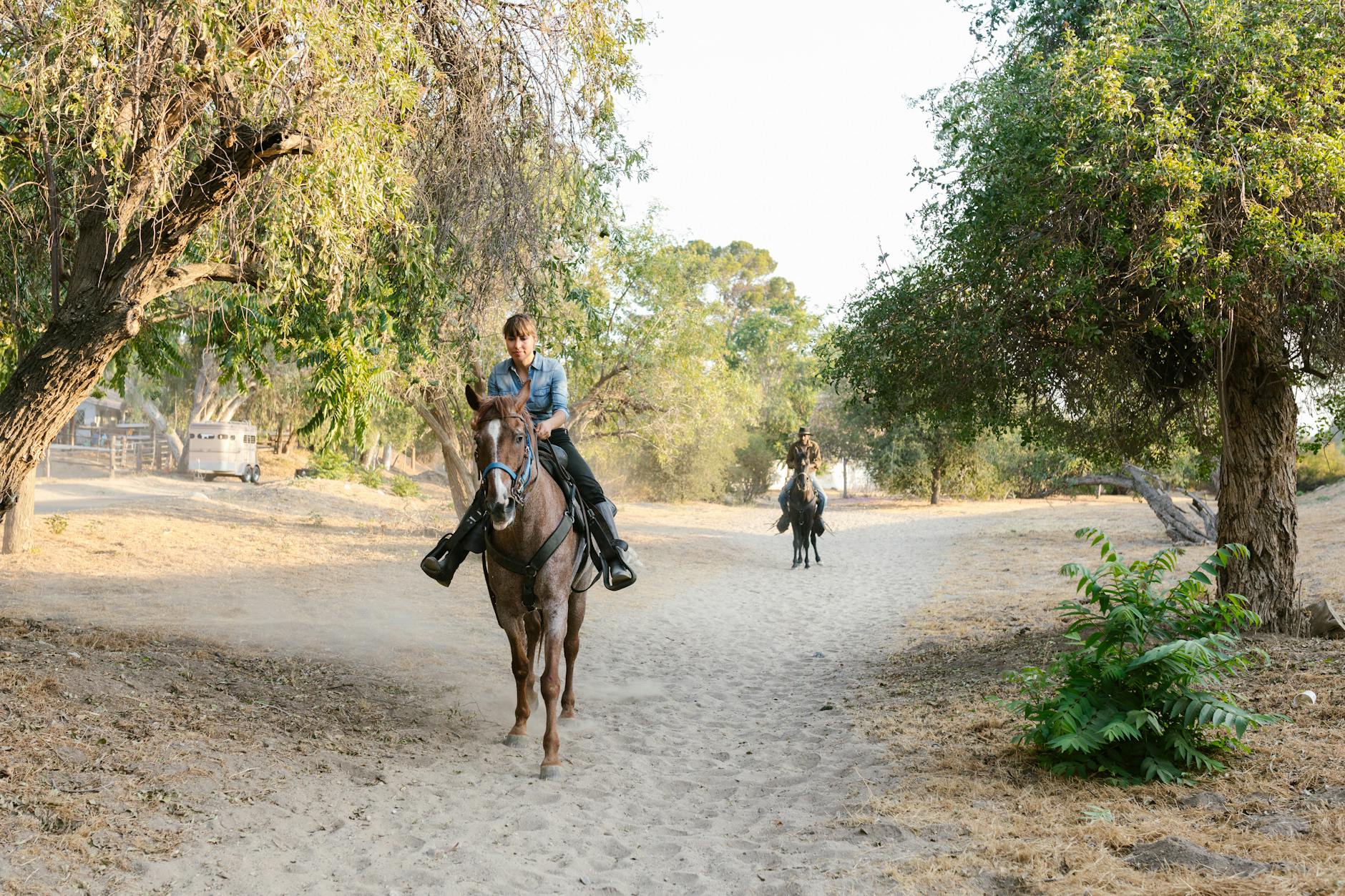
The classic Kenya safari is a vehicle and a cool box, six hours a day on a track somebody else has driven. Laikipia is one of the few places in Africa where you can swap the cool box for a saddle, the track for a bushwalk, and the vehicle for a camel — and still see the same Big Five wildlife. The plateau’s scale (9,500 km² of largely fence-free private and community land), the conservancy access rules (walking, off-road and night driving permitted), and the deep ranching culture (horses, cattle, working stables that have been there for a century) combine to make Laikipia adventure activities one of the most varied active-safari menus on the continent.
This guide covers the seven major adventure activities Laikipia offers, the lodges that do each one well, what to expect at different fitness levels, what it costs, and how to combine them into an active safari that doesn’t feel like a sequence of disconnected adrenalin hits.
Why Laikipia Is Africa’s Active Safari Capital
National parks across Kenya restrict you to a vehicle on a designated track. The Masai Mara won’t let you walk. Tsavo won’t let you bike. Amboseli won’t let you camp out. Laikipia conservancies, run as private operations, set their own rules — and the rules they set lean strongly toward letting you experience the landscape with your body rather than through a windscreen.
The plateau’s geography helps. The Laikipia escarpment, the Mukogodo hills, the Loroghi range and the open savanna between them give you cliffs to climb, ridges to bike, riverbeds to walk and 60 km of contiguous wildlife country to ride a horse across. The dry climate means the trails are good year-round outside the long rains. The wildlife is habituated to people on foot, on horseback and on camels in a way that takes years of consistent presence to develop.
The result is a destination where the same family can do five different active sports in five days without driving more than fifteen kilometres between activities.
Horse Riding Safaris
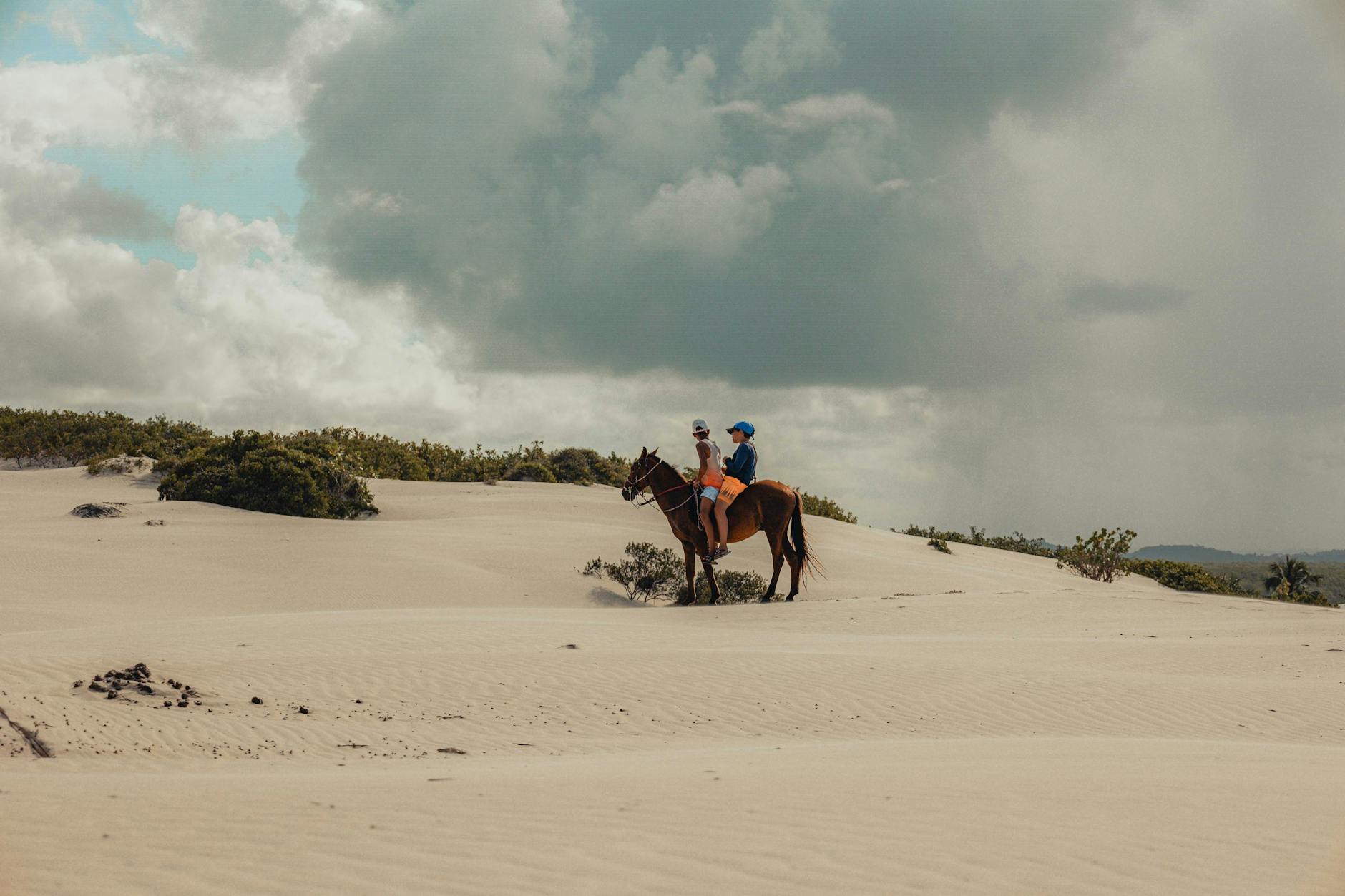
Laikipia is the strongest horse-riding safari destination in Kenya — possibly in Africa. Several lodges run serious stables of well-trained safari horses (typically Somali ponies or crosses, bred for stamina, sure-footedness in rocky country, and calm in the presence of wildlife). Riding alongside zebra, giraffe and the occasional curious elephant is the kind of experience that goes high on the lifetime list.
Sosian Lodge — All-Levels Riding
Sosian, on a 24,000-acre working ranch, runs one of the longest-established stables. The horses are matched to ability — patient school horses for total beginners, faster mounts for confident riders. Half-day rides through the conservancy are standard; multi-day mobile horse safaris with portable camps and a backup vehicle for non-riders are the signature offering. Riding alongside the famous Sosian zebra herds is one of the great photographic and emotional experiences in Kenya.
Ol Malo — Expert Riders, Wild Country
Ol Malo in northern Laikipia is the choice for experienced riders. The country is rougher (the Loroghi escarpment), the rides are longer, and the wildlife encounters are more committed — galloping alongside reticulated giraffe across the Ewaso Ng’iro plains is the postcard image. Riders typically need to demonstrate ability before the longer rides; the lodge has a dedicated horse-safari programme for established riders.
Borana — Smooth Conservancy Riding
Borana’s gentler southern landscape suits intermediate riders. Rides go through the rhino conservancy, with walking-pace approaches to grazing wildlife. Excellent half-day option for guests who don’t want to commit to a multi-day horse trip.
Lewa Wilderness — Family-Friendly Riding
Lewa Wilderness keeps a stable of beginner-friendly ponies and offers introduction-level riding for guests who haven’t been on a horse since childhood. Children’s pony rides are part of the family programme.
Mobile Horse Safaris
For experienced riders, the most ambitious horse safaris in Laikipia are multi-day point-to-point mobile camps — riding 15–25 km a day between fly camps, with the gear and food trucked between camps by a backup vehicle. Operators run from Sosian, Ol Malo and a couple of dedicated horse-safari outfits (African Horse Safaris is the established specialist). Costs run USD 800–1,200 per person per day all-inclusive. Best months: January–March and June–October when the trails are dry.
Camel Trekking
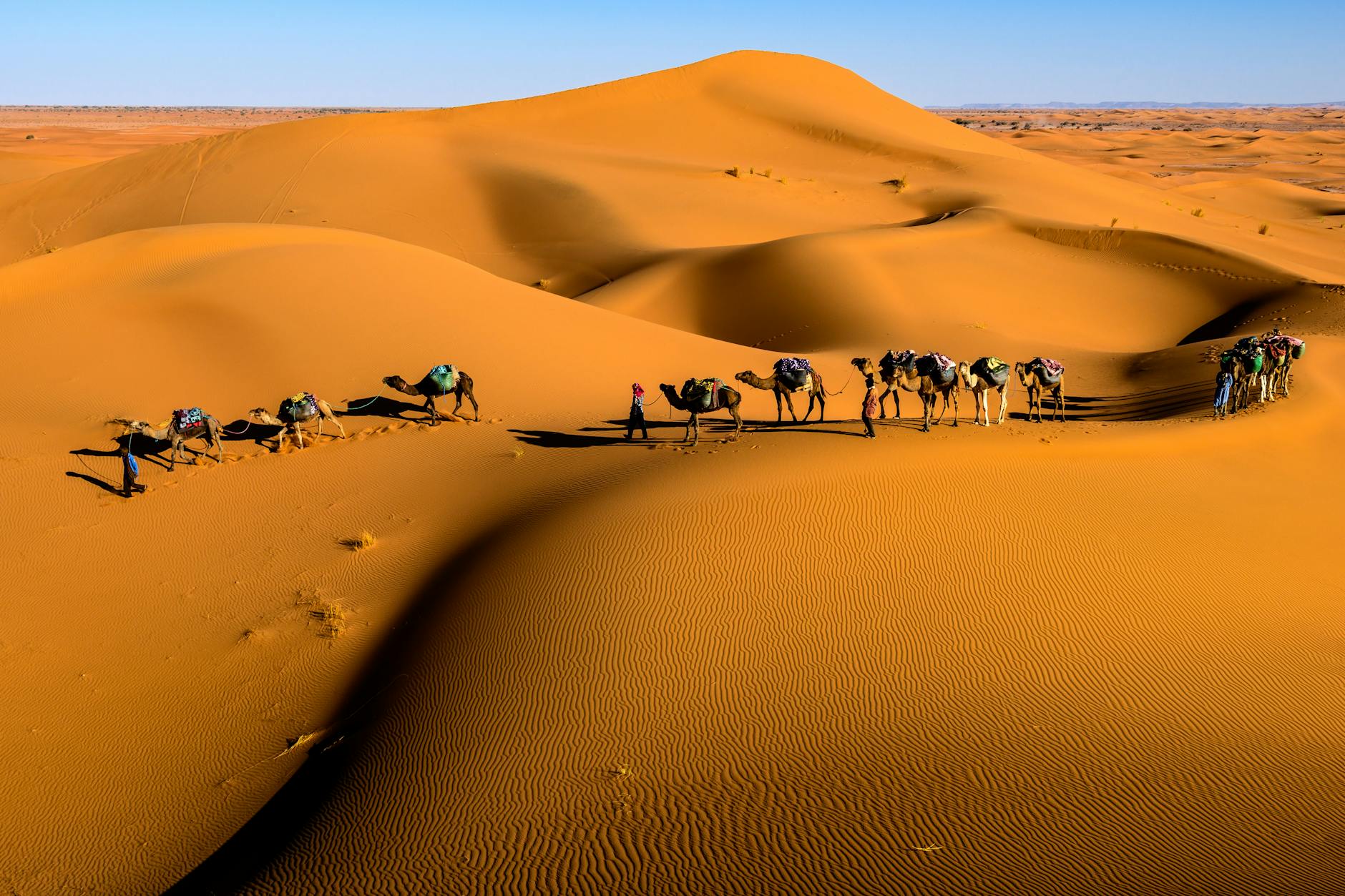
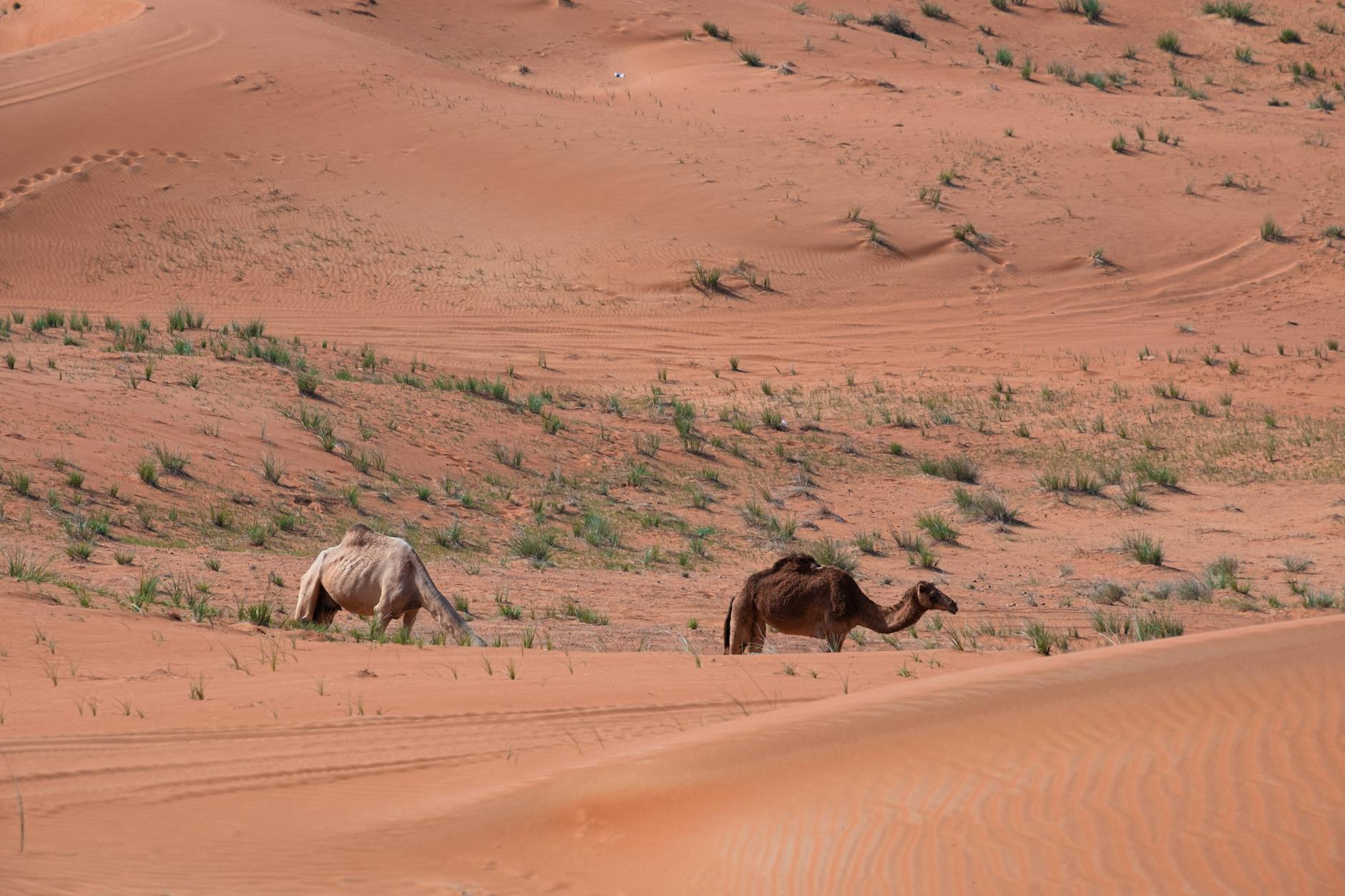
Camels are Laikipia’s signature non-vehicle transport mode. They were brought into the conservancies in the 1980s as pack animals for walking safaris and have stuck around because they’re brilliant at it: they carry kit, they don’t spook the wildlife, they’re patient with novice handlers, and they let you cover ground at a pace fast enough to make progress but slow enough to actually look around.
Karisia Walking Safaris — The Specialists
Karisia, based on Tumaren ranch in northern Laikipia, runs the most comprehensive camel-supported walking safari programme in Kenya. The model is simple and time-tested: you walk, the camels carry the gear (luxury, classic or “Bed and Camel” levels of support), and you sleep in fly camps in different country every night. Multi-day Karisia trips cover 60–120 km on foot through wildlife country no road reaches. This is the premier wilderness experience in Laikipia. Prices USD 650–950 per person per day depending on group size and camp level. Multi-day trips of 4–10 days are standard.
Sosian Lodge — Casual Camel Rides
Sosian offers introductory camel rides — 1 to 2 hours through the ranch, perfect for first-time camel users and families with kids. The camels here are particularly placid.
El Karama — Family Camel Trekking
El Karama runs camel walks designed for the family-safari programme — short distances, easy pace, often combined with bush picnics. A good way for kids to interact with camels in a low-pressure setting.
Ol Malo — Camel-Supported Bush Walks
Ol Malo offers camel-supported walking days where the camel team carries the lunch and the water to a picnic point and the guests walk in. Pretty country, dramatic escarpment views, and a strong day option without committing to a Karisia-style multi-day trip.
What to Know Before You Camel
Camels are not horses. The gait is rolling rather than bouncing — surprisingly comfortable once you’re used to it, but new riders often feel queasy the first hour. The mounting (a long crouch, then a sudden upward lurch as the camel stands) takes a few attempts. Always wear long trousers (camel hair is itchy and the saddles are not soft). Camel hair allergies exist; if you have a history, take an antihistamine before the first ride.
Mountain Biking
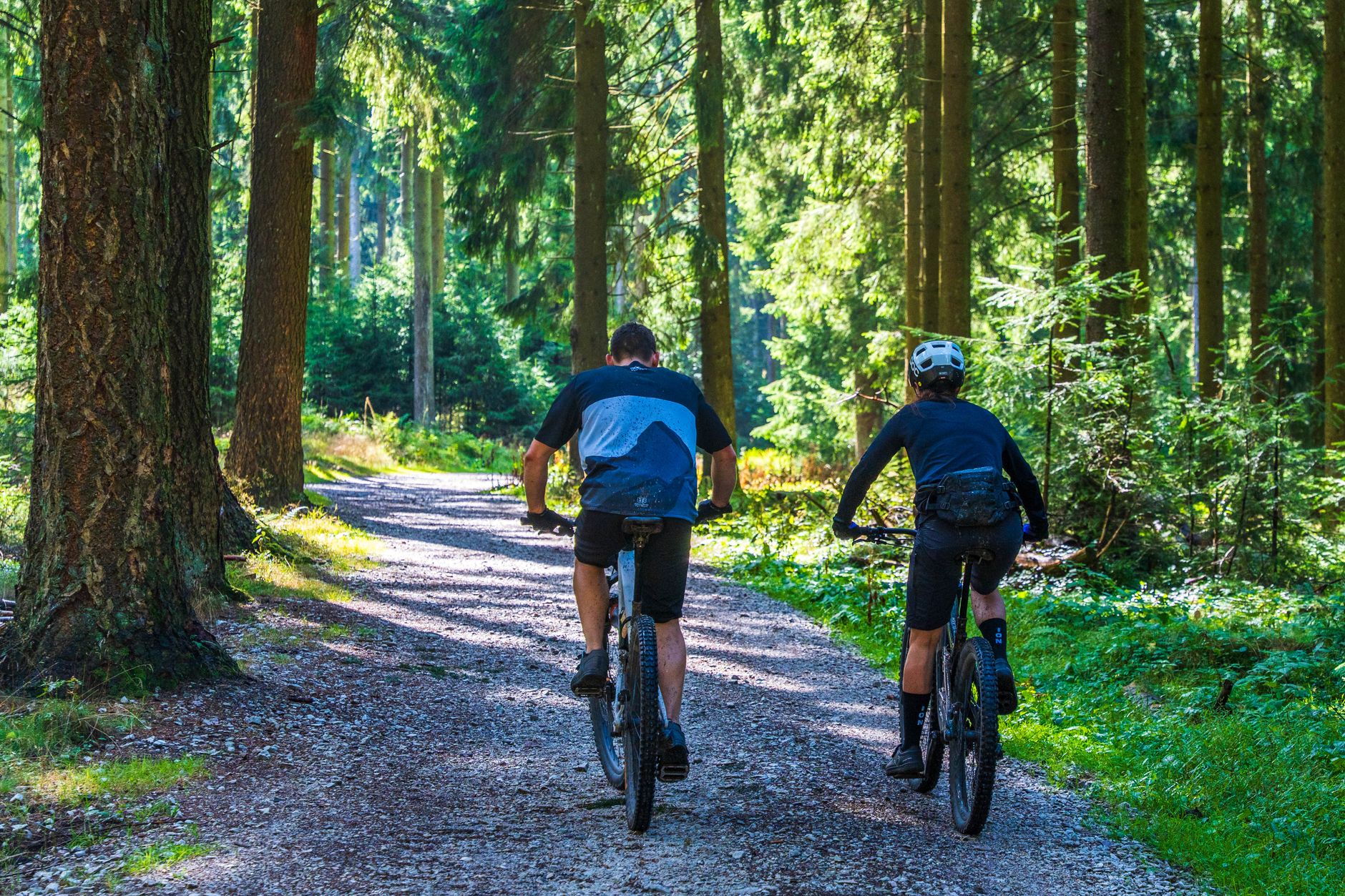
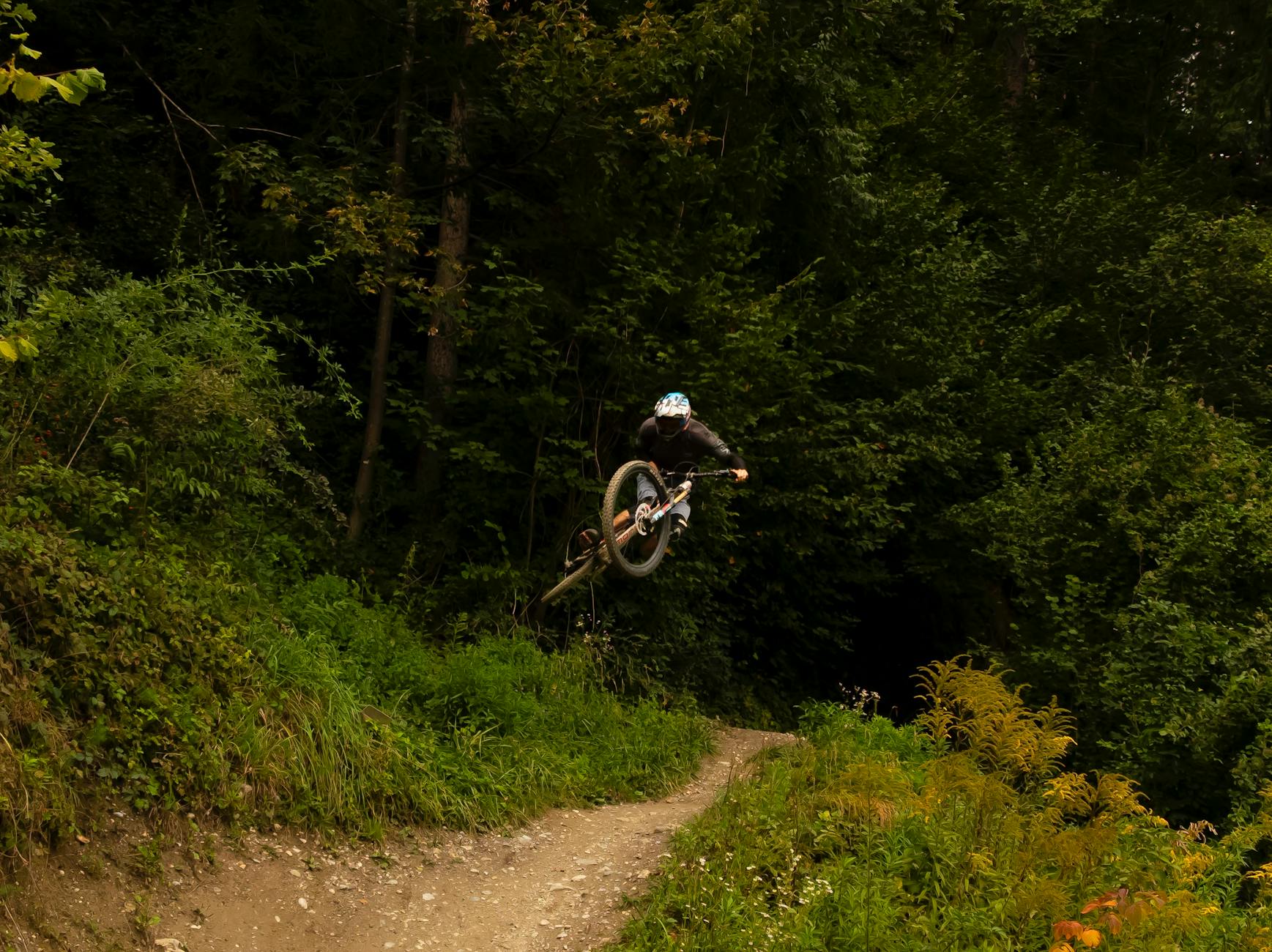
Laikipia’s open conservancy roads, dirt-track network and rolling escarpments make it strong mountain biking country. Several lodges have proper bikes (full-suspension, disc brakes, well-maintained — bring your own padded shorts) and the conservancies allow off-road riding. The combination of biking through wildlife — easing past zebra herds, picking your way around an indignant giraffe — is one of Laikipia’s signature experiences.
Borana — Bike-Friendly Conservancy
Borana has the most developed mountain biking programme — graded trails of 5–25 km, full-suspension bikes for guests, a guide on a bike rather than in a vehicle. The country (rolling thornbush savanna with rocky ridges) is genuinely fun riding terrain.
Suyian Soul — Adventure Family Biking
Suyian’s bike trails connect with horse and walking trails to make multi-mode active days possible. Family-friendly grading and bike sizes for older kids.
Ol Pejeta — Day-Visit Biking
Ol Pejeta offers guided mountain biking as a day-visit activity — a useful add-on for travellers staying in Nanyuki who want a single biking experience without committing to a multi-day stay.
The Laikipia Highlands — Serious Riders
For experienced mountain bikers who want technical riding, the Mukogodo Hills and the upper escarpment offer challenging single-track rides. Local guides operating out of Nanyuki can arrange custom multi-day biking trips with vehicle backup. This is not a beginner programme — proper fitness and bike-handling experience required.
Walking Safaris and Hiking
Half-Day and Full-Day Lodge Walks
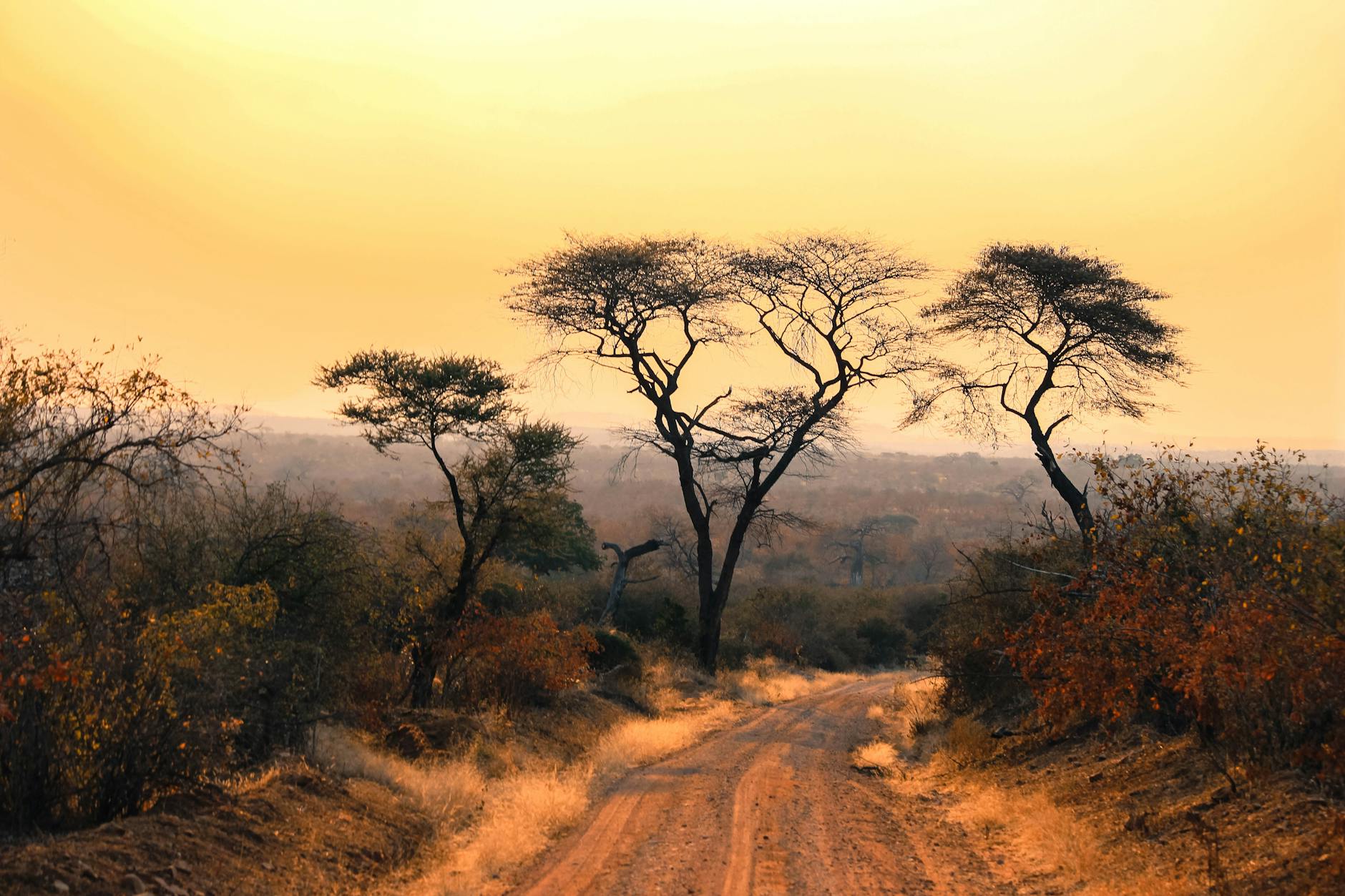
Almost every Laikipia lodge offers walking safaris with an armed guide. Walks are typically 2–4 hours in the cool of the morning or late afternoon, covering 4–8 km of varied terrain, and run with one to four guests per guide. The pace is slow — this is wildlife observation, not fitness training — and stops at tracks, plant identification points, bird flocks and waterholes are part of the routine.
Multi-Day Walking Safaris
Karisia’s camel-supported walking programme is the standard. Several other operators run shorter point-to-point walking trips. Sosian, Borana, Laikipia Wilderness, Suyian and Ol Malo all offer one- to three-night walking-safari extensions with fly camps. Multi-day walking is the closest you get to the way human beings used to experience African landscapes — pre-vehicle, pre-track, pre-fence.
Mount Kenya Hiking
Mount Kenya, on Laikipia’s south-eastern boundary, offers everything from half-day forest walks (Met Station, Sirimon Gate) to multi-day climbs to Point Lenana (4,985 m, 4–6 days). The Burguret, Sirimon and Chogoria routes all leave from the Laikipia/Mount Kenya boundary; Nanyuki is the standard staging town. Best months: January–February and August–September.
Ngare Ndare Forest Canopy Walk
The 40-foot-high canopy walk in the community-owned Ngare Ndare forest is a half-day excursion with a forest hike, a swim in the natural pools, and one of East Africa’s only treetop walks. Family-friendly and accessible from Nanyuki or any of the eastern Laikipia lodges.
White-Water Rafting and River Activities
The Ewaso Ng’iro river runs through the heart of Laikipia. Most of its length is gentle (Class I–II) and suitable for family floats, but during the rainy seasons (April–May and October–November) certain sections become Class III–IV white water. A small number of operators run guided rafting trips out of Nanyuki and Doldol.
Sagana, two hours south of Laikipia, has Kenya’s most established white-water rafting on the Tana river — Class III–IV year-round. A day trip from a Laikipia lodge is feasible.
The river pools and the spring-fed pools at Ngare Ndare, Mukogodo and several conservancy waterholes offer wild swimming during the warmer months. Most lodges can arrange a swim-and-picnic outing.
Sleep-Outs and Fly Camping
Sleeping under the stars is one of the most distinctive Laikipia experiences. Several lodges have built sleep-out platforms — raised beds on top of waterhole hides, exposed to the sky, with a thunder-box loo and a pre-laid breakfast in a cool box. You sleep above the wildlife rather than inside a tent.
Loisaba Star Beds
Loisaba’s star beds — wheeled four-poster beds rolled out onto a raised platform — are the original and the most famous. Loisaba’s ridge-top location gives you a 360-degree night sky and frequent elephant traffic at the waterhole below.
Borana, Ol Malo, El Karama, Suyian
All of these properties have built or maintain sleep-out platforms — typically a one- or two-night extension of a longer stay, often combined with a sundowner walk or horse ride to the platform.
Fly Camping
For more committed adventurers, multi-night fly camps (lightweight mobile camps that move between locations) are offered by Karisia, Sosian, Laikipia Wilderness and several specialist operators. Fly camps are not glamping; they’re proper bush camps with simple bell tents, bucket showers and a campfire kitchen. The trade-off is a depth of wilderness experience that fixed lodges can’t match.
Helicopter Excursions
Several Laikipia operators (Tropic Air is the largest) run private helicopter charters for short scenic flights and longer expeditions. Standard half-day options include flights up Mount Kenya for a glacier landing, picnics on remote ridges or in the Suguta Valley to the north, and aerial views of the Northern Frontier District.
Helicopter is also the practical access mode for some of the more remote experiences — fly camps in the Kerio Valley, lava-flow expeditions to the Suguta, scenic loops over Lake Turkana for those willing to commit to a full-day expedition. Costs scale with helicopter time: USD 1,800–4,500 per hour depending on helicopter type. A two-hour Mount Kenya glacier flight is around USD 2,500–3,500 for the helicopter (split between passengers).
Hot Air Ballooning
Hot air ballooning is more associated with the Masai Mara, but a few Laikipia operators run dawn balloon flights from Nanyuki and Loisaba in the dry season. The flights are shorter (45–60 minutes) and the wildlife traffic is less concentrated than the Mara, but the landscape — escarpments, river valleys, Mount Kenya in the distance — is dramatic. USD 450–600 per person.
Climbing
Mount Kenya Technical Climbing
The two main summits of Mount Kenya — Batian (5,199 m) and Nelion (5,188 m) — are technical climbs requiring rock-climbing ability and proper alpine experience. Routes are graded UIAA III to VI; the standard route up Nelion is a multi-day commitment with fixed camps. Specialist operators in Nanyuki (Boundless Adventure, Mount Kenya Climbing School) handle the logistics. Best months: January–February and August–September. Not for the inexperienced.
Mount Kenya Climbing Gym, Nanyuki
The indoor and outdoor climbing wall in Nanyuki has routes for total beginners through advanced. Useful as an afternoon when the weather closes in, or as a warm-up for a Mount Kenya attempt.
Lukenya Hills (Nairobi Day Trip)
The Lukenya granite hills outside Nairobi are Kenya’s most popular trad and sport climbing area, two hours from Laikipia. Possible day trip if you have rest days mid-safari and a serious climbing interest.
Combining Adventure with Big-Five Wildlife
The mistake first-time visitors make is treating adventure activities as alternatives to the standard safari. The right model is to layer them on top.
A typical active day in Laikipia: early-morning game drive (2.5 hours), bush breakfast, mid-morning camel walk or bike ride (2 hours), lunch and siesta at the lodge, afternoon horse ride (2 hours), sundowners on a hilltop, optional night drive. You’ll cover three or four mode-of-transport experiences in a single day, see plenty of wildlife, and come home properly tired.
For multi-day variety, the strongest combination is two nights at an active lodge (Sosian, Borana, Laikipia Wilderness or Ol Malo) followed by two or three nights at a walking-focused operation (Karisia or a similar fly-camping experience). This gives you the comfort and flexibility of a fixed lodge plus the depth of a wilderness camping trip.
Fitness and Skill Requirements
Beginner-Friendly
Walking safaris (slow pace, short distances), camel rides (sit on a camel, hold on), introductory horse rides on schooled ponies, mountain biking on graded trails, sleep-outs, hot air balloon, helicopter rides. None of these require prior experience or significant fitness.
Intermediate
Half-day to full-day walks, intermediate horse rides (walk-trot-canter), mountain biking on rolling terrain, multi-day walking with fly camps. Reasonable physical fitness required; ability to walk 8–12 km a day.
Advanced
Multi-day mobile horse safaris (15–25 km a day), serious mountain biking on technical terrain, multi-day Karisia-style walking safaris (15+ km a day with overnight kit on camels), Mount Kenya summit climbs, white-water rafting Class III–IV. Proper fitness and prior skill required.
What to Pack for an Adventure-Focused Safari
Lightweight long-sleeved shirts and trousers (walks, riding). A fleece for early mornings. Sturdy walking boots — broken in. Padded cycling shorts if mountain biking is on the itinerary. Riding helmet (most lodges provide but bring your own if you’re particular). Wide-brimmed hat with chin strap (essential at altitude). UV-rated sunglasses. High-DEET insect repellent. Sunscreen — SPF 50 minimum at this altitude. A small daypack for water and camera. A power bank — most lodges have charging but not always in tents during multi-day camps.
Costs and Booking
Day Activities
Most adventure activities at conservancy lodges are included in the daily rate. Some specialist activities (helicopter flights, balloon, multi-day mobile camps) are extras priced separately.
Specialist Operators
Karisia walking safaris run USD 650–950 per person per day all-inclusive. African Horse Safaris and other specialist mobile horse operators run USD 800–1,200 per person per day. Mount Kenya climbing trips run USD 700–1,800 per person depending on duration and group size. Helicopter charters are quoted per flight hour and can be split between guests.
Combination Packages
Several Kenyan tour operators (Cheli & Peacock, Origins Safaris, Wild Frontiers, Asilia, Lemala, Saruni) build active-safari combination packages that sequence multiple Laikipia properties into a single trip with road or air transfers handled. Booking through a specialist operator typically saves 10–15% on the lodge sticker rates and handles logistics that are otherwise complex.
When to Go for Active Safaris
July to October — The Optimal Window
The dry season is the easiest active-safari window. Trails are dry, mosquitoes are scarce, the conditions are reliable, and the wildlife concentrates around water — making walking, biking and horse encounters more frequent and predictable. This is the busiest and most expensive window.
January to March — Excellent Alternative
The “short dry” between the two rainy seasons. Conditions similar to July–October, slightly more vegetation, slightly more mosquitoes. Fewer guests on the conservancies. Good photography conditions.
November and June — Shoulder Value
The early-shoulder months. Some lodges offer 20–30% discounts. Weather is variable but walks, rides and bike rides are often still possible most days. Mount Kenya climbing windows narrow.
April to May — The Long Rains
Several lodges close for renovation. Walks and rides become muddier; multi-day mobile camps become logistically harder. Some properties remain open with reduced rates for committed adventurers who don’t mind the conditions. Mount Kenya should be avoided.
Adventure Safari Itinerary Sample (10 Days)
Days 1–2: Sosian Lodge. Horse riding (intro day, then half-day ride), camel taster, sleep-out platform on night two. Wildlife encounters from horseback.
Days 3–5: Karisia Walking Safari. Three-day camel-supported walking trip with two fly camp nights. Different country every day.
Days 6–7: Borana Lodge. Mountain biking on graded conservancy trails, rhino tracking on foot, swimming in the lodge pool, classic game drives.
Days 8–9: Mount Kenya forest walks (day-walks from a Naro Moru base) plus a Ngare Ndare canopy-walk excursion. Optional helicopter excursion to the glaciers from Nanyuki.
Day 10: Final morning game drive, fly out from Nanyuki to Nairobi for international departure.
Cost estimate: USD 12,000–18,000 per person all-inclusive depending on lodge categories.
Frequently Asked Questions
Do I need to be a serious athlete to enjoy active Laikipia?
No. Most adventure activities (walking, camel rides, introductory horse rides, mountain biking on graded trails, sleep-outs) are accessible to anyone in reasonable health. The hard-core options (multi-day mobile horse safaris, Mount Kenya summits, fly-camping walking trips) require fitness and prior skill, but they’re a small fraction of the menu.
Are children allowed on the adventure activities?
Many activities have minimum ages. Walking safaris generally 6+. Horse riding usually 6+ for ponies, 12+ for adult horses. Camel rides 4+. Mountain biking 8+. Helicopter flights any age. Multi-day Karisia walking trips 10+. Confirm with each lodge.
Is horseback riding safe with wildlife?
It’s one of the safer ways to encounter wildlife on foot, paradoxically. Wild animals identify horses as another large herbivore rather than as a predator or threat, and most species ignore horse-and-rider parties at distances they wouldn’t tolerate from walkers. A guided horse ride with an experienced lead is statistically safer than walking with an armed guide. That said, elephants can be territorial and elephants near horses always warrant a wide detour.
What’s the best lodge for a couple wanting an active safari without Roughing it?
Borana Lodge offers strong adventure activities (riding, biking, walking, rhino tracking) with luxury accommodation and excellent food. Sosian is similar but more house-party in atmosphere. Both let you do a full week of active activities and sleep in a properly comfortable bed every night.
Can I bring my own bike or horse equipment?
Bike: yes, most lodges accommodate bringing your own. Helmet, saddle, padded shorts: bring your own if you have specific preferences. Some lodges provide everything.
How does Laikipia compare to other African active-safari destinations?
Botswana’s Okavango Delta is stronger for canoe (mokoro) safaris and walking through reed beds. Zambia’s South Luangwa is the canonical walking-safari destination. South Africa offers more polished adventure-lodge infrastructure but less wildlife density. Laikipia’s claim — and it’s a strong one — is variety: the only African destination where you can credibly do horseback, camel, walking, biking, climbing, river and helicopter activities all from properties within a 90-minute drive of each other.
What if I just want to try one adventure activity to break up a standard safari?
The easiest single add-on is a half-day camel ride at Sosian or El Karama, or a half-day walking safari at any conservancy lodge. Both add a memorable non-vehicle experience to a standard game-drive trip without any logistical complication.
The Bottom Line
Laikipia’s adventure menu is the deepest in Kenya and arguably in Africa. Horse safaris that put you alongside wild zebra. Camel walks that move you through the bush at the pace of human history. Mountain biking past giraffe. Multi-day fly-camping walks across country no road reaches. Sleep-outs above active waterholes. The Mount Kenya glaciers a half-hour helicopter flight away. The conservancy structure that makes all of this possible — private land, walking permission, off-road access, year-round trail conditions — exists nowhere else in Kenya at this scale.
For travellers who want their safari to be done by their feet and their bodies rather than purely by their eyes, this is the destination. Pick a base lodge with a strong adventure programme, layer in a multi-day walking trip, and budget at least one helicopter flight or sleep-out as the trip’s climax. The standard six-hour-a-day game-drive safari will feel slightly dull when you get home.