Last updated: May 2026
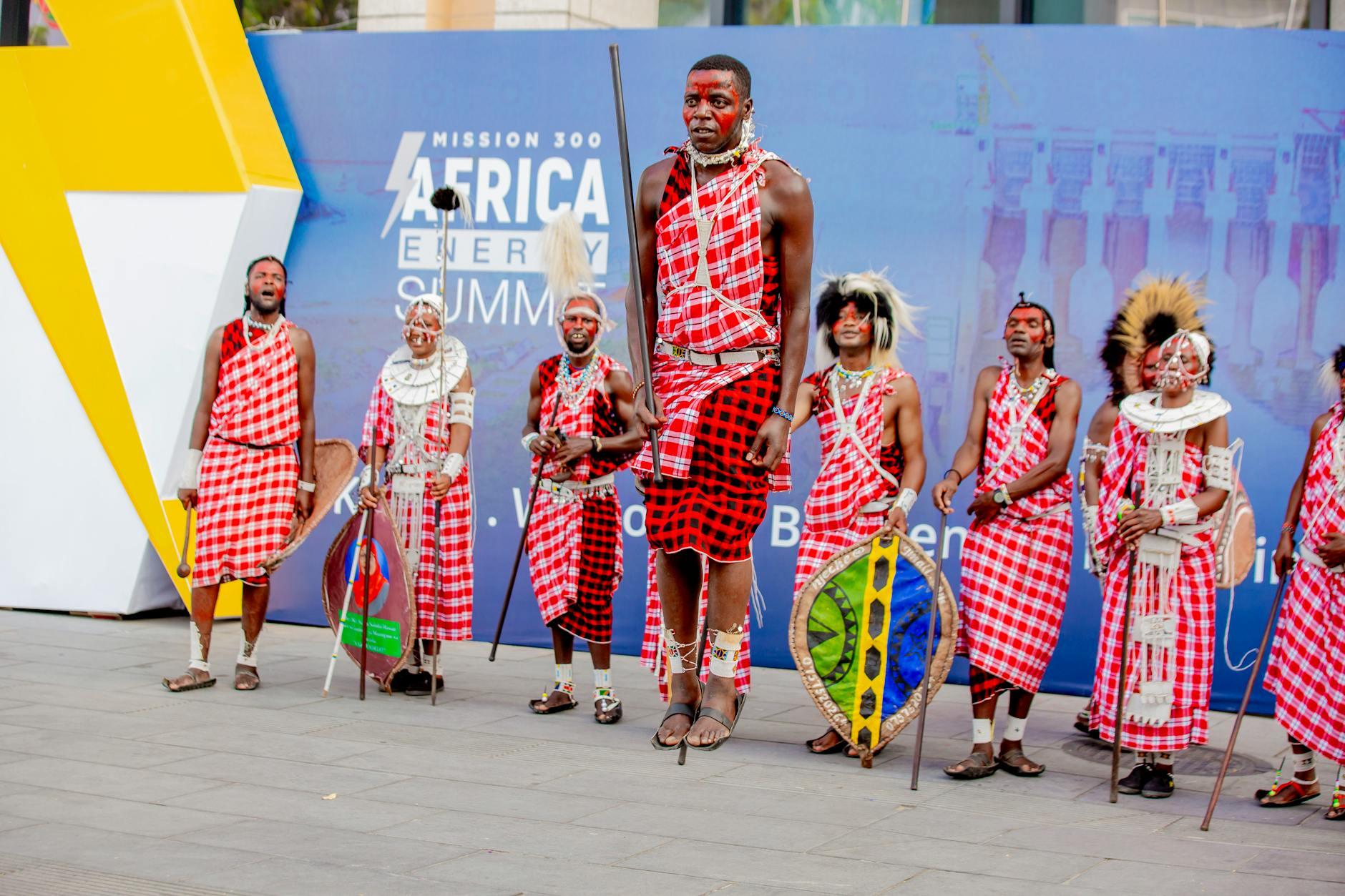
The wildlife conservancies that define Laikipia today sit on land with one of the most contested histories of any African landscape. The Maasai called it home for generations and called themselves the Ilaikipiak — the people of Laikipia. Two colonial-era treaties signed under coercion in 1904 and 1911 expelled them. The land that emerged became a patchwork of colonial cattle ranches, then community group ranches, then — over the last forty years — the world-renowned wildlife conservancies that draw visitors today. Understanding the history of Laikipia Kenya matters because the present-day conservation model is unintelligible without it: the land tenure, the community partnerships, the periodic land-use conflicts, and even the ranch names visitors stay at all trace back to specific moments in the last 120 years.
This guide walks through Laikipia’s history chronologically — from the pre-colonial Maasai, Samburu and Mukogodo presence, through the colonial dispossession and ranching era, into independence, group ranches, the rise of conservancy tourism, and the contemporary tensions that periodically erupt over land. The story is honest, unsanitised, and intended to give visitors a deeper understanding of what their safari fees are actually funding and what the land they’re crossing has been through.
Before the Europeans: The Ilaikipiak Maasai and Their Neighbours
The high plateau north of Mount Kenya was, for centuries, the territory of a Maa-speaking pastoralist confederacy that anthropologists later split into separate categories: Ilaikipiak (or Loikop), Maasai proper, Samburu and Kwavi. The Loikop / Ilaikipiak occupied the plateau itself; the Samburu their northern country toward present-day Samburu County; the Maasai their southern country toward the Mara and Kilimanjaro. All three groups spoke mutually intelligible Maa languages, shared the same cattle-centred culture, intermarried, raided each other for cattle, and shifted territory according to grass and water.
The Ilaikipiak were major players in 19th-century East Africa. Oral histories and the few European accounts from that period describe a militarily powerful, demographically large pastoralist society with substantial cattle holdings on the plateau. Their economy ran on cattle, sheep and goats; their political structure was based on age-set hierarchies; their religion centred on Engai (also spelled Enkai), a sky god associated with cattle.
The plateau was also home to smaller hunter-gatherer communities — most notably the Mukogodo (also called Yaaku or Mukogodo-Maasai), who lived in the Mukogodo forest east of present-day Doldol and traditionally subsisted on bee-keeping, hunting and gathering. The Mukogodo gradually shifted to cattle-keeping under Maasai influence in the 19th and early 20th centuries and today identify primarily as Maasai, though a small revival of the Yaaku language is underway.
By the late 19th century the Ilaikipiak had been weakened by drought, by the Rinderpest cattle plague pandemic of the 1880s and 1890s (which killed an estimated 90% of cattle across East Africa), and by inter-Maasai warfare. When the British arrived in the 1890s, Laikipia’s Maasai population was much smaller than it had been a generation before — a vulnerability that would be decisive.
The Colonial Period: Treaties and Dispossession
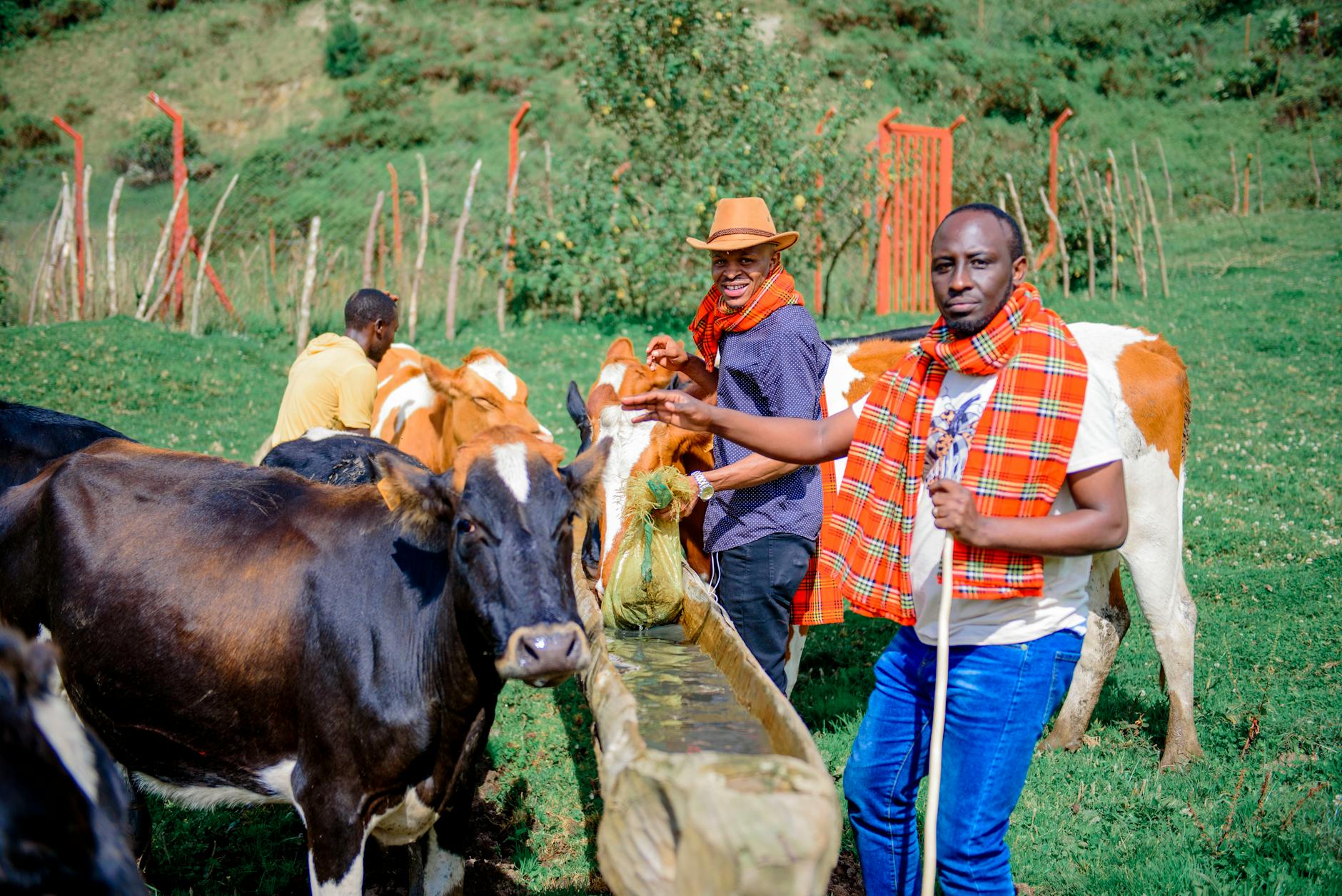
The 1904 Maasai Agreement
British colonial administration of what would become Kenya intensified after 1895 (the establishment of the East Africa Protectorate) and especially after 1901 (the completion of the Uganda Railway from Mombasa to Lake Victoria). The Highlands — fertile, temperate, and viewed as ideal for European settlement — were the priority. The presence of cattle-keeping Maasai on this land was perceived by colonial officials as an obstacle to settlement.
In August 1904, a treaty (the “Maasai Agreement”) was signed between Olonana (Lenana), the recognized senior Maasai oloiboni, and Sir Donald Stewart, the colonial Commissioner. The treaty moved the Maasai out of large parts of the central highlands — including the Rift Valley and parts of present-day Kiambu, Nakuru and Naivasha — into two reserves: a northern reserve in Laikipia, and a southern reserve in present-day Kajiado and Narok. The Laikipia northern reserve was substantial, running across most of the present-day county. Maasai families and their cattle moved north into Laikipia from the Rift.
The 1904 agreement was supposed to be permanent. The treaty document explicitly stated the reserves would be Maasai land “so long as the Maasai as a race shall exist.” European settlers occupied the highlands the Maasai had vacated, and Laikipia was, for seven years, a working Maasai reserve.
The 1911 Maasai Agreement
By 1911, settler pressure for the Laikipia plateau itself had become intense. The plateau’s grass and water were obviously valuable for European livestock; the Maasai herds in the northern reserve were regarded as competing with potential settler ranches. A second “agreement” was negotiated and signed in 1911 — under conditions that historians have since described as coercive — to relocate all Maasai from the northern (Laikipia) reserve to the southern reserve in Kajiado and Narok.
The 1911 move was traumatic. Cattle died in transit; many died on arrival to drier, less productive country. Maasai elders subsequently sued the colonial government in the famous Maasai Case of 1913, arguing that the 1911 agreement violated the 1904 agreement and was concluded without proper consultation. The case was dismissed on a procedural ground (the court ruled that as a “protected people” the Maasai could not sue the protecting power). The judgment was a foundational moment in colonial dispossession and remains, to this day, the basis of recurring Maasai land claims.
By 1913, Laikipia was effectively emptied of Maasai. The land was opened for European settlement under 999-year leases, and the great cattle ranches that defined Laikipia for the next sixty years began to take shape.
The Settler Era and the Cattle Ranches
From around 1915 through the late 1950s, Laikipia became the heart of European cattle ranching in Kenya. Names familiar to today’s safari guests — Solio, Mpala, Borana, Sosian, Loisaba, Lewa, Kifuko, Mukenya — were the names of settler ranches. Most were enormous: tens of thousands of acres each. The model was extensive ranching: herds of British and Boran beef cattle on high-altitude unimproved grassland, supported by a labour force drawn largely from the Kikuyu, Meru and Samburu communities and from a relatively small number of “Loitokitok” (former Maasai who had stayed under various arrangements) who remained in the area.
Wildlife on the ranches in this period was tolerated but not protected. Lions and leopards were shot on sight as livestock predators; rhinos and elephants were trophies; the ranch managers ran enormous wildlife reductions in the 1930s through the 1960s. By the late 1960s, populations of black rhino and elephant on Laikipia ranches were a fraction of what they had been at the start of the century.
Some ranches developed early conservation practices despite the broader pattern. The Craig family of Lewa Downs began protecting wildlife on their property in the 1920s. The Hopcraft family at Solio established what would become one of Africa’s first private rhino sanctuaries in the late 1960s. These were exceptions, however, and the dominant culture on the ranches was livestock-first.
Independence and the Post-Colonial Settlement
Kenyan independence came in 1963. In the rest of the country, the Kenyatta government’s settlement schemes redistributed colonial-era land to landless Kenyans, particularly Kikuyu families. In Laikipia, the response was more complicated. Many settler ranchers fled to South Africa or the UK; others stayed and acquired Kenyan citizenship; the very large ranches were often sold (sometimes to the government, sometimes to wealthy Kenyans, sometimes to other foreign investors); the lease structures established during the colonial period largely persisted.
The Maasai never returned. A small number of Loitokitok and Samburu families remained on the plateau as ranch labour or pastoralists working under tolerance arrangements with ranchers, but the demographic shift after 1911 was not reversed by independence. Today’s Laikipia population is largely Kikuyu (in the southern, more agricultural belt around Nanyuki and Naro Moru), Meru (eastern), Samburu (north), Pokot (north-west), Mukogodo (Doldol area) and a small descendant community of European-Kenyan ranching families.
The Group Ranches
The Kenyan government did create group ranches in Laikipia from the 1960s onward as a mechanism for community land tenure. These were lands held collectively by community members organised into legally recognised group ranch entities, with elected boards and shared grazing rights. Most of the group ranches on the Laikipia plateau were occupied by Mukogodo, Samburu and a small number of Loitokitok Maasai families. Major group ranches included Il Ngwesi, Lekurruki, Naibunga, Mukogodo East, Mukogodo West, Tiamamut, Lokusero, Koija, Kijabe and others.
The group ranches were important because they meant that significant Laikipia land — perhaps 20–30% of the county — was held in community ownership rather than as private settler-descendant property. This was the foundation of the community conservancy movement that emerged in the 1990s and 2000s.
The Conservation Turn: 1980s and 1990s
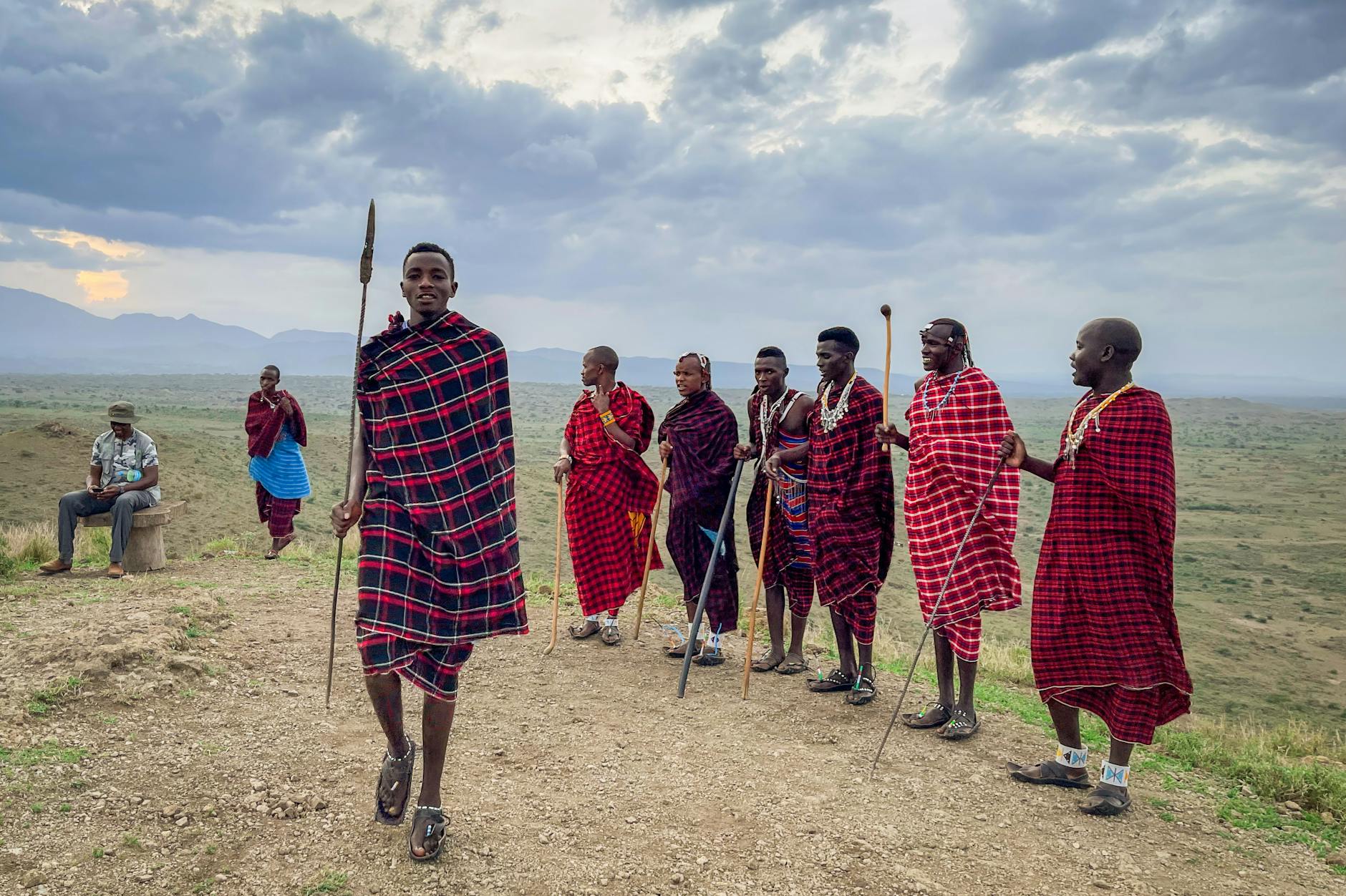
The shift from cattle-first to wildlife-first happened on Laikipia ranches in stages, driven by economics, ideology and the gradual realisation that Kenya’s national parks system was not capable of protecting wildlife by itself.
Solio Ranch (1970s) was the first private rhino sanctuary in East Africa. The Hopcraft family fenced a portion of Solio for black rhino in the early 1970s, established a breeding programme, and within a decade had become the source population for re-introductions to other Kenyan reserves.
Lewa Downs (1980s) followed a similar trajectory. The Craig family converted a portion of their cattle ranch into the Ngare Sergoi Rhino Sanctuary in 1983, expanding it through the 1990s into the full Lewa Wildlife Conservancy. Lewa was incorporated as a not-for-profit conservation entity and became the model for community-financed conservation that other conservancies have copied.
Ol Pejeta (1980s–1990s) began as a private cattle ranch (originally the Marler family’s holding), passed through several owners, and was acquired in the late 1980s by Lonrho. Lonrho introduced rhino conservation alongside cattle, and the property was eventually acquired by Fauna & Flora International in 2004, becoming the Ol Pejeta Conservancy as a not-for-profit. Today it covers 90,000 acres, holds over 200 black rhinos plus the world’s last two northern white rhinos, and runs a USD 6 million annual operation almost entirely from tourism revenue and sustainable cattle.
Loisaba (1990s–2010s) went through a particularly dramatic transformation. Originally an Italian-owned cattle ranch, Loisaba was acquired in 2014 by The Nature Conservancy in partnership with the Loisaba Conservancy trust, removing the property permanently from private ownership and placing it in conservation trust. It now anchors a 56,000-acre wildlife landscape with major community partnerships across the surrounding group ranches.
The Laikipia Wildlife Forum was founded in 1992 as a coordinating body across the plateau’s conservancies, ranches and community organisations. It manages plateau-wide conservation, anti-poaching coordination, research support and policy advocacy. Its existence is one of the reasons Laikipia functions as a contiguous wildlife landscape rather than a patchwork of disconnected reserves.
The Community Conservancy Movement
The most important Laikipia conservation development of the last 25 years has been the rise of community conservancies — private wildlife conservation units owned and operated by group ranches and community organisations, typically supported (financially and operationally) by the Northern Rangelands Trust (NRT) and other umbrella bodies.
Il Ngwesi was the first community-owned and operated conservancy lodge in Africa, opened in 1996 on the Il Ngwesi Group Ranch east of Loisaba. The community owns the land, owns the lodge, employs the staff, and receives the revenue. The model has been transformative — a working demonstration that Maasai and Mukogodo communities could profitably hold land for wildlife.
Lekurruki Group Ranch / Tassia Lodge followed a similar pattern in 1997. Sera Community Conservancy in 2001 took the model into a more remote setting in north-eastern Laikipia and southern Samburu. Naibunga Community Conservancy (a federation of nine group ranches) was formed in 2007.
The Northern Rangelands Trust, founded in 2004, became the umbrella body for community conservancies across northern Kenya, including most of Laikipia’s community conservancies. NRT provides governance support, anti-poaching coordination, livelihood programmes and grant-funding to its member conservancies. It has been a controversial actor in some respects (criticised by some Maasai land-rights groups as another externally driven land-management structure) but has also been instrumental in channelling tens of millions of dollars of conservation and donor money to community conservancies.
Periodic Crisis: The 2017 Land Invasions
The history of Laikipia is not one of smooth progress. The most serious recent crisis was the 2017 land invasions, when armed pastoralists from Pokot and Samburu communities — partly driven by drought, partly by election-cycle politics, partly by long-standing grievances over land access — moved tens of thousands of cattle onto private and community conservancies across northern Laikipia. Several lodges were burned, several ranchers were killed, and the British rancher Tristan Voorspuy was murdered on Sosian. Kenya Defence Forces were deployed. The crisis lasted several months and made international news.
The 2017 invasions exposed structural tensions that the conservancy model had not solved: land hunger among pastoralist communities; recurring drought that pushed cattle off northern grazing onto Laikipia’s better grass; the legacy of colonial dispossession that meant Maasai and Pokot communities did not see Laikipia conservancies as legitimate owners of land that their ancestors had used; and political opportunism by local politicians who whipped up land grievances during election cycles. Conservancies have responded with expanded community-grazing programmes, more aggressive engagement with surrounding pastoralist communities, and — in some cases — the controversial step of partnering with the Kenyan military for security.
The Mongabay documentary “The Battle for Laikipia” (2024) is the most accessible recent treatment of these tensions for an international audience.
Land Tenure Today
The land in Laikipia today is held in three categories:
Private freehold or leasehold: roughly 40–50% of the county, including most of the major safari conservancies (Lewa, Ol Pejeta, Borana, Loisaba, Mpala, Solio, Sosian, Mugie, Ol Malo, Suyian and others). Many of these are held as not-for-profit conservation trusts; others remain as family or company freehold property. Freehold and leasehold dates back to the colonial era; in many cases the original 999-year leases have been converted to freehold or are still operative.
Community land: roughly 20–30% of the county, owned collectively by group ranches and (since the 2016 Community Land Act) increasingly registered as community land. Includes Il Ngwesi, Lekurruki, Naibunga, Mukogodo, Lokusero, Koija and other group ranches, mostly in the north and east of the county.
Government land: smaller proportion, including KWS-managed reserves, county council land, the Mukogodo Forest Reserve (a Kenya Forest Service holding), and military land (the BATUK training area east of Nanyuki).
The 2016 Community Land Act was a milestone. It formalised community land tenure, gave group ranches a legal mechanism to register as Community Land Management Committees, and provided stronger legal protection for communal land holdings. Several Laikipia group ranches have since formally transitioned to community land, with Il Ngwesi a leading example.
The Conservation Outcome
Despite the recurring tensions, the long-term trajectory of Laikipia is unusual. Forty years of community-supported and tourism-funded conservation has produced one of the rare African landscapes where wildlife populations have grown rather than declined.
Black rhino numbers have recovered from a 1980s low of perhaps 50 individuals to over 400 today. Lewa, Borana, Ol Pejeta, Solio, Sera and several other conservancies hold over half of Kenya’s national black rhino population. Elephant populations on the plateau have grown to over 7,000 — one of the largest concentrations outside the Tsavo ecosystem. African wild dog packs have re-established and grown to sustainable populations. Grevy’s zebra populations are stable to slightly increasing on Laikipia, holding the majority of the species’ world population. The endangered reticulated giraffe is more abundant in the Laikipia–Samburu landscape than anywhere else.
None of these outcomes were inevitable, and they remain fragile. The conservation success rests on three precarious pillars: continued tourism revenue, continued community partnership, and continued political support from the Kenyan national and county governments. All three have been tested in the past and will be tested again.
What the History Means for Visitors
Knowing the history changes the safari experience. The land you’re crossing was Maasai cattle country a century ago; it was emptied by treaty under coercion; it became colonial ranching land; it has, slowly and through deliberate effort, been re-built as a community-financed wildlife conservation landscape. Many of the lodges you stay at sit on land their owners’ families acquired during the colonial period, and many of those families have spent decades trying to undo at least some of the damage of that acquisition. The community conservancies you visit are a 21st-century effort by Maasai and Mukogodo communities to assert their stake in the land their ancestors were forced off.
This isn’t a clean story. There are still land grievances, still periodic conflicts, still hard questions about whether the conservation model channels enough revenue to communities. The honest answer is that Laikipia is an experiment in process. Visitors who understand this can make better choices — about which lodges they support, about which conservancies their money goes to, about which community projects they donate to.
Frequently Asked Questions
Were the Maasai willing parties to the 1911 agreement?
Most modern historians describe the 1911 agreement as concluded under coercion. The Maasai elders who signed had little realistic alternative; the courts subsequently ruled (in the 1913 Maasai Case) that they could not sue. The agreement is widely viewed today as colonial dispossession.
Why didn’t the Maasai return to Laikipia after independence?
Kenyatta-era settlement programmes prioritised the redistribution of European farmland in the central highlands to landless Kenyans. The large Laikipia ranches were not redistributed in the same way; many were sold to wealthy Kenyans or remained with their colonial-descendant owners. Maasai land claims to Laikipia have never been formally settled.
What community conservancies should I visit if I want to support communities directly?
Il Ngwesi Lodge (on the Il Ngwesi Group Ranch), Tassia Lodge (on Lekurruki), and Sarara Camp (on Namunyak just over the Samburu border) are the longest-established community-owned conservancy lodges. Revenue flows directly to community funds.
Are the colonial-descendant ranching families still involved in Laikipia?
Yes — the Craig family of Lewa, the Voorspuy family of Sosian, and several others remain influential in Laikipia conservation. Several have been instrumental in building the conservancy model and have spent decades investing in community partnerships. Their continued role is complicated and contested, but they are among the most knowledgeable conservationists working in the landscape.
Is the Laikipia conservation model exportable?
Partly. The Laikipia model — private land, conservancy structures, tourism financing, community partnership — has been studied and copied elsewhere in Kenya (Tsavo, Maasai Mara conservancies) and across Africa (parts of Botswana, Tanzania, Mozambique). Whether it scales depends on having a tourism market, on governments willing to recognise community land tenure, and on the patience to build trust over decades.
Where can I learn more about Laikipia’s history?
The Laikipia Wildlife Forum publishes accessible historical material on its website. The Mongabay documentary “The Battle for Laikipia” (2024) covers contemporary tensions. The book “I Married Adventure” by Osa Johnson and the autobiographical work of Karen Blixen and Beryl Markham give settler-era perspectives. For a Maasai-centred view, the work of John Galaty and Parselelo Kantai is essential.
The Bottom Line
Laikipia’s history is the history of how a Maasai homeland became a colonial ranching frontier and then, against considerable odds, became one of Africa’s most successful wildlife conservation landscapes — without ever fully resolving the land claims that began with two coerced treaties more than a century ago. The conservancies you’ll visit, the lodges you’ll stay at, and the wildlife you’ll see all sit on top of this history. Knowing it makes the experience richer, more honest, and — for travellers who want to spend their money well — more useful.