Last updated: May 2026

Most safari trips are about wildlife. The trips travellers remember decades later are usually the ones where wildlife was layered with substantive cultural encounter — meeting the people whose ancestors have lived alongside the wildlife for centuries, learning their language and traditions, and watching ceremonies that have continued unchanged for generations. Laikipia and the broader northern Kenya landscape host some of the strongest Laikipia cultural experiences in Africa: Maasai village visits, Samburu warrior training demonstrations, traditional dancing, beadwork workshops, the famous Singing Wells, conservation-community partnerships, and authentic conversations with elders about land tenure, conservation, and contemporary pastoralist life.
This guide covers the meaningful cultural experiences available in Laikipia, the lodges that organise them well, the etiquette that makes the difference between authentic exchange and uncomfortable performance, and how to weave cultural depth into a wildlife-focused safari.
The Cultural Landscape of Laikipia
Laikipia is home to multiple distinct communities (covered in detail in our People & Cultures of Laikipia guide):
- Maasai (particularly Mukogodo Maasai) in the eastern and northern conservancies
- Samburu on the northern boundary and into Samburu County
- Mukogodo (Yaaku) in the Mukogodo Forest area
- Pokot on the western boundary
- Kikuyu and Meru in the southern agricultural belt around Nanyuki and Naro Moru
Cultural experiences for visitors span these communities, with the Maasai and Samburu programmes being the most developed for tourism.
Authentic Cultural Experiences
Visits to Maasai and Samburu Manyattas
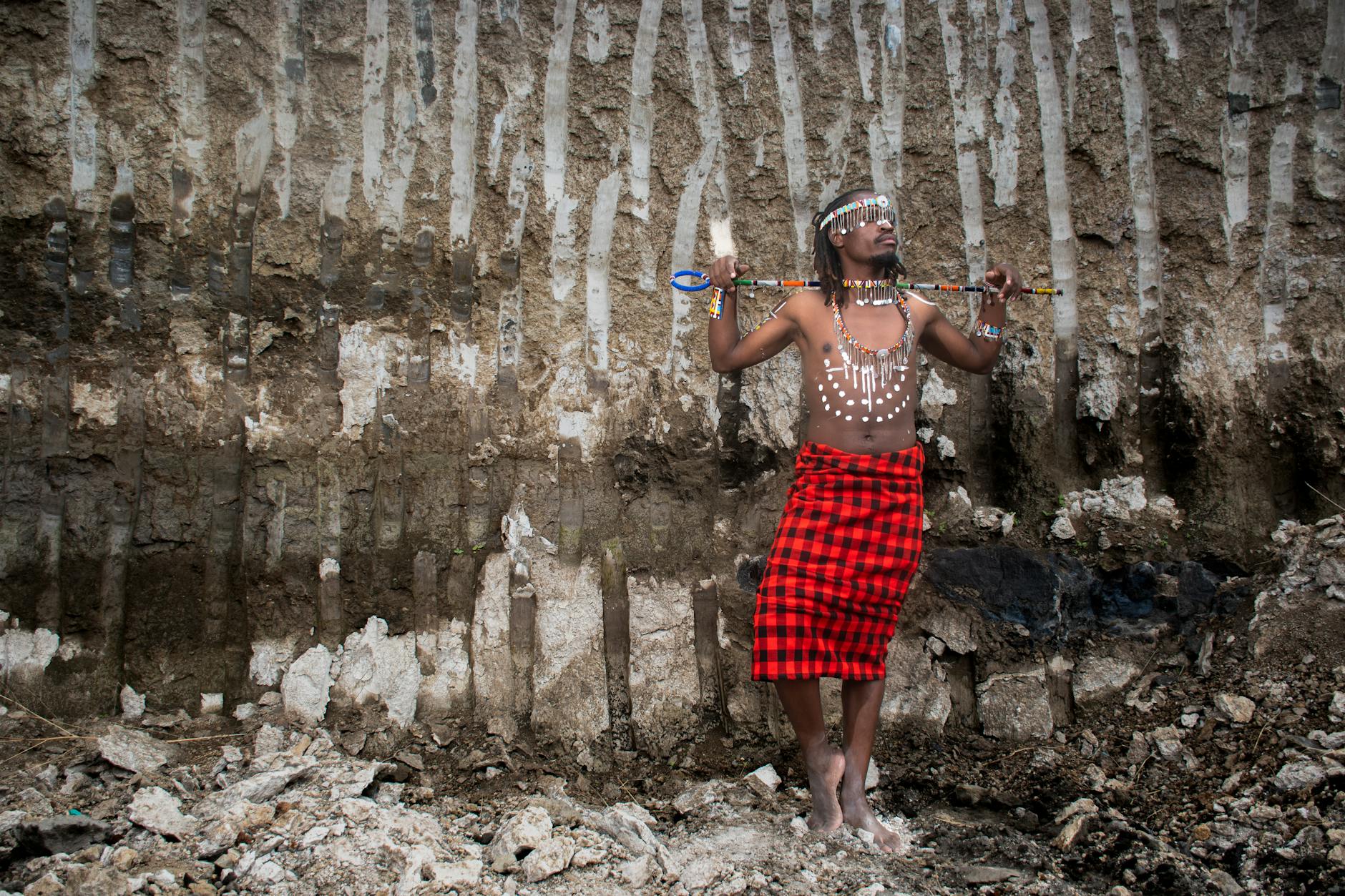
The most common cultural visit format. A guided visit to a manyatta (homestead) — a circular fenced compound housing one or more extended family groups, with traditional houses (manyattas) made of branches, mud and dung. The visit typically includes:
- Walking tour of the manyatta and explanation of household structure
- Visits to specific family huts
- Discussion of cattle ownership, marriage customs, and family life
- Beadwork demonstrations
- Sometimes traditional dancing or singing
The best manyatta visits are those organised through community-owned lodges (Il Ngwesi, Tassia, Sarara) or formal community-partnership programmes (Loisaba, Lewa, Borana). Avoid roadside village-visit operations that aren’t tied to community organisations.
Traditional Dancing
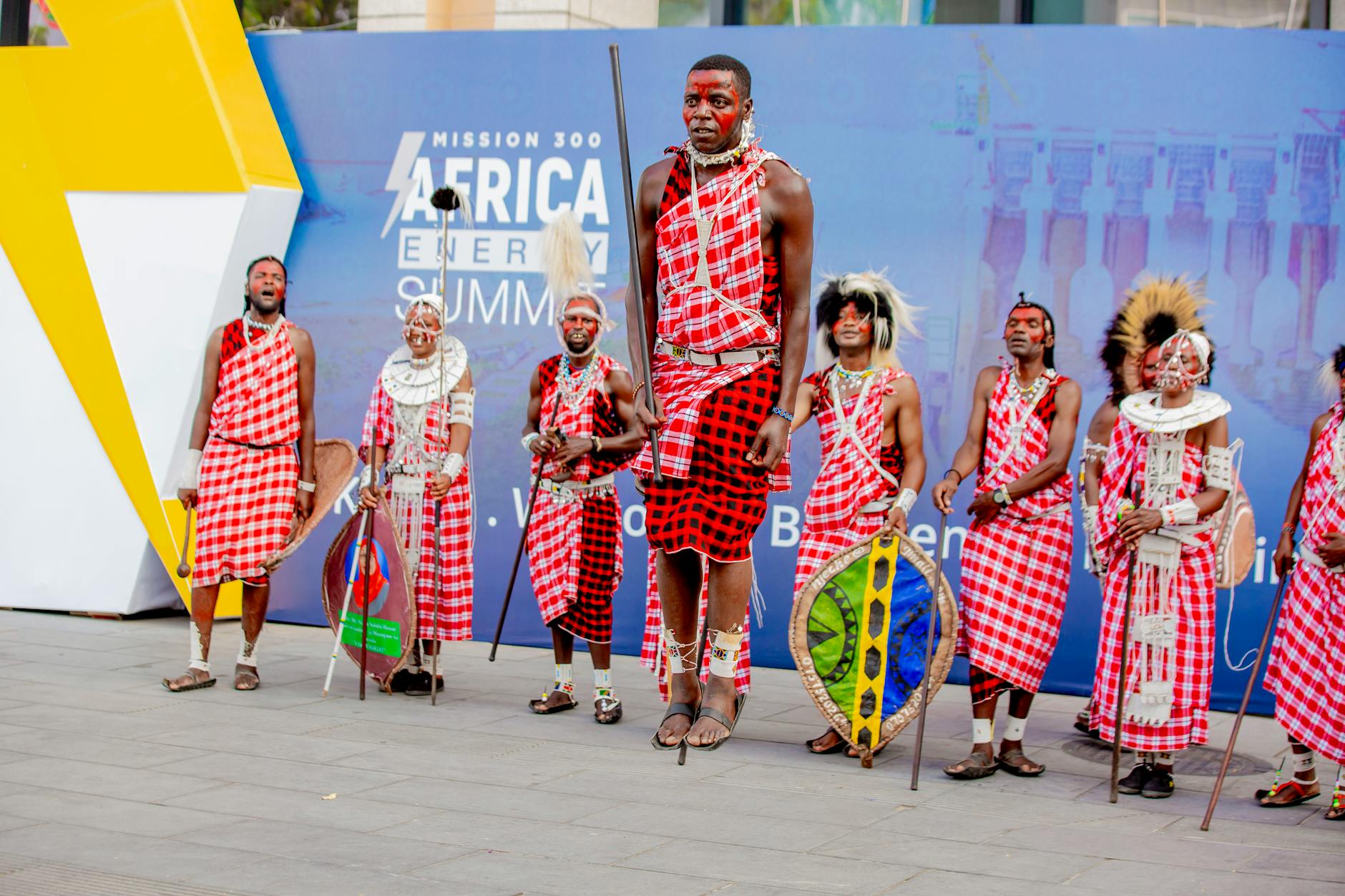
Maasai and Samburu dancing is a major cultural feature. The Adumu (jumping dance) of the Maasai morans is famous worldwide; the Samburu equivalents include similar high-jump dances and chant-based group movements.
The most authentic dancing experiences happen at community-owned lodges where dancing is part of the cultural exchange rather than staged performance. Village ceremonies (initiations, weddings) are not appropriate for outsiders, but evening dancing programmes at community lodges are.
The Singing Wells
The most distinctive Samburu cultural experience available to visitors. In the dry months, dusty riverbeds become hubs of activity as morans dig wells up to ten metres into the earth in search of underground water. With remarkable skill and coordination, two to as many as eight morans form human chains, passing buckets of water hand-to-hand until it reaches the surface. Each family owns one well, and they sing to their livestock as they bring water up — the cows recognize their family song and come down to their well to be watered.
The haunting melodies that rise from the earth seem almost unworldly. As a song rises up, the cattle respond by coming to drink when it is “their” song. When the warriors think those cattle have drunk their fill, the song changes and another group of cattle come to quench their thirst.
The Singing Wells experience is most accessible at Sarara Camp (Namunyak Wildlife Conservation Trust, just over the Samburu border). The wells are not a tourist display — they are a living tradition that has remained unchanged for generations. (See our separate Singing Wells guide.)
Beadwork and Craft Workshops
Maasai and Samburu women’s beadwork is among the most distinctive in Africa. Specific bead colours, patterns and combinations indicate age, marital status, clan affiliation, and life events.
Craft workshops at community-owned lodges allow visitors to:
- Learn the meaning of specific bead patterns
- Watch beadwork being made
- Try their hand at simple beadwork projects
- Buy directly from women’s cooperatives — revenue goes directly to makers
Warrior Training Demonstrations
Some properties (El Karama’s “Warriors Academy” being the most developed) offer demonstrations of traditional warrior skills — spear throwing, fire making, tracking, plant identification, traditional weapons. The Warriors Academy is structured as an interactive programme particularly suitable for older children and family groups.
Conversations with Elders
Some community-owned lodges arrange conversations with community elders about land tenure history, the conservancy partnership model, traditional knowledge, and contemporary pastoralist life. These are typically the most substantive cultural exchanges — multi-hour conversations rather than brief performances.
Cultural Ceremonies (When Appropriate)
Some community ceremonies are open to respectful visitors with prior arrangement — traditional weddings, age-grade transitions, certain ritual events. These are not standard tourist offerings; they are arranged through long-standing relationships with specific communities and require respectful conduct.
Visits to Schools and Community Projects
Many conservancies fund schools, healthcare clinics, and community projects in surrounding communities. Visits to these projects (Lewa Education Programme, Ol Pejeta community schools, Borana community partnership programmes) provide context for understanding how conservation funding flows to community development.
The Best Lodges for Cultural Experiences
Il Ngwesi Lodge
The benchmark — wholly community-owned with all aspects of the visit organised by the Mukogodo Maasai community. Cultural visits feel substantive rather than performed.
Tassia Lodge (Lekurruki)
Similar community-owned model. Strong cultural programme.
Sarara Camp (Namunyak)
The Singing Wells experience plus broader Samburu cultural engagement.
Sabuk Lodge (Naibunga)
Community-engaged with strong walking and cultural programmes.
Loisaba Conservancy Lodges
Substantial community partnership programmes with surrounding Maasai and Samburu communities.
Lewa Wildlife Conservancy Lodges
The Lewa Education Programme provides substantive school-visit and community-engagement opportunities.
El Karama Lodge
The Warriors Academy is one of the most developed cultural-immersion programmes in Laikipia, particularly for families.
Borana Lodge
Family-run conservancy with substantive community partnerships.
Etiquette for Cultural Visits
Photography
Always ask before photographing people. Many communities expect a small payment for portrait photography; some prefer not to be photographed at all. Always ask through your guide.
Dress
Modest dress (long trousers/skirts, shoulders covered) is appreciated, particularly when entering a manyatta or attending a ceremony.
Buying from Cooperatives
Buy from community shops and cooperatives where revenue goes to makers directly. Avoid roadside hawkers who buy from cooperatives at lower prices and resell.
Bargaining
Bargaining is normal but should be polite and proportionate. Aggressive haggling at a community shop is bad form. Start at 50–60% of the asking price and meet in the middle.
Ceremonial Restrictions
Some ceremonies (initiations, age-grade transitions, certain weddings) are not appropriate for outsiders. Your guide will know what’s available and what isn’t.
Tipping
Lodges have established systems for tipping staff and guides. Community visits should pay through the community’s own structure (which the lodge can arrange) rather than direct cash to individuals.
Respect for Elder Communication
When elders speak, listen. Don’t interrupt with questions until they finish. Translation is part of the experience; let it happen at its own pace.
Cultural Vocabulary
Learning a few words in Maa (Maasai/Samburu language) goes far:
- Sopa: Hello (Maasai)
- Iko: Hello / how are you (Samburu)
- Ashe: Thank you (Maasai/Samburu)
- Karibu: Welcome (Swahili)
- Asante: Thank you (Swahili)
- Jambo: Hello (Swahili)
Conservation guides typically speak Maa or Kikuyu plus Swahili and English. Asking about your guide’s language background is one of the easiest ways to start a substantive cultural conversation.
How Cultural Experiences Fit Into Safari Itineraries
Built into Lodge Programmes
Most community-owned and community-engaged lodges build cultural visits into the standard programme — typically a half-day cultural visit during a 3–4 night stay. Some properties (Il Ngwesi, Tassia, Sarara) treat cultural engagement as central rather than optional.
Multi-Day Cultural Focus
Travellers wanting deeper cultural immersion can:
- Stay 4–5 nights at Il Ngwesi or Tassia for sustained Maasai community engagement
- Combine Sarara (Singing Wells) with Il Ngwesi or Tassia for Samburu plus Maasai exposure
- Add Karisia walking safaris (multi-day camel-supported walking with Maasai and Samburu guides) for cultural immersion through bush travel
Cultural Plus Wildlife Combination
The strongest itinerary combines wildlife-focused conservancy stays (Lewa, Borana, Loisaba, Ol Pejeta) with at least one community-owned lodge night (Il Ngwesi, Tassia, Sarara). The contrast between commercial conservancy operations and community-owned alternatives is itself an important part of the cultural understanding.
Common Mistakes to Avoid
Treating cultural visits as photo opportunities. The visits work best when treated as conversations — listen, learn, ask questions, share your own experiences. Photography is welcome but should not be the focus.
Booking only the “easy” cultural visits. The 30-minute roadside village visits arranged through commercial luxury lodges are typically less substantive than the longer community-owned lodge experiences. Build in proper time.
Failing to buy from community cooperatives. The economic component of cultural exchange matters. Buying beadwork, textiles or other crafts directly from community cooperatives provides substantial direct income to makers.
Bringing inappropriate gifts. Sweets for children create dental problems and dependency dynamics. Don’t bring random gifts; the lodge can advise on appropriate community-priority items if you want to contribute (school supplies, useful tools, etc.).
Confusing performances with traditions. Some “cultural” experiences at commercial luxury lodges are performances staged for guests rather than living traditions. Community-owned lodges provide more authentic engagement.
Frequently Asked Questions
Are cultural visits authentic or staged?
At community-owned and community-engaged lodges, the visits are organised by the communities themselves and feel authentic. At commercial lodges with brief tacked-on cultural elements, the experience is sometimes more performance than exchange.
What’s the most distinctive Laikipia cultural experience?
The Singing Wells at Sarara — a centuries-old Samburu water ceremony unique to this landscape.
Can I attend a Maasai ceremony?
Some ceremonies are open to respectful visitors with prior arrangement; others (initiations, age-grade transitions) are not appropriate for outsiders. Your guide or lodge will know what’s available.
How long should a cultural visit last?
Short manyatta visits run 1–2 hours. Substantial cultural engagement (conversations with elders, multi-stop village walks, beadwork workshops) runs 3–4 hours. Multi-day cultural-focused stays at community-owned lodges (Il Ngwesi, Tassia) involve continuous cultural exchange throughout.
Should I bring gifts for children?
Generally no — the dependency dynamics and dental issues from sweets are problematic. Better to channel any contribution through the lodge’s community-priority programmes (school supplies, water infrastructure, etc.).
Is photography allowed?
With permission. Always ask through your guide before photographing community members. Some communities prefer not to be photographed; respect this.
How much should I budget for cultural visits?
Community visit fees at community-owned lodges are typically built into the lodge rate. Cooperative purchases (beadwork, textiles) range from USD 20–200+ depending on items. Tips for cultural guides USD 10–30 per group per visit.
What’s the difference between Maasai and Samburu cultural experiences?
Both are Maa-speaking pastoralist cultures with shared ancestry but distinct traditions. Maasai cultural visits are concentrated in southern and central Laikipia; Samburu cultural experiences are concentrated in the north and across into Samburu County. The Singing Wells is uniquely Samburu.
The Bottom Line
Laikipia’s cultural experiences add a dimension to safari that wildlife alone cannot. Community-owned lodges (Il Ngwesi, Tassia, Sarara) offer the most authentic engagement; community-engaged commercial properties (Loisaba, Lewa, Borana, El Karama) offer substantial cultural programmes alongside the standard safari. The Singing Wells is the most distinctive single cultural experience. Build at least one substantial cultural visit into any Laikipia trip; the conversations and ceremonies you’ll witness add to the trip in ways the wildlife alone cannot — and they fund the community development that keeps Laikipia’s conservation model viable.