Last updated: May 2026
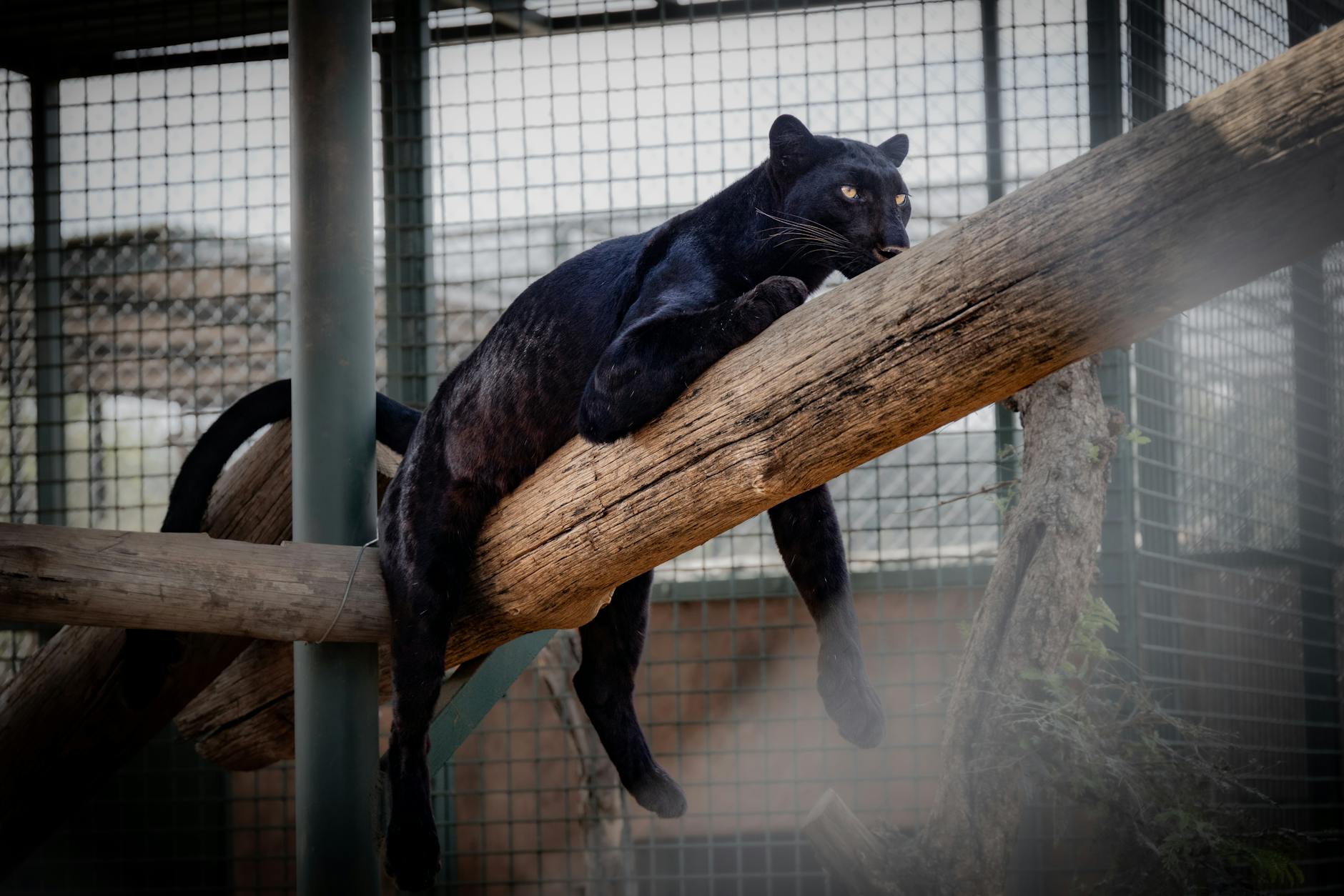
For roughly a hundred years between 1909 and 2018, no scientifically documented photograph existed of a wild African black leopard. Then in 2018, British wildlife photographer Will Burrard-Lucas — using camera traps over months of patient work in southern Laikipia — produced a series of images of a melanistic young male leopard near Laikipia Wilderness Camp. The pictures went viral, the location became famous, and the black leopard Laikipia Kenya became one of the most-searched wildlife terms about the country. Today at least three melanistic leopards are documented in the southern Laikipia landscape. Sightings remain extraordinarily rare. The story behind them is one of the more interesting wildlife and conservation tales of the last decade.
This guide covers what the black leopard of Laikipia actually is, the science behind melanism, the documented individuals (Giza Mrembo and the others), realistic chances of seeing one yourself, and how to plan a trip that maximises your odds without setting unrealistic expectations.
What “Black Leopard” Actually Means
A black leopard is not a separate species. It’s a regular leopard (Panthera pardus) with a genetic condition called melanism — an over-production of dark pigment (eumelanin) in the fur, resulting in a coat that appears solid black instead of the standard yellow-buff with rosettes. In strong direct light or at certain angles, the underlying rosette pattern is still visible — a kind of “ghost rosette” effect over the dark base coat.
The melanistic trait in leopards is recessive, controlled by a mutation in the ASIP gene (similar but not identical to the gene controlling melanism in jaguars). Both parents must carry at least one copy of the recessive allele for a melanistic cub to be born. Estimated frequency of the trait in wild leopard populations is roughly 11% globally — but the geographic distribution is uneven. Melanism is much more common in dense forest leopards (Southeast Asia, the Western Ghats of India, the dense forests of Indonesia) than in open-savanna leopards. In Africa, melanism in wild leopards is genuinely rare and has been documented in only a handful of populations.
The Laikipia melanistic leopards are the most famous African examples in the contemporary record because of the photographic evidence Burrard-Lucas produced. Other reports exist (occasional sightings in the Aberdares, Mount Kenya forest, and parts of West Africa) but most lack high-quality documentation.
The Famous Photographs
Will Burrard-Lucas, a British wildlife photographer specializing in camera-trap photography, became aware of black-leopard sightings around Laikipia Wilderness Camp through conversations with the camp’s owners (the Heath family) and local guides. After months of preparation and equipment design, Burrard-Lucas deployed multiple Camtraptions camera traps in the area, focused on game trails and waterholes used by leopards.
In early 2018 he captured the first scientifically documented high-quality photographs of a wild black leopard in Africa in over a century. The young male leopard — estimated at around 2 years old at the time — became known locally as “Blackie” and later as Giza Mrembo (Swahili for “beautiful one in the dark”). The images were published widely in 2019 and the story went global, with coverage from National Geographic, NPR, the BBC and dozens of others.
Burrard-Lucas returned multiple times over the following years and produced additional images, including a celebrated 2021 series called “Starlit Black Leopard” capturing Giza under the Milky Way using long-exposure techniques. The body of work is some of the most striking wildlife photography of the last decade and remains the definitive visual record of an African black leopard.
The Scientific Significance
The Laikipia photographs ended a near-century of speculation about the existence of African melanistic leopards. Scattered reports had appeared throughout the 20th century — particularly from the central African forests and from the Aberdares–Mount Kenya highland forest belt in Kenya — but credible photographic documentation had been almost non-existent since a 1909 image from Ethiopia held by the Smithsonian.
The Laikipia images confirmed that melanism in African leopards is not a myth or a mis-identification, that the trait persists in at least one well-documented African population, and that the condition occurs in semi-arid habitat (where it offers no obvious selective advantage) as well as in dense forest (where dark colouration may be more cryptic). The photographs also raised broader questions about leopard genetic diversity, the potential frequency of melanism in other African leopard populations, and the role of camera-trap technology in documenting elusive wildlife traits.
The Documented Individuals
At least three melanistic leopards have been documented in the southern Laikipia landscape since the 2018 photographs:
Giza Mrembo (the “famous” male). The young male first photographed in 2018, born and raised within a few kilometres of Laikipia Wilderness Camp. By the early 2020s he had matured into a fully grown territorial male and was occasionally photographed by camera traps and (very rarely) seen in person by guests at Laikipia Wilderness and neighbouring lodges.
Giza’s mother (a normal-coloured female who carries the melanistic gene). The mother is a regular spotted leopard who must carry at least one copy of the recessive melanistic allele — the only way a melanistic cub could have been produced. She has been photographed at the same waterholes used by Giza.
Additional melanistic individuals. At least one additional melanistic leopard — a different individual — has been photographed in subsequent years, suggesting that the recessive gene exists in the broader local leopard population and that other carriers continue to produce occasional melanistic offspring. The Borana, Lewa and Loldaiga conservancy areas have all reported melanistic leopard sightings, though most lack the photographic documentation of the original Burrard-Lucas series.
Camera-trap projects on multiple Laikipia conservancies are actively monitoring for additional melanistic individuals; data is closely held by the conservancies for the protection of the animals themselves.
Where the Black Leopards Are

The documented melanistic leopards have been observed primarily in the southern Laikipia conservancy belt — particularly the area encompassing Laikipia Wilderness Camp (in the Ol Donyo Lemboro hills, on the southern fringe of the plateau), the neighbouring Loldaiga, parts of Lewa and Borana conservancies, and the broader Mount Kenya foothill forest fringe. This is the slightly wetter, more wooded southern belt of Laikipia rather than the open central plains or the drier northern country.
The habitat fits with what we know about leopard ecology in this area: dense bushland, riverine forest, broken country with rocky outcrops and koppjes, and a high prey base of medium-sized antelope. Leopard density across southern Laikipia is high, which statistically increases the chance of any individual leopard being a melanistic carrier or melanistic itself.
Realistic Chances of Seeing One

The honest answer: very low for a casual traveller, even one specifically targeting the black leopard.
Probability per game drive. Effectively zero on most properties; perhaps one in several hundred drives even in the best-known area. Burrard-Lucas’s images came from camera traps that ran 24/7 for months — not from chance encounters during 3-hour game drives.
Probability over a 3-night stay. Negligible (perhaps under 1%) at most lodges. Slightly higher (1–3%) at properties closest to the documented territories — Laikipia Wilderness Camp itself, and a few neighbouring properties on Suyian and Loldaiga.
Probability over a 7+ night stay specifically dedicated to black-leopard tracking. Higher but still uncertain — perhaps 10–25% with a dedicated guide, knowledge of recent sightings, and willingness to do early-morning, late-evening and night drives in the right country. Some serious wildlife photographers have spent multiple weeks at the right lodges and not had a sighting; others have had brief encounters within days. The variance is enormous.
Camera-trap “sighting”. Several conservancies that work with Camtraptions or similar systems can sometimes share recent camera-trap images with visiting guests. This isn’t an in-person sighting but is the closest most visitors will come to “seeing” the black leopard.
How to Plan a Trip Aimed at the Black Leopard
Choose the Right Lodges
Three lodges are particularly associated with black leopard sightings:
Laikipia Wilderness Camp. The Heath family’s camp is closest to the documented territories of Giza and the other known melanistic individuals. The guides know the leopards intimately and can run the right drives at the right times.
Loisaba Conservancy lodges. While not the original Giza territory, Loisaba’s broader landscape has reported melanistic sightings and the conservancy has the camera-trap infrastructure to monitor.
Lewa and Borana lodges. The Lewa-Borana fence-removed landscape has produced occasional melanistic sightings; the high density of regular spotted leopards plus the established camera-trap monitoring mean any new individual will be detected.
Stay Long Enough
5+ nights is the minimum for a black-leopard-focused trip; 7–10 nights is more realistic if you want to give yourself a real chance. Plan for night drives, dawn drives, and active leopard tracking with a specialist guide.
Hire a Specialist Guide
Not all conservancy guides know the leopards equally well. The most experienced tracker-guides on the relevant properties know individual leopards by spot pattern, voice, recent sightings, and territorial behaviour. Ask specifically for a guide with leopard expertise and a track record of photographing the area’s leopards.
Manage Expectations
The most important advice: come for the broader Laikipia experience (Big Five, walking safaris, conservation engagement, photography, the Mount Kenya backdrop) and treat any black-leopard sighting as a once-in-a-lifetime bonus. Travellers who go to Laikipia expecting to see Giza and nothing else will mostly leave disappointed; travellers who go for the full experience and hope for a black-leopard glimpse will leave deeply satisfied either way.
The Best Time of Year
Leopard activity in Laikipia peaks in the dry season (June–October) when wildlife concentrates around water and predator–prey encounters are predictable. Night drives are particularly productive in this window. The wet seasons (April–May, November) make tracking more difficult because leopards are more dispersed and the country is harder to read.
Note: Black leopards (like all leopards) are largely nocturnal. Successful sightings are weighted heavily toward dawn, dusk and after-dark drives rather than middle-of-day.
Photography of the Black Leopard
If by extraordinary luck you do see a black leopard in person, photographic conditions are challenging:
Low light. Most sightings occur in dim conditions (dawn, dusk, full dark with spotlight). Fast lenses (f/2.8 or wider), high-ISO-capable cameras, and good low-light technique are essential.
Distance. Leopards rarely allow close approach even from a vehicle. Long focal lengths (300mm+) are usually necessary.
Composition. The challenge with photographing a black animal in low light is exposure. Most in-the-moment sightings produce images of a barely-visible silhouette. Burrard-Lucas’s iconic images came from camera traps with multiple synchronised studio strobes — equipment well beyond what any guest could deploy on a game drive.
Etiquette. If you encounter a black leopard, your guide will manage the situation. Do not use camera flashes (potentially disorienting); do not raise voices; do not get out of the vehicle; respect the guide’s instructions about distance and movement.
The Conservation Story
The black leopard story has been a substantial conservation positive for southern Laikipia. The international media coverage drew tourist interest to lodges that previously had lower profile (particularly Laikipia Wilderness Camp), generated significant donations to leopard research and to broader Laikipia conservation programmes, and elevated the profile of conservancy-based wildlife protection. Burrard-Lucas himself has been generous in directing donations and royalties from the published images to relevant Laikipia conservation initiatives.
The leopards themselves — Giza in particular — are generally protected by the discretion of the conservancies and lodges that host them. Specific territory information, recent sighting locations and current movement patterns are not publicly shared, to protect the animals from over-tourism pressure and to prevent the small chance of poaching interest.
Frequently Asked Questions
Are black leopards a separate species from regular leopards?
No. They are the same species (Panthera pardus). Melanism is a genetic trait that produces a black coat. The “rosette” leopard pattern is still present in the underlying coat and visible in strong light at the right angle.
What’s the difference between a black leopard and a black panther?
“Black panther” is a popular term for any large black cat — usually applied to either melanistic leopards (in Africa and Asia) or melanistic jaguars (in the Americas). The Laikipia black leopards are melanistic leopards, not jaguars (jaguars don’t occur in Africa).
How rare is melanism in African leopards?
Genuinely rare. The 2018 Laikipia photographs were the first scientifically documented high-quality images of a wild African black leopard in over a century. The trait exists in the broader leopard population at low frequency, and additional photographic records have emerged since 2018, but it remains uncommon.
Can I visit Laikipia Wilderness Camp specifically to try to see Giza?
Yes, the lodge welcomes guests interested in the black leopard and has guides experienced in the local leopard population. Be honest with yourself about the low probability of a sighting and plan a stay that’s worthwhile even without one.
Are there any other African destinations with documented black leopards?
Aberdares National Park (Kenya), Mount Kenya forest, and the broader Central Highlands have produced occasional credible reports. The Aberdares “black leopard” sightings predate the Laikipia photographs but have not been documented to the same standard. Outside Kenya, the Western Ghats of India and parts of Southeast Asia have well-documented melanistic leopard populations.
What gear did Will Burrard-Lucas use?
Camtraptions PIR sensors, full-frame camera bodies in weatherproof housings, and multiple synchronized off-camera flashes positioned to produce dramatic studio-style lighting. The setup ran unattended for months. Guests on game drives cannot replicate this and should set expectations accordingly.
Has the black leopard been seen by tourists?
Yes, very rarely — typically by guests on multi-day stays at the right lodges who happen to be in the right place at the right time. Tourist sightings are usually brief, in poor light, and don’t produce great photographs. Guests describe the experience as the wildlife encounter of a lifetime regardless of photographic quality.
Is the species itself endangered?
Leopards in general are listed as Vulnerable by the IUCN. Black leopards (as a colour variant of the same species) share the same conservation status. Laikipia’s leopard population is healthy and growing under conservancy protection.
The Bottom Line
The black leopard of Laikipia is one of African wildlife’s most evocative subjects — a genuinely rare melanistic version of an already-elusive species, documented in the contemporary scientific record by Will Burrard-Lucas’s groundbreaking 2018 photographs and continuing to be monitored by camera-trap projects across southern Laikipia. Realistic chances of seeing one in person are very low even on a dedicated trip; the appropriate framing is to come for the broader Laikipia experience and treat any black-leopard encounter as a lifetime bonus. The story is what makes the destination richer — knowing that Giza or one of his successors is moving silently through the bush around you, even when you don’t see them, is itself a reason to be there.