Last updated: May 2026
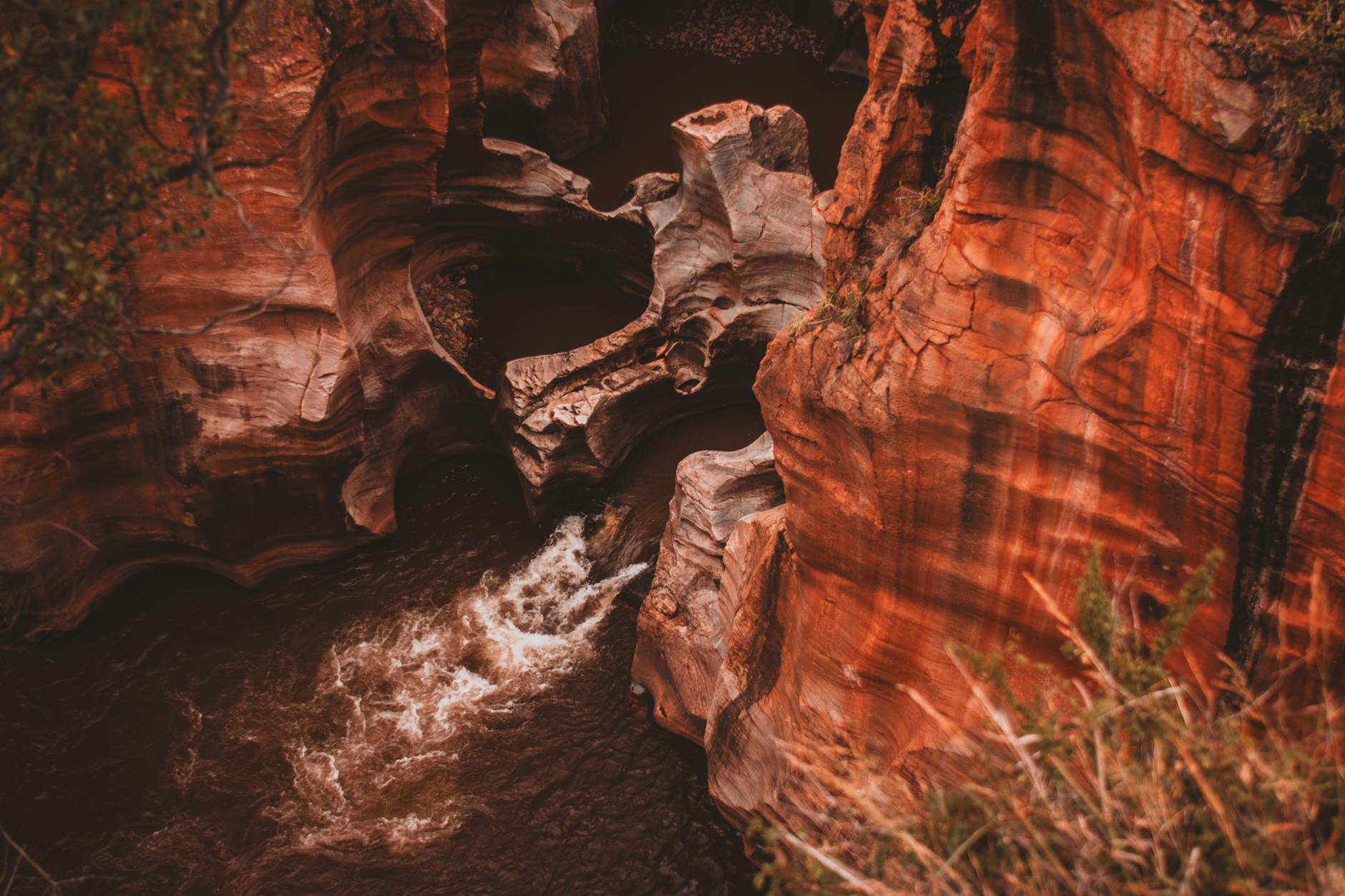
Mukutan Conservancy — together with the adjacent Laikipia Wilderness — is the dramatic-landscape secret of southern Laikipia. The conservancy includes the spectacular Mukutan Gorge, a deep volcanic ravine that drops 800 metres from the plateau into the Rift escarpment, with waterfalls, plunge pools, and walking trails through riverine forest. Mukutan Retreat sits perched on the gorge edge with views down the cleft, while Laikipia Wilderness Camp (run by the Heath family) operates a small camp known for the documented melanistic black leopards in the area. Mukutan Conservancy Laikipia is the destination for travellers wanting the most dramatic landscape in Laikipia, plus a chance — however slim — of glimpsing a black leopard.
Mukutan and Laikipia Wilderness in Brief
Location: Southwestern Laikipia, on the edge of the Mukogodo escarpment. Closest town: Rumuruti or Doldol; nearest major town: Nanyuki, 2.5 hours.
Size: Mukutan Conservancy approximately 4,000 acres; Laikipia Wilderness operates across the broader 12,000-acre Ol Donyo Lemboro hills.
Distinctive features: Mukutan Gorge — 800-metre-deep volcanic ravine with waterfalls and plunge pools. Documented melanistic (“black”) leopards in the area. Two distinctive small lodges in dramatic settings.
Wildlife: Big Five (with leopards a particular speciality); reticulated giraffe; Grevy’s zebra; wild dog (occasionally); strong birding around the gorge.
The Mukutan Gorge
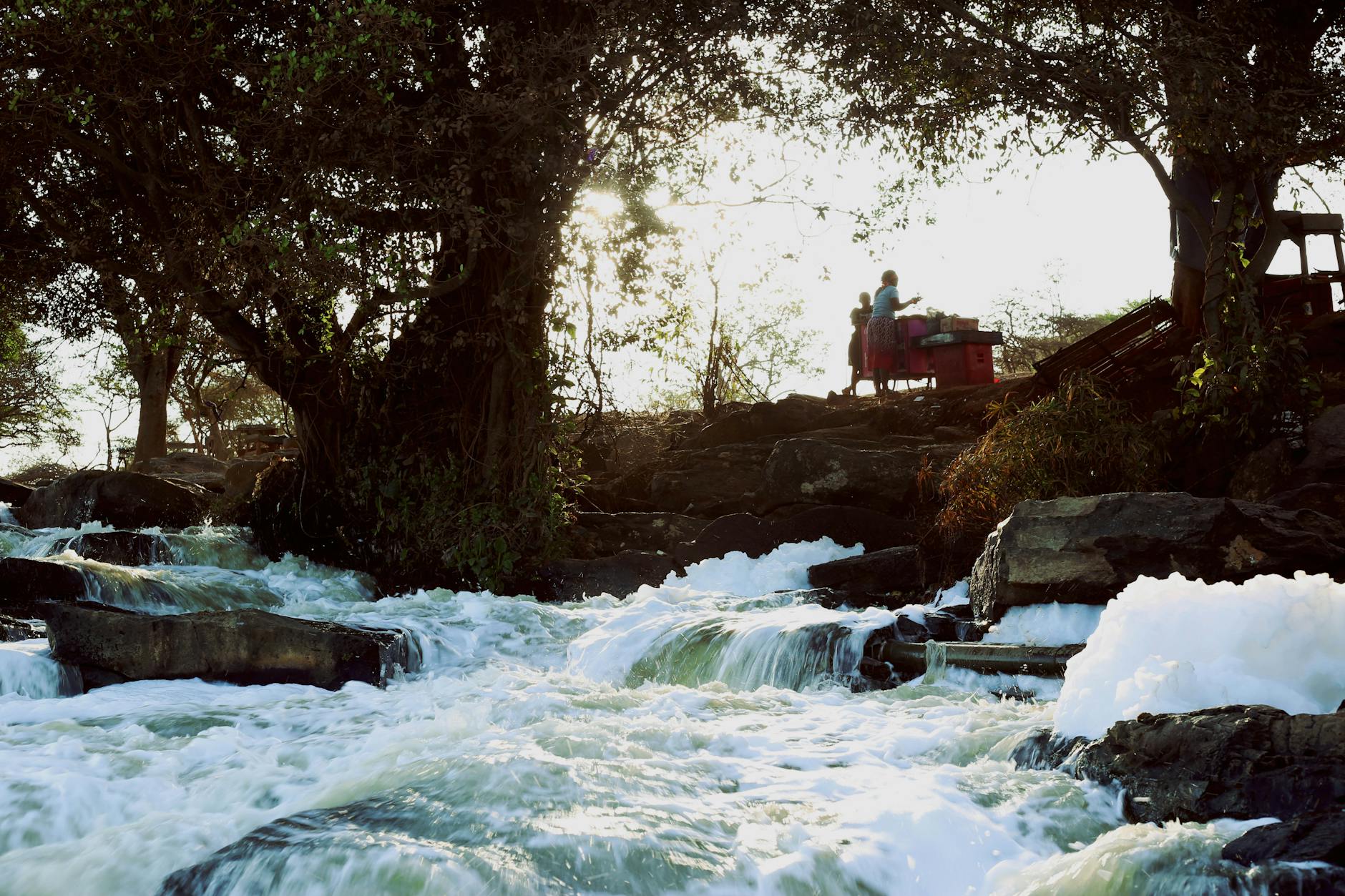
The Mukutan Gorge is one of Laikipia’s most dramatic landscape features — a deep volcanic ravine cut through the Mukogodo escarpment over millions of years. The gorge drops approximately 800 metres from the plateau edge to the Rift floor below. Riverine forest grows along the gorge bottom, fed by year-round streams and waterfalls. Plunge pools at multiple levels offer wild swimming opportunities for adventurous guests.
The gorge’s geology — basalt, lava flows, and sedimentary layers exposed by the cutting action of the streams — makes for excellent geological education. The riverine forest supports species not found on the surrounding plateau (forest birds, fig trees, monkeys).
Walking the gorge with a guide is the signature Mukutan experience. Multiple route options exist depending on guest fitness and time available — half-day excursions to the upper falls, full-day descents to the lower river, multi-day expeditions for the truly adventurous.
The Lodges
Mukutan Retreat
Perched on the rim of the Mukutan Gorge with dramatic views down the cleft. Six cottages with traditional Laikipia design — stone, thatch, hardwood — and private decks. The lodge’s positioning gives guests morning views of the gorge in dramatic light, sundowner views over the Rift escarpment, and immediate access to the gorge walking trails.
Rate: USD 700–1,200 per person per night all-inclusive.
Laikipia Wilderness Camp
The Heath family’s specialist family camp on the broader Ol Donyo Lemboro property. Six tents, family-friendly atmosphere, deep walking culture, and the property where Will Burrard-Lucas’s famous 2018 black leopard photographs were taken. Sleep-out platforms above waterholes available; walking and adventure programmes pitched at families with kids 6+.
Rate: USD 700–1,200 per person per night all-inclusive.
The Black Leopard Connection
The southern Laikipia area encompassing Laikipia Wilderness, Loldaiga, and parts of Borana is the most famous African location for documented melanistic (“black”) leopards. The young male leopard “Giza Mrembo” (later mature into a fully grown territorial male) was first photographed by Will Burrard-Lucas in 2018 in this area — the first scientifically documented high-quality photographs of a wild African black leopard in over a century.
At least three melanistic leopards have been documented in the broader area since 2018. Sightings remain extraordinarily rare even for guests staying at Laikipia Wilderness Camp specifically; the Burrard-Lucas images came from camera traps running 24/7 for months. Camera-trap projects on multiple area conservancies actively monitor for additional individuals.
For travellers specifically targeting the black leopard, Laikipia Wilderness Camp is the closest accommodation to the documented territories. Realistic chances of an in-person sighting are very low even on multi-week dedicated trips, but the experience of staying in the right country adds depth to any visit.
The Wildlife
Leopards
High leopard density (regular spotted leopards plus the rare melanistic individuals). Excellent night-drive territory.
Big Five
All five species present though densities vary by location. Lions, elephants, buffalo and rhino encounters reliable with proper game-drive planning.
Grevy’s Zebra and Reticulated Giraffe
Both Northern Frontier specials present.
Wild Dog
Wild dog packs use the broader landscape seasonally.
Birds
Strong bird list including raptors (the gorge cliffs support nest sites), forest birds in the gorge riverine vegetation, and the standard Laikipia savanna species.
Activities
Mukutan Gorge Walks
The signature activity. Guided walks to multiple points along the gorge — upper falls, viewpoints, plunge pool swims, lower-gorge expeditions.
Game Drives
Standard morning and afternoon drives in 4×4 safari vehicles. Off-road driving permitted within the conservancy.
Walking Safaris
Half-day to full-day guided walks across the broader landscape. The Heath family’s walking programme at Laikipia Wilderness is particularly developed.
Sleep-Outs
Sleep-out platforms above waterholes for guests wanting an after-dark immersion in the bush.
Mountain Biking
Off-road biking on the conservancy roads.
Wild Swimming
The Mukutan Gorge plunge pools offer some of Laikipia’s only wild swimming opportunities.
Conservation Engagement
Camera-trap reviews (when programmes are active) for the chance to see recent images of melanistic leopards. Walking with the family-run Heath team adds substantive ecological content.
Getting to Mukutan
By Air
Charter flight to nearest airstrip (Loisaba, Nanyuki, or sometimes a property-specific charter strip). Road transfer from there.
By Road
From Nanyuki: 2.5–3 hours via Doldol and the southern Laikipia roads. The road becomes rough beyond Doldol; 4×4 essential.
How to Combine Mukutan
Mukutan / Laikipia Wilderness Alone (3–4 nights)
Spend the full stay for the gorge walks plus the wildlife experience.
Mukutan + Borana or Lewa (5–7 nights)
Combine the dramatic gorge landscape with the standard southern Laikipia conservancy experience.
Mukutan + Loisaba (5–7 nights)
Two distinctive landscape experiences — the southern gorge plus the northern escarpment.
Practical Tips
Length of Stay
Minimum 2 nights. 3–4 nights for the gorge walks plus standard wildlife experience.
What to Pack
Standard safari kit. Sturdy walking shoes essential for gorge walks. Quick-dry clothes for plunge-pool swims. Insect repellent for the gorge bottom.
Children
Laikipia Wilderness has a strong family programme. Mukutan Retreat accepts children but the gorge walks may not suit very young children.
Best Time
Year-round. Dry seasons easier for gorge walking; wet seasons produce dramatic waterfalls but more challenging walking conditions.
Booking
4–6 months ahead for the Heath family’s Laikipia Wilderness Camp.
Frequently Asked Questions
Will I see a black leopard?
Probably not. Melanistic leopard sightings are extraordinarily rare even on dedicated multi-week trips. Come for the broader experience and treat any black leopard glimpse as a lifetime bonus.
Is the Mukutan Gorge safe to walk?
With a guide, yes. The walks are graded by difficulty; some sections require basic scrambling. Guide-led walking is the standard mode.
Can I swim in the gorge pools?
Yes — the plunge pools are deep enough for safe swimming. Cold but refreshing.
How does Laikipia Wilderness Camp differ from Mukutan Retreat?
Both are small intimate camps. Laikipia Wilderness has the family-focused Heath programme and the black leopard connection; Mukutan Retreat has the dramatic gorge-edge setting. Many travellers stay at one or the other; some combine.
Are these properties remote?
Yes. Both are in the relatively remote southern Laikipia setting. Charter flights or 4×4 access are typical.
What’s the price level?
Mid-luxury — typically USD 700–1,200 per person per night all-inclusive. Below the ultra-luxury Laikipia properties; competitive with similar mid-range options.
Is the area safe?
Yes. Comprehensive security at both properties; no recent incidents.
Can I do helicopter excursions?
Yes. Helicopter operators serve the broader Laikipia area. Day excursions to Mount Kenya glaciers and the Suguta Valley possible.
The Bottom Line
Mukutan Conservancy and Laikipia Wilderness offer the most dramatic landscape in Laikipia (the Mukutan Gorge), one of the strongest walking-safari programmes (the Heath family’s Laikipia Wilderness Camp), and the slim but real possibility of a black leopard encounter in the area where the famous Burrard-Lucas photographs were taken. For travellers wanting depth over breadth — and willing to trade the conservation-icon status of Lewa or Ol Pejeta for landscape drama and a more off-the-beaten-path experience — Mukutan and Laikipia Wilderness are the southern Laikipia answer.