Last updated: June 2026

For most parents, the biggest hesitation about an African safari with children isn’t cost or logistics — it’s health and safety. Is it safe? What about malaria? What if someone gets sick or hurt in the middle of nowhere? These are entirely reasonable worries, and the good news is that with sensible precautions, a Laikipia family safari is genuinely safe, and the region’s higher altitude even works in your favour. This guide to health and safety for children on a Laikipia safari covers everything anxious parents need to know — malaria prevention for kids, altitude, food and water safety, the wildlife safety rules that matter, and the medical facilities and insurance that provide peace of mind. It is general guidance, not medical advice, so always consult your doctor or a travel clinic for your family’s specific needs, and see our broader health and vaccinations guide.
Knowledge dissolves anxiety. Here’s how to keep your children safe and healthy so you can relax and enjoy the adventure.
Malaria Prevention for Children
Malaria is the health concern parents ask about most, and it deserves careful attention — though Laikipia’s geography helps significantly. The plateau’s elevation, broadly around 1,700–2,000 metres, means a considerably lower malaria risk than Kenya’s hot lowland and coastal areas, since mosquitoes are far less prevalent at altitude; some higher Laikipia areas are considered very low risk indeed. That said, lower risk is not zero risk, so precautions remain important. The cornerstones are: discussing appropriate antimalarial medication for children with your doctor or a travel clinic well before you travel (paediatric prophylaxis is available and dosed by weight/age); using an effective insect repellent suitable for your children’s ages (formulations with suitable concentrations of DEET or picaridin); having them sleep under treated bed nets where provided; dressing them in long sleeves and trousers from dusk to dawn when mosquitoes are active; and travelling in the dry season when mosquito numbers are lowest. With these measures, the malaria risk on a Laikipia family safari is low and very manageable — but never skip the conversation with your doctor.
Vaccinations and Pre-Trip Health
Well before you travel, book an appointment with your doctor or a travel clinic — ideally six to eight weeks ahead — to discuss your family’s vaccination and health needs. Ensure everyone’s routine childhood vaccinations are up to date, and ask about any travel vaccinations recommended for Kenya. A yellow fever vaccination certificate may be required depending on your travel history and itinerary, so check the current requirements for your family’s circumstances. The travel clinic will advise on malaria prophylaxis, any recommended jabs, and general health preparation tailored to your children’s ages and medical histories. This is also the time to discuss any pre-existing conditions, allergies or medications, and to obtain sufficient supplies of any regular medicines. Starting this process early is important, as some vaccinations need time to take effect or involve multiple doses. Proper pre-trip health preparation, guided by a medical professional who knows your family, is the single most important step in ensuring a safe and healthy safari, and removes a great deal of worry before you even leave home.
Altitude and Climate
Laikipia’s altitude, while a blessing for reducing malaria risk, is worth a word. The plateau sits high enough to moderate the climate and mosquitoes but generally not so high as to cause altitude problems for children — most families notice nothing more than that they tire a little more easily at first and should keep well hydrated. Only if you venture up Mount Kenya to genuine high altitude does this become a more serious consideration requiring proper care and acclimatisation. The bigger day-to-day climate issues for children are the strong sun and the wide temperature swings: fierce equatorial high-altitude sun by day demands diligent sun protection, while cold mornings and nights call for warm layers. Keeping children hydrated, sun-protected and appropriately dressed for the temperature swings handles the main climate-related health concerns. For most families, Laikipia’s temperate highland climate is actually a comfortable and healthy environment, far more pleasant than the heat and humidity of lower-lying safari areas.
Food and Water Safety
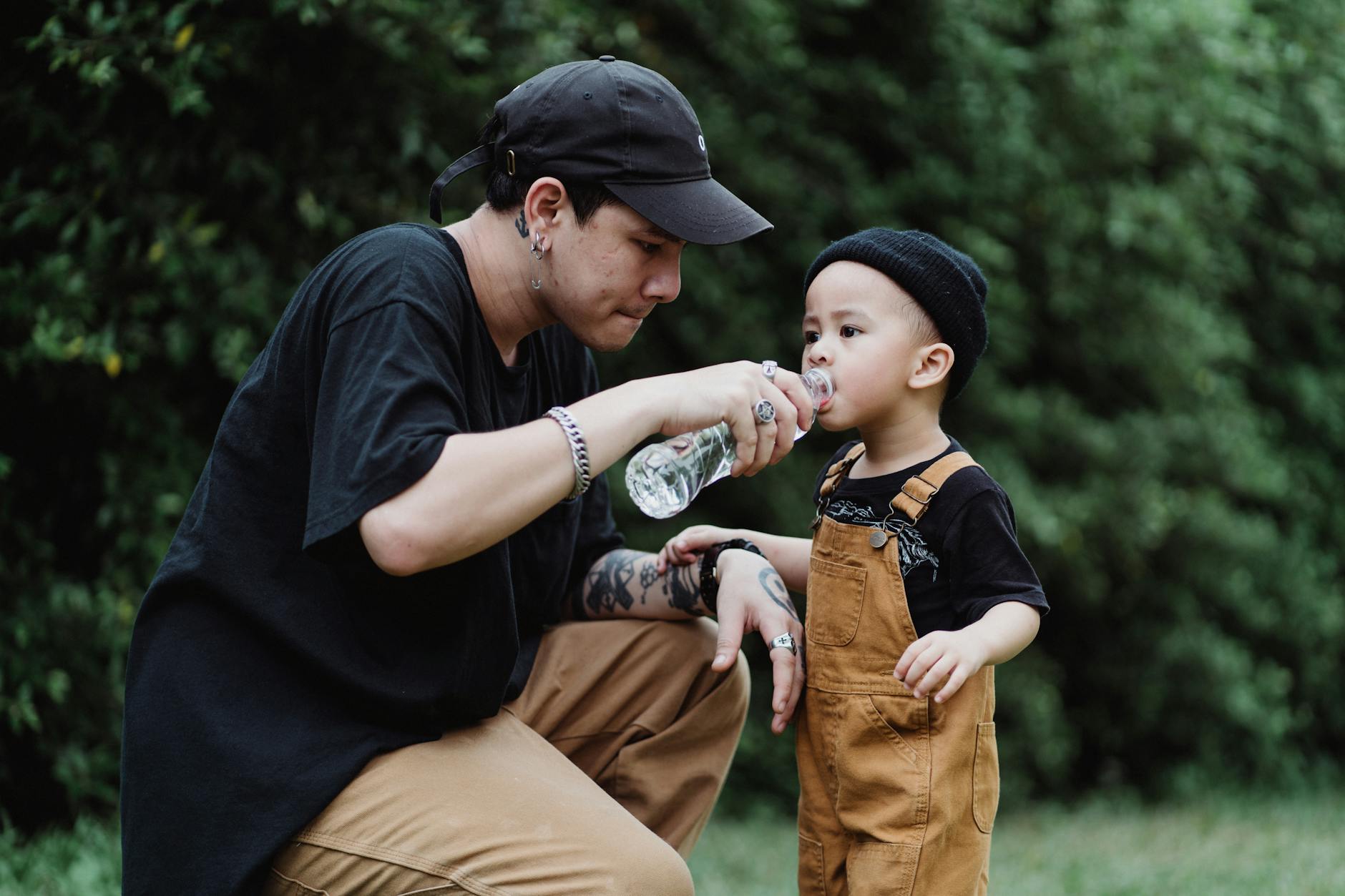
Keeping little tummies healthy is mostly about sensible food and water habits. Stick to bottled, filtered or properly boiled water for drinking and brushing teeth, and avoid tap water and ice of uncertain origin — most lodges provide safe drinking water, so ask. Food at reputable lodges and camps is generally prepared to high standards and safe to eat, and the lodges are well used to catering for children, often happy to provide simpler dishes for fussy eaters. Be a little more cautious with food from informal sources outside the lodges. Encourage good hand hygiene, with regular hand-washing or sanitiser before eating, which prevents many tummy upsets. Pack rehydration sachets in case of any stomach trouble, as keeping children hydrated is key if they do get an upset tummy. With these straightforward precautions, food-related illness is uncommon and usually minor. The lodges’ high standards and experience with families mean eating well and safely on a Laikipia safari is generally easy, and children are well catered for.
Wildlife Safety Rules
A safari means being among genuinely wild animals, so a few clear safety rules are essential — and teaching them to children is part of the adventure. The cardinal rule is to always listen to and obey your guide, who is trained and knows how to keep everyone safe. On game drives, children must stay seated inside the vehicle at all times, keep arms and heads inside, and avoid sudden movements or loud noises that could startle animals. Around camp, children should never wander off alone, especially at dawn, dusk or night when wildlife may be about, and should always be escorted by staff after dark (many lodges require this). Teach children not to run, which can trigger a chase response, and to stay calm and quiet near animals. On walks, they must stay close and follow the guide’s instructions absolutely. Framed positively, these rules become part of the excitement of being a responsible little explorer. With a good guide and sensible rules followed, wildlife encounters are thrilling and safe, as our general safety guide explains.
Medical Facilities and Emergencies
Knowing help is available brings real peace of mind. Laikipia is not as remote from medical care as you might fear: Nanyuki has hospitals, clinics and pharmacies for routine and many urgent needs, and lodges have first-aid provisions and staff trained to handle minor issues and summon help. For serious emergencies, Kenya has well-established air evacuation services — flying-doctor schemes that can airlift a patient from a remote airstrip to a major hospital in Nairobi quickly. This is precisely why comprehensive travel insurance with emergency medical evacuation cover is absolutely essential for every family member; never travel without it. Many lodges and operators are linked to evacuation services, and it’s worth confirming the arrangements. Carry your insurance details and emergency contacts with you. While serious incidents are rare, knowing that good medical care and rapid evacuation are available transforms a parent’s peace of mind, letting you relax and enjoy the safari secure in the knowledge that, should anything happen, help can reach your family quickly.
General Safety and Peace of Mind
Beyond the specifics, a few general points help anxious parents relax. Laikipia is a safe, welcoming region, and its family-friendly lodges are well versed in caring for children. A private vehicle and guide, or an exclusive-use property, adds both flexibility and an extra layer of attentive care. Keep your children within sight and supervised, as you would anywhere, particularly around pools, fires and at the camp edges. Establish clear rules and routines so children know what’s expected. Choose reputable lodges and operators with good safety records and staff experienced with families. And trust the professionals around you — the guides and lodge staff do this every day and are genuinely focused on your family’s safety and enjoyment. With sensible precautions, good preparation, comprehensive insurance and the right lodge, a Laikipia family safari is a safe, healthy and wonderful experience. The worries that loom large before you go almost always melt away once you’re there, replaced by the simple joy of sharing the wild with your children.
Sun, Heat and Hydration
Beyond the headline concerns, the everyday health issue most likely to affect children is simply the sun, heat and dehydration — so it deserves real attention. Laikipia’s high-altitude equatorial sun is intense even when the air feels cool, and children burn quickly, so diligent daily sun protection (high-factor sunscreen reapplied often, wide-brimmed hats, sunglasses, covering up in the harshest hours) is essential, as covered in our packing guide. Equally important is hydration: the warm, dry climate dehydrates children faster than parents expect, and dehydration causes tiredness, headaches and crankiness that can spoil a day. Ensure children drink water regularly throughout the day, not just when thirsty, and watch for signs of dehydration. Avoid the harsh midday sun by scheduling downtime indoors or by the pool in the hottest hours. Heat exhaustion is preventable with shade, rest and fluids. Managing sun, heat and hydration well — making sun protection and regular drinking automatic daily habits — prevents the most common health niggles and keeps children comfortable, energetic and happy throughout the safari.
Common Ailments and How to Handle Them
Most health issues on a family safari are minor and easily managed if you’re prepared. Tummy upsets are the most common, usually mild and resolving quickly — treat with rehydration sachets to prevent dehydration, rest, and bland food, and maintain good hand hygiene to prevent them in the first place. Insect bites and minor scrapes are routine; treat bites with antihistamine cream and scrapes with antiseptic and plasters from your first-aid kit. Children can pick up colds or coughs as anywhere. Motion sickness on bumpy game-drive roads affects some children, so pack remedies if yours is prone. Sunburn, if precautions slip, needs after-sun and shade. The key is to arrive equipped with a good children’s first-aid kit and the common remedies, so you can handle these minor issues yourself without disruption. Most are nothing serious and quickly sorted. For anything beyond the minor — high fever, persistent vomiting, or any real concern — seek medical help via your lodge, but the great majority of childhood ailments on safari are small and manageable with a well-stocked kit and common sense.
Insect Bites Beyond Malaria
While malaria gets the attention, it’s worth knowing about other insects too, mostly a matter of comfort rather than danger. Tsetse flies, present in some bush areas, can give a sharp bite; wearing neutral colours and avoiding dark blue and black (which attract them) helps, as does repellent. Mosquitoes, beyond the malaria question, simply cause itchy bites, so repellent and covering up at dusk are worthwhile for comfort alone. Other biting insects and the occasional ant or spider are part of bush life but rarely a problem. The general defences are the same: a good insect repellent suitable for children’s ages, neutral-coloured long sleeves and trousers especially in the evenings, treated bed nets where provided, and checking children for ticks after walks in long grass (removing any promptly). Teach children not to disturb insect nests or pick up unknown creatures. None of this should cause anxiety — insect issues on safari are mostly minor irritations easily prevented with repellent and sensible clothing. A little awareness and the right precautions keep bites to a minimum and everyone comfortable.
Travel Insurance: What to Look For
I cannot stress enough that comprehensive travel insurance is non-negotiable for a family safari, and it’s worth understanding what to look for. The single most important feature is emergency medical evacuation cover, since serious incidents in remote areas may require airlifting a patient to a major hospital in Nairobi — care that is excellent but expensive without cover. Ensure the policy covers all family members, including children, for medical treatment, evacuation and repatriation, and check it covers your planned activities (some adventurous pursuits like certain walks or rides may need specific cover). Also look for trip cancellation and curtailment cover, baggage and the usual protections. Read the fine print on pre-existing conditions and age limits. Many lodges and operators are linked to air-evacuation schemes, but personal insurance remains essential. Carry your policy details and emergency numbers with you. Travel insurance is not the place to economise on a family safari — the peace of mind that, should anything happen, your family is covered for the best care and rapid evacuation is worth every penny, and lets you relax and enjoy the trip.
Keeping Children Safe Around Camp
Wildlife safety on drives gets attention, but everyday safety around the lodge matters just as much with children. Many Laikipia camps are unfenced, meaning wild animals can wander through, so children must never be left unsupervised and should always be escorted by staff after dark — a rule most lodges enforce and one to take seriously, as dawn, dusk and night are when animals are most likely about. Watch children carefully around swimming pools, never leaving young ones unsupervised near water. Campfires are a feature of safari evenings, so supervise children around them. Be mindful of steps, verandas, uneven ground and any low railings, especially with toddlers. Teach children to stay within the camp’s safe areas and not to wander toward the bush. Keep tent or room doors and zips closed to keep out insects and curious creatures. None of this need cause anxiety — it’s simply attentive supervision and following the lodge’s sensible rules. The staff are experienced and will guide you. With normal vigilance and respect for the camp’s safety guidelines, children are perfectly safe enjoying the magic of staying in the wild.
Frequently Asked Questions
How do I keep my child hydrated and sun-safe on safari?
Make sun protection and drinking automatic daily habits. Apply high-factor sunscreen often, use wide-brimmed hats and sunglasses, and cover up in the harshest hours, as the high-altitude equatorial sun burns quickly. Ensure children drink water regularly throughout the day, not just when thirsty, since the warm dry climate dehydrates them fast, and schedule downtime in the shade during the hot midday hours.
What should I do if my child gets a tummy upset?
Most are mild and pass quickly. Use rehydration sachets to prevent dehydration, encourage rest and bland food, and maintain good hand hygiene to prevent them. Stick to bottled or boiled water. Pack rehydration sachets and basic remedies in your first-aid kit. For persistent vomiting, high fever or real concern, seek medical help via your lodge.
Do I need travel insurance for a family safari?
Absolutely — it’s non-negotiable. The most important feature is emergency medical evacuation cover, since remote incidents may require airlifting to Nairobi. Ensure it covers all family members for medical treatment, evacuation and repatriation, and check it covers your planned activities. Also look for cancellation and baggage cover. Never travel without comprehensive insurance.
Is malaria a risk for children in Laikipia?
The risk is considerably lower than in Kenya’s lowland and coastal areas because Laikipia’s high altitude (around 1,700–2,000m) means far fewer mosquitoes, with some areas very low risk — but it’s not zero. Take precautions: discuss paediatric antimalarial medication with your doctor, use age-appropriate insect repellent, sleep under treated nets, cover up from dusk to dawn, and travel in the dry season.
What vaccinations do children need for a Laikipia safari?
Consult your doctor or a travel clinic six to eight weeks before travel. Ensure routine childhood vaccinations are up to date, ask about recommended travel vaccinations for Kenya, and check whether a yellow fever certificate is required for your itinerary and travel history. The clinic will tailor advice to your children’s ages and medical histories. See our health and vaccinations guide.
Is the altitude a problem for kids in Laikipia?
Generally no. Laikipia’s altitude (around 1,700–2,000m) moderates the climate and mosquitoes but isn’t usually high enough to cause altitude problems for children — most just tire a little more easily at first and should stay hydrated. Only venturing up Mount Kenya to genuine high altitude requires serious altitude precautions and acclimatisation.
What are the key wildlife safety rules for children?
Always listen to and obey the guide; stay seated inside the vehicle with arms and heads in during game drives; avoid sudden movements and loud noises; never wander off alone, especially at dawn, dusk or night; be escorted by staff after dark; don’t run near animals; and stay close and quiet on walks. Framed positively, these become part of being a responsible little explorer.
What happens if my child gets sick or hurt on safari?
Nanyuki has hospitals, clinics and pharmacies, and lodges have first aid and trained staff. For serious emergencies, Kenya has air evacuation (flying-doctor) services that can airlift patients to Nairobi hospitals quickly. This is why comprehensive travel insurance with emergency medical evacuation cover is essential for every family member — never travel without it, and confirm your lodge’s evacuation arrangements.
Travel prepared with our guides to the family packing list, the safari age guide, and the full Laikipia family safari guide. This article is general information, not medical advice — always consult a doctor for your family.