Last updated: June 2026
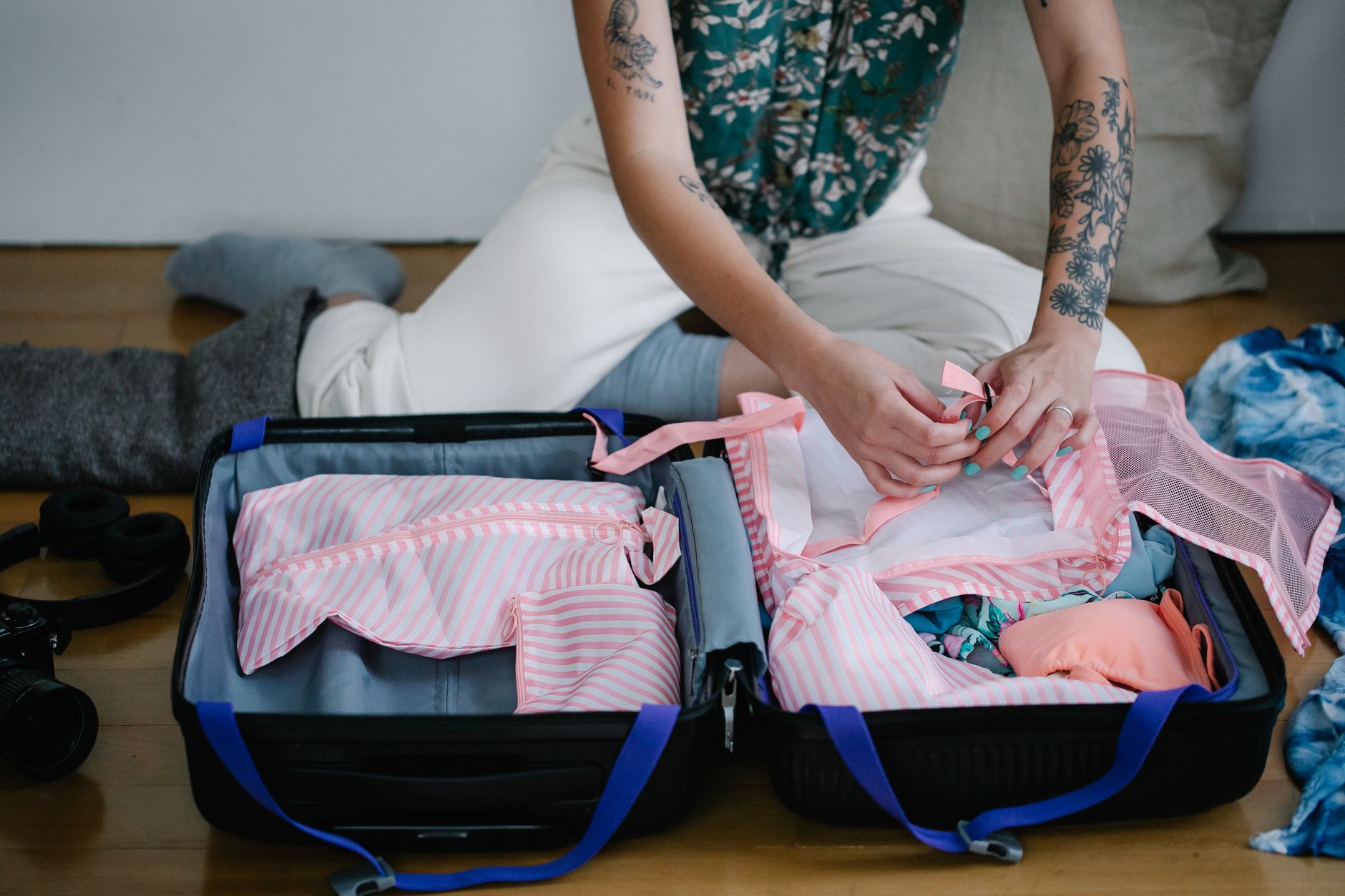
Packing for a family safari can feel daunting — you’re not just packing for yourself but for children, in a remote setting where you can’t nip to a shop for anything you’ve forgotten. Get it right, though, and everything runs smoothly; get it wrong, and a missing sunhat or favourite toy can cast a shadow over the day. After years of helping families prepare for Laikipia, I’ve learned exactly what matters and what doesn’t. This family safari packing list covers everything you need to bring for children — clothing, sun protection, health essentials, entertainment, comfort items and the little things parents always forget — along with practical, been-there tips to make packing for the kids stress-free. Pair it with our general Laikipia packing list for the full picture.
Pack smart, and a family safari is a breeze. Here’s everything the children need, and nothing they don’t.
Clothing: Layers Are Everything
The golden rule for Laikipia is layers, and this applies doubly to children. The highland climate means warm, sunny days but genuinely cold early mornings and evenings, so pack for both: lightweight shirts, t-shirts and shorts or trousers for daytime, plus warm fleeces, jumpers and long trousers for chilly dawn game drives and cool nights. Stick to neutral colours — khaki, brown, green, beige — avoiding bright colours and white (which shows dirt) and dark blue and black (which can attract tsetse flies). Bring enough that you’re not constantly worried about laundry, though most lodges offer a laundry service. Long sleeves and trousers in the evening also help protect against mosquito bites. Include a warm hat and gloves for little ones on cold morning drives, as children feel the cold keenly. Comfortable, practical, neutral, layered clothing is the foundation of a happy, comfortable child on safari — far more important than anything fashionable.
Sun Protection: Non-Negotiable
At Laikipia’s altitude and equatorial latitude, the sun is fierce, and protecting children’s delicate skin and eyes is absolutely essential. Pack high-factor (SPF 50) child-friendly sunscreen in plenty — more than you think you’ll need, as it’s expensive and hard to find locally — and apply it diligently and often. Wide-brimmed sun hats are a must for every child (and a spare, because they get lost), along with good sunglasses to protect young eyes from the intense glare. Lightweight long-sleeved tops and trousers offer the best sun protection of all, covering skin during the harshest hours. A lip balm with SPF is worth including too. Sunburn can ruin a child’s trip and is genuinely dangerous, so treat sun protection as non-negotiable: hats, high-factor sunscreen, sunglasses and covering up are the daily routine, and getting children into the habit early makes it painless. This is one area where there’s simply no room for complacency.

Health and First Aid
A well-stocked children’s health kit is vital in a remote setting. Bring any prescription medications your children take, in sufficient quantity plus extra, in original packaging. Include children’s pain and fever relief (paracetamol/ibuprofen), rehydration sachets for tummy upsets, anti-diarrhoeal and anti-nausea remedies suitable for kids, antihistamine for bites and allergic reactions, plasters and antiseptic, and any prescribed malaria prophylaxis appropriate for children (discuss with your doctor — see our family health guide). Pack a good insect repellent suitable for children’s ages (formulations with appropriate concentrations of DEET or picaridin), as protecting against bites matters enormously. Don’t forget motion-sickness remedies if your child is prone, as bumpy game-drive roads can unsettle little tummies. While lodges and Nanyuki have medical facilities, you should arrive self-sufficient for minor ailments. A comprehensive but compact kids’ first-aid kit means you can handle the small issues that inevitably crop up without disruption to your trip.
Entertainment for Downtime and Travel
Safari involves stretches of downtime and travel — flights, transfers, midday heat, quiet times between activities — and entertained children are happy children. Pack a stash of distractions: books and audiobooks, downloaded shows and games on a tablet (with headphones and a power bank), colouring and activity books, crayons, card games and travel-sized games. A child-friendly pair of binoculars is brilliant for getting kids engaged on game drives and makes them feel like proper explorers. A wildlife checklist, sticker book or nature journal turns spotting animals into a game. A simple camera lets older children document their own adventure. For long transfers and flights, the tablet and snacks are lifesavers. The trick is variety and novelty — a few new, unseen items saved for key moments work wonders. Keeping children occupied during the inevitable lulls is one of the secrets to a smooth family safari, and a little preparation here pays off enormously.
Comfort Items and Sleep
Never underestimate the importance of comfort items for younger children. A beloved soft toy, a favourite blanket or a comforting object from home can make all the difference to a child sleeping happily in an unfamiliar tent or lodge — so pack it, and guard it carefully. For babies and toddlers, bring familiar sleep aids and stick to bedtime routines as much as possible. A nightlight or torch reassures children nervous about the dark and the unfamiliar sounds of the bush (which can be thrilling or scary depending on the child). Many lodges provide hot water bottles for cold nights, but check. Ensuring children sleep well is crucial — a tired child is an unhappy one, and rest underpins the whole trip’s success. The familiar and comforting items from home, small as they seem, are among the most important things you’ll pack for keeping younger children settled, secure and happy far from home.

Babies and Toddlers: Special Considerations
Travelling with the very young requires extra planning, because baby supplies are scarce in remote Laikipia. Bring all the nappies, wipes, formula, baby food and specialist items you’ll need for the whole trip, plus a margin, as you won’t be able to restock. A lightweight, foldable carrier or backpack is invaluable for walks and getting around, far more practical than a buggy on rough ground. Pack familiar bottles, beakers and feeding gear, sterilising equipment if needed, and plenty of changes of clothes for the inevitable mess. Check with lodges in advance about cots, high chairs and baby facilities, and whether they can provide bottled or boiled water for formula. Sun protection for babies is especially critical — keep them shaded and covered. While it’s more to organise, lodges are generally very accommodating, and arriving fully equipped means a baby or toddler can travel comfortably. The key is simple: bring everything, because you can’t buy it there.
Practical Tips and What Not to Bring
A few final pointers. Remember that safari flights into Laikipia’s airstrips have strict luggage limits and require soft-sided bags, so pack light and avoid hard suitcases (check your operator’s allowance). Use packing cubes to organise each child’s clothes. Bring refillable water bottles for each child to stay hydrated and cut plastic waste. Pack healthy snacks for journeys and fussy moments. Bring a reusable bag for laundry and wet items. As for what not to bring: skip excessive toys and gadgets, fancy clothes, and anything bright-coloured for game viewing. Don’t over-pack — lodges do laundry, and you’ll wear far less than you think. And don’t forget the documents: passports, visas, travel insurance, and any medical or consent letters needed for children. Pack thoughtfully rather than excessively, focusing on the essentials that keep children comfortable, protected, healthy and entertained, and your family safari will run beautifully from the moment you arrive.
Footwear for Kids on Safari
Getting children’s footwear right matters more than parents often realise. For most of a Laikipia safari, comfortable closed-toe shoes or trainers are ideal — supportive enough for walks and nature activities, sturdy enough for rough ground, and protective against thorns, insects and the odd scrape. If your children will do proper walking safaris or hikes (for example in Ngare Ndare Forest or the Mount Kenya foothills), a pair of broken-in walking shoes or light boots is worth packing. For around camp and the pool, a pair of sandals or flip-flops is handy for relaxed evenings and water play. Avoid bringing brand-new shoes that haven’t been worn in, as blisters can ruin walks. Closed shoes are also wise in the evenings as protection against bites. So aim for: sturdy trainers or walking shoes for daytime activities, plus sandals for downtime — that combination covers everything a child needs. Comfortable, practical, broken-in footwear keeps children happy on their feet throughout the trip, and is one of those easily overlooked essentials that makes a real difference day to day.
A Sample Packing List by Category
To make packing easier, here’s a categorised checklist for each child. Clothing: neutral-coloured t-shirts and shirts, shorts and long trousers, warm fleece and jumper, light waterproof, warm hat for cold mornings, sleepwear, swimwear, underwear and socks. Footwear: sturdy trainers or walking shoes, sandals. Sun protection: high-factor sunscreen, wide-brimmed hat (plus spare), sunglasses, SPF lip balm. Health: any medications, children’s first-aid kit, insect repellent, rehydration sachets, malaria prophylaxis if prescribed. Entertainment: books, tablet with downloads and headphones, power bank, colouring and games, child binoculars, nature journal. Comfort: favourite toy or blanket, nightlight. Practical: refillable water bottle, snacks, reusable bag. Babies: nappies, wipes, formula, baby food, carrier, feeding gear. Documents: passports, visas, insurance, any consent or medical letters. Tick each child off category by category as you pack, and you won’t forget the essentials. Keep it lean — remember the strict soft-bag luggage limits on safari flights and the laundry service most lodges provide.
Gadgets, Charging and Power
In our connected age, devices and their charging deserve thought, especially for keeping children entertained. A tablet loaded with downloaded shows, films, games and audiobooks is invaluable for flights, transfers and downtime, but remember to download everything in advance, as connectivity in remote conservancies is limited. Bring headphones (ideally child-sized) so devices don’t disturb others, and a good power bank or two, since charging opportunities in camps can be limited and sometimes only available at certain times or in shared areas. Kenya uses UK-style three-pin (Type G) plugs at 240V, so pack the right adapters. Some remote camps run on solar or generator power with restricted charging hours, so check with your lodge and charge devices and power banks whenever you can. Don’t rely on being able to charge constantly. If older children are bringing cameras, pack spare batteries and memory cards. Managing power well ensures the entertainment and cameras keep working when you need them, particularly on long travel days — a small bit of planning that prevents the frustration of flat devices and bored children at the worst moments.
Snacks and Hydration
Never underestimate the power of snacks with children. Bringing a stash of familiar, non-perishable snacks — cereal bars, dried fruit, crackers, sweets for emergencies — is a lifesaver for long travel days, early-morning starts before breakfast, and those moments when a hungry child needs heading off at the pass. While lodges feed families well, having your own snacks for journeys, game drives and between meals smooths over many a potential meltdown. Equally important is hydration: pack a refillable water bottle for each child and keep them drinking regularly, as the warm, dry, high-altitude conditions dehydrate children faster than they realise, and dehydration causes tiredness and grumpiness. Most lodges provide safe drinking water to refill bottles, reducing plastic waste. Encourage regular sips, especially during active periods and warm afternoons. Healthy snacks and good hydration keep energy and moods stable, preventing the hunger- and thirst-driven crankiness that can derail a day. It’s a simple thing, but few packing decisions do more to keep young children happy and comfortable throughout a safari than a good supply of snacks and a water bottle each.
Laundry and Re-Wearing: Pack Less
One of the most useful things to know is that you should pack far less than instinct suggests, because nearly all Laikipia lodges offer a laundry service, often included or inexpensive. This means you can re-wear and wash a small capsule of clothing rather than packing an outfit for every day — a huge advantage given the strict soft-bag luggage limits on safari flights. For children, pack a few days’ worth of mix-and-match neutral clothing and let the laundry service handle the rest. Quick-drying fabrics help, and a small travel wash kit covers any items you’d rather hand-wash yourself (delicates or quick turnarounds between camps). Be aware that some camps may not launder underwear for cultural reasons, so pack enough of those and a little travel soap. Packing light makes travel easier, keeps you within luggage limits, and is far less stressful than hauling enormous bags. Trust the laundry service, embrace the capsule-wardrobe approach, and you’ll travel lighter and more comfortably — one of the simplest ways to reduce the load and hassle of packing for a whole family.
Frequently Asked Questions
What shoes should kids wear on safari?
Comfortable closed-toe trainers or walking shoes for daytime activities — supportive, sturdy and protective against thorns and insects — plus sandals or flip-flops for around camp and the pool. If children will do proper walking safaris, pack broken-in light walking shoes or boots. Avoid brand-new shoes that could cause blisters, and wear closed shoes in the evenings against bites.
Can I do laundry at Laikipia lodges?
Yes — nearly all lodges offer a laundry service, often included or inexpensive, so you can pack far less and re-wear a small capsule of clothing. This is a big advantage given the strict soft-bag luggage limits on safari flights. Note some camps may not launder underwear for cultural reasons, so pack enough of those plus a little travel soap.
What about charging devices on safari?
Bring a good power bank or two, as remote camps may have limited charging hours or shared charging areas, sometimes on solar or generator power. Download all entertainment in advance since connectivity is limited, bring child-sized headphones, and pack UK-style (Type G) plug adapters for Kenya’s 240V supply. Charge devices and power banks whenever you can.
What should I pack for kids on a Laikipia safari?
Layered neutral-coloured clothing (warm layers for cold mornings, light clothes for warm days), serious sun protection (high-factor sunscreen, wide-brimmed hats, sunglasses), a children’s first-aid kit and any medications, insect repellent suitable for their age, entertainment for downtime, comfort items like a favourite toy, refillable water bottles, and all baby supplies if travelling with little ones.
What colours should children wear on safari?
Neutral colours — khaki, brown, green and beige. Avoid bright colours and white (which shows dirt and can disturb wildlife) and dark blue and black (which can attract tsetse flies). Neutral, practical clothing helps with wildlife viewing and blends into the bush. Layers in these colours are the foundation of a comfortable safari wardrobe for kids.
How do I protect my child from the sun on safari?
Treat it as non-negotiable: high-factor (SPF 50) child-friendly sunscreen applied often, wide-brimmed sun hats (bring a spare), good sunglasses, and lightweight long-sleeved tops and trousers to cover skin during the harshest hours. Laikipia’s high-altitude equatorial sun is fierce, so diligent sun protection every day is essential to avoid dangerous sunburn.
What entertainment should I bring for kids on safari?
Books and audiobooks, downloaded shows and games on a tablet (with headphones and a power bank), colouring and activity books, card and travel games, a child-friendly pair of binoculars, and a wildlife checklist or nature journal to make spotting animals a game. Variety and a few novel items saved for key moments keep children happily occupied during downtime and travel.
What do I need to pack for a baby on safari?
Everything, because supplies are scarce in remote Laikipia: all the nappies, wipes, formula and baby food for the whole trip plus extra, a lightweight foldable carrier (better than a buggy on rough ground), familiar feeding gear and sterilising equipment, plenty of clothing changes, and serious sun protection. Check with lodges about cots, high chairs and boiled water in advance.
Round out your prep with our guides to family health and safety, the safari age guide, and the full Laikipia family safari guide.


