Last updated: June 2026
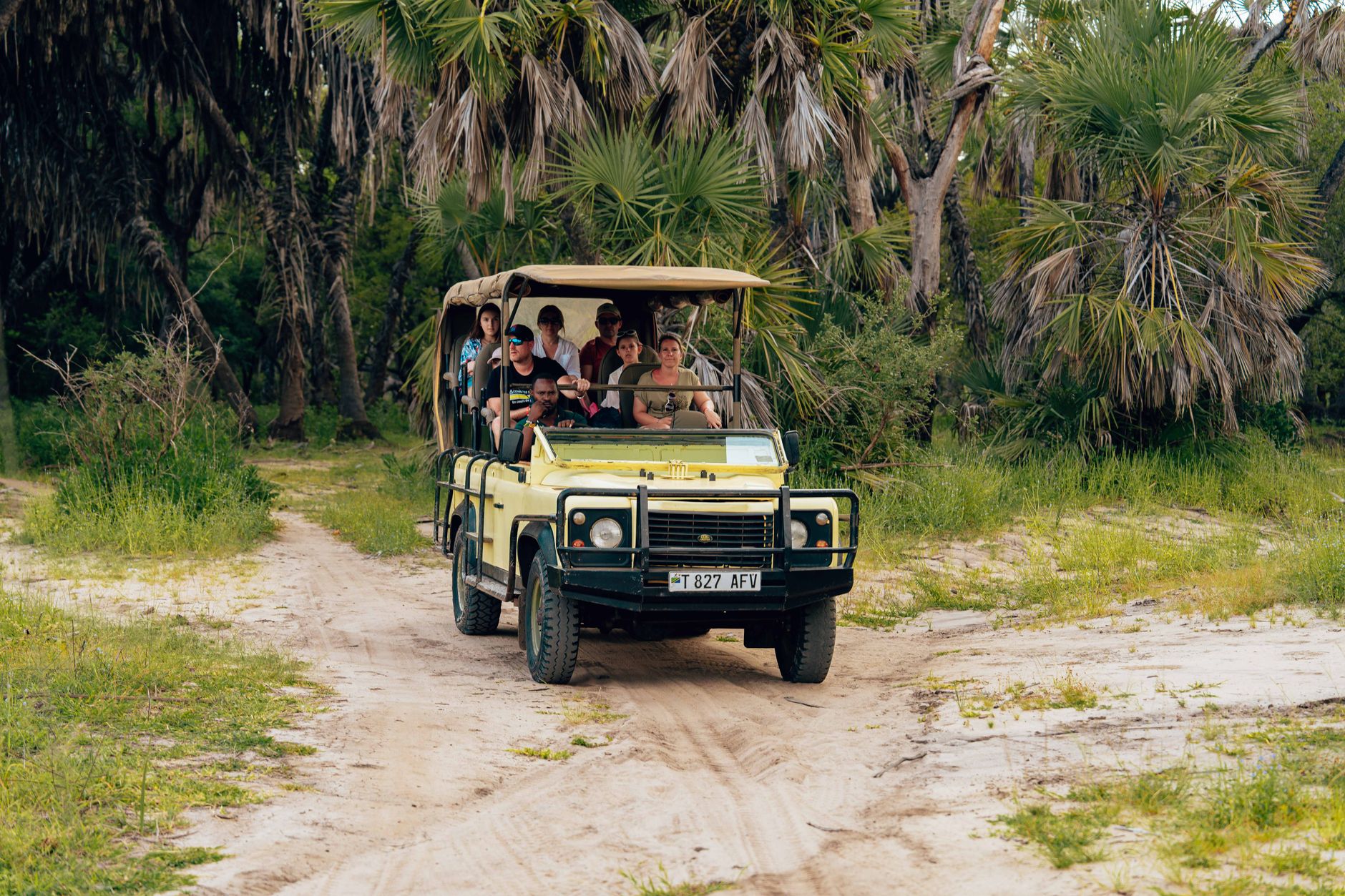
“What age should my child be for a safari?” is one of the most common questions I hear from parents — and the honest answer is that there’s no single right age, because Laikipia can be magical at almost any stage, provided you plan around your children’s ages and choose the right lodge and activities. A toddler experiences safari very differently from a curious eight-year-old or an adventurous teen, and the key to a successful family trip is matching the experience to where your children are developmentally. This Laikipia safari age guide breaks it down stage by stage — from infants and toddlers through tweens and teens — covering what works, what to expect, the minimum-age policies to know about, and how to make safari wonderful at every age.
Whether you’re travelling with a baby or a teenager, here’s how to tailor a Laikipia safari to your family.
First, Understand Minimum-Age Policies
Before diving into age bands, it’s essential to understand that lodges and activities set their own minimum-age policies, and these vary widely. Standard game drives are open to children of almost any age at many Laikipia properties, though some recommend a minimum of around five or six because of the long, quiet hours involved. Walking safaris carry firmer minimums, usually somewhere between eight and twelve depending on the conservancy, for obvious safety reasons. Horse riding depends on ability as much as age, and some activities like night drives or fly-camping may have their own limits. Crucially, some camps restrict young children on shared game drives but happily accommodate them on an exclusive-use or private-vehicle basis. The golden rule is to always confirm policies directly with the lodge when booking, being upfront about your children’s ages — and to consider a private vehicle or exclusive-use property, which removes most restrictions. This is why Laikipia’s flexible conservancy lodges suit families so well, as our family lodges guide explains.
Infants and Babies (Under 2)
Travelling with a baby is entirely possible in Laikipia, and the region’s lower malaria risk and family-friendly lodges make it more feasible than many destinations — but it requires the right approach. With infants, the safari is really for the parents; the baby simply comes along. Choose a comfortable, flexible lodge (ideally exclusive-use or with a private vehicle and guide so you set the pace), keep game drives short and built around nap times, and prioritise downtime and pool time. Bring everything you need, as supplies are limited (see our family packing list). Many lodges can arrange cots, and some offer babysitting so parents can take an occasional drive solo. The main considerations are sun protection, keeping to a routine, and discussing malaria precautions for infants carefully with your doctor (covered in our family health guide). It’s not the cheapest or easiest age, but with a private, flexible setup, a safari with a baby can be a relaxed and wonderful family experience.
Toddlers and Pre-Schoolers (2–4)
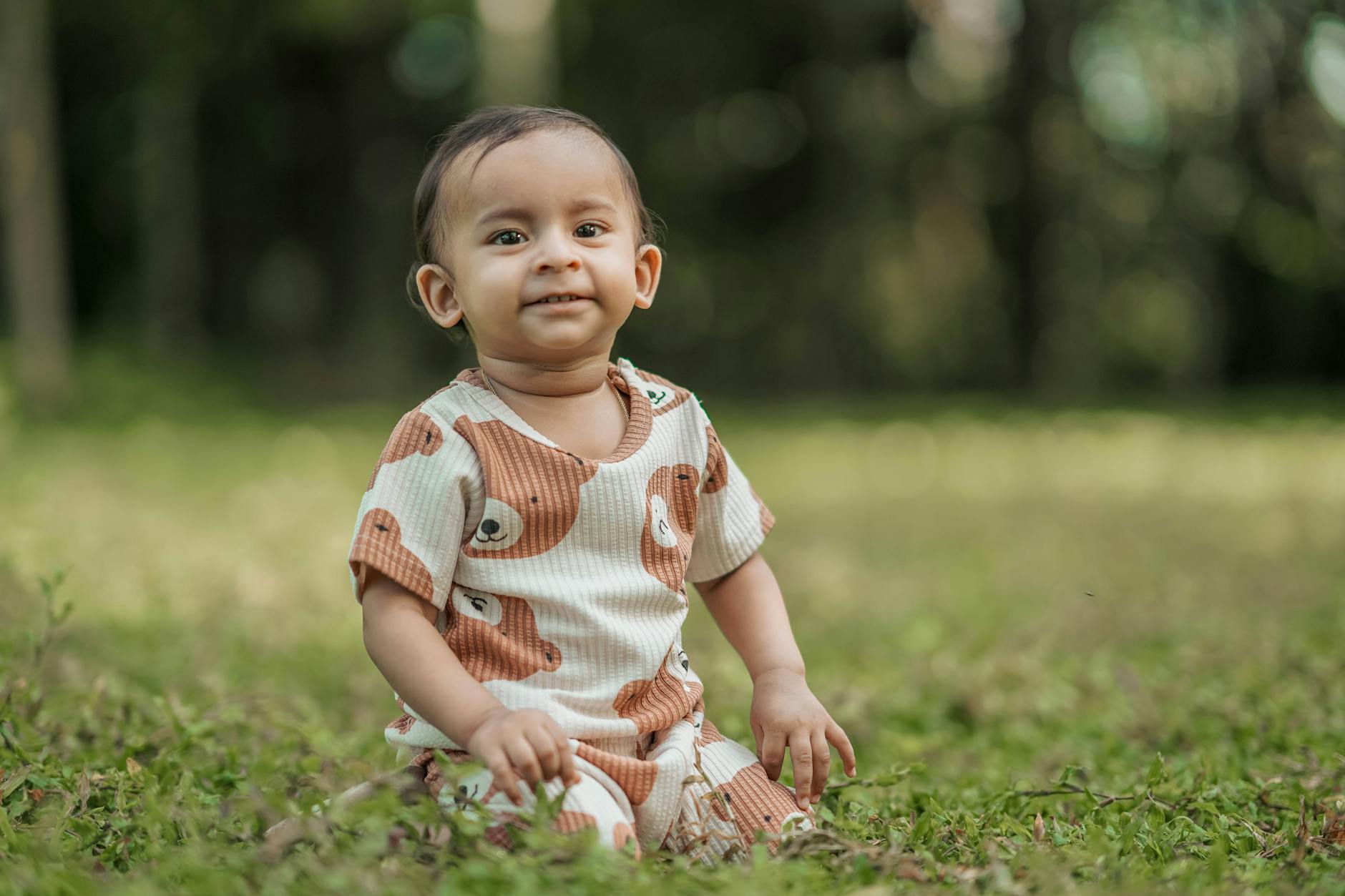
Toddlers bring boundless energy and limited patience, so this age is all about flexibility and managing expectations. Little ones may not grasp the significance of a rhino, but they’ll delight in the immediate — animals, pools, sand, camp dogs, the sheer novelty of it all. Keep game drives short and sweet, lean heavily on pool time and downtime, and choose a lodge with space to roam and a genuine welcome for small children. A private vehicle is invaluable, letting you cut a drive short the moment a meltdown looms. Family-owned lodges like El Karama, geared to younger children, are ideal. Don’t over-schedule; a toddler’s safari should be gentle and adaptable. Manage your own expectations too — this is a holiday with a toddler, not a wildlife expedition — but the joy of seeing your small child’s face light up at an elephant, and the relaxed family time, make it thoroughly worthwhile. Exclusive-use properties shine at this age for the total flexibility they give.
Young Children (5–7)
This is where safari really starts to click for many children. By five to seven, kids can understand and get excited about wildlife, sit through (short) game drives, and throw themselves into activities. This is the sweet spot for programs like El Karama’s Bush School and the Ol Pejeta Junior Ranger scheme (from around age four), which captivate this age group. Children of this age love tracking, scavenger hunts, meeting chimps and rhinos, gentle camel rides and swimming, and they soak up facts like sponges. Game drives are best kept to a couple of hours with plenty of engagement from the guide. Most standard safari activities open up at this age, though walking safaris usually remain off-limits until a bit older. Five to seven is a genuinely rewarding age for a Laikipia safari — old enough to participate and remember, young enough to be utterly enchanted — and the region’s hands-on activities are perfectly pitched for these curious, energetic children.
Tweens (8–12)
Tweens are arguably the ideal age for a Laikipia safari, and the region is tailor-made for them. By eight to twelve, children can handle longer and more adventurous activities: this is typically when walking safaris become possible, and tweens revel in horse riding, mountain biking, camel trekking, tracking and more demanding bush experiences. They can genuinely engage with conservation, understand the issues, and appreciate the privilege of what they’re seeing, making the region’s educational experiences hugely rewarding. Tweens have the stamina and curiosity for full days of adventure and the maturity to follow safety rules. They’ll remember a Laikipia safari for the rest of their lives, and often it sparks a real passion for wildlife and conservation. For families with children in this band, Laikipia’s wealth of active, hands-on, educational experiences is just about perfect — there’s almost nothing they can’t do, and everything to thrill them.
Teenagers (13+)
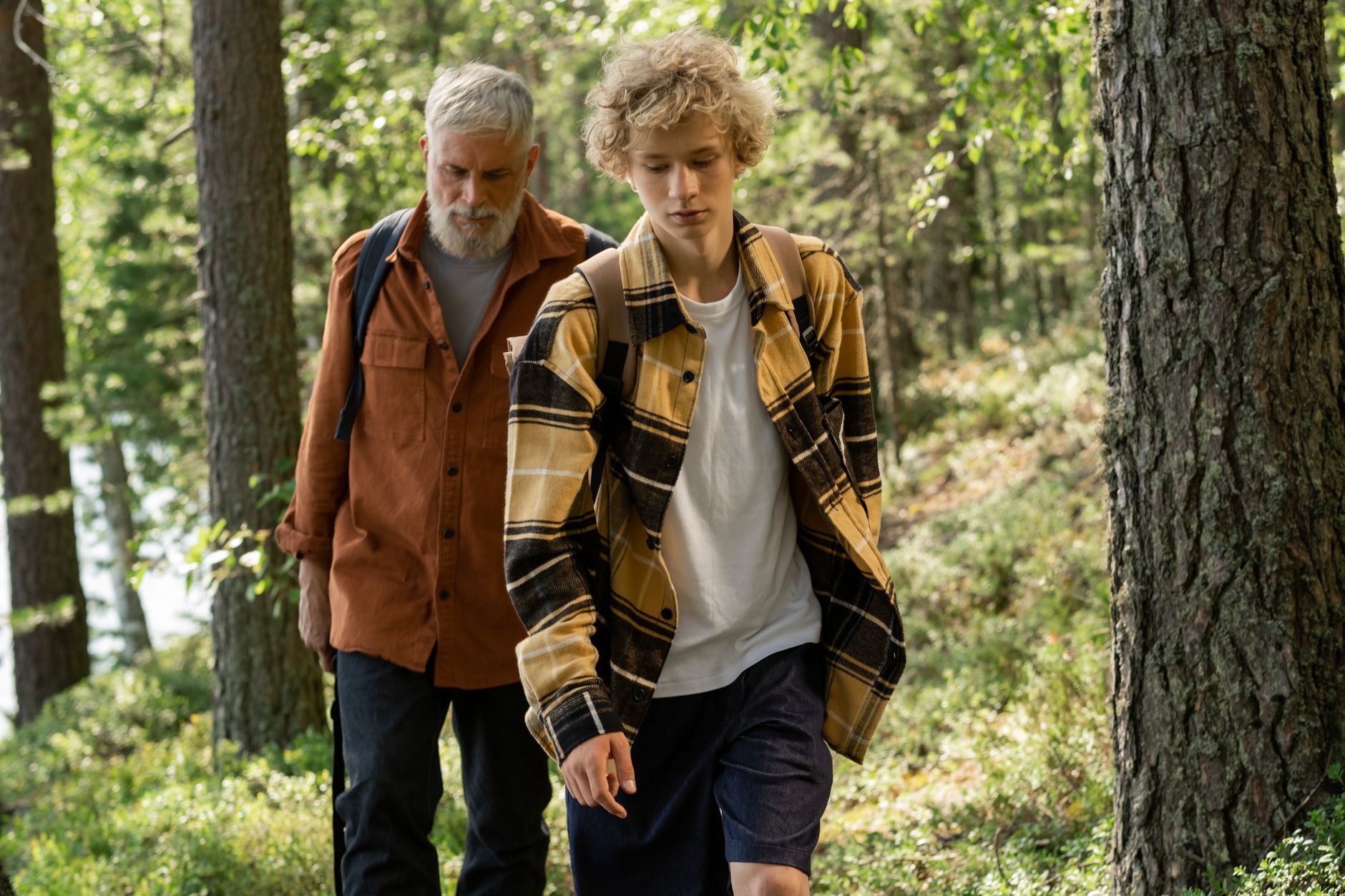
Teenagers can get enormous amounts out of a Laikipia safari, provided it’s pitched at their level rather than treated as a kids’ trip. With teens, lean into adventure and meaning: challenging walking safaris, mountain biking, horse riding, fly-camping, and genuine conservation experiences like meeting anti-poaching teams, tracking rhino or learning about the issues facing wildlife. Teens often connect powerfully with conservation and the chance to do something real and purposeful, and some may even enjoy a taste of volunteering or behind-the-scenes access. Photography is another great hook for this age. Give them a degree of independence and responsibility, involve them in planning, and treat them as the near-adults they are. Laikipia’s depth — its conservation story, its adventure activities, its cultural encounters — gives teenagers far more to sink their teeth into than a standard game-viewing safari, making it an inspiring and even formative experience at an age when travel can genuinely shape a young person’s outlook.
Tips for Every Age
A few principles apply across all ages. Choose flexibility — a private vehicle or exclusive-use property removes age restrictions and lets you adapt to your children’s moods and energy. Keep game drives age-appropriate in length, and balance every day with downtime and pool time. Match activities to your children’s ages and confirm minimum-age policies before booking. Engage a great guide who’s experienced with children — this makes an enormous difference. Build in variety so there’s always something to look forward to. And manage expectations realistically for younger ages. Above all, remember that the “right” age is the one where you can match the trip to your children — and Laikipia, with its flexibility, variety and family-friendly lodges, makes that possible from infancy to the teenage years, as our family safari guide describes.
Mixed-Age Families: Juggling Different Stages
Many families travel with children of different ages — perhaps a toddler and a tween, or a young child and a teenager — and balancing their different needs is a common challenge. The good news is that Laikipia’s flexibility makes it very manageable. A private vehicle or exclusive-use property is invaluable here, letting the family split up so older children tackle a walking safari or bike ride while younger ones do something gentler, then reunite for shared highlights. Choose activities the whole family can enjoy together (game drives, swimming, cultural visits, stargazing) alongside age-specific ones for individual children. Lodges with a range of activities and good kids’ programs cater well to siblings of varying ages. The key is not to force every child onto every activity but to mix shared experiences with tailored ones, using Laikipia’s flexibility to keep each child happy at their own level. With a private guide and a bit of planning, a family spanning several ages can have a wonderful trip where every child is engaged appropriately — one of the region’s real strengths.
Game Drive Length by Age
One of the most practical age considerations is how long children can happily manage on a game drive, since drives are central to safari but can test young patience. As a rough guide: toddlers and pre-schoolers do best with very short drives of perhaps an hour or so, ideally with a private vehicle so you can cut them short; young children of five to seven can usually manage a couple of hours if the guide keeps them engaged; tweens of eight to twelve can handle longer, more involved drives; and teens can manage full-length drives, especially if given a role like photography or spotting. The secret across all ages is engagement — a great guide who involves children, points things out, shares facts and keeps it interesting makes drives far more enjoyable than passive watching. Keeping drives age-appropriate in length, building in flexibility to return early, and using a private vehicle all help enormously. Matching drive length to your children’s ages and attention spans, rather than over-ambitious adult expectations, is one of the simplest keys to a happy family safari.
When Is a Child ‘Too Young’?
Parents often worry their child is too young for a safari, so it’s worth addressing honestly. There’s no absolute minimum age for visiting Laikipia — with the right approach, even babies can come, given the lower malaria risk and family-friendly lodges. However, very young children won’t remember the trip and can’t engage with wildlife the way older kids do, so for some families the cost and effort feel better invested when children are old enough to appreciate it, often from around five upwards. That said, plenty of families safari happily with babies and toddlers, valuing the family time and the parents’ own experience even if the little ones won’t recall it. The honest answer is that no age is ‘too young’ if you plan appropriately (private, flexible, gentle) and have realistic expectations — but if you want children to remember and engage deeply, five and up is a common sweet spot. Ultimately it depends on your family’s priorities, budget and willingness to adapt the trip to a very young child’s needs. There’s no wrong answer, only the right approach for your family.
Preparing Children Before the Trip
Whatever their age, preparing children before you travel makes the safari richer and smoother. In the weeks before, build excitement and knowledge: read books about African animals and safaris together, watch wildlife documentaries, look at maps to show where you’re going, and talk about the animals you might see and the adventures ahead. This primes children to recognise and appreciate what they encounter, turning sightings into thrilling moments of recognition rather than confusion. Involve children in some planning — let them choose an animal they most want to see, or an activity they’re excited about — to build anticipation and ownership. Explain, age-appropriately, the safety rules and what to expect (early starts, bumpy roads, being quiet near animals) so there are no surprises. For nervous children, reassurance about the lodges, the guides and the safety measures helps. A little preparation transforms children from bewildered passengers into eager, informed explorers, dramatically enhancing both their experience and yours, and is well worth the effort in the lead-up to the trip.
Choosing Activities by Age: A Quick Reference
To pull it together, here’s a rough age-based activity guide for Laikipia. Babies and toddlers: short game drives, pool time, gentle pottering, lots of downtime. Young children (5–7): junior ranger and bush-school programs, short game drives, tracking and scavenger hunts, gentle camel rides, swimming, cultural visits, chimp and rhino encounters. Tweens (8–12): walking safaris (where permitted), horse riding, mountain biking, camel trekking, junior ranger, conservation experiences, longer drives, plus everything younger kids enjoy. Teens (13+): challenging walks, biking, riding, fly-camping, conservation and anti-poaching experiences, photography, and a degree of independence. Across all ages, game drives, swimming, cultural visits and stargazing work as shared family activities, while the more strenuous pursuits open up as children get older. Always confirm minimum-age policies for specific activities with your lodge, as these vary. Use this as a starting point, but tailor to your individual children’s abilities, interests and confidence — a cautious ten-year-old and an adventurous one may want very different things, and Laikipia’s variety means there’s something perfect for each.
Frequently Asked Questions
How do I plan a safari with children of different ages?
Use Laikipia’s flexibility — a private vehicle or exclusive-use property lets older children do strenuous activities like walking safaris while younger ones do gentler things, then reunite for shared highlights. Mix whole-family activities (game drives, swimming, cultural visits, stargazing) with age-specific ones, and choose lodges with varied activities and good kids’ programs. Don’t force every child onto every activity.
How long can young children manage on a game drive?
Roughly: toddlers do best with very short drives (around an hour, ideally in a private vehicle); young children (5–7) can usually manage a couple of hours if well engaged; tweens handle longer drives; and teens can do full-length drives. A great guide who involves children is the key to longer, happier drives. Keep them age-appropriate and stay flexible.
Is any age too young for a Laikipia safari?
There’s no absolute minimum — with the right approach even babies can come, given Laikipia’s lower malaria risk and family-friendly lodges. But very young children won’t remember it, so many families find five and up a sweet spot for engagement and value. There’s no wrong answer; it depends on your priorities and willingness to adapt the trip to a young child.
What is the best age to take a child on safari in Laikipia?
There’s no single best age — Laikipia can be wonderful from infancy to the teens with the right planning. That said, many parents find five to twelve the sweet spot: old enough to engage with and remember the experience and join most activities, young enough to be utterly enchanted. Tweens (8–12) in particular can do almost everything Laikipia offers.
Is there a minimum age for safari in Laikipia?
It depends on the lodge and activity. Standard game drives are open to most ages at many properties (some recommend 5–6+), while walking safaris usually require children to be around 8–12. Some camps restrict young children on shared drives but welcome them on a private-vehicle or exclusive-use basis. Always confirm policies directly when booking.
Can I take a baby or toddler on safari in Laikipia?
Yes, especially given Laikipia’s lower malaria risk and family-friendly lodges. With infants and toddlers, choose a flexible, comfortable lodge (ideally exclusive-use or with a private vehicle), keep drives short and around nap times, prioritise downtime and pool time, bring all supplies, and discuss malaria precautions for young children carefully with your doctor.
What can teenagers do on a Laikipia safari?
Plenty — challenging walking safaris, mountain biking, horse riding, camel trekking, fly-camping, photography and genuine conservation experiences like meeting anti-poaching teams or tracking rhino. Teens often connect deeply with conservation and purposeful, hands-on activities. Laikipia’s depth gives teenagers far more to engage with than a standard game-viewing safari.
Do I need a private vehicle for a family safari?
It’s not essential but highly recommended, especially with younger children. A private vehicle (or exclusive-use property) removes most age restrictions, lets you set the pace, cut drives short when needed, and tailor everything to your children. It transforms the flexibility and ease of a family safari, which is why it’s one of the best investments for travelling with kids.
Plan around your family with our guides to family lodges, health and safety for kids, and the full Laikipia family safari guide.


