Last updated: June 2026
Packing for Laikipia is a lovely puzzle, because the plateau breaks the usual “Africa = hot” assumption. You’re on the equator, yes, but at altitude — which means warm, bright days and genuinely cold mornings and evenings, often in the same 24 hours. Get the layering right and you’ll be comfortable from the pre-dawn game drive to the midday sun to the chilly sundowner. Get it wrong and you’ll spend the trip either shivering or sweating. This complete Laikipia safari packing list covers exactly what to bring, what to leave at home, and the highland-specific quirks that generic safari lists miss.
The other constraint that shapes everything is luggage. If you’re flying in on a safari flight, you’re limited to around 15 kg in a soft-sided bag including hand luggage — so this list is built around packing light and smart, not bringing everything you own.
Understanding the Laikipia Climate
The golden rule is layers, because of the daily temperature swing. Mornings on an open game-drive vehicle can be genuinely cold — think fleece-and-beanie cold — while by mid-morning you’re peeling layers down to a t-shirt under a strong equatorial sun, then cooling off again at dusk. The plateau’s altitude (around 1,700–2,000 m) drives this. Conditions also shift by season: the dry months are bright and dusty, the green season brings afternoon showers. For the month-by-month detail, see our Laikipia climate and weather guide; pack to handle both warm and cold in any season.
Clothing: The Layering System
Build around neutral, earthy colours — khaki, olive, beige, brown — which keep you unobtrusive around wildlife and don’t show dust. Avoid bright white (shows dirt), black and dark blue (said to attract tsetse flies in some areas), and loud patterns. A workable kit for a week:
Several lightweight t-shirts and a couple of long-sleeved shirts (sun and bug protection); two pairs of safari trousers plus a pair of shorts; a warm fleece or jumper and an insulated jacket for cold mornings; a light, packable waterproof, especially in green season; a wide-brimmed hat; and comfortable layers for relaxing at the lodge. A swimsuit if your lodge has a pool or you’re visiting Ngare Ndare. Quick-dry fabrics are your friend, as many lodges offer laundry, letting you pack fewer items.

Footwear
You need less than you’d think. A pair of comfortable, broken-in closed walking shoes or light hiking boots covers game walks, hikes and rough ground; a pair of sandals or flip-flops handles downtime around the lodge and pool. That’s genuinely enough for most trips. If you’re planning serious trekking up Mount Kenya, add proper hiking boots. Closed shoes matter for walking activities — thorns, insects and uneven ground make sandals a poor choice in the bush.
Sun and Insect Protection
Non-negotiable on the equator at altitude. Pack high-factor sunscreen, lip balm with SPF, good sunglasses and a brimmed hat. For insects, bring a DEET-based repellent for dusk and evenings, and remember that long sleeves and trousers after dark are your first line of defence. A small after-sun or moisturiser is welcome too — the dry highland air can be drying on skin and lips. See our health guide for more on staying comfortable.
Camera and Tech Gear
Laikipia is a photographer’s dream, so bring what you’ll use. A camera with a decent zoom (a telephoto in the 200–400 mm range transforms wildlife shots), spare batteries and memory cards, and a charger. Binoculars are arguably the most under-packed item — they utterly change game viewing and birding, so bring a pair each if you can. A universal travel adaptor (Kenya uses UK-style three-pin plugs), a power bank for long days out, and your phone round it out. A dust-proof bag or cover protects gear on dusty drives. For technique, see our wildlife photography guide.

Health and Toiletries
Pack a compact personal first-aid kit: any prescription medicines (in original packaging, enough for the trip plus a buffer, in your carry-on), pain relief, antihistamines, rehydration sachets, an anti-diarrhoeal, plasters and antiseptic. Add your usual toiletries in travel sizes, hand sanitiser, wet wipes (brilliant for dusty days), and any malaria tablets your doctor has prescribed. Spare glasses or contacts if you wear them. Most lodges provide basic toiletries, so you can travel light here.
Documents and Money
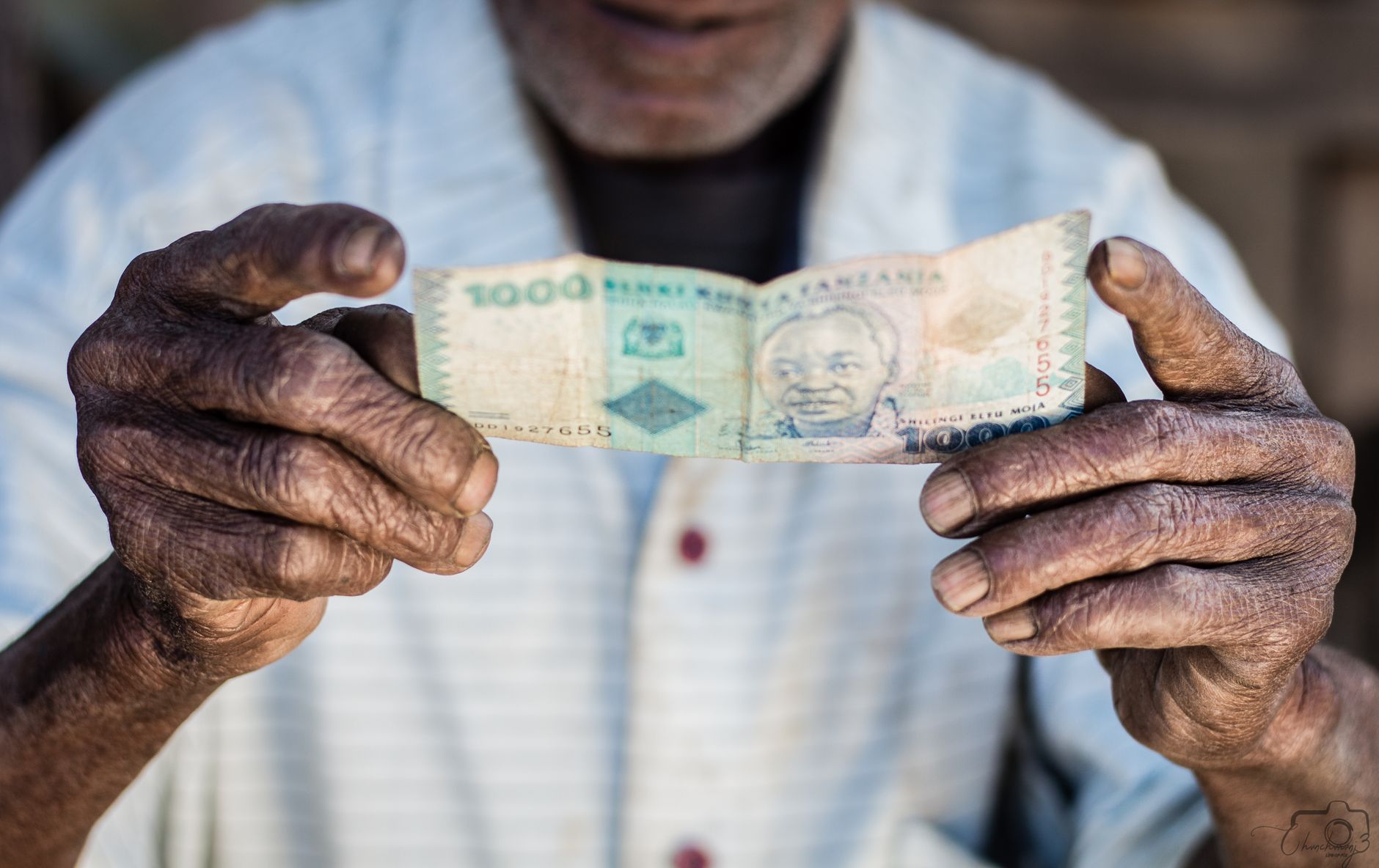
Carry your passport, a printed copy of your approved eTA, travel insurance details, flight confirmations and any yellow fever certificate. Keep digital copies in your email as backup. Bring a mix of US dollars (newer notes) and have a plan for getting Kenyan shillings for tips and small purchases — our currency and tipping guide explains the best approach. A slim wallet and a document pouch keep everything together.
Handy Extras
A few small things punch above their weight: a reusable water bottle (essential, and increasingly required as lodges cut single-use plastic), a head-torch or small torch for dark camps, a lightweight daypack for walks and drives, a buff or scarf against dust, earplugs, a book or e-reader for downtime, and a small dry-bag for electronics. A pair of lightweight gloves and a beanie make those cold dawn drives genuinely pleasant. Binoculars, sunscreen and a warm layer are the three things people most often wish they’d packed.
What NOT to Bring
Leave the hard suitcase at home (soft bags only on safari flights), along with camouflage-pattern clothing (it’s restricted in some African countries and best avoided), excessive valuables and jewellery, and your entire wardrobe — laundry service at most lodges means you can re-wear. Single-use plastics are increasingly frowned upon. And don’t overpack “just in case” items; the 15 kg limit is real, and you’ll want room for the inevitable souvenirs from Nanyuki.
Packing Light for Safari Flights
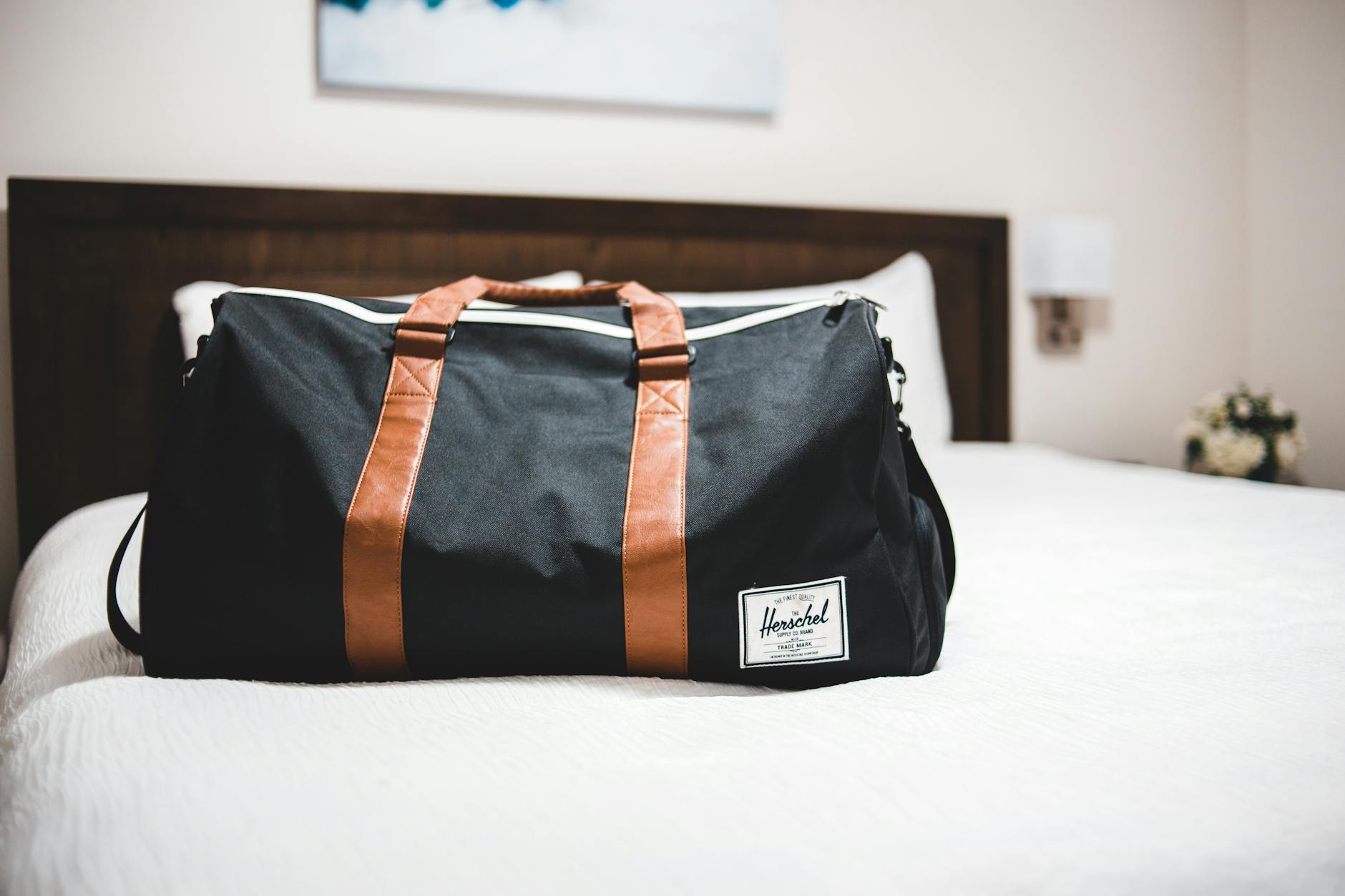
If flying within Kenya, the soft-bag, ~15 kg limit shapes everything. Choose a duffel or soft holdall, use packing cubes to compress clothing, wear your bulkiest layer (boots, fleece) on the plane, and lean on lodge laundry to halve your clothing needs. If you have a hard case for the international legs, leave it in storage at your Nairobi hotel. Keep cameras, documents, medication and valuables in a small day bag that counts as your carry-on. Packing light isn’t a sacrifice here — it genuinely makes the trip smoother.
Packing by Season
While layers are the year-round rule, the season tweaks the emphasis. For the dry months (roughly June–October and January–February), prioritise warm layers for genuinely cold mornings and dust protection — a buff or scarf, and covers for your camera — while days are bright and sunny. For the green season (the long rains around March–May and short rains in November), add a properly waterproof jacket, a dry-bag for electronics, and footwear that copes with mud, as afternoon downpours are likely even though mornings are often clear.
Whatever the season, never leave out the warm layers — first-time visitors are repeatedly caught out by how cold a dawn game drive on the high plateau can be, regardless of the month. Check the month-by-month detail in our Laikipia climate and weather guide and pack to span both warm and cold in a single day.
A Sample Capsule Wardrobe
For a week’s safari, this compact kit covers everything and stays within the soft-bag limit: three or four lightweight tops (mix of short and long sleeves), two pairs of safari trousers (one convertible to shorts is handy), one pair of shorts, a warm fleece, an insulated jacket for mornings, a packable waterproof, sleepwear, underwear and socks for a few days, a swimsuit, a wide-brimmed hat and a smarter casual outfit for dinners. Because most lodges offer laundry, you genuinely can re-wear and wash rather than packing fresh outfits for every day.
Stick to neutral, earthy tones throughout so everything mixes and matches and keeps you unobtrusive around wildlife, and choose quick-dry fabrics that wash and dry overnight. This capsule approach is the key to staying within the ~15 kg safari-flight allowance without feeling under-packed.
Packing for Families and Children
Children need the same layering logic in miniature, plus a few extras: more changes of clothing (kids get grubby), robust closed shoes, ample sun protection (hats, high-factor cream, perhaps a UV-protective top), and any familiar medications and remedies from home. Pack a few quiet, screen-free distractions — a notebook, a wildlife checklist, small games — for downtime and longer transfers, and child-sized binoculars genuinely transform a young traveller’s experience. Rehydration sachets and plasters earn their place in any family kit.
Keep each child’s essentials accessible in a small daypack, and remember that the soft-bag weight limit applies to them too, so pack economically and lean on lodge laundry. Our family safari guide has more on travelling with children on the plateau.
Camera and Tech Packing in Depth
For keen photographers, a little extra planning pays off. Bring your camera body (or two), a versatile zoom plus a telephoto for wildlife, ample memory cards, spare batteries (cold mornings drain them faster), a charger and a power bank for long days in the vehicle. A beanbag or small support steadies long lenses on a vehicle door better than a tripod. Crucially, protect everything from the ever-present dust with sealed bags and a lens cloth, and keep it all in your carry-on day bag rather than checked luggage. See our wildlife photography guide for technique and a fuller gear discussion.
Don’t forget the universal adaptor (Kenya uses UK-style three-pin plugs) and consider a multi-USB charger so you can revive several devices from one socket — handy at lodges with limited power points or solar-only supply in remote camps.
Toiletries, Sustainability and the Final Check
Keep toiletries to travel-sized essentials — most lodges provide the basics — and add hand sanitiser, wet wipes (a dusty traveller’s best friend), lip balm and moisturiser for the drying highland air. Bring a refillable water bottle, increasingly essential as lodges phase out single-use plastic, and favour reef- and eco-friendly products where you can, in keeping with the conservation ethos that defines Laikipia. A small reusable shopping bag is useful for curios and laundry.
Before you zip up, run the final mental check: passport and printed eTA, insurance details, medications and first-aid kit, sunscreen and hat, warm layer, binoculars, camera and chargers, adaptor, and enough soft-bag discipline to leave room for the souvenirs you’ll inevitably bring home. Nail those and you’re set for the plateau.
Smart Packing Strategies
How you pack matters as much as what you pack when you’re working to a tight weight limit. Packing cubes compress clothing and keep the soft bag organised; rolling rather than folding saves space and reduces creases. Wear your bulkiest items — boots, fleece, jacket — on the plane to keep them off the scales. Choose multi-purpose pieces (a buff that’s scarf, dust mask and hat; trousers that zip to shorts) and a colour palette where everything mixes. Decant toiletries into small bottles, and remember that lodge laundry lets you pack for three or four days rather than a fortnight.
Distribute weight thoughtfully too: keep documents, medication, camera and valuables in your carry-on day bag, and resist the urge to bring “just in case” extras that you’ll never use but will lug everywhere. The discipline pays off the moment you lift a light bag onto a safari flight without a second thought about the limit.
What You Can Buy in Nanyuki
You don’t have to bring absolutely everything, because Nanyuki is a well-stocked town. Supermarkets carry toiletries, sunscreen, snacks, bottled water and basics; pharmacies handle minor medical needs; and there are shops for anything you’ve forgotten. This is reassuring — it means a forgotten tube of sunscreen or a depleted insect repellent isn’t a crisis, and you can travel a little lighter knowing the essentials are available at your gateway town. Most lodges also provide toiletries, water and sometimes even warm layers for game drives.
The corollary is that you should prioritise packing the things you can’t easily replace — prescription medications, your specific camera gear, prescription glasses, and any specialist clothing — over generic items you could pick up locally. It’s another reason not to overpack from home.
The Final Packing Mindset
If there’s a single philosophy for Laikipia, it’s “pack light, layer up, protect against sun and dust.” Bring warm layers you’ll bless on cold dawn drives, sun protection you’ll use every day, binoculars you’ll never regret, and a soft bag you can actually lift. Leave the hard case, the heavy wardrobe and the “what if” extras at home or in Nairobi storage. The travellers who enjoy the smoothest trips are invariably the ones who packed least and chose best.
With clothing, footwear, sun and insect protection, a personal first-aid kit, camera gear, documents and a few clever extras sorted, you’re ready. Cross-check against our guides to health and climate, and the rest of the travel-planning checklist, and your bag is good to go.
One Bag, Done Right
If you take a single image away from this guide, make it this: a soft duffel, neatly packed with neutral layers, a warm fleece on top, sunscreen and binoculars in the side pocket, documents and camera in a small day bag — and room to spare. That’s the well-packed Laikipia traveller, gliding onto a safari flight without a thought for the weight limit and ready for anything the plateau’s big daily temperature swing throws at them. Everything in this list serves that goal: warm enough for the dawn, cool enough for noon, protected from sun and dust, and light enough to carry with a smile.
Frequently Asked Questions
What should I wear on a Laikipia safari?
Lightweight, neutral-coloured layers: t-shirts and long-sleeved shirts, safari trousers, plus a warm fleece and insulated jacket for cold mornings and evenings, and a light waterproof. Add a wide-brimmed hat, sunglasses and closed walking shoes. The key is layering for the big daily temperature swing at altitude.
How cold does it get in Laikipia?
Early mornings and evenings can be genuinely cold on the high plateau, cool enough for a fleece, beanie and jacket, while midday is warm to hot under the equatorial sun. Always pack warm layers regardless of season — first-timers are often surprised by the chilly dawn game drives.
What is the luggage limit for a Laikipia safari?
If flying on safari aircraft, expect a limit of around 15 kg per person including hand luggage, in soft-sided bags only. Pack light in a duffel, use lodge laundry, and leave hard suitcases in storage in Nairobi. Road transfers are more flexible.
Do I need hiking boots for Laikipia?
Comfortable closed walking shoes or light hiking boots are ideal for game walks and trails. Full hiking boots are only necessary if you plan a serious Mount Kenya trek. Add sandals or flip-flops for downtime, and that’s usually all the footwear you need.
Should I bring binoculars on safari?
Absolutely — binoculars are one of the most valuable and most under-packed safari items. They transform wildlife viewing and birding. Bring a pair each if you can; sharing one between a group is frustrating when there’s so much to see.
Packed and ready? Tie up the rest with our guides to health, money and tipping, and the full Laikipia travel planning guide.