Last updated: June 2026

It is easy, on safari, to see Laikipia’s elephants and lions as pure magic. For the farmers and herders who share the land with them, the reality is more complicated. An elephant can flatten a family’s entire maize crop in a single night; a lion can kill the cattle that represent a household’s life savings. This is human-wildlife conflict — the friction that inevitably arises when people and dangerous wildlife occupy the same landscape — and managing it is one of the central challenges of conservation in Laikipia. The good news is that the region has become a laboratory for ingenious, often beautiful solutions: fences made of beehives, lion-proof enclosures, wildlife corridors and coexistence schemes that let people and animals share the land more peacefully. This guide explores the conflict, the innovative answers, and why resolving it is essential to conservation’s future.
Understanding this tension is key to understanding Laikipia honestly — and the solutions are among the most hopeful conservation stories you’ll encounter.
What Is Human-Wildlife Conflict?
Human-wildlife conflict refers to the negative interactions between people and wild animals — and their consequences for both. In Laikipia, where wildlife lives not in a fenced park but across a shared landscape of farms, ranches, conservancies and community lands, such interactions are an everyday reality. Elephants raid crops and damage water infrastructure; lions, leopards and hyenas prey on livestock; and occasionally these encounters turn dangerous or even deadly for people. The costs fall hardest on rural families who can least afford them, breeding resentment toward wildlife and, sometimes, retaliation against it. This is the uncomfortable flip side of living alongside abundant wildlife, and it sits at the heart of the conservation challenge: no conservation model can succeed if the people sharing the land see wildlife only as a threat to their crops, their cattle and their safety. Addressing conflict is therefore not a side issue but the main event.
Elephants and Crop-Raiding
The most dramatic conflict involves elephants and crops. A herd can destroy months of work and a family’s food security in hours, and because elephants are intelligent, persistent and enormous, keeping them out of farms is genuinely difficult. Conventional fences are often pushed over; guarding fields at night is exhausting and dangerous. Crop-raiding is a leading cause of the hostility that can undermine elephant conservation, since farmers who lose their harvest understandably struggle to feel goodwill toward the culprits. The problem is most acute where farmland borders elephant habitat and along the routes elephants travel, which is precisely why maintaining wildlife corridors — giving elephants safe passage away from farms — is such an important part of the solution. But corridors alone aren’t enough, and this is where Laikipia’s most inventive ideas come in.
Beehive Fences: An Ingenious Solution
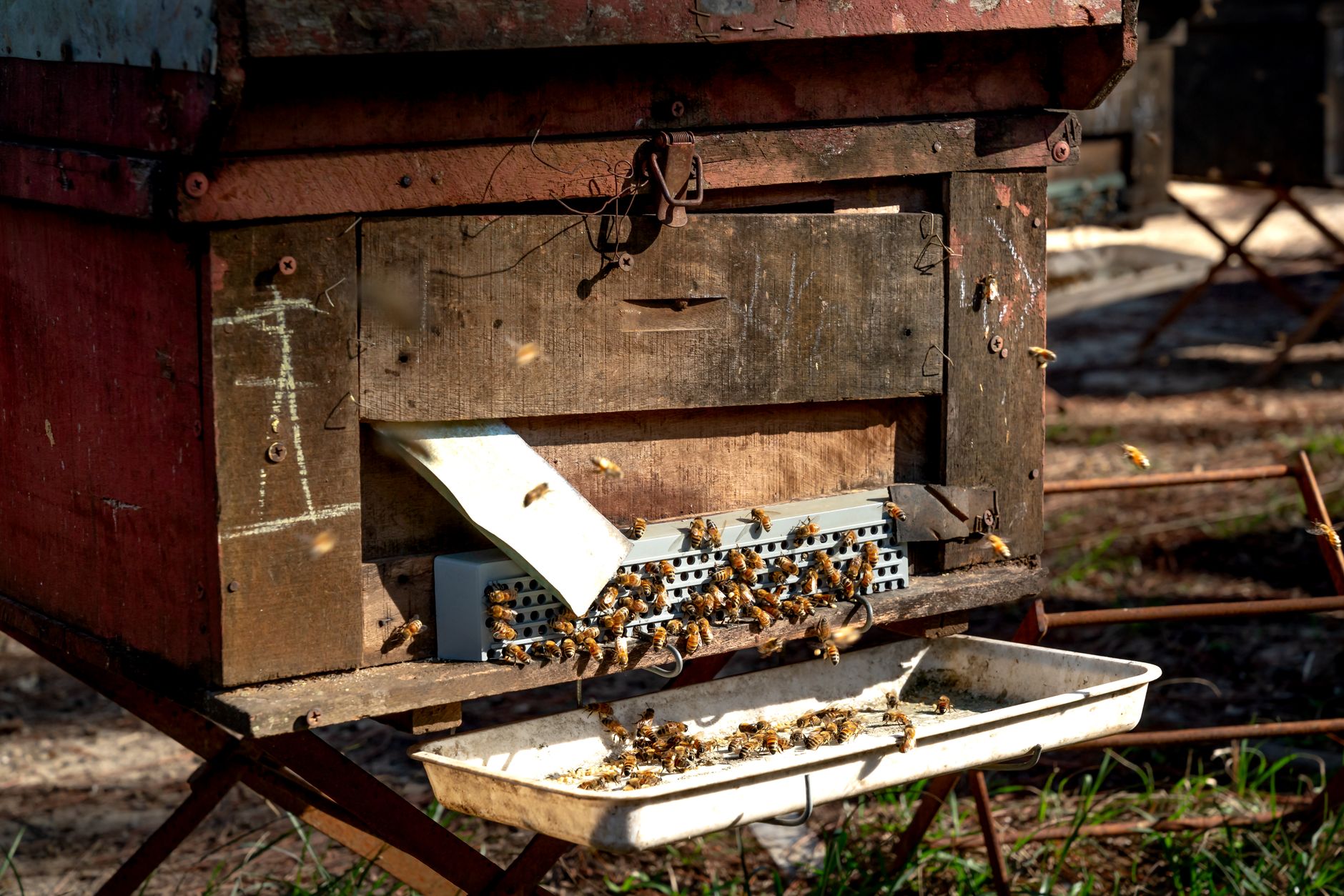
One of the most elegant solutions ever devised for crop-raiding turns elephants’ own instincts against the problem: the beehive fence. Elephants are genuinely afraid of bees — they will actively avoid the threat, fleeing from the sound of a disturbed hive and even emitting a special low-frequency rumble that warns other elephants to retreat. By hanging beehives at intervals along a wire strung around a farm’s boundary, farmers create a living fence: when an elephant disturbs the wire, the hives swing and the bees emerge, and the elephants turn away. The approach has been tested in Laikipia, where a beehive fence cut successful crop raids substantially compared with an unprotected farm. Better still, the bees pollinate the crops and produce “elephant-friendly honey,” giving farmers a valuable extra income. It is a rare conservation win-win: protecting crops, deterring elephants without harm, and rewarding farmers — and it has spread to elephant-range communities across Africa.
Protecting Livestock from Predators
The other major front in the conflict is predators versus livestock, and here the key innovation is the predator-proof enclosure, or boma. Traditionally, herders corral their cattle, sheep and goats at night in enclosures of thorn bush or wood, but these are often breached by lions, leopards and hyenas, leading to devastating losses and, frequently, retaliatory killing of the predators. Reinforced predator-proof bomas — sturdy enclosures of chain-link or metal, sometimes mobile so they can move with the herd to fresh grazing — dramatically reduce night-time attacks, protecting both the livestock and, by removing the motive for revenge, the predators themselves. Lion-proof bomas have proven highly effective at reducing losses and easing the conflict that has historically driven lion declines. By securing livestock at its most vulnerable, these enclosures break the cycle of predation and retaliation, allowing big cats and herders to coexist far more peacefully across the shared rangelands.
Other Coexistence Strategies
Beyond beehives and bomas, Laikipia and its partners deploy a whole toolkit of coexistence measures. Chili-based deterrents — fences smeared with chili grease, or chili “bombs” — exploit elephants’ dislike of capsaicin to keep them from crops. Strategic fencing, carefully sited, can separate farmland from wildlife areas, though fencing in Laikipia carries its own complicated politics, since poorly placed fences can sever the very corridors wildlife needs. Compensation and insurance schemes aim to offset the losses families suffer, reducing resentment. Improved livestock husbandry, herding practices and guarding, sometimes aided by guard dogs, lower predation. And crucially, ensuring communities receive real benefits from wildlife — jobs, revenue, services — shifts the balance so that the advantages of living with wildlife outweigh the costs. No single measure is a silver bullet; success comes from combining them, tailored to local circumstances.
Why Coexistence Is the Future
The ultimate goal of all these efforts is coexistence — a state in which people and wildlife can share the landscape with the costs of conflict kept low enough, and the benefits of wildlife high enough, that communities choose conservation. This matters enormously for Laikipia’s communities and its wildlife alike, because in an unfenced, shared landscape there is no alternative: wildlife will only survive if the people who live with it are willing to tolerate and protect it. That willingness depends on reducing the harm wildlife causes and increasing the good it brings. The encouraging truth is that Laikipia has shown coexistence is achievable, through a blend of clever technology, fair compensation, community benefit and respect for local knowledge. Far from being an intractable problem, human-wildlife conflict has become one of the region’s most active and innovative areas of conservation, with lessons resonating across the continent.
How Tourism Helps Reduce Conflict
Tourism plays a quiet but crucial role in easing human-wildlife conflict. The revenue from conservancy fees and lodges helps fund the very solutions described here — the beehive fences, predator-proof bomas, compensation schemes and community benefits that make coexistence possible. By giving wildlife tangible economic value, tourism tips the cost-benefit balance in conservation’s favour: an elephant or lion becomes an asset that draws paying visitors and funds local development, rather than merely a threat to crops and cattle. When communities see that wildlife brings schools, jobs and income, tolerance grows and conflict eases. So your visit, by supporting the conservation economy, indirectly helps a farmer protect her maize and a herder protect his cattle — and helps an elephant and a lion live another day. It is one more way that responsible conservation tourism makes a real difference on the ground.
The Human Cost of Conflict
It is worth dwelling on what human-wildlife conflict actually means for the families who endure it, because the statistics can obscure the human reality. For a subsistence farmer, a night of elephant crop-raiding can destroy not just a season’s income but the family’s food for the year, undoing months of labour in hours. For a pastoralist, a predator attack on the herd can wipe out cattle that represent a lifetime’s savings, social status and security all at once. Beyond the material losses, there is fear — the constant vigilance of living among animals that can kill, the dread of going to the fields or water at certain times, the sleepless nights guarding crops or livestock. Occasionally conflict turns tragic, with people injured or killed. These costs fall on some of the poorest and most vulnerable people, who have least capacity to absorb them, and who often feel they bear the burden of conserving wildlife that the wider world values. Recognising this human cost honestly is essential — both as a matter of justice and because no conservation strategy can succeed if it ignores the real suffering conflict causes.
The Wildlife Cost: Retaliation
Human-wildlife conflict is a two-way tragedy, because the suffering of communities translates directly into danger for wildlife through retaliation. A herder who loses cattle to lions may retaliate by killing the predators, sometimes through poisoning, which can wipe out not just the culprit but whole prides, vultures and other scavengers that feed on the carcass. Farmers driven to desperation by crop-raiding elephants may harm or kill them. Retaliatory killing has historically been one of the major drivers of decline for lions and other large carnivores across Africa, and remains a serious threat. This is the brutal logic that makes conflict so corrosive to conservation: every loss a community suffers increases the likelihood of wildlife being killed in revenge, and erodes the tolerance on which coexistence depends. It is precisely why reducing the costs of conflict — through beehive fences, predator-proof bomas, compensation and benefit-sharing — is not just about helping people but about protecting wildlife, by removing the motive for retaliation and rebuilding the goodwill that allows people and dangerous animals to share the land.
Compensation and Insurance Schemes
One direct way to ease conflict is to offset the losses communities suffer through compensation or insurance schemes. The idea is straightforward: if a family is fairly and promptly compensated when an elephant destroys their crops or a lion kills their cattle, the financial blow is softened and the incentive to retaliate against wildlife is reduced. Various schemes operate in and around Laikipia and Kenya more broadly, some government-run, some supported by conservancies, NGOs or community funds, and some structured as insurance that communities pay into with support. In practice, compensation is challenging to administer well — claims must be verified to prevent fraud, payments must be prompt and adequate to actually change behaviour, and funding must be sustained. Poorly run schemes that pay too little, too late, or unreliably can breed more resentment than they relieve. But where compensation and insurance work effectively, fairly and reliably, they form a valuable part of the coexistence toolkit, sharing the costs of living with wildlife more justly between communities and the wider society that benefits from conservation.
Technology and Early Warning
Technology is opening promising new fronts in managing conflict, particularly through early warning. Where key animals such as notorious crop-raiding elephants are fitted with GPS tracking collars, their movements can be monitored, and geo-fencing systems can trigger alerts — sometimes automated text messages to rangers or community members — when an animal approaches a settlement or farmland, giving people time to respond and deter it before damage occurs. Such systems turn the same tracking technology used for research and anti-poaching into a tool for coexistence, helping prevent conflict rather than merely compensating for it afterwards. Other technological aids include improved deterrents, lighting, and monitoring systems that help predict and prevent encounters. While technology is not a complete solution and works best combined with the other measures, early-warning systems represent an exciting and growing area, using innovation to keep people, crops, livestock and wildlife apart at the critical moments. As these tools develop and spread, they offer real hope for reducing the frequency and severity of the encounters that drive conflict in shared landscapes like Laikipia.
The Pastoralist Perspective on Coexistence
It is worth remembering that the pastoralist peoples of Laikipia have coexisted with wildlife for centuries, and their perspective and knowledge are central to any solution. For communities such as the Maasai and Samburu, living alongside wild animals is not new but a deep part of cultural heritage and daily life, and traditional practices — herding strategies, the use of bomas, knowledge of animal behaviour — have long enabled a degree of coexistence. Modern conflict has intensified with growing human and livestock populations, shrinking and fragmenting habitat, and pressures like drought, but the foundation of traditional coexistence remains. Effective conservation works with this heritage rather than against it, respecting and drawing on local knowledge, involving communities as partners in designing solutions, and recognising that pastoralists are not merely victims of conflict but expert stewards of a shared landscape. Honouring the pastoralist perspective — their rights, knowledge and aspirations — is both ethically essential and practically wise, because durable coexistence can only be built in genuine partnership with the people who have always shared this land with its wildlife.
Frequently Asked Questions
Why is human-wildlife conflict a conservation problem?
Because the losses communities suffer — destroyed crops, killed livestock, danger to people — breed resentment and retaliation against wildlife, including poisoning of lions and harming of elephants. Retaliatory killing is a major driver of carnivore decline. In an unfenced shared landscape, wildlife only survives if people tolerate it, so reducing conflict is essential to conservation, not just to human welfare.
Do people get compensated for wildlife damage in Laikipia?
Various compensation and insurance schemes operate in Kenya — some government-run, some supported by conservancies, NGOs or community funds — to offset losses from crop-raiding and livestock predation. Effective, prompt, fair schemes reduce the incentive to retaliate against wildlife, but they’re challenging to administer well, and poorly run schemes can breed more resentment than they relieve.
Can technology warn communities about dangerous wildlife?
Yes — where animals like notorious crop-raiding elephants wear GPS collars, geo-fencing can trigger alerts (sometimes automated text messages) when they approach settlements or farms, giving people time to respond before damage occurs. This turns tracking technology into a coexistence tool, helping prevent conflict rather than only compensating afterwards. It works best combined with other measures.
How do pastoralists coexist with predators?
The Maasai, Samburu and other pastoralists have lived alongside wildlife for centuries, using herding strategies, bomas and deep knowledge of animal behaviour. Modern conflict has intensified with population growth, habitat loss and drought, but effective conservation works with this heritage — respecting local knowledge and involving communities as partners and expert stewards rather than just victims.
What is human-wildlife conflict in Laikipia?
It’s the negative interactions between people and wild animals in Laikipia’s shared, unfenced landscape — elephants raiding crops, predators like lions and hyenas killing livestock, and occasional danger to people. The costs fall hardest on rural families, breeding resentment and sometimes retaliation against wildlife, making conflict management central to conservation here.
How do beehive fences stop elephants?
Elephants are afraid of bees and avoid them, fleeing disturbed hives and even warning other elephants with a low-frequency rumble. Hanging beehives along a wire around a farm creates a living fence: when an elephant disturbs it, the bees emerge and the elephant retreats. Tests in Laikipia cut crop raids substantially, and farmers gain pollination and “elephant-friendly honey” too.
How are livestock protected from predators?
Mainly through predator-proof bomas — reinforced enclosures of chain-link or metal, sometimes mobile, that secure cattle, sheep and goats at night when they’re most vulnerable. These dramatically reduce attacks by lions, leopards and hyenas, protecting both livestock and the predators, since they remove the motive for retaliatory killing.
What other solutions reduce human-wildlife conflict?
Chili-based deterrents that exploit elephants’ dislike of capsaicin, carefully sited fencing, compensation and insurance schemes for losses, improved herding and guarding (sometimes with guard dogs), and maintaining wildlife corridors so animals can travel away from farms. Above all, ensuring communities gain real benefits from wildlife so its value outweighs its costs.
How does tourism help with human-wildlife conflict?
Tourism revenue from conservancy fees and lodges funds the solutions — beehive fences, predator-proof bomas, compensation and community benefits — and gives wildlife tangible economic value. When communities see that elephants and lions bring jobs, schools and income, tolerance grows and conflict eases, so your visit indirectly helps both people and wildlife.
Continue with our guides to wildlife corridors, Laikipia’s elephants, and the full conservation and community tourism guide.