Last updated: June 2026
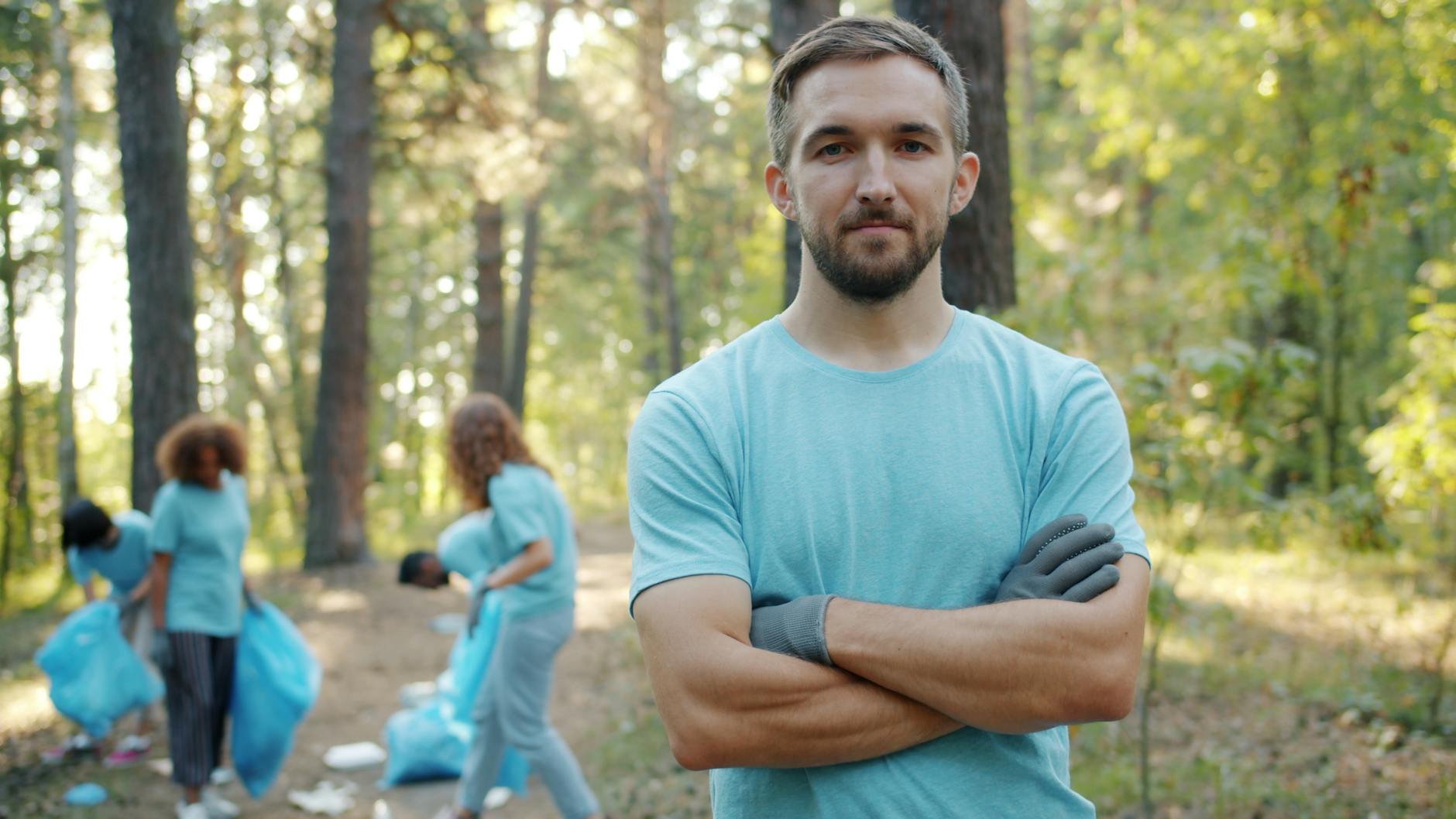
For travellers who want to do more than observe — who want to roll up their sleeves and contribute to the conservation they care about — Laikipia offers some genuinely rewarding opportunities. From monitoring predators and supporting wildlife research to working alongside rangers and helping community development projects, volunteering in Laikipia can be a deeply meaningful way to engage with this extraordinary landscape and the people protecting it. But it pays to choose wisely: not all “volunteer” programs are created equal, and the most valuable ones are those built around real conservation outcomes and genuine community needs rather than a packaged experience. This guide covers the kinds of programs available, how to find legitimate and ethical ones, what they cost, and how to make sure your time and money make a real difference.
Done well, conservation volunteering is one of the richest ways to experience Laikipia. Here’s how to do it right.
Why Volunteer in Laikipia?
Laikipia is a natural home for conservation volunteering because so much real conservation work happens here, on living, working landscapes outside the national-park system. Volunteers can plug into ongoing research, monitoring and community programs run by world-class conservancies and organisations, gaining a depth of insight and involvement that no ordinary safari can offer. You might spend your days tracking lions, recording wildlife sightings, assisting rangers, helping at a community school or contributing to habitat work — and your evenings under some of the darkest, starriest skies in Kenya. Beyond the personal reward, your contribution, time and fees support the conservation and community work that sustains the region. For students, career-changers, gap-year travellers and anyone wanting hands-on engagement, Laikipia provides a rare chance to be part of conservation rather than merely a spectator to it.
Types of Volunteer Programs
Volunteer opportunities in Laikipia fall into a few broad categories. Wildlife research and monitoring programs have volunteers helping collect data on predators, raptors, elephants or endangered species — work that directly informs conservation decisions; Mugie Conservancy, for example, runs predator and raptor monitoring with research partners. Conservation support roles assist with habitat management, anti-poaching logistics, or the day-to-day running of a conservancy. Community development programs focus on people — teaching in schools, supporting health outreach, helping with water or building projects in neighbouring communities. Research placements and internships, such as those at Ol Pejeta, suit students and professionals seeking structured experience with universities and NGOs. Many of the best programs blend wildlife and community work, reflecting the inseparable link between the two that defines Laikipia’s whole conservation philosophy.

Choosing an Ethical, Legitimate Program
This is the most important section, because the volunteering sector contains both excellent programs and exploitative ones. The golden rule is to choose programs with genuine conservation or community outcomes, run transparently by or in close partnership with established conservancies and local organisations. Look for clarity about exactly what you’ll do, where your fees go, and how the work benefits wildlife and communities. Favour skills-based contributions matched to real needs over generic “experiences,” and be wary of anything that places untrained volunteers in roles that should be done by paid locals, or that involves hands-on contact with wild animals or, especially, orphanage-style operations, which are widely criticised. The gold standard is a program that leaves the conservancy, the research or the community measurably better off — and where you are a genuine help, not a paying guest given token tasks. When in doubt, ask hard questions and seek independent reviews.
What It Costs and How Long to Stay
Most conservation volunteer programs charge a fee, which typically covers your accommodation, meals, in-country logistics, training and a contribution to the project — and it’s worth understanding that a well-run program does cost money to host volunteers properly, so reasonable fees are normal and legitimate. Costs vary widely depending on the program, the level of comfort and what’s included, so compare carefully and make sure you understand exactly what your money funds. Durations range from a week or two to several months; longer placements generally allow you to contribute far more meaningfully, as you become trained and genuinely useful rather than just settling in. For research and internship placements, longer commitments are often expected. Budget also for flights, travel insurance, visas and personal spending on top of the program fee, and factor in the practicalities covered in our wider conservation experiences guide.
What to Expect Day to Day
Volunteer life in Laikipia is rewarding but rarely glamorous, and it helps to arrive with realistic expectations. Days often start early to make the most of cool mornings and wildlife activity, and the work can be physical, repetitive or weather-dependent — recording data, maintaining equipment, assisting staff, teaching, or helping with projects. You’ll usually stay in simple but comfortable accommodation within or near a conservancy, eat communal meals, and live closely with staff and fellow volunteers. The setting is spectacular: nights of brilliant stars, the sounds of the bush, and the privilege of being behind the scenes of real conservation. You’ll learn enormously — about wildlife, about the realities of conservation, about Kenyan life — and form connections with people doing extraordinary work. Many volunteers describe it as life-changing, precisely because it is authentic, immersive and occasionally challenging rather than a polished tourist product.
Combining Volunteering with a Safari
You don’t have to choose between giving back and experiencing Laikipia as a traveller — many people combine the two. A common and satisfying approach is to spend a stretch volunteering on a conservation or community program, then add a few days of conventional safari to see more of the region’s wildlife and lodges. Your volunteering will, in fact, enrich the safari enormously: having understood the conservation work first-hand, every animal sighting and conservancy visit carries deeper meaning. Some programs build in safari days or excursions to nearby attractions like Ngare Ndare Forest or Mount Kenya. Whether you bolt a safari onto a volunteering trip or simply choose conservation-focused experiences within a normal safari, blending the two gives you the fullest possible engagement with Laikipia — the chance both to contribute to and to marvel at this remarkable corner of Kenya.
Making Your Contribution Count
To ensure your volunteering genuinely helps, a few principles go a long way. Choose established, reputable programs tied to real conservancies and local organisations; commit for as long as you reasonably can, since longer stays add far more value; come with humility, ready to support local staff rather than direct them; and bring relevant skills where you have them. Be honest with yourself about your motivations and capabilities, and prioritise the project’s needs over your own bucket list. Listen and learn before assuming you know best, and respect the communities and cultures you’re working with. Finally, remember that your fees and your conduct both matter — supporting a well-run program and behaving as a respectful guest are themselves contributions. Approached this way, volunteering in Laikipia leaves a positive mark on the place and its people, and an indelible one on you.
Who Volunteering Suits
Conservation volunteering in Laikipia appeals to a wide range of people, but it suits some better than others. Students of biology, ecology, veterinary science, conservation or development often find it invaluable for hands-on experience and research exposure. Gap-year travellers and career-breakers seeking purpose and immersion are natural candidates, as are professionals — vets, teachers, builders, healthcare workers, data specialists — whose skills can genuinely contribute. Older travellers and retirees with time, patience and life experience are welcomed by many programs, and some opportunities suit families or groups. What matters more than age or background is mindset: volunteering rewards those who are flexible, humble, hardworking and realistic, who come to support rather than to be entertained, and who can handle basic conditions and sometimes repetitive or physical tasks. It is less suited to those expecting a polished, comfortable, wildlife-petting holiday. If you arrive ready to learn, contribute and adapt, conservation volunteering can be profoundly rewarding whatever your age or profession — but honest self-assessment of your motivations and expectations is the best starting point.
Skills That Are Genuinely Useful
While many programs welcome willing hands regardless of background, certain skills make volunteers especially valuable, and matching your abilities to a program’s real needs is the key to a meaningful contribution. Veterinary and animal-health skills are prized for wildlife work; teaching, literacy and educational skills are sought for community school programs; building, engineering and practical trades help with infrastructure projects; healthcare expertise supports clinics and outreach; and data, IT, research and analytical skills aid the monitoring and science that conservation depends on. Communication, photography and marketing skills can help conservancies tell their stories and raise funds. Even without specialist skills, reliability, physical capability and a strong work ethic are genuinely useful. The best outcomes come when a volunteer’s particular abilities meet a genuine gap the program needs filled — so it is worth being honest about what you can offer and seeking a placement that can actually use it, rather than paying to perform token tasks a local could do better. Skills-based volunteering, well matched, is where you add the most value.
Research Volunteering in Depth
For those drawn to the scientific side of conservation, research volunteering offers some of the most rewarding work. Laikipia hosts long-term studies on predators, elephants, raptors, endangered species and rangeland ecology, and volunteers can assist with the painstaking data collection these depend on: recording wildlife sightings and behaviour, helping monitor collared or individually known animals, conducting transects and counts, checking camera traps, entering and managing data, and supporting field researchers. Ol Pejeta and other conservancies offer research placements and internships in partnership with universities and NGOs, and conservancies like Mugie run predator and raptor monitoring programs. The work can be repetitive and demands patience and accuracy, but it directly informs real conservation decisions and offers an authentic taste of field science. For students and aspiring conservationists especially, research volunteering provides genuine experience, mentorship and a deeper understanding of how conservation knowledge is built — and the satisfaction of knowing your careful observations contribute to protecting the wildlife you’ve come to help.
Community Project Volunteering
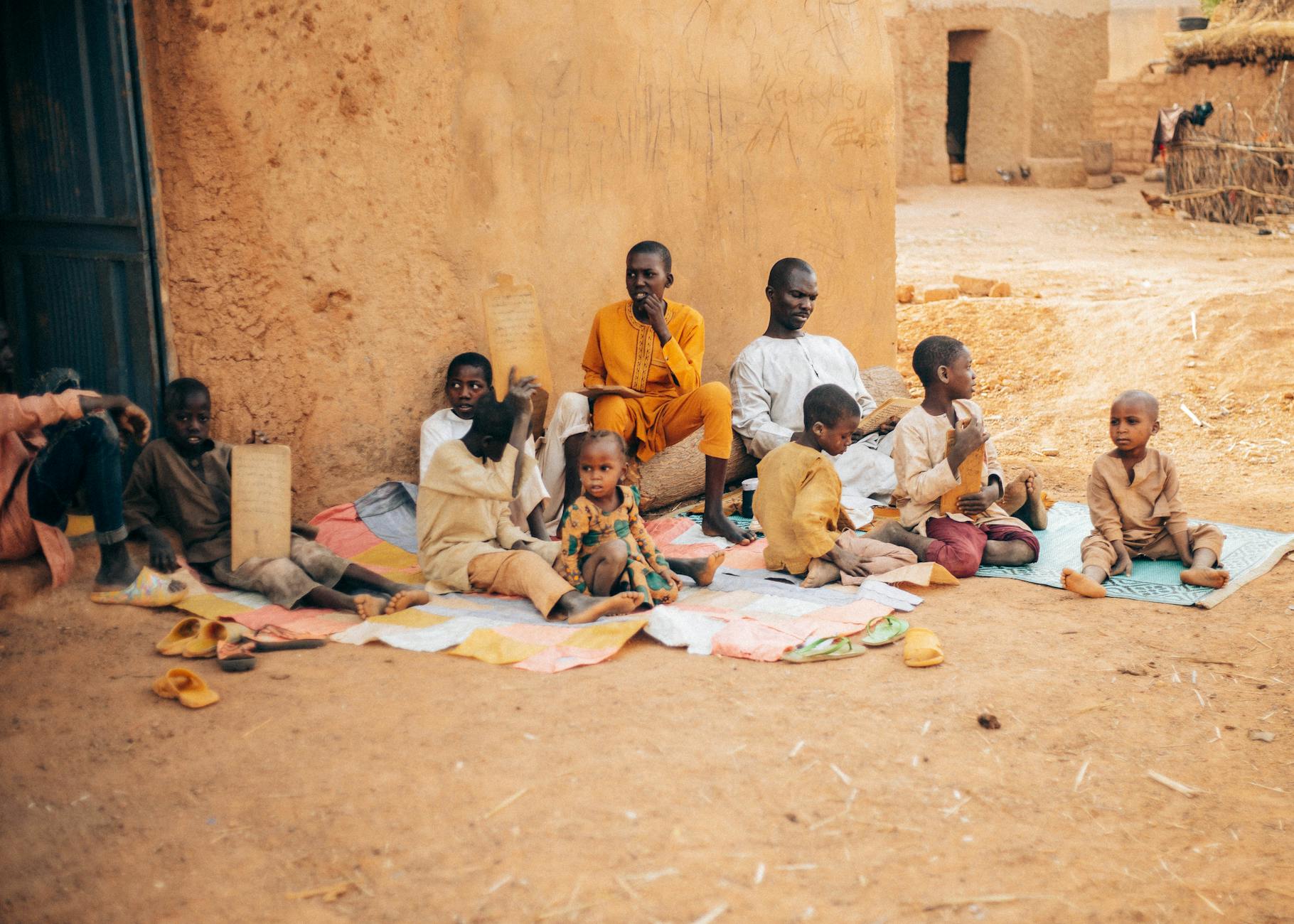
Not all volunteering centres on wildlife; some of the most impactful work focuses on people. Community development volunteering in Laikipia might involve supporting local schools — teaching, mentoring or helping with literacy and educational resources — assisting with health outreach and clinics, contributing to water, sanitation or building projects, or supporting women’s enterprises and youth programs. This work recognises that conservation in Laikipia is inseparable from community wellbeing, and that strengthening schools, healthcare and livelihoods is itself a form of conservation, building the local support on which wildlife protection depends. Community volunteering can be deeply rewarding, offering genuine human connection and a window into Kenyan rural life, but it carries special ethical responsibilities: volunteers should support and complement local staff rather than displace them, respect community priorities and culture, and avoid projects — especially involving children — that lack proper safeguarding. Done thoughtfully, through reputable programs working in genuine partnership with communities, community development volunteering channels your energy into lasting improvements in people’s lives, and into the human foundation of conservation itself.
Health, Safety and Practical Preparation
A successful volunteer trip needs sensible preparation. On health, consult a travel clinic well in advance about recommended vaccinations and malaria precautions, as covered in our conservation tourism resources, and ensure you have comprehensive travel and medical insurance that covers your activities and any remote-area evacuation. Reasonable fitness helps, as field work can be physical and conditions basic. Sort your visa and entry requirements, and check what the program provides versus what you must bring — typically you’ll need suitable field clothing in neutral colours, sturdy footwear, sun and insect protection, a refillable water bottle, any personal medications, and perhaps your own binoculars or camera. Bring patience, adaptability and an open mind as much as any kit. Research your specific program thoroughly, communicate with the organisers about expectations and logistics, and arrange your travel to and within Kenya. Good preparation lets you focus on contributing and absorbing the experience rather than scrambling to cope, and ensures your time in Laikipia is safe, healthy and genuinely productive.
Frequently Asked Questions
Who is conservation volunteering suitable for?
A wide range — students of biology, ecology or conservation, gap-year travellers, career-breakers, skilled professionals (vets, teachers, builders, healthcare and data specialists), and often retirees and families. What matters most is mindset: flexibility, humility, a willingness to work and realistic expectations. It suits those who come to support rather than to be entertained and can handle basic conditions.
Do I need special skills to volunteer in Laikipia?
Not always, but matching your skills to a program’s real needs adds the most value. Veterinary, teaching, building, healthcare, data and research skills are especially useful, as are communication and photography. Even without specialist skills, reliability and a strong work ethic help. Seek a placement that can genuinely use what you offer rather than token tasks.
Is volunteering in Laikipia safe?
Generally yes, with sensible preparation. Consult a travel clinic about vaccinations and malaria precautions, get comprehensive travel and medical insurance covering remote-area evacuation, and choose reputable, well-organised programs. Reasonable fitness helps for field work. Follow program safety guidance and normal travel precautions, and the experience is safe and rewarding.
What should I prepare before a volunteer trip?
Sort vaccinations and malaria precautions via a travel clinic, comprehensive insurance, and your visa. Check what the program provides versus what to bring — typically neutral field clothing, sturdy footwear, sun and insect protection, a water bottle, personal medications and binoculars. Research the program thoroughly and communicate with organisers about expectations and logistics.
Can you volunteer for conservation in Laikipia?
Yes — Laikipia offers genuine conservation volunteering, from wildlife research and monitoring (such as predator and raptor monitoring at Mugie) to research placements and internships at conservancies like Ol Pejeta, plus community development programs. The best opportunities are tied to established conservancies and organisations doing real conservation and community work.
How do I choose a legitimate volunteer program?
Choose programs with genuine conservation or community outcomes, run transparently by or with established conservancies and local organisations. Check exactly what you’ll do and where your fees go, favour skills-based roles matched to real needs, and avoid programs offering hands-on contact with wild animals or orphanage-style operations, which are widely criticised. Seek independent reviews.
How much does volunteering in Laikipia cost?
Most programs charge a fee covering accommodation, meals, logistics, training and a project contribution — legitimate programs do cost money to host volunteers properly. Costs vary widely, so compare what’s included. Budget separately for flights, travel insurance, visas and personal spending. Longer placements generally offer better value and let you contribute more meaningfully.
How long should I volunteer for?
Durations range from a week or two to several months. Longer placements let you contribute far more, as you become trained and genuinely useful rather than just settling in, and research or internship placements often expect longer commitments. If you can, stay several weeks or more to make a real difference.
Can I combine volunteering with a safari?
Absolutely — many people spend time on a conservation or community program then add a few days of conventional safari. Volunteering actually enriches the safari, since you’ll understand the conservation work first-hand. Some programs include safari days or excursions to attractions like Ngare Ndare Forest and Mount Kenya.
Plan a meaningful trip with our guides to conservation experiences, community conservancies, and the full conservation and community tourism guide.