Last updated: May 2026
 wildlife landscape conservation tourism” class=”wp-image-169″/>
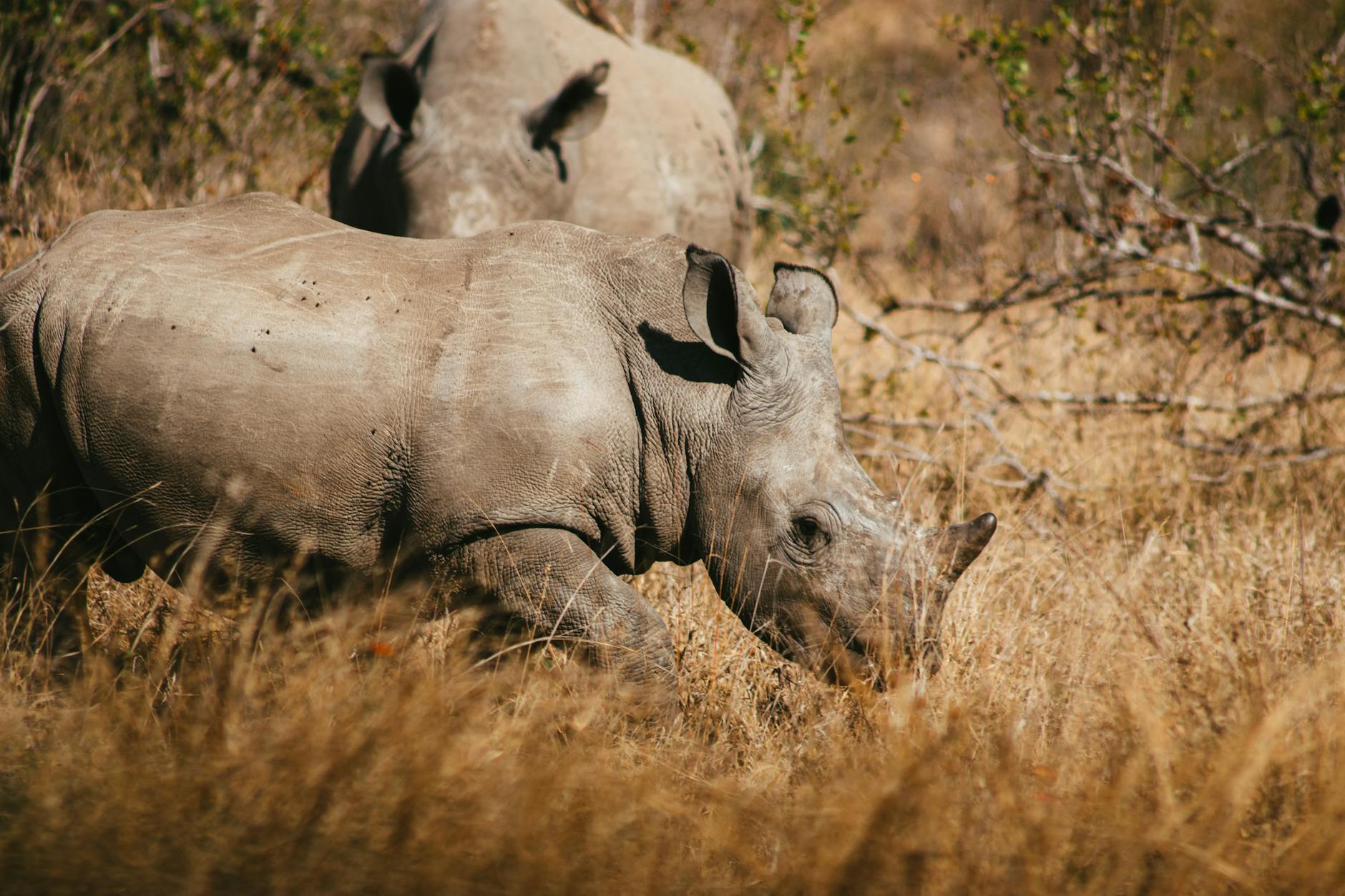
Most of Africa’s great wildlife landscapes have lost ground over the last fifty years. Laikipia is one of a small handful that has gained it. The plateau today holds more elephants, more rhinos and more wild dog than it did when the colonial-era cattle ranches dominated the land. The reason is a model of Laikipia conservation tourism that doesn’t sit inside any national park system: 9,500 square kilometres of private and community-owned land, paid for almost entirely by safari guests, where the people who own the land have decided that wildlife pays better than livestock alone.
This guide explains how that model actually works, who benefits, what your visit funds, and how to choose lodges and conservancies that maximise the conservation impact of your trip. Whether you’re a casual traveller curious about why Laikipia matters, or someone considering a longer stay or a contribution beyond the room rate, the practical detail you need is below.
Why Laikipia Is Different
Kenya’s wildlife is mostly protected through a system of state-owned national parks managed by the Kenya Wildlife Service. National parks cover about 8% of the country and produce roughly 30% of its wildlife tourism revenue. They’re well-known, well-funded relative to other African parks, and tightly regulated.
Laikipia is almost the opposite. Less than 2% of the county is national park (Mount Kenya N.P. clips its eastern edge). The wildlife — elephants, lions, leopards, rhino, wild dog, Grevy’s zebra, reticulated giraffe — lives on land that is privately owned (former colonial-era cattle ranches), community-owned (group ranches owned collectively by Maasai, Samburu, Pokot and Mukogodo communities), or held by research institutions. There is no government parks system stitching it together.
Instead, since the 1980s, landowners have voluntarily set aside cattle land for wildlife, formed conservancies (legally, “wildlife conservation areas”), and paid the bills through a mix of safari tourism, sustainable cattle ranching, philanthropic donations and increasingly through carbon and wildlife credits. The result, after forty years, is a contiguous wildlife landscape larger than many national parks — without any of the formal protection, funding or fence-line enforcement that national parks rely on.
This works only because tourism revenue is real, large, and channelled directly back into the land. Lewa Wildlife Conservancy alone employs over 350 staff. Ol Pejeta covers nearly all of its US$ 6 million annual operating budget through commercially generated revenues — most of it from safari tourism. Loisaba runs schools, healthcare clinics and managed grazing programmes for surrounding communities funded almost entirely from the lodges on its land. The Northern Rangelands Trust, which coordinates 43 community conservancies across northern Kenya, channels millions of dollars a year of tourism and grant revenue into anti-poaching, education and community livelihood projects.
The Laikipia model is now studied as a template for community-based conservation across Africa. It’s also the reason your safari fee is structured the way it is.
How the Conservation Tourism Model Works
The Conservancy Structure
Most Laikipia conservancies are organised as private companies, trusts, or community-owned entities. Three structural patterns dominate:
Private conservancies on former ranching land. Examples: Ol Pejeta, Lewa, Borana, Solio, Sosian, Mugie, Loisaba, Mpala, Suyian. The land is owned by a family trust, a company, or a small consortium of shareholders. Tourism revenue funds operations; many conservancies also run cattle herds (with the cattle and wildlife coexisting on the same land — proven to actually improve grass quality through targeted grazing).
Community conservancies. Examples: Il Ngwesi, Lekurruki, Naibunga, Kalama (in neighbouring Samburu but co-managed). The land is owned collectively by a group ranch — the Kenyan legal mechanism for community land ownership. The community elects a board, the board enters into commercial agreements with safari operators, and the lodge revenue is paid into a community fund that finances schools, clinics, water projects, scholarships and ranger salaries.
Hybrid models. Examples: Ol Donyo Lemboro, parts of Loisaba’s broader landscape. Private conservancies that have entered into formal benefit-sharing arrangements with neighbouring community ranches, often including grazing access, employment quotas, scholarship funds and direct cash payments per guest-night.
The umbrella organisation, the Laikipia Wildlife Forum, coordinates research, anti-poaching, fundraising and policy advocacy across the conservancy network. The Northern Rangelands Trust performs a similar role for the community conservancies of northern Kenya, including the Laikipia community ranches.
Where Your Money Goes
A typical safari night at a high-end Laikipia conservancy lodge costs USD 600–1,400 per person all-inclusive. That bill breaks down roughly as follows:
Conservancy fees: USD 80–150 per person per night. Paid directly to the conservancy that owns the land. This is the headline conservation contribution. It funds rangers, fences, vehicles, vet care for relocated animals, water infrastructure, fire control and the general running of the wildlife area. On Lewa and Ol Pejeta, the conservancy fee structure is publicly disclosed — guests can see exactly what proportion of their bill funds operations.
Community contribution: USD 5–30 per person per night. A levy specifically earmarked for the community partnership programmes — scholarships, healthcare, community water projects, micro-enterprise grants. Some lodges build this into the room rate; others list it as a separate line item.
Lodge operations: the balance. Staff salaries (most safari lodges employ 30–60 staff for 8–20 guest beds, an extraordinarily high ratio), food, energy, vehicle running costs, lodge maintenance, marketing, and the lodge owner’s margin.
The result is that, on average, somewhere between 25% and 40% of your nightly bill at a Laikipia conservancy lodge is going directly into conservation and community work — a far higher proportion than at most national-park lodges, where conservancy fees don’t exist and you’re paying a flat per-person KWS park-entry fee that goes into the central government revenue pool.
Conservation Wins You Can Point To
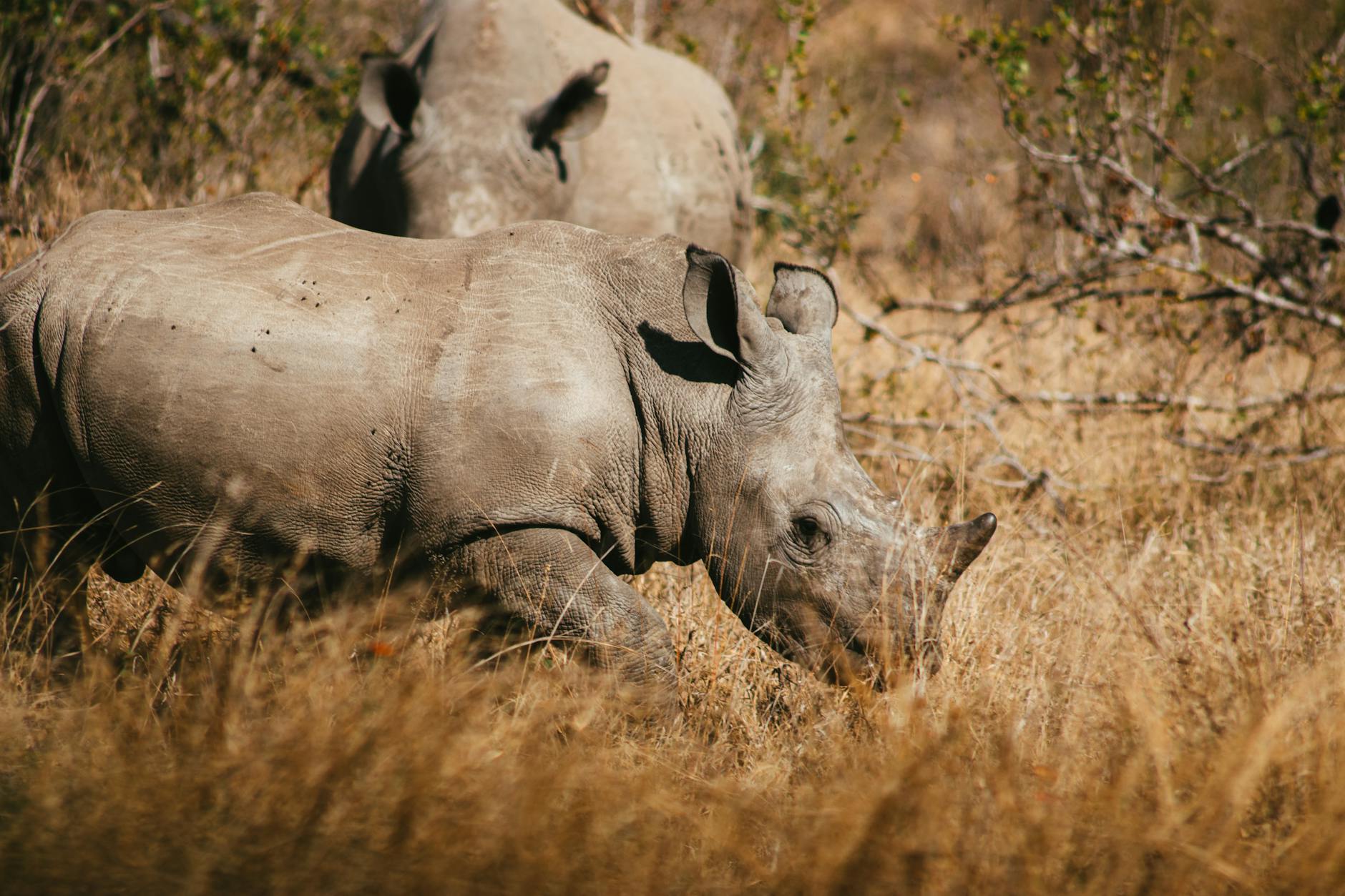
The Laikipia model isn’t just good in theory. It has produced measurable, named results.
Black Rhino Recovery
In 1970 Kenya had roughly 20,000 black rhinos. By 1989 the country was down to 350 — the worst poaching crisis in conservation history. The rebuild has been slow and uneven, but Laikipia has been at the centre of it. Solio Ranch became one of the world’s first private rhino sanctuaries in the 1970s and has since translocated more than 70 rhinos to other reserves. Ol Pejeta now holds over 200 black rhinos — the largest population in East Africa — and Lewa, Borana and Sera Community Conservancy collectively hold another 150-plus. Kenya’s national black rhino population today is back above 1,000 — and roughly half of it lives on private and community conservancy land.
The Last Two Northern White Rhinos
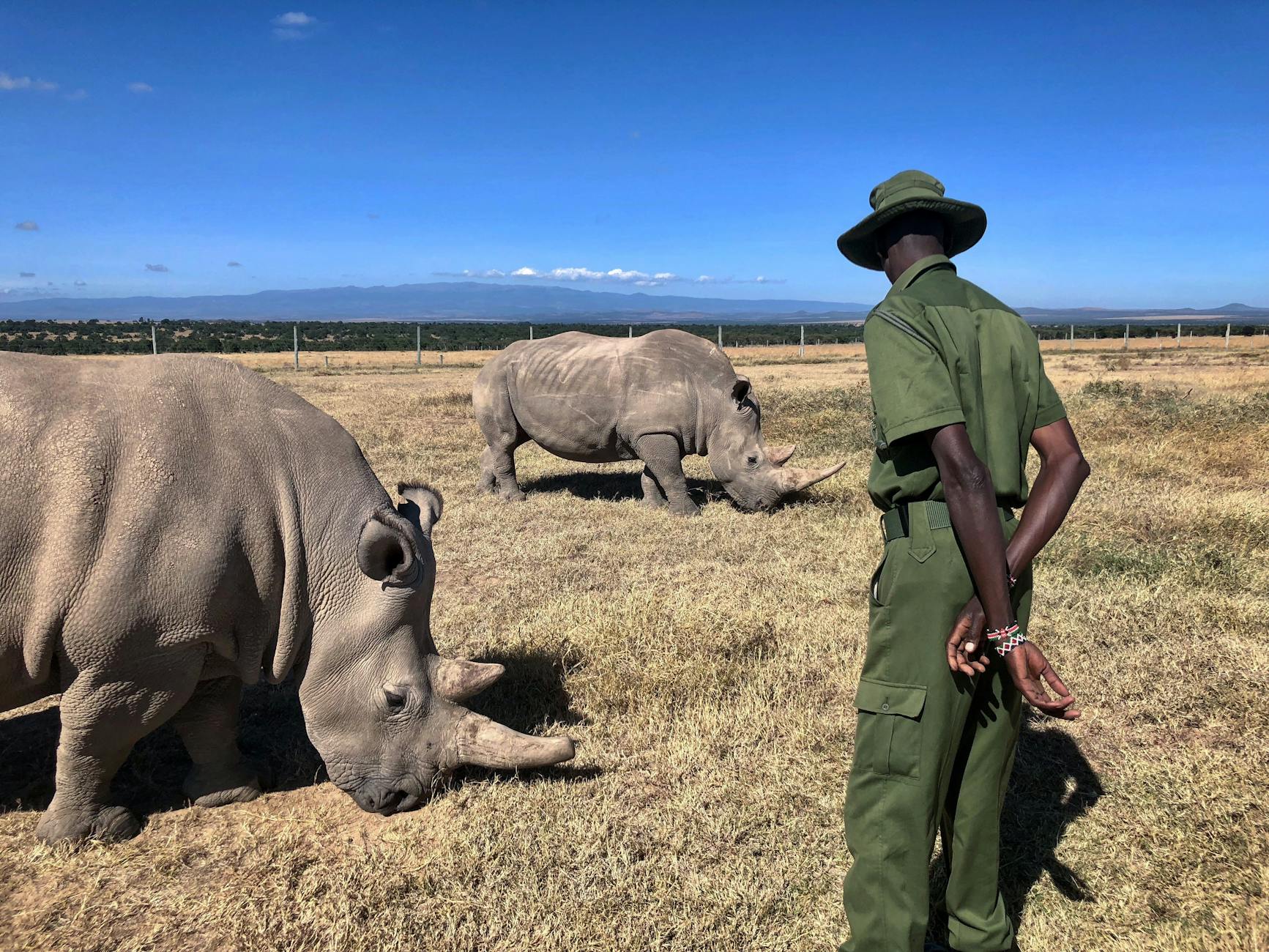
The two surviving northern white rhinos in the world — Najin and Fatu — live on Ol Pejeta Conservancy. They’re protected by 24-hour armed guards. The species is functionally extinct: both remaining animals are female. But a remarkable in-vitro fertilisation programme using stored sperm from deceased males and harvested eggs from Najin and Fatu has produced 30+ viable embryos, with the first surrogate-pregnancy attempts using closely related southern white rhino mothers underway. Ol Pejeta is the operational hub for that effort.
African Wild Dog Recovery
The African wild dog (also called the painted wolf) is the second most endangered carnivore in Africa, with fewer than 7,000 left across the continent. Laikipia has become one of its strongest population centres — a continuous, fence-free landscape with prey, denning sites, and remarkably few of the disease and trapping pressures that have wrecked wild dog populations elsewhere. The Mpala Research Centre’s wild dog programme has tracked and protected the Laikipia population for over twenty years. Sightings on Laikipia Wilderness, Mugie, Loisaba and Ol Pejeta are now regular.
Grevy’s Zebra
The Grevy’s zebra — bigger, narrower-striped and far rarer than the common Burchell’s zebra — was down to fewer than 2,500 individuals continent-wide a decade ago. Laikipia and the neighbouring Samburu landscape together hold the great majority of the species. The Grevy’s Zebra Trust, headquartered on Lewa, runs the species recovery programme and works with community conservancies across the northern rangelands. Population trends are now stable to slightly positive.
Elephant Connectivity
Elephants need huge home ranges and free movement between water sources. Laikipia provides one of the few remaining elephant corridors in northern Kenya, connecting Mount Kenya forest, the Aberdares and the Samburu landscape via the Ewaso Ng’iro river system. Save the Elephants and the Mount Kenya Trust have spent twenty years securing those corridors — most notably the Mount Kenya Elephant Corridor underpass beneath the busy Nanyuki–Meru road, opened in 2010, which allows elephants to move between Mount Kenya forest and the Lewa–Ngare Ndare landscape without being killed by traffic or speared by farmers. Tracking data shows elephants using the underpass within months of opening.
Lion Population
Lion numbers across Africa have crashed by roughly 40% in the last two decades. Laikipia is one of the few landscapes where the population is stable or rising. The Ewaso Lions project, the Lion Landscapes group, and the Kenya Wildlife Trust have all built long-running monitoring programmes here. Conflict-mitigation work — predator-proof bomas (livestock enclosures), warning systems, compensation funds for stock losses — has measurably reduced retaliatory killings.
How Communities Benefit
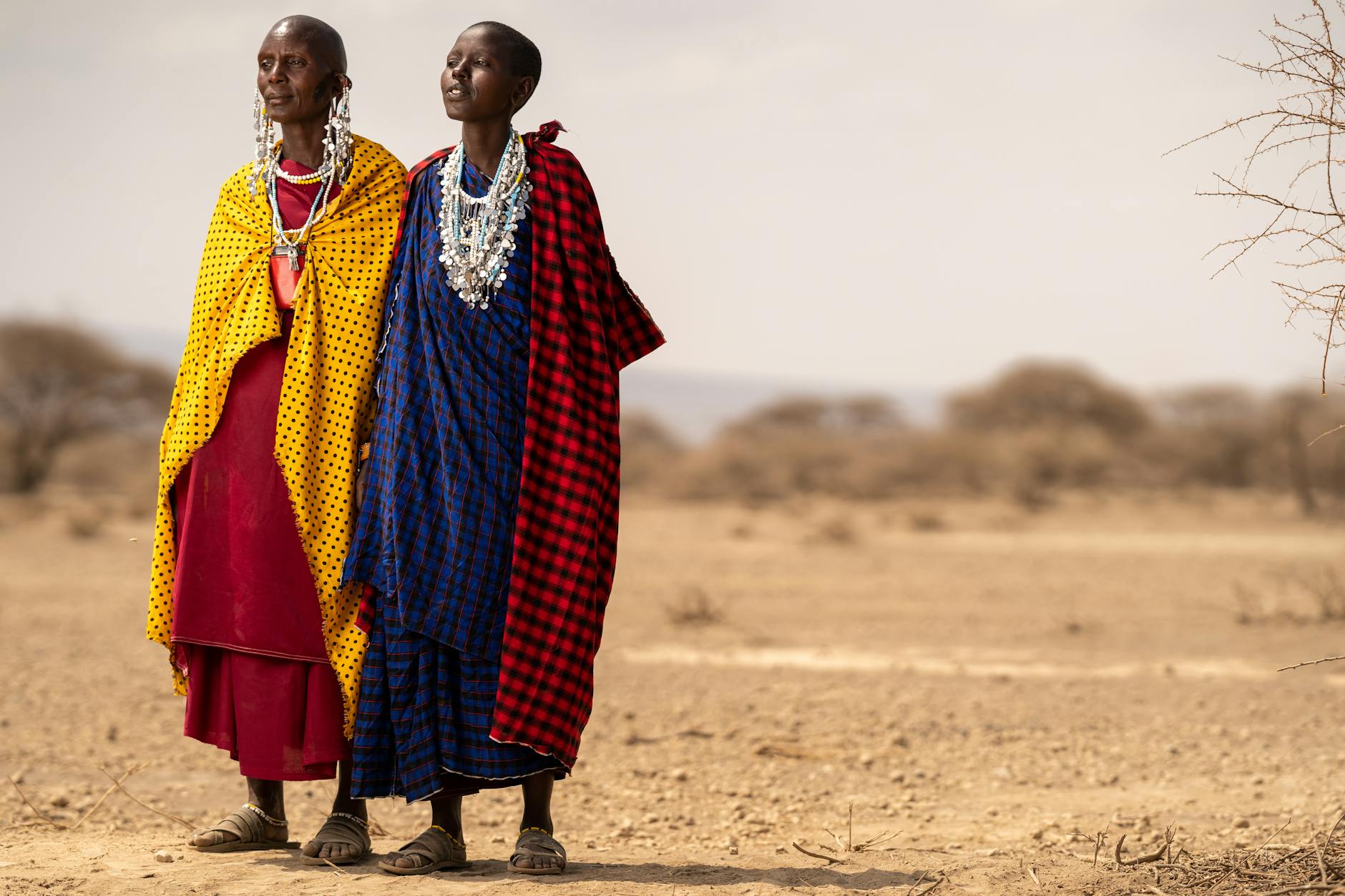
Conservation that depends on communities surrendering grazing land cannot work unless those communities receive concrete benefits. The Laikipia model has built up an explicit set of community benefit streams over forty years.
Direct Employment
Lodges, conservancies and conservation NGOs are now among the largest employers in the county. Ol Pejeta employs over 700 staff. Lewa employs 350+. Loisaba has created over 200 jobs since reopening as a conservancy in 2010. Most of these jobs go to people from neighbouring communities — anti-poaching rangers, lodge staff, vehicle drivers, mechanics, kitchen staff, gardeners. In a county where formal employment is otherwise scarce, conservation jobs are a major economic stabiliser.
Education
Lewa, Ol Pejeta, Borana, Loisaba, Mpala and several community conservancies all operate or fund schools in their surrounding communities. The Lewa Education Programme alone supports nineteen primary and three secondary schools; over 8,000 children pass through the programme each year. Ol Pejeta has built or upgraded 60+ schools and provides scholarships for university-bound students. The pattern across the county is that conservancies invest in education first, on the explicit theory that long-term coexistence between people and wildlife requires educated communities who see direct economic value in the wildlife on their land.
Healthcare
Mobile and permanent clinics serve communities that previously had to travel for hours for basic care. Loisaba and Borana operate clinics for tens of thousands of people across the surrounding ranches. Ol Pejeta partners with the Kenya Ministry of Health on community-health-worker training programmes.
Water Infrastructure
Boreholes, dams and piped water systems funded by conservancy revenues serve both people and livestock in surrounding communities. In dryland Laikipia, water infrastructure is one of the most consequential investments a conservancy can make — and one of the most visible benefits to community members.
Managed Grazing Access
The “wildlife and cattle together” model means conservancies can grant scheduled grazing access to community herds during drought periods. This has become a critical safety valve during the increasingly frequent severe droughts in northern Kenya. In 2022, Loisaba alone provided emergency grazing for tens of thousands of community cattle that would otherwise have starved.
Scholarships and Vocational Training
Most major conservancies run scholarship programmes funded by tourism revenue and lodge guest donations. Ol Pejeta’s bursary programme funds over 600 students annually. Lewa supports degree-level education for young people from surrounding communities. Conservancies also invest in vocational training — beadwork cooperatives, mechanic training, tour-guide certification programmes.
Direct Revenue Sharing in Community Conservancies
In community-owned conservancies (Il Ngwesi, Lekurruki, Naibunga, Kalama and others) tourism revenue flows directly to the community board, which allocates it through democratic processes to community-priority projects. Annual community dividends, school fee subsidies, and emergency drought funds have all been funded this way.
How to Choose a Conservation-Forward Lodge
Not every Laikipia lodge contributes equally to conservation. Here’s what to look for.
Verify the Conservancy Fee Structure
A genuine conservation-forward lodge will publish or readily share its conservancy fee breakdown — how much per guest-night goes to conservation, how much to community, how much to operations. Lodges that can’t or won’t produce this information are usually ones whose contribution is small or opaque.
Look for Community Conservancy Stays
Lodges located on community-owned land — Il Ngwesi Lodge (Il Ngwesi Group Ranch), Tassia Lodge (Lekurruki), Sarara Camp (Namunyak, just over the Samburu border) — channel the highest proportion of revenue to communities. They also offer some of the most authentic cultural experiences because the lodge operations are owned and largely staffed by the community itself.
Check for Independent Conservation Partnerships
Properties affiliated with The Nature Conservancy (Loisaba), Tusk (multiple), African Parks, the Northern Rangelands Trust, San Diego Zoo Global (Loisaba) or Save The Rhino International (multiple) have third-party oversight of their conservation programmes. This isn’t a guarantee of impact, but it’s a useful screen.
Ask About Anti-Poaching
Anti-poaching is the unsexy, expensive, dangerous work that keeps wildlife alive. Lodges and conservancies should be transparent about ranger numbers, training programmes, and equipment. Some properties (Ol Pejeta, Lewa, Borana) run dedicated K9 anti-poaching units; you can sometimes meet the dogs and handlers as part of a behind-the-scenes tour.
Look for Revenue Transparency
Lewa, Ol Pejeta and Loisaba publish annual reports detailing income, expenditure, conservation outcomes and community programmes. Read them. The honesty of those reports is a useful indicator of how seriously the property takes its conservation commitments.
Direct Conservation Experiences You Can Have
Several Laikipia properties offer guests behind-the-scenes conservation experiences as part of standard or upgraded packages.
Anti-poaching K9 unit demos. Available at Ol Pejeta and a few other properties — visitors can meet the tracking and detection dogs (mostly Belgian Malinois and bloodhounds), see training sessions, and learn about the work. Often included in conservancy tours.
Rhino monitoring drives. Some lodges offer afternoon tracking sessions with the conservancy’s rhino monitoring team — joining radio-tracked patrols, learning identification techniques, contributing to the daily census. Powerful experience and a useful funding mechanism for monitoring teams.
Wildlife veterinary work. Some conservancies allow guests (with appropriate medical clearance and a small donation) to observe collaring operations, treatment of injured animals, or relocations.
Community visits with substance. The cultural visits offered by community-owned lodges (Il Ngwesi, Tassia) are run by the communities themselves and revenue goes directly to community funds. They’re genuine cultural exchange rather than performance.
Volunteering and longer stays. Mpala Research Centre and several conservancies host research interns and volunteers on multi-week projects in wildlife monitoring, community education and ecology. These are not casual “voluntourism” stays — most require relevant academic background or specific skills.
Tracking the chimpanzees at Sweetwaters. The Jane Goodall–founded chimpanzee sanctuary on Ol Pejeta hosts chimps rescued from the bushmeat and pet trades. A behind-the-scenes “Caregiver for a Day” experience pairs visitors with sanctuary staff for a half-day of food preparation, observation and care.
The Carbon and Wildlife Credits Frontier
One of the more interesting recent developments in the Laikipia funding model is the emergence of carbon credits from rangeland restoration and wildlife credits as a parallel revenue stream to tourism. The Northern Kenya Rangelands Carbon Project — covering several Laikipia and northern Kenya conservancies — has been issuing verified carbon credits since 2013, with revenue flowing back into community funds. Wildlife credits, where conservancies are paid for verified increases in wildlife populations or habitat condition, are a newer and more contested mechanism but several pilots are running.
The relevance for visitors: tourism remains the dominant revenue stream, but the funding model is diversifying, which makes the conservation system more resilient to tourism shocks (Covid-19 was a near-existential test that several conservancies survived only because of bridge funding from carbon credits and emergency grants).
How to Maximise Your Conservation Impact
The single highest-leverage thing you can do is choose a community-owned or community-partnered lodge. Beyond that:
Stay longer. A four-night stay funds substantially more conservation work per dollar of total trip cost than a one-night stay (because conservancy fees scale linearly with nights but flight, transfer and visa costs are one-off).
Travel in shoulder seasons. April–June and November are quieter and lodges that depend on continuous occupancy benefit from off-peak bookings as much or more than peak-season bookings.
Donate beyond the room rate. Most major conservancies have direct donation programmes. Lewa, Ol Pejeta, Loisaba, Borana, Mpala, the Mount Kenya Trust, the Grevy’s Zebra Trust, the Ewaso Lions project, Save The Elephants and the Northern Rangelands Trust all accept direct contributions and most are registered charities in your home country.
Buy from community cooperatives. The Nanyuki Spinners and Weavers, the beadwork cooperatives that show their work in the lodges, the women’s craft groups — money spent here goes much further locally than the same dollar spent in airport gift shops.
Spread the word. The Laikipia conservation story is genuinely under-told outside the safari industry. Reviewing your stay, sharing photos, recommending properties to friends — these are tangible contributions to the financial sustainability of the model.
Common Misconceptions
“The conservancies are colonial relics.”
Some private conservancies originated as colonial-era ranches, but the modern conservancy structure — community partnerships, profit-sharing arrangements, transition to local ownership — has evolved enormously over the last forty years. Several major conservancies (Loisaba, parts of Lewa) are now owned by Kenyan and international conservation NGOs explicitly to take them out of private hands and into perpetual trust. Community conservancies are owned by communities under Kenyan law.
“It’s just rich people’s playgrounds.”
The high-end pricing reflects the cost of running a property that funds anti-poaching teams, community health clinics and wildlife veterinary services. Mid-range and budget conservancy options exist (some community conservancies, Naromoru-area camps near Mount Kenya, Karisia Walking Safaris) for visitors who want the conservation impact without the luxury price tag.
“Tourism funding is fragile.”
It is, and Covid-19 exposed how fragile. The diversification into carbon credits, philanthropic endowments, and government conservation contracts is making the system more resilient, but tourism remains 60–80% of conservancy revenue. Travel is, in this sense, an act of conservation funding.
“Wildlife and cattle don’t mix.”
Forty years of Laikipia experience has shown the opposite: properly managed cattle grazing improves grass quality for wildlife, the cattle revenue supports the conservancy operations, and the cattle herds provide a buffer that means lodges don’t have to push wildlife densities to unsustainable levels. The “Holistic Management” grazing model now used on Ol Pejeta, Borana, Loisaba, Mpala and others is a Laikipia-developed approach being adopted across African rangelands.
Volunteering and Longer Engagements
For visitors who want to commit more deeply, several legitimate engagement channels exist.
Mpala Research Centre. The Princeton-affiliated research station on Mpala Conservancy hosts visiting researchers, postdocs and student interns on multi-month projects in ecology, wildlife biology and community-based natural resource management. Highly competitive but transparent application process.
Northern Rangelands Trust internships. NRT runs a structured internship programme for Kenyan and international graduates across community conservancy operations.
Lewa and Ol Pejeta volunteering. Both conservancies run vetted volunteer programmes for skilled volunteers (vets, teachers, IT specialists, fundraising professionals).
Save the Elephants and Ewaso Lions field assistantships. Long-running research projects with established volunteer pipelines.
Avoid commercial “voluntourism” operators who charge USD 1,500+ a week for unskilled labour on conservation projects — most of that money does not reach the conservation effort and the work performed is often of marginal value. Stick to direct relationships with the conservancies or established research bodies.
Frequently Asked Questions
Does my safari really fund conservation?
At a Laikipia conservancy lodge, yes — and at a meaningfully higher rate than at a national-park lodge. The conservancy fee built into your nightly rate (USD 80–150 per person per night on most properties) is a direct contribution to the conservation operation that owns the land you’re staying on.
How is community-owned land different from a national park?
Community-owned conservancies are owned collectively by the people who live on the land, governed by an elected community board, and operated under commercial arrangements that channel tourism revenue to community-priority projects. National parks are state-owned, managed by the Kenya Wildlife Service, and revenue goes into the central government revenue pool.
Why are Laikipia lodges more expensive than Masai Mara lodges?
Mostly because the conservancy fee model bundles conservation costs into the room rate. National-park lodges in the Mara collect a separate KWS park-entry fee (USD 70–150 per person per day) that is paid to the government rather than funding park-adjacent conservation. The all-inclusive Laikipia rate is higher, but more of it stays in the conservation system.
What’s the best Laikipia conservancy for first-time visitors?
Ol Pejeta combines the highest wildlife density, the chimpanzee sanctuary, the northern white rhinos and a wide range of accommodation options. Lewa offers the strongest community-programme story plus the Ngare Ndare forest. Loisaba is the most dramatic landscape and has the most comprehensive partnership with The Nature Conservancy.
Can I visit a community conservancy without being a luxury traveller?
Yes. Il Ngwesi Lodge and Tassia Lodge are mid-range community-owned options with strong cultural programmes. Sarara Camp (just over the Samburu border) is the same category.
How do I check whether a property’s conservation claims are real?
Ask for the conservancy fee breakdown, ask which independent conservation partners are involved (Tusk, Northern Rangelands Trust, The Nature Conservancy, etc.), and read the conservancy’s most recent annual report if one is published. Properties without affiliations and without published reporting are not necessarily bad, but the burden of proof is on them.
Can I donate without staying?
Yes — most major conservancies have direct donation pages and several are registered charities in the US, UK and EU. Ol Pejeta, Lewa, Borana, Loisaba, Mpala, Save the Elephants, the Mount Kenya Trust, the Grevy’s Zebra Trust and Ewaso Lions all accept direct donations.
The Bottom Line
Laikipia conservation tourism is one of the most ambitious experiments in community-financed wildlife protection anywhere on the planet. Forty years of evolution have produced a 9,500 km² wildlife landscape, a recovering black rhino population, the world’s last northern white rhinos, the largest African wild dog stronghold in northern Kenya, and a community-benefit infrastructure — schools, clinics, water systems, jobs — that didn’t exist when the first conservancies were drawn up in the 1980s.
The model works because tourists pay for it. Every safari guest is, in effect, a conservation funder. The choices you make — which conservancy you stay on, whether you book community-owned land, how long you stay, whether you give beyond the room rate — translate directly into rangers funded, schools built, water boreholes drilled, and elephants kept safe in the corridor between Mount Kenya and the Ewaso Ng’iro. Few destinations in the world give you so direct a line between travel and conservation outcome.