Last updated: June 2026
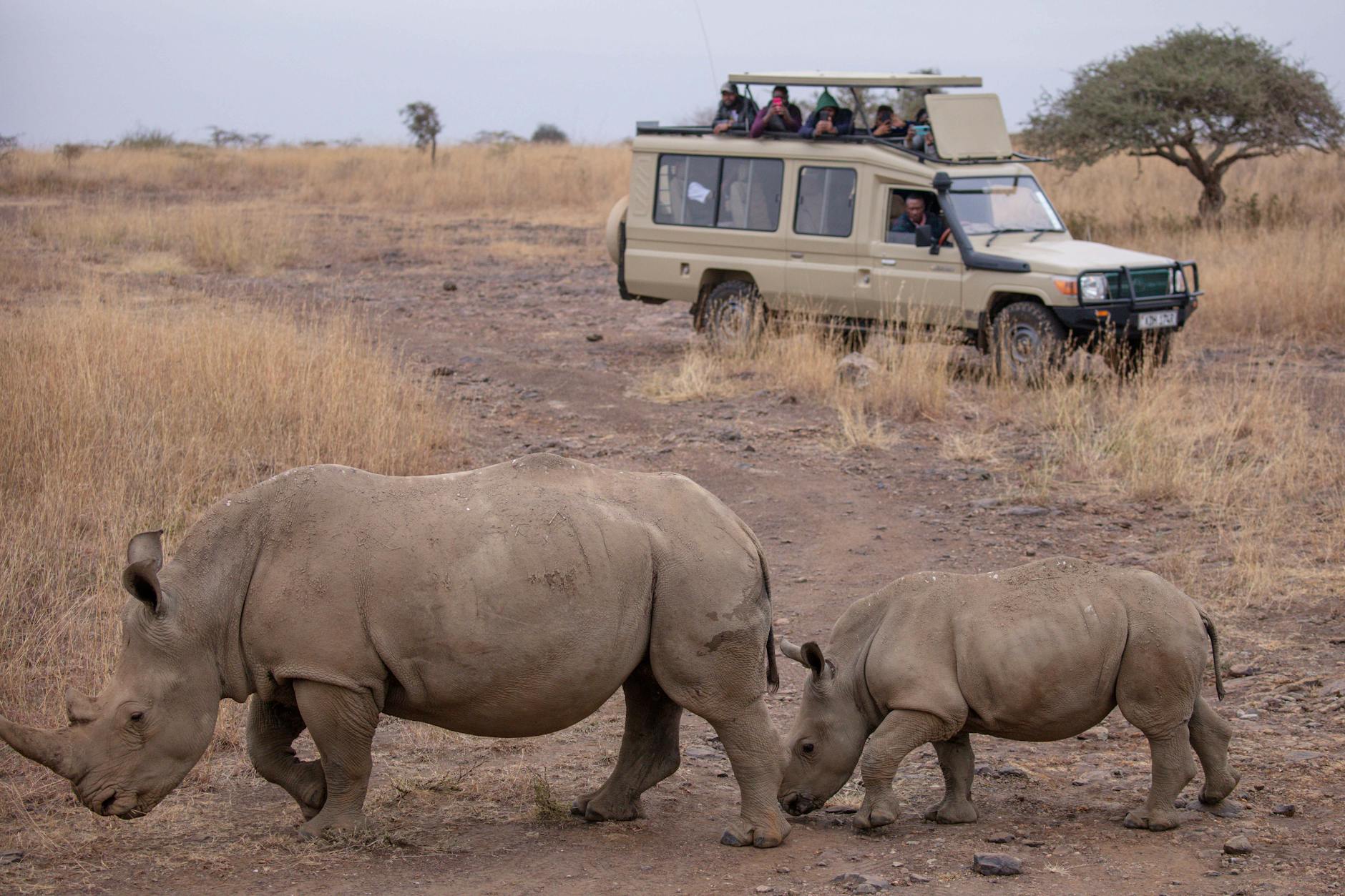
Here’s something that surprises a lot of first-time Laikipia visitors: the conservancy fee isn’t a tax or an annoying surcharge — it’s the single most direct way your trip protects wildlife. Unlike Kenya’s national parks, most of Laikipia is made up of private and community conservancies, and the fees you pay to enter them go straight into rhino protection, anti-poaching, wildlife monitoring and community development. Understanding how these Laikipia conservancy fees work — what they cost, what they include, and how they differ from park fees — is essential for budgeting your safari and for appreciating where your money goes. This guide breaks it all down, conservancy by conservancy.
A quick but important note on numbers: conservancy fees change from year to year, and many are bundled invisibly into your lodge rate rather than paid separately. The figures here are 2026 guidelines to help you plan; always confirm current rates with your lodge, operator or the conservancy directly when you book.
Conservancy Fees vs National Park Fees
The first thing to understand is that Laikipia works differently from Kenya’s famous national parks. In a park like the Masai Mara or Amboseli, you pay a government park entry fee per person per day. In Laikipia, you’re mostly entering private or community-owned conservancies, each of which sets its own conservation fee. The crucial difference is where the money goes: park fees flow to the national wildlife authority, while conservancy fees go directly to the landowners and communities running that specific conservancy, funding the rangers, monitoring and projects on that very land. It’s conservation you can see working around you, a model we explore in our conservation and community tourism guide.
How Conservancy Fees Usually Work
There are two common ways you’ll encounter these fees. If you stay at a lodge or camp inside a conservancy, the conservation fee is very often bundled into your nightly rate — you may never see it as a separate line, though it’s there, typically in the region of US$80–150 per person per night. If you visit a conservancy as a day-tripper (most relevant for Ol Pejeta, which welcomes day visitors), you pay a separate day-entry fee. Rates almost always differ for non-residents, East African residents and Kenyan citizens, with citizens paying considerably less. Always check whether fees are included in your package to avoid budgeting twice — our all-inclusive pricing guide explains what’s typically wrapped in.
Ol Pejeta Conservancy Fees
Ol Pejeta is the most-visited and most day-trip-friendly conservancy, so its fees are the ones most travellers deal with directly. As of 2026, the conservation entry fee for non-resident adults is around US$110, with children (roughly ages 3–11) about US$55. Kenyan citizens pay markedly less (in the region of KES 2,000 for adults), and East African residents fall in between (around KES 3,500 for adults). Entry is generally valid for 24 hours for overnight guests or as a single entry for day visitors, and payment is cashless — you book and pay online or by card rather than with cash at the gate. Note that this conservancy fee typically includes access to the Sweetwaters chimpanzee sanctuary, excellent value within a single day. Full detail in our Ol Pejeta guide.
Lewa Wildlife Conservancy Fees
Lewa, a UNESCO World Heritage Site, sits at the premium end. As of 2026, day-tripper entry for non-resident adults is around US$198, while the rate for overnight guests is lower (around US$126 per adult per day), reflecting that staying guests are already contributing through their accommodation. Lewa’s higher fee reflects its world-class conservation operation and exclusivity — it deliberately keeps visitor numbers low. For most travellers, Lewa is experienced as a staying guest rather than a day visitor, with the conservation fee folded into the lodge rate.
Other Laikipia Conservancies
The plateau’s other conservancies — Borana, Loisaba, Solio, Mugie and the community conservancies — generally operate as staying-guest destinations rather than day-trip venues, so their conservation fees are almost always built into the lodge or camp rate. These fees broadly sit in the same US$80–150 per person per night range, though they vary by property and tier. Because you rarely pay them separately, the practical takeaway is simple: when comparing lodges, check whether conservancy fees are included (they usually are at the higher-end properties) so you’re comparing like with like. Browse the options in our accommodation guide.

What Conservancy Fees Include
Conservancy fees buy more than just the right to drive in. They fund — and give you access to — the protected wildlife area itself, with its roads and infrastructure, and at many conservancies they unlock activities not permitted in national parks: guided walking safaris, night drives, off-road approaches and more. They also underwrite the security and monitoring teams whose presence is why you can see rhino here at all. In effect, your fee is both an entry ticket and a conservation donation rolled into one — which is exactly why Laikipia’s model is held up as a success. Some specialist experiences, like rhino tracking, may carry an additional charge on top.
Where Your Money Goes
This is the part worth dwelling on, because it’s what makes Laikipia special. Protecting rhino and elephant across vast, largely unfenced landscapes is staggeringly expensive — Ol Pejeta alone spends well over two million US dollars a year on security. Conservancy fees, alongside lodge revenue and donations, are what make that possible. The money pays ranger salaries, fuels anti-poaching patrols, funds the telemetry and veterinary care that keep individual animals alive, and supports schools, clinics and water projects in neighbouring communities. When you pay a conservancy fee in Laikipia, you’re not being nickel-and-dimed — you’re directly buying the survival of the wildlife you came to see. We tell that fuller story in our conservation tourism guide.
Budgeting for Conservancy Fees
For budgeting, the key questions are: am I staying inside a conservancy (fee likely bundled) or visiting as a day-tripper (fee paid separately)? How many conservancies will I visit, and for how many days? And which resident category applies to me? For most international visitors on a lodge-based safari, the fees are already in your rate, so there’s little extra to budget. Day-trippers to Ol Pejeta should budget the entry fee per person per visit. If you’re combining several conservancies, the fees add up, so factor that in — our Laikipia safari cost guide and money-saving tips help you plan the whole picture.
Resident, Citizen and Non-Resident Rates
One feature of Kenyan conservancy and park pricing that surprises many visitors is the tiered rate system. Fees are set in three bands: Kenyan citizens pay the least, East African residents pay a middle rate, and international non-residents pay the most — sometimes several times the citizen rate. This isn’t unfair; it reflects the principle that locals, who fund conservation through taxes and live alongside the wildlife, shouldn’t pay tourist prices to visit their own natural heritage. For international visitors, it simply means budgeting the non-resident rate. If you happen to hold Kenyan or East African residency, bring proof, as it can save you a great deal at the gate.
The gap between bands can be significant — at Ol Pejeta, for instance, the non-resident fee dwarfs the citizen rate — so knowing which category applies to you, and carrying documentation if you qualify for a lower band, is worth doing before you arrive.
Day-Tripper vs Staying-Guest Fees
Whether you visit for a day or stay overnight changes how fees work and what you pay. Day-trippers pay a single entry fee for their visit, valid for that day. Overnight guests staying inside a conservancy often pay a slightly different (sometimes lower per-day) conservation fee, usually bundled into their lodge rate, because the conservancy benefits from their accommodation spend too. At Lewa, for example, the day-tripper rate is notably higher than the overnight-guest rate. The practical upshot: if you’re staying inside a conservancy, your fees are almost certainly handled within your booking; if you’re day-tripping from Nanyuki, budget the day-entry fee per person per visit.
How Laikipia Fees Compare to National Parks
It’s natural to compare conservancy fees with Kenya’s national park fees, and the comparison is instructive. Headline conservancy fees can look higher than some park fees, but they buy a different, arguably superior product: far fewer visitors and vehicles, activities that parks prohibit (walking, night drives, off-road), and the knowledge that your money funds that specific landscape’s conservation directly. Parks operate on a mass-tourism model with government-set fees; conservancies operate on a low-volume, high-value model. So while you may pay more per day in a premium conservancy, you’re buying exclusivity and a deeper experience, not just entry. We compare the wider value in our conservancies guide.
How to Pay Conservancy Fees
Payment methods have modernised, and cash is increasingly unwelcome. Ol Pejeta, for example, has gone cashless — you book and pay online or by card rather than handing over notes at the gate. Other conservancies bundle fees into your lodge bill, so you settle them as part of your accommodation. If you’re a day-tripper, check the specific conservancy’s payment method in advance (online booking, card at the gate, or via your lodge) so you’re not caught out. Keep any payment confirmation handy. For broader money logistics — cards, M-Pesa, currency — see our currency and money guide.
A Worked Fee Example
To make it concrete, imagine a non-resident couple doing a day-trip to Ol Pejeta: at roughly US$110 each, that’s around US$220 in conservation fees for the day, which includes access to the chimpanzee sanctuary — genuinely good value for a full day of wildlife. Now imagine the same couple staying three nights at a lodge inside a different conservancy: their conservation fees (perhaps US$100 per person per night) would be folded into the lodge rate, adding around US$600 across the stay, invisibly. Seeing it laid out this way shows why it’s vital to know whether fees are included in your accommodation — otherwise you might budget for them twice, or be surprised by them once. Our cost guide helps you build the full picture.
Multi-Conservancy Trips and Fees
If your itinerary spans several conservancies, the fees naturally add up, so it pays to plan. Each conservancy you stay in or enter carries its own conservation fee, whether bundled or separate, so a trip hopping between three or four properties accumulates more in fees than a focused stay in one or two. This isn’t a reason to avoid variety — the different conservancies offer genuinely different experiences — but it’s worth factoring into your budget rather than being surprised. A common, cost-aware approach is to base deeply in one or two conservancies rather than sampling many, which also reduces transfer costs and gives you time to know each landscape properly. Our itinerary guide helps you balance breadth against budget.
For travellers combining Laikipia with neighbouring regions like Samburu or the Mara, remember that those areas have their own separate park or conservancy fees too, so a multi-region trip multiplies this line further. Build a realistic fee total across your whole route.
Common Fee Confusions Cleared Up
A few misunderstandings crop up repeatedly. First, the assumption that conservancy fees are an optional extra you can skip — they’re not; they’re how you legitimately access the wildlife area and fund its protection. Second, the worry about being charged twice — you won’t be, but you do need to confirm whether your lodge rate already includes the fee so you don’t double-budget. Third, confusion between national park fees and conservancy fees — they’re different systems with money going to different places. And fourth, surprise at the non-resident rate — it’s simply the standard tourist tier, with locals paying less. Clearing up these points upfront makes budgeting straightforward and prevents friction at the gate or on your bill.
Fees as the Engine of Conservation
It’s worth ending where we began: these fees are not a tax to grumble about but the financial engine of one of Africa’s great conservation success stories. Laikipia’s model — where private and community conservancies fund wildlife protection substantially through tourism — only works because visitors pay to be there. Your fee, multiplied across thousands of guests, is what keeps rangers employed, rhinos guarded, corridors open and communities invested in conservation rather than competing with it. Few other ways of spending money on a holiday have such a direct, visible conservation impact. When you see it that way, the conservancy fee transforms from a line on a bill into one of the most meaningful things you’ll spend money on during your trip. Read the bigger story in our conservation tourism guide.
Do conservancy fees go up each year?
They can — conservancies review their rates periodically, and fees tend to rise gradually over time with costs and demand. Always confirm the current year’s fees when booking rather than relying on older figures, and note that rates differ by resident category and by whether you’re a day-tripper or staying guest.
Frequently Asked Questions
Are Laikipia conservancy fees a donation?
In effect, partly yes — while paid as an entry fee, the money funds wildlife protection and community development directly, so it functions as a conservation contribution as much as an entry charge. It’s not tax-deductible as a charitable donation in the formal sense, but it genuinely sustains the conservation work you witness, which is why many see paying it as one of the most worthwhile parts of their trip.
How much are conservancy fees in Laikipia?
It varies by conservancy. Ol Pejeta’s day-entry for non-resident adults is around US$110 in 2026; Lewa is around US$198 for day-trippers and US$126 for overnight guests. At most other conservancies, fees of roughly US$80–150 per person per night are bundled into your lodge rate. Residents and citizens pay considerably less.
Are conservancy fees included in the lodge price?
Usually, yes — if you stay at a lodge inside a conservancy, the conservation fee is typically built into your nightly rate, especially at higher-end properties. Always confirm when booking. Day-trippers (mainly to Ol Pejeta) pay the fee separately at entry.
What’s the difference between conservancy fees and park fees?
National park fees go to the government wildlife authority; conservancy fees go directly to the private or community owners of that specific conservancy, funding its rangers, monitoring and community projects. Conservancy fees also often unlock activities (walking, night drives) that parks don’t allow.
Why are Laikipia conservancy fees worth it?
Because they directly fund the conservation you’re witnessing — ranger salaries, anti-poaching, wildlife monitoring and community development. They also buy a more exclusive, less crowded experience with activities national parks prohibit. Your fee is effectively an entry ticket and a conservation donation combined.
Do children pay conservancy fees?
Yes, usually at a reduced rate. At Ol Pejeta, for example, children roughly aged 3–11 pay about half the adult fee. Policies and age bands vary by conservancy, so check when booking, and see our family safari guide for planning with kids.
Understanding fees is the first step to budgeting smartly. Continue with our guides to all-inclusive safari pricing, saving money, and the complete Laikipia safari cost guide.