Last updated: June 2026
Here is a thought that can transform how you feel about a Laikipia safari: in this region, your holiday is not separate from conservation — it is one of its main funding sources. Because Laikipia protects its wildlife on private and community land rather than in government national parks, the money visitors spend doesn’t just pay for a nice trip; it pays the rangers, builds the schools, funds the anti-poaching dogs and gives local communities a reason to protect wildlife. Understanding how your safari supports conservation turns a wonderful experience into a meaningful one, and helps you make choices that maximise the good your visit does. This guide follows the money — where your safari dollars actually go, how lodges fund frontline conservation, and how to ensure your trip leaves Laikipia and its people better off.
Once you see how directly your visit matters here, you’ll never look at a safari the same way again. Here’s the chain that connects your trip to a living rhino.
The Direct Link Between Tourism and Conservation
In most of the world, tourism and conservation are loosely connected at best. In Laikipia, the link is direct and unusually tight. With no national park funding to fall back on, the conservancies that protect the wildlife must largely fund themselves — and tourism is the single largest engine of that funding. Every conservancy fee, every lodge bed-night, every activity you pay for flows into the conservation economy that keeps this landscape alive. This means the simple act of visiting Laikipia, and choosing to spend your money here, is itself a conservation contribution. It also means the stakes are real: when tourism falters, as it did during global travel shutdowns, conservation funding suffers and wildlife protection comes under genuine strain. Your visit, in other words, is not a luxury that sits apart from conservation but a pillar that helps hold it up, as our pillar guide to conservation tourism explains.
Where Your Conservancy Fees Go
The clearest example is the conservancy fee you pay to enter or stay. Unlike a generic park ticket, these fees go directly to the conservancy that protects the land, funding its core conservation work: the salaries of the rangers who patrol day and night, the dog units that track poachers, the drones, sensors and monitoring systems, the habitat management, the veterinary care for injured and endangered animals, and the fences and infrastructure that keep wildlife safe. Conservancy fees are, in effect, a direct payment for conservation services rendered — your money buying the protection of the very wildlife you’ve come to see. When you pay to visit Ol Pejeta, Borana or a community conservancy, you are quite literally helping to pay the wage of a ranger and the running costs of an anti-poaching operation. It is one of the most transparent and tangible ways tourism funds conservation anywhere in the world.
How Lodges Fund Communities
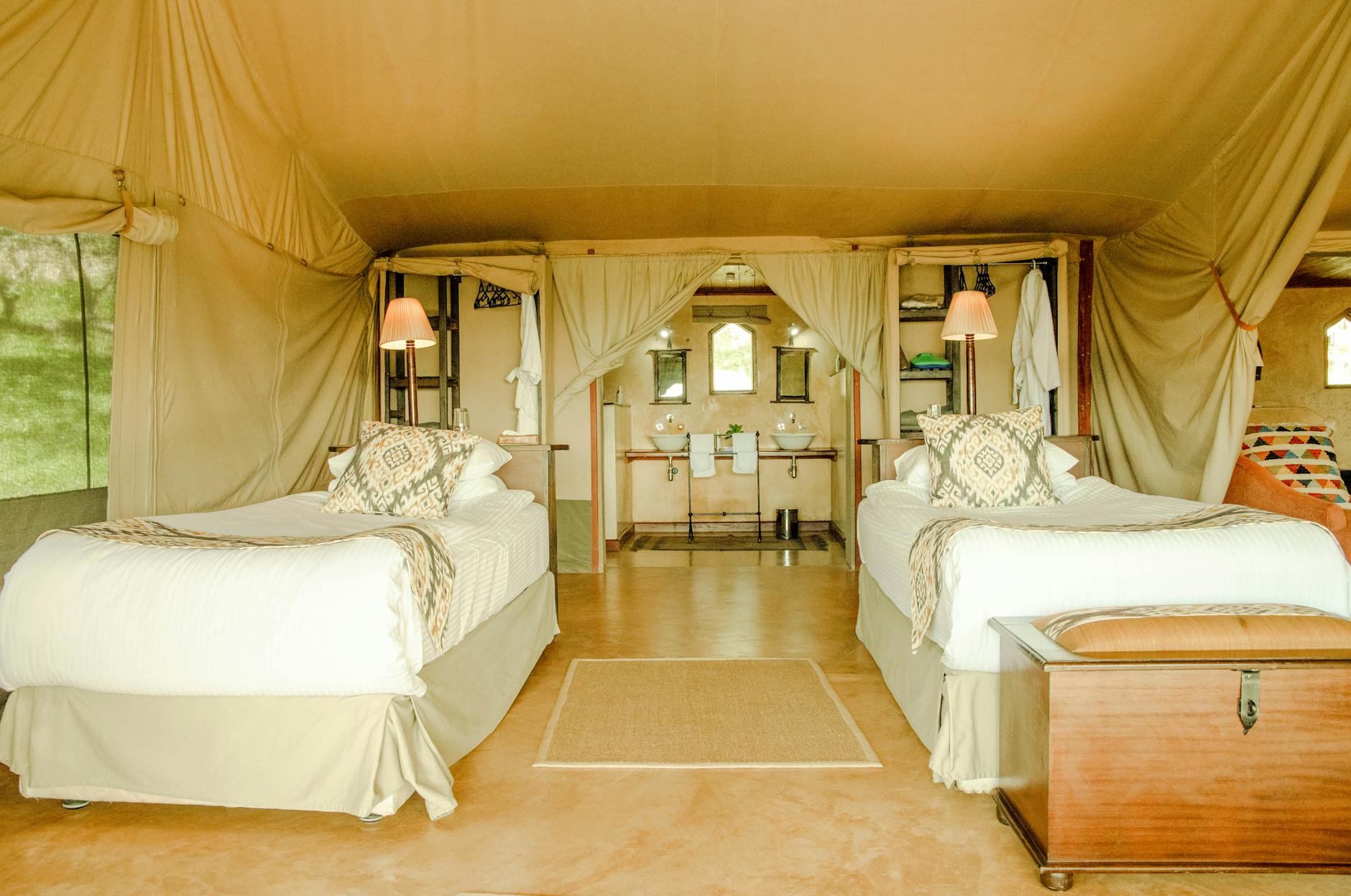
The second great flow of conservation money comes through accommodation. When you stay at a Laikipia lodge or camp, your bed-night fees and the lodge’s revenue support far more than the business itself. Lodges, conservancies and conservation NGOs are among the largest employers in the county, providing skilled, dignified jobs — rangers, guides, hospitality staff, drivers, mechanics, managers — overwhelmingly to people from neighbouring communities. Beyond wages, lodge and conservancy revenue funds the schools, clinics, water projects and scholarships that transform local lives: the Lewa Education Programme supports nineteen primary and three secondary schools, while conservancies such as Loisaba and Borana run clinics serving tens of thousands of people. Community-owned lodges channel profits directly to the communities that own them. So a few nights’ stay ripples outward into education, healthcare and employment for the people who share the land with wildlife — the human foundation on which all conservation here depends.
What Your Visit Makes Possible
Add it all up, and the results your safari helps fund are remarkable. The rangers your fees pay have driven rhino poaching to record lows, with conservancies like Ol Pejeta achieving years without a single rhino lost. The community benefits your stay supports have built schools that educate thousands of children and clinics that serve whole districts. The conservation economy your money sustains has given local people a reason to protect rather than persecute wildlife, turning communities into the wildlife’s defenders and helping populations of endangered species recover. The very landscape — unfenced, connected, teeming with wildlife outside any national park — exists because tourism makes its conservation economically viable. These are not vague feel-good claims but concrete outcomes, and your visit, multiplied across thousands of travellers, is part of what makes them possible. That is a genuinely powerful thing to be part of.
Choosing Responsible Operators and Lodges
Not all tourism delivers equal benefit, so your choices matter. To maximise the good your safari does, favour eco-lodges and operators with genuine, demonstrable conservation and community commitments — those that employ local people, fund community projects, channel revenue to conservancies and practise environmentally responsible operations. Look for transparency about where money goes and what conservation and community work is supported; the best lodges are proud to show it. Staying within conservancies, rather than only day-tripping, keeps more revenue in the conservation system. Community-owned and community-partnered lodges deliver benefits especially directly. Be wary of operations that use conservation language as mere marketing without substance. A little research before you book — reading about a lodge’s conservation model and community partnerships — ensures your money flows to those doing the real work, dramatically amplifying the positive impact of your trip.
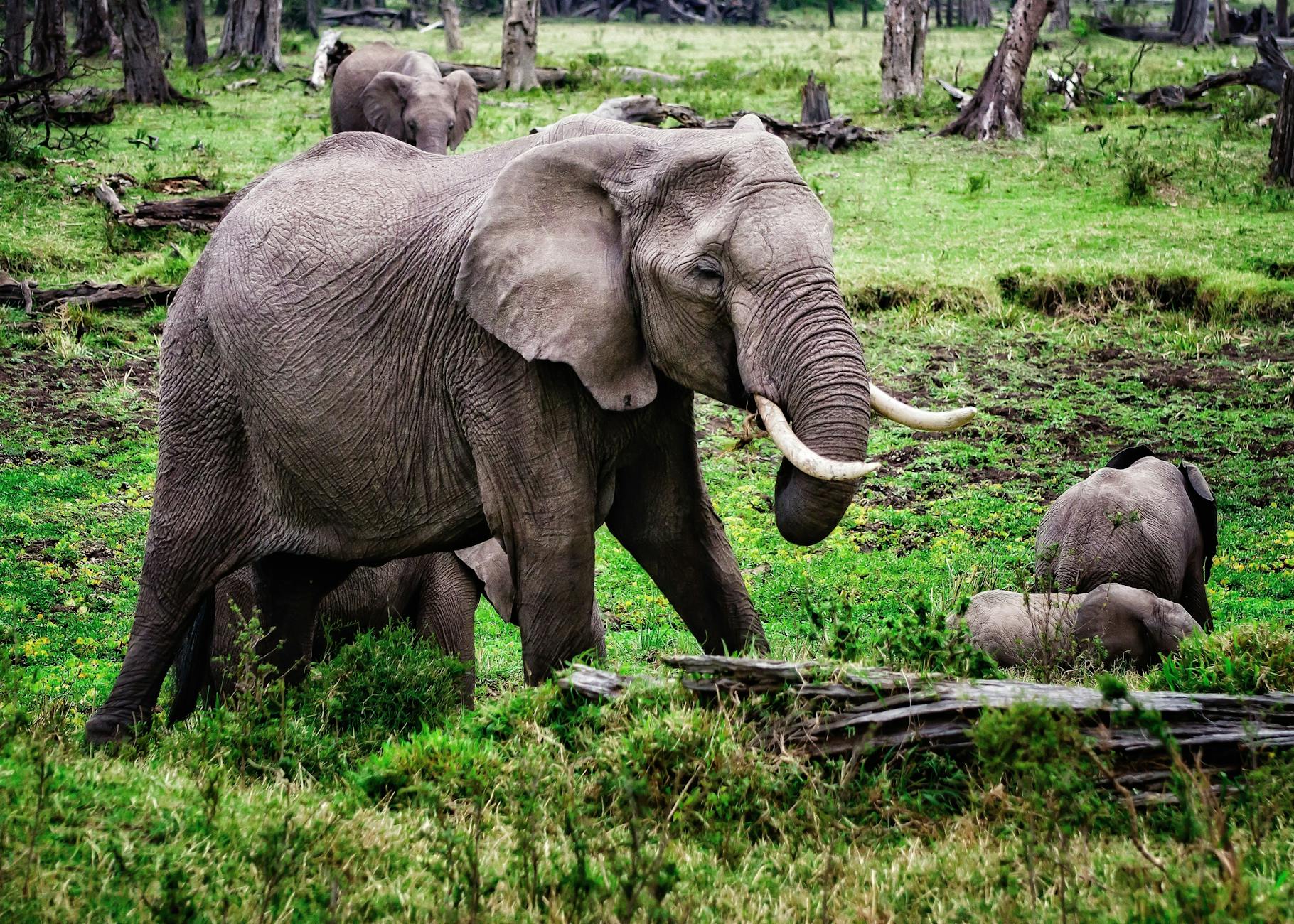
Beyond the Fees: Other Ways to Help
Paying for a responsible safari is the foundation, but there are further ways your visit can support conservation. Many conservancies welcome donations to their conservation and community programs, and a contribution on top of your trip can make a real difference. Conservation experiences — meeting ranger and canine teams, joining a rhino monitoring drive, learning about anti-poaching or community projects — both deepen your understanding and often directly fund the work. Buying crafts and produce from local artisans and cooperatives channels money straight to communities. Some travellers choose to support specific projects, sponsor a child’s education or fund a conservation initiative they’ve connected with. And spreading the word — sharing Laikipia’s conservation story, encouraging others to visit responsibly — helps sustain the tourism that underpins it all. Even small, thoughtful actions, layered onto a responsibly chosen trip, add to the positive footprint you leave behind.
The Bigger Picture: Sustainable Tourism
Stepping back, Laikipia offers a model of what tourism can be at its best: a force that funds conservation, supports communities and protects landscapes, rather than degrading them. This is sustainable tourism in its truest sense — travel that gives more than it takes. It isn’t perfect, and the region grapples honestly with the challenges of equity, land politics and balancing visitor numbers against wilderness. But the underlying principle is sound and increasingly influential: that well-managed tourism can make wildlife and wild places more valuable alive and protected than exploited or converted. By choosing to visit Laikipia thoughtfully, you become part of this hopeful experiment, demonstrating that there is a market for conservation-positive travel and helping prove a model the whole world needs. Your safari, chosen well, is a small but real vote for a future in which tourism and conservation advance together.
The Lesson of the Tourism Shutdown
Nothing illustrated the link between tourism and conservation more starkly than the global travel shutdowns of recent years, when international tourism abruptly halted. With visitors gone, the conservancies that depend on tourism revenue suddenly faced a funding crisis: the income that pays rangers, funds anti-poaching and supports community programs dried up almost overnight, even as the costs of protecting wildlife continued. Conservancies scrambled to cover salaries and keep protection going, drawing on reserves, emergency donations and support funds, and the episode laid bare just how dependent Laikipia’s conservation is on the steady flow of tourism money. It was a hard but clarifying lesson: when tourism stops, conservation funding suffers and wildlife protection comes under genuine strain. The experience underscored both the importance of visitors returning and the value of diversifying conservation’s income so it is less vulnerable to such shocks. For travellers, the takeaway is powerful — your visit is not a trivial luxury but part of the financial lifeblood of conservation, and choosing to come, especially in lean times, genuinely matters.
Conservancy Fees Versus Park Fees
A useful thing to understand is how conservancy fees differ from national park entry fees, because the distinction explains a lot about where your money goes. When you pay to enter a national park, your fee generally goes to the national wildlife authority and the central treasury, funding the park system as a whole. When you pay a conservancy fee in Laikipia, by contrast, the money goes directly to the specific conservancy that protects that land, funding its rangers, anti-poaching, monitoring and often community programs on the spot. This direct, local link means conservancy fees are an unusually transparent form of conservation funding — you can often see exactly what your money supports. Conservancy fees tend to be higher than park gate fees, which sometimes surprises visitors, but the premium reflects the reality that these fees are the primary funding for conservation rather than one revenue stream among many, and that they buy a more exclusive, lower-density, conservation-rich experience. Understanding this helps travellers see conservancy fees not as a cost but as a direct conservation contribution.
Measuring the Impact: Real Results
It is fair to ask what tourism-funded conservation actually achieves, and in Laikipia the results are concrete and measurable. On the wildlife side, intensive protection funded substantially by tourism has driven rhino poaching to record lows, with Ol Pejeta recording multiple consecutive years without losing a single rhino to poaching, while populations of black rhino, elephant and endangered species have been protected and in many cases grown. On the community side, conservancy and lodge revenue has built and funded schools educating thousands of children — the Lewa Education Programme alone supports nineteen primary and three secondary schools — and clinics serving tens of thousands of people, alongside water projects, scholarships and thousands of jobs. These are not vague aspirations but documented outcomes, achieved on a landscape with no national park to fund them. They demonstrate that responsible tourism, channelled through a well-designed conservation model, produces real and lasting benefits for both wildlife and people — and that the money visitors spend translates into measurable conservation and development on the ground.
Family and Repeat Travel as Conservation
There are ways to deepen the conservation value of your travel beyond a single trip. Bringing children on a thoughtfully chosen Laikipia safari is itself a contribution to conservation’s future, nurturing the next generation of people who care about wildlife and understand why it matters — and many conservancies and eco-lodges welcome families and offer experiences that educate and inspire young travellers. Returning to Laikipia, or to a particular conservancy, builds a deeper relationship and provides the steady, repeat support that conservation needs to plan and sustain its work. Some travellers form lasting connections with a conservancy or project, returning over years, supporting it between visits, and becoming genuine partners in its mission. Recommending responsible travel to others multiplies the impact further. Seen this way, a Laikipia safari need not be a one-off transaction but the beginning of an ongoing relationship with a place and its conservation — and family and repeat travel, by building lasting commitment and the next generation of supporters, are among the most valuable forms of support a traveller can offer.
Questions to Ask Before You Book
To make sure your money does the most good, it helps to ask a few pointed questions before booking. Does the lodge or operator employ local people, and at what levels? What specific community projects — schools, clinics, water, scholarships — does it support, and can it show results? How much of what you pay goes to conservation and the local community, and how transparent is it about this? Is the property within or partnered with a conservancy, and does it contribute to conservancy fees and anti-poaching? Does it practise environmentally responsible operations? Are there community-owned or community-partnered options? Reputable, genuinely conservation-minded lodges will answer such questions readily and even proudly, while vague or evasive responses are a warning sign. You don’t need to interrogate anyone aggressively, but a little informed questioning, and a look at a property’s published conservation and community commitments, helps you distinguish authentic conservation tourism from greenwashing — and ensures your hard-earned travel money flows to those doing the real work, maximising the positive impact of your trip.
Frequently Asked Questions
What happens to conservation when tourism stops?
It suffers immediately. During recent global travel shutdowns, the tourism revenue that pays rangers, funds anti-poaching and supports community programs dried up almost overnight while protection costs continued, forcing conservancies to scramble for emergency funding. It was a stark lesson in how dependent Laikipia’s conservation is on tourism — and why visitors returning, and diversifying income, both matter.
How are conservancy fees different from national park fees?
National park fees generally go to the national wildlife authority and central treasury, funding the park system broadly. Conservancy fees go directly to the specific conservancy protecting that land, funding its rangers, anti-poaching, monitoring and community programs locally. This makes conservancy fees an unusually transparent, direct conservation contribution — though typically higher, reflecting that they’re the primary conservation funding.
What conservation results has tourism funded in Laikipia?
Concrete, measurable ones: rhino poaching driven to record lows (Ol Pejeta has gone multiple consecutive years without losing a rhino), protected and growing populations of rhino, elephant and endangered species, plus schools educating thousands (the Lewa Education Programme supports 19 primary and 3 secondary schools), clinics serving tens of thousands, water projects, scholarships and thousands of jobs.
What questions should I ask a lodge about its conservation impact?
Ask whether it employs local people and at what levels, which community projects it funds and with what results, how much of your payment goes to conservation and community, whether it’s within or partnered with a conservancy and contributes to anti-poaching, and whether it operates sustainably. Reputable lodges answer readily; vague or evasive responses are a warning sign of greenwashing.
How does a safari support conservation in Laikipia?
Because Laikipia protects wildlife on private and community land without national-park funding, tourism is the main funding source for conservation. Your conservancy fees pay rangers, dog units and anti-poaching technology; your lodge stays fund local jobs, schools, clinics and community development. Your visit directly sustains the conservation economy that keeps the wildlife and landscape alive.
Where do conservancy fees actually go?
Directly to the conservancy that protects the land, funding its core conservation work: ranger salaries, anti-poaching dog units, drones and monitoring systems, habitat management, veterinary care for endangered animals, and protective infrastructure. Conservancy fees are essentially a direct payment for conservation, helping pay the wages of the rangers protecting the wildlife you’ve come to see.
How do lodges benefit local communities?
Lodges and conservancies are among the county’s largest employers, providing skilled jobs mostly to neighbouring communities, and their revenue funds schools, clinics, water projects and scholarships — the Lewa Education Programme supports 19 primary and 3 secondary schools, and conservancies like Loisaba and Borana run clinics for tens of thousands. Community-owned lodges channel profits directly to their communities.
How do I choose a responsible safari operator or lodge?
Favour eco-lodges and operators with genuine, demonstrable conservation and community commitments — employing local people, funding community projects, supporting conservancies and operating sustainably. Look for transparency about where money goes, prefer staying within conservancies and community-owned lodges, and be wary of conservation language used only as marketing. A little research before booking maximises your impact.
What else can I do to help beyond paying for the safari?
Consider donating to conservancy conservation and community programs, joining conservation experiences that fund the work, buying crafts from local artisans, and supporting specific projects or scholarships. Spreading Laikipia’s conservation story and encouraging others to visit responsibly also helps sustain the tourism that underpins conservation. Small, thoughtful actions add to your positive impact.
See the full picture with our guides to conservancy fees, eco-lodges, and the full conservation and community tourism guide.