Last updated: June 2026
Long before there were safari vehicles, there were camels — and in the dry northern reaches of Laikipia, the camel remains the most authentic and atmospheric way to explore the wilderness. A camel trekking safari here is something quietly extraordinary: walking through vast, unfenced country at the pace of footsteps, with Samburu warriors as your guides, camels carrying your gear (and any tired legs), and nothing between you and the bush but the air. It is slow travel at its most profound, revealing a Laikipia that vehicles rush past entirely. This guide to camel trekking in Laikipia covers what to expect, the legendary Samburu-guided walking safaris, which operators and lodges offer it, the wildlife you’ll encounter on foot, and why exploring on camelback connects you to this land like nothing else.
For travellers seeking adventure, authenticity and a genuine sense of journey, camel trekking is the soul of a Laikipia safari. Here’s everything you need to know.
What Is a Camel Trekking Safari?
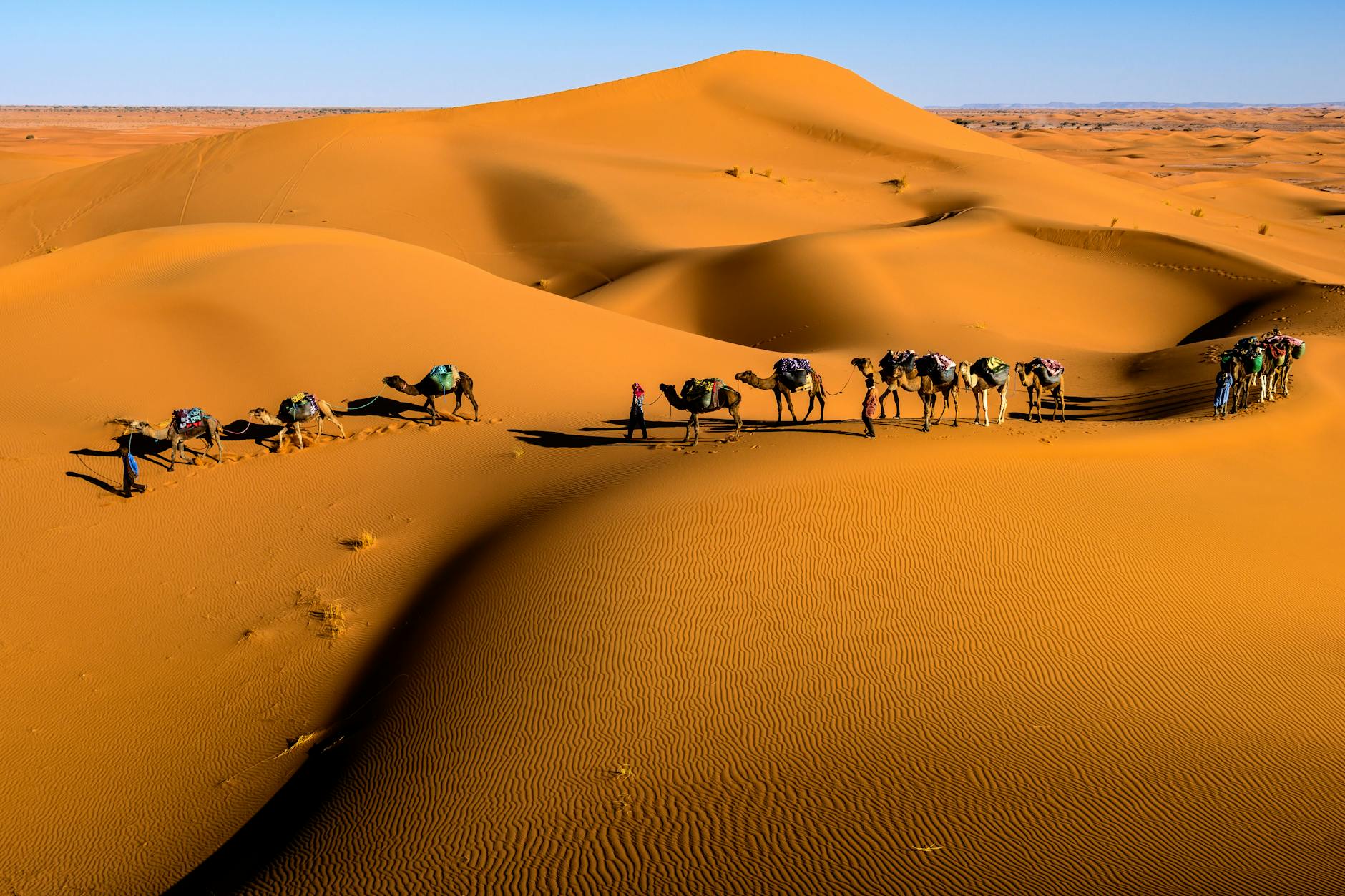
A camel trekking safari in Laikipia is, in essence, a walking safari supported by camels. Rather than riding the camels constantly (though you can when tired), you typically walk through the bush while the camels carry the luggage, water, food and camping equipment — and serve as a mount for anyone who needs a rest. This camel support frees you to explore on foot, covering real distances through the wilderness over one or several days, sleeping in mobile camps along the way. It’s a world apart from a vehicle safari: unhurried, immersive and deeply connected to the landscape, shaped by walking, tracking and reading the land rather than by engines and timetables. The camels lend the journey a timeless, expeditionary quality, echoing how people have crossed these drylands for centuries. For the adventurous, it’s one of the most rewarding and authentic ways to experience Laikipia’s wild northern country, far from any crowds.
Karisia and the Samburu-Guided Experience
The most celebrated camel trekking operation in the region is Karisia Walking Safaris, based at Tumaren in northern Laikipia, offering camel-supported walking safaris across a vast private wilderness of around 1,000 square kilometres spanning Laikipia and Samburu country. What makes the experience so special is the guiding: Samburu warriors lead and track, men who know this land intimately and read it like a book, sharing their profound knowledge of the wildlife, plants, tracks and traditions. You travel along life-giving rivers and dry riverbeds, through bush and open savannah, over hills and into areas like the forested Karisia Hills and Mukogodo Forest, far from any road. This intimate connection with Samburu guides transforms the trek into a cultural as well as a wilderness experience, offering insight into a pastoralist way of life intimately bound to these drylands — a dimension explored further in our guide to Laikipia’s peoples and cultures. It is genuine, immersive and unforgettable.
A Day on a Camel Trek
The rhythm of a camel trekking safari is dictated by the heat, and it’s a gentle, civilised one. Walking is done during the coolest parts of the day, typically setting out around 7:30 in the morning and arriving into the next camp for lunch around midday, before the day’s heat peaks. The afternoons are for resting in the shade, perhaps a short walk or wildlife watching, and relaxing in camp as the temperature drops. You walk at an easy, sustainable pace, with the Samburu guides setting the route and the camels following with the gear. Camp each night is a simple, comfortable mobile setup — tents or bedrolls, a campfire, hearty meals prepared by the team, and the unforgettable experience of sleeping out in true wilderness under spectacular stars. The pace is unhurried and the distances manageable, making camel trekking accessible to anyone reasonably fit who can walk for a few hours, rather than only hardened adventurers. It’s an immersive daily rhythm that quickly becomes addictive.
Wildlife and Landscapes on Foot
Exploring on foot reveals a Laikipia that vehicle safaris miss entirely. While walking, you can encounter the region’s wonderful wildlife — reticulated giraffe, elephant, lion, common and endangered Grevy’s zebra, and a great variety of birds, reptiles and smaller creatures — but the real magic is the level of detail and connection. On foot, you notice the tracks, the dung, the insects, the plants and their uses, the small wonders that whizz past a 4×4, and you experience the bush with all your senses, in near silence. Encountering big game on foot is thrilling and is managed carefully by the expert Samburu guides, who read the animals and keep a safe, respectful distance. The landscapes, too, unfold gradually and intimately — the rivers, hills, forests and plains of this remote country revealing themselves at walking pace. It’s a slower, deeper, more textured wildlife experience that rewards patience and presence, and that many travellers find more moving than any game drive.
Other Camel Experiences and Lodges
Beyond the multi-day Karisia expeditions, camel experiences are offered at various Laikipia lodges, from short camel rides and walks to longer treks. Family-friendly ranches like Ol Malo, riverside lodges like Sabuk, and others incorporate camels into their activity menus, letting guests enjoy a taste of camelback exploration even on a shorter stay — a gentle camel ride at dawn, a walk alongside the animals, or a half-day trek. These shorter experiences are a wonderful introduction for those who can’t commit to a full mobile safari, and are accessible to families and casual adventurers. Camels also feature in some of the region’s combined adventures, paired with walking, fly-camping or cultural visits. Whether you want a brief camel ride as part of a varied stay or a full multi-day Samburu-guided trek as the centrepiece of your trip, Laikipia offers camel experiences to suit, all carrying that distinctive, timeless atmosphere that makes exploring by camel so special.
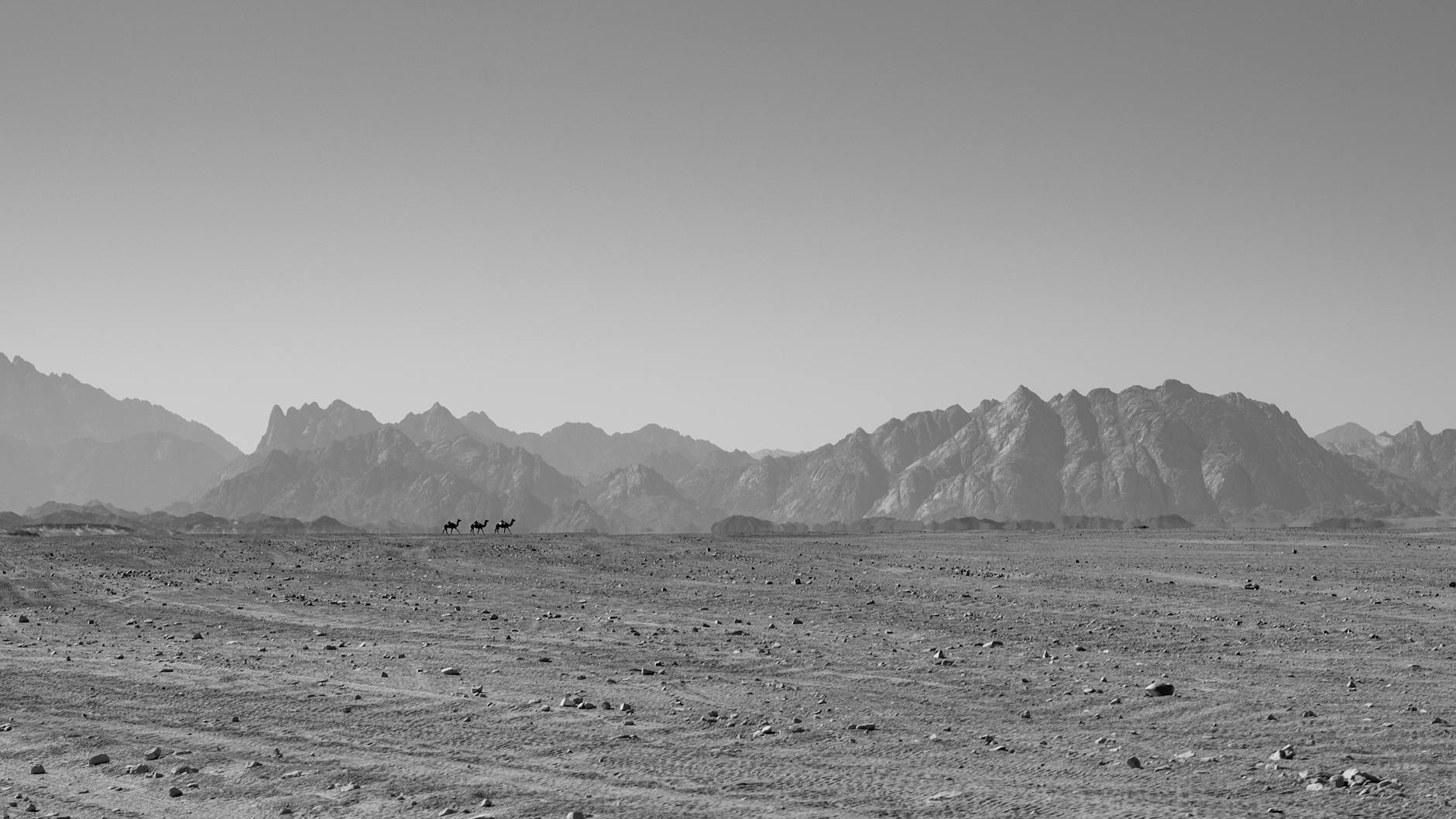
Who Camel Trekking Suits, and What to Bring
Camel trekking is more accessible than people expect, suiting anyone reasonably fit who enjoys walking and the outdoors, since the pace is gentle, the distances manageable, and the camels are there to carry you when you tire. It particularly appeals to those seeking authenticity, adventure, cultural connection and a genuine wilderness experience away from crowds, and to walkers, nature lovers and the curious. It’s less suited to those wanting luxury or guaranteed close big-game viewing from comfort. For kit, bring comfortable, broken-in walking shoes or boots, neutral-coloured lightweight layers for hot days and cool mornings and evenings, strong sun protection (hat, sunglasses, high-factor sunscreen), insect repellent, a refillable water bottle, and a small daypack for the essentials you’ll carry while the camels take the rest. A warm layer for chilly nights and a head torch are useful for camping. Soft luggage is carried by the camels and support team. Confirm exactly what your operator provides, then simply bring an adventurous spirit and a willingness to walk.
Planning a Camel Trek in Laikipia
To plan well, first decide on the depth of experience you want: a short camel ride or walk as one activity during a lodge stay, or a dedicated multi-day camel-supported walking safari as the heart of your trip. For the full Karisia-style expedition, book well ahead, as these specialist safaris have limited places, and discuss the itinerary, fitness requirements and duration with the operator. The dry seasons are generally the most comfortable for walking and trekking. Camel trekking combines beautifully with other adventure activities and with cultural experiences, given its strong Samburu connection. Come reasonably fit and prepared to walk for a few hours daily in the cool morning. With the right operator and a spirit of adventure, a camel trekking safari offers one of the most authentic, immersive and quietly profound ways to experience the wild heart of Laikipia — slow travel that stays with you long after you leave.
The Camel: The Perfect Dryland Companion
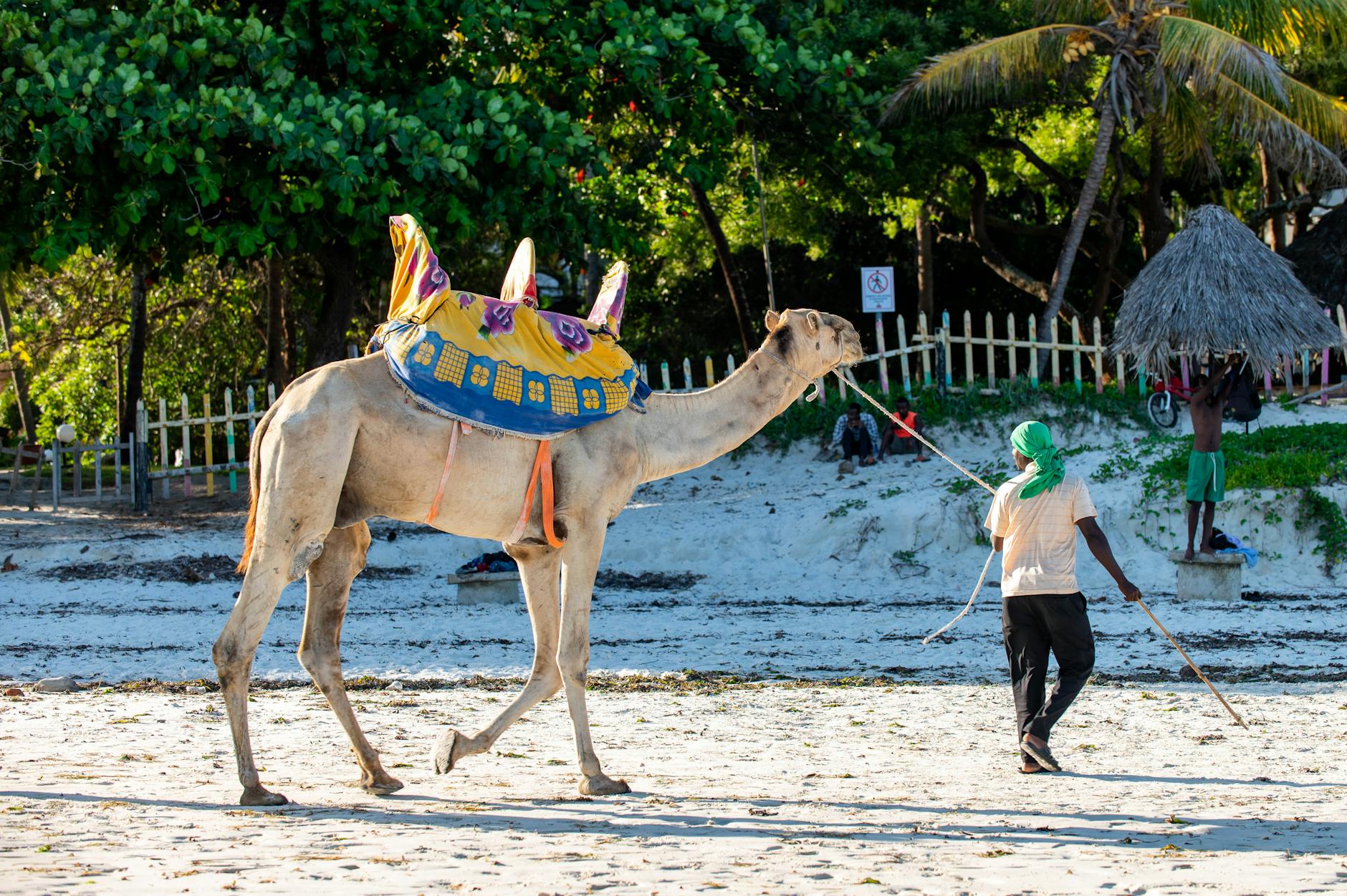
It’s worth appreciating why the camel, of all animals, is the ideal companion for exploring Laikipia’s dry northern country. Camels are supremely adapted to arid landscapes — able to go long periods without water, to carry heavy loads across rough terrain, and to move steadily through country that would defeat other pack animals. For centuries the pastoralist peoples of northern Kenya have relied on them, and a camel-supported safari taps into this deep, practical wisdom. On the trek, the camels carry the water, food, camping gear and luggage that make multi-day wilderness travel possible, freeing you to walk unburdened, and they serve as a patient mount for anyone who tires. Their gentle, swaying presence lends the whole journey a timeless, expeditionary character, connecting you to the ancient rhythms of how people have always moved through these drylands. Far from being mere beasts of burden, the camels become part of the experience — characterful, well-cared-for animals whose calm pace sets the tempo of the adventure. Travelling with camels is not just practical but atmospheric, rooting your journey in the authentic traditions of the land you’re exploring.
Multi-Day Camel Expeditions
While shorter camel rides offer a taste, the true magic of camel trekking lies in the multi-day expedition — walking through the wilderness over several days, moving camp each night, and immersing yourself completely in the rhythm of the journey. On these treks, the days unfold at walking pace: setting out in the cool morning, walking and tracking through changing landscapes with the camels following, reaching a new camp by midday, resting through the heat, and gathering around the fire under the stars each evening. Over several days you cover real distances and witness the country slowly reveal itself — rivers, hills, forests and plains — in a way no vehicle journey allows. The sense of expedition, of genuine travel through wilderness, is profound and increasingly rare. These multi-day treks, like those run by Karisia across their vast private wilderness, are the heart of the camel-trekking experience, combining adventure, immersion, cultural connection with the Samburu guides, and the deep satisfaction of journeying through wild country under your own steam. For the adventurous, a multi-day camel safari is one of the most rewarding and authentic experiences Laikipia offers.
Cultural Immersion with the Samburu
One of the most enriching dimensions of camel trekking, particularly on the Samburu-guided safaris, is the cultural connection it offers. Your guides and the camel handlers are typically Samburu, members of a pastoralist people whose lives are intimately bound to these drylands, and travelling with them is a genuine cultural immersion. As you walk, they share their profound knowledge of the land, the wildlife, the plants and their uses, and the tracking skills passed down through generations, while around the campfire you gain insight into their traditions, stories and way of life. This is cultural exchange at its most natural and respectful — not a staged performance but the simple sharing that comes from journeying together. The relationships and understanding that develop over days of walking and camping with Samburu guides are often a highlight of the experience, fostering real connection and mutual respect. It also means your trek directly supports Samburu livelihoods and the community-based conservation model of the region. This blend of wilderness adventure and authentic cultural immersion, explored further in our guide to cultural experiences, is what makes camel trekking in Laikipia so uniquely rewarding.
Camel Trekking for Families
Camel trekking can be a wonderful and surprisingly accessible family adventure, suiting families with children old enough to walk reasonable distances and enjoy the outdoors. The gentle pace, the manageable distances, the novelty and excitement of the camels, and the chance to ride a camel when legs get tired all appeal greatly to children, turning a walk into an adventure. Camping out, gathering around the fire, learning tracking and bush skills from the Samburu guides, and the sheer romance of the expedition can be magical and formative for kids. That said, the suitability depends on the children’s ages, fitness and temperament, and on the specific trek — shorter, gentler camel experiences and rides suit younger children, while multi-day treks suit older, hardier kids. Discuss your family’s situation with the operator, who can advise and often tailor an experience to suit. For the right family with adventurous, capable children, a camel trek offers a unique, immersive, screen-free wilderness adventure that bonds the family and creates lasting memories — a very different and often deeper experience than a conventional game-drive safari, and one children rarely forget.
Camel Trekking, Community and Conservation
Choosing a camel trekking safari does more than give you a wonderful adventure — it supports the communities and conservation of northern Laikipia. The Samburu-guided operations provide valuable employment and income for local people as guides, camel handlers and camp staff, channelling tourism revenue directly into the pastoralist communities whose land you traverse. This aligns with Laikipia’s whole community-based conservation ethos, in which giving wildlife and wilderness economic value through tourism encourages their protection. By trekking through these lands with local guides, you contribute to the livelihoods that make conservation viable and help sustain the traditional knowledge and skills that the Samburu bring to the experience. The low-impact, non-motorised nature of camel trekking also treads lightly on the environment. So a camel safari is conservation-positive on multiple levels — supporting communities, funding the protection of wilderness, and fostering in travellers a deep personal connection to a landscape and its people that often inspires lasting support for their protection. It’s a way of travelling that genuinely benefits the place you’re exploring, adding a layer of meaning to an already profound adventure, as our guide to the region’s peoples and cultures explores.
Frequently Asked Questions
Do you ride the camels or walk?
Mostly you walk — a camel trek is essentially a walking safari supported by camels, which carry the luggage, water, food and equipment. You walk through the bush at an easy pace while the camels follow, and you can ride a camel when you tire. This combination lets you explore on foot while the camels make multi-day wilderness travel possible.
Is camel trekking suitable for families?
Yes, for families with children old enough to walk reasonable distances and enjoy the outdoors. The gentle pace, manageable distances, the novelty of the camels and the chance to ride when tired appeal greatly to children. Shorter, gentler camel experiences suit younger kids; multi-day treks suit older ones. Discuss your family with the operator, who can tailor a suitable experience.
How long are camel trekking safaris?
They range from short camel rides and walks of an hour or two during a lodge stay, up to multi-day expeditions of several days, moving camp each night through the wilderness. The multi-day treks, like those run by Karisia across their vast private wilderness, are the heart of the experience, delivering a profound sense of journey and immersion.
What is a camel trekking safari in Laikipia?
It’s a walking safari supported by camels: you walk through the bush while camels carry the luggage, water, food and equipment (and serve as a mount when you tire), covering real distances over one or several days and sleeping in mobile camps. It’s slow, immersive, expeditionary travel, a world apart from a vehicle safari, in Laikipia’s wild northern country.
What is Karisia Walking Safaris?
Karisia, based at Tumaren in northern Laikipia, is the region’s most celebrated camel-supported walking safari operation, ranging across around 1,000 square kilometres of private wilderness in Laikipia and Samburu country. Its hallmark is guiding by Samburu warriors who track and read the land intimately, making it a cultural as well as a wilderness experience.
Is camel trekking difficult or only for the very fit?
It’s more accessible than people expect. Walking is done at an easy pace during the cool morning hours (typically setting out around 7:30 and reaching camp by midday), distances are manageable, and the camels carry you when you tire. Anyone reasonably fit who enjoys walking can do it — it’s not only for hardened adventurers.
What wildlife can you see on a camel trek?
On foot you can encounter reticulated giraffe, elephant, lion, common and endangered Grevy’s zebra, and a great variety of birds, reptiles and smaller creatures — but the real magic is the detail and close, all-senses connection to the bush that vehicles miss. Big-game encounters on foot are managed carefully by expert Samburu guides keeping a safe, respectful distance.
What should I bring for a camel trekking safari?
Comfortable broken-in walking shoes or boots, neutral-coloured lightweight layers for hot days and cool mornings and nights, strong sun protection (hat, sunglasses, high-factor sunscreen), insect repellent, a refillable water bottle, a small daypack, and a warm layer and head torch for camp. Soft luggage is carried by the camels. Confirm what your operator provides when booking.
Continue your active adventure with our guides to horse riding safaris, fly-camping, and the full Laikipia adventure activities guide.