When you come to Laikipia shapes the trip more than most travellers expect. This high-altitude plateau in central Kenya — stretching from the slopes of Mount Kenya westward to the rim of the Great Rift Valley — has a climate and seasonal rhythm quite different from other popular safari destinations like the Masai Mara or Amboseli. The good news is that Laikipia is a genuinely year-round destination, with each season offering distinct advantages depending on your priorities — whether that means optimal wildlife viewing, the best photography conditions, lower prices, or simply escaping the crowds.
This season-by-season guide breaks down the entire year month by month, covering weather patterns, wildlife behaviour, birdwatching opportunities, crowd levels, pricing, and the specific activities that are at their best in each period. By the end, you will know exactly when to book your Laikipia safari for the experience you are looking for.
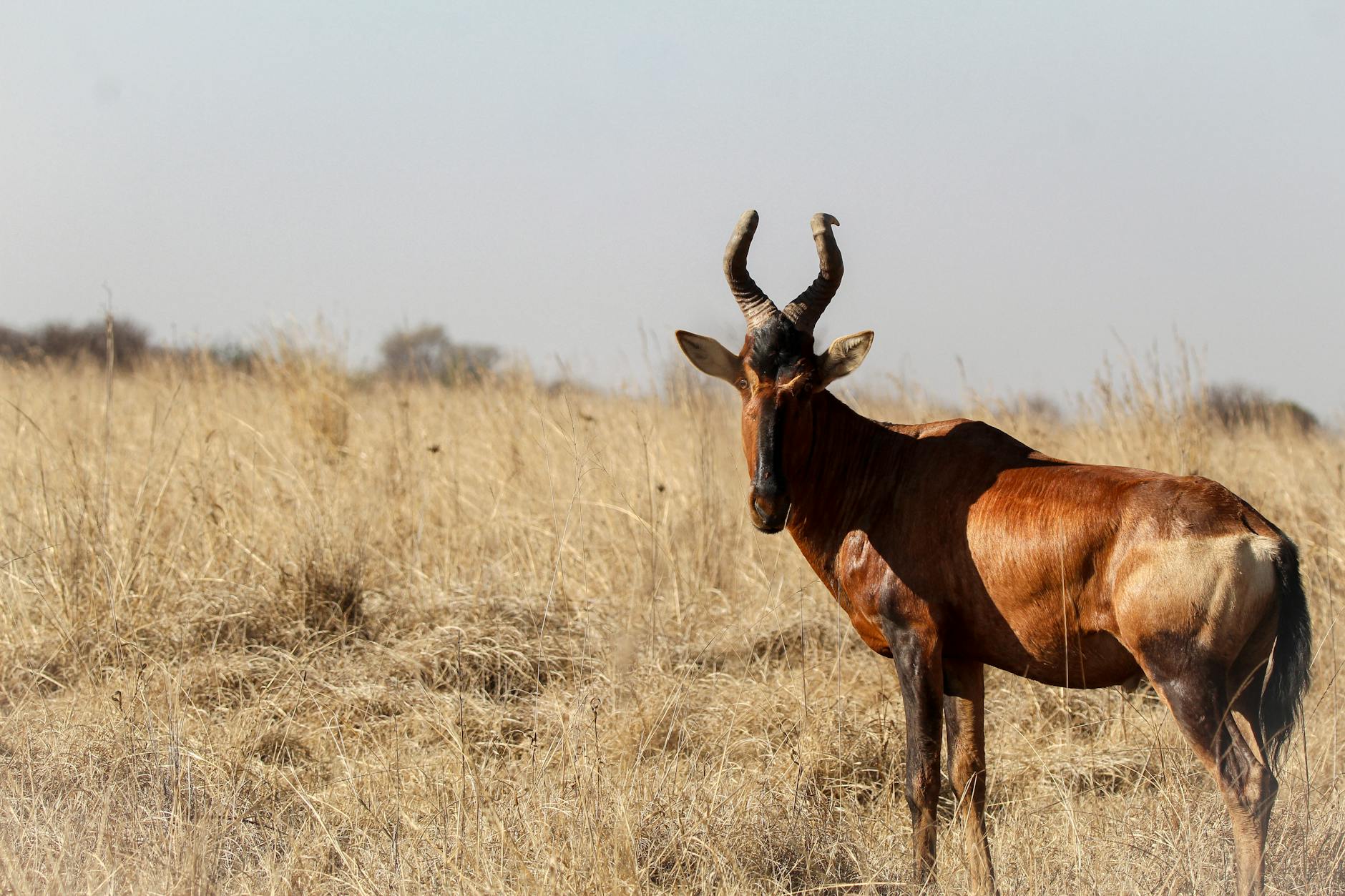
Understanding Laikipia’s Climate
Before diving into the month-by-month guide, it helps to understand the basic climate patterns that shape Laikipia’s seasons. The plateau sits at an altitude of 1,600 to 2,600 metres above sea level, which gives it a temperate, spring-like climate that is markedly cooler than Kenya’s lowland parks and coastal areas.
Temperature
Daytime temperatures across Laikipia are remarkably consistent throughout the year, typically ranging from 22°C to 28°C (72°F to 82°F). The real variation comes at night and in the early morning, when temperatures can drop to 8°C to 12°C (46°F to 54°F), particularly during the cooler months of June to September. This daily temperature swing means layering is essential — you will need warm clothing for dawn game drives and lighter layers for the afternoon heat. The equatorial position means there is little variation in day length, with roughly 12 hours of daylight throughout the year.
Rainfall
Laikipia experiences two distinct rainy seasons and two dry seasons, following the broader East African pattern. The long rains (locally called masika) fall from mid-March to May, with April being the wettest month, receiving an average of 225mm of rainfall. The short rains (vuli) arrive in November and December, with lighter and more intermittent showers. The long dry season stretches from June to October, while a shorter dry spell occurs in January and February. Annual rainfall averages approximately 900 to 1,300mm across the plateau, though this varies significantly by location — the eastern slopes closer to Mount Kenya receive more moisture than the drier northern reaches.
The Four Seasons
For safari planning purposes, Laikipia’s year divides into four broad seasons: the hot dry season (January to mid-March), the long rains (mid-March to May), the cool dry season (June to October), and the short rains (November to December). Each has its own character, advantages, and considerations.
The Cool Dry Season: June to October (Peak Safari Season)
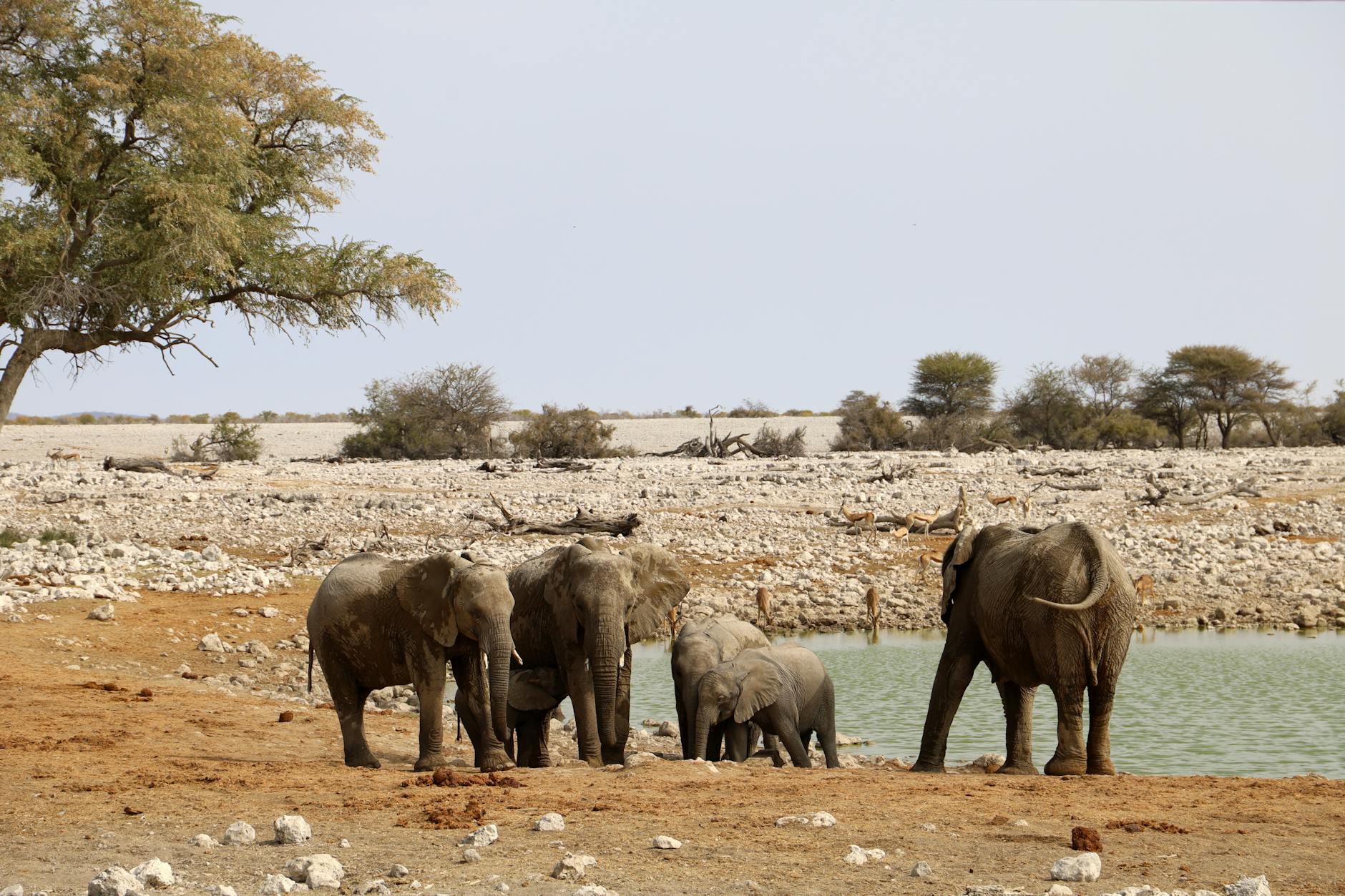
The cool dry season is Laikipia’s premier safari period and the time most safari operators recommend for first-time visitors. Clear skies, minimal rainfall, comfortable temperatures, and exceptional wildlife viewing combine to create near-perfect conditions for every type of safari activity.
Weather Conditions
June marks the transition from the tail end of the long rains to increasingly dry conditions. By July, the landscape has begun its transformation from green to gold as grasses dry out and the bush opens up. Daytime temperatures average 22°C to 25°C (72°F to 77°F), making this the coolest period of the year. Early mornings can be genuinely cold, with temperatures occasionally dipping below 10°C — a warm fleece or jacket is essential for dawn game drives. Rainfall is minimal from July through September, with October marking the start of a slow transition towards the short rains.
Wildlife Viewing
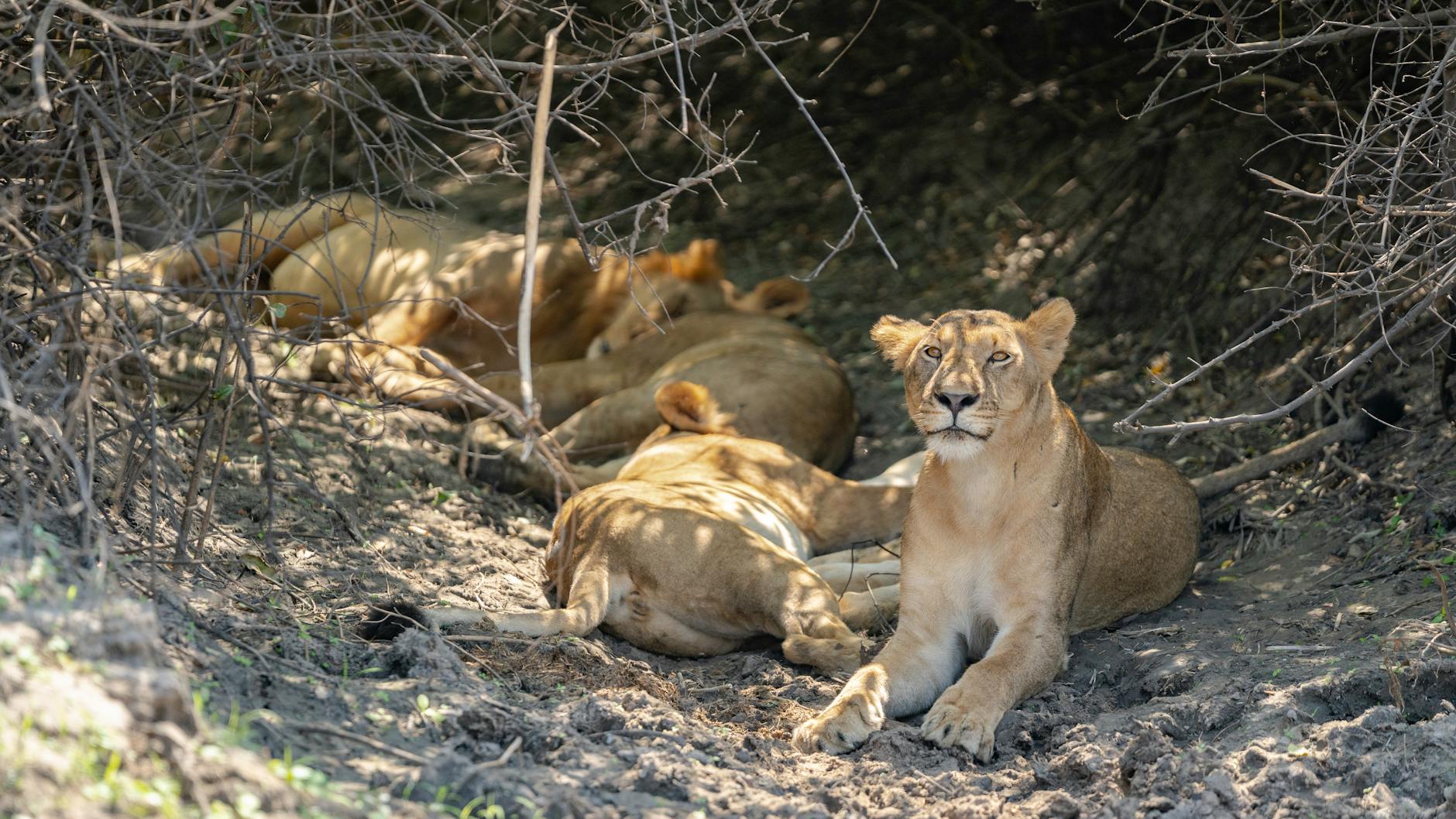
This is when Laikipia’s wildlife viewing is at its absolute best. As surface water evaporates across the landscape, animals are forced to concentrate around permanent water sources — rivers, dams, springs, and the waterholes maintained by conservancies. This concentration effect makes wildlife far easier to find and observe. Elephant herds gather along the Ewaso Nyiro and Ewaso Narok rivers, creating dramatic scenes of dozens or even hundreds of animals drinking, bathing, and socialising. Lion prides patrol the areas around waterholes, knowing that prey will come to drink. Leopards become more visible as the vegetation thins, and predator-prey interactions are at their most frequent and dramatic.
The sparse vegetation also means that wildlife is easier to spot from a distance, and tracking becomes more straightforward as animals are constrained to predictable routes between feeding and watering areas. For activities like rhino tracking and wild dog monitoring, the dry season offers the highest success rates.
Month-by-Month: June to October
June is a transitional month — the last scattered showers of the long rains may still occur in early June, but conditions improve rapidly. Wildlife is beginning to concentrate, the bush is still relatively green (excellent for photography), and visitor numbers are lower than the July-August peak. This is one of the best-value months for Laikipia, combining good wildlife viewing with shoulder-season pricing at many lodges.
July and August are the heart of the peak season. Conditions are at their driest, wildlife concentration is at its maximum, and the landscape has turned to shades of amber and gold. These are also the busiest months in terms of visitor numbers, though Laikipia’s private conservancy model means you are unlikely to feel crowded — unlike the Masai Mara, where the Great Migration draws huge numbers of tourists. Book accommodation well in advance for July and August, as the best lodges fill up months ahead.
September brings warm, stable days and some of the best natural light of the year for photography. The landscape is at its most golden and dramatic, and wildlife viewing remains excellent. Visitor numbers begin to ease slightly compared to July-August, and some lodges start offering transitional-season rates.
October is a month of change. The first tentative showers of the short rains may appear in late October, greening up the landscape and triggering a burst of insect activity that in turn attracts birds. Wildlife viewing is still very good, though animals begin to disperse as new water sources emerge. October offers excellent value, with many lodges offering shoulder-season pricing.
The Hot Dry Season: January to Mid-March
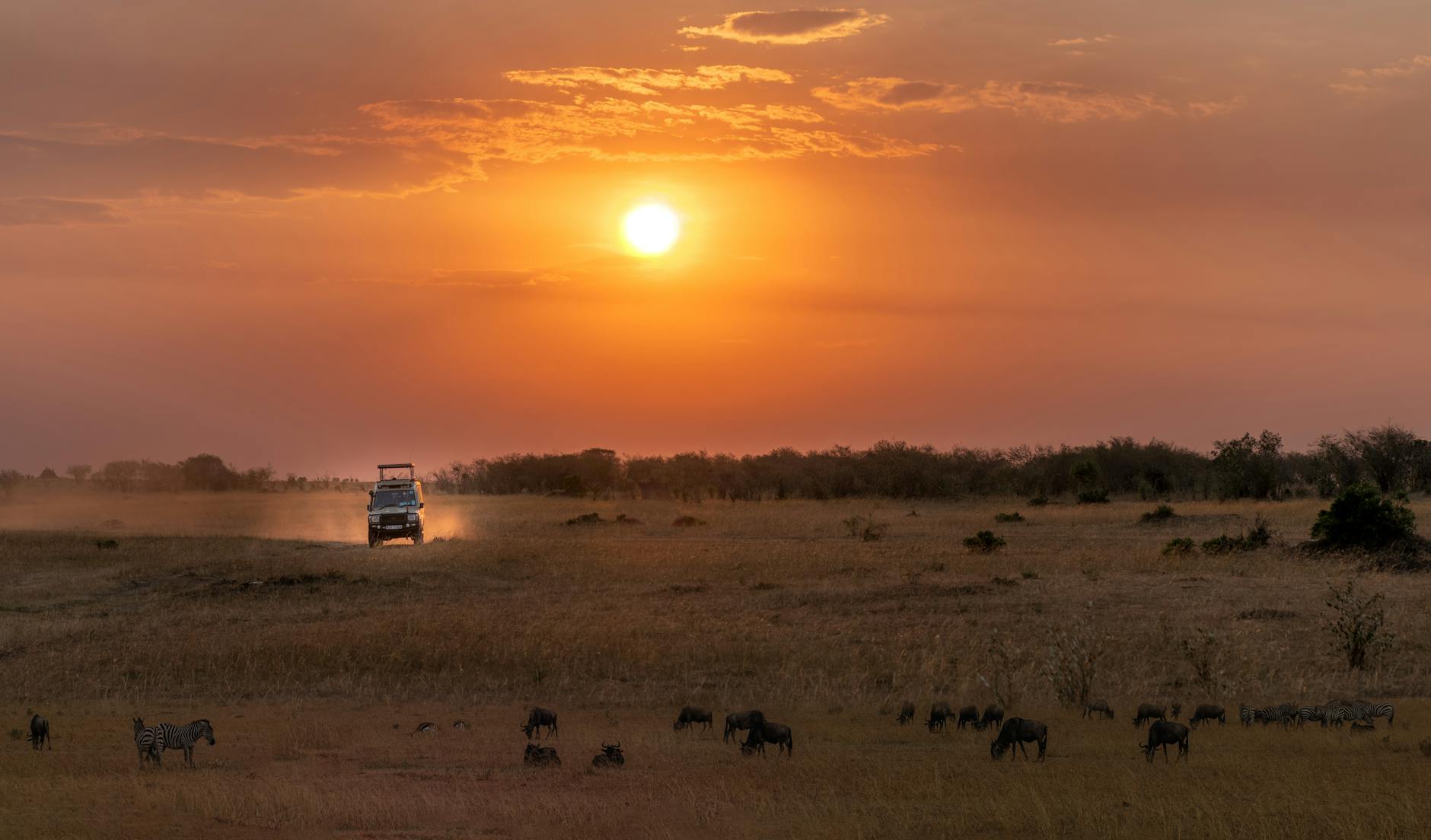
The hot dry season is Laikipia’s second-best period for wildlife viewing, and in many ways it is the region’s lesser-known corner. The combination of good weather, excellent game viewing, and slightly lower visitor numbers than the July-October peak makes it an outstanding time to visit.
Weather Conditions
January and February are the warmest months in Laikipia, with daytime temperatures reaching 26°C to 28°C (79°F to 82°F). Mornings are milder than during the cool dry season but still pleasantly cool, typically around 12°C to 15°C (54°F to 59°F). Rainfall is minimal — February is the driest month, with an average of just 36mm — and the skies are generally clear, with excellent visibility. March begins the transition towards the long rains, with occasional afternoon showers that build through the month.
Wildlife Viewing
Wildlife viewing in January and February is excellent. The short rains of November-December have replenished some water sources, but many seasonal pools have already dried up, creating a similar concentration effect to the June-October dry season. Large herbivore herds gather along rivers, and predator activity remains high. The warmer conditions mean that reptiles — particularly crocodiles, monitor lizards, and snakes — are more active and visible than during the cooler months.
One of the great advantages of this period is that the landscape retains some of the green colour from the short rains, particularly in January, creating a more photogenic setting than the dusty browns of late August or September. The combination of green backgrounds and excellent wildlife density makes January and February superb months for safari photography.
Month-by-Month: January to Mid-March
January is a strong month for Laikipia. The Christmas and New Year rush has passed, lodges have settled into a quieter rhythm, and wildlife viewing is consistently good. Migratory birds from Europe and North Africa are present, adding colour to the bush. Prices are typically at or just below peak-season levels.
February is the driest month of the year and offers some of the best wildlife concentration outside the July-October peak. This is also traditionally a popular month for horseback and walking safaris, as the firm, dry ground makes cross-country travel easy and comfortable.
Early March continues in a similar vein to February, but afternoon clouds begin to build and the first scattered showers appear. Wildlife viewing remains good, and the approaching rains create spectacular skies for photographers. Pricing begins to drop as the green season approaches.
The Long Rains: Mid-March to May (Green Season)
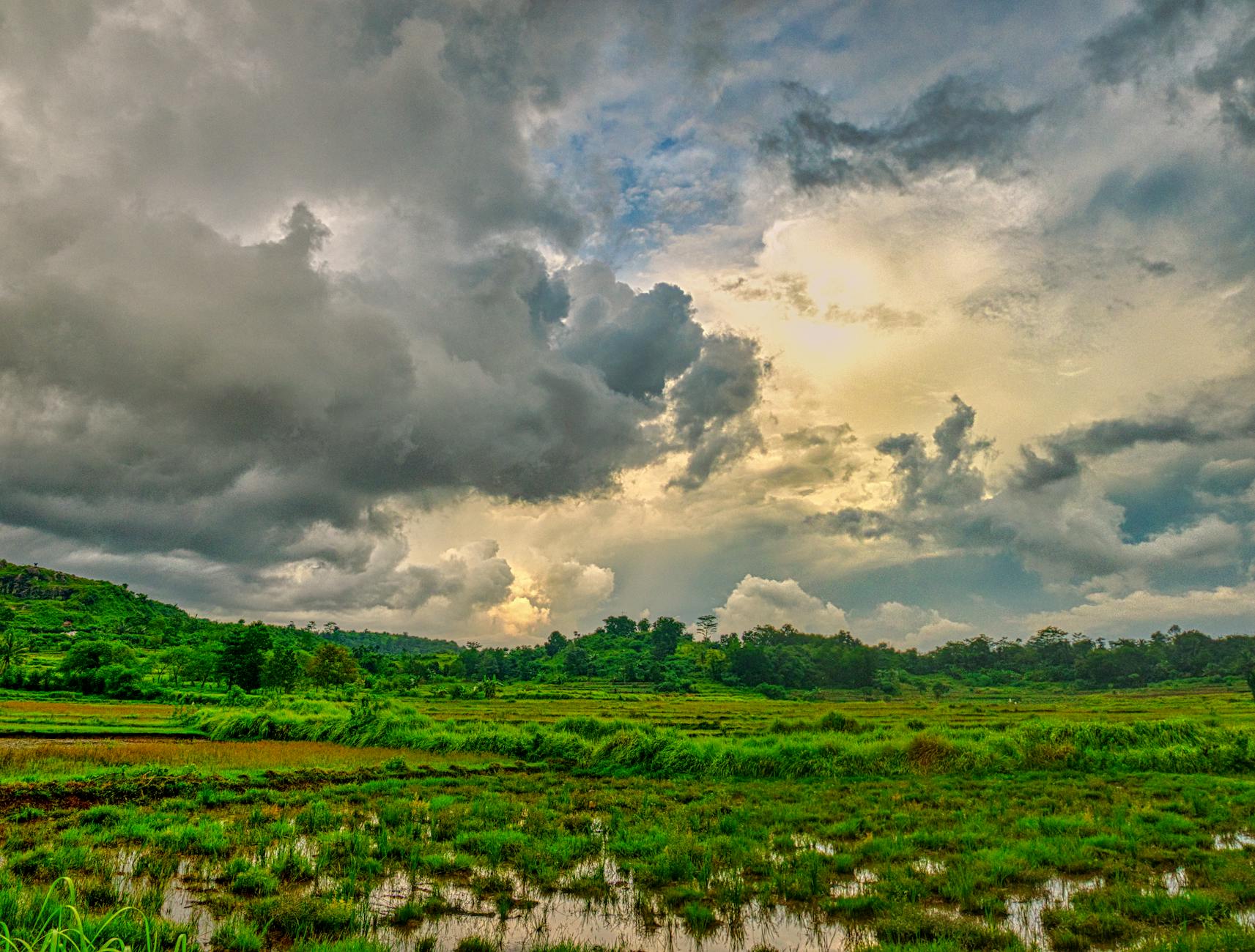
The long rains are Laikipia’s most challenging season for safari travel, but they also offer unique rewards for those willing to embrace the rain. This is when the plateau transforms into a lush green paradise, newborn animals appear across the landscape, and the skies produce some of the most dramatic lighting conditions imaginable.
Weather Conditions
The long rains typically begin in mid to late March and intensify through April, which is the wettest month with an average of 225mm of rainfall. Rain usually falls in heavy afternoon or evening downpours, often preceded by spectacular cloud formations and followed by vivid rainbows. Mornings are frequently clear and sunny, which means game drives in the first half of the day are often unaffected. May sees the rains beginning to taper off, with conditions improving steadily through the second half of the month.
Wildlife Viewing
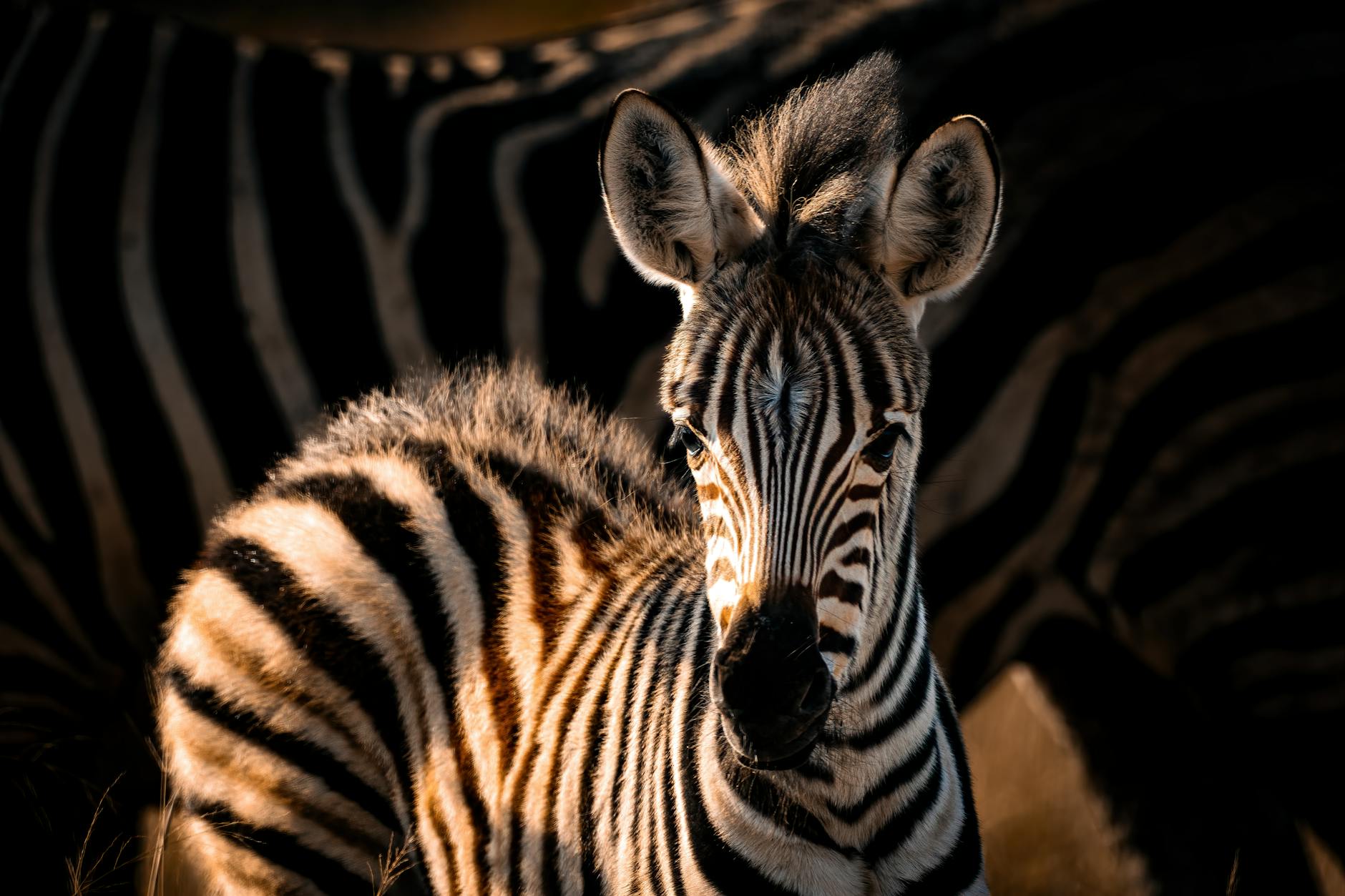
Wildlife viewing during the long rains is more unpredictable than during the dry season, but it is by no means poor. Animals are more dispersed across the landscape, as temporary water sources and abundant fresh grass remove the need to congregate around permanent water. This means you may need to work harder to find game, but encounters are often more intimate — instead of fighting for a viewing spot at a crowded waterhole, you might find yourself alone with a herd of elephants in a field of wildflowers.
The green season is the primary birthing period for many ungulates, including zebra, impala, and wildebeest. Watching newborn animals take their first steps, surrounded by attentive mothers and prowling predators looking for easy prey, is one of the most moving wildlife spectacles in Africa. Predators are particularly active during this period, as the abundance of vulnerable young animals provides rich hunting opportunities.
Road Conditions and Lodge Closures
The main practical challenge during the long rains is road conditions. Laikipia’s red-earth tracks can become muddy and impassable after heavy rain, which may limit access to some areas and make game drives bumpy and unpredictable. Some smaller lodges and bush camps close during April and May for maintenance and because visitor numbers drop. However, the larger and more established properties — including those in Ol Pejeta, Lewa, and Loisaba — remain open year-round.
Pricing and Value
The long rains represent the best value for money in Laikipia’s calendar. Lodge rates drop by 20 to 40 percent compared to peak season, and special offers such as free extra nights (stay four, pay three) are common. If you are flexible about weather and comfortable with the possibility of muddy roads, the green season offers an extraordinary experience at a fraction of peak-season prices.
The Short Rains: November to December
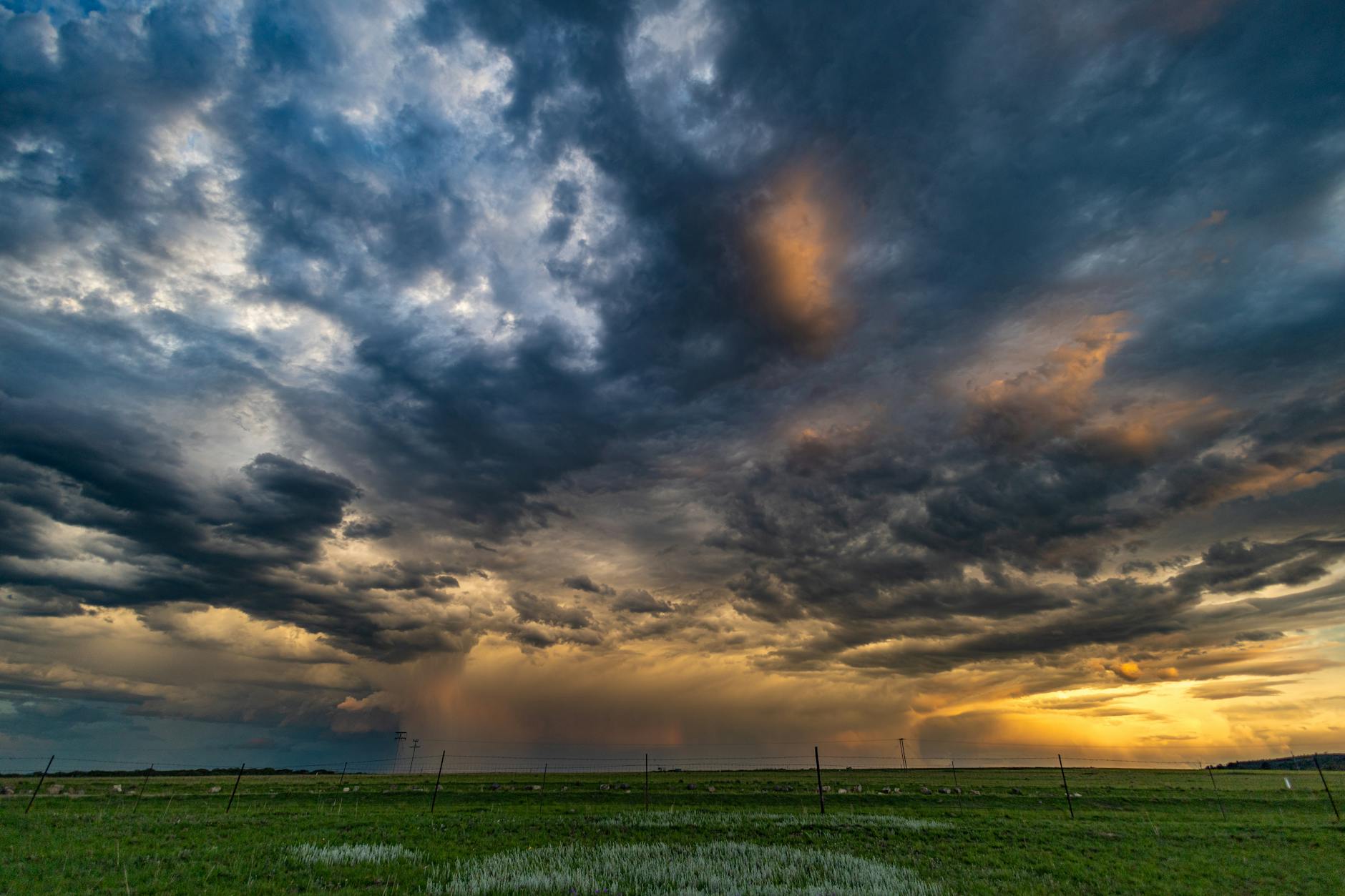
The short rains are perhaps the most underrated season in Laikipia. The rainfall is lighter and more intermittent than the long rains, the landscape is spectacularly green, and the combination of good wildlife viewing and reduced visitor numbers makes this one of the savviest times to plan a safari.
Weather Conditions
November typically sees the onset of the short rains, with showers that tend to be brief and localised — nothing like the sustained downpours of April. A typical day might begin with clear skies and a morning game drive in bright sunshine, followed by clouds building through the afternoon and a sharp shower in the late afternoon or evening, clearing to reveal a spectacular sunset. December sees the rains easing, with drier conditions returning by the third or fourth week. Temperatures remain warm, with daytime highs of 24°C to 27°C.
Wildlife and Birdwatching
Wildlife viewing during the short rains is surprisingly good. The landscape has greened up, providing an attractive backdrop for photography, but game has not yet dispersed as widely as during the long rains. Many animals are in excellent physical condition after feeding on the fresh growth, and the general vibrancy of the landscape creates a more photogenic setting than the dusty dry season.
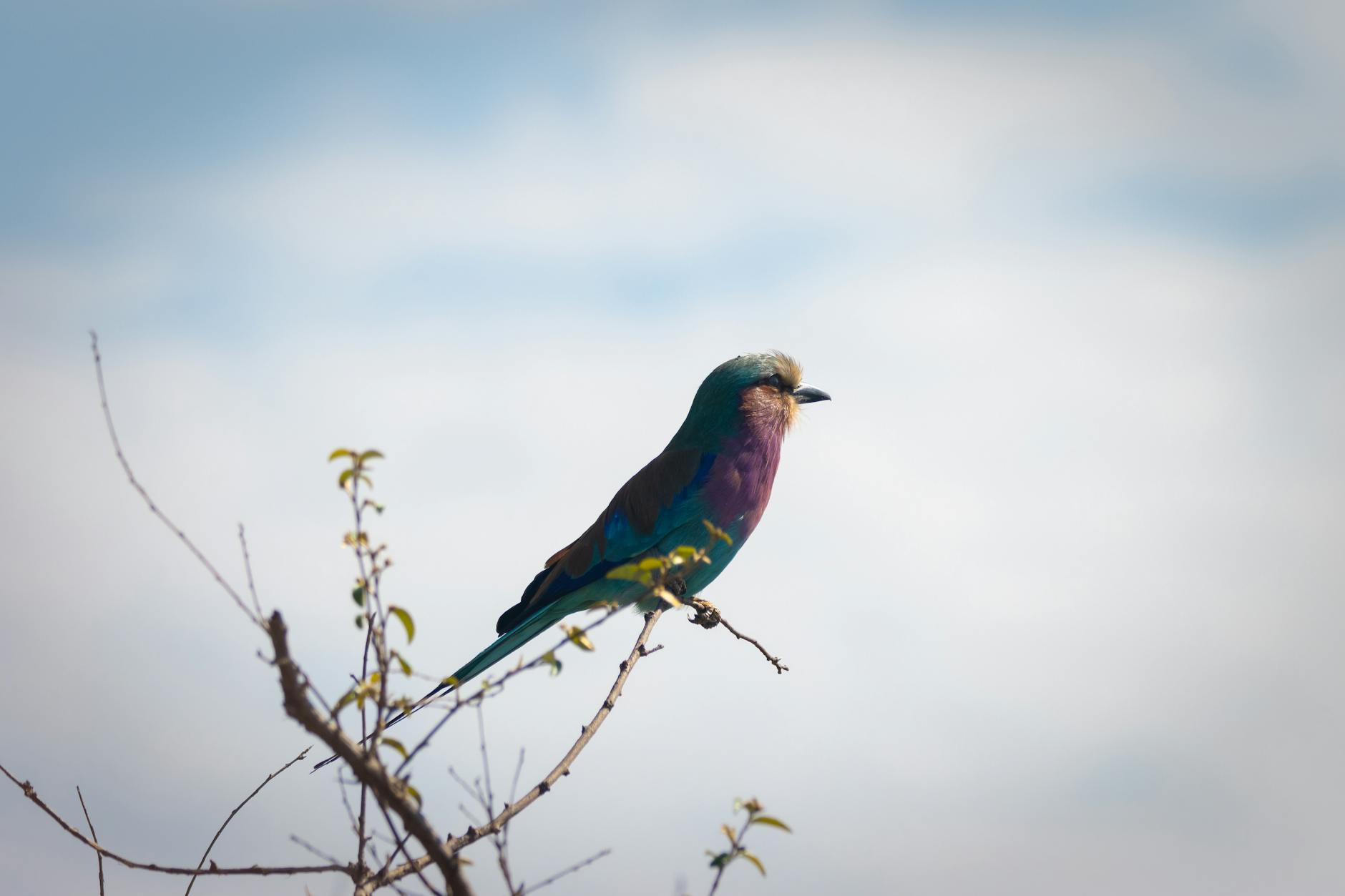
For birdwatchers, this is the best time of year to visit Laikipia. Palaearctic migrants arrive from Europe and North Africa from November onwards, boosting the region’s already impressive bird list of over 540 species. Many resident species enter breeding plumage, displaying vibrant colours and elaborate courtship behaviours. Raptors, weavers, sunbirds, and rollers are particularly active, and the combination of lush vegetation, insect abundance, and migratory arrivals creates a birding bonanza that peaks between November and March.
Month-by-Month: November and December
November is Laikipia’s best-kept secret. Lodge rates drop significantly — many properties offer green-season discounts of 25 to 35 percent — and the conservancies are wonderfully quiet. Wildlife viewing is good, birding is excellent, and the photogenic green landscape provides a stunning contrast to the typical dry-season images that dominate safari marketing. November is particularly recommended for experienced safari-goers who appreciate a more personal, less structured experience.
December starts quietly but builds towards the festive season, when lodges fill up with Christmas and New Year guests. Early December offers some of the year’s best value — green-season rates combined with improving weather as the rains taper off. From mid-December, prices rise to peak-season levels and popular properties book out months in advance. The two-week Christmas period is one of the busiest in Laikipia’s calendar, second only to July-August.
Activities by Season
Different activities are at their best in different seasons. Here is a quick reference guide to help you time your visit around your preferred activities.
Game drives are excellent year-round but peak during the dry seasons (June-October and January-February), when wildlife is most concentrated and visible. Walking safaris are best from June to February, when firm, dry ground makes cross-country walking comfortable and safe. Most operators reduce or suspend walking safaris during the wet months when trails become slippery. Horseback safaris follow a similar pattern, with the best riding conditions from June to March. Camel trekking is available year-round but is most comfortable during the cooler dry months of June to September. Night drives are outstanding year-round, with different nocturnal species active in different seasons. Birdwatching peaks from November to March when migratory species are present. Photography is exceptional in every season — the dry season for wildlife density and golden landscapes, the green season for dramatic skies, lush colours, and newborn animals.
Wildlife Species Guide by Season
Understanding which species are most visible in each season helps you time your visit to match your wildlife priorities. Laikipia’s diverse ecosystem supports an extraordinary array of animals, and their behaviour shifts dramatically between wet and dry periods.
Elephants
Laikipia holds Kenya’s second-largest elephant population, estimated at over 7,000 individuals. During the dry season (June to October and January to February), elephants concentrate along the Ewaso Nyiro River and permanent waterholes, creating some of the most spectacular elephant viewing in Africa. Herds of 50 to 100 animals are not uncommon at popular watering points during peak dry conditions. During the wet season, elephants disperse across a much wider area, following the rains to access fresh browse. You will still see elephants during the green season, but in smaller groups and less predictable locations.
Rhinos
Laikipia is home to more than half of Kenya’s total rhino population, including both black and white rhinos. Rhino viewing is excellent year-round within the dedicated sanctuaries like Ol Pejeta and Lewa conservancies, where animals are closely monitored. However, tracking rhinos on foot — one of Laikipia’s most thrilling experiences — is most productive during the dry season, when animals are more predictable in their movements and the reduced vegetation makes them easier to spot. The green season offers a different but equally rewarding experience, with rhinos often feeding more actively in the lush vegetation.
Predators: Lions, Leopards, and Wild Dogs
Lion sightings peak during the dry season, when prides concentrate near waterholes and prey is most densely packed. Hunting activity increases as competition for resources intensifies, and the open landscape provides outstanding visibility for watching hunting sequences unfold. Leopards are more frequently spotted during the dry months, as the thinning vegetation reveals these normally secretive cats. Several Laikipia conservancies are known for melanistic leopards (black panthers), and the best chances of spotting them come during the dry season when guides can cover more ground efficiently.
African wild dogs are active throughout the year, but the dry season offers the best opportunities for tracking them using telemetry equipment. Packs are most cohesive during the denning season (June to September), when they establish a fixed den site and adults undertake regular hunting forays that follow predictable patterns — making them easier to locate and follow.
Grevy’s Zebra and Reticulated Giraffe
Two of Laikipia’s most iconic species — the endangered Grevy’s zebra and the reticulated giraffe — are visible year-round, but their behaviour shifts with the seasons. During the dry season, Grevy’s zebras gather in larger herds near water sources, providing excellent viewing opportunities and the chance to observe their complex social dynamics. In the green season, they disperse more widely but are set against a lush backdrop that makes for stunning photography. Reticulated giraffes are a constant presence in Laikipia’s acacia woodlands, with their striking geometric coat pattern providing a photographic highlight in every season.
Rare and Specialist Species
Laikipia supports several rare species that are difficult to find elsewhere in Kenya. Gerenuk — the long-necked antelope that feeds standing on its hind legs — is present year-round in the drier northern reaches of the plateau. Beisa oryx, lesser kudu, and Jackson’s hartebeest are all more easily spotted during the dry season when vegetation is sparse. Nocturnal species such as aardvarks, aardwolves, bat-eared foxes, and pangolins are best sought during night drives in the dry season, when they are more active and the lack of rain makes driving conditions more predictable.
Photography Conditions by Season
For serious photographers, the choice of season has a profound impact on the images you will bring home. Each season offers distinct photographic opportunities, and understanding the light, landscape, and wildlife behaviour in each period will help you plan accordingly.
Dry Season Photography (June to October)
The dry season offers the most reliable conditions for wildlife photography. Clear skies provide consistent, warm-toned light from sunrise to mid-morning and again from late afternoon through sunset. The golden grasslands and sparse vegetation create clean, uncluttered backgrounds that isolate your subject beautifully. Wildlife concentration means more opportunities for action shots — predator hunts, elephant herds at waterholes, and the drama of animal interactions. The main photographic challenge is dust, which can be pervasive during dry conditions and requires careful lens protection.
Green Season Photography (November to May)
The green season is a photographer’s lesser-known corner. The lush, verdant landscape provides a dramatically different colour palette — emerald greens, vivid wildflowers, and the rich earth tones of wet soil create images that look nothing like the typical dry-season safari photograph. Cloud formations are spectacular, with towering cumulus buildups and dramatic storm fronts that add atmosphere and scale to landscape images. The soft, diffused light on overcast days is ideal for portraits of both wildlife and people, reducing harsh shadows and bringing out subtle details. Rainbows, lightning, and the interplay of light and shadow across rain-swept landscapes offer creative opportunities that are simply not available during the dry season.
The main challenges are lower wildlife density (requiring more patience and time to find subjects), potentially muddy conditions that limit mobility, and rain that can interrupt shooting sessions. However, for photographers who have already captured the classic dry-season images, the green season offers the chance to build a portfolio that stands apart from the crowd.
Seasonal Considerations for Conservancy Choice
Not all of Laikipia’s conservancies perform equally in every season, and choosing the right conservancy for your travel dates can significantly enhance your experience. During the dry season, the northern conservancies — including Loisaba, Mugie, and the community lands around Il Ngwesi — offer outstanding wildlife viewing as animals congregate near the Ewaso Nyiro River system. These areas can be very dry and hot, which intensifies the concentration effect around water. The southern conservancies closer to Mount Kenya — including Ol Pejeta and Lewa-Borana — offer slightly cooler conditions and more diverse habitat, with excellent year-round wildlife viewing regardless of season.
During the green season, the southern and eastern conservancies near Mount Kenya are the most reliable choices, as their higher rainfall supports better road conditions and more consistent wildlife viewing. The northern areas can become difficult to access when roads flood, and some properties may close temporarily. For a green-season visit, Ol Pejeta, Lewa, and Borana are the safest bets for reliable access and excellent game viewing.
Crowd Levels and Booking Lead Times
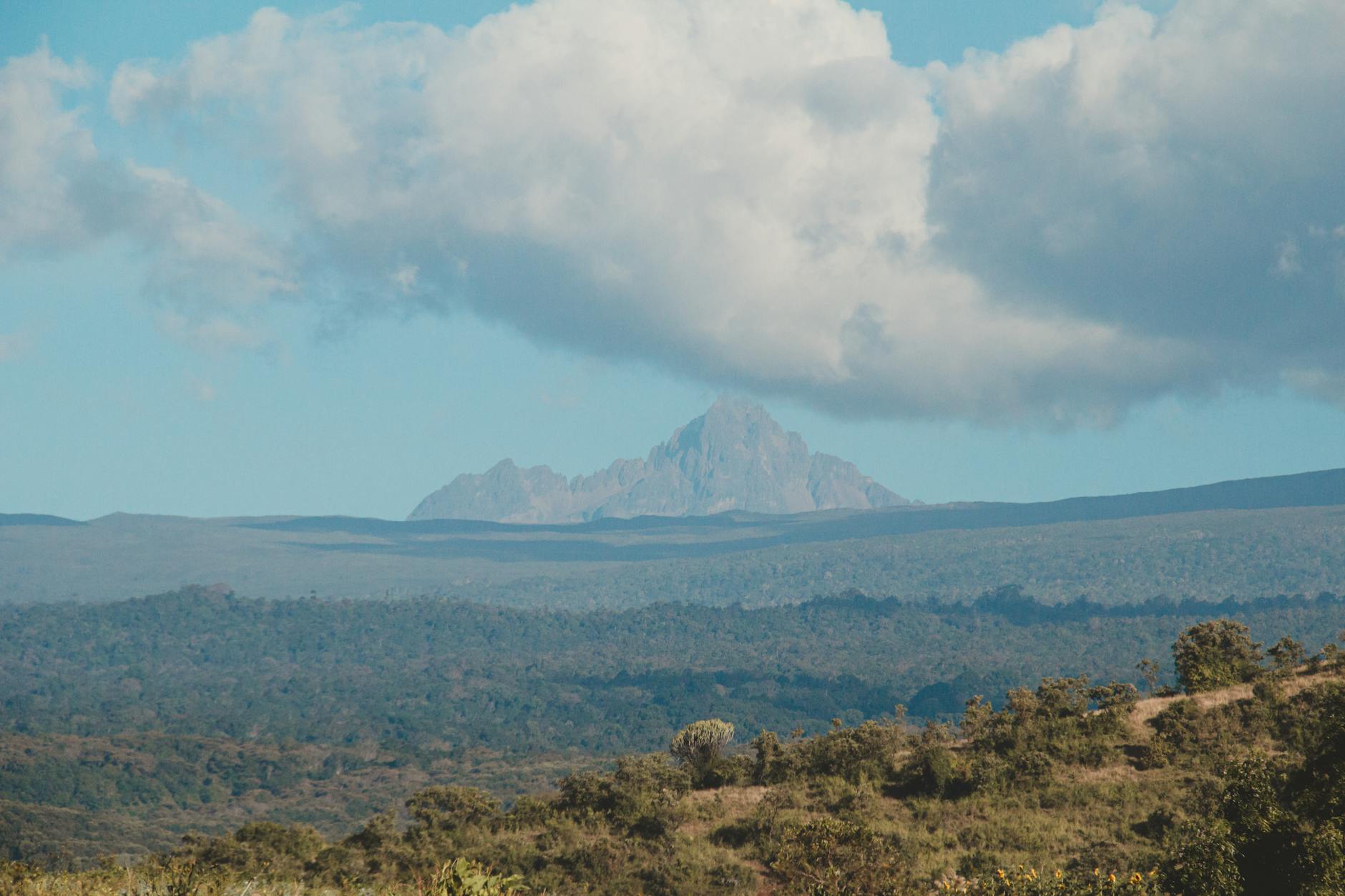
One of Laikipia’s great advantages over the Masai Mara and other popular Kenyan parks is that it never feels crowded. The private conservancy model limits visitor numbers, and even during peak season, you are unlikely to encounter more than one or two other vehicles at a sighting. That said, visitor numbers do fluctuate seasonally, and booking ahead is essential during the busiest periods.
Peak season (July-August and Christmas-New Year): The busiest period, with the best lodges booking out three to six months in advance. Book as early as possible — up to 12 months ahead for the most exclusive properties. Rates are at their highest.
High season (June, September-October, January-February): Busy but manageable. Booking two to four months ahead is generally sufficient. Rates are at or slightly below peak levels, and some lodges offer shoulder-season discounts.
Shoulder season (March, November, early December): Quieter and more affordable. Booking one to two months ahead is usually sufficient, and last-minute availability is often possible. Discounts of 20 to 35 percent are common.
Low season (April-May): The quietest period, with some lodges closed and those that remain open offering their lowest rates. Booking is flexible, and significant discounts are available. Check which lodges are open before planning a low-season visit.
Special Events and Seasonal Highlights
Several annual events and natural phenomena add extra reasons to visit Laikipia at specific times of year. The Lewa Safari Marathon, held annually in late June, is one of the world’s most unique running events — a full and half marathon through the Lewa Wildlife Conservancy, with armed rangers positioned along the route to protect runners from wildlife encounters. The event has been running since 2000 and raises millions of dollars for conservation and community development, attracting elite athletes and recreational runners from around the world. The altitude (approximately 1,600 metres) adds a significant challenge, but the scenery — running past giraffes and zebras with Mount Kenya as a backdrop — makes it an memorable experience. Registration typically opens six months before the event, and accommodation in the Lewa area fills quickly.
The Laikipia Farmers Market in Nanyuki, held every Saturday morning, is a delightful way to experience local food culture and meet the community of farmers, ranchers, and artisans who call the plateau home. For visitors arriving or departing on a Saturday, it is well worth a stop.
The calving season for many species peaks in January and February, when thousands of zebra, impala, and gazelle give birth in a burst of new life that draws predators and creates dramatic survival dramas. Raptor migration peaks in November and March as birds of prey move between their European breeding grounds and African wintering areas, with Laikipia’s thermals providing ideal soaring conditions.
How Climate Patterns Are Shifting
It is worth noting that Kenya’s rainfall patterns have become less predictable in recent years, a trend that climate scientists attribute to broader changes in Indian Ocean temperature cycles and global weather systems. The traditional boundaries between wet and dry seasons have blurred, with some years seeing early or late onset of the rains and occasional unseasonal showers during periods that are historically dry. This variability means that while the general seasonal framework described in this guide remains a reliable planning tool, flexibility is an asset — the occasional afternoon shower during a dry-season safari should be seen as a bonus rather than an inconvenience, bringing dramatic skies and temporary freshness to the landscape.
Laikipia’s conservancies and lodges are well adapted to this variability, with experienced guides who read the weather day by day and adjust game drive routes accordingly. The best guides in Laikipia have decades of experience in the local landscape and an intuitive understanding of how animal behaviour shifts in response to weather patterns — rain that might seem like an obstacle to a visitor is often a signal to a guide that predators will be on the move or that a particular waterhole will attract unusual concentrations of wildlife.
Why Laikipia Is a Year-Round Destination
Unlike some safari destinations that are genuinely best avoided during certain months — the Masai Mara can feel oppressively crowded in August, and some lowland parks become unbearably hot during the equatorial summer — Laikipia’s altitude, private conservancy model, and diverse activity options make it genuinely viable in every month of the year. The plateau’s temperate climate means you will never experience the extreme heat that characterises coastal Kenya or the searing midday temperatures of Amboseli. The conservancy model limits visitor numbers year-round, ensuring an exclusive experience regardless of season. And the sheer variety of activities available — from game drives and walking safaris to horseback riding, cultural visits, and conservation experiences — means that even during periods when wildlife viewing is less predictable, there is always something extraordinary to do.
The key message is this: do not let seasonal concerns prevent you from visiting Laikipia. Every month offers something special, and the best time to visit is ultimately the time that works for your schedule, budget, and personal priorities. The wildlife will be there, the landscape will be beautiful, and the experience will be transformative — regardless of when you arrive.
What to Pack by Season
Your packing list should be adjusted based on the season of your visit. For the cool dry season (June to September), prioritise warm layers — a heavy fleece, beanie, and gloves for dawn game drives are not excessive when temperatures can drop below 10°C. For the hot dry season (January to March), lighter layers are sufficient, but sun protection becomes critical — high-SPF sunscreen, a broad-brimmed hat, and UV-protective sunglasses are essential under the intense equatorial sun. For the green season (April to May and November to December), add a lightweight waterproof jacket, waterproof camera protection, and quick-drying clothing that handles sudden downpours. Regardless of season, always pack warm layers for early mornings and cool evenings — Laikipia’s altitude means night-time temperatures are significantly lower than daytime throughout the year. For a comprehensive packing guide, see our Laikipia travel planning guide.
Our Recommendation: When Should You Visit?
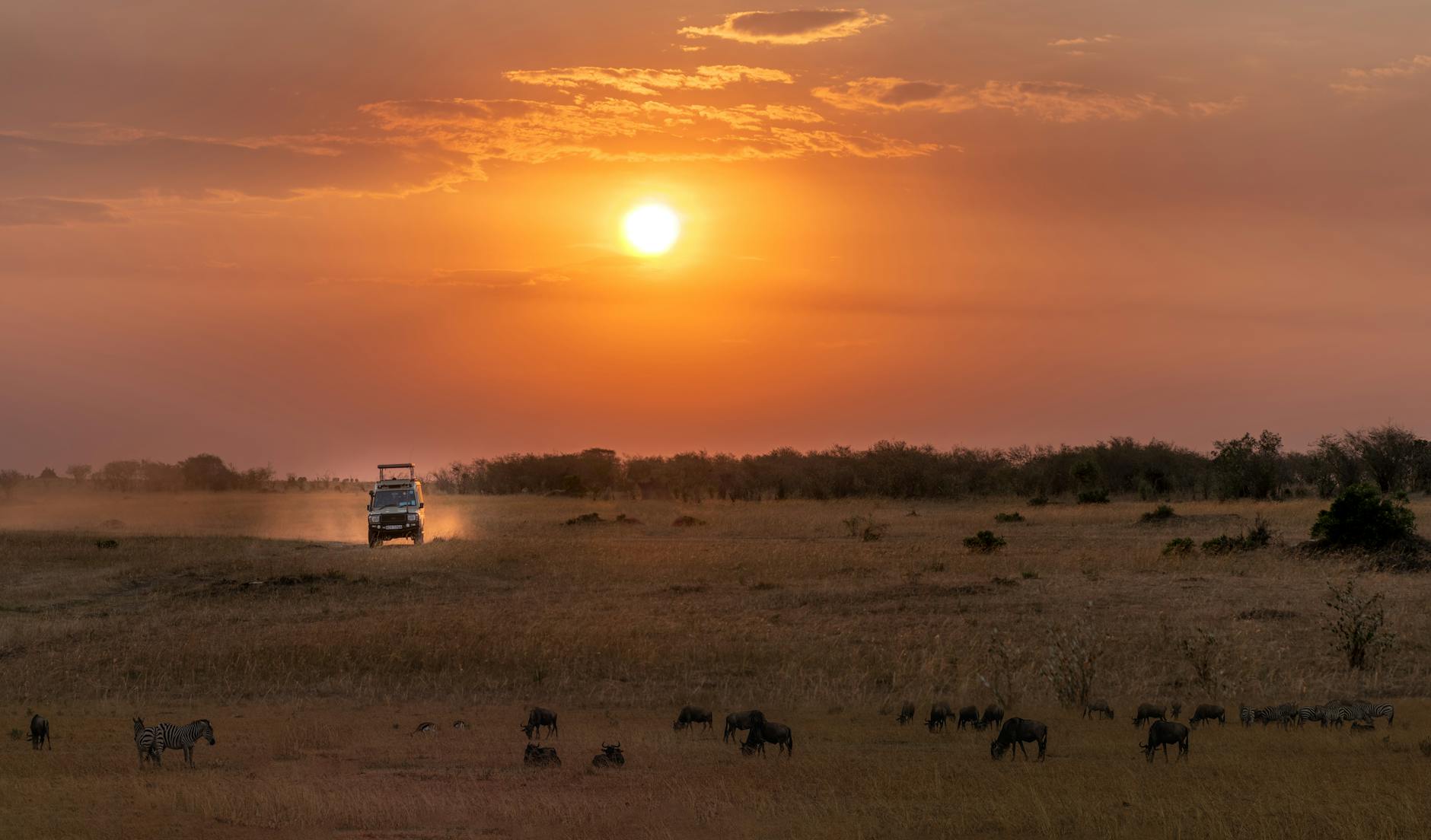
The honest answer is that there is no bad time to visit Laikipia. Each season offers something unique, and the best time for your trip depends on your priorities. That said, here are our specific recommendations for different types of travellers.
First-time safari visitors: July to September. The dry season delivers the most reliable and spectacular wildlife viewing, with comfortable weather and the highest density of animal activity. This is Laikipia at its most accessible and awe-inspiring.
Photographers: November to February. The combination of green landscapes, dramatic skies, excellent light, newborn wildlife, and migratory birds creates the most diverse and visually stunning conditions of the year.
Birdwatchers: November to March. Palaearctic migrants swell the species count, resident birds display breeding plumage, and the lush vegetation supports peak insect and invertebrate activity that sustains the entire food web.
Budget-conscious travellers: April to May or November. Green-season discounts of 20 to 40 percent make luxury lodges accessible at a fraction of peak prices, and the reduced visitor numbers create a more exclusive experience.
Families with children: June to September or Christmas holidays. School holiday dates align with peak season, the dry weather is most comfortable for children, and the concentrated wildlife makes game drives exciting and productive for young attention spans.
Adventure seekers (walking, riding, camel trekking): June to February. The dry, firm ground provides the best conditions for all off-vehicle activities, with the cooler months of June to September being ideal for extended physical exertion.
Whatever you pick, no season here is a write-off — each simply rewards a different kind of traveller. The trick is knowing what to expect and planning around it. For help with the next steps, explore our complete travel planning guide, browse accommodation options, or discover the full range of activities and experiences that await you on the Laikipia plateau. And for an overview of everything this remarkable region has to offer, start with our comprehensive Laikipia Kenya guide.


