Last updated: June 2026
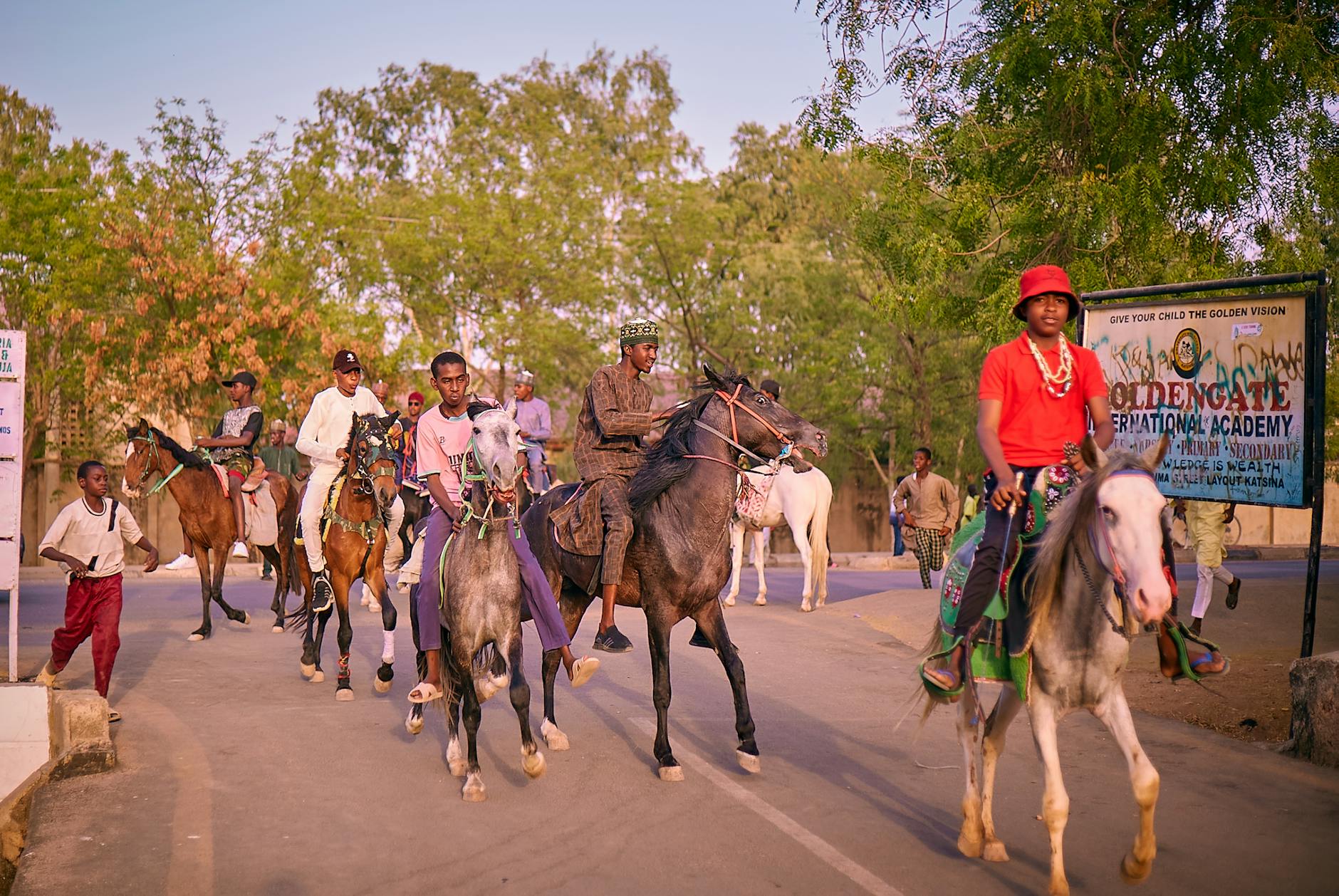
There is no closer, more thrilling way to encounter Africa’s wildlife than from the back of a horse — and Laikipia is the finest place on the continent to do it. Out here, where the great conservancies roll unfenced toward Mount Kenya, you can canter alongside herds of zebra, gallop beside reticulated giraffe across the Ewaso Ng’iro plains, and approach plains game closely because, on horseback, the animals see you as just another creature of the bush rather than a vehicle to flee. This guide to horse riding safaris in Laikipia covers everything you need: the best ranches and lodges, the skill levels required, what a typical ride involves, what to wear and expect, and why riding delivers an emotional connection to the wild that no game drive can match.
If you can ride, a Laikipia horseback safari is one of the great experiences of a lifetime. Here’s how to make it happen.
Why Ride in Laikipia?
Laikipia is Kenya’s premier horseback safari destination, and for good reason. Its vast private conservancies — unfenced, wildlife-rich and free of the vehicle crowds of the national parks — are perfectly suited to riding, with open plains, valleys and dramatic scenery to explore at the pace of a horse. The magic of riding is the access it gives: wildlife that would flee a vehicle often tolerates a horse, allowing you to get remarkably close to zebra, giraffe, antelope and more, and to experience the bush in near silence, engaging all your senses. It’s exhilarating, intimate and deeply connecting in a way that sitting in a 4×4 simply isn’t. Add the region’s superb riding stables, well-schooled horses and expert guides, and Laikipia offers horseback safaris ranging from gentle hour-long hacks to committed multi-day expeditions — the best in Kenya, and among the best in Africa.
The Best Riding Ranches and Lodges
Several Laikipia properties are renowned for horse riding, each with its own character. Sosian Lodge offers wonderful riding across open plains filled with zebra, oryx, giraffe, eland and gazelle, dropping into valleys home to kudu, buffalo and elephant — riding alongside its famous zebra herds is one of Kenya’s great equestrian experiences. Borana, north of Mount Kenya, suits intermediate riders with its gentler southern landscape and Big Five wildlife, and offers tailor-made multi-day rides and the celebrated Borana–Lewa trails. Ol Malo, in rugged northern Laikipia near the Loroghi escarpment, is the choice for experienced riders, with longer, more committed rides and the postcard thrill of galloping beside reticulated giraffe. Loisaba and other conservancies also offer riding. Specialist operators run mobile lodge-to-lodge and camp-based riding safaris across the region too. Your choice depends on your riding ability and the kind of experience you want, and your accommodation or operator can advise.

Skill Levels: Who Can Ride?
Horse riding safaris cater to a range of abilities, but it’s important to be honest about your level, as it determines what you can do. The horses are matched to ability — patient, well-schooled mounts for beginners and nervous riders, and faster, more responsive horses for the confident. Gentle short rides and hacks suit beginners and families, walking through the bush at an easy pace. However, the longer rides and the chance to canter and gallop among big game require genuine competence: you’ll usually need to demonstrate that you can walk, trot, canter and gallop confidently, and be able to control your horse and gallop out of trouble should an animal startle. Properties like Ol Malo, with committed big-game rides, expect established riders, while Borana and Sosian offer options across the spectrum. Be truthful about your ability when booking, both for your safety and enjoyment — overstating it among big game is genuinely dangerous, while there’s a perfect ride in Laikipia for every honest level of experience.
What a Riding Safari Involves
A typical day’s riding in Laikipia is built around the cooler, wildlife-active hours. At a lodge like Sosian, riding is generally a couple of hours in the morning and/or afternoon, with confident riders able to spend up to around six hours in the saddle across a full day if they wish. Rides head out across the conservancy, tracking and approaching wildlife, exploring varied terrain, and pausing for the views or a bush picnic. The signature Laikipia experience, though, is the multi-day mobile horse safari: riding from camp to camp (or lodge to lodge) over several days, covering real distances through changing landscapes, with a backup vehicle carrying gear and any non-riders, and portable camps set up each night. These expeditions, lasting anywhere from one to eight days, are the ultimate horseback adventure, immersing you in the wilderness and delivering a profound sense of journey. Whether a half-day hack or a week-long ride, you’ll be expertly guided throughout.
Riding Among Wildlife: What to Expect
The heart-stopping appeal of a Laikipia riding safari is the wildlife encounters. Because animals accept horses far more readily than vehicles, you can ride remarkably close to plains game — zebra, giraffe, eland, oryx, gazelle and more often allow horses to approach within metres, and cantering alongside a herd of zebra or galloping beside giraffe is an unforgettable, emotional thrill. You’ll also encounter the bush at close, sensory range: the sounds, the smells, the tracks underfoot. Riding among or near big game — elephant, buffalo and even predators — is possible on the more advanced rides, but demands an experienced guide, a competent rider and absolute discipline, as these animals must be treated with great respect and given space. Your guide will read the wildlife and manage encounters for safety. The combination of freedom, closeness and the horse’s own heightened senses creates a connection to the wild that riders describe as life-changing — the very essence of why horseback safari is so special.

What to Wear and Bring
Comfort and safety in the saddle come down to the right kit. Wear long riding trousers or jodhpurs to prevent chafing, and bring your own riding helmet if you can (lodges usually provide them, but a familiar, well-fitting helmet is best and always essential). Comfortable boots with a small heel suitable for stirrups are important, along with half-chaps if you have them. Dress in neutral colours, with layers for cool mornings warming to hot midday sun, and pack strong sun protection — hat or helmet, sunglasses, high-factor sunscreen — as you’ll be exposed for hours. Gloves protect your hands, and a lightweight long-sleeved top guards against sun and scratches. Bring any personal riding gear you prefer. For multi-day rides, soft luggage is carried by the backup vehicle. Check weight limits, as most riding operations have a rider weight limit (often around 90kg/14 stone) for the horses’ welfare. Confirm exactly what your lodge provides and requires when booking, so you arrive properly equipped for comfortable, safe riding.
Planning Your Horseback Safari
A few pointers help you plan well. Be honest about your riding ability and discuss it frankly with the lodge or operator, so they can match you to the right horses and rides. Decide whether you want riding as one activity among many at a lodge, or a dedicated multi-day mobile riding safari as the focus of your trip. Book ahead, especially for the specialist riding operations and multi-day expeditions, which have limited places and often minimum rider numbers. Consider the dry seasons for the best riding conditions and wildlife concentrations. Combine riding with other adventure activities like camel trekking for a varied active safari. And bring your own riding helmet and any personal gear. With honest planning around your ability and a good riding property, a Laikipia horseback safari delivers one of the most exhilarating and intimate wildlife experiences on earth — the wild, at the pace and from the perspective of a horse.
The Heritage of Horseback Safaris in Laikipia
Laikipia’s pre-eminence in horseback safaris is no accident — it grows directly from the region’s history as ranching country. The great cattle ranches that shaped the plateau were worked, in part, on horseback, and horses have been woven into the fabric of Laikipia life for generations. As many ranches evolved into wildlife conservancies, that equestrian heritage endured and adapted, with the stables, the horsemanship and the deep knowledge of riding among wildlife passing down through families and properties. This is why Laikipia, more than anywhere else in Kenya, offers such accomplished horseback safaris: it has the horses, the trained staff, the well-schooled mounts and the hard-won expertise of riding safely among big game, built up over decades. Some of the families and operators running riding safaris here have been doing so for many years, and that depth of tradition shows in the quality and safety of the experience. Understanding this heritage adds richness to a riding safari — you’re not just enjoying an activity but taking part in a living tradition that connects the region’s ranching past to its conservation present.
Multi-Day Mobile Riding Safaris in Depth
For serious riders, the pinnacle of the Laikipia experience is the multi-day mobile riding safari — a true horseback expedition across the wilderness. Rather than returning to the same lodge each day, you ride from camp to camp or lodge to lodge over several days, covering real distances of country and waking each morning to a new stretch of wilderness. A backup vehicle carries the luggage and any non-riding companions, and mobile camps are set up ahead of your arrival, so you ride unburdened through the day and find a comfortable camp, hot meal and campfire waiting each evening. These safaris, lasting anywhere from one to eight days and often requiring a minimum number of riders, deliver a profound sense of journey and immersion impossible on day rides — the rhythm of long days in the saddle, the changing landscapes, the camaraderie, and the deep connection to the land that only sustained travel brings. Properties like Borana offer tailor-made multi-day rides, and specialist operators run lodge-to-lodge routes across the region. For a competent, fit rider, a multi-day mobile horse safari is the ultimate Laikipia adventure and an experience of a lifetime.
Family Riding and Younger Riders
Horse riding can be a wonderful family activity in Laikipia, though it depends on the children’s riding ability and the property’s policies. Families with children who can ride confidently will find gentle rides and hacks a magical way to share the bush together, and some lodges have suitable horses or ponies and welcome younger riders for shorter, gentle outings within safe areas. For children who are nervous or inexperienced, short led rides or simply time around the horses and stables can be a delight. However, the longer rides and any riding among big game require genuine competence and maturity, so these are generally not suitable for young or novice riders, who’ll do better with gentle, supervised experiences. As with all family safari planning, be honest about your children’s riding ability, check each property’s minimum-age and skill policies (which vary), and match the riding to their level — see our adventure activities overview. Done appropriately, riding gives older, capable children a thrilling and memorable way to experience Laikipia’s wildlife, while gentler options let even little ones enjoy the horses safely.
The Horses and Their Welfare
The quality of a horseback safari rests on the horses, and Laikipia’s best riding operations take great pride in their stables and the welfare of their animals. The horses are typically well-schooled, fit, sure-footed mounts, accustomed to the bush and to encountering wildlife calmly — a crucial quality, since a panicky horse among big game is dangerous. Reputable operations carefully match horses to riders’ abilities, maintain their animals in excellent condition, and impose rider weight limits (commonly around 90kg or 14 stone) precisely to protect the horses’ welfare. The grooms and stable staff are skilled horsemen who care deeply for the animals. For riders, this means you can trust the mount beneath you and ride with confidence, knowing the horse is fit, calm and well-trained for the task. It also means choosing a reputable operation matters, both for your safety and enjoyment and for the assurance that the horses are well cared for. The bond between a rider and a good safari horse, and the trust you place in a calm, capable mount among wildlife, is part of what makes horseback safari so special and rewarding.
Riding, Conservation and Low Impact
One of the quiet virtues of a horseback safari is how lightly it treads. Riding is a low-impact, eco-friendly way to explore the wilderness — silent, non-polluting, and leaving no more trace than the wildlife itself, in contrast to motorised activities. Because horses don’t disturb animals the way vehicles can, riding allows close, natural encounters with minimal impact on the wildlife and the environment. Beyond this, choosing a horseback safari supports the conservancies and the conservation model that protects this landscape: the revenue from riding safaris, like other tourism, helps fund the rangers, communities and wildlife protection that keep Laikipia wild, as our guides to the region’s safari experiences explain. Many riding operations are deeply embedded in the conservation ethos of their conservancies, and riding among the wildlife fosters a powerful personal connection to the wild that often deepens riders’ commitment to its protection. So a horseback safari is not only one of the most thrilling and intimate ways to experience Laikipia, but also one of the most environmentally gentle and conservation-positive — a rare combination that adds to its appeal.
Frequently Asked Questions
Can children do horse riding safaris in Laikipia?
Children who can ride confidently can enjoy gentle rides and hacks, and some lodges have suitable horses or ponies and welcome younger riders for short, gentle outings in safe areas. Nervous or inexperienced children do better with led rides or time around the stables. Longer rides and riding among big game require genuine competence, so check each property’s age and skill policies.
What is the weight limit for horse riding safaris?
Most riding operations impose a rider weight limit, commonly around 90kg (14 stone), specifically to protect the horses’ welfare. Limits vary by operator, so check when booking. Reputable operations match horses to riders carefully and maintain their animals in excellent condition, with weight limits being a standard and important part of responsible horse care.
How long should a horse riding safari be?
It depends on your goals. Riding can be one activity among many during a lodge stay, with rides of a couple of hours up to around six hours in the saddle for the keen. For a dedicated experience, multi-day mobile riding safaris run from one to eight days, riding camp to camp — the ultimate horseback adventure for competent, fit riders.
Where are the best horse riding safaris in Laikipia?
Top riding properties include Sosian (famous for riding among its zebra herds), Borana (great for intermediate riders, with Big Five wildlife and multi-day trails), and Ol Malo (for experienced riders, with committed rides galloping beside reticulated giraffe). Loisaba and specialist mobile riding operators also offer excellent horseback safaris across the conservancies.
Do I need to be an experienced rider for a Laikipia horse safari?
Not necessarily — gentle short rides and hacks suit beginners, with patient, well-schooled horses. But the longer rides and the chance to canter and gallop among big game require genuine competence (confident walk, trot, canter and gallop, and the ability to control your horse). Be honest about your ability when booking, both for safety and enjoyment.
What wildlife can you see on a horseback safari in Laikipia?
Because animals accept horses more readily than vehicles, you can ride remarkably close to zebra, giraffe, eland, oryx, gazelle and other plains game — cantering alongside zebra or galloping beside reticulated giraffe is the signature thrill. Big game like elephant and buffalo can be encountered on advanced rides, with an experienced guide and great care.
What should I wear for a riding safari?
Long riding trousers or jodhpurs, comfortable boots with a small heel for stirrups (and half-chaps if you have them), neutral-coloured layers, gloves, and strong sun protection (hat or helmet, sunglasses, sunscreen) since you’re exposed for hours. Bring your own riding helmet if possible. Check the operator’s rider weight limit, often around 90kg, for the horses’ welfare.
What is a multi-day mobile horse safari?
It’s the ultimate Laikipia horseback experience — riding from camp to camp or lodge to lodge over several days (typically one to eight), covering real distances through changing landscapes, with a backup vehicle carrying gear and non-riders and portable camps set up each night. These expeditions immerse you in the wilderness and deliver a profound sense of journey.
Explore more active adventures with our guides to camel trekking, mountain biking, and the full Laikipia adventure activities guide.

1 comment