Last updated: June 2026
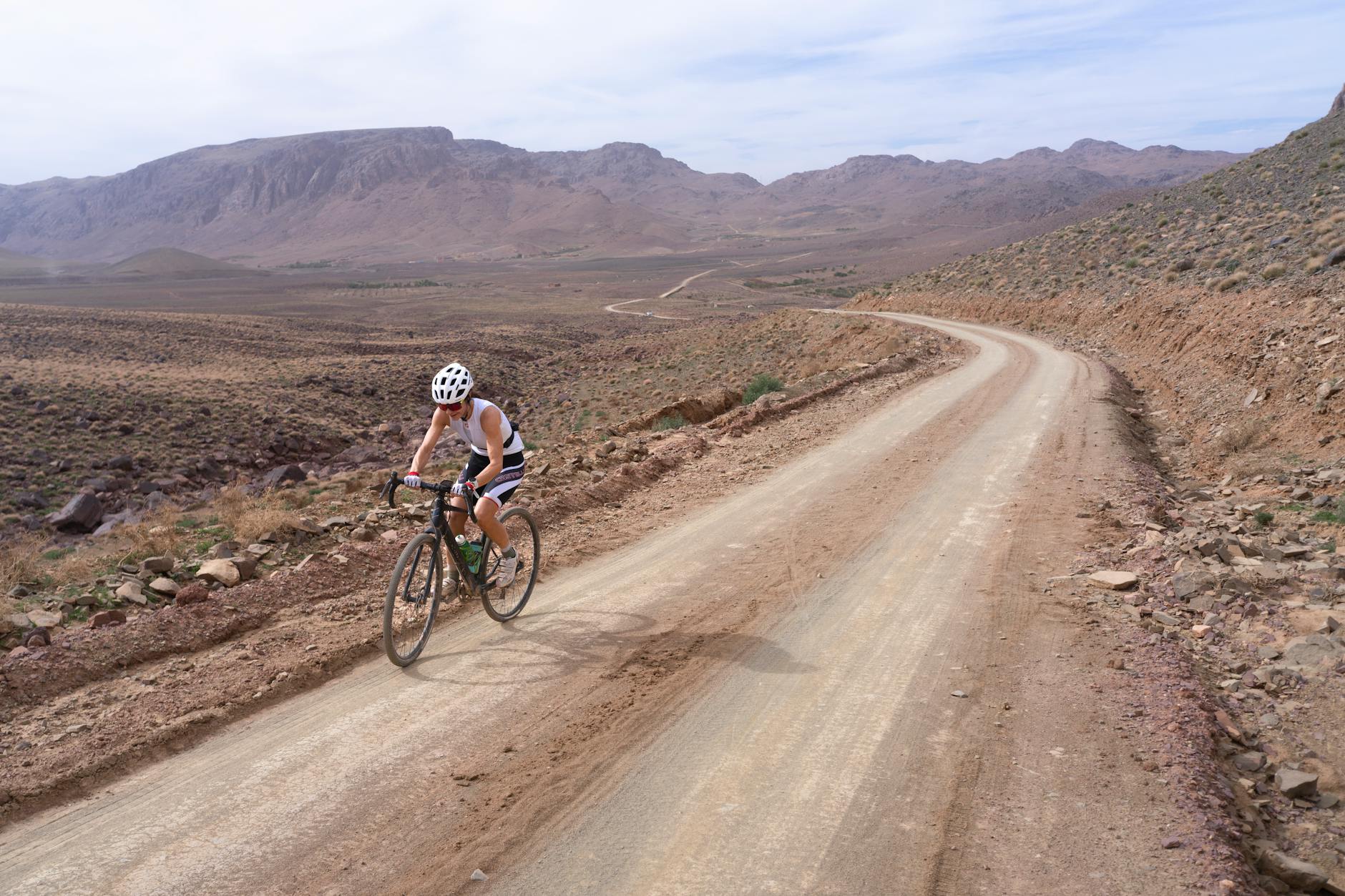
Pedalling across an open African plain with zebra grazing nearby and Mount Kenya on the horizon is a special kind of thrill — and in Laikipia, mountain biking among wildlife is a genuine and exhilarating possibility. The region’s private conservancies, free of the rigid rules of national parks, allow cycling in a way that’s impossible in most of Kenya, letting active travellers swap the safari vehicle for two wheels and experience the bush under their own steam. This guide to mountain biking in Laikipia covers where you can ride, what guided cycle safaris involve, the fitness and skill required, the safety essentials of biking among wildlife, and what makes pedalling past giraffe one of the most invigorating ways to explore the plateau.
For cyclists and active adventurers, Laikipia offers something rare: a safari you can pedal. Here’s how to do it.
Mountain Biking on Safari: Why Laikipia?
Mountain biking is one of the standout reasons active travellers choose Laikipia, because so few places in Africa allow you to cycle among wildlife at all. In the national parks, leaving your vehicle is generally forbidden, but Laikipia’s private conservancies can offer guided cycling across their land, opening up a whole new way to experience the bush. Biking lets you cover ground actively and quietly, feeling the landscape rather than just observing it, and the exhilaration of pedalling across open plains with wildlife around you is hard to beat. It’s exercise, adventure and safari rolled into one, perfect for active travellers, families with older children, and anyone wanting to break up the game drives with something more energetic. The varied terrain — open plains, rolling hills, bush tracks — offers riding for different abilities, and the sense of freedom and immersion on a bike adds a thrilling new dimension to a Laikipia safari.
Where You Can Bike
Several Laikipia conservancies and lodges offer mountain biking, though it’s always worth confirming availability when booking, as cycling is permitted at the discretion of each property. Loisaba is well known for its mountain biking, offering guided rides across its scenic landscapes as part of its strong adventure-activity menu. Ol Pejeta allows cycling within the conservancy, letting you bike among plains game on designated routes. Borana and other conservancies also offer cycling for guests. The riding ranges from gentle pedals across open plains to more challenging rides through hilly terrain, depending on the property and the route. Because biking is offered on a property-by-property basis and conditions vary, the best approach is to ask your lodge or conservancy what cycling they offer and to build your stay around a property strong on biking if it’s a priority. Wherever you ride, you’ll do so within a wildlife-rich conservancy, making even a gentle pedal a genuine safari experience.
What a Guided Cycle Safari Involves
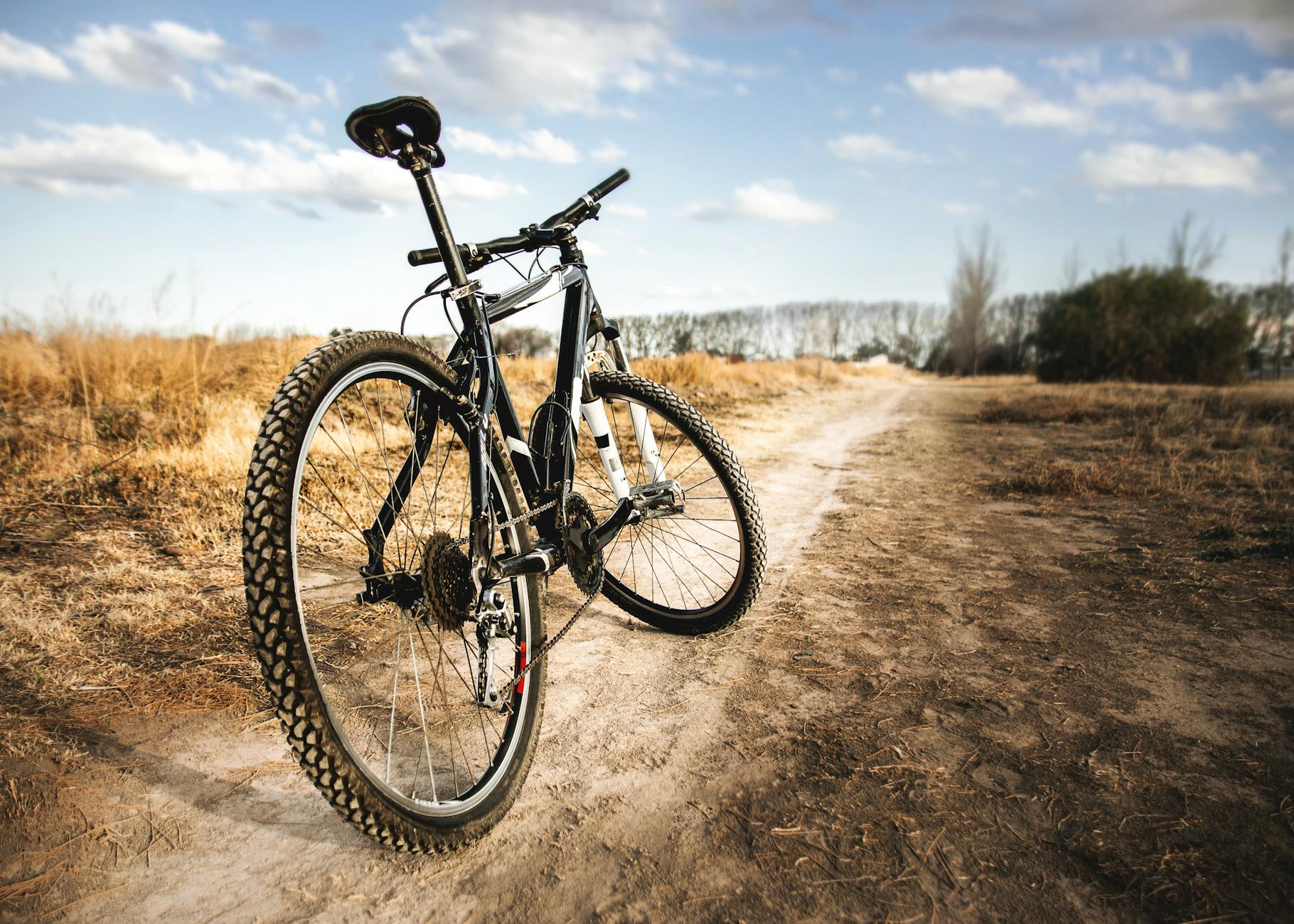
Mountain biking in Laikipia is almost always a guided activity, for very good reason — you’re cycling in a landscape with wild animals. A typical guided cycle safari sees a small group set out with an experienced guide, often accompanied or shadowed by a support vehicle, riding along tracks and across terrain chosen for the conditions and the group’s ability. The guide leads the route, watches for wildlife, manages any encounters and sets a sensible pace, while the support vehicle can carry water, gear, and anyone who needs a break. Rides are typically timed for the cooler morning or late afternoon hours, both for comfort and because wildlife is most active then. The pace and distance are tailored to the group, from gentle social rides to more demanding outings for fitter cyclists. Bikes are generally provided by the lodge or operator, though it’s worth checking the quality and sizing in advance. The guided structure keeps you safe while letting you enjoy the unique thrill of pedalling through the African bush.
Fitness, Skill and Who It Suits
Mountain biking in Laikipia is accessible to a fairly broad range of people, but a reasonable level of fitness and basic cycling competence are needed. You should be comfortable riding a mountain bike, able to handle uneven tracks and bush terrain, and fit enough for the distance and effort of your chosen ride. Gentle rides across open plains suit moderately fit casual cyclists and active families with older children, while longer or hillier routes reward keen, fitter mountain bikers. The altitude — Laikipia sits high, broadly around 1,700–2,000 metres — means you may feel the effort a little more than at sea level, so pace yourself and stay hydrated. It’s important to be honest about your fitness and ability when booking, so the guide can plan an appropriate ride. Those who aren’t confident cyclists or aren’t reasonably fit may prefer other activities. But for anyone who enjoys cycling and has a decent base fitness, a Laikipia bike safari is an achievable, exhilarating and accessible adventure that doesn’t require you to be a hardened athlete.
Safety: Biking Among Wildlife
Cycling in a landscape with wild animals demands respect and sensible safety, which is exactly why guided rides are the norm. The cardinal rules are to always ride with your guide, stay with the group, and follow the guide’s instructions absolutely — they are trained to read wildlife and keep you safe. Never approach animals on a bike, and be aware that potentially dangerous game (elephant, buffalo, predators) requires keeping a wide, respectful distance; guides choose routes and manage encounters to avoid problems, and the support vehicle provides a safety fallback. Wear a helmet at all times, ride at a controlled pace, and watch the terrain for hazards like rocks, holes and loose ground. Carry and drink plenty of water, and protect against the strong sun. Don’t cycle off alone or stray from the group. With an experienced guide, sensible behaviour and the right precautions, mountain biking among Laikipia’s wildlife is thrilling and safe — but the wildlife element means safety discipline matters far more than on an ordinary bike ride, as our general safety guide reinforces.
What to Wear and Bring
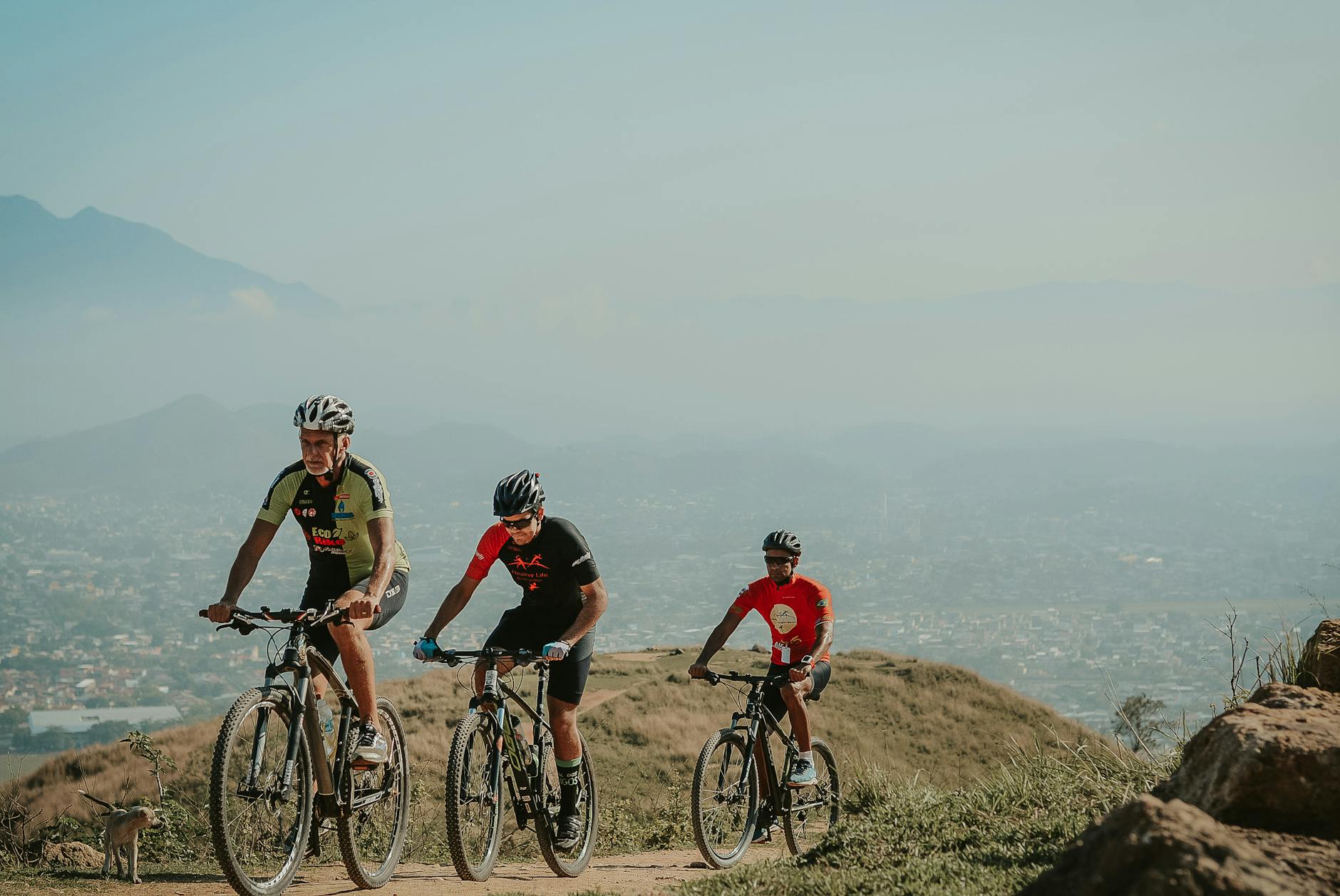
The right kit makes for a comfortable, safe ride. Wear a helmet (usually provided, but confirm), comfortable activewear in neutral colours, and padded cycling shorts if you have them for longer rides. Closed sports shoes suitable for cycling are essential. Bring strong sun protection — sunglasses, high-factor sunscreen, and consider a cap under your helmet — as you’ll be exposed, and gloves help with grip and comfort. Carry plenty of water (a hydration pack is ideal) and any personal items in a small backpack. Dress in layers for cool mornings warming through the ride. If you have particular preferences for saddle, pedals or gloves, you might bring your own, since provided bikes vary. Check with the lodge what’s supplied — bikes, helmets, water — versus what you should bring. As with all Laikipia activities, neutral clothing, sun protection and hydration are the essentials. Arrive prepared and you can focus entirely on the joy of the ride rather than discomfort or sunburn.
Combining Biking with Your Safari
Mountain biking works beautifully as part of a varied, active Laikipia trip rather than the sole focus. A typical approach is to mix cycle rides with game drives, walks and other activities, using biking to add energy and variety — perhaps a morning cycle one day, a game drive the next. It pairs naturally with other active pursuits like hiking, horse riding and walking safaris for an adventure-focused holiday. Families with older children often enjoy a gentle cycle together. Time your rides for the cooler, wildlife-active mornings and late afternoons, and build in the usual safari downtime around them. If biking is a real priority, choose a lodge or conservancy known for it, like Loisaba, and confirm what’s on offer when booking. Combined thoughtfully with the rest of your safari, mountain biking adds a wonderful, active, immersive dimension to your time in Laikipia — and the simple, exhilarating pleasure of pedalling through one of Africa’s great wildlife landscapes.
E-Bikes and Easier Options
A development making mountain biking in Laikipia more accessible is the growing availability of electric bikes (e-bikes) at some properties. E-bikes provide pedal-assistance that flattens the hills and eases the effort, making cycling safaris achievable for people who might find a regular mountain bike too demanding — including less fit travellers, older riders and those daunted by the altitude. With an e-bike, you can enjoy the freedom, immersion and exhilaration of cycling among wildlife without needing to be especially fit, covering more ground with less exertion while still feeling the landscape directly. This broadens the appeal of biking safaris considerably, opening them to a wider range of guests. Availability varies by property, so if the idea of cycling appeals but your fitness or the altitude concerns you, it’s well worth asking your lodge whether e-bikes are offered. Beyond e-bikes, operators can also tailor rides to ability — choosing gentler, flatter routes and shorter distances for those who want an easy, enjoyable pedal rather than a workout. So mountain biking in Laikipia isn’t only for the super-fit; with e-bikes and tailored routes, it’s an accessible adventure for many more visitors than you might assume.
The Best Conditions for Biking
Timing your rides well makes mountain biking far more enjoyable. As with most active pursuits in Laikipia, the cooler hours of early morning and late afternoon are ideal, both for comfort and because wildlife is most active then, while the harsh midday heat is best avoided for strenuous cycling. Seasonally, the dry seasons generally offer the best biking conditions, with firmer tracks and easier going, whereas the rainy seasons can leave trails muddy, slippery and harder to ride, and some routes may become impassable after heavy rain. That said, the rains usually fall as afternoon downpours, so morning rides often remain possible even in the green seasons. The landscape is beautiful year-round, lush and green in the rains, golden and open in the dry. Your lodge will advise on the best times to ride during your stay and adjust routes to conditions. For the most comfortable, reliable biking, aim for dry-season mornings, stay hydrated against the altitude and sun, and let the cool early light and active wildlife make your ride all the more rewarding.
Biking for Families and Groups
Mountain biking can be a great activity for families with older children and for groups of friends, adding active fun and shared adventure to a safari. Families with children who are competent, confident cyclists and fit enough for the terrain can enjoy gentle rides together, experiencing the bush actively as a family — though the wildlife setting means children must be old enough to follow safety rules absolutely and ride controlled, so it suits older kids and teens rather than little ones. For groups of friends or active travellers, a guided cycle safari is a brilliant shared experience, full of camaraderie and the fun of pedalling through the wilderness together. The availability of e-bikes at some properties helps groups and families of mixed fitness ride together, so no one is left struggling. As always, be honest about each rider’s ability and fitness, check minimum-age and other requirements with the lodge, and let the guide tailor the ride to the group. For the right families and groups, mountain biking offers an energetic, sociable and memorable way to share the adventure of a Laikipia safari.
What You’ll See While Biking
The joy of a cycle safari is experiencing the wildlife and scenery in a uniquely active, immersive way. Pedalling across the conservancy, you’ll likely encounter plains game — zebra, giraffe, antelope, gazelle and other species generally comfortable with cyclists at a respectful distance — and enjoy the landscape unfolding around you: the open plains, the bush, the hills, with Mount Kenya often on the horizon. You experience it all directly, feeling the terrain, hearing the sounds, smelling the bush, in a way impossible from a vehicle. The guide will point out wildlife, tracks, birds, plants and features along the way, enriching the ride with knowledge. While you won’t typically seek close encounters with dangerous big game on a bike (these are kept at a safe distance), the overall experience of moving through a wildlife-rich landscape under your own power is exhilarating and deeply connecting. The combination of exercise, fresh air, beautiful scenery and the thrill of wildlife around you makes a cycle safari a wonderful, multi-sensory way to experience Laikipia — active, immersive and genuinely different from sitting in a 4×4.
Biking as Low-Impact, Eco-Friendly Safari
Mountain biking has the appeal of being one of the most environmentally friendly ways to explore Laikipia. Like walking and horse riding, cycling is silent, non-polluting and low-impact, leaving no emissions and minimal disturbance to wildlife and the environment, in welcome contrast to motorised activities. This makes it a sustainable, conscientious choice for the environmentally minded traveller, allowing you to enjoy the wilderness actively while treading lightly. Because bikes are quiet, they also allow relatively natural wildlife encounters, with animals less alarmed than by an engine. And like all tourism in the region’s conservancies, choosing a cycle safari supports the conservation economy that protects this landscape. For travellers who want their adventure to align with their values — active, healthy, low-impact and conservation-positive — mountain biking ticks every box, combining personal fitness and exhilaration with environmental responsibility. It’s a way of experiencing the safari that feels good on every level, and that fits naturally with the conservation ethos at the heart of Laikipia, adding to the satisfaction of an already wonderful active adventure through one of Africa’s great wildlife landscapes.
Frequently Asked Questions
Are there e-bikes available for cycling safaris in Laikipia?
At some properties, yes — electric bikes are increasingly available and provide pedal-assistance that flattens hills and eases the effort, making cycling safaris accessible to less fit travellers, older riders and those daunted by the altitude. Availability varies, so ask your lodge whether e-bikes are offered if the idea of cycling appeals but fitness or altitude concerns you.
Can families go mountain biking in Laikipia?
Yes, families with older children who are competent, confident cyclists, fit enough for the terrain and old enough to follow safety rules absolutely. It suits older kids and teens rather than little ones, given the wildlife setting. E-bikes help families of mixed fitness ride together. Check minimum-age requirements with the lodge and let the guide tailor the ride.
What’s the best time of year for mountain biking in Laikipia?
The dry seasons generally offer the best conditions, with firmer, easier tracks, while the rainy seasons can leave trails muddy and slippery — though morning rides often remain possible since rain tends to fall in afternoon downpours. Within the day, cool early mornings and late afternoons are ideal for comfort and wildlife activity, avoiding the harsh midday heat.
Can you go mountain biking in Laikipia?
Yes — uniquely among much of Kenya, Laikipia’s private conservancies allow guided cycling among wildlife, since they aren’t bound by national-park rules forbidding leaving the vehicle. Properties like Loisaba and Ol Pejeta offer mountain biking, letting active travellers pedal across plains and hills with wildlife around them. Always confirm availability when booking, as it’s offered property by property.
Where can you mountain bike in Laikipia?
Several conservancies and lodges offer it, though always confirm when booking. Loisaba is well known for guided mountain biking, Ol Pejeta allows cycling on designated routes among plains game, and Borana and others offer rides for guests. Riding ranges from gentle pedals across plains to more challenging hilly terrain, depending on the property and route.
Do you need to be very fit to mountain bike in Laikipia?
You need reasonable fitness and basic cycling competence, but not to be an athlete. Gentle rides across open plains suit moderately fit casual cyclists and active families with older children, while longer, hillier routes reward keener riders. Note the altitude (around 1,700–2,000m) makes the effort feel a little harder, so pace yourself and stay hydrated.
Is it safe to mountain bike among wildlife?
Yes, with a guide and sensible discipline. Always ride with your guide and stay with the group, follow instructions, never approach animals, keep a wide distance from dangerous game (managed by the guide and route choice), wear a helmet, and a support vehicle provides a fallback. The wildlife element means safety discipline matters more than on an ordinary ride.
Are bikes provided or do I bring my own?
Bikes are generally provided by the lodge or operator, along with helmets, though it’s worth checking the quality, sizing and what’s included when booking. If you have strong preferences for saddle, pedals or gloves, you might bring your own. Confirm in advance what’s supplied (bikes, helmets, water) versus what you should bring yourself.
Keep exploring active Laikipia with our guides to horse riding, quad biking, and the full Laikipia adventure activities guide.