Last updated: June 2026
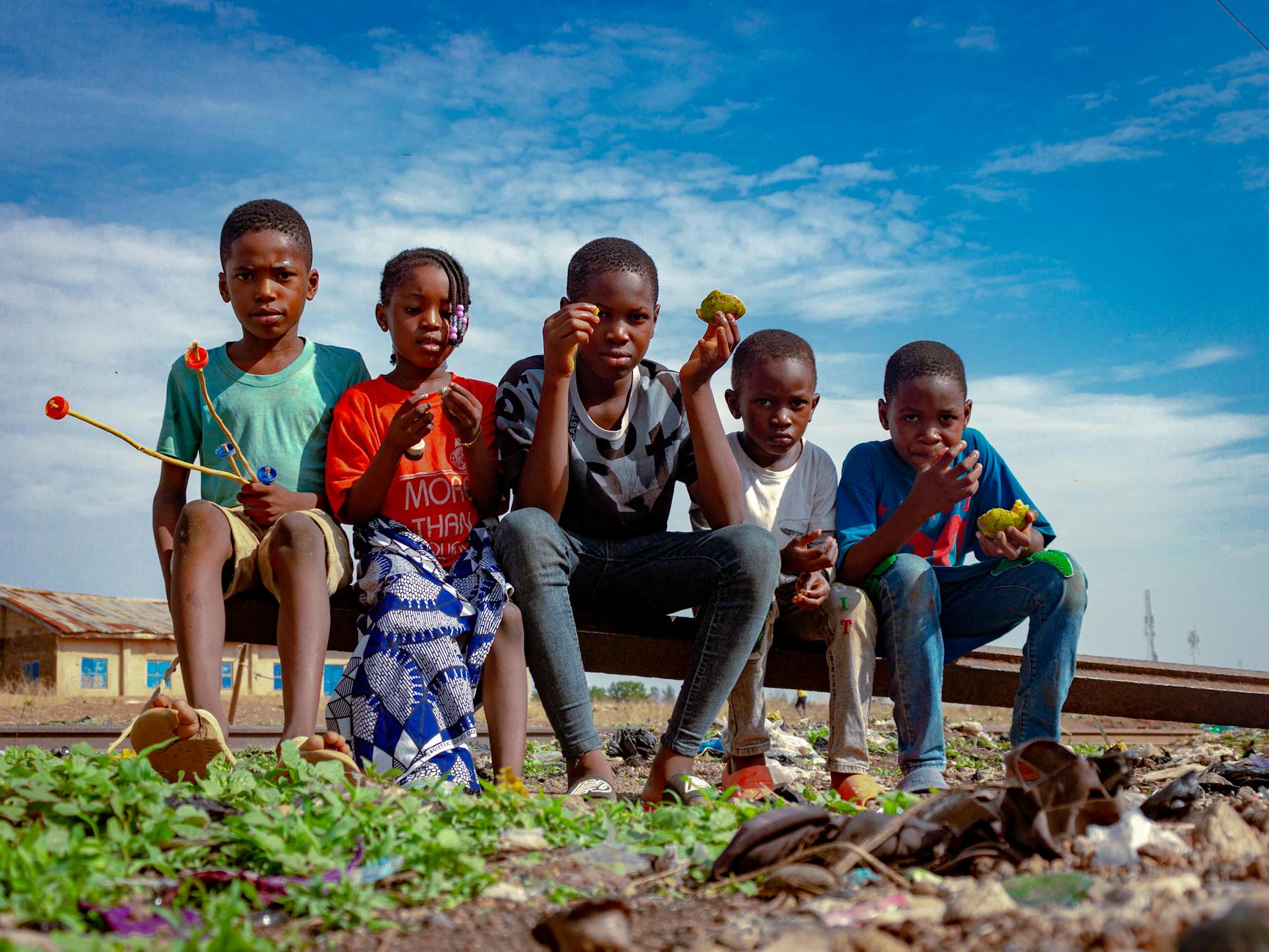
The secret to a brilliant family safari is simple: keep the children engaged. And this is exactly where Laikipia leaves the famous national parks in the dust. Because its lodges sit on private conservancies, a safari here isn’t limited to long game drives that can test young attention spans — it’s a whole menu of hands-on adventures, from becoming a junior ranger for the day to tracking animals on foot, riding camels, biking through the bush and meeting Samburu warriors. There is genuinely something to thrill every age, from toddlers to teens. This guide to the best safari activities for kids in Laikipia runs through the experiences that turn a family trip into the adventure of a lifetime — and keep even the most easily bored child wide-eyed.
Forget restless kids staring out of a vehicle window. Here’s how Laikipia keeps children captivated from dawn to dusk.
Junior Ranger Programs
The crown jewel of kids’ safari activities in Laikipia is the Junior Ranger program at Ol Pejeta. Designed for children roughly aged four to twelve, it immerses them in the world of a real wildlife ranger: they work through an activity booklet as they explore, learning to track animals, build a fire and understand wilderness survival, and even help feed younger rhinos. At the end of their adventure they recite the official ranger oath and are presented with a certificate, a ranger hat and a pin confirming their status as honorary rangers — a moment of pure pride that children remember for years. It’s educational, exciting and genuinely fun, transforming abstract conservation into a hands-on mission. Other lodges run their own versions of kids’ bush programs, but the Ol Pejeta Junior Ranger experience is the standout, and reason enough on its own to bring the children to Laikipia. It’s the kind of activity that turns kids into lifelong wildlife lovers.
Walking, Tracking and Bush Skills
One of the great advantages of Laikipia’s conservancies is the freedom to get out of the vehicle, and guided nature walks are a highlight for families with older children. Rather than just spotting animals from afar, kids learn to read the bush like detectives — identifying animal tracks and dung, recognising bird calls, spotting the tiny creatures and plants that game drives whizz past, and understanding how the ecosystem fits together. Many lodges, like El Karama with its Bush School, build this into dedicated kids’ programs featuring track-casting, scavenger hunts and bush crafts. Learning to track and read signs is captivating for children, turning them from passive observers into active explorers. Walking safaris usually have minimum ages (often around eight to twelve, depending on the conservancy — see our age guide), but even short bush walks and skills sessions near the lodge enthral younger ones. It’s safari at a child’s pace and eye level, and utterly memorable.
Camels, Horses and Bikes
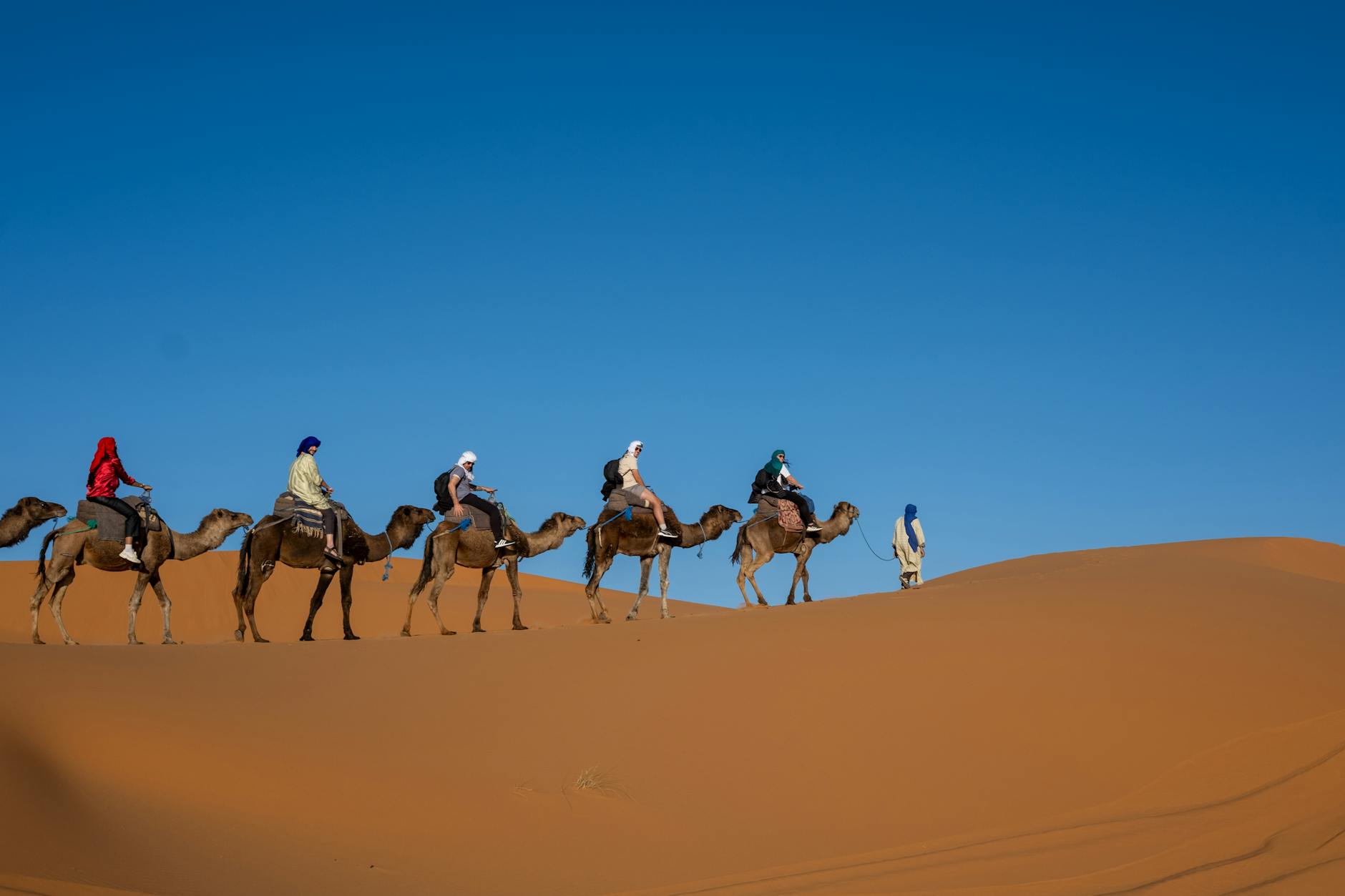
Laikipia is famous for its alternatives to the game-drive vehicle, and children adore them. Camel trekking — riding or walking alongside these gentle giants — is a quintessential Laikipia experience offered at lodges like Ol Malo, Sosian and Loisaba, and an absolute hit with kids. Horse riding suits families with children comfortable in the saddle, letting them approach wildlife quietly on horseback (age and ability requirements apply). Mountain biking through the bush, available at properties like Loisaba, is brilliant for energetic older kids and teens. These active pursuits get children moving, engaged and thrilled, and offer a completely different perspective on the landscape and its wildlife than any vehicle can. For families with restless or adventurous children, the chance to swap the 4×4 for a camel, a horse or a bike is part of what makes a Laikipia safari so special — and so much more than just sitting and watching.
Cultural Encounters
Some of the most enriching activities for children are the cultural ones. Visits to local Samburu and Maasai communities — offered at lodges like Ol Malo and across the region — let children meet people whose way of life is utterly different from their own, learning about traditional skills, livestock, beadwork, song and dance, and daily life on the plateau. For many young travellers, these encounters are eye-opening and humbling, fostering curiosity and empathy in a way no classroom can. Children often connect instantly with local kids, and the warmth of these meetings leaves a lasting impression. Done respectfully through the lodges and communities, cultural experiences add a vital human dimension to a family safari, broadening children’s horizons and helping them understand the people who share the land with the wildlife. They’re a reminder that travel’s greatest lessons are often about people, not just animals.
Wildlife Encounters Kids Love
Beyond the classic game drive, Laikipia offers special wildlife encounters that captivate children. The Sweetwaters Chimpanzee Sanctuary at Ol Pejeta lets kids meet rescued chimps — always a favourite. Ol Pejeta is also home to the last northern white rhinos and offers rhino encounters that bring conservation vividly to life. Visits to animal orphanages, like the one near Nanyuki, delight younger children. And of course the game drives themselves, kept short and engaging by skilled guides who know how to involve children — spotting animals, using binoculars, learning facts — remain thrilling, especially when big cats, elephants or rhino appear. The key is variety and a guide who engages young minds. These close, meaningful wildlife encounters, more intimate and educational than ticking off the Big Five from afar, are what children remember and talk about long after the trip ends.
Water, Swimming and Downtime
Not every moment needs to be an adventure, and one of the practical joys of Laikipia for families is the chance to relax. Many lodges have swimming pools — a lifesaver for burning off energy and cooling down in the midday heat, and often a child’s favourite part of the day. Some properties offer river activities like tubing or paddling, and the cool pools of Ngare Ndare Forest, with its famous turquoise swimming spots and canopy walkway, make a wonderful family day out. Building in downtime — pool afternoons, lazy lunches, time to simply be — is essential with children, who tire and need breaks between activities. The best family safaris balance adventure with rest, and Laikipia’s lodges, with their pools, space and relaxed pace, make this easy. A happy family safari isn’t a relentless schedule but a rhythm of excitement and recovery that suits children’s energy.
Stargazing, Sundowners and Magic Moments
Finally, don’t overlook the simple, magical experiences that make a safari unforgettable for children. Laikipia’s skies are among the darkest and most star-filled on earth, and stargazing — picking out constellations far from any city light, perhaps with a guide or telescope — leaves children awestruck. Bush picnics, sundowners with a soft drink while the sky turns gold, storytelling around the campfire, and the thrill of hearing lions or hyenas in the night all become treasured memories. Night drives (where offered and age-appropriate) reveal a whole nocturnal world. These quieter, atmospheric moments — the wonder of the wild at dawn and dusk, the sounds of the bush, the vastness of the African sky — are often what children treasure most, and what spark a lifelong love of nature. They cost nothing extra but are the soul of a family safari in Laikipia.
Night Drives and the Nocturnal Bush
One of the great advantages of Laikipia’s private conservancies is that, unlike national parks, many permit night drives — and for children old enough, these are pure magic. After dark, a whole different cast of animals emerges: with a spotlight, you might find leopards on the prowl, aardvark, bushbabies, genets, porcupines, owls and other nocturnal creatures rarely seen by day. The thrill of the bush at night, the eyes shining in the torchlight, the sense of adventure, captivates older children and teens especially. Night drives do have minimum-age considerations and require children able to stay quiet and still in the dark, so they suit older kids better than toddlers, and on an exclusive-use or private-vehicle basis you have the most flexibility. Wrap children up warm, as evenings are cold. For families with children of a suitable age, a night drive adds a completely different and unforgettable dimension to the safari, revealing a secret nocturnal world and delivering the kind of adventure that older kids talk about for years afterwards.
Fishing, Tubing and River Fun
Where water features in the landscape, it opens up wonderful family fun. Some Laikipia properties offer river activities — gentle tubing or paddling, splashing about, or fishing — that delight children and provide a refreshing change from game viewing. The cool turquoise pools of Ngare Ndare Forest, with their famous swimming spots beneath waterfalls and the thrilling canopy walkway above, make a brilliant family day out, combining adventure, swimming and nature. Lodge swimming pools, too, are a daily highlight for most children. Water activities are perfect for the warm middle of the day when wildlife is quiet, letting children burn off energy and cool down while parents relax. They also break up the safari with pure, simple fun that even the youngest can enjoy. For families, building in some water time — a forest swim, a pool afternoon, a paddle in a river — adds variety and joy, and ensures there’s something for everyone, including children who might tire of game drives alone.
Photography: Capturing the Adventure
Handing a child a camera can transform their safari, turning passive watching into active, engaged creativity. Children and teens often take to wildlife photography with enthusiasm, learning to look closely, wait patiently and frame a shot — skills that deepen their connection to what they’re seeing. A simple, robust camera or even a smartphone is enough for kids to document their own adventure, and the sense of ownership over ‘their’ photos and the pride in capturing an animal are wonderful motivators that keep children focused and excited on game drives. Older children may enjoy learning proper technique, while younger ones simply love snapping away. Encourage them to photograph not just the big animals but birds, landscapes, plants, tracks and camp life, building a personal record of the trip. Reviewing the day’s photos together each evening becomes a lovely family ritual. Photography gives children a creative purpose, sharpens their observation, and produces treasured keepsakes — making it one of the most rewarding ways to keep kids engaged throughout a Laikipia safari.
Conservation Activities Children Can Join
Laikipia’s identity as a conservation heartland means children can do more than watch wildlife — they can take part in protecting it, which is deeply meaningful. Through various conservation experiences, kids might help feed young rhinos, meet anti-poaching ranger and dog teams, learn about wildlife monitoring, or even join activities like tree planting where offered. The Ol Pejeta junior ranger program builds conservation participation into a structured, fun adventure. These hands-on conservation activities give children a powerful sense of purpose and connection, transforming them from spectators into participants and often sparking a genuine, lasting passion for protecting wildlife. Understanding that their family’s visit helps fund this work adds to the sense of contribution. For many children, getting involved in real conservation — however small the role — is the most memorable and formative part of the whole trip. It’s an opportunity almost unique to a region like Laikipia where conservation is so accessible and central, and it gives a family safari real depth and meaning beyond the wildlife sightings.
Planning a Day of Activities for Kids
Structuring the day well is the secret to keeping children happy on safari. A typical successful family day starts early, when wildlife is active and the air is cool, with a game drive or activity kept to a couple of engaging hours; back for a hearty breakfast; then perhaps a junior ranger session, nature walk or cultural visit mid-morning. The hot middle of the day is for downtime — lunch, a pool swim, a rest or quiet activities — which is essential, as overtired children quickly become unhappy. Late afternoon, when it cools, suits another activity or game drive, perhaps ending with a sundowner. Evenings bring dinner, stargazing and bed. The key principles are: make the most of the cool, active mornings and late afternoons; build in proper downtime in the heat of the day; keep activities varied and age-appropriate in length; and stay flexible, ready to adapt to the children’s moods and energy. A well-paced day with this rhythm of activity and rest keeps children engaged and content, and is far more successful than trying to cram in too much.
Frequently Asked Questions
Can children go on night drives in Laikipia?
Older children can — many Laikipia conservancies permit night drives (unlike national parks), revealing nocturnal animals like leopards, aardvark, bushbabies and genets by spotlight. They’re thrilling for older kids and teens able to stay quiet in the dark, though they suit older children better than toddlers, and have minimum-age considerations. Wrap up warm, as evenings are cold.
Are there water activities for children in Laikipia?
Yes — some properties offer river tubing, paddling and fishing, lodge swimming pools are a daily highlight, and the turquoise pools and canopy walkway of Ngare Ndare Forest make a brilliant family day out. Water activities are perfect for the warm midday hours when wildlife is quiet, letting children cool off and burn energy.
Can children get involved in conservation activities?
Yes — through conservation experiences children might help feed young rhinos, meet anti-poaching ranger and dog teams, learn about monitoring, or join activities like tree planting, and the Ol Pejeta junior ranger program builds participation into a structured adventure. These hands-on activities give kids a powerful sense of purpose and often spark a lasting passion for wildlife.
What activities can children do on a Laikipia safari?
Lots — junior ranger programs (notably at Ol Pejeta), guided nature walks and animal tracking, camel trekking, horse riding, mountain biking, cultural visits to Samburu and Maasai communities, the Sweetwaters chimpanzee sanctuary, swimming, river activities, stargazing and engaging game drives. The variety of hands-on activities beyond game drives is exactly what makes Laikipia so good for kids.
What is the Ol Pejeta Junior Ranger program?
It’s a program for children roughly aged 4–12 that immerses them in a wildlife ranger’s world — tracking animals, building a fire, learning survival skills and helping feed young rhinos, working through an activity booklet. At the end they recite the ranger oath and receive a certificate, hat and pin. It’s educational, exciting and a real highlight for kids.
Can children do walking safaris in Laikipia?
Older children can — walking safaris usually have minimum ages (often around 8 to 12 depending on the conservancy). Even where full walking safaris aren’t suitable, many lodges offer short bush walks, tracking sessions and kids’ bush-skills programs near the lodge that enthral younger children. Check minimum ages with each property; see our age guide.
Are there activities for young children and toddlers?
Yes — Bush School-style programs (like El Karama’s), track-casting, scavenger hunts, bush crafts, swimming, animal orphanage and chimpanzee visits, short nature walks and engaging short game drives all suit younger children. Lodges with pools and flexible activities are ideal, and downtime is important. Some adventurous activities have minimum ages, so plan around your child’s age.
What do kids enjoy most on a Laikipia safari?
It varies by child, but the junior ranger program, camel and horse rides, meeting chimps and rhinos, cultural encounters, swimming, and the simple magic of stargazing and campfire nights are perennial favourites. The hands-on, active and varied nature of a Laikipia safari — far more than just watching from a vehicle — is what children love and remember.
Keep planning with our guides to family lodges, educational experiences, and the full Laikipia family safari guide.


2 comments