One of the most common questions travellers ask when considering a safari in Laikipia is simply: how much does it cost? The answer is nuanced, because Laikipia offers everything from budget-friendly camping to some of the priciest safari experiences in Africa. What makes the pricing question particularly important for Laikipia is that the region’s private conservancy model works very differently from Kenya’s public national parks, with a pricing structure that, once understood, actually delivers remarkable value for money.
This guide breaks down, honestly, every expense you are likely to meet when planning a Laikipia safari — from international flights and conservancy fees to lodge rates, activity supplements, tipping, and the hidden costs that catch many first-time safari travellers off guard. Whether your budget is $200 per day or $2,000, this guide will help you plan a Laikipia experience that delivers maximum value without unpleasant financial surprises.
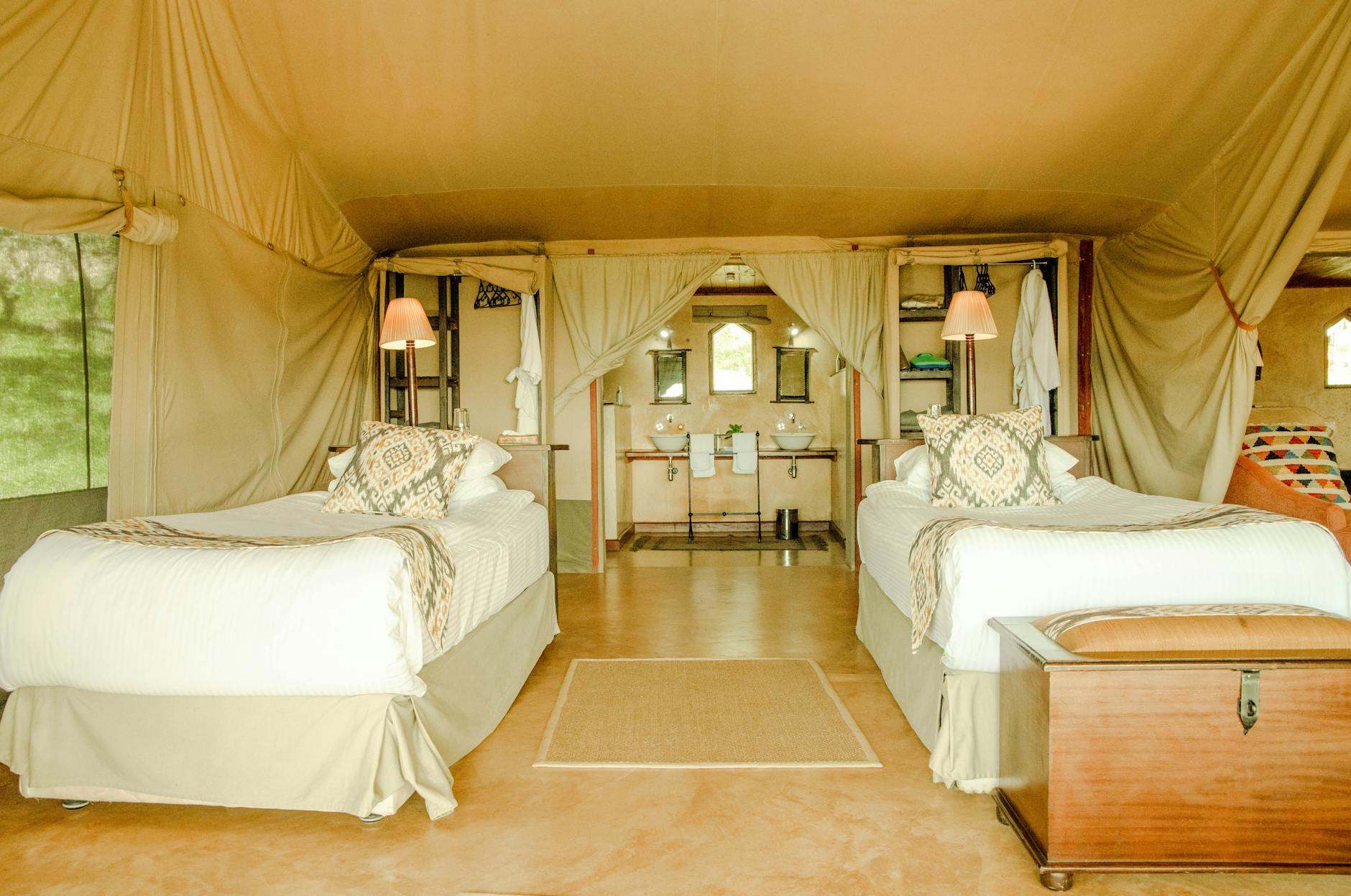
Understanding Laikipia’s Pricing Model
Before we get into specific numbers, it is essential to understand how pricing works in Laikipia’s conservancies, because it differs significantly from a national park safari. In the Masai Mara or Amboseli, you pay separately for accommodation, meals, park entry fees, game drives, and activities — costs that can quickly stack up in confusing ways. In Laikipia, most lodges and camps operate on an all-inclusive or full-board basis, which means that a single nightly rate covers accommodation, all meals, drinks (often including house wines, spirits, and beers), game drives, walking safaris, and a range of other activities. Conservancy fees are typically included in the lodge rate rather than charged separately.
This all-inclusive model means that while the headline rate per night may appear higher than a national park lodge, the total cost of your safari is often comparable or even better value once you account for all the extras that would be charged separately elsewhere. It also means that once you arrive at your lodge, you can relax and enjoy every experience without worrying about mounting bills — everything is already taken care of.
Laikipia Safari Costs by Budget Level
To give you a clear picture of what to expect at each price point, we have divided Laikipia safaris into four budget categories. All prices are per person per night sharing a double room, based on 2026 rates, and include the items specified in each tier.
Budget: $150 to $300 Per Person Per Night
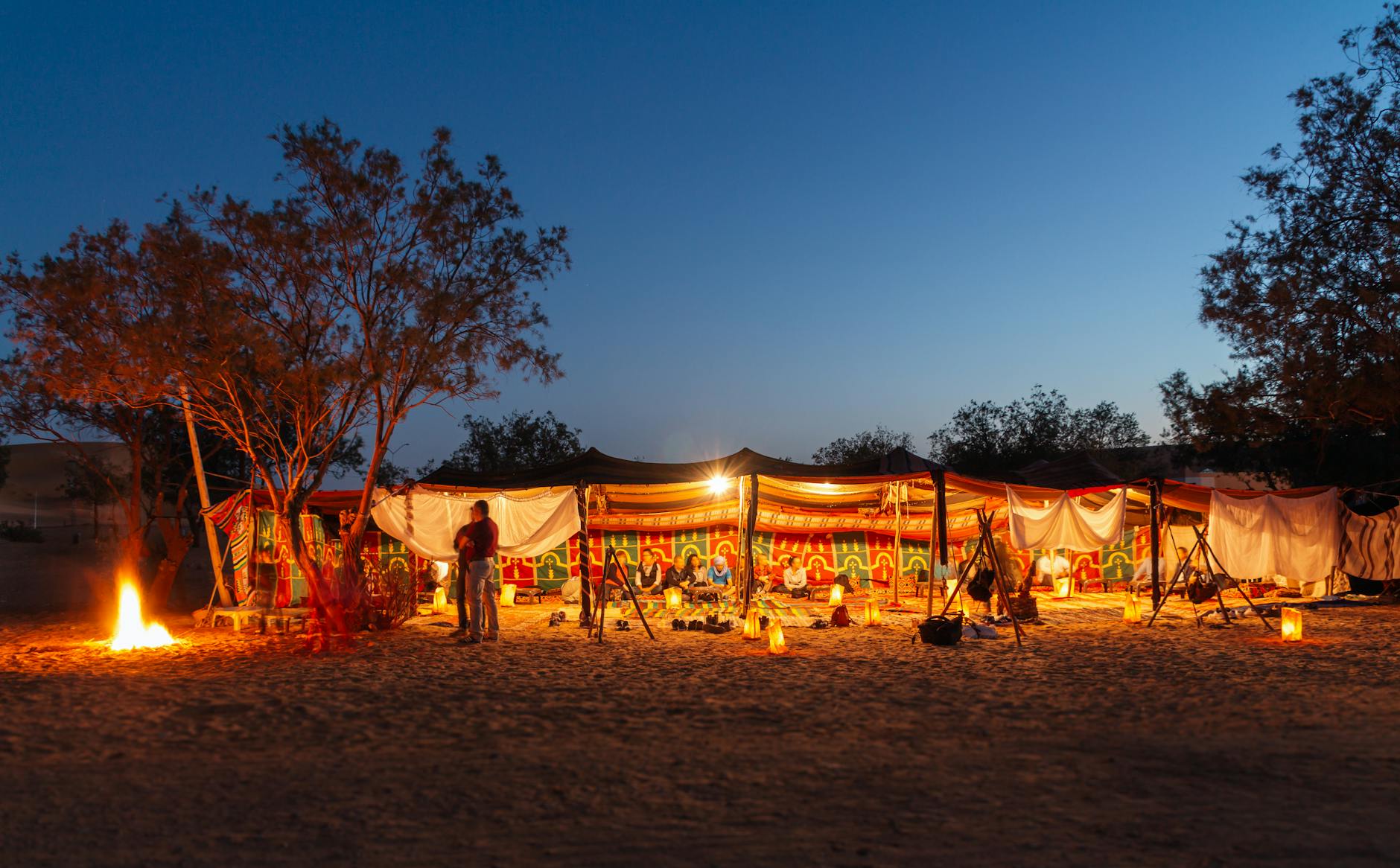
Budget safaris in Laikipia are more limited than in some other parts of Kenya, because the private conservancy model means there are fewer basic camping options and no self-drive budget parks. However, affordable options do exist, and they can deliver excellent safari experiences at a fraction of luxury prices.
At this level, accommodation is typically in tented camps or simple guesthouses around the edges of the conservancies, particularly near Nanyuki and in areas adjacent to Ol Pejeta Conservancy. Some options include basic lodges within Ol Pejeta that offer standard rooms with full-board meals. Game drives may be included in a package or available as add-on activities. Conservancy entry fees at Ol Pejeta are $110 per adult per day for non-residents, which represents a significant portion of a budget safari’s daily cost.
At the budget level, expect simple but clean accommodation, meals that are filling and well-prepared but not gourmet, shared game drive vehicles with other guests, and limited activity options beyond standard daytime game drives. What you will not get at this level is the exclusivity and range of activities that characterise the Laikipia experience — no walking safaris, night drives, horseback riding, or private vehicles. For many travellers, these are the experiences that make Laikipia special, and it is worth considering whether a slightly higher budget might deliver a disproportionately better experience.
Mid-Range: $350 to $700 Per Person Per Night
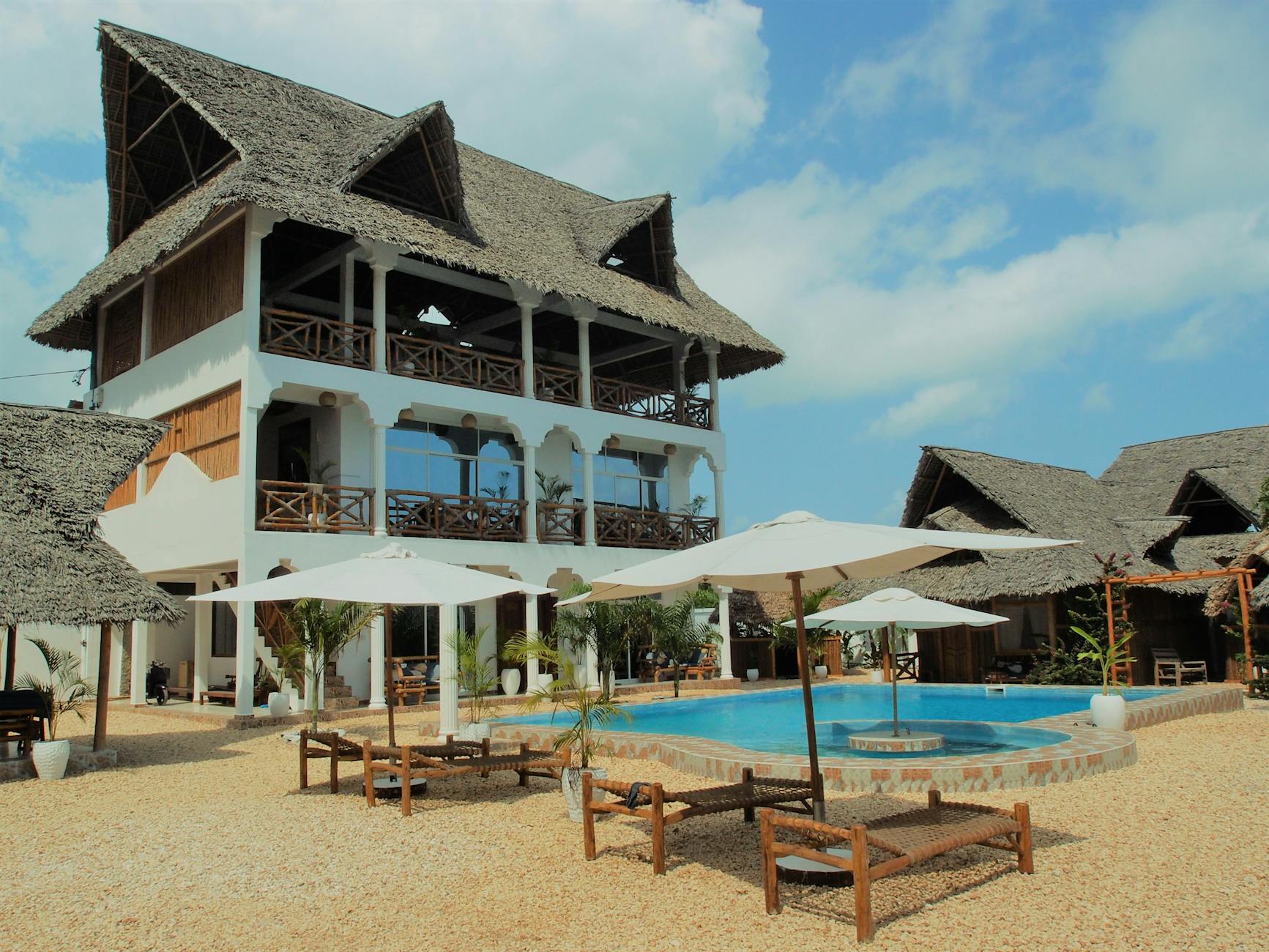
The mid-range tier is where Laikipia begins to shine, and for many travellers, this is the sweet spot that balances quality, exclusivity, and value. At this level, you gain access to well-established lodges and tented camps within the conservancies, typically including full-board meals, house drinks, two game drives per day, walking safaris, and conservancy fees. Properties like Ol Pejeta Bush Camp, Lewa Safari Camp, and several community-owned lodges fall into this bracket.
Mid-range lodges in Laikipia offer comfortable and well-appointed rooms or tents (often with en-suite bathrooms, hot water, and electricity), excellent cuisine with a focus on fresh, locally sourced ingredients, experienced guides with deep knowledge of the local ecosystem, a range of included activities beyond standard game drives, and small camp sizes that ensure a personal, uncrowded experience. This tier represents outstanding value in the context of African safari pricing, and the quality of guiding and wildlife viewing often rivals properties that charge two or three times as much.
Luxury: $700 to $1,200 Per Person Per Night
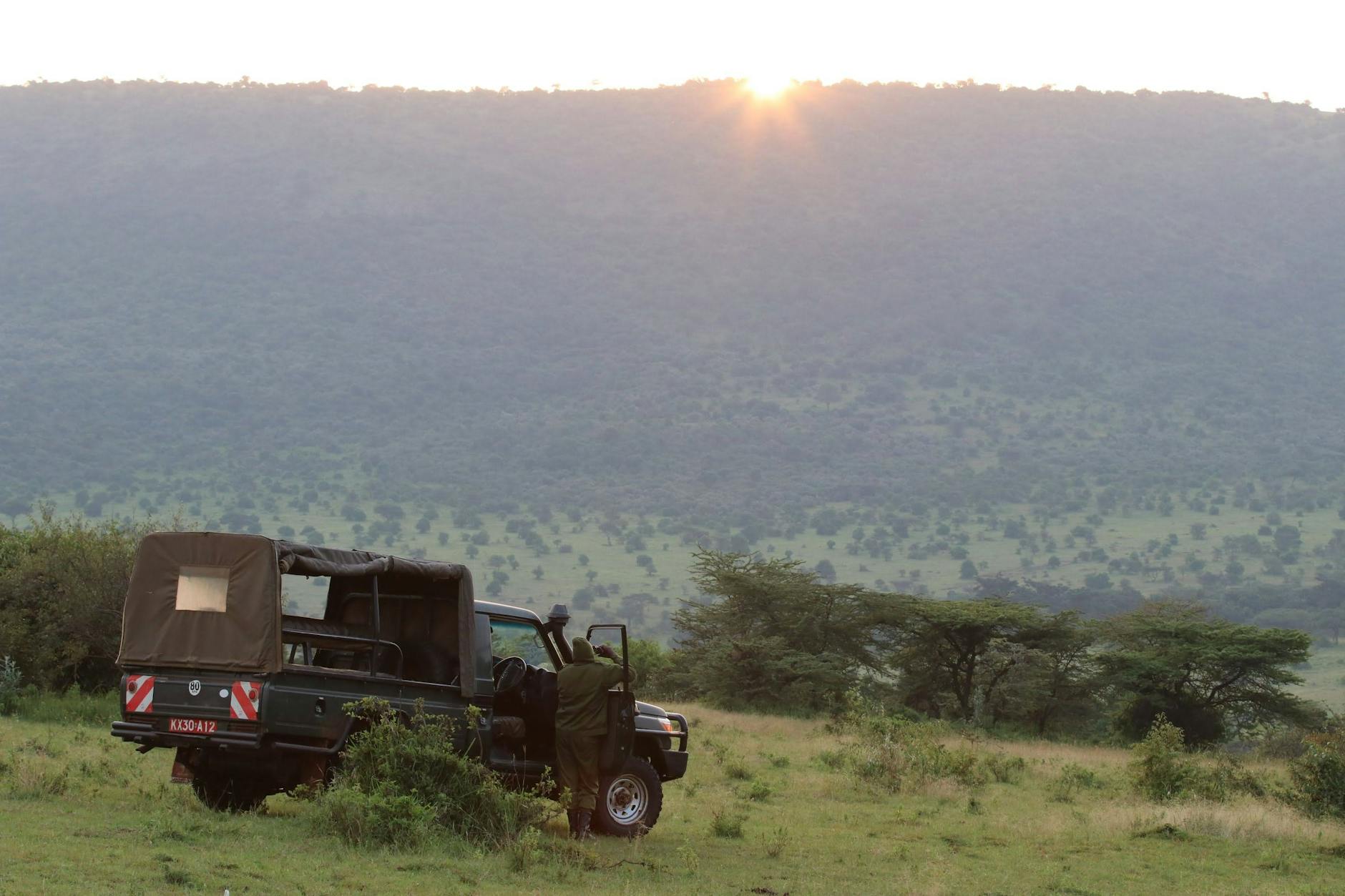
Laikipia’s luxury tier includes some of East Africa’s finest safari properties. At this level, everything is included — meals, premium drinks, all activities (including specialist options like horseback riding, camel trekking, and helicopter scenic flights at some properties), laundry, and conservancy fees. Properties like Sirikoi Lodge, Loisaba Tented Camp, Borana Lodge, and Ol Malo Lodge offer experiences that are among the best in Africa.
Luxury lodges provide spacious, beautifully designed suites or cottages with stunning views, gourmet cuisine prepared by trained chefs (often with private dining options), private vehicles and dedicated guides for your exclusive use, the full range of Laikipia activities including walking safaris, night drives, horseback riding, and cultural visits, small intimate camps (often six to ten rooms maximum) ensuring a highly personalised experience, and spa facilities, swimming pools, and other premium amenities. At this level, the experience is not just about wildlife viewing — it is about the total immersion in a beautifully curated environment where every detail has been considered.
Ultra-Luxury: $1,200 to $3,000+ Per Person Per Night
Laikipia’s ultra-luxury tier includes exclusive-use properties, private houses, and bespoke safari experiences that represent the pinnacle of African travel. Properties like Segera Retreat, Loisaba Lodo Springs, and exclusive-use houses at various conservancies fall into this category. At this level, you are essentially renting an entire property — with its staff, vehicles, guides, and facilities — for your private use. Everything is included and can be customised to your preferences, from the daily schedule to the menu.
Ultra-luxury experiences include exclusive-use houses or villas with private staff teams, completely bespoke itineraries designed around your interests, helicopter transfers, scenic flights, and heli-safaris, access to conservancy areas and experiences not available to other guests, and conservation activities such as collaring operations, veterinary interventions, or research monitoring. For families, groups of friends, or special celebrations, exclusive-use properties can actually represent good value when the cost is divided among 8 to 12 guests.
Understanding Conservancy Fees in Detail
Conservancy fees are one of the most misunderstood aspects of Laikipia safari pricing, so it is worth explaining exactly how they work and where your money goes. Unlike Kenya’s national parks — which charge entry fees that go to the Kenya Wildlife Service — Laikipia’s conservancy fees fund the private and community organisations that manage and protect the land.
At Ol Pejeta Conservancy, the entry fee for non-resident adults is $110 per 24-hour period, with children charged at $55. This fee funds a 24-hour armed anti-poaching force of over 700 security personnel, veterinary care for injured or sick wildlife, habitat management including controlled burns and invasive species removal, community outreach and education programmes, and the maintenance of 150 kilometres of perimeter fencing. When you understand what the fee supports, it becomes clear that it represents extraordinary value — you are essentially paying for the continued existence of one of Africa’s most important conservation landscapes.
At most other Laikipia conservancies — including Lewa, Borana, Loisaba, and the community conservancies — fees are bundled into lodge rates and typically range from $50 to $150 per person per day. These fees support similar conservation and community programmes, though the specific allocation varies by conservancy. Some conservancies direct a larger portion to community development (healthcare, education, water infrastructure), while others prioritise anti-poaching and habitat restoration.
Seasonal Pricing Patterns
Understanding Laikipia’s seasonal pricing patterns is crucial for budget planning, as rates can vary by 30 to 50 percent between peak and low seasons. Most lodges operate on a three-tier pricing structure that aligns with the seasonal calendar outlined in our best time to visit Laikipia guide.
Peak season (July to October, Christmas/New Year): Full published rates apply with no discounts. This is when demand is highest and availability is most limited. At a mid-range lodge charging $500 per person per night in peak season, the same room might be $350 to $400 during the shoulder season and $300 to $350 during the green season — a saving of $100 to $200 per person per night that adds up quickly over a week-long stay.
Shoulder season (June, January to March): Many lodges offer 10 to 20 percent discounts or value-added inclusions such as free transfers, a complimentary night (stay five pay four), or included activity supplements that would normally carry extra charges.
Green season (April to May, November to mid-December): The deepest discounts, typically 25 to 40 percent off peak rates. Some lodges also waive supplement charges for single travellers (who normally pay a premium for sole use of a double room) and offer generous children’s rates. The green season is when Laikipia’s best lodges become accessible to budgets that could not stretch to peak-season rates — a $1,000-per-night luxury property might offer rooms at $600 to $700, bringing a top-tier experience within reach of mid-range budgets.
When calculating seasonal savings, remember that the discount applies to every night of your stay. For a couple spending seven nights at a lodge that charges $500 per person in peak season and $350 in green season, the saving is $2,100 — enough to cover international flights or add an extra destination to your itinerary. The wildlife viewing may be slightly less predictable during the green season, but the financial savings and reduced crowds create compelling reasons to consider off-peak travel.
Breaking Down the Total Cost

Understanding the total cost of a Laikipia safari requires looking beyond the nightly lodge rate. Here is a comprehensive breakdown of every expense you should budget for.
International Flights
Return flights to Nairobi’s Jomo Kenyatta International Airport represent one of the largest single costs. From London, expect to pay $700 to $1,200 for economy class and $2,500 to $5,000 for business class. From New York or other US cities, economy fares range from $800 to $1,400, with business class at $3,000 to $7,000. From elsewhere in Africa, regional flights are considerably cheaper — $200 to $500 from most East African capitals. Booking three to six months in advance and flying midweek typically yields the best fares. For detailed flight planning, see our Laikipia travel planning guide.
Domestic Flights or Transfers
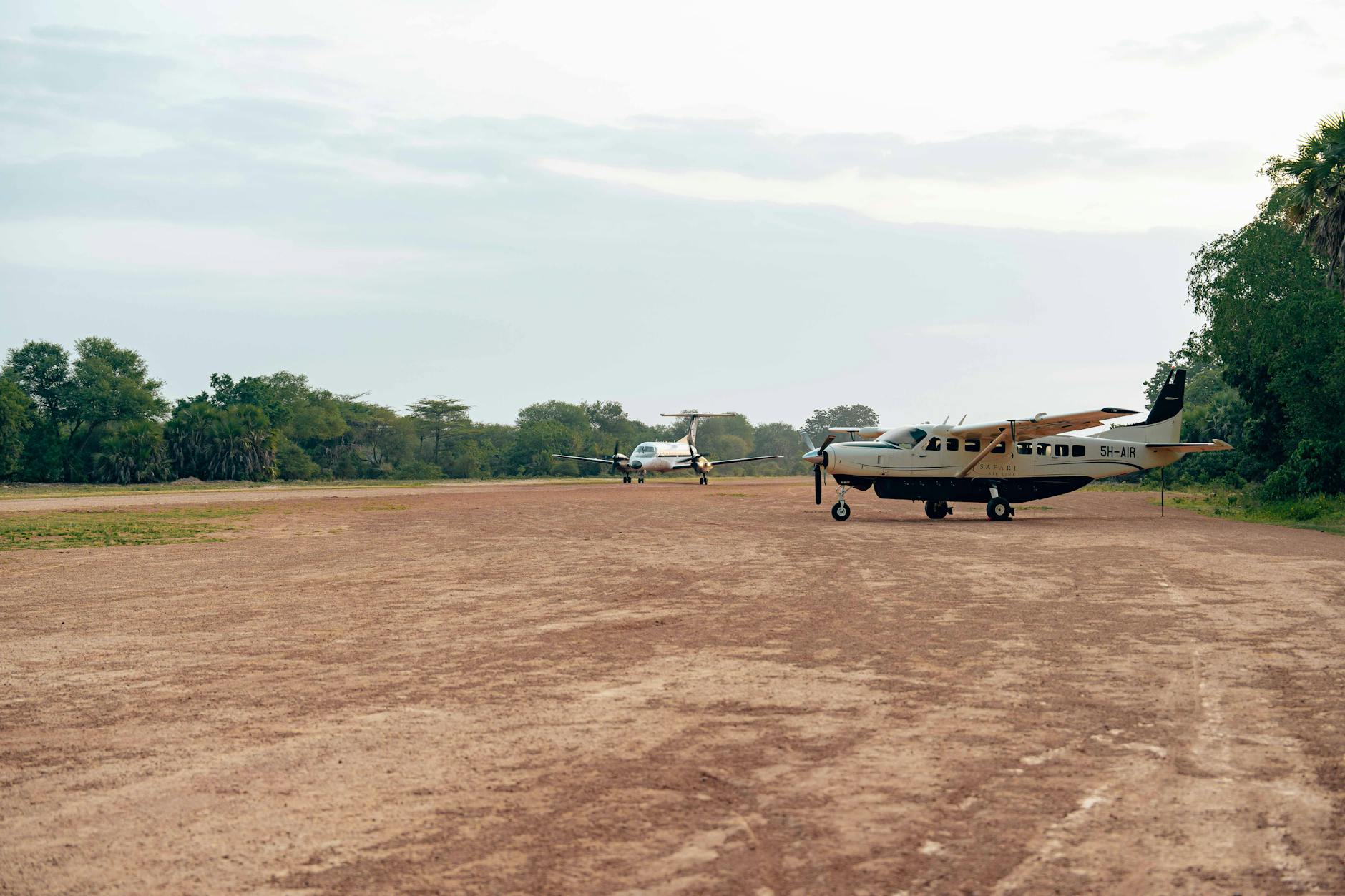
Getting from Nairobi to Laikipia adds to your total budget. Scheduled bush flights on Safarilink or AirKenya from Wilson Airport to Nanyuki or Lewa Downs cost $150 to $250 per person one way, or $300 to $500 return. Charter flights for groups range from $1,500 to $4,000 one way depending on the aircraft and distance. Road transfers by private vehicle cost $200 to $400 per vehicle one way (approximately four to five hours). Many luxury lodges include transfers from the nearest airstrip in their rates, so always check what is covered before booking separately.
Conservancy and Entry Fees
This is where Laikipia’s pricing model works in your favour. At most Laikipia lodges, conservancy fees are included in the nightly rate. This contrasts sharply with Kenya’s national parks, where entry fees are charged separately and can be substantial — the Masai Mara charges $200 per adult per 24 hours during peak season, adding $600 to the cost of a three-night stay before you have even paid for accommodation.
Ol Pejeta Conservancy is the main exception in Laikipia, charging entry fees separately for some properties: $110 per adult per day and $55 per child per day for non-residents. However, even at Ol Pejeta, many lodges include the conservancy fee in their all-inclusive rate. At Lewa, Borana, Loisaba, and most other Laikipia conservancies, fees are bundled into the lodge rate and you will not see them as a separate line item.
Activity Supplements
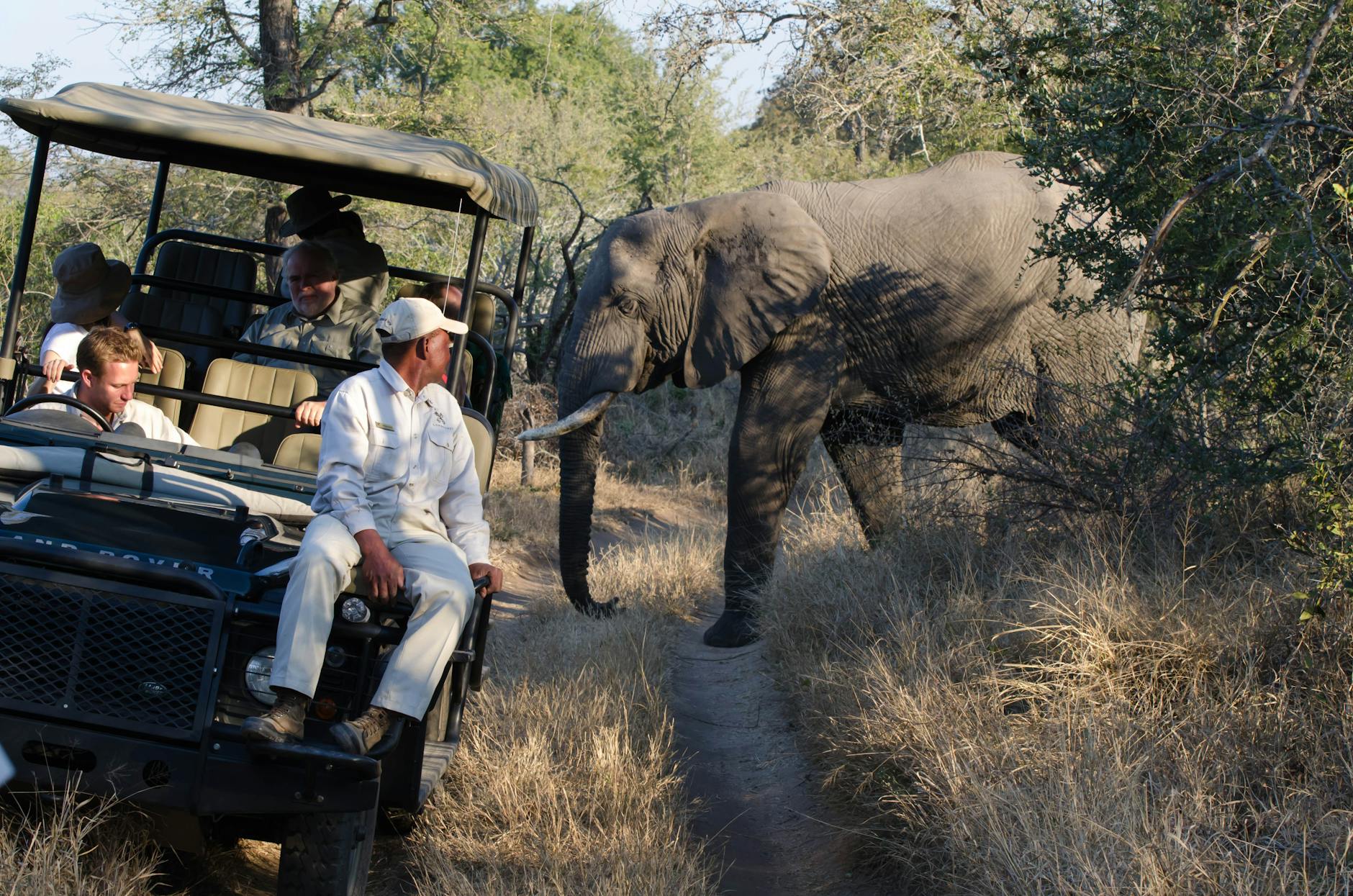
Most Laikipia lodges include a generous range of activities in the nightly rate — typically two game drives per day, walking safaris, and cultural activities. However, some specialist activities carry additional charges. Horseback riding ranges from $50 to $150 per person per ride at lodges that offer it as an add-on rather than an included activity. Camel trekking costs $30 to $80 for short excursions or $150 to $300 per person per day for multi-day treks. Helicopter scenic flights are the most expensive add-on, ranging from $500 to $2,000 per hour depending on the aircraft and route. Fly camping supplements range from $100 to $300 per person per night. Night drives are usually included at lodges that offer them, but some properties charge a $20 to $50 supplement.
Visa and Health Costs
The Kenya eTA costs $30 per person. Travel vaccinations — including yellow fever, hepatitis A, typhoid, and the rabies pre-exposure series — can cost $200 to $500 per person depending on your country and which vaccines you need. Antimalarial medication (typically atovaquone-proguanil or doxycycline) adds $30 to $80 for a one to two-week course. Comprehensive travel insurance with adequate medical evacuation coverage costs $100 to $300 per person for a one to two-week trip.
Tipping
Tipping is customary and expected on a Laikipia safari. Budget $10 to $20 per person per day for your guide or driver, $10 to $15 per person per day for lodge staff (contributed to a communal tip box), and $5 to $10 per person per activity for specialist guides. For a couple on a seven-night safari, total tipping typically amounts to $300 to $500. Tips can be given in US dollars or Kenyan shillings. For detailed tipping guidance, see our travel planning guide.
Sample Safari Budgets
To put all of these costs into context, here are three sample budgets for a seven-night Laikipia safari for two people sharing, including all costs from departure to return.
Budget Safari: Approximately $5,500 to $8,000 Total for Two
International flights ($1,600), road transfer from Nairobi ($400), seven nights at a budget lodge at $200 per person per night ($2,800), conservancy fees at Ol Pejeta ($1,540 for seven days for two people), additional activities ($200), visa and health ($400), tipping ($300), meals and incidentals ($200). This budget delivers a solid safari experience with good wildlife viewing, though with fewer included activities and less exclusivity than higher tiers.
Mid-Range Safari: Approximately $10,000 to $16,000 Total for Two
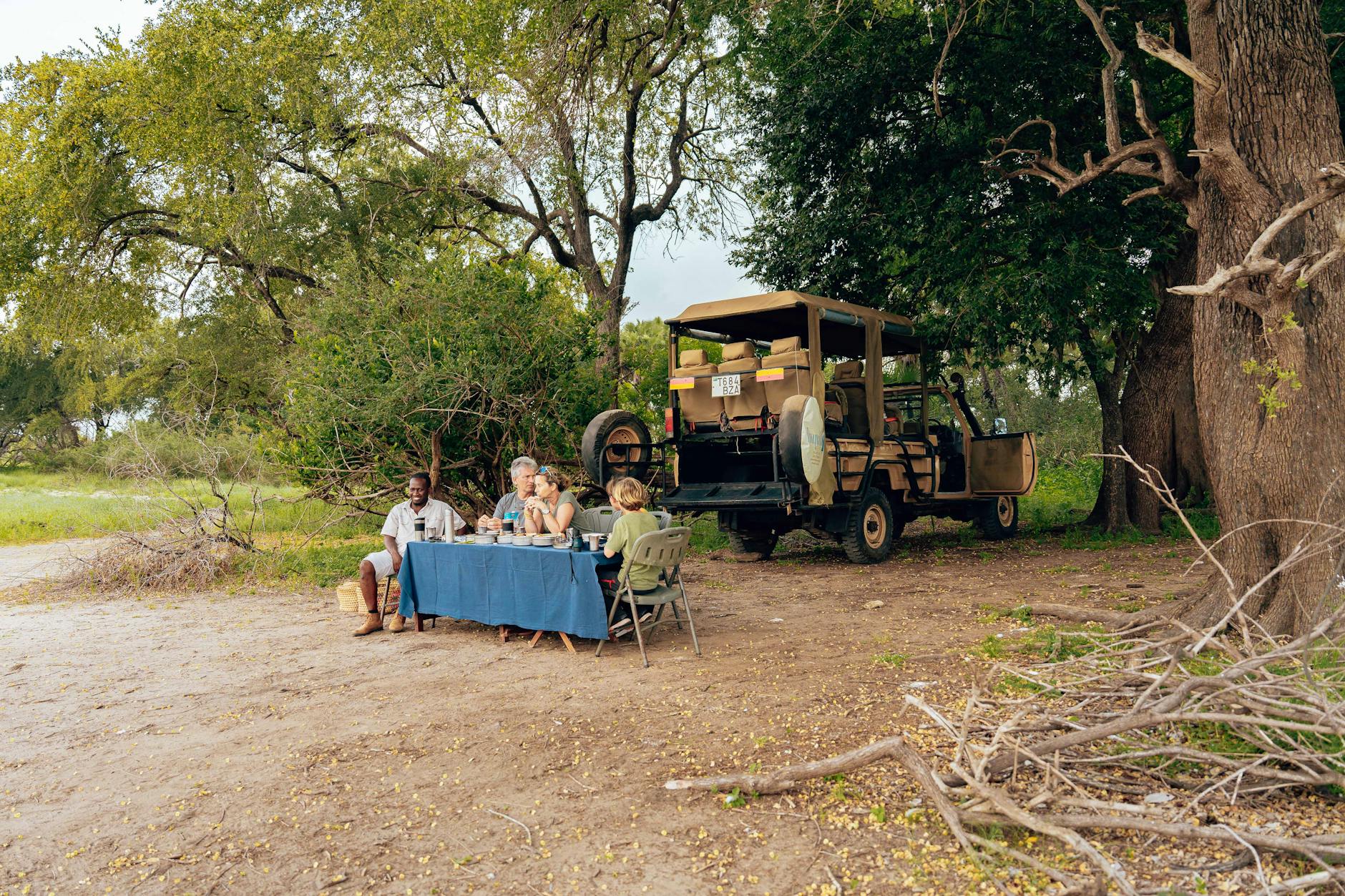
International flights ($2,000), bush flights ($800), seven nights at a mid-range all-inclusive lodge at $500 per person per night ($7,000 — conservancy fees, meals, drinks, and most activities included), additional specialist activities ($400), visa and health ($400), tipping ($400), incidentals ($200). This is the sweet spot for most travellers — an excellent balance of quality, comfort, and value with a comprehensive range of included activities.
Luxury Safari: Approximately $20,000 to $35,000 Total for Two
International flights ($3,000 for premium economy or business), bush flights ($1,000), seven nights at a luxury all-inclusive lodge at $1,000 per person per night ($14,000 — everything included), helicopter scenic flight ($2,000), additional unique experiences ($1,000), visa and health ($500), tipping ($600), incidentals ($500). At this level, the experience is exceptional — private vehicles, dedicated guides, gourmet cuisine, and access to the full range of Laikipia’s extraordinary activities.
Cost by Trip Duration
The length of your safari significantly impacts both the total cost and the per-day value you receive. Understanding the cost dynamics of different trip lengths will help you optimise your budget.
Three to Four Nights: The Quick Escape
A short Laikipia safari of three to four nights is the minimum stay to get a meaningful taste of the region. At this length, fixed costs — international flights, domestic flights, visa, vaccinations, and insurance — represent a larger proportion of the total budget, making the per-day effective cost higher. For a couple at the mid-range level, expect a total budget of $5,500 to $9,000 including all flights and transfers. A three-night stay is sufficient to experience game drives, a walking safari, and one or two specialist activities, but you will not have time to explore multiple conservancies or fully settle into the rhythm of the bush.
Five to Seven Nights: The Sweet Spot
A five to seven-night safari is the sweet spot for most travellers and offers the best balance of cost and experience. The fixed costs of flights and preparations are amortised over more nights, reducing the effective per-day cost. You have time to explore one or two conservancies in depth, enjoy the full range of activities, and decompress from the pace of daily life. For a couple at the mid-range level, a seven-night safari costs $10,000 to $16,000 total. This is the duration we most commonly recommend for first-time visitors to Laikipia.
Ten to Fourteen Nights: The Deep Immersion
An extended stay of ten days to two weeks allows you to explore three or more conservancies, combine Laikipia with other Kenyan destinations like the Masai Mara or Samburu, and develop a profound connection with the landscape and its wildlife. At this length, many lodges offer reduced nightly rates for extended stays, and you can mix budget levels — spending some nights at a luxury property and others at a more modest camp — to manage overall costs. For a couple spending ten nights across a mix of mid-range and luxury properties, budget $15,000 to $28,000 total.
Family Safari Costs
Travelling as a family changes the cost equation in important ways. Children’s rates at most Laikipia lodges are significantly discounted — typically 30 to 50 percent off the adult rate for children aged 3 to 12, with children under 3 often staying free. Some properties offer dedicated family suites or family houses that accommodate four to six people at a per-person rate lower than booking separate rooms.
Age restrictions vary by property and activity. Some lodges set a minimum age of 6 or 8 for game drives, 12 for walking safaris, and 16 for horseback riding. Others are entirely family-friendly with no age restrictions. When budgeting for a family safari, factor in the potentially higher cost of a family suite or interconnecting rooms, reduced children’s rates for accommodation and conservancy fees, possible additional costs for a dedicated family vehicle and guide (some lodges include this, others charge a supplement), childminding services if you want to enjoy adult-only activities, and children’s menus and special dietary requirements. A family of two adults and two children (ages 6 to 12) can expect to pay approximately 60 to 70 percent of what two couples would pay for the same lodge and duration, thanks to children’s discounts. For family-specific planning advice, see our guide to family-friendly activities in Laikipia.
The Real Cost of Cheap Safaris
While budget safaris have their place, it is worth being honest about the compromises involved. The cheapest Laikipia packages typically use shared vehicles with up to eight passengers, offer limited game drive times (often only one drive per day), provide meals that are adequate but uninspired, employ less experienced guides who may lack specialist knowledge of the local ecosystem, and exclude most of the activities — walking safaris, night drives, horseback riding, cultural visits — that make Laikipia distinctive.
More importantly, the cheapest operators often contribute less to conservation and community development. The conservancy model that makes Laikipia’s wildlife viable depends on tourism revenue flowing to conservation programmes and local communities. Lodges that charge higher rates typically channel a larger proportion of that revenue into anti-poaching patrols, habitat management, community healthcare, education, and employment. When you pay more for a Laikipia safari, you are not just buying a more comfortable experience — you are making a more meaningful contribution to the conservation of this extraordinary landscape.
This does not mean that budget travellers should feel guilty or avoid Laikipia. Any visit contributes to the local economy and raises awareness of the region’s conservation achievements. But it is worth understanding that the mid-range and luxury tiers deliver an experience that is qualitatively different — not just quantitatively better — than the budget tier, and that the additional cost has real conservation impact.
Payment, Deposits, and Cancellation Policies
Understanding payment terms and cancellation policies is an important part of budget planning, particularly given the substantial sums involved in a safari booking. Most Laikipia lodges and safari operators require a deposit of 20 to 30 percent at the time of booking, with the balance due 60 to 90 days before arrival. Some luxury properties and peak-season bookings require larger deposits or full payment further in advance.
Cancellation policies vary but typically follow a tiered structure: full refund (minus a small admin fee) for cancellations more than 90 days before arrival, 50 percent refund for cancellations 60 to 90 days before, and no refund for cancellations within 60 days. Some operators offer more flexible policies, particularly during the green season when demand is lower. This is one of the strongest arguments for purchasing comprehensive travel insurance — a policy that covers trip cancellation and interruption protects your investment against unforeseen circumstances.
Most lodges accept payment by bank transfer, Visa, or Mastercard. Some charge a credit card processing surcharge of 3 to 5 percent, so bank transfers are often the most cost-effective payment method. Always confirm the accepted currencies and payment methods before booking, and be aware that exchange rate fluctuations between booking and travel can affect your final cost if paying in a different currency from the one quoted.
How Laikipia Compares to Other Kenya Safari Destinations
A common question is whether Laikipia is more or less expensive than other popular Kenyan safari destinations. The answer depends on the level of experience you are comparing. At the budget end, the Masai Mara and Amboseli offer more affordable options, with a wider range of budget campsites and lodges outside the reserve boundaries. However, once you factor in the separate park entry fees — $200 per day at the Mara during peak season — the gap narrows considerably. A three-night Mara safari with $600 in park fees alone, plus accommodation, meals, and game drive costs can easily match or exceed the cost of a comparable Laikipia experience where everything is bundled into a single rate.
At the mid-range and luxury levels, Laikipia is competitively priced and often better value than the Mara. Laikipia’s all-inclusive model means fewer surprise costs, the private conservancy setting delivers a more exclusive experience with fewer vehicles, and the range of included activities — walking safaris, night drives, and specialist tracking — would carry substantial supplements in most national park settings. In the Masai Mara’s private conservancies, comparable luxury experiences command rates of $800 to $2,000 per person per night, putting them on par with or above Laikipia’s top properties.
The comparison with Tanzania’s northern circuit is also instructive. The Serengeti and Ngorongoro Crater are top-tier destinations, but Tanzania’s park fees are among the highest in Africa — $70 to $80 per person per day in the Serengeti, plus concession fees, vehicle fees, and crater service charges that can add $100 or more per day. A mid-range Tanzania safari typically costs 15 to 25 percent more than a comparable Laikipia experience, making Kenya’s Laikipia plateau one of the best-value premium safari destinations in East Africa.
Ultimately, the value proposition of a Laikipia safari lies not just in the numbers but in the nature of the experience. The combination of extraordinary wildlife diversity, exclusive access, top-tier guiding, genuine cultural encounters, and the knowledge that your tourism dollars directly fund conservation and community development creates an experience whose value transcends its price tag. For travellers seeking quality, exclusivity, and meaningful impact, Laikipia’s mid-range and luxury tiers are among the best investments in East African safari travel.
Money-Saving Strategies
Even within Laikipia’s premium safari landscape, there are proven strategies to reduce costs without significantly compromising the quality of your experience.
Travel During the Green Season
The single most effective way to save money on a Laikipia safari is to travel during the green season — April to May or November to early December. Lodge rates drop by 20 to 40 percent compared to peak season, and special offers like stay-four-pay-three deals are common. Wildlife viewing is still good (and birding is excellent), and you will share the conservancies with far fewer visitors. For detailed seasonal guidance, see our best time to visit Laikipia guide.
Book Early or Last Minute
Early booking — six to twelve months in advance — gives you access to the best rates, particularly for international flights, which fluctuate significantly with demand. Conversely, last-minute bookings (within two to four weeks of travel) can yield excellent deals, particularly during shoulder seasons when lodges are keen to fill empty beds. Some operators offer discounts of up to 30 percent for last-minute reservations.
Combine Destinations Strategically
If you are visiting multiple destinations in Kenya, plan your itinerary to minimise internal flight costs. Combining Laikipia with nearby Samburu — accessible by road from most Laikipia conservancies — saves a flight leg. Similarly, structuring your trip so that you fly to Laikipia first and drive to Nanyuki for your departure flight (or vice versa) can reduce costs compared to flying in and out separately.
Choose Mid-Range Over Luxury
The quality gap between Laikipia’s mid-range and luxury lodges is often smaller than the price gap suggests. Mid-range properties like Ol Pejeta Bush Camp and Lewa Safari Camp deliver excellent guiding, comfortable accommodation, and a comprehensive range of activities at roughly half the cost of the luxury tier. For many travellers, the mid-range tier offers the best value proposition in Laikipia.
Travel as a Group
Many Laikipia properties offer group discounts, and the per-person cost of chartered flights and private vehicles decreases significantly with group size. For families or groups of friends, exclusive-use houses — which appear expensive in headline terms — can be surprisingly affordable when the cost is divided among 8 to 12 guests. These properties often include private staff, vehicles, and guides, delivering an ultra-luxury experience at per-person rates comparable to a standard luxury lodge.
Skip Expensive Add-Ons
Helicopter flights, hot air balloon rides, and charter flights are the most expensive add-ons on any Kenya safari. If your budget is tight, focus your spending on the accommodation and included activities, which deliver the core safari experience. A walking safari through the bush with an expert Samburu guide is free at most lodges and provides an experience every bit as memorable as a scenic helicopter flight.
What Is (and Is Not) Included
To avoid budget surprises, here is a clear summary of what is typically included and excluded at each level of Laikipia accommodation.
Typically included at all levels: Accommodation, three meals per day, filtered or bottled water, tea and coffee, and at least one game drive per day.
Typically included at mid-range and above: All game drives (usually two per day), walking safaris, conservancy fees, house wines, beers, and spirits, laundry service, and WiFi where available.
Typically included at luxury level: Everything above plus private vehicle and dedicated guide, specialist activities (horseback, camel riding, night drives), premium drinks and champagne, and airport or airstrip transfers.
Usually charged separately at all levels: International and domestic flights, travel insurance, visa and vaccination costs, tipping, premium champagne and very high-end wines (at some properties), helicopter and scenic flights, spa treatments (at lodges that offer them), and curio shop purchases.
Is a Laikipia Safari Worth the Money?
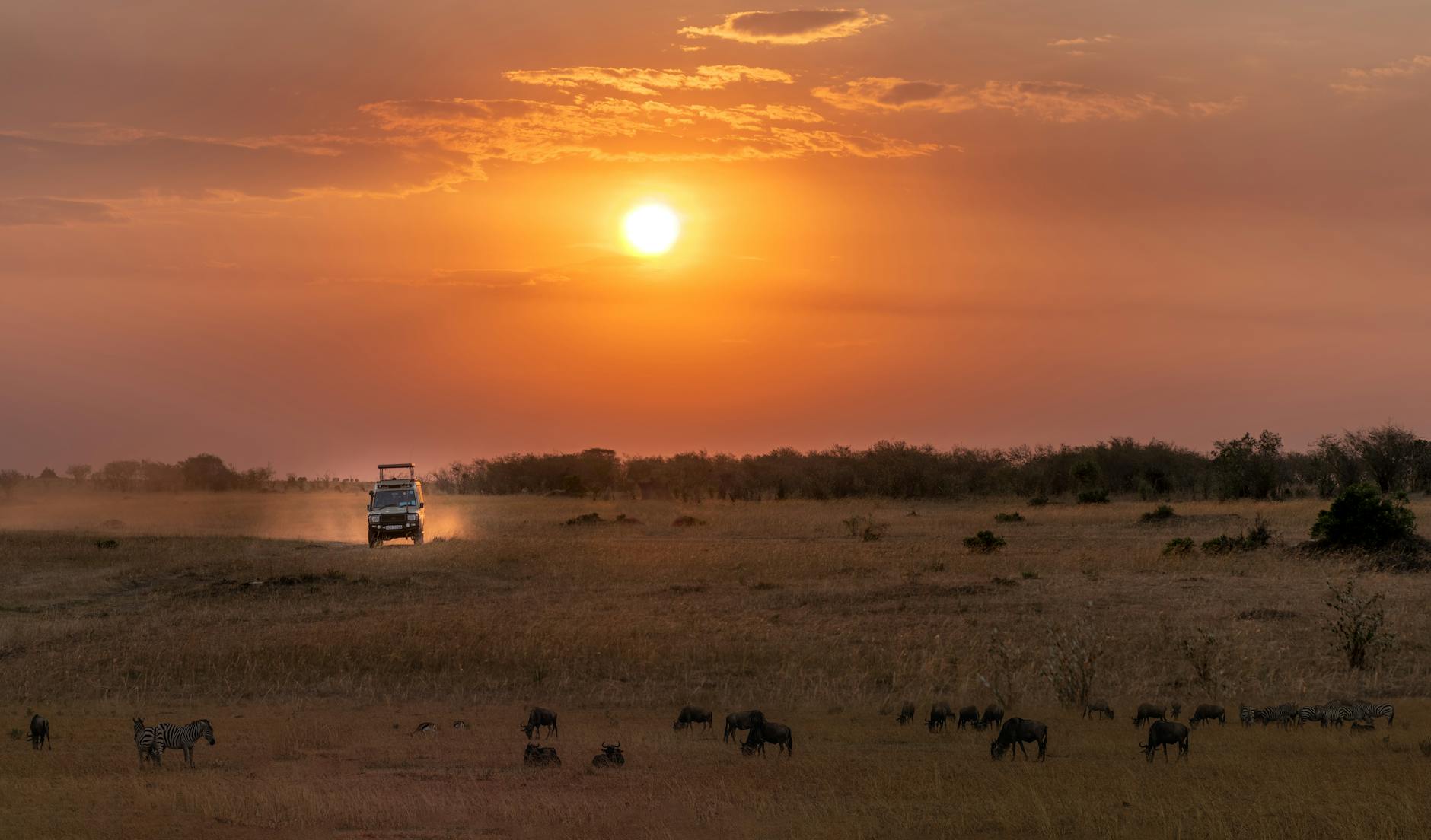
This is the question that ultimately matters, and the answer — from the perspective of thousands of visitors who have experienced Laikipia — is an emphatic yes. The combination of exclusive access, extraordinary wildlife diversity, top-tier guiding, innovative conservation, and authentic cultural connections creates an experience that transcends the transactional nature of a price-per-night calculation.
What you are paying for in Laikipia is not just a bed, meals, and a game drive. You are paying for a vast, uncrowded wilderness where you may be the only visitors for miles. You are funding the salaries of rangers who protect endangered rhinos around the clock, the community development programmes that build schools and clinics, and the conservation initiatives that have made Laikipia one of Africa’s greatest wildlife success stories. Every dollar you spend contributes directly to the preservation of this extraordinary landscape for future generations.
For travellers who prioritise quality over quantity, exclusivity over crowds, and depth of experience over ticking boxes, Laikipia delivers a return on investment that few other safari destinations can match. It is not the cheapest safari in Kenya, but it is — by almost any measure — among the best.
Ready to start planning? Explore our comprehensive safari guide, browse accommodation options across all budget levels, discover the incredible range of activities available, and use our travel planning guide to organise every detail of your trip. For a complete overview of this extraordinary destination, start with our Laikipia Kenya guide.
Leave a Reply