Laikipia is not a place you can just turn up to. It is a remote mosaic of private conservancies and community land between Mount Kenya and the Rift Valley, and reaching it takes some homework — flights to book, a visa to process, vaccinations to arrange, the right kit to pack. The good news is that once the logistics are sorted, the rest falls into place easily.
This guide walks through every step, from the day you decide to go to the day you reach your lodge: international flights, the Kenya eTA, health and vaccinations, packing, transport, money, staying connected, safety, and a planning timeline — so you arrive relaxed and ready rather than scrambling.
Getting to Kenya: International Flights
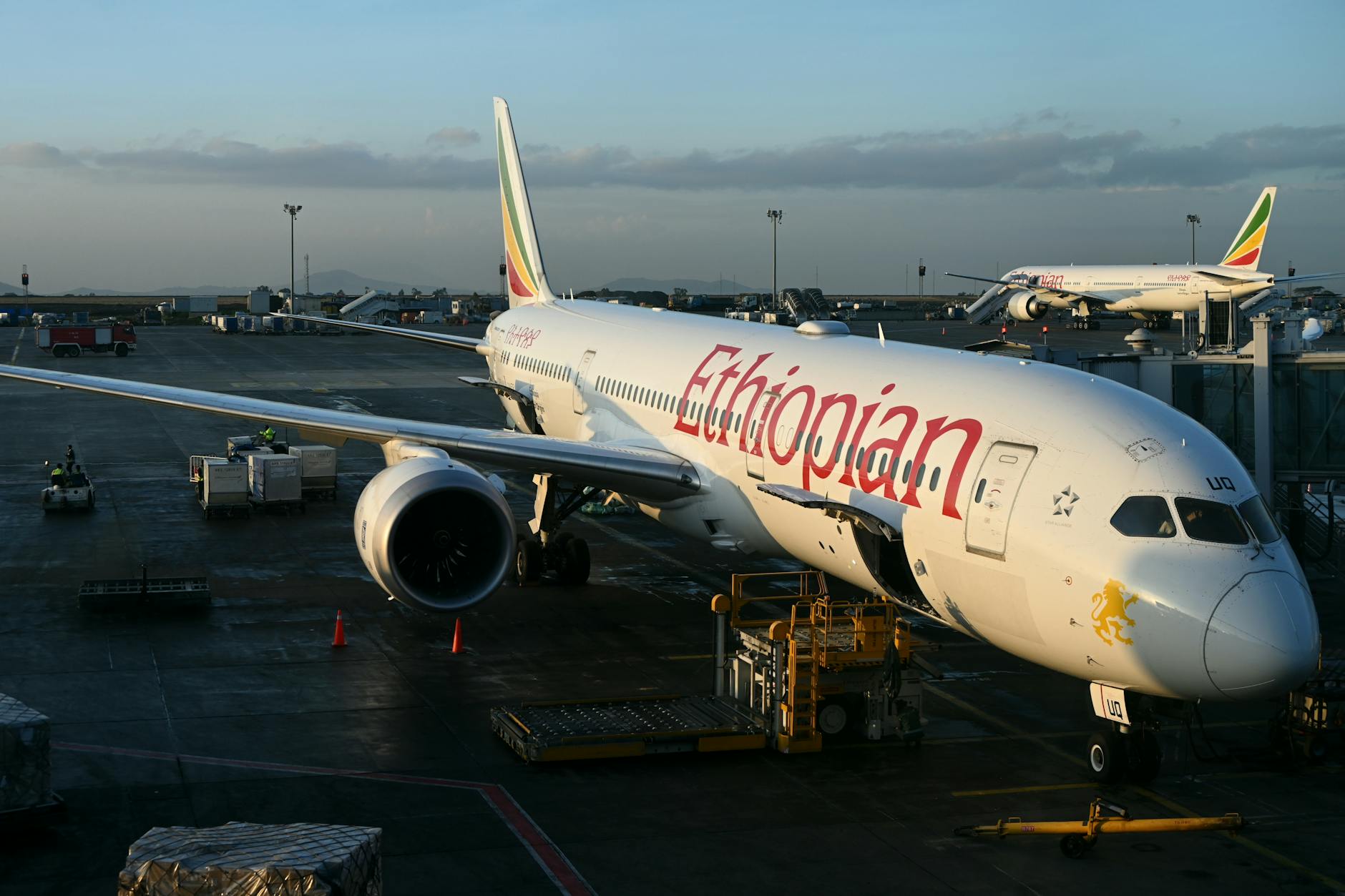
Your journey to Laikipia begins with an international flight to Nairobi’s Jomo Kenyatta International Airport (JKIA), which serves as Kenya’s main gateway and is connected to major cities worldwide. Direct flights operate from London (approximately 8.5 hours), Amsterdam, Paris, Frankfurt, Istanbul, Dubai, Doha, Mumbai, and several other global hubs. From North America, most travellers connect through European or Middle Eastern cities, with total travel times of 16 to 22 hours depending on the routing.
Airlines Serving Nairobi
Kenya Airways, the national carrier, operates the most comprehensive network of routes into JKIA and partners with KLM for European connections. British Airways, Ethiopian Airlines, Turkish Airlines, Emirates, Qatar Airways, and several other international carriers also serve Nairobi. For the best fares, book three to six months in advance, particularly if you are travelling during peak safari season from July to October. Flexible date searches on aggregator sites can reveal significant savings, and midweek departures are often cheaper than weekend flights.
Stopover Options
If your routing includes a long layover, consider turning it into a mini stopover. Dubai, Istanbul, and Doha all offer transit visa options that allow you to explore the city for a few hours or overnight. Ethiopian Airlines passengers can break their journey in Addis Ababa, which is worth a day or two to explore Africa’s diplomatic capital. These stopovers can reduce the fatigue of a long journey and add an extra dimension to your trip.
Getting from Nairobi to Laikipia
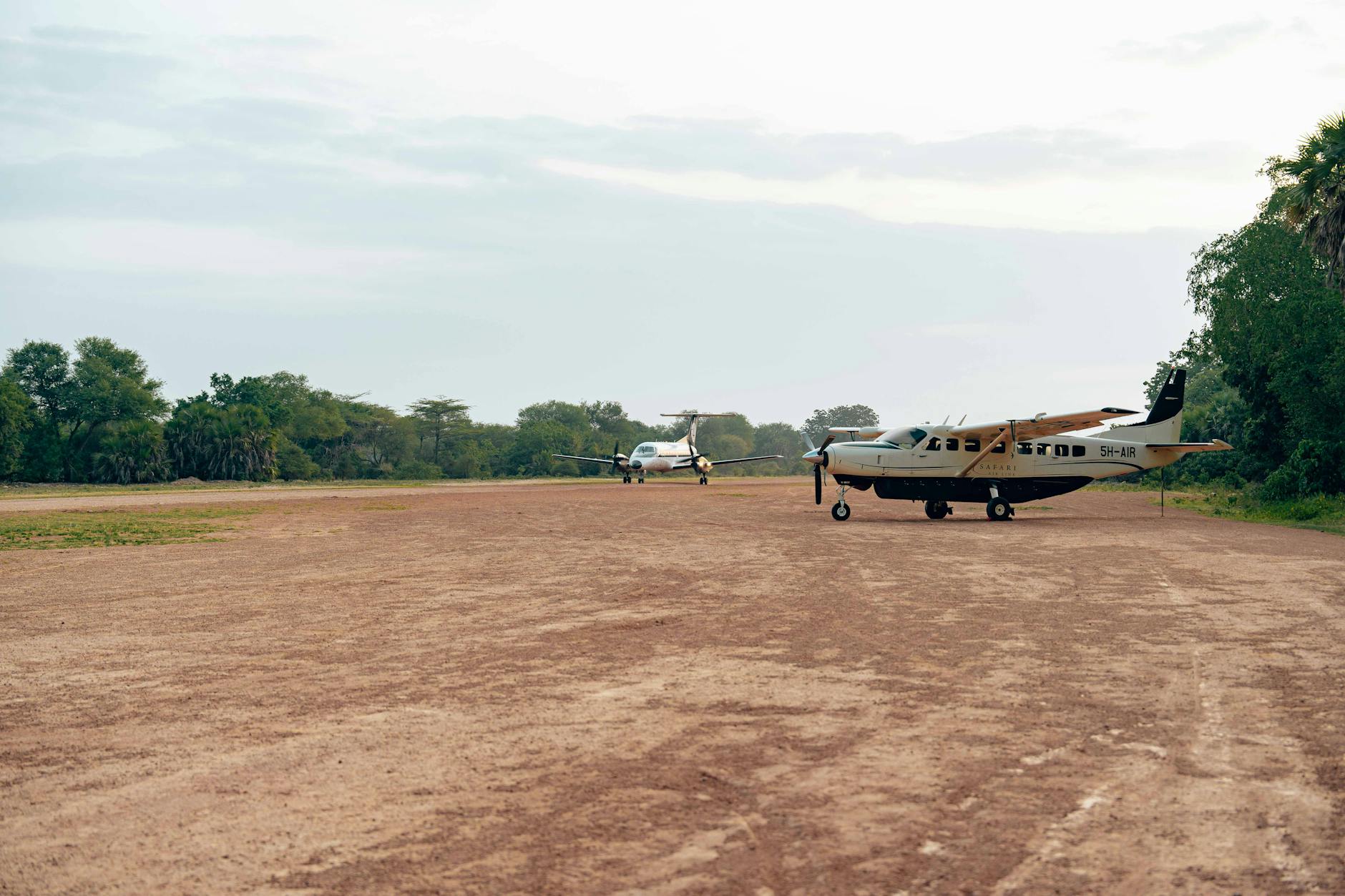
Once you have arrived in Nairobi, you have three main options for reaching Laikipia: scheduled bush flights, charter flights, or road transfers. The choice depends on your budget, schedule, and how much of Kenya’s landscape you want to see along the way.
Option 1: Scheduled Bush Flights
Scheduled bush flights are the fastest and most popular way to reach Laikipia from Nairobi. Two airlines — Safarilink and AirKenya — operate daily flights from Nairobi’s Wilson Airport (a small domestic terminal located 15 minutes from the city centre) to airstrips across the Laikipia plateau. Safarilink operates twice-daily flights to Nanyuki, Lewa Downs, and Samburu, with flight times of approximately 45 minutes to one hour.
Wilson Airport is a very different experience from the bustle of JKIA. It feels more like a country airfield, with small propeller aircraft lined up on the tarmac and a relaxed, safari-camp atmosphere in the departure lounge. Luggage allowances are strict — typically 15 kilograms per person in a soft-sided bag with no rigid frames or wheels, as bags must fit into the small cargo holds of Cessna Caravan aircraft. Most lodges arrange complimentary transfers from the nearest airstrip to the property, which might involve a 20-minute to two-hour game drive depending on the conservancy.
Round-trip fares from Wilson Airport to Nanyuki or Lewa Downs typically range from $300 to $500 per person. Book early, as flights are small — most carry 12 to 14 passengers — and peak-season seats sell out weeks in advance.
Option 2: Charter Flights
If you are travelling in a group or prefer a more flexible schedule, charter flights can be arranged to any airstrip in Laikipia. Several operators fly out of Wilson Airport and can accommodate anywhere from 2 to 12 passengers depending on the aircraft. Charters are more expensive than scheduled flights but offer the advantage of flying directly to your lodge’s private airstrip, eliminating road transfers entirely. Expect to pay $1,500 to $4,000 for a one-way charter depending on the aircraft and distance.
Option 3: Road Transfer
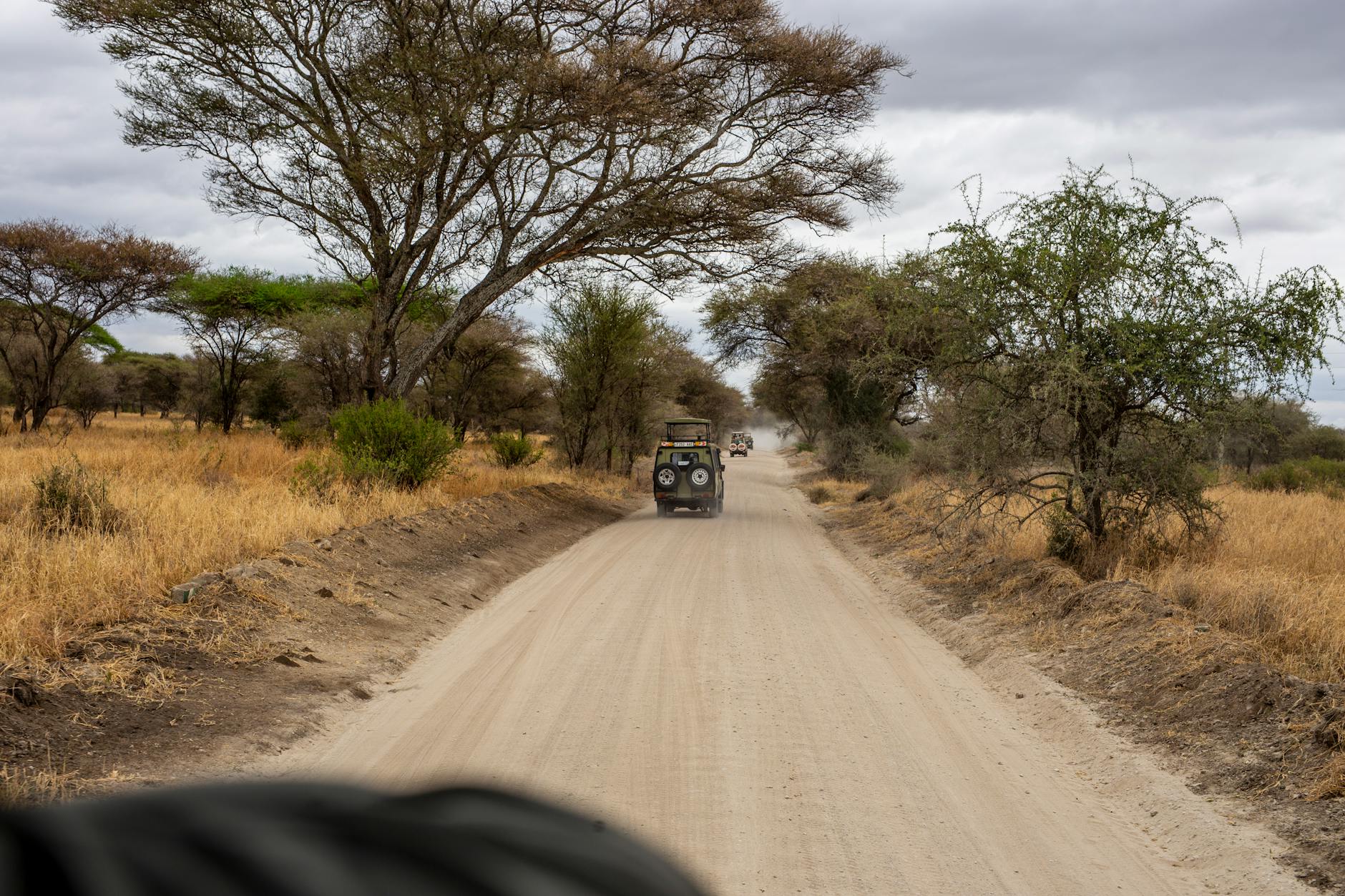
Driving from Nairobi to Laikipia takes approximately four to five hours via the A2 highway north through Nyeri and on to Nanyuki, the main gateway town for the Laikipia plateau. The road is tarmacked throughout and passes through some beautiful scenery, including the fertile farmlands of the Central Highlands and views of Mount Kenya’s snow-capped peaks. Many lodges offer private road transfers for guests who prefer not to fly, and the drive itself is a pleasant introduction to Kenya’s diverse landscapes.
For independent travellers, rental cars are available in Nairobi, though a 4×4 vehicle is strongly recommended for the final stretch into the conservancies, where roads can be rough and sandy. Alternatively, the SGR (Standard Gauge Railway) train runs from Nairobi to Nanyuki on certain days, offering a scenic and affordable option — though schedules should be confirmed in advance as they can change. Most safari operators and lodges will arrange road transfers as part of your booking, with costs typically ranging from $200 to $400 per vehicle one way.
Kenya eTA: Visa and Entry Requirements
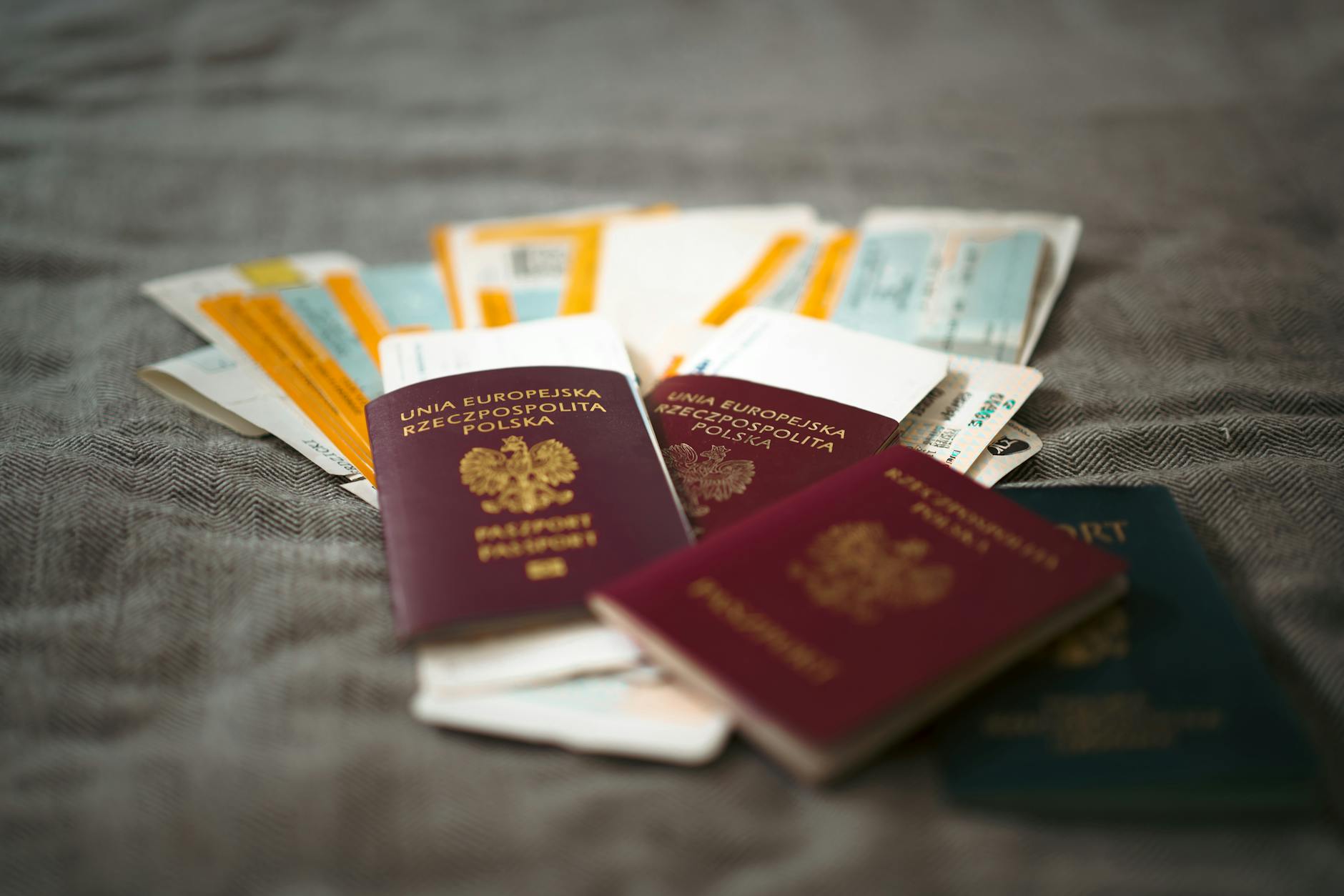
Since January 2024, Kenya has replaced its previous visa system with the Electronic Travel Authorization (eTA), a streamlined digital entry permit that must be obtained before you arrive in the country. The eTA applies to all nationalities except citizens of East African Community member states (Uganda, Tanzania, Rwanda, Burundi, South Sudan, and the Democratic Republic of Congo), who do not require any authorization to enter Kenya.
How to Apply for the Kenya eTA
The application is made entirely online through the official portal at etakenya.go.ke. The process is straightforward and typically takes 10 to 15 minutes to complete. You will need a valid passport with at least six months’ validity beyond your planned arrival date and at least one blank page, a recent colour passport photograph in JPEG format against a white background, confirmed flight booking or travel itinerary, and proof of accommodation in Kenya — a hotel booking confirmation or a letter of invitation from your lodge or tour operator.
The processing fee is $30 USD, payable online by credit or debit card. Standard processing takes up to three business days, though many applications are approved within 24 hours. Once approved, the eTA is valid for 90 days, during which you must enter Kenya. It permits a stay of up to 90 days from the date of entry.
Important eTA Tips
Apply at least two weeks before your departure date to allow for any processing delays. Print a copy of your eTA approval and keep a digital copy on your phone — you may be asked to present it at check-in or on arrival. If your passport number changes between application and travel — for example, if you renew your passport — you will need to apply for a new eTA with the updated passport details. Children and infants require their own eTA applications. Double-check the official portal URL, as fraudulent third-party sites charge inflated fees for the same service.
Passport Requirements
Your passport must be valid for at least six months beyond your intended departure date from Kenya and must contain at least one completely blank page for the entry stamp. If you are travelling onward to other East African countries, ensure you have additional blank pages — Tanzania and Uganda each require their own stamps. Some travellers carry a second passport if they travel frequently and have limited blank pages.
Health Requirements and Vaccinations

Visiting your doctor or a specialist travel health clinic four to six weeks before departure is essential. Some vaccinations require multiple doses or take time to reach full effectiveness, so early planning is critical. Kenya’s entry requirements and the CDC’s travel health recommendations for the country should both be considered when preparing for your trip.
Mandatory Vaccinations
Kenya requires proof of yellow fever vaccination only if you are arriving from or transiting through a country with risk of yellow fever transmission — this includes several African countries (such as Ethiopia, Uganda, Tanzania, and Rwanda) as well as South American nations like Brazil. If you are flying directly from Europe, North America, the Middle East, or Asia, a yellow fever certificate is not required for entry. However, many travel health professionals recommend the vaccination regardless, as yellow fever is present in some parts of Kenya, and the vaccine provides lifetime protection.
Recommended Vaccinations
The CDC and WHO recommend that travellers to Kenya be up to date on routine vaccinations and also consider hepatitis A, hepatitis B, typhoid, rabies, cholera, and meningitis. Hepatitis A and typhoid are the most commonly recommended for safari travellers, as both can be contracted through contaminated food or water. Rabies vaccination is advised for anyone planning extended outdoor activities or visits to remote areas where medical care is not immediately accessible — which describes most of Laikipia. The pre-exposure rabies series consists of three doses given over two to four weeks, so plan ahead.
Malaria Prevention
Malaria is present in most of Kenya, including parts of Laikipia, and antimalarial medication is strongly recommended. Laikipia’s altitude — generally between 1,600 and 2,600 metres above sea level — means that malaria risk is lower than in coastal or lowland areas, but it is not absent. The three most commonly prescribed antimalarials for Kenya are atovaquone-proguanil (Malarone), doxycycline, and mefloquine (Lariam). Your travel health provider will recommend the most suitable option based on your medical history, itinerary, and tolerance of side effects.
In addition to medication, take practical precautions against mosquito bites: use insect repellent containing at least 20 percent DEET, wear long sleeves and trousers at dawn and dusk when mosquitoes are most active, and sleep under a mosquito net if one is provided — most Laikipia lodges provide nets as standard. Note that malaria symptoms can appear up to several weeks after returning home, so seek medical advice if you develop a fever or flu-like symptoms after your trip.
Travel Health Kit
Pack a basic travel health kit that includes your antimalarial medication, any regular prescriptions, oral rehydration salts, anti-diarrhoeal tablets, basic painkillers, antihistamines, plasters, antiseptic cream, and any allergy medications you might need. Laikipia’s lodges are remote, and while most carry basic first-aid supplies, pharmacies may be several hours away. If you take prescription medication, bring more than you need in case of travel delays, and carry it in your hand luggage with a copy of the prescription.
Travel Insurance
Comprehensive travel insurance is not optional for a trip to Laikipia — it is essential. Standard health insurance from your home country is unlikely to cover medical treatment in Kenya, and the cost of medical evacuation from a remote safari camp to a hospital in Nairobi can run to tens of thousands of dollars.
What Your Policy Must Cover
At minimum, your travel insurance should include emergency medical coverage of at least $100,000 USD, medical evacuation coverage of at least $250,000 USD (which covers helicopter or air ambulance evacuation from remote locations), trip cancellation and interruption coverage that matches your total trip cost, baggage loss and delay coverage, and coverage for safari-related activities — some basic policies exclude activities classified as adventure sports. Read the fine print carefully: ensure that game drives, walking safaris, horseback riding, and any other activities you plan to undertake are explicitly covered. If they are listed as exclusions, upgrade to a policy that includes an adventure sports rider.
Recommended Insurance Providers
Specialist safari travel insurance providers who understand the unique requirements of African travel include World Nomads, Battleface, and IMG Global. Your safari operator or lodge may also have recommendations for insurers they have worked with successfully in the past. Whatever provider you choose, carry a printed copy of your policy details and emergency contact numbers, as well as digital copies on your phone — you may not have reliable internet access when you need them most.
What to Pack for Laikipia
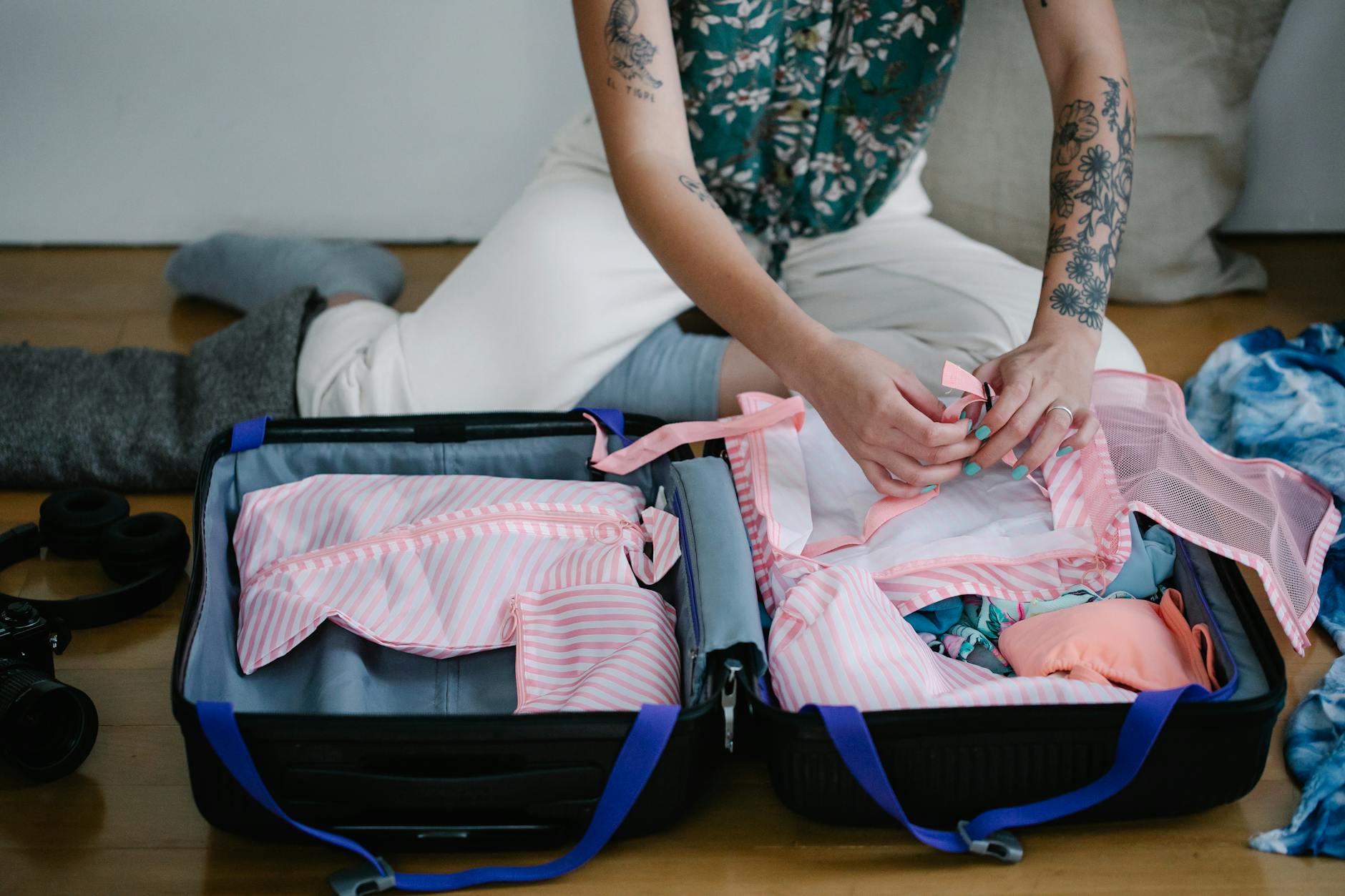
Packing for a Laikipia safari requires a different approach from packing for a typical holiday. Weight restrictions on bush flights are strict, the climate demands layering, and the activities you will be doing call for practical, functional clothing rather than fashion. Here is a comprehensive packing guide based on what experienced safari travellers and Laikipia lodge staff consistently recommend.
Luggage
A soft-sided duffel bag or backpack is essential if you are flying on a bush plane, as rigid suitcases with wheels will not fit in the aircraft’s cargo hold. The standard luggage allowance on Safarilink and AirKenya flights is 15 kilograms including hand luggage — this is strictly enforced and excess baggage is charged at a premium or may not be loaded at all. If driving to Laikipia, you have more flexibility, but a soft bag is still preferable as lodge vehicles often have limited luggage space.
Clothing
Neutral-coloured clothing in khaki, olive, tan, and brown tones is ideal for safari. These colours blend with the environment and are less likely to attract insects or startle wildlife. Avoid bright white (especially on walking safaris, as it is visible to animals at great distances), dark blue and black (which attract tsetse flies), and camouflage patterns (which are associated with military personnel and may cause concern at roadblocks).
Laikipia’s altitude means temperatures can vary dramatically between day and night. Daytime temperatures typically range from 22°C to 28°C (72°F to 82°F), but mornings and evenings — particularly during the cooler months of June to September — can drop to 8°C to 12°C (46°F to 54°F). Pack layers: lightweight, quick-drying shirts and trousers for the day, a warm fleece or down jacket for early morning game drives, and a lightweight rain jacket for unexpected showers, particularly during the green season from April to May and November to December.
For walking safaris, sturdy closed-toe shoes or lightweight hiking boots with ankle support are essential. For game drives and general lodge wear, comfortable trainers or walking shoes are fine. Sandals or flip-flops are useful for around the lodge. If horseback riding is on your agenda, bring long trousers and closed-toe shoes — some lodges provide riding helmets, but check in advance.
Essential Gear
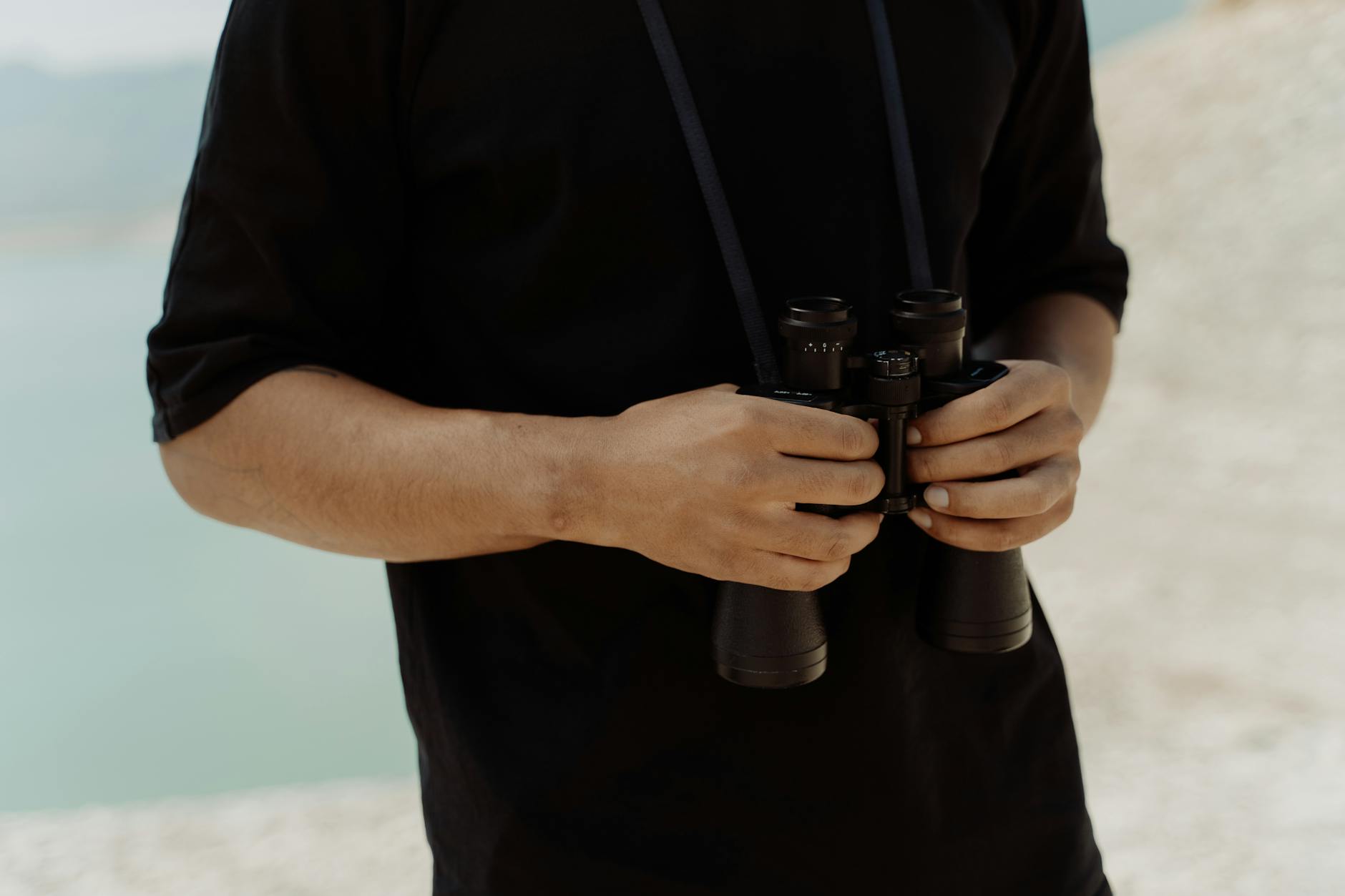
Binoculars are the single most important piece of equipment you can bring. A good pair transforms your game-viewing experience, allowing you to observe wildlife behaviour from a distance and identify bird species that would otherwise be invisible to the naked eye. Aim for 8×42 or 10×42 specifications — these offer a good balance between magnification and field of view. If you do not own binoculars, many lodges can lend you a pair, but the quality varies.
A camera with a telephoto lens of at least 200mm (ideally 100-400mm) will capture the wildlife moments that make a safari memorable. Bring spare memory cards, batteries, and a charging cable — most lodges offer charging facilities, though some more remote camps may only run generators at certain hours. A waterproof phone case or dry bag protects your electronics from dust, which is pervasive during the dry season.
Other essentials include high-SPF sunscreen (the equatorial sun is intense even on overcast days), insect repellent with at least 20 percent DEET, a broad-brimmed hat, sunglasses, a headlamp or small torch for moving around camp after dark, and a reusable water bottle to reduce plastic waste.
Laundry Services
Most Laikipia lodges offer same-day or next-day laundry service, which means you can pack much lighter than you might expect. Three to four changes of clothing, rotated through the laundry cycle, are typically sufficient even for a week-long stay. This makes the strict 15-kilogram luggage limit on bush flights much more manageable.
Money, Currency, and Payments

Kenya’s official currency is the Kenyan Shilling (KES). However, US dollars are widely accepted at tourist-oriented businesses, and most Laikipia lodges quote their rates in US dollars. Understanding how money works in Kenya will save you time and potential frustration during your trip.
Cash
Bring a supply of US dollars in cash — ideally in denominations of $20, $50, and $100. Newer bills (printed after 2006) are preferred, as older notes may be refused due to counterfeiting concerns. You will need cash for tips, small purchases, and curio shopping. Kenyan shillings are useful for tipping lodge staff, buying items at local markets, and paying for incidentals at smaller establishments. Currency exchange is available at JKIA airport on arrival, at banks in Nanyuki, and at some larger hotels — the airport exchange rates are generally reasonable and save you a separate trip to a bank.
Credit and Debit Cards
Visa and Mastercard are accepted at most upscale lodges and hotels, though a processing surcharge of 3 to 5 percent may apply. American Express is less widely accepted. ATMs are available in Nanyuki and Nairobi but not within the conservancies. Inform your bank of your travel dates and destination before departure to prevent your card being blocked for suspicious overseas transactions.
Mobile Money
Kenya is a global leader in mobile money, and the M-Pesa system — operated through Safaricom — is used for everything from paying for meals to buying airtime. While you are unlikely to need M-Pesa during a lodge-based safari, it can be useful if you are travelling independently or making purchases in Nanyuki or Nairobi. M-Pesa can be set up on a Safaricom SIM card with a passport at any Safaricom shop.
Tipping Guidelines
Tipping is customary in Kenya and greatly appreciated by the staff who make your safari experience special. As a general guide, tip your safari guide or driver $10 to $20 USD per person per day, lodge staff via the communal tip box at $10 to $15 USD per person per day, and specialist guides (walking safari guides, horseback riding guides) an additional $5 to $10 per person per activity. Tips can be given in US dollars or Kenyan shillings — lodge staff generally prefer shillings, while guides are accustomed to receiving dollars. Many lodges place envelopes and tipping guidelines in your room. Tip your driver-guide separately and directly, as they typically do not share in the communal tip box.
Staying Connected: Phone and Internet
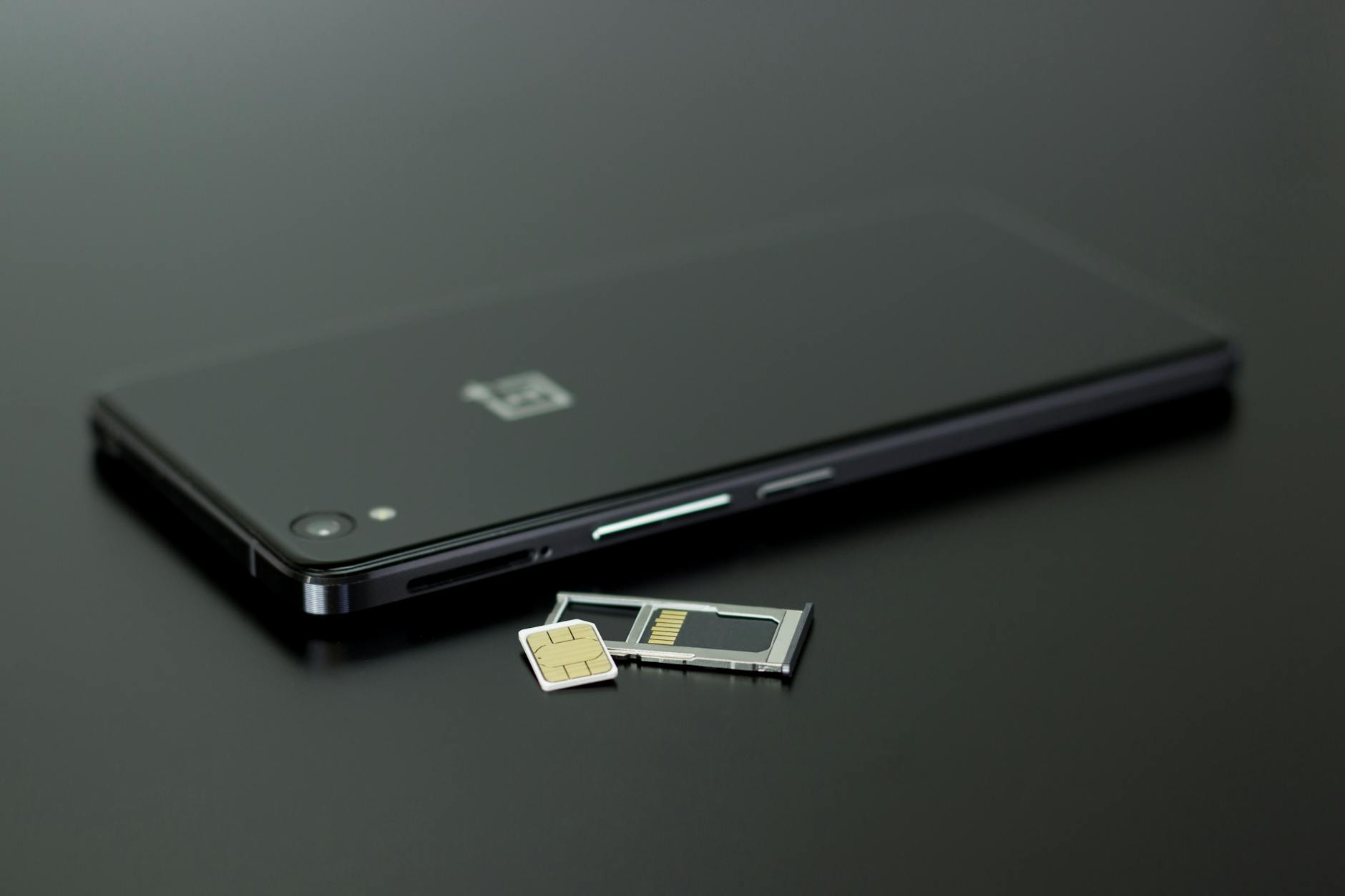
Connectivity in Laikipia varies enormously depending on where you are staying. Some lodges offer reliable WiFi; others have limited or no connectivity, which — depending on your perspective — may be either a blessing or a challenge.
Mobile Phone Coverage
Safaricom is Kenya’s largest and most reliable mobile network, with the best coverage across Laikipia. Purchasing a Safaricom SIM card at JKIA airport on arrival is highly recommended — the process is quick, requires only your passport, and costs around $2 for the SIM plus whatever credit you add. A data bundle of 5 to 10 GB (sufficient for a week of moderate use) costs approximately $5 to $10. With a Safaricom SIM, you will have 4G data coverage in and around Nanyuki and reasonable 3G coverage at many — though not all — conservancy locations. Remote camps in northern Laikipia may have patchy or no mobile signal.
WiFi at Lodges
WiFi availability varies by property. Larger and more established lodges like those in Ol Pejeta, Lewa, and Loisaba typically offer WiFi in the main lounge or dining area, though speeds may be limited and streaming or video calling may not be practical. Smaller bush camps and fly camps often have no WiFi at all. If staying connected is important to you, confirm WiFi availability with your lodge before booking — and consider whether a digital detox might actually enhance your safari experience.
Emergency Communications
All Laikipia lodges and camps maintain radio or satellite phone communications for emergencies, so you are never out of contact even in the most remote locations. If you carry a personal satellite communicator such as a Garmin inReach or SPOT device, it will work anywhere in Laikipia regardless of mobile phone coverage.
Safety and Security
Laikipia is generally a safe destination for tourists, and thousands of international visitors enjoy safari experiences here every year without incident. However, as with any travel, common-sense precautions and awareness of the local context will help ensure a smooth trip.
Wildlife Safety
The most significant safety consideration in Laikipia is the wildlife itself. You are visiting a landscape shared with elephants, lions, leopards, buffalo, and other dangerous animals. Always follow your guide’s instructions, never leave your vehicle during a game drive unless told it is safe to do so, and stay within the designated areas of your lodge after dark. On walking safaris, your guide and armed ranger will brief you on safety protocols before setting out — follow these meticulously.
Security on Conservancies
Laikipia’s private conservancies employ their own security teams and work closely with the Kenya Wildlife Service and local police to maintain safety. Within the conservancies, security standards are high and visitors can move around with confidence. The main gateway town of Nanyuki is a safe and welcoming military town with a relaxed atmosphere. As with anywhere in Kenya, take standard precautions in urban areas — avoid displaying expensive jewellery or electronics, keep valuables in your lodge safe, and use reputable transport providers.
Travel Advisories
Check the travel advisory issued by your home country’s government before departure. Most Western governments rate the main tourist areas of Kenya — including Laikipia, the Masai Mara, and the coast — as safe for travel, while advising against travel to border areas with Somalia and parts of northeastern Kenya. Laikipia is well within the safe travel zone and is not affected by the security concerns that apply to Kenya’s border regions.
Choosing a Safari Operator or Booking Independently
One of the most important decisions in planning your Laikipia trip is whether to book through a specialist safari operator or arrange everything independently. Both approaches have merits, and the right choice depends on your travel experience, budget, and how much control you want over your itinerary.
Working with a Safari Operator
Specialist safari operators with expertise in Laikipia can handle every aspect of your trip — from international flights and internal transfers to lodge selection, activity planning, and dietary requirements. The best operators have personal relationships with lodge managers and guides across the region, which means they can secure the best rooms, arrange special experiences, and troubleshoot problems in real time if anything goes wrong. For first-time visitors to Africa or those planning a complex multi-destination itinerary, an experienced operator is worth every penny of their service fee. Look for operators who are members of the Kenya Association of Tour Operators (KATO) or who hold ATOL and ABTA bonding if booking from the UK.
Booking Directly with Lodges
If you prefer a hands-on approach, most Laikipia lodges accept direct bookings through their websites or reservations teams. This can sometimes offer cost savings — particularly if you combine it with booking your own flights and transfers — and gives you complete flexibility over your itinerary. The trade-off is that you will need to coordinate logistics between multiple providers yourself, which requires more planning time and a willingness to manage the details. Direct booking works particularly well if you are visiting a single conservancy or have previous experience with African safaris.
Trip Styles and Duration
A typical Laikipia safari lasts between four and seven nights, though longer stays of two weeks or more are ideal for those wanting to explore multiple conservancies and combine safari with cultural immersion or adventure activities. A minimum stay of three nights at any single lodge is recommended to fully appreciate the rhythm of the bush and the range of activities on offer. Many travellers combine Laikipia with other Kenyan destinations — the Masai Mara for the Great Migration (July to October), the coast for beach relaxation, or Mount Kenya for trekking — creating a multi-faceted trip that showcases Kenya’s extraordinary diversity.
Budget-conscious travellers can find excellent value during the green season (April to May and November), when many lodges offer discounted rates of 20 to 40 percent off peak-season prices. The landscape is lush and green, birdlife is at its most prolific, and you will share the conservancies with far fewer visitors. For detailed information on safari options and itineraries, see our dedicated Laikipia safari guide.
Step-by-Step Trip Planning Timeline

Planning a Laikipia trip involves many moving parts, and getting the timing right ensures a stress-free build-up to your departure. Here is a recommended timeline for organizing your trip.
Six to Twelve Months Before
Begin researching Laikipia’s conservancies and accommodation options to determine which areas and lodges match your interests and budget. Peak-season bookings (July to October) at popular properties can fill up a year in advance, so early planning is essential. Book your lodge or safari package — most operators require a deposit at the time of booking. Start looking at international flight options and set fare alerts for your preferred dates.
Three to Six Months Before
Book your international flights. Visit a travel health clinic for vaccinations and antimalarial prescriptions — some vaccines require multiple doses over several weeks. Purchase comprehensive travel insurance and confirm that it covers all planned activities. Apply for your Kenya eTA at etakenya.go.ke — while processing only takes a few days, applying early protects against unexpected delays. Book internal bush flights or arrange road transfers with your lodge or safari operator. Research and plan your activities and experiences.
One to Three Months Before
Confirm all bookings — flights, lodge, transfers, and activities. Check that your passport has at least six months’ validity beyond your return date and sufficient blank pages. Begin assembling your packing list and purchasing any gear you need — binoculars, camera lenses, clothing, and so on. Inform your bank and credit card company of your travel dates and destinations. Arrange care for pets, plants, and other home responsibilities.
Two to Four Weeks Before
Complete any remaining vaccinations. Fill your antimalarial prescription and begin taking the medication if your regime requires pre-travel dosing (atovaquone-proguanil starts one to two days before arrival; mefloquine starts two to three weeks before). Print copies of your eTA approval, flight itineraries, lodge confirmations, and insurance policy. Download offline maps of the Laikipia region on your phone. Pack your bags — remember the 15-kilogram limit if flying on bush planes.
The Day Before Departure
Confirm your airport transfer or parking arrangements. Charge all electronics — camera, phone, headlamp. Place your passport, eTA, insurance documents, and flight itinerary in your hand luggage where they are easily accessible. Verify that your cash supply includes newer US dollar bills and a mix of denominations. Set an out-of-office message if needed, and prepare yourself mentally for what is about to be one of the best travel experiences of your life.
Arrival in Kenya: What to Expect
On arrival at Jomo Kenyatta International Airport, you will proceed through immigration, where officers will check your passport and eTA. The process is typically efficient, taking 10 to 30 minutes depending on the queue. After collecting your luggage and clearing customs, you will enter the arrivals hall, where your transfer driver or tour representative will be waiting with a sign. If you need to exchange currency, the airport bureau de change is located in the arrivals hall. Safaricom SIM cards can be purchased from kiosks just outside the terminal.
If you are connecting to a bush flight the same day, you will need to transfer to Wilson Airport, which is approximately a 30-minute drive from JKIA (longer in heavy traffic). Some safari operators arrange this transfer as part of your package. Allow at least three hours between your international arrival and domestic departure to account for immigration queues, luggage collection, and the road transfer between airports.
If your international flight arrives in the evening — which many do — plan to spend the first night in Nairobi. Several excellent hotels are located near the airport or in the leafy suburb of Karen, including options that offer day rooms for early-morning departures to Wilson Airport. Your safari operator can recommend suitable overnight options that fit your budget and onward travel schedule.
Making the Most of Your Laikipia Trip
With the logistics handled, you are free to focus on what matters most — the experience itself. Laikipia rewards those who slow down, pay attention, and engage with both the landscape and the people who call it home. Ask your guide questions. Learn a few words of Swahili or Samburu. Wake early for the sunrise game drive even when your bed feels irresistible. Say yes to the walking safari, the cultural visit, the fly camping night under the stars. These are the moments that will stay with you long after the logistics have faded from memory.
For a deeper understanding of what awaits you, explore our complete Laikipia Kenya guide, our detailed safari planning resource, and our guide to the best time to visit Laikipia. With the right preparation, your Laikipia safari will be well worth the effort it took to plan.
Leave a Reply