Laikipia is not your typical Kenya safari destination — and that is precisely what makes it extraordinary. Stretching across 9,500 square kilometres of rugged plateau between the foothills of Mount Kenya and the edge of the Great Rift Valley, this patchwork of private conservancies, community ranches, and wilderness areas offers a staggering range of activities that go far beyond the traditional game drive. Whether you are tracking endangered black rhinos on foot, galloping alongside giraffes on horseback, sleeping under a canopy of stars on a hand-carved wooden bed, or sharing stories with Samburu warriors around a campfire, the things to do in Laikipia will reshape your understanding of what a Kenyan safari can be.
Unlike the busy national parks of the Masai Mara or Amboseli, Laikipia’s conservancy model means fewer vehicles, more exclusive access, and activities that are simply not permitted in government-managed parks — night drives, off-road tracking, guided bush walks, and multi-day fly camping expeditions. The result is one of East Africa’s most diverse and immersive safari experiences, where conservation, community, and adventure intersect at every turn.
This comprehensive guide covers every activity and experience available in Laikipia, from classic safari pursuits to once-in-a-lifetime adventures, so you can plan the perfect trip to Kenya’s best-kept secret.
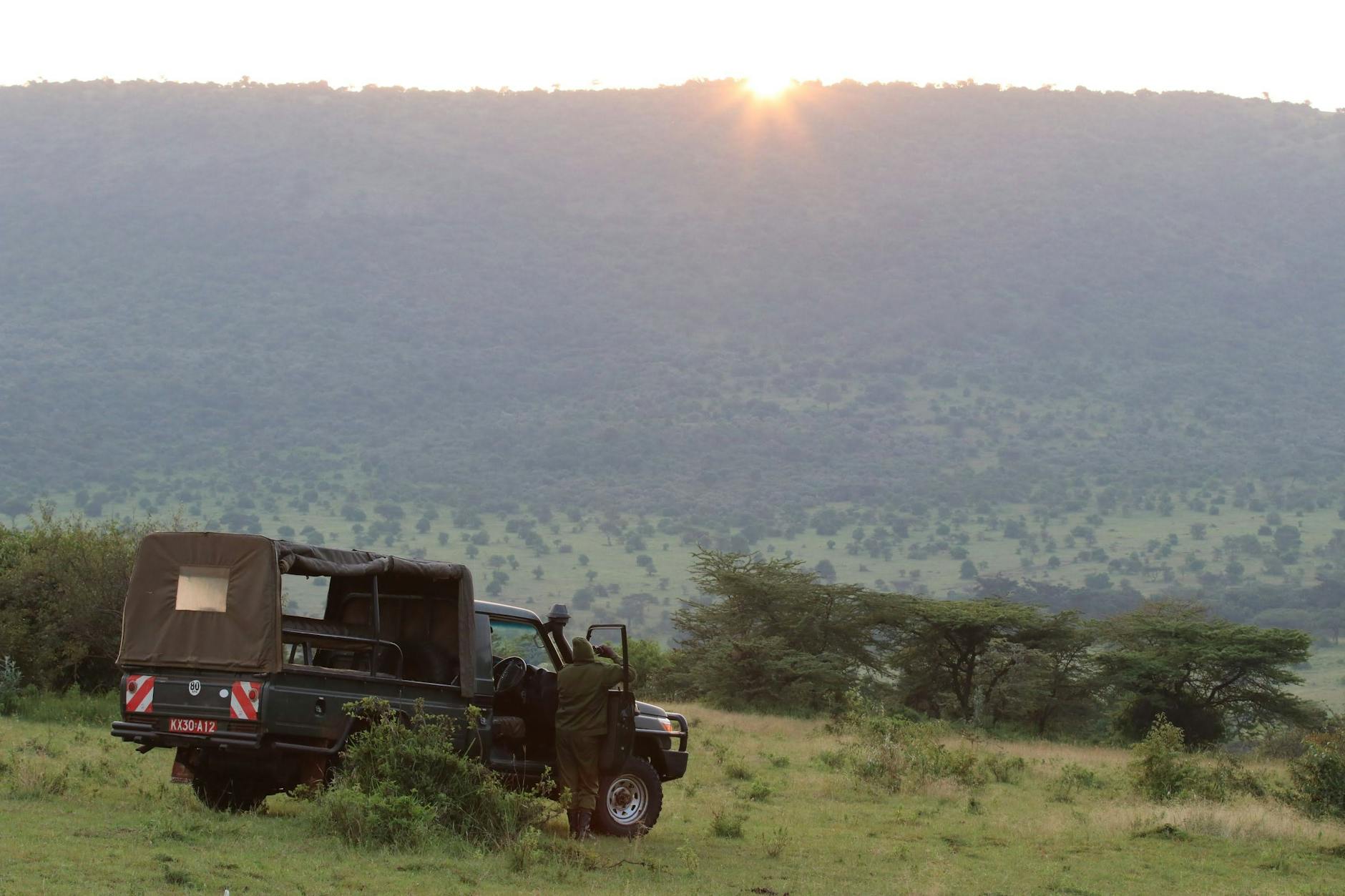
Game Drives: The Heart of the Laikipia Safari Experience
Game drives remain the cornerstone of any Laikipia safari, but what sets them apart from drives elsewhere in Kenya is the sheer exclusivity and flexibility they offer. Because Laikipia is composed of private conservancies rather than public parks, your guide can drive off-road to follow a hunting leopard, linger at a sighting for as long as you wish without the pressure of a queue of minibuses behind you, and tailor the entire experience to your interests — whether that means birding at dawn, tracking predators at midday, or chasing the golden light for photography at dusk.
Day Game Drives
Morning and afternoon game drives are available at every lodge and camp across the plateau. Laikipia’s open grasslands, riverine forests, and scattered acacia woodlands support an astonishing density of wildlife. On a typical drive, you might encounter herds of elephants moving through the red-soil plains, towers of reticulated giraffes browsing the treetops, prides of lions resting in the shade of ancient fig trees, and scattered groups of Grevy’s zebras — one of the world’s rarest equids, with barely 3,000 remaining in the wild. The region is also one of the best places in Kenya to spot African wild dogs, with several resident packs moving across the conservancy mosaic.
Ol Pejeta Conservancy is the most popular destination for day drives, offering Big Five viewing along with the chance to visit the last two northern white rhinos on earth, Najin and Fatu, at their dedicated enclosure. Lewa Wildlife Conservancy delivers outstanding rhino sightings in a UNESCO World Heritage landscape, while Loisaba, Borana, and Mugie conservancies provide quieter, more remote experiences where you may drive for hours without seeing another vehicle.
Night Game Drives
Night drives are one of Laikipia’s great advantages over Kenya’s national parks, where driving after dark is prohibited. Equipped with red-filtered spotlights that do not disturb nocturnal animals, your guide will take you into a completely different world that emerges after sunset. Aardvarks trundle across open ground looking for termite mounds. Bat-eared foxes sit in family groups, their enormous ears scanning for insects. Porcupines waddle along game trails, and if you are fortunate, you might catch a pangolin — Africa’s most elusive mammal — curled up in the beam of the spotlight.
Predator activity intensifies at night. Leopards become bolder, hunting along riverbanks and through the undergrowth. Hyenas set out on patrol in groups, their eerie whooping calls carrying across the plains. Lion prides begin their nocturnal hunts, and you may witness the drama of a kill unfold in real time. Ol Pejeta and Laikipia Wilderness Camp are particularly renowned for their night drive experiences, with guides who have an uncanny ability to locate the region’s rarest nocturnal species.
Walking Safaris: Experiencing the Bush on Foot
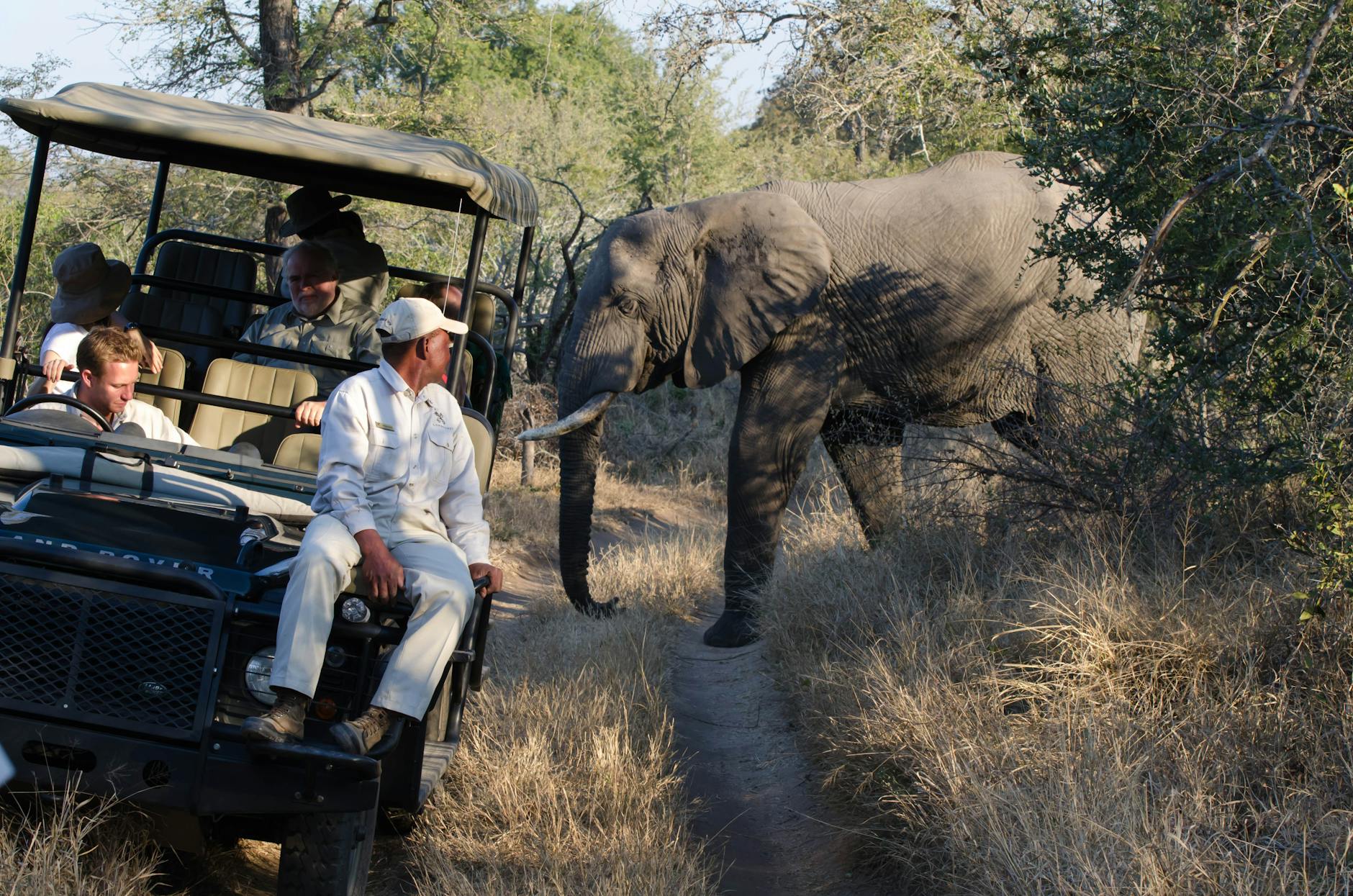
Walking safaris transform the safari experience from passive observation to active immersion. Instead of watching the bush pass by from the elevated seat of a Land Cruiser, you step into the landscape itself — feeling the crunch of dry grass underfoot, smelling the musky scent of elephant, reading animal tracks with your guide, and learning to identify trees, medicinal plants, and the tiny creatures that most vehicle-bound visitors never notice.
Short Guided Bush Walks
Most lodges in Laikipia offer morning bush walks of two to four hours, led by experienced Maasai or Samburu guides accompanied by armed Kenya Wildlife Service rangers. These walks are suitable for all fitness levels and focus on the smaller details of the ecosystem — dung beetle behaviour, bird identification, tracking techniques, and the fascinating relationships between different plant and animal species. Borana Conservancy, Lewa Wilderness, and Il Ngwesi Eco-Lodge are all excellent choices for guided bush walks.
Multi-Day Walking Expeditions
For the more adventurous, several operators in Laikipia offer multi-day walking safaris that take you deep into roadless wilderness. You walk for four to six hours each morning, covering 15 to 20 kilometres, before reaching a fly camp that has been set up ahead by a support team with camels or a vehicle. These expeditions are the ultimate way to experience the African bush — you travel at the pace of the land, sleep under the stars, and develop an intimate understanding of the ecosystem that no game drive can replicate.
Laikipia Wilderness Camp specialises in tailored walking safaris through the remote Ol Doinyo Lemboro Ranch, where the terrain ranges from open plains to dramatic gorges along the Ewaso Narok River. Karisia Walking Safaris offers camel-supported treks through the Matthews Range and northern Laikipia, combining walking with camel riding in a format that has been perfected over two decades.
Horseback Safaris: Riding Alongside Wildlife
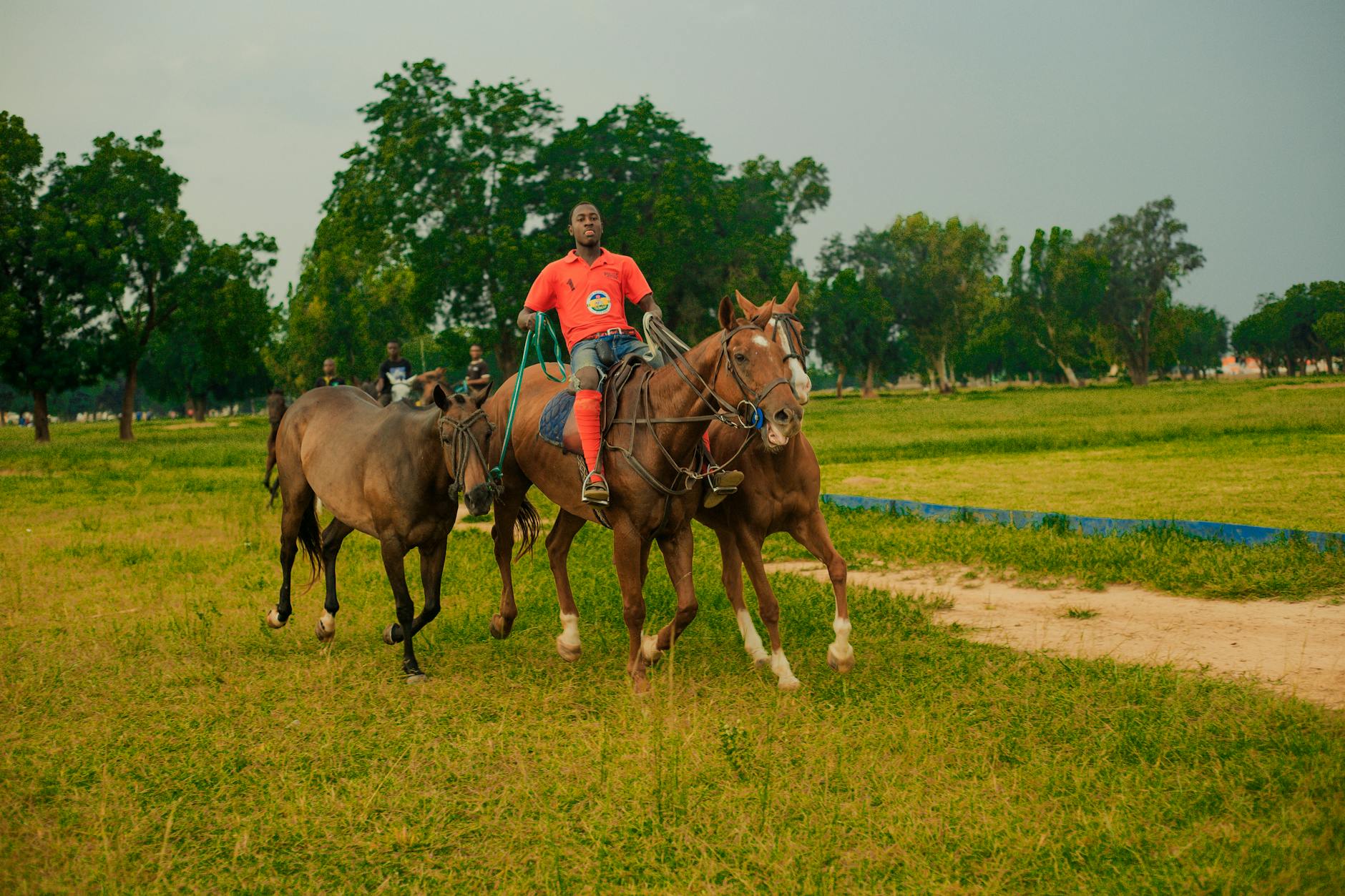
Horseback safaris are one of Laikipia’s most iconic experiences, and the region is widely considered one of the best places in Africa for riding. The largely flat terrain of the plateau, combined with the abundance of wildlife that is accustomed to horses, creates conditions where you can canter freely through open grasslands with giraffes loping alongside, zebras scattering ahead, and elephants grazing peacefully in the middle distance.
Why Laikipia Is Perfect for Horseback Safaris
Animals in Laikipia do not perceive horses as threats in the way they react to vehicles or people on foot. This means you can approach wildlife much more closely on horseback, creating encounters that feel profoundly different from a game drive. Riding silently through the bush, you become part of the landscape rather than an observer of it. The absence of engine noise allows you to hear birdsong, the rustle of wind through the grass, and the rumble of an elephant’s stomach from 50 metres away.
Where to Ride
Sosian Lodge on the Laikipia Plateau is one of East Africa’s premier riding destinations, with a stable of well-schooled horses suited to all experience levels and vast unfenced terrain to explore. Rides range from gentle two-hour outings for beginners to full-day gallops across open country for experienced riders. Lewa Wilderness offers riding safaris through the Lewa-Borana landscape, where you can ride among rhinos and elephants in a setting of extraordinary beauty. Ol Malo Lodge, perched on an escarpment in northern Laikipia, provides dramatic riding through Samburu country with views stretching to the horizon. Borana Lodge also maintains an excellent riding programme, and multi-day riding safaris that move from camp to camp are available through operators like Offbeat Safaris and African Horse Safaris.
What to Expect
Riding safaris in Laikipia typically involve morning and afternoon rides of two to four hours, with game drives or other activities filling the middle of the day. Guides assess your riding ability on arrival and match you with an appropriate horse. Helmets are provided, and all rides are accompanied by an experienced lead guide and a back-up rider. No previous experience is necessary for shorter rides, though multi-day riding safaris generally require an intermediate level of competence.
Camel Trekking: Traversing the Drylands
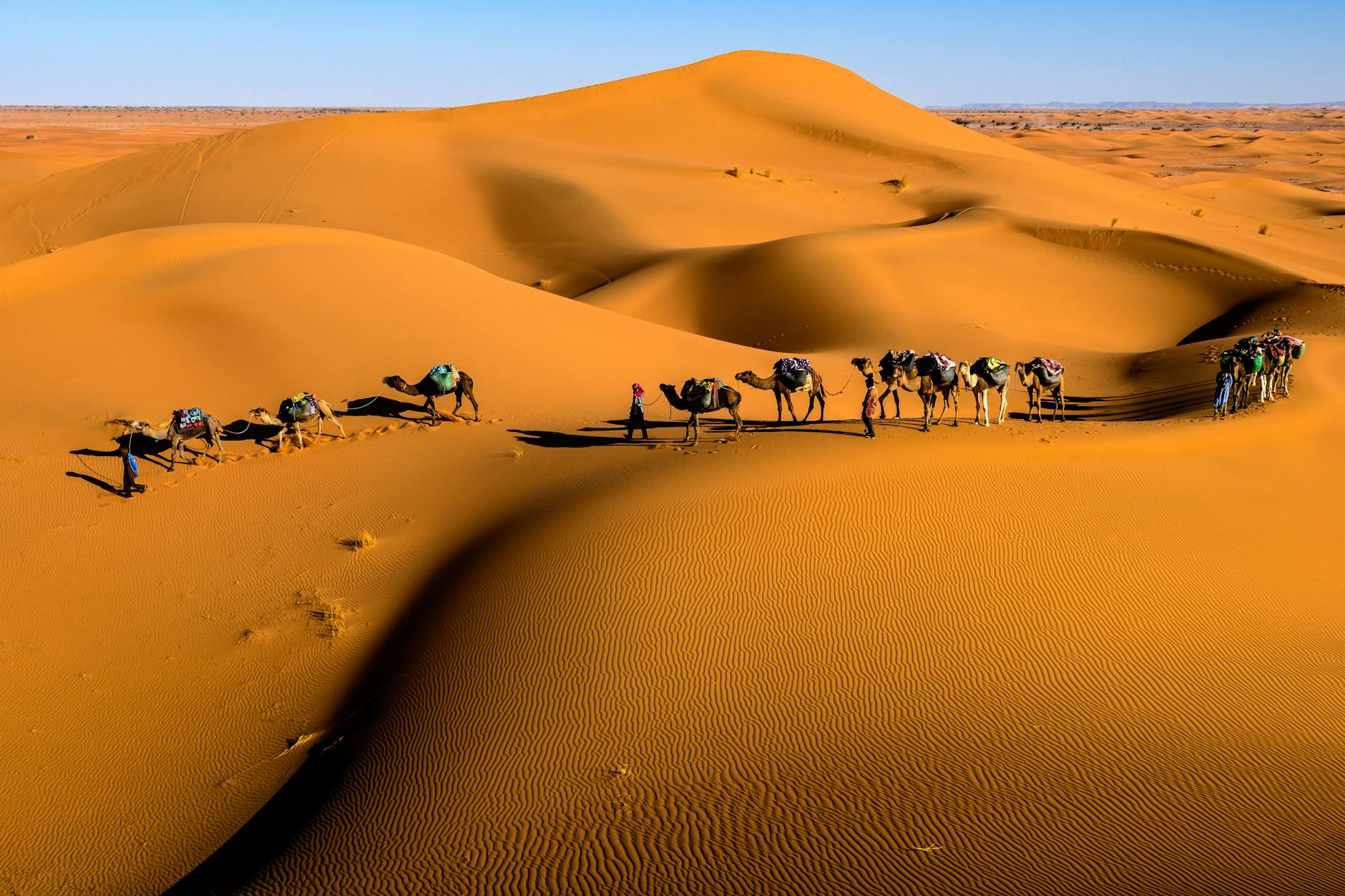
Camel trekking is one of the most distinctive activities in Laikipia, offering a way to explore the arid northern reaches of the plateau that few other modes of transport can match. Camels have been used by the Samburu and Rendille communities for centuries, and the trekking experience draws on this deep cultural heritage while providing access to remote wilderness areas that are far from any road or lodge.
Short Camel Excursions
Several lodges and camps offer short camel rides of one to three hours, providing a taster of this unique experience without requiring significant time commitment. You ride or walk alongside the camels through the bush, with Samburu guides pointing out wildlife, explaining the medicinal uses of local plants, and sharing stories about traditional camel-herding culture. These shorter excursions are suitable for all ages and fitness levels, including families with children.
Multi-Day Camel Treks
For the full camel safari experience, multi-day treks lasting three to seven days are available through operators like Karisia Walking Safaris and Sabuk Lodge. On these journeys, camels carry all your gear — tents, bedding, food, and water — while you walk through the bush at your own pace. Days typically involve four to five hours of walking through landscapes that shift from acacia-studded grasslands to dramatic rocky gorges. Camps are set up each evening in a new location, often beside a seasonal riverbed where elephants come to dig for water. After a bush dinner cooked on open coals, you sleep under the stars with the sounds of the African night all around.
The beauty of camel trekking is its slow pace. You cover perhaps 10 to 15 kilometres per day, which gives you time to absorb the landscape in a way that no game drive or even walking safari quite matches. Wildlife is often remarkably relaxed around camels, allowing close encounters with species like gerenuk, reticulated giraffe, and oryx that might otherwise bolt at the approach of a vehicle.
Rhino Tracking and Conservation Experiences
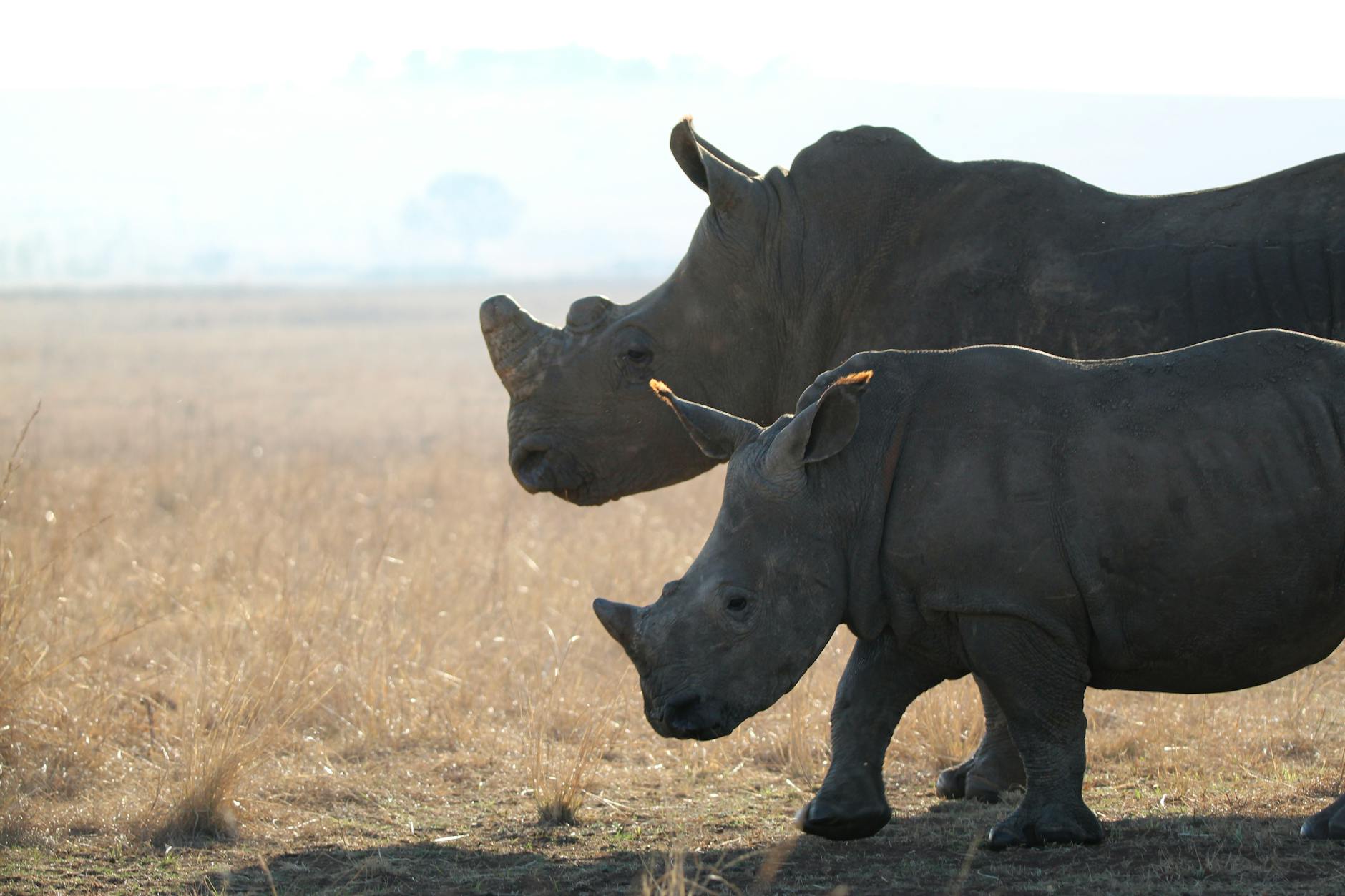
Laikipia is the epicentre of rhino conservation in East Africa, and the region offers visitors the chance to go beyond passive wildlife viewing and actively participate in the effort to save these magnificent animals from extinction. Home to more than half of Kenya’s total rhino population, the plateau’s conservancies have pioneered innovative tracking, monitoring, and protection programmes that serve as models for conservation across the continent.
Guided Rhino Tracking at Ol Pejeta
Ol Pejeta Conservancy is the largest black rhino sanctuary in East Africa, protecting over 150 critically endangered black rhinos alongside a healthy population of southern white rhinos. Guided rhino tracking sessions take you into the bush on foot with a specialist tracker who uses VHF telemetry equipment to locate individual animals. You learn to read the landscape through a ranger’s eyes — identifying fresh tracks, dung middens, rubbing posts, and territorial boundaries. When you find your rhino, the experience of standing just 30 metres from a two-tonne animal in the open bush is nothing short of breathtaking.
Ol Pejeta also provides the humbling experience of visiting Najin and Fatu, the last two northern white rhinos on earth, who live in a dedicated sanctuary with round-the-clock armed protection. A visit to their enclosure drives home both the tragedy of what has been lost and the urgency of ongoing conservation efforts.
Behind-the-Scenes Conservation Activities
Several conservancies offer behind-the-scenes conservation experiences that go far beyond a standard game drive. At Lewa Wildlife Conservancy, you can join the anti-poaching team on patrol, visit the conservation education centre, and learn about the community programmes that have made Lewa one of Africa’s most successful conservation stories. Borana Conservancy offers rhino monitoring experiences where you accompany trackers as they carry out daily rhino counts, recording each individual by their unique ear notch pattern — a critical process that ensures every animal is accounted for within a three-day cycle.
The Sweetwaters Chimpanzee Sanctuary
Within Ol Pejeta, the Sweetwaters Chimpanzee Sanctuary — established in partnership with the Jane Goodall Institute in 1993 — provides a permanent home for over 40 chimpanzees rescued from illegal captivity and the bushmeat trade across Central and West Africa. While chimpanzees are not native to Kenya, the sanctuary is the only place in the country where you can observe these great apes, and a visit offers a powerful window into the broader challenges facing primate conservation. The chimpanzees live in two social groups in large natural enclosures along the Ewaso Nyiro River, and guided viewing sessions are available throughout the day.
Wild Dog Monitoring and Predator Tracking
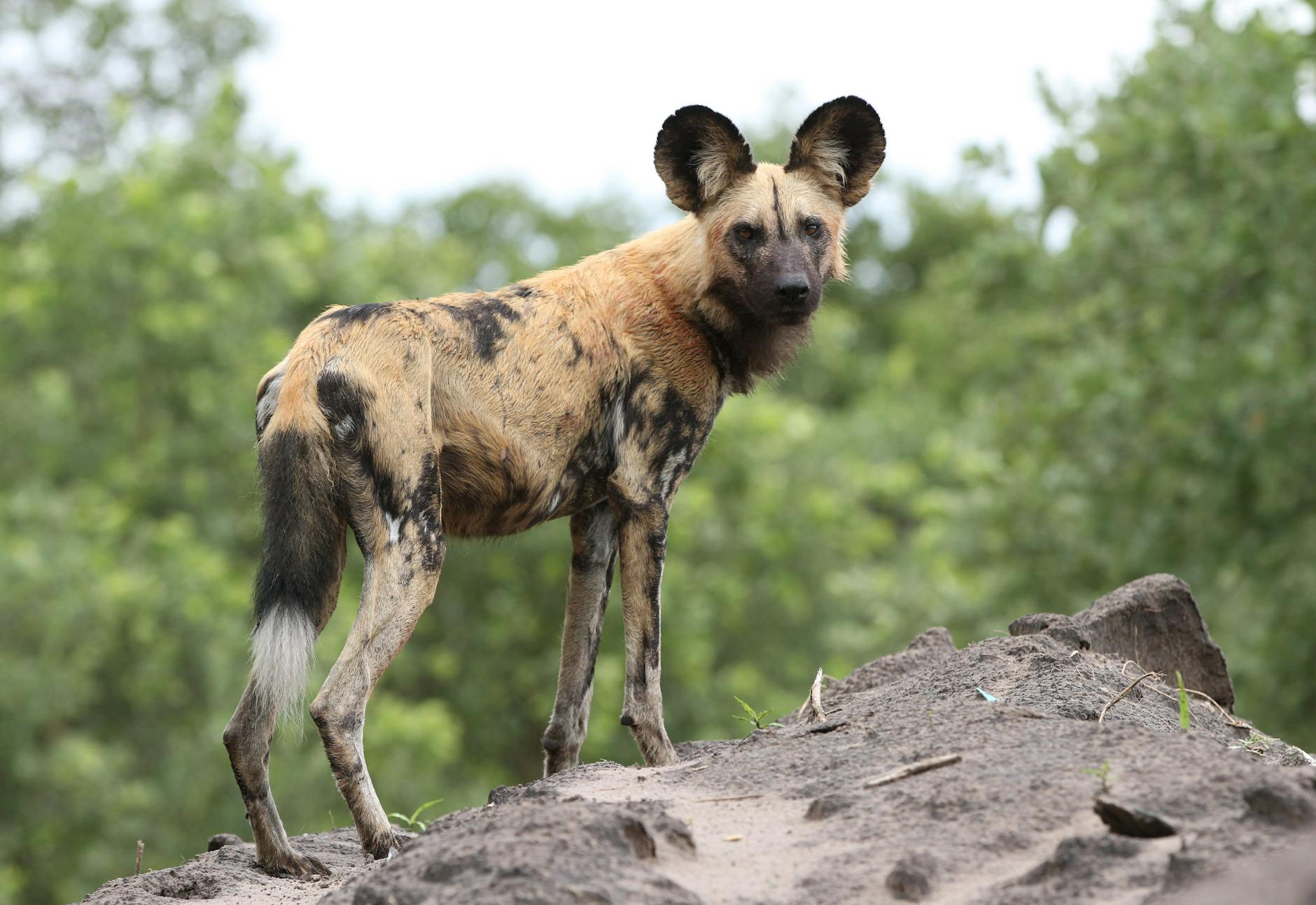
Laikipia is one of the most important strongholds for the African wild dog — the continent’s most endangered large carnivore, with fewer than 7,000 individuals remaining in the wild. The Samburu-Laikipia Wild Dog Project, operating across private and community lands, monitors several packs using radio collars and GPS technology, and some lodges offer guests the chance to participate in this groundbreaking work.
Tracking Wild Dogs
At lodges like Laikipia Wilderness Camp, guides carry telemetry receivers that can pick up the signal from collared wild dogs within a radius of several kilometres. When a signal is detected, you set out on foot or in a vehicle to locate the pack — an exhilarating pursuit that might involve driving off-road across open country, following the faint beep of the receiver until you crest a ridge and find a pack of painted wolves resting in the shade below. Wild dogs are among the most photogenic and behaviourally fascinating predators in Africa, and watching them interact as a group — playing, grooming, and preparing for a hunt — is a highlight of any Laikipia safari.
Lion and Cheetah Monitoring
In addition to wild dogs, several conservancies run lion and cheetah monitoring programmes that guests can join. At Loisaba Conservancy, conservation staff track individual lions using a combination of camera traps, GPS collars, and community reports, building detailed profiles of each animal’s movements and behaviour. Guests can accompany the team as they check camera traps, analyse data, and discuss the challenges of human-wildlife coexistence in an area where lions frequently come into contact with pastoral communities and their livestock.
Cultural Experiences and Community Tourism
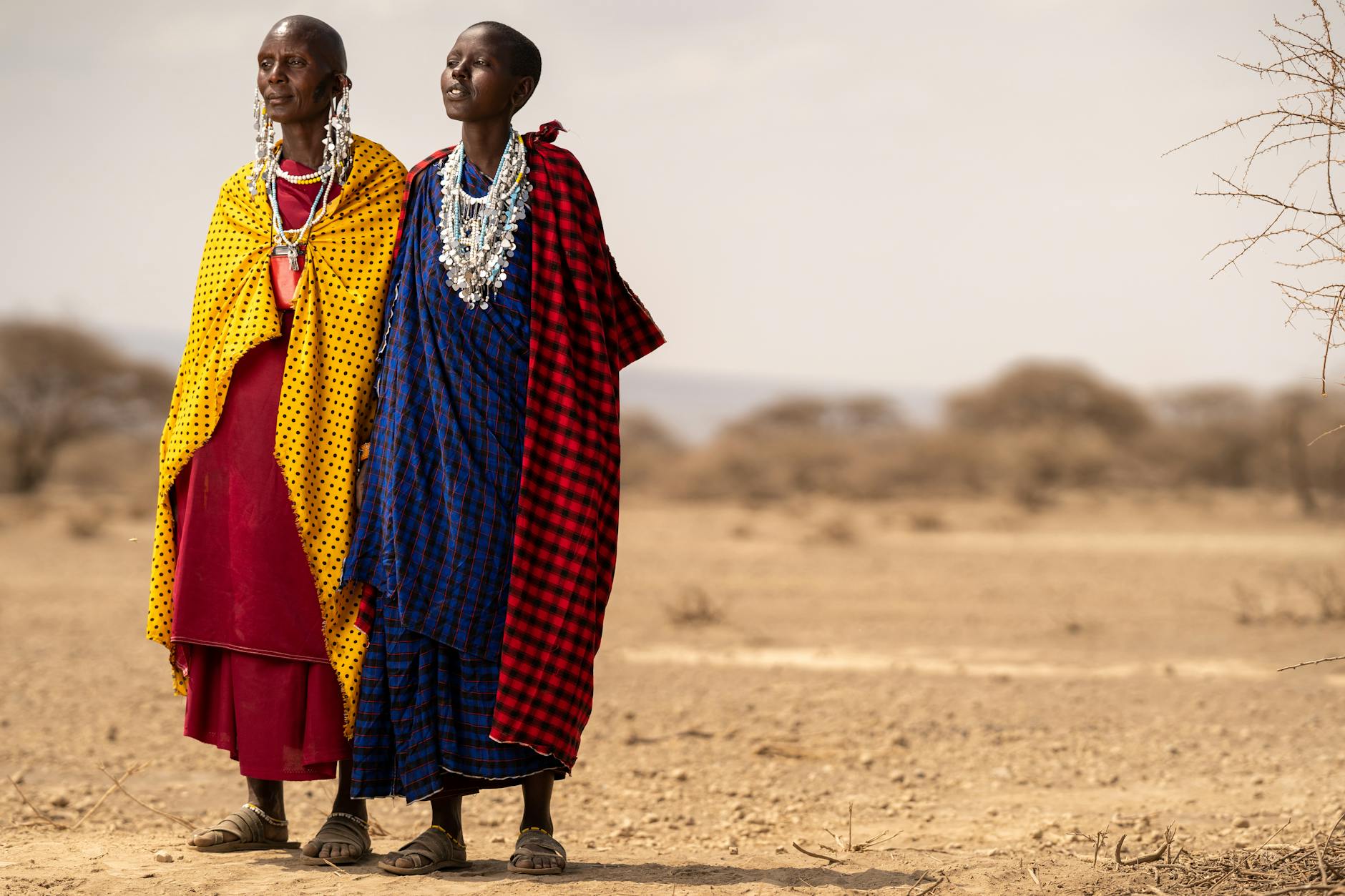
Laikipia is home to a rich tapestry of cultures, including the Samburu, Maasai, Pokot, and Mukogodo communities, each with distinct traditions, languages, and ways of life that have been shaped by centuries of coexistence with the land and its wildlife. Cultural experiences in Laikipia go far beyond the staged village visits that characterise some other parts of Kenya — here, community tourism is woven into the fabric of the conservancy model, with local people serving as guides, lodge staff, and conservation partners.
Samburu and Maasai Village Visits
Most lodges in Laikipia offer guided visits to nearby Samburu or Maasai communities, where you are welcomed into a traditional manyatta (homestead) and learn about daily life, cattle-herding practices, beadwork artistry, and the deep spiritual connection between these communities and the landscape they inhabit. At Il Ngwesi, Kenya’s first community-owned eco-lodge, Maasai warriors serve as your guides, sharing their knowledge of the bush, demonstrating traditional fire-making techniques, and explaining how tourism revenue has transformed their community’s access to healthcare and education.
Community-Owned Tourism Enterprises
Several community-owned enterprises in Laikipia offer authentic cultural experiences. Twala Cultural Manyatta, established in 1998 near the Ol Pejeta Conservancy, provides guided eco-walks including walking with baboons and walking with livestock through pastoral landscapes. Ol Gaboli Eco-Lodge, located on Il Motiok Group Ranch, holds the distinction of being the only tourism facility in Sub-Saharan Africa owned entirely by a women’s pastoralist group — a visit here is a powerful encounter with female empowerment in rural Kenya. Tassia Lodge, owned and run by the Lekurruki Community Conservancy, offers guests an intimate cultural immersion alongside world-class wildlife viewing.
Traditional Dance, Music, and Storytelling
Evening cultural performances are a regular feature at many Laikipia lodges. Samburu warriors perform the adumu — the famous jumping dance — while elders share stories about the origins of the land, the behaviour of animals, and the ancient agreements that govern the relationship between humans and wildlife. These are not rehearsed tourist performances but living expressions of a culture that continues to evolve, and participating in them offers a depth of connection that transforms a safari from a holiday into a genuinely life-changing experience.
Star Beds and Fly Camping: Sleeping Under the African Sky
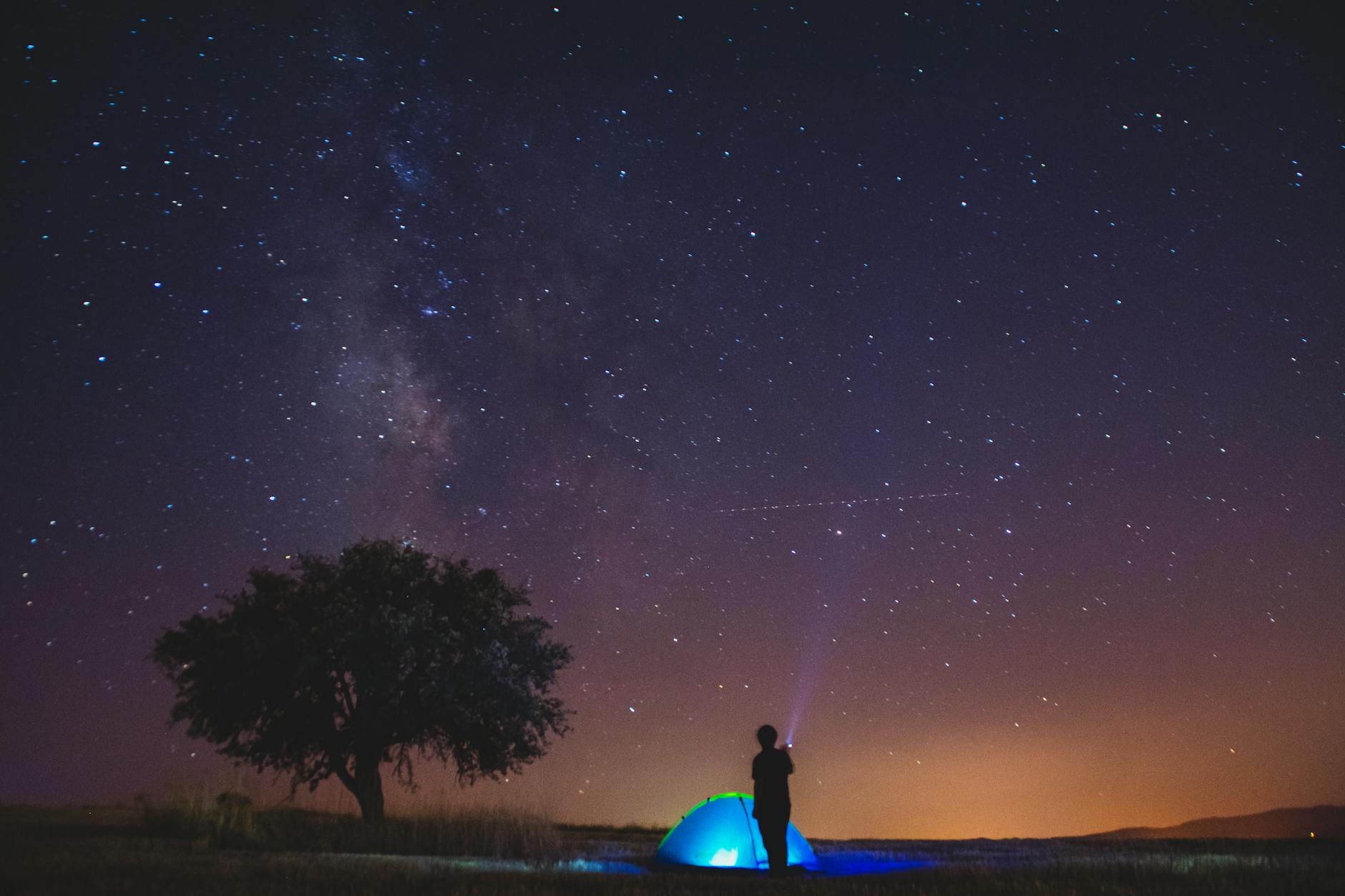
Few experiences anywhere in the world compare with falling asleep under the vast African sky, surrounded by the sounds of the bush — the distant roar of a lion, the chirp of crickets, the occasional cackle of a hyena. Laikipia offers two distinct ways to enjoy this extraordinary experience: star beds and fly camping.
Loisaba Starbeds
The Loisaba Starbeds are Laikipia’s most famous accommodation concept and one of the most iconic safari experiences in all of Africa. Located among a kopje of rocks overlooking the Kiboko Dam in the 58,000-acre Loisaba Conservancy, the starbeds consist of hand-carved wooden platforms on wheels that can be rolled out from under a thatched roof onto an open deck. You climb into a sumptuous bed with layers of blankets and a mosquito net, and as the roof slides away, the entire Milky Way unfolds above you. Wildlife comes to drink at the dam below — you might fall asleep to the sound of elephants splashing in the water or wake to find a herd of buffalo grazing just metres from your bed.
By day, Loisaba offers game drives, bush walks, horseback safaris, mountain biking, fishing at the dam, and cultural visits to nearby Samburu communities. The combination of the starbeds experience with the conservancy’s exceptional wildlife viewing makes this one of the most sought-after safari destinations in East Africa.
Fly Camping Adventures
Fly camping strips the safari experience down to its most elemental form. You walk or drive to a remote location in the bush where a simple camp has been prepared — typically a bedroll on a groundsheet, a campfire, a bush shower fashioned from a canvas bag, and nothing else between you and the wild. Your guide prepares dinner on open coals, you sit around the fire sharing stories under a sky filled with more stars than you have ever seen, and you drift off to sleep with the sounds of the African night as your soundtrack.
Laikipia Wilderness Camp is the region’s specialist in fly camping, offering fully supported expeditions where you walk to a fly camp set up exclusively for your group. The experience is both thrilling and profoundly peaceful — the simplicity of it forces you to be present in a way that even the finest luxury lodge cannot replicate. El Karama Lodge offers a variation with raised hammock tents that keep you safely above the ground while still immersed in the bush.
Mountain Biking and Cycling Safaris
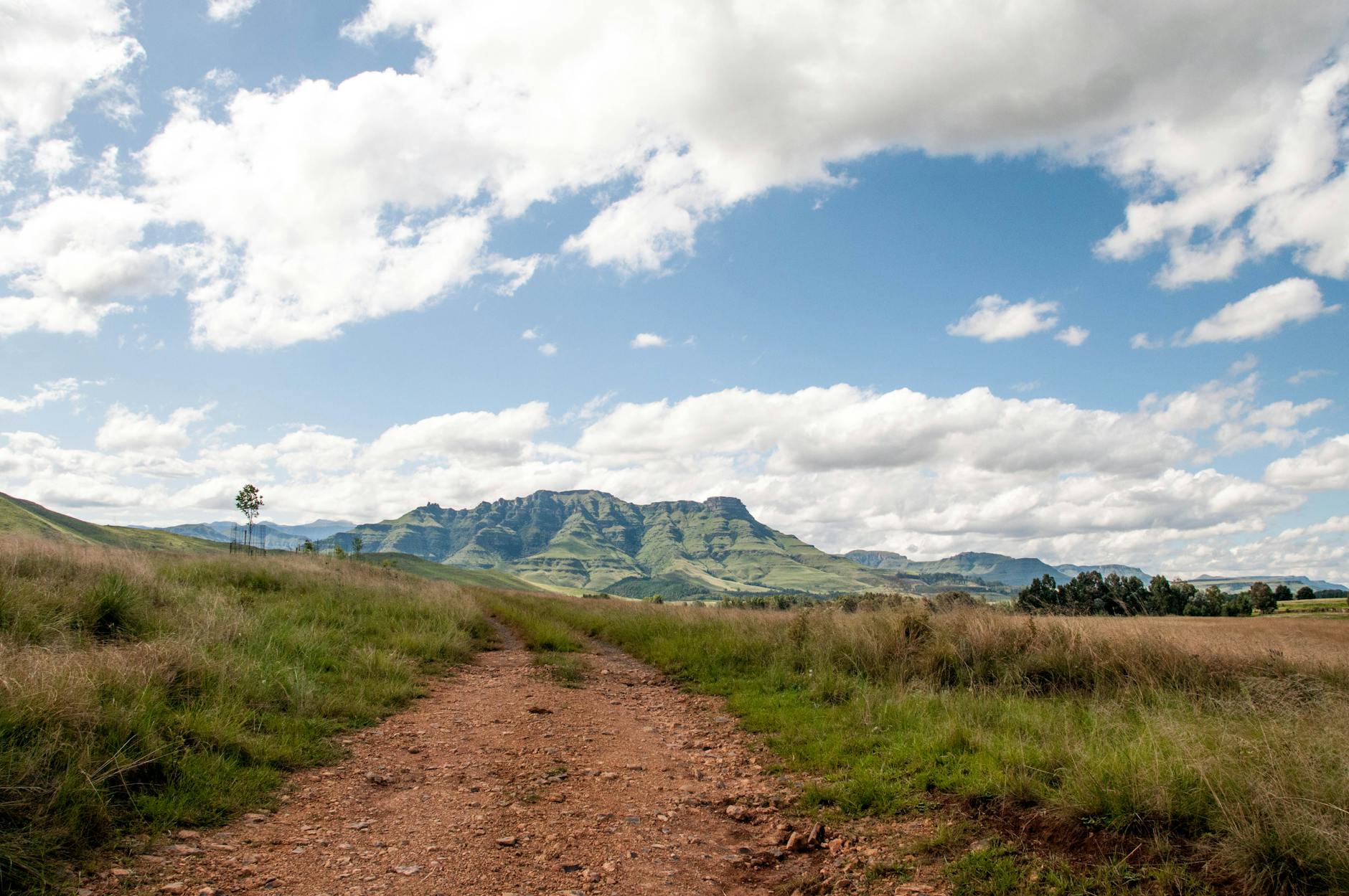
Mountain biking is a relatively new but rapidly growing activity in Laikipia, and the region’s terrain is ideally suited to it. The largely flat to gently undulating landscape of the plateau, combined with a network of ranch tracks and game trails, provides hundreds of kilometres of riding through some of East Africa’s most spectacular scenery.
Where to Ride
Loisaba Conservancy has developed one of Laikipia’s best mountain biking programmes, with well-maintained bikes and trails that wind through acacia woodland, across open grasslands, and along ridge lines with sweeping views of the northern frontier. Rides are guided and accompanied by armed rangers, and encounters with wildlife — giraffes, zebras, warthogs, and occasionally elephants — are common. The thrill of cycling through open country with wildlife visible in every direction is quite unlike any other mountain biking experience on earth.
Ol Pejeta Conservancy also offers cycling within the conservancy boundaries, providing a unique way to explore the landscape and encounter wildlife at a pace that falls between driving and walking. Several other lodges, including Laikipia Wilderness Camp and Sosian Lodge, can arrange mountain biking on request.
What to Expect
Rides typically last two to four hours and cover 15 to 30 kilometres, depending on terrain and your fitness level. Routes are chosen to maximise wildlife encounters while avoiding areas with dangerous game concentrations. Hard-tail mountain bikes are standard, and helmets are mandatory. Early morning rides are particularly rewarding, as the cool air, golden light, and active wildlife create an unforgettable experience.
Helicopter and Scenic Flights
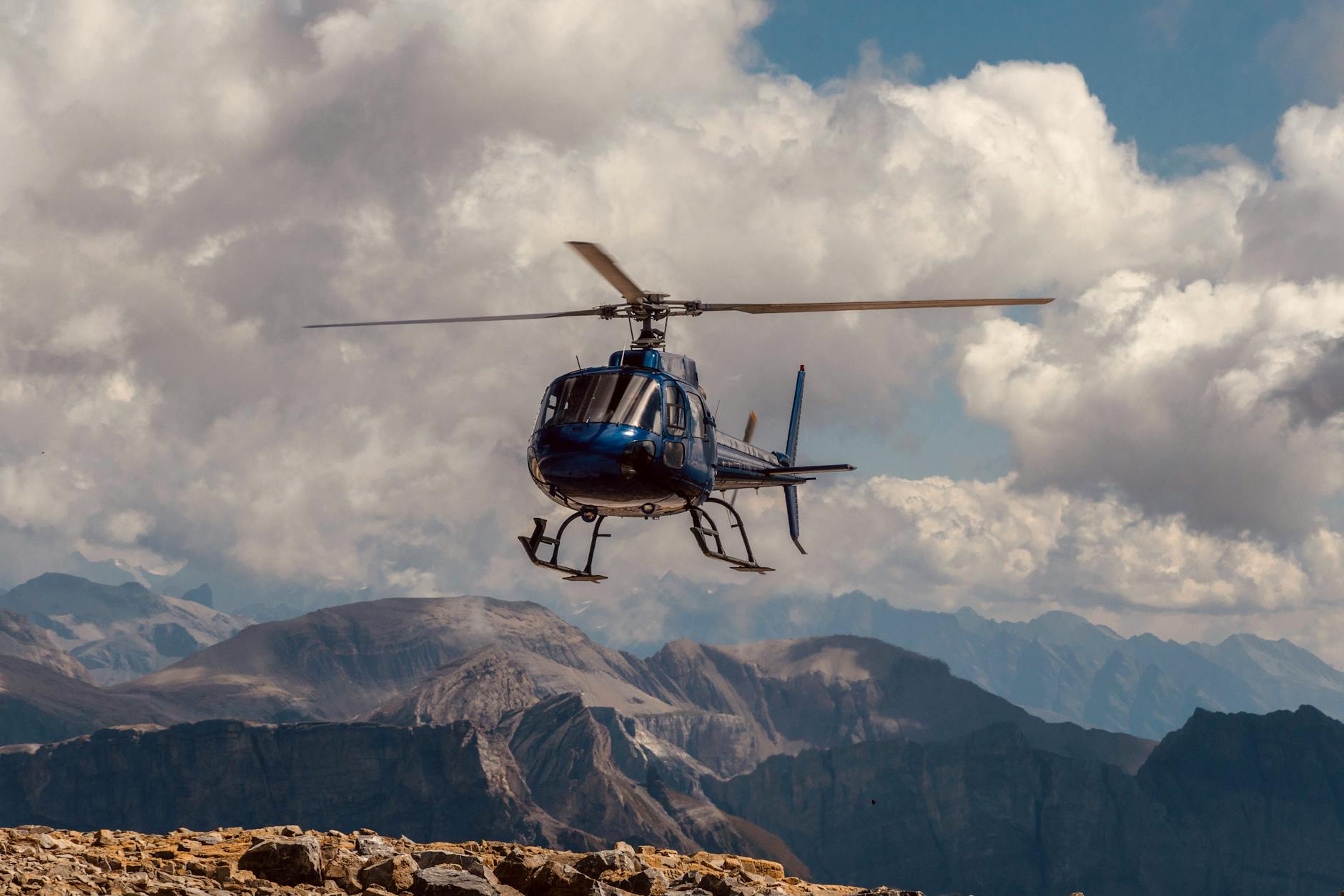
For a truly spectacular perspective on Laikipia’s landscapes, scenic helicopter flights offer an experience that is impossible to replicate from the ground. Taking off from the plateau, you soar over a patchwork of conservancies, ranches, and wild river valleys before climbing towards the snow-capped peaks of Mount Kenya or sweeping north across the arid frontier towards Lake Turkana.
Mount Kenya Flights
Helicopter flights from Laikipia lodges typically circle the peaks of Mount Kenya, Africa’s second-highest mountain, passing over glaciers, alpine moorlands, and the dramatic volcanic formations of Batian and Nelion. Some operators land at high-altitude alpine lakes like Lake Alice or Lake Ellis, where you can enjoy a bush breakfast and trout fishing at over 4,000 metres before flying back to the warmth of the plateau — an experience that compresses an extraordinary range of landscapes into a single morning.
Rift Valley and Northern Frontier Flights
Flights towards the Great Rift Valley reveal the dramatic escarpment that marks Laikipia’s western edge, with views across Lake Baringo and Lake Bogoria to the volcanic peaks beyond. Northern frontier flights trace the course of the Ewaso Nyiro River through increasingly arid country towards Samburu, offering aerial views of elephant herds, hippo pods, and the meandering riverine forests that sustain wildlife across an otherwise parched landscape. Some operators offer full-day helicopter safaris that include landing at remote locations for bush lunches, game walks, and cultural encounters that would be impossible to reach by road.
Birdwatching and Birding Safaris
Laikipia’s position at the intersection of several ecological zones — from Afro-montane forest on the slopes of Mount Kenya to semi-arid savanna in the north — makes it one of the most rewarding birding destinations in East Africa. Over 540 bird species have been recorded in the region, including a rich mix of highland, savanna, and semi-arid specialists that reflects the diversity of habitats packed into a relatively small area.
Serious birders will want to explore the complete Laikipia birdwatching guide for detailed species lists and seasonal information, but for general visitors, the birdlife adds a vivid layer of colour and sound to every activity. From the iridescent flash of a lilac-breasted roller to the ground-shaking boom of a Kori bustard, birds are an integral part of the Laikipia experience. Many lodges employ guides with specialist birding knowledge, and dedicated birding walks or drives can be arranged at most properties.
Fishing, Swimming, and Water-Based Activities
While Laikipia is primarily a land-based safari destination, several properties offer water-based activities that provide a refreshing counterpoint to dusty game drives. Loisaba Conservancy has a dam where guests can fish for tilapia and catfish, and several lodges maintain swimming pools or natural rock pools for cooling off during the heat of the day.
At higher-altitude locations near the slopes of Mount Kenya, trout fishing is available in cool mountain streams — a legacy of the colonial era when British settlers introduced brown and rainbow trout to Kenya’s highland rivers. The Timau and Nanyuki rivers both offer fly-fishing opportunities within easy reach of Laikipia lodges.
Laikipia Wilderness Camp offers river-based activities along the Ewaso Narok, including rope swinging, waterfall jumping, and swimming in natural pools — adrenaline-fuelled pursuits that add a dash of adventure to an already action-packed itinerary. Kayaking and rafting are also available at selected locations along the region’s rivers during periods of higher water.
Bush Dining, Sundowners, and Romantic Experiences
Laikipia’s lodges have elevated outdoor dining into an art form, with bush breakfasts, sundowner cocktails, and candlelit dinners under the stars that transform meals into unforgettable events. At properties like Sirikoi Lodge and Lewa Safari Camp, guests are treated to surprise bush breakfasts set up in scenic locations — perhaps beside a waterhole where elephants are drinking, or on a rocky outcrop overlooking the vast Laikipia plains stretching to the horizon. The combination of fine cuisine, impeccable service, and the raw beauty of the African landscape creates an experience that no restaurant in the world can match.
Sundowner cocktails are a cherished Laikipia tradition. As the golden afternoon light begins to soften and the sky transforms through shades of orange, pink, and deep violet, your guide will find a perfect vantage point — often a hilltop kopje or a bend in the river — where a table has been set with cold drinks and snacks. You watch the sun sink behind the mountains while the bush comes alive around you: herds of elephants silhouetted against the sunset, birds returning to roost in the acacia trees, and the first stars appearing overhead. These moments are among the most magical that any safari destination can offer, and they cost nothing beyond your lodge rate.
For couples, Laikipia offers some of Africa’s most romantic safari experiences. Private bush dinners can be arranged at most lodges, with a table for two set under a canopy of stars, lit by hurricane lamps and campfire glow. Many properties also offer special honeymoon packages that combine starbed experiences, private game drives, spa treatments, and romantic dining in secluded bush settings. The intimate scale of Laikipia’s camps — many have fewer than ten rooms — ensures a level of privacy and personal attention that mass-market safari destinations cannot provide.
Family-Friendly Activities in Laikipia
Laikipia is one of the best safari destinations in Africa for families, and many lodges have developed dedicated programmes that cater specifically to younger visitors. Unlike some national parks where children face age restrictions on activities, Laikipia’s private conservancies offer the flexibility to tailor experiences to suit all ages. If you are planning a trip with children, explore our detailed Laikipia family safari guide for age-specific recommendations.
Activities that are particularly popular with families include short camel rides, guided nature walks focused on tracking and insect identification, junior ranger programmes where children learn bush skills from Samburu or Maasai guides, behind-the-scenes visits to conservation projects like Ol Pejeta’s rhino sanctuary, and creative workshops including beadwork, fire-making, and archery. Many lodges also offer child-friendly game drives in specially adapted vehicles with elevated viewing platforms and experienced family guides who know how to keep children engaged.
Planning Your Laikipia Activities: Practical Tips
Best Time for Different Activities
Laikipia offers year-round activities, but the timing of your visit can influence which experiences are at their best. The dry seasons — June to October and January to March — are ideal for game drives and predator tracking, as animals concentrate around permanent water sources and the sparse vegetation makes wildlife easier to spot. Walking safaris and horseback rides are most comfortable during the cooler dry months of June to September, when daytime temperatures on the plateau hover around 25°C. The green season — April to May and November — brings lush landscapes, dramatic skies, and excellent birding, with the added benefit of lower rates and fewer visitors. For detailed seasonal planning, consult our guide to the best time to visit Laikipia.
How to Combine Activities
One of the great strengths of Laikipia is the ability to combine multiple activities within a single trip. A typical five-night itinerary might include morning and afternoon game drives, a half-day walking safari, a horseback ride, a cultural village visit, a night drive, and either a fly camping night or a starbed experience. Most lodges will help you build a custom activity schedule based on your interests, and many offer all-inclusive rates that cover all activities.
For the most varied experience, consider splitting your stay between two or three conservancies. A combination of Ol Pejeta (for rhino conservation and the Big Five), Loisaba (for starbeds, mountain biking, and horseback riding), and a community conservancy like Il Ngwesi or Lekurruki (for cultural immersion) will give you a comprehensive taste of everything the region has to offer.
Activity Costs and What Is Included
Most Laikipia lodges operate on an all-inclusive basis, with game drives, walking safaris, and basic cultural activities included in the nightly rate. Specialist activities such as horseback riding, camel trekking, fly camping, helicopter flights, and mountain biking may incur additional charges. For detailed pricing information, see our Laikipia safari costs guide. As a general guide, expect to pay $30-50 per person for a short camel ride, $100-200 for a half-day horseback safari, $150-300 per person for a fly camping night, and $500-2,000 per hour for helicopter flights depending on the aircraft and route.
How to Get to Laikipia
Laikipia is accessible by road from Nairobi (approximately 4-5 hours via the Nanyuki road) or by scheduled or charter flights from Nairobi’s Wilson Airport to airstrips at Nanyuki, Lewa Downs, Loisaba, and other conservancy locations. For comprehensive travel planning information, including transport options and visa requirements, see our full Laikipia travel planning guide.
Beyond the Ordinary: Unique Laikipia Experiences
What makes Laikipia truly special is the unexpected — those experiences that you will not find in any guidebook and that emerge organically from the landscape, the wildlife, and the people who call this place home. A sunrise yoga session on the edge of an escarpment with views stretching to the Aberdare Mountains. A bush breakfast served on white linen in the middle of the savanna, with giraffes browsing in the background. Sundowner cocktails on a rocky kopje as the sun sets behind Mount Kenya, painting the sky in shades of amber and violet. A conversation with a Samburu elder about the changing patterns of rainfall and the migration of elephants, infused with decades of accumulated wisdom that no scientific paper could capture.
These are the moments that define a Laikipia safari — moments that are impossible to schedule, difficult to describe, and unforgettable once experienced. They are the reason that travellers who visit Laikipia once almost always return, and the reason that this extraordinary corner of Kenya continues to grow in reputation as one of Africa’s finest safari destinations.
Laikipia is not just a place to see wildlife — it is a place to connect with it, to understand it, and to play an active role in its protection. Every activity you undertake here contributes directly to the conservation of the landscape and the livelihoods of the communities who share it. That is the promise of a Laikipia safari, and it is a promise that is kept with every sunrise, every footstep, and every encounter with the wild.
Ready to start planning your Laikipia adventure? Explore our complete Laikipia Kenya guide for everything you need to know, from safari planning and conservancy guides to accommodation recommendations.
Leave a Reply