Last updated: June 2026
Nanyuki today is a bustling safari hub, but scratch the surface and you’ll find a town with a remarkable story — one that runs from Maasai grazing lands through colonial settlement, a railway terminus, wartime garrison and a still-active British army base, to the global glamour of a 1950s Hollywood-founded safari club. Understanding the history of Nanyuki adds real depth to a visit, explaining the town’s distinctive character, its mix of cultures, and how this highland settlement at the foot of Mount Kenya became the gateway to Laikipia. This guide traces Nanyuki’s journey from colonial outpost to modern safari town.
For travellers who like to understand the places they visit, Nanyuki’s past is genuinely fascinating — here’s the story behind the town you’ll explore.
Before the Town: The Land and Its People
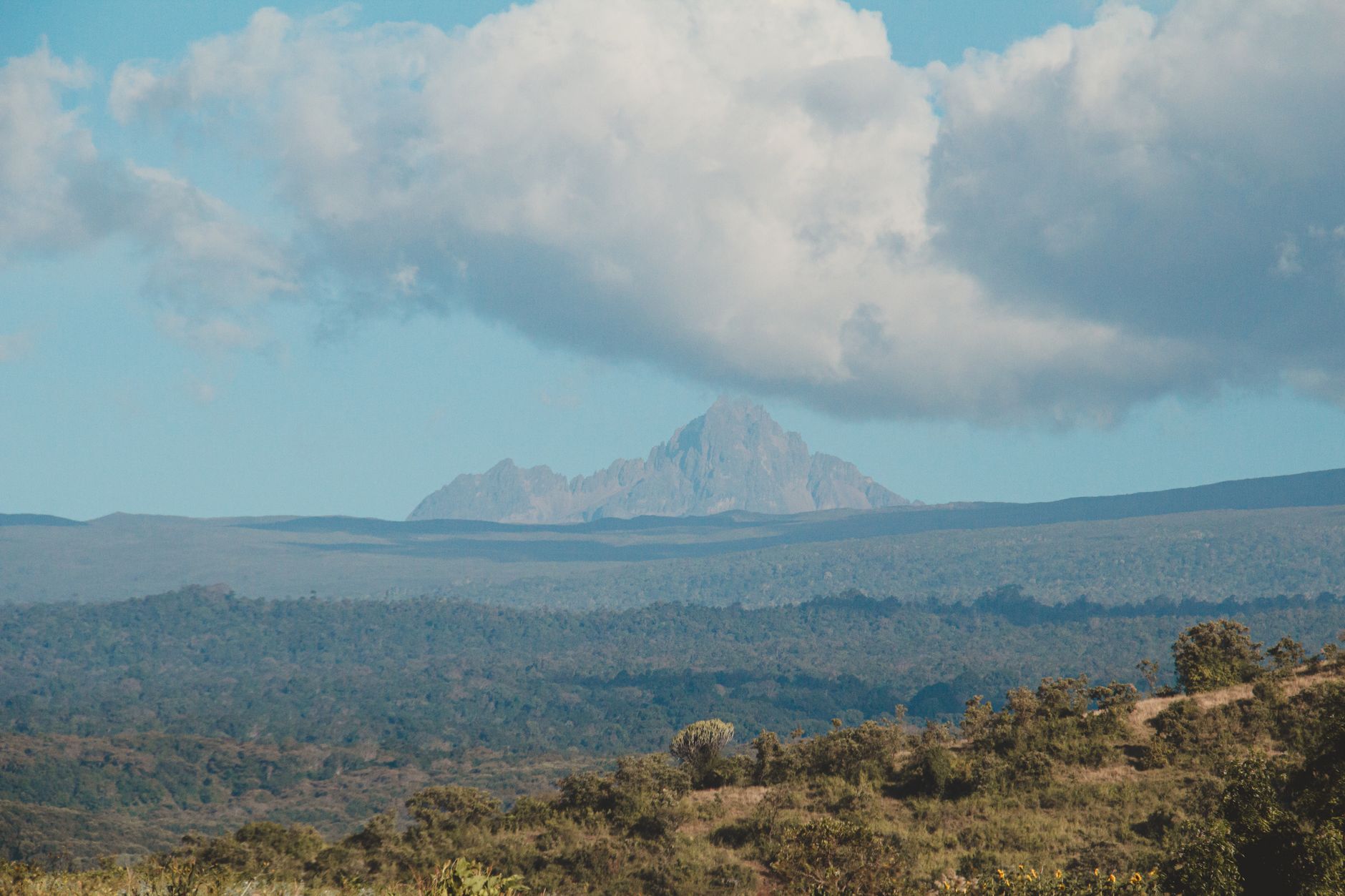
Long before any town existed, the high plains around present-day Nanyuki, at the foot of Mount Kenya, were the domain of Kenya’s pastoralist and farming peoples. The wider Laikipia plateau was grazing land used by Maasai and other communities, and the mountain itself, Kirinyaga, was sacred to the Kikuyu, who regarded it as the dwelling of God. The name “Nanyuki” itself derives from the Maa language, referring to the reddish-brown colour of the local river water. This deeper indigenous history — the peoples, the sacred mountain, the grazing lands — predates and underlies everything that followed, and is part of the fuller story told in our guide to the history of Laikipia and its peoples and cultures.
Colonial Settlement (1907 Onwards)
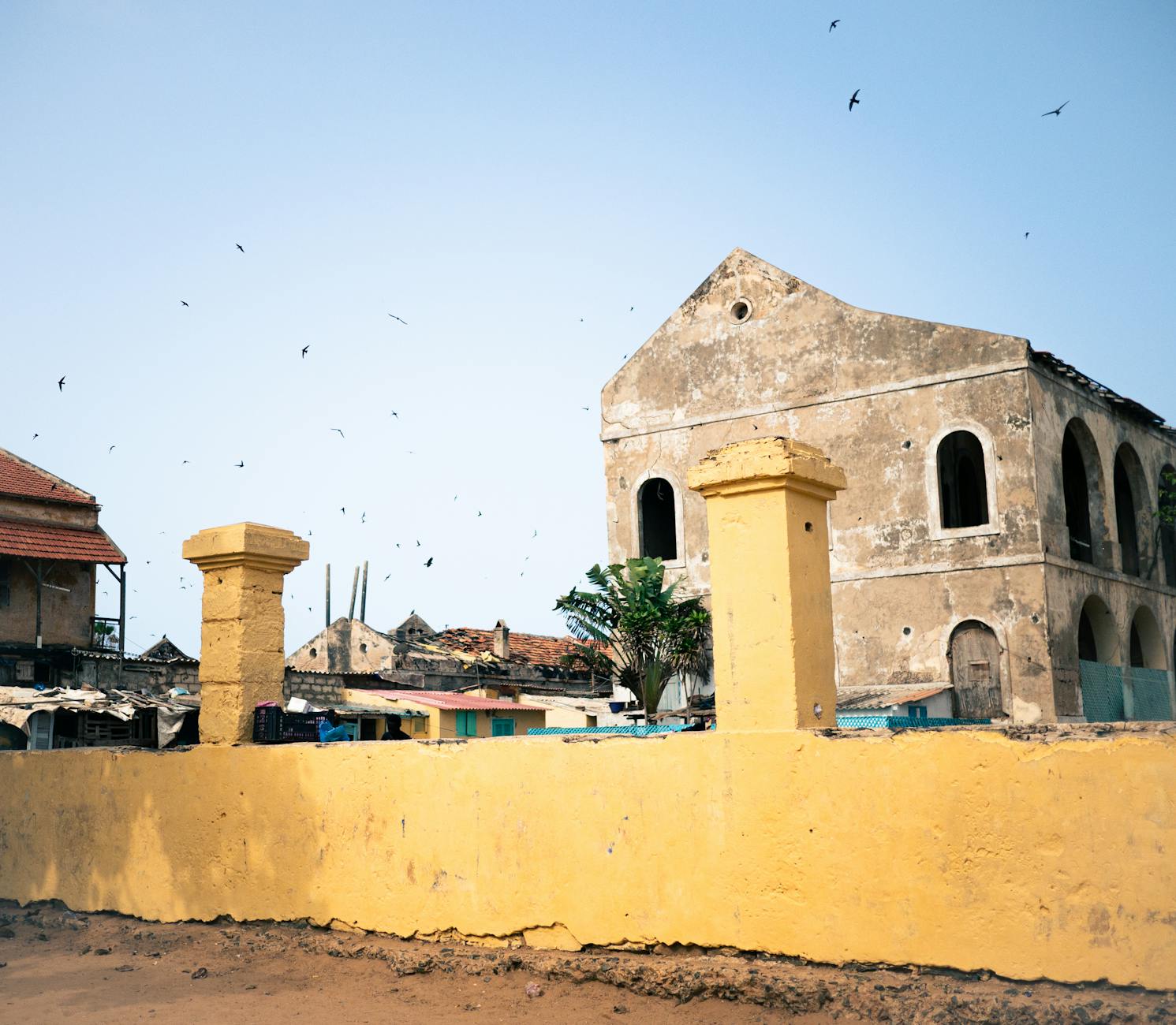
Nanyuki’s modern history begins in the early twentieth century. The town was founded around 1907 by British settlers, as Britain opened the Laikipia plateau to European settlement and a small outpost grew at the foot of Mount Kenya. In the years around and after the First World War, ex-soldiers, aristocrats and adventurers came to carve out farms and ranches in the highlands — building, as one account puts it, a kind of “miniature England in the tropics.” Figures like Major Charles Paice helped define the early district. This colonial settler era shaped Nanyuki’s early character and left a legacy still visible in some of its older buildings, institutions and the surrounding ranch lands that later became the conservancies. It was the foundation on which the town grew.
The Railway Arrives
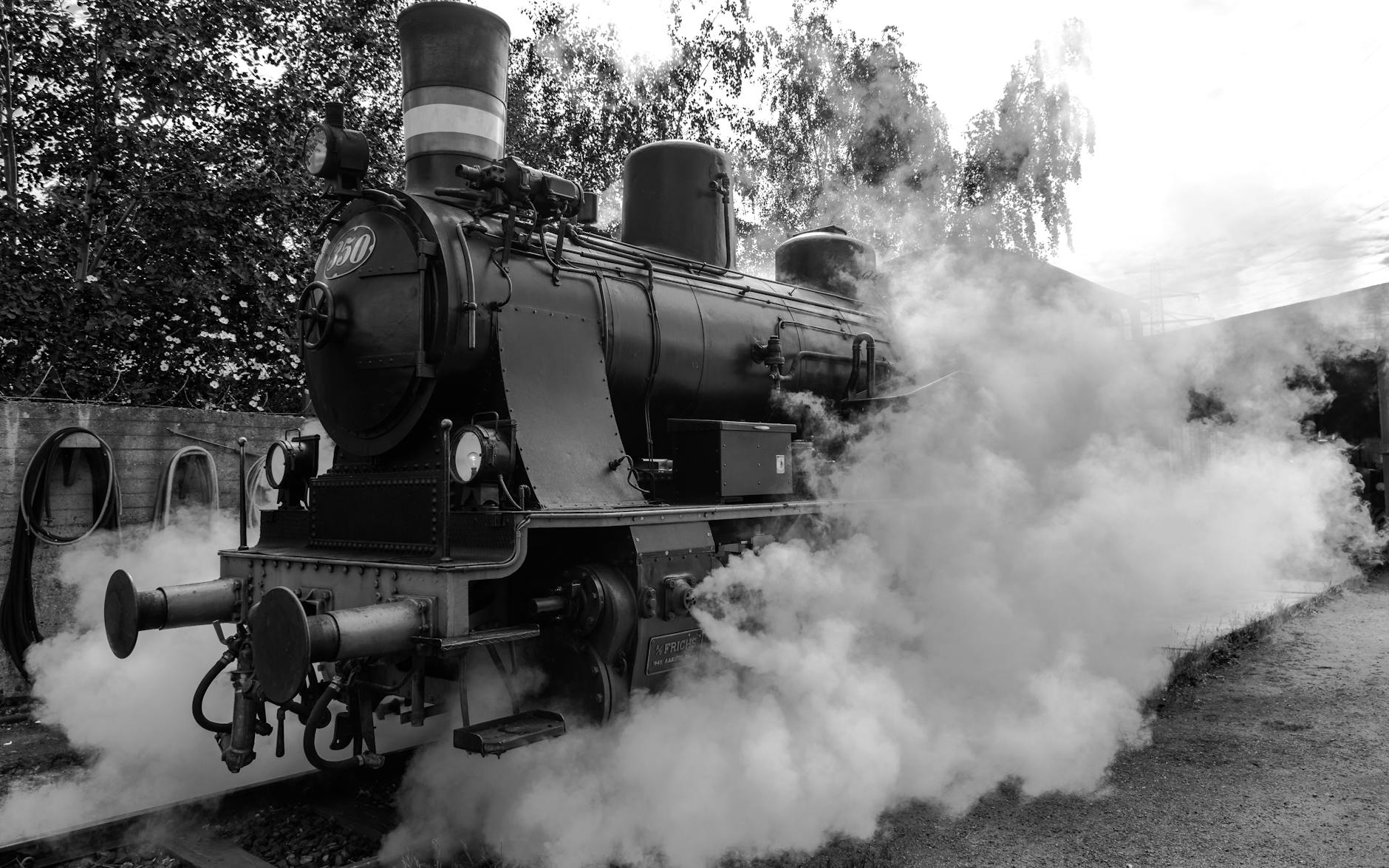
The turning point that made Nanyuki a real town was the railway. The branch line from Nairobi reached Nanyuki around 1930–31, transforming the isolated settlement into the main trading terminal of the region. Suddenly Laikipia’s farmers could export their wool, meat and produce to the national market, and goods and people could flow in. The railway made Nanyuki the commercial heart of the plateau, cementing its role as the regional hub — a role it retains today, even though the line’s heyday has passed. The arrival of the railway is the moment Nanyuki shifted from a remote outpost to a connected, growing town, and it underpinned the economic life of the whole district for decades.
The Military Connection
Nanyuki has a long and continuing military history. In the colonial era, the town hosted a garrison of the King’s African Rifles, charged with securing Kenya’s northern frontier, and during the Mau Mau uprising of the 1950s it served as a logistical rear base for British operations. After Kenya gained independence in 1963, the military link endured in a new form: the British Army Training Unit Kenya (BATUK) was established just outside town and remains one of the largest foreign military training facilities in East Africa, with British soldiers a familiar presence in Nanyuki to this day. This enduring military connection has shaped the town’s economy, demographics and atmosphere, contributing to its cosmopolitan, slightly unusual character among Kenyan towns.
The Mount Kenya Safari Club and the Glamour Years
In 1959, Nanyuki acquired a touch of international glamour when the Mount Kenya Safari Club was founded just outside town by the Hollywood actor William Holden and his partners. The club became a byword for exclusive safari leisure, drawing celebrities, royalty and the global jet set to the foot of Mount Kenya, and putting Nanyuki on the map of luxury travel. This era marked the beginning of Nanyuki’s identity as a high-end safari destination, a reputation that grew as the surrounding ranches evolved into the world-class conservancies of today. The Safari Club still operates, a grand reminder of the town’s glamorous mid-century chapter, and a tangible link between Nanyuki’s past and its present role as the gateway to Laikipia.
Nanyuki Today: Gateway to Laikipia
Modern Nanyuki is a vibrant, growing town that wears all these layers of history. It’s the bustling commercial and logistical hub of Laikipia — the place visitors arrive, provision and pass through on the way to the conservancies — with a lively mix of Kenyan town life, a long-standing expatriate and conservation community, the military presence, and a steady flow of safari-goers. Its restaurants, shops, services and accommodation reflect this cosmopolitan blend. From sacred mountain and grazing land, through colonial settlement, railway terminus and garrison, to glamorous safari club and modern gateway town, Nanyuki’s history has produced a place quite unlike anywhere else in Kenya — which is exactly what makes it such an interesting base for exploring the plateau, as our Nanyuki guide explores.
Tracing the History on a Visit
You can still glimpse Nanyuki’s past as you explore. Older colonial-era buildings and institutions, the grand Mount Kenya Safari Club, the railway heritage, the visible military presence, and the equator that defines the town’s identity all tell parts of the story. Chatting with long-time residents, visiting the Spinners and Weavers, and simply observing the cosmopolitan mix of the town brings the history to life. Pairing this background with a visit deepens your appreciation of Nanyuki beyond a place to eat and shop — you start to see the layers of settlement, commerce, conflict and glamour that built it. For history-minded travellers, understanding how Nanyuki came to be makes the town a richer, more rewarding part of a Laikipia trip.
The Mau Mau Years and Independence
The 1950s brought turbulent times to Nanyuki and the wider highlands during the Mau Mau uprising, the armed struggle against British colonial rule. Given its strategic position at the foot of Mount Kenya — a key area in the conflict — and its existing garrison, Nanyuki served as a logistical rear base for British military operations during the emergency. The surrounding forests and the mountain itself were significant in the wider campaign. This period was a difficult and formative chapter in the region’s history, part of the long road to Kenyan independence, which finally came in 1963. The end of colonial rule reshaped the town and the surrounding lands, beginning a transition from settler farms toward the Kenya of today. Understanding this era adds important depth and balance to Nanyuki’s story, acknowledging the struggle and change beneath the town’s pleasant present-day surface, and connecting it to the national history explored in our guide to the history of Laikipia.
From Settler Ranches to World-Class Conservancies
One of the most significant threads in Nanyuki’s modern history is the transformation of the vast colonial-era ranches into the wildlife conservancies that define Laikipia today. After independence, the great settler ranches around Nanyuki — established in the early twentieth century for cattle, sheep and wheat — gradually evolved. Over the following decades, many shifted from pure livestock production toward wildlife conservation and tourism, recognising the extraordinary value of Laikipia’s biodiversity and the need to protect it. Properties that were once private ranches became the renowned conservancies of today — places like Ol Pejeta, which now safeguards rhino and the last northern white rhinos on land that was once a cattle ranch. This evolution, blending conservation, community benefit and tourism, is central to modern Laikipia’s identity and success, and it’s a direct legacy of the land-use history that began in the colonial settlement era. Nanyuki sits at the heart of this remarkable transformation.
Nanyuki’s Architectural and Cultural Heritage
Traces of Nanyuki’s layered past are visible in its buildings and institutions if you know where to look. Older colonial-era structures around the town centre — shops, the railway-era buildings, churches and the long-standing Sportsman’s Arms Hotel — speak to the early settler decades. The grand Mount Kenya Safari Club, just outside town, preserves the glamour of the 1950s in its architecture and grounds. The railway heritage, though the line’s heyday has passed, remains part of the town’s fabric and explains its very layout and location. The Nanyuki Spinners and Weavers cooperative carries forward a craft tradition. Together with the visible military presence and the cosmopolitan mix on the streets, these elements make Nanyuki a town where history is tangible rather than confined to museums. Wandering the centre with an eye for the older buildings, and visiting the Safari Club and the equator, lets you read the town’s story in its physical fabric — a rewarding way to appreciate how Nanyuki came to be.
The People Who Shaped Nanyuki
Nanyuki’s character was forged by a remarkable cast of peoples and individuals. Long before the town, the area belonged to Kenya’s pastoralist and farming communities, with Mount Kenya sacred to the Kikuyu — a heritage that still underlies the region (see our guide to Laikipia’s peoples and cultures). The colonial era brought British settlers, ex-soldiers, aristocrats and adventurers who built farms and ranches and gave the town its early settler stamp. The military — from the King’s African Rifles to today’s British army at BATUK — added another community and shaped the town’s economy and atmosphere. And figures like the Hollywood actor William Holden, who co-founded the Mount Kenya Safari Club in 1959, brought international glamour. Today’s Nanyuki blends all of these: Kenyan town-dwellers and traders, expatriates and conservationists, soldiers and safari-goers. This unusual human mix, accumulated over more than a century, is exactly what gives the town its distinctive, cosmopolitan character among Kenyan towns.
Why Nanyuki’s History Still Matters Today
Far from being mere background, Nanyuki’s history actively shapes the town you visit. The colonial settlement and railway explain why the town exists and where; the military connection explains the British soldiers you’ll see and much of the local economy; the ranching past explains the conservancies that are now Laikipia’s glory and the reason most visitors come; and the Safari Club era explains the town’s identity as a high-end safari gateway. Even the cosmopolitan mix of people on the streets — Kenyan, expatriate, military, international — is a direct product of this layered past. Knowing the history transforms Nanyuki from a convenient stopover into a place you can read and understand, where every layer tells part of the story of how a sacred mountain’s grazing lands became modern Kenya’s premier conservation region. For thoughtful travellers, this depth is exactly what makes the town, and the wider plateau, so endlessly interesting to explore.
Nanyuki’s Place in Kenya’s Wider Story
Zoom out, and Nanyuki’s history is really a microcosm of Kenya’s own. The sacred mountain and pastoralist grazing lands speak to the country’s deep indigenous heritage; the colonial settlement, railway and ranching reflect the era of British rule and the opening of the highlands; the King’s African Rifles, the Mau Mau years and independence in 1963 mirror the national struggle for freedom; and the transformation of settler ranches into community-benefiting conservancies embodies modern Kenya’s pioneering approach to conservation. Even the enduring British military presence and the international glamour of the Mount Kenya Safari Club reflect Kenya’s ongoing global connections. In this one highland town you can trace the arc from pre-colonial Africa, through the colonial century and the fight for independence, to a confident modern nation that has become a world leader in wildlife conservation. That is what makes Nanyuki such a rewarding place for the historically curious — it’s not a backwater but a place where the big themes of Kenya’s past and present are written into the streets, the land and the people.
Frequently Asked Questions
What is BATUK in Nanyuki?
BATUK is the British Army Training Unit Kenya, established just outside Nanyuki after Kenya’s independence in 1963. It remains one of the largest foreign military training facilities in East Africa, continuing a military presence that dates to the colonial-era King’s African Rifles garrison. British soldiers are a familiar sight in town, and the base shapes the local economy and character.
Can you visit the Mount Kenya Safari Club?
Yes — the Mount Kenya Safari Club, founded in 1959 by Hollywood actor William Holden and partners just outside Nanyuki, still operates as a hotel and you can stay or dine there. It’s a grand, historic reminder of the town’s glamorous mid-century chapter and a tangible link to its past as a high-end safari destination.
Was Nanyuki involved in the Mau Mau uprising?
Yes. During the 1950s Mau Mau uprising, Nanyuki — strategically positioned at the foot of Mount Kenya, a key area in the conflict — served as a logistical rear base for British military operations. The surrounding forests and the mountain itself were significant in the wider campaign, making it a difficult but formative period in the town’s history.
What historic buildings can you see in Nanyuki?
Look for colonial-era structures around the town centre, including railway-era buildings, older shops and churches, and the long-standing Sportsman’s Arms Hotel. Just outside town, the grand Mount Kenya Safari Club preserves 1950s glamour. Together with the equator and the visible military presence, these let you read the town’s layered history in its physical fabric.
When was Nanyuki founded?
Nanyuki was founded around 1907 by British settlers, as Britain opened the Laikipia plateau to European settlement and an outpost grew at the foot of Mount Kenya. It developed into a real town after the railway from Nairobi arrived around 1930–31, making it the region’s main trading terminal.
What does the name “Nanyuki” mean?
The name derives from the Maa language and refers to the reddish-brown colour of the local river water. This indigenous name reflects the area’s deeper history as grazing land for pastoralist peoples, long before the colonial town was established at the foot of the sacred Mount Kenya.
Why is there a British army base in Nanyuki?
Nanyuki has a long military history dating to the colonial-era King’s African Rifles garrison. After Kenya’s independence in 1963, the British Army Training Unit Kenya (BATUK) was established just outside town and remains one of the largest foreign military training facilities in East Africa, making British soldiers a familiar presence and shaping the town’s character.
What is the Mount Kenya Safari Club’s history?
The Mount Kenya Safari Club was founded in 1959 just outside Nanyuki by Hollywood actor William Holden and partners. It became a byword for exclusive safari leisure, drawing celebrities and royalty, and put Nanyuki on the global luxury-travel map — the start of the town’s identity as a high-end safari destination.
How did Nanyuki become a safari hub?
Through a combination of its strategic location at the foot of Mount Kenya and gateway to Laikipia, the railway that made it a regional hub, the glamour of the Mount Kenya Safari Club from 1959, and the transformation of the surrounding colonial ranches into world-class wildlife conservancies. Today it’s the bustling gateway to the Laikipia plateau.
Understanding the town enriches a visit. Explore more with our guides to the Nanyuki equator, history of Laikipia, and the complete Nanyuki town guide.