Last updated: June 2026
One of Nanyuki’s quiet superpowers is its weather. Sitting almost exactly on the equator but at nearly 2,000 metres above sea level on the slopes below Mount Kenya, the town enjoys a famously temperate, spring-like climate — warm sunny days, cool fresh nights, and none of the oppressive heat people often expect of equatorial Africa. It’s one of the reasons settlers fell for the place, and it makes Nanyuki a comfortable base year-round. But the weather does vary by season, and knowing what to expect helps you pack right and time your visit. This guide to Nanyuki weather and climate covers the seasons, what to wear, and the best times to come.
Forget what you imagine “equatorial” feels like — here’s what Nanyuki’s weather is really like, month by month.
Why Nanyuki’s Climate Is So Pleasant
The secret to Nanyuki’s lovely weather is altitude. Although the town sits right on the equator — where you might expect sweltering heat — its elevation of nearly 2,000 metres keeps temperatures moderate and comfortable all year. The result is a temperate, spring-like highland climate: warm, sunny days that rarely become uncomfortably hot, and cool, sometimes cold, nights. There’s little seasonal temperature variation thanks to the equatorial position; instead, the year is defined by wet and dry seasons rather than hot and cold ones. This combination of equatorial sun and highland coolness is what gives Nanyuki its famously agreeable, healthy climate — a key part of its appeal for visitors and residents alike, and quite unlike the lowland heat of much of Kenya.
Typical Temperatures
Day to day, Nanyuki is mild and pleasant. Daytime temperatures typically sit in the comfortable low-to-mid 20s Celsius (low-to-mid 70s Fahrenheit) for much of the year, warm in the sun but rarely hot. The big difference is at night: thanks to the altitude, evenings and early mornings are cool and can be genuinely cold, often dropping into single digits Celsius, especially in the cooler months and up toward Mount Kenya. This wide day-to-night swing is the defining feature of the climate, and the reason layers are essential — you’ll want shirtsleeves at midday and a fleece or jacket after dark. Temperatures change little across the seasons; it’s the rainfall, not the thermometer, that marks the year in Nanyuki.
The Seasons: Wet and Dry
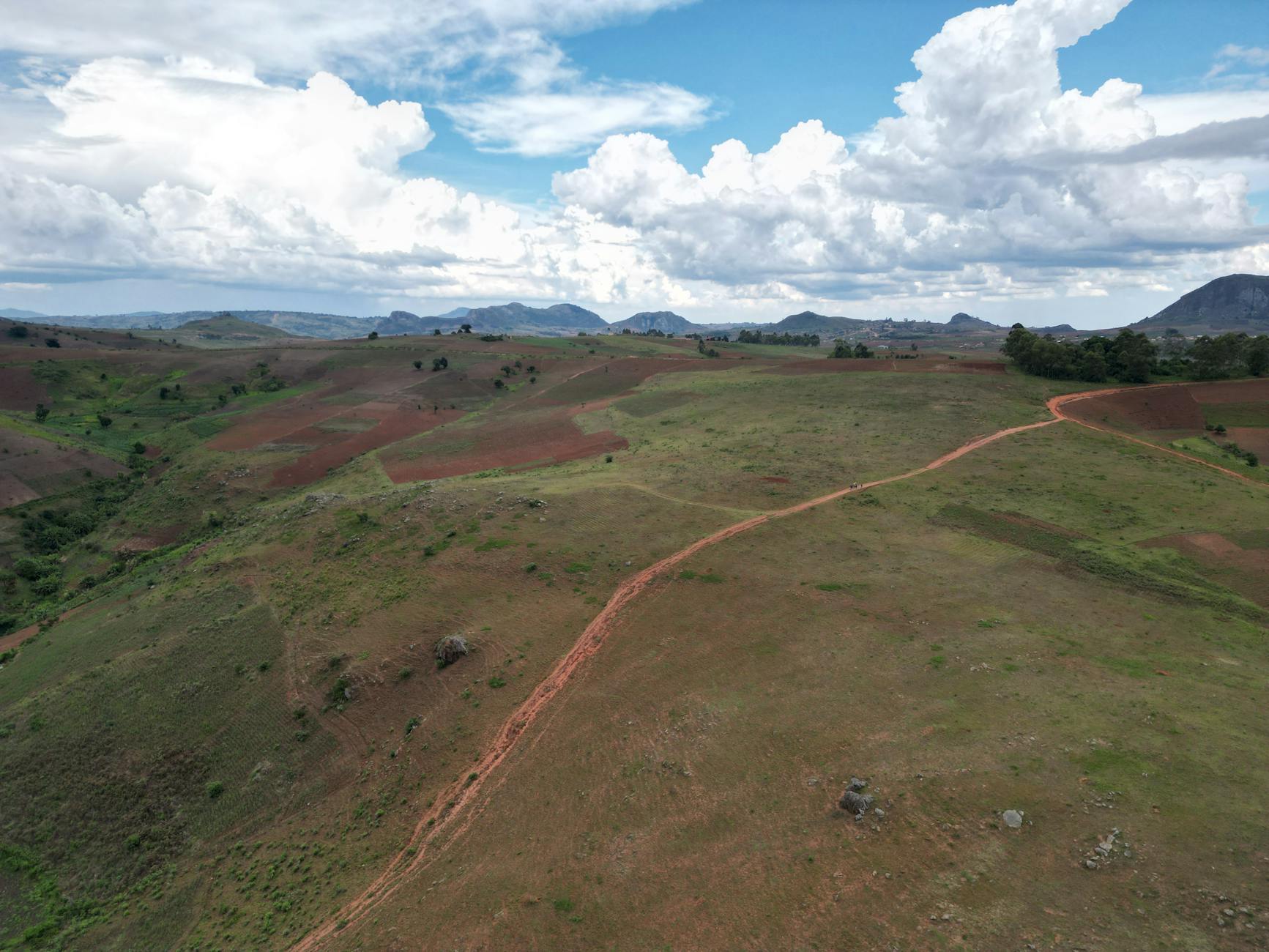
Nanyuki’s year follows the classic East African pattern of dry and rainy seasons rather than summer and winter. There are two main dry seasons — roughly January to February (often the warmest, clearest spell) and June to September/October — and two rainy seasons: the “long rains” around March to May, and the shorter “short rains” around late October to December. The rains usually come as afternoon or evening downpours rather than all-day drizzle, with plenty of sunshine in between, so even the wet seasons are far from washouts. The dry seasons bring the clearest skies, the best Mount Kenya views and the prime game-viewing conditions, which is why they’re the most popular times to visit, though the green seasons have their own lush beauty. Our dry season and green season guides go deeper.
What to Pack and Wear
The golden rule for Nanyuki is layers. Pack for warm days and cool-to-cold nights: lightweight clothing for daytime, plus a warm fleece or jacket and long trousers for evenings, early mornings and chilly game drives. Bring strong sun protection — at this altitude and on the equator, the sun is fierce even when the air feels cool, so a hat, sunglasses and high-factor sunscreen are essential. A light waterproof or packable rain jacket is wise year-round and important in the rainy seasons. For safari, stick to neutral colours, and bring sturdy shoes for walking and hikes. If you’re heading up Mount Kenya or to higher ground, pack properly warm gear. Our full packing list covers everything in detail — but remember: sun cream and a warm layer, every day.
Best Time to Visit
Nanyuki is a year-round destination, but the best time depends on what you want. For the clearest skies, finest Mount Kenya views, easiest travel and prime wildlife viewing, the dry seasons — January to February and June to October — are ideal, and the most popular. For lush green landscapes, dramatic skies, newborn wildlife, fewer crowds and lower prices, the green (rainy) seasons have real appeal, with rain typically falling in manageable afternoon bursts. Because the temperature barely changes through the year, there’s no “cold season” to avoid — only a choice between dry-and-clear or green-and-lush. Whenever you come, you’ll find Nanyuki’s signature pleasant climate; it’s simply a matter of matching the season to your priorities. See our best time to visit guide for a full breakdown.
Weather and Your Activities
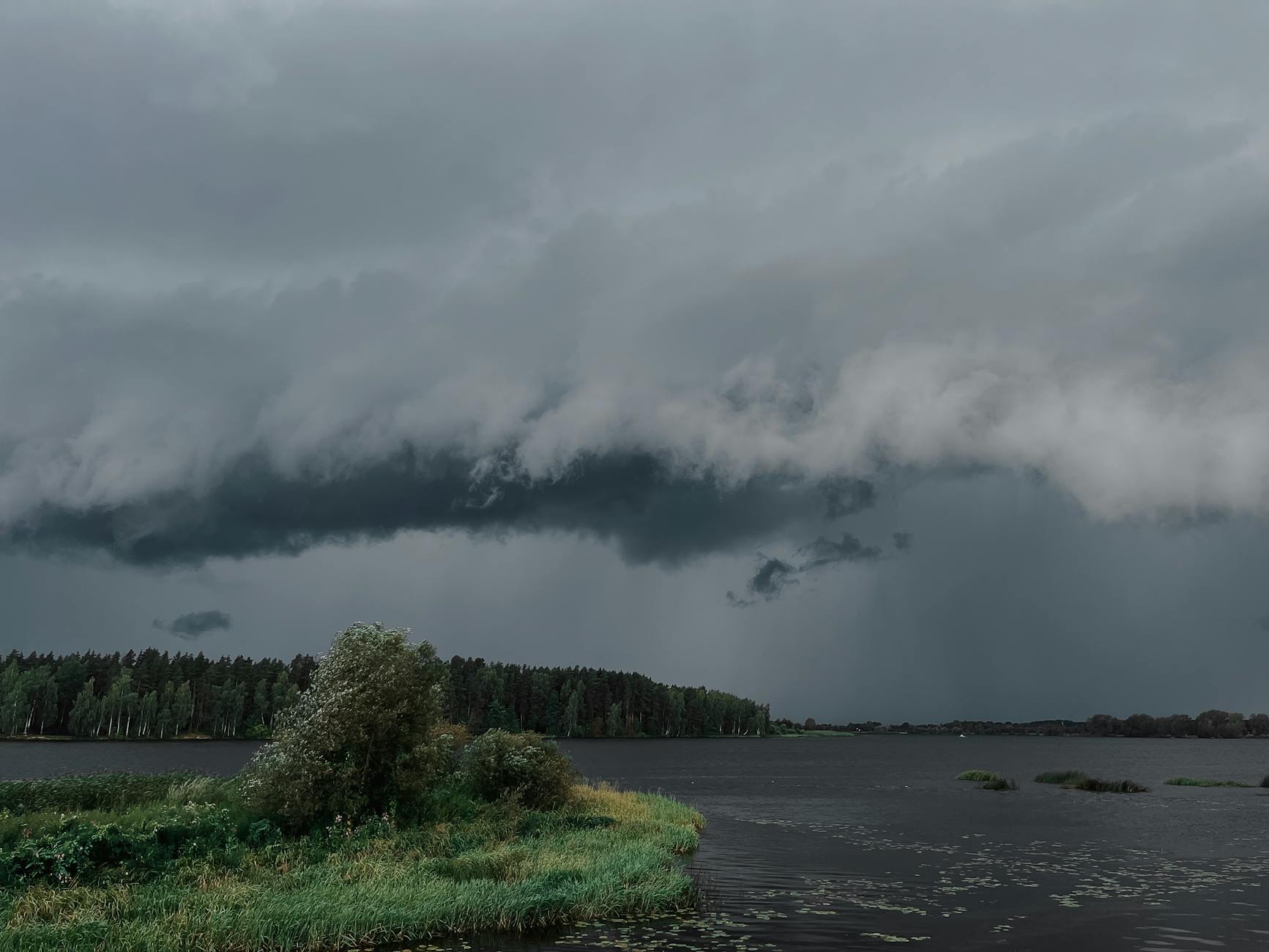
The weather shapes how you experience Nanyuki and Laikipia. Early-morning game drives are cool, so warm layers matter; midday is warm and sunny, ideal for the equator, town and forest excursions; clear mornings are best for Mount Kenya views and photography before cloud builds over the peaks. In the rainy seasons, some bush tracks become tricky and a 4×4 is more important for day trips and self-driving, but the rains rarely stop play entirely. The reliable sun makes outdoor dining, walking and adventure a pleasure most days. Plan demanding outdoor activities and mountain views for the mornings and dry spells, keep a rain jacket handy in the wet seasons, and you’ll rarely be caught out by Nanyuki’s gentle, predictable climate.
Nanyuki Weather Month by Month
Because the temperature changes so little through the year, Nanyuki’s calendar is best understood through rainfall. January and February are typically warm, dry and clear — among the best months for Mount Kenya views and wildlife. March, April and May bring the “long rains,” the wettest stretch, with green landscapes and afternoon downpours, though plenty of sun between them. June, July, August and September form the long dry season: cooler, clearer and excellent for travel and game viewing, with crisp mornings and reliable sunshine. October is generally dry early on, with the “short rains” arriving toward late October and running through November into December — shorter, lighter rains that green the country without dominating the day. December often clears toward the festive season. Throughout, days stay mild and nights cool, so the practical question is less “how hot or cold” and more “how likely is rain and how clear are the skies” — which is what shapes the best timing for views and wildlife.
Altitude, Sun and Your Health
Nanyuki’s altitude of nearly 2,000 metres shapes not just the climate but how it affects your body, and a little awareness helps. The thinner air at this elevation means the sun is fierce — UV levels are high even when the air feels cool and the sky is hazy — so sunburn happens fast without protection; wear a hat, sunglasses and high-factor sunscreen every day, reapplying after sweating. The altitude itself is modest and most people feel fine, though some notice they tire a little more easily at first or feel the effects of alcohol more quickly, and staying hydrated helps. The cool, dry highland air is generally very healthy and comfortable, often a relief after the humidity of the coast or the heat of the lowlands. If you’re heading higher onto Mount Kenya, altitude becomes a more serious consideration requiring proper acclimatisation. In town, simply respect the strong sun, drink plenty of water, and enjoy one of the healthiest climates in Kenya.
Weather, Photography and Mount Kenya Views
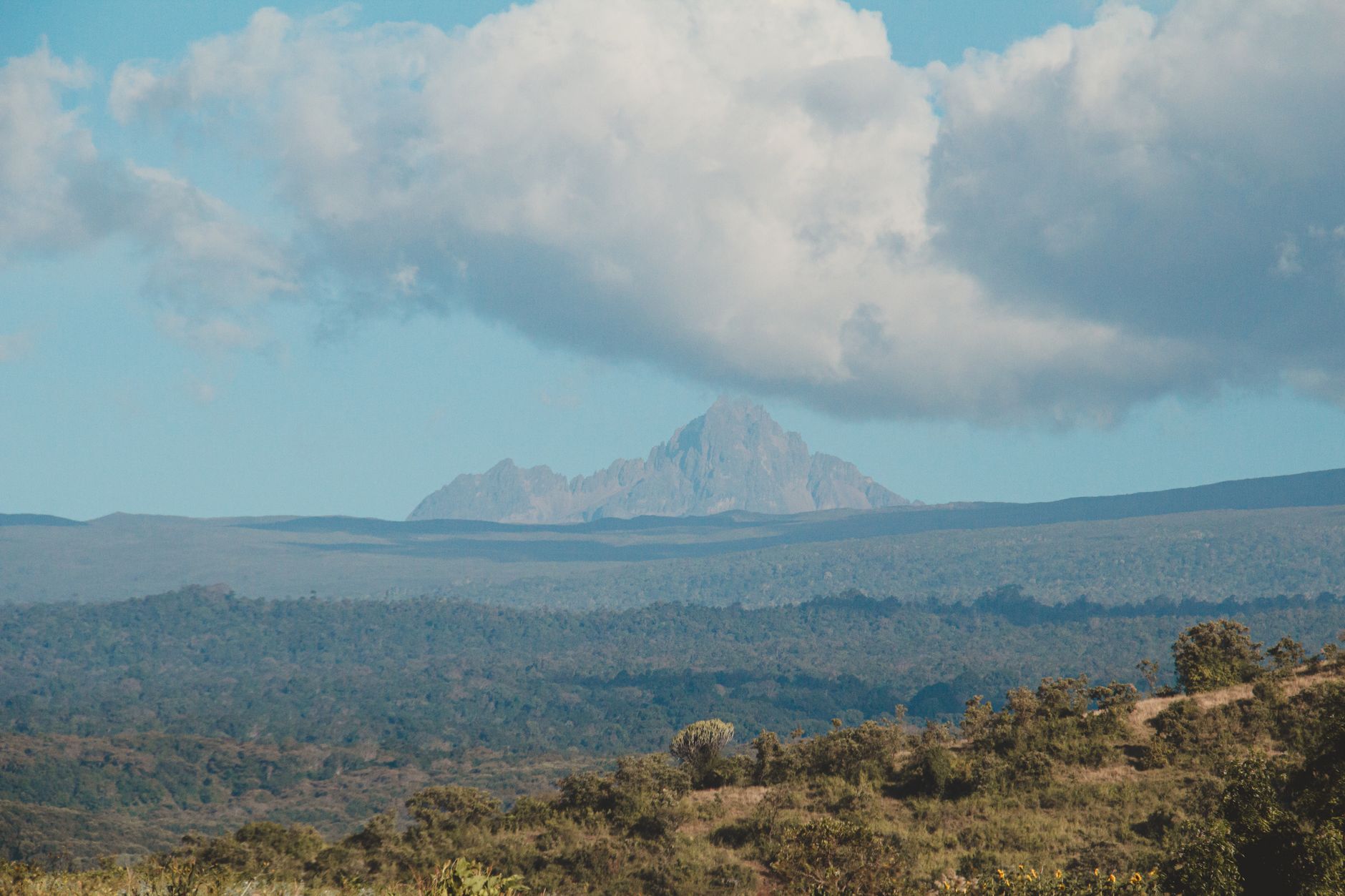
If seeing and photographing Mount Kenya matters to you — and it should, since the peak towering over the town is one of Nanyuki’s glories — timing is everything, and it’s driven by weather. The mountain is typically clearest in the early morning, before the day’s heat draws cloud up over the peaks; by midday and afternoon, Mount Kenya is often shrouded. So for the best views and photos, look (and shoot) early. Seasonally, the dry seasons bring the clearest, most reliable mountain views and the crispest light, while the rainy seasons offer dramatic skies and lush foregrounds but more cloud cover. The same logic applies to wildlife photography: the soft golden light of early morning and late afternoon is best, and the dry seasons concentrate animals and offer clear conditions. Plan your mountain viewing and serious photography around clear mornings and the dry months, keep your camera ready early, and you’ll capture Nanyuki and Mount Kenya at their spectacular best.
How Nanyuki’s Weather Compares
It helps to place Nanyuki’s climate in context. Compared with Nairobi, Nanyuki is similar in its temperate, altitude-moderated feel but generally a touch cooler at night given its elevation and position below Mount Kenya. Compared with the Kenyan coast (Mombasa, Diani), the contrast is stark: the coast is hot and humid year-round, while Nanyuki is cool, dry and fresh — many travellers find the highland climate a welcome relief. Compared with the Maasai Mara and other savannah parks, Nanyuki is cooler, especially at night, owing to its higher altitude. And compared with what people imagine “equatorial Africa” to be — steamy jungle heat — Nanyuki defies expectations entirely, offering spring-like days and chilly nights. This makes it a comfortable, easy climate to travel in, rarely too hot and never tropical-humid, and a pleasant contrast if you’re combining Laikipia with a hot coastal or lowland leg of a wider Kenya trip. Pack accordingly for the change.
Rain, Roads and Getting Around
The main practical effect of Nanyuki’s weather on your trip is what the rains do to the roads. The town’s tarmac roads remain fine in any weather, but out in the conservancies, forests and rural areas, the dirt tracks can become muddy and slippery during and after the rainy seasons, making a 4×4 more important for day trips and essential for self-driving off the main roads. Some remote tracks can become temporarily difficult after heavy downpours. That said, the rains usually fall as afternoon or evening bursts rather than all-day deluges, so they rarely halt travel entirely — plan demanding off-road excursions for the mornings and you’ll mostly stay ahead of the weather. In the dry seasons, roads are generally easy though dusty. Whenever you travel, a 4×4 is the sensible choice for exploring beyond the tarmac, and checking conditions locally after heavy rain is wise. With a suitable vehicle and morning timing, Nanyuki’s weather rarely gets in the way.
What the Weather Means for Wildlife
Weather and wildlife viewing are closely linked in Laikipia, so the seasons shape your safari. In the dry seasons, water becomes scarcer, so animals concentrate around the remaining rivers and waterholes, vegetation thins out, and game viewing is generally at its easiest and most reliable — a key reason the dry months are the prime safari season. In the green (rainy) seasons, water and food are plentiful, so wildlife disperses more widely and can be a little harder to spot, but the rewards are real: lush scenery, dramatic skies, abundant birdlife (including migratory species), newborn animals, and far fewer other visitors. Predator action and the overall spectacle remain excellent year-round in Laikipia’s well-managed conservancies. So the weather doesn’t determine whether you’ll see wildlife — Laikipia delivers in every season — but it influences the experience: dry for easier viewing and clear skies, green for lushness, birds, babies and solitude. Our best time to visit guide weighs it all up.
Quick Weather Tips for Your Visit
To distil it all into the essentials: pack layers for warm days and cool-to-cold nights, whatever the season, as the day-to-night swing is the climate’s defining feature. Bring strong sun protection and use it daily — the equatorial high-altitude sun burns fast even when the air feels cool. Carry a light waterproof year-round, and especially in the rainy seasons. For the clearest Mount Kenya views and the best photos, look early in the morning before cloud builds over the peaks. If wildlife viewing and clear skies are your priority, aim for the dry seasons (January to February and June to October); if lush scenery, birdlife, fewer crowds and lower prices appeal, the green seasons are lovely. Use a 4×4 for off-road tracks in the wet, and plan demanding outdoor activities for the mornings. Above all, don’t expect tropical heat: Nanyuki’s temperate, spring-like climate is one of its quiet joys, comfortable for travel in any month. Match the season to your priorities and you’ll find the weather works in your favour year-round.
Frequently Asked Questions
Does it snow in Nanyuki?
No, it doesn’t snow in Nanyuki town — the climate is temperate, with warm days and cool nights but no snow or frost in town. However, Mount Kenya, which towers above Nanyuki, has permanent glaciers and snow on its highest peaks, so you can see snow on the mountain from the warm town below, a striking equatorial contrast.
How cold does Nanyuki get at night?
Nights and early mornings are cool and can be genuinely cold, often dropping into single digits Celsius, especially in the cooler months (June to September) and toward Mount Kenya. Daytimes remain warm and pleasant. This wide day-to-night temperature swing is the defining feature of the climate, which is why warm layers are essential.
Can I visit Nanyuki during the rainy season?
Yes — the rains usually fall as afternoon or evening downpours with plenty of sunshine in between, rather than all-day rain, so the wet seasons are far from washouts. You’ll enjoy lush green scenery, dramatic skies, abundant birdlife, newborn wildlife, fewer crowds and lower prices. Bring a light waterproof and a 4×4 for off-road tracks.
Is the sun strong in Nanyuki?
Very. Despite the cool air, Nanyuki sits on the equator at high altitude, so UV levels are intense and sunburn happens quickly even on hazy or cool-feeling days. Wear a hat, sunglasses and high-factor sunscreen every day and reapply regularly. The strong sun is one of the few things to take seriously about Nanyuki’s otherwise gentle climate.
What is the weather like in Nanyuki?
Temperate and spring-like, despite sitting on the equator, thanks to its altitude of nearly 2,000 metres. Expect warm, sunny days (typically low-to-mid 20s Celsius) and cool-to-cold nights (sometimes single digits). The year is defined by wet and dry seasons rather than hot and cold, with little seasonal temperature change.
Is Nanyuki cold?
Not during the day — daytimes are warm and pleasant. But nights and early mornings are cool and can be genuinely cold, often dropping into single digits Celsius, especially in the cooler months and toward Mount Kenya. The wide day-to-night temperature swing is why layers are essential for any visit.
When is the rainy season in Nanyuki?
There are two rainy seasons: the “long rains” around March to May, and the shorter “short rains” around late October to December. Rain usually falls as afternoon or evening downpours with sunshine in between, rather than all-day rain, so the wet seasons are far from washouts and bring lush green landscapes.
What should I pack for Nanyuki’s weather?
Layers above all: lightweight clothes for warm days, plus a warm fleece or jacket for cool nights and early game drives. Bring strong sun protection (hat, sunglasses, high-factor sunscreen) as the equatorial high-altitude sun is fierce, and a light waterproof year-round. See our full packing list.
What is the best time of year to visit Nanyuki?
For clear skies, the best Mount Kenya views and prime wildlife viewing, the dry seasons (January–February and June–October) are ideal and most popular. For lush green scenery, fewer crowds and lower prices, the green (rainy) seasons appeal. Temperatures barely change year-round, so it’s about choosing dry-and-clear or green-and-lush. See our best time to visit guide.
Pack right and time it well — see our guides to the packing list, best time to visit, and the complete Nanyuki town guide.