Last updated: June 2026

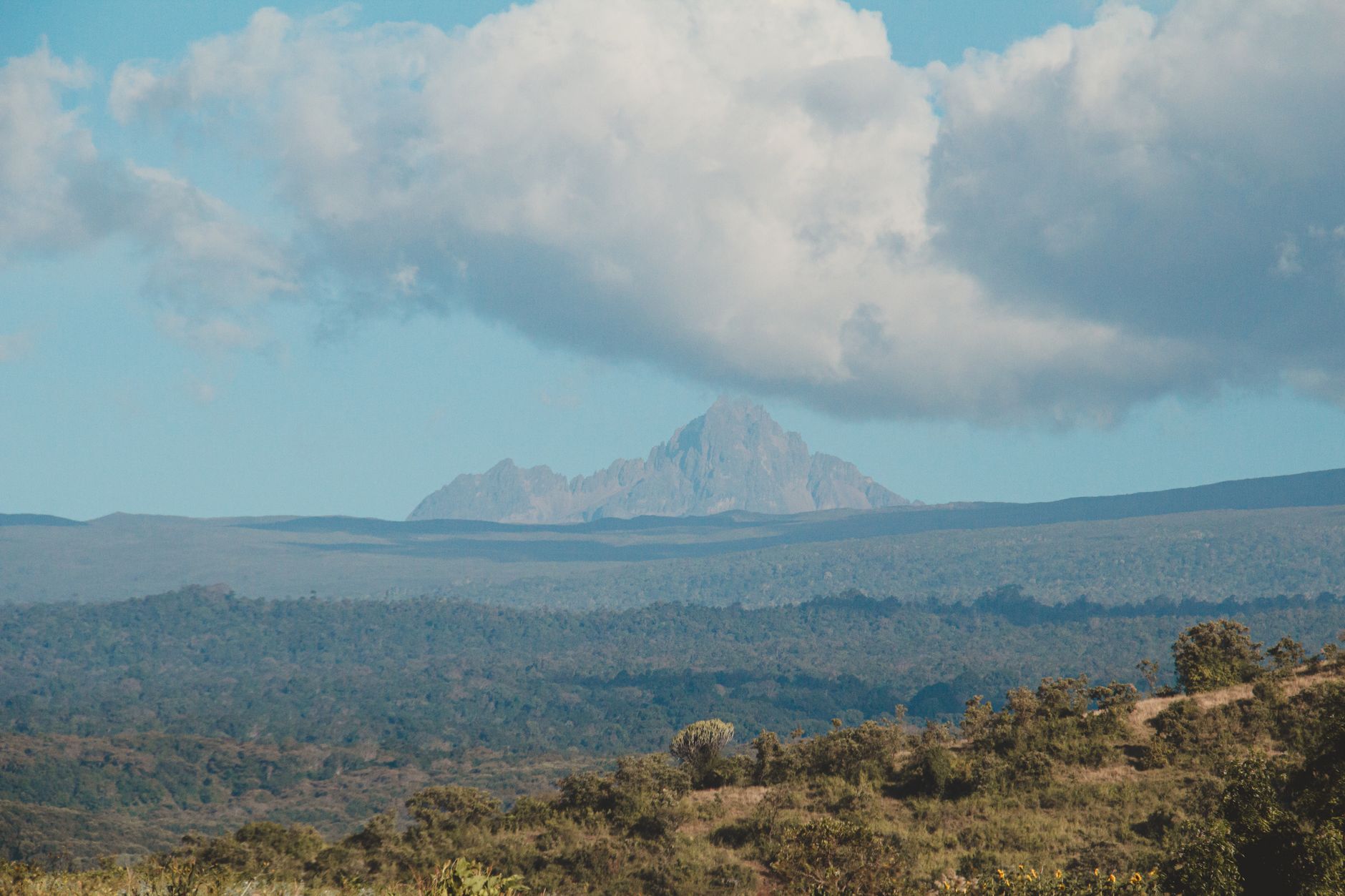
Imagine working your morning shift to the sight of Mount Kenya through the window, breaking for lunch at a cafe full of conservationists and adventurers, and spending your weekend tracking rhino or hiking to turquoise forest pools. For a growing number of remote workers and digital nomads, Nanyuki offers exactly this — a temperate highland town with a real expatriate community, decent connectivity, a relaxed pace and extraordinary nature on the doorstep. While it’s not a polished, big-city nomad hub, Nanyuki has a genuine and growing appeal for those wanting to live and work somewhere beautiful, friendly and adventurous. This guide to Nanyuki for digital nomads and remote workers covers what to expect, the practicalities, and how to make it work.
If you can work from anywhere, here’s why — and how — to base yourself in this highland safari town.
Why Nanyuki Appeals to Remote Workers
Nanyuki’s appeal for remote workers is a rare combination of factors. The climate is superb — temperate, spring-like and comfortable year-round thanks to its altitude and equatorial position (see our weather guide). There’s an established, welcoming expatriate and conservation community, so you won’t feel isolated, and English is widely spoken. The pace is relaxed, the cost of living reasonable, and the natural setting unbeatable — Mount Kenya, world-class conservancies, forests and the equator all on your doorstep for evenings and weekends. For those seeking an adventurous, nature-rich, affordable base with a sense of community, away from the crowds of more established nomad hotspots, Nanyuki is genuinely special. It rewards the independent and the outdoorsy.
Internet and Connectivity
The practical foundation of remote work is connectivity, and Nanyuki delivers reasonably well by regional standards. As Laikipia’s hub, the town has the area’s best internet, with fibre available in places, widespread 4G mobile data, and Wi-Fi at many hotels, cafes and accommodations. The dependable solution most remote workers rely on is mobile data via a local SIM (Safaricom has the best coverage), which is affordable and works well in and around town. It’s wise to have a backup — a second SIM or a mobile hotspot — for redundancy, as no single connection is flawless, and to verify specific Wi-Fi quality before committing to longer stays. Out in the remote conservancies connectivity drops off, but in Nanyuki town itself it’s solid enough for video calls and normal remote work. Our connectivity guide has full detail on SIMs, data and coverage.

Where to Work: Cafes and Spaces
Nanyuki has a good cafe culture for a town its size, with several spots offering decent coffee, food, Wi-Fi and a pleasant atmosphere to set up a laptop for a few hours — places like Cape Chestnut, Trout Tree and the town’s cafes (see our restaurants and cafes guide) are popular informal work spots. While Nanyuki doesn’t have a big formal coworking scene, some hotels and accommodations provide good work-friendly spaces, and the expat community can point you to current favourites. Many remote workers simply set up at their accommodation, supplementing with cafe sessions for a change of scene and the chance to meet people. For reliable work, choose accommodation with confirmed good Wi-Fi as your base, and use cafes as a sociable supplement.
Where to Stay Longer Term
For stays of weeks or months, Nanyuki offers a range of options beyond standard hotels. There are guesthouses, cottages, Airbnb-style rentals and longer-stay accommodations, many set in lovely gardens with Mount Kenya views, often at reasonable monthly rates. Our accommodation guide covers the town’s options. For a longer base, prioritise reliable internet, a comfortable work space, security, and a location convenient to cafes and supplies. Negotiating a weekly or monthly rate is common and worthwhile. The expat community and local Facebook groups are good sources for rental leads and longer-term housing that may not appear on the usual booking sites. Take a short stay first to test the internet and the fit before committing longer.
Cost of Living
Nanyuki offers good value, with a cost of living well below Western cities and reasonable even by Kenyan standards outside Nairobi. Accommodation, food (especially the wonderful fresh local produce from the markets), eating out, transport and data are all affordable, making it possible to live comfortably on a modest remote income while enjoying a high quality of life and incredible weekends. Costs rise if you opt for upmarket lodges, frequent conservancy visits (which carry entry fees), or imported goods, but day-to-day living is genuinely cheap. Self-catering with market produce and local food keeps costs very low; the splurges are the safari experiences, which are worth budgeting for as the whole point of being there. Overall, Nanyuki is an affordable, high-value base.

Lifestyle, Community and Weekends
The real magic of Nanyuki for remote workers is the lifestyle. Weekends and evenings offer what few places on earth can: game drives at Ol Pejeta, hikes on Mount Kenya, swimming in the pools of Ngare Ndare Forest, and endless day trips. The expat and conservation community is welcoming and active, there’s a low-key social scene, and the town’s relaxed friendliness makes it easy to settle in. For the outdoorsy and adventurous, the work-life balance is extraordinary — imagine finishing work and being on safari within the hour. This blend of productive weekdays and adventurous weekends, within a friendly community, is exactly what draws remote workers to Nanyuki and keeps many staying longer than planned.
Visas and Practicalities
On the admin side, most visitors need Kenya’s electronic travel authorisation (eTA) to enter, typically granting a stay of up to 90 days, which suits shorter remote-work stints; longer stays require looking into extensions or appropriate visa options, so check the current official requirements for your nationality and intended length of stay (our entry requirements guide helps). Sort a local SIM on arrival for data, carry a means of mobile payment (M-Pesa is ubiquitous and useful, alongside cards and cash — see our money guide), arrange reliable accommodation and internet, and you’re set. Standard safety and health precautions apply. With the practicalities handled, Nanyuki is a straightforward and rewarding place to live and work for a season.
Power, Backups and Staying Online
Reliable remote work in Nanyuki means planning for redundancy, because no single connection or power source is flawless. Power cuts do happen in Kenya, so the savviest remote workers build in backups: choose accommodation with a generator or solar and battery backup, keep your devices charged, and consider a power bank and a small UPS for your router during outages. On the connectivity side, the golden rule is two independent connections — for example, a Safaricom SIM for data plus a second provider’s SIM or a mobile hotspot, so that if one drops you can switch instantly. Kenya uses UK-style three-pin (Type G) plugs at 240V, so bring the right adapters. Download large files and back up your work when the connection is strong. With a generator-backed base, dual SIMs and a power bank, you can work through the occasional cut or outage with minimal disruption — the kind of resilience that makes the difference between a frustrating and a smooth remote-work stay. Our connectivity guide covers the technical detail.
Building a Productive Routine
The flip side of Nanyuki’s incredible setting is the temptation to be constantly distracted by it, so a routine helps. Many remote workers settle into a rhythm of focused work during weekday mornings and early afternoons — when the light is good, the town is quiet and connections are reliable — keeping late afternoons, evenings and weekends for the adventures that drew them here. The temperate climate makes working comfortable year-round without air conditioning or heating, and the relaxed pace is conducive to deep work once you’ve set boundaries. Establishing a dedicated work space at your accommodation, with good Wi-Fi and a comfortable spot, anchors the routine, while occasional cafe sessions provide a change of scene and a chance to socialise. Time-zone-wise, East Africa (UTC+3) works reasonably with European hours and is manageable for Asia and the Americas with some planning. Treat the safari excursions as the reward for disciplined weekdays, and you can be genuinely productive while making the absolute most of living somewhere extraordinary.
Health, Fitness and Wellbeing
Nanyuki is a healthy, active place to base yourself, which suits the remote-work lifestyle well. The temperate highland climate is invigorating, the air is clean, and the outdoors beckons — running, cycling, hiking the Mount Kenya foothills and exploring the conservancies all keep you fit, and the town has gyms and fitness options. The altitude of nearly 2,000 metres takes a little adjustment but soon feels normal, and many find they sleep and feel better in the cool, clear highland air. Fresh, healthy food is abundant and cheap thanks to the highland produce at the markets. On healthcare, Nanyuki has hospitals, clinics and pharmacies for routine needs, with more advanced care in Nairobi if required; sensible travel and health precautions apply, and good travel or health insurance is essential for any longer stay. For wellbeing more broadly, the combination of nature, exercise, good food, community and a gentle pace makes Nanyuki an unusually restorative place to live and work.
Meeting People and Finding Community
One of Nanyuki’s underrated advantages for remote workers is that you needn’t be isolated. The town has an established, welcoming expatriate and conservation community alongside its Kenyan residents, and it’s relatively easy to meet people — through the cafes and bars, shared interests like running, cycling or conservation, local events, and online groups such as Nanyuki-focused Facebook and community pages, which are also goldmines for accommodation leads and local know-how. The low-key social scene, the cafe culture, and the shared love of the outdoors all make connection natural. For digital nomads, who can otherwise find long stays lonely, this sense of community is a real draw — you can find both solitude for focused work and genuine social connection when you want it. Putting yourself out there a little, joining the online groups before you arrive and saying yes to invitations, quickly turns a stay into something more than a working holiday: a temporary home in a friendly, like-minded community.
Is Nanyuki Right for You? The Honest Pros and Cons
Nanyuki suits some remote workers wonderfully and others less so, and it’s worth being honest about the trade-offs. On the plus side: a superb climate, extraordinary nature and weekend adventures, a welcoming community, low cost of living, good-by-regional-standards connectivity, and a relaxed, healthy lifestyle. On the other side: connectivity and power, while decent, aren’t always flawless and demand backups; it’s a small town, not a big-city hub, so amenities, nightlife and formal coworking are limited; the best of the region (the remote conservancies) has patchy connectivity; and the very distractions that make it special can test your discipline. It’s ideal for the independent, outdoorsy and self-motivated who value nature and community over urban buzz and cast-iron infrastructure. If that sounds like you, Nanyuki can be a genuinely special base. The best approach is to start with a shorter stay to test the internet, the fit and your own routine before committing to a longer stint.
A Week in the Life of a Nanyuki Nomad
What does remote working in Nanyuki actually look like day to day? A typical week might run like this: focused work through the cool, quiet weekday mornings from a comfortable base with reliable Wi-Fi, breaking for lunch at a cafe to catch up with the community; afternoons split between more work and a run, gym session or errands in town; evenings for a relaxed dinner, a sundowner, or drinks with friends from the expat and conservation scene. Then the weekends, which are the whole point: a dawn game drive at Ol Pejeta, a hike in the Mount Kenya foothills, a swim in the pools of Ngare Ndare, or simply a long lunch and a slow afternoon soaking up the highland air. It’s a rhythm that combines genuine productivity with a quality of life and access to nature that few city-based remote workers could dream of — which is exactly why those who try Nanyuki so often end up extending their stay well beyond the original plan.
Frequently Asked Questions
Are there power cuts in Nanyuki?
Yes, occasional power cuts happen in Kenya, so plan for backups. Choose accommodation with a generator or solar and battery backup, keep devices charged, and carry a power bank and ideally a small UPS for your router. With these in place, the occasional outage causes minimal disruption to remote work.
Can I get a SIM card for data in Nanyuki?
Yes, easily. Safaricom offers the best coverage and is the most reliable choice for mobile data, with affordable data bundles. Bring your passport to register the SIM. Many remote workers run two SIMs (or add a mobile hotspot) for redundancy. See our connectivity guide for full detail on SIMs and data.
Is Nanyuki safe for remote workers and long stays?
Generally yes — Nanyuki is a friendly, relatively safe town with an established expat community. Take normal precautions: secure accommodation, sensible care with belongings and at night, and good travel or health insurance. The welcoming community and online groups make settling in straightforward. See our safety guide.
What is healthcare like in Nanyuki?
Nanyuki has hospitals, clinics and pharmacies that handle routine medical needs, with more advanced care available in Nairobi if required. For any longer stay, good travel or health insurance is essential, and sensible health precautions apply. See our health and vaccinations guide for what to arrange before you come.
Is Nanyuki good for digital nomads?
Yes, for the right person. It offers a temperate climate, a welcoming expat and conservation community, reasonable cost of living, decent connectivity and extraordinary nature on the doorstep. It’s not a polished big-city nomad hub, but for adventurous, outdoorsy remote workers wanting a beautiful, friendly, affordable base, Nanyuki is genuinely special.
Is the internet good enough in Nanyuki for remote work?
Generally yes, in town. Nanyuki has the region’s best connectivity, with fibre in places, widespread 4G, and Wi-Fi at many cafes and accommodations. Most remote workers rely on mobile data via a Safaricom SIM, with a backup connection for redundancy. Verify specific Wi-Fi before longer stays. See our connectivity guide.
How much does it cost to live in Nanyuki?
Considerably less than Western cities and reasonable by Kenyan standards. Accommodation, local food, eating out, transport and data are affordable, especially if you self-cater with fresh market produce. Costs rise with upmarket lodges, frequent conservancy visits (which have entry fees) and imported goods, but day-to-day living is genuinely cheap.
Where can I work from in Nanyuki?
Most remote workers base at accommodation with reliable Wi-Fi and supplement with cafe sessions at spots like Cape Chestnut and the town’s cafes for a change of scene and to meet people. There’s no large formal coworking scene, but the expat community can point you to current work-friendly spaces. See our cafes guide.
How long can I stay in Kenya as a remote worker?
Most visitors enter on Kenya’s eTA, typically allowing a stay of up to 90 days, which suits shorter remote-work stints. Longer stays require looking into extensions or appropriate visa options. Always check the current official requirements for your nationality and intended length of stay. See our entry requirements guide.
Settle in and explore — see our guides to connectivity, weather, and the complete Nanyuki town guide.