Last updated: June 2026
Behind every rhino you see on a Laikipia safari stands a small army of people and dogs working around the clock to keep it alive. Poaching — driven by the illegal trade in rhino horn and ivory — remains one of the gravest threats to Africa’s wildlife, and Laikipia, home to precious populations of black rhino and elephant, sits on the front line. But it is also home to some of the most sophisticated and successful anti-poaching operations on the continent: armed ranger teams, tracking dogs, drones, artificial intelligence and community intelligence networks that have driven poaching to record lows. This guide takes you inside that fight — the rangers, the technology, the canine units, and the crucial way that tourism funds the frontline protection of Kenya’s most endangered animals.
It’s a story of courage, ingenuity and partnership — and one that your visit to Laikipia directly supports. Here’s how the war on poaching is being won.
The Threat: Why Anti-Poaching Matters
To understand the scale of the effort, you have to understand the threat. Rhino horn and elephant ivory command staggering prices on illegal markets, making Laikipia’s rhinos and elephants targets for organised, often armed and well-equipped poaching gangs. A single poaching incident can erase years of conservation work and, in the case of the critically endangered black rhino, threaten the survival of an entire population. Laikipia protects some of Kenya’s most important populations of endangered species, including black rhino and the world’s last northern white rhinos at Ol Pejeta. Defending them is therefore not optional but existential — and because Laikipia’s wildlife lives on open, unfenced conservancy land rather than in a guarded national park, that defence falls to the conservancies themselves, making anti-poaching one of the single largest commitments of money, people and technology in the region.
The Rangers on the Front Line
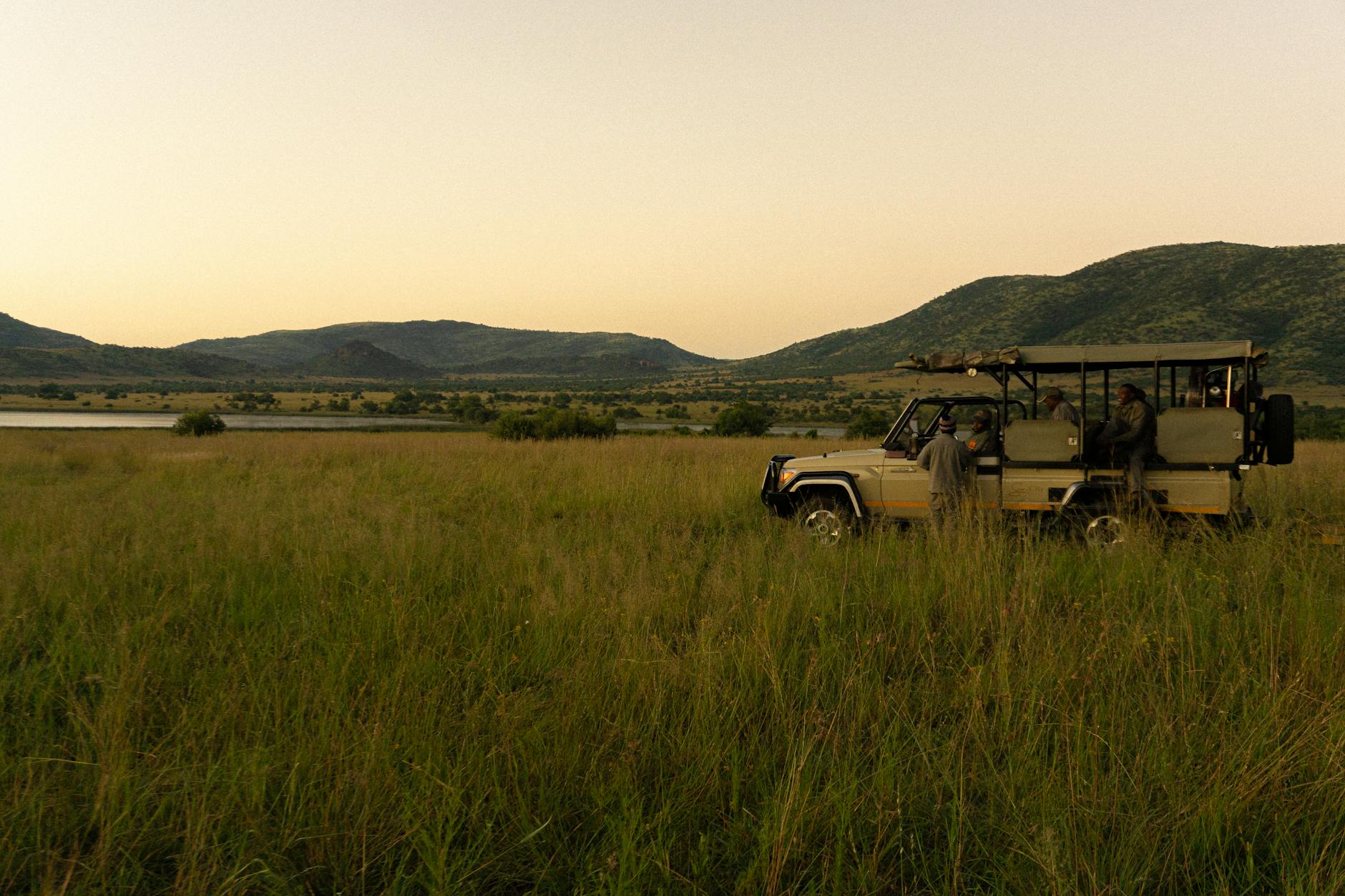
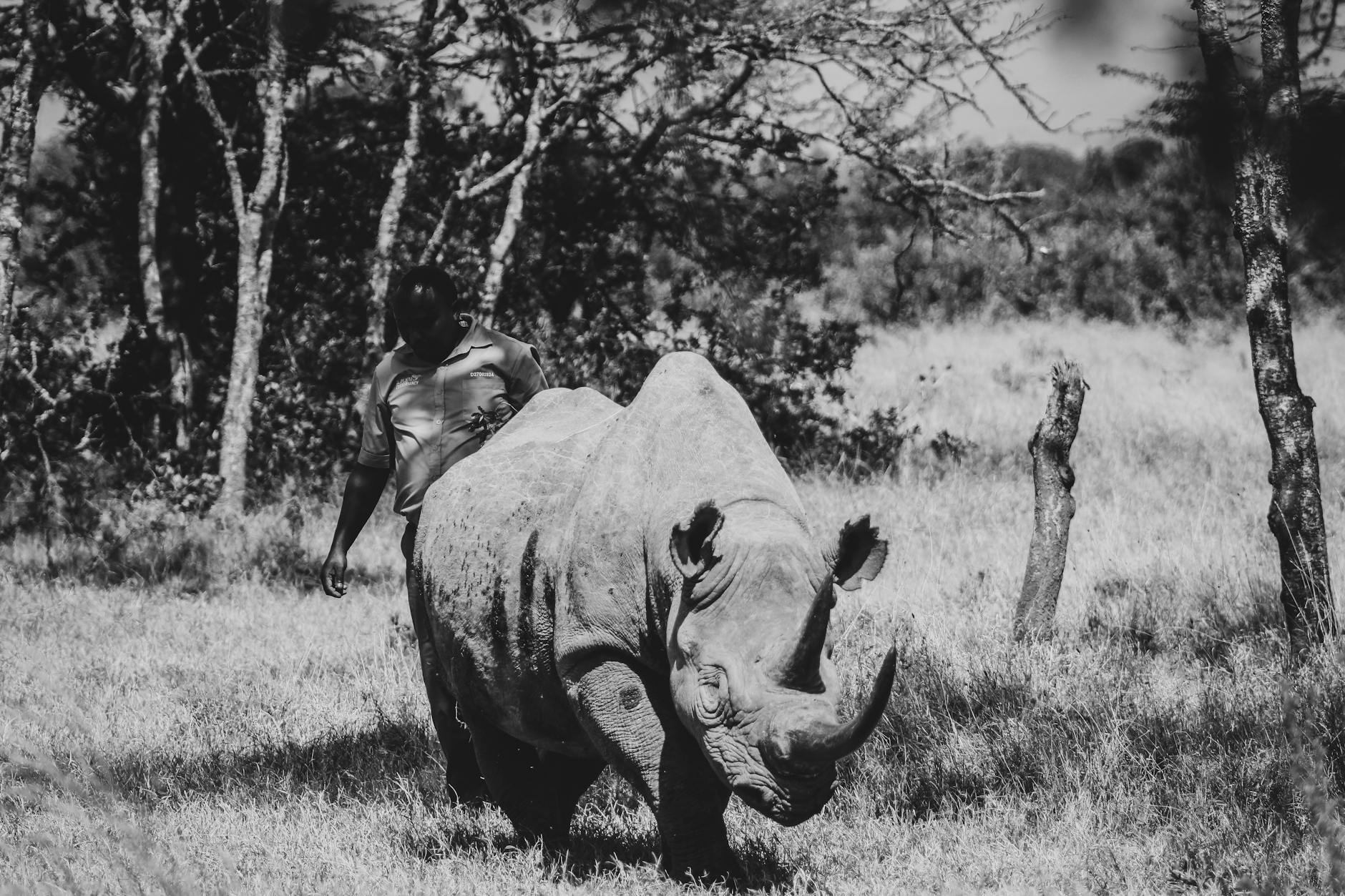
At the heart of every anti-poaching operation are the rangers — the men and women who patrol the conservancies day and night, on foot and in vehicles, monitoring wildlife, deterring intruders and responding to threats. Ol Pejeta alone employs more than 150 rangers across its land, supported by armed National Police Reservists, and other conservancies maintain their own dedicated teams. These are demanding, sometimes dangerous jobs, requiring fitness, discipline, tracking skill and courage, and the rangers are the backbone of conservation here — the reason rhino can graze in relative safety. Crucially, the great majority of these rangers are drawn from neighbouring communities, making anti-poaching one of the region’s most important sources of skilled local employment, and binding the community’s livelihood to the wildlife’s survival. When you support a conservancy, you are paying these rangers’ wages.
Canine Units: The Dog Squads
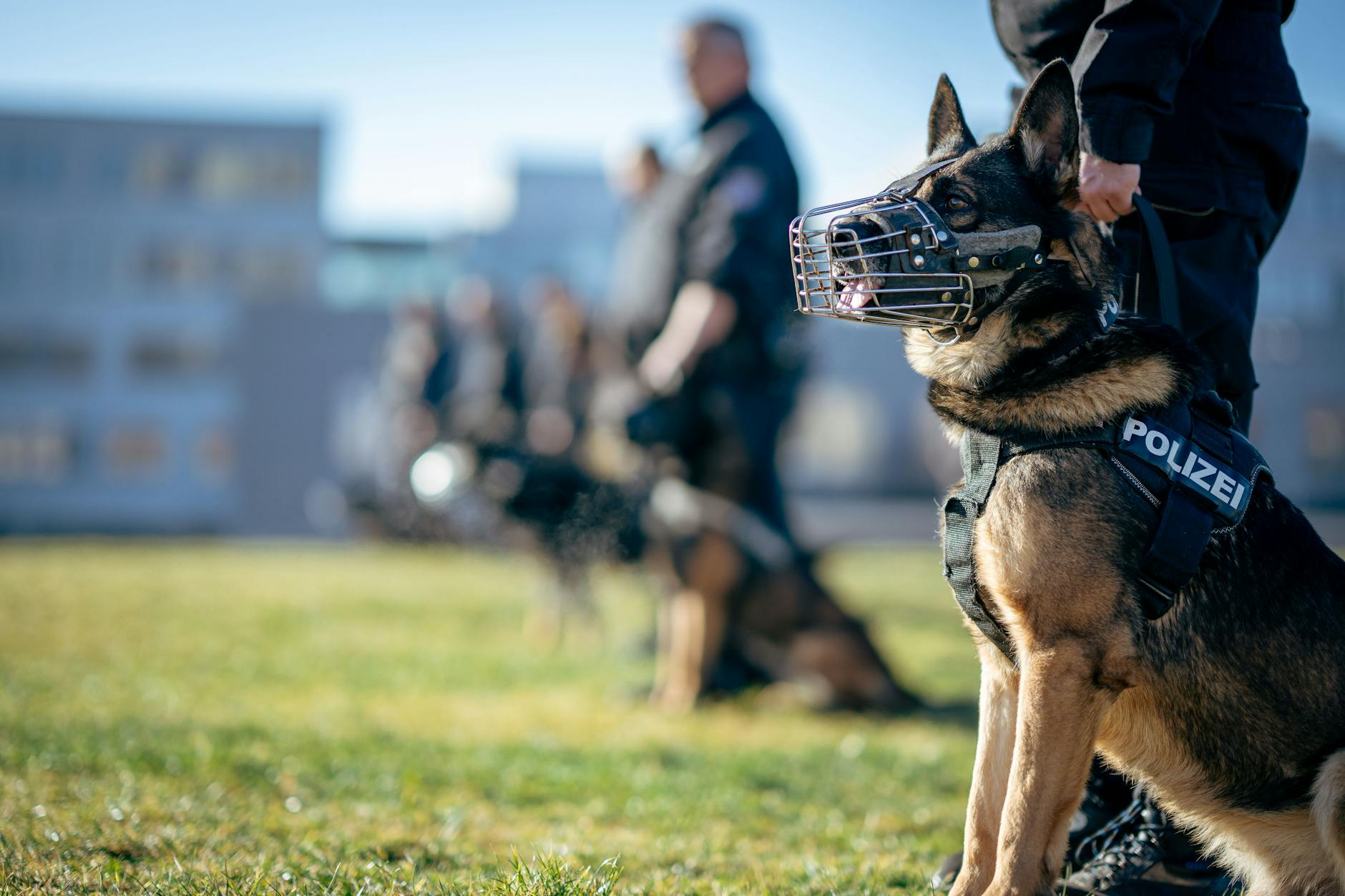
Among the most effective weapons against poaching are dogs. Both Ol Pejeta and Lewa run specialist K9 units of tracking and detection dogs whose extraordinary sense of smell gives rangers an edge no technology can fully match. Tracking dogs can follow a human scent trail over great distances and rough terrain, leading rangers to suspects or revealing the routes poaching gangs use; detection dogs are trained to sniff out rhino horn, ivory and firearms at checkpoints and key locations. The dogs’ impact extends beyond poaching, too — at Lewa they have helped recover hundreds of stolen livestock each year and track down bandits and armed criminals, benefiting the wider community’s security. Watching a well-drilled dog team work is a reminder that conservation’s cutting edge is sometimes a wet nose and four paws. The canine units have become genuine heroes of the anti-poaching effort.
Technology on the Front Line
Alongside boots and paws, Laikipia’s conservancies have become pioneers of conservation technology. Ol Pejeta uses artificial intelligence to analyse data from camera traps and sensors placed across the conservancy, automatically identifying species, detecting human intrusions and alerting rangers in real time. Drones monitor remote areas, track animal movements and spot suspicious activity, extending rangers’ reach and reducing the need for risky foot patrols in dangerous terrain. Ol Pejeta also maintains more than 185 kilometres of solar-powered electric fencing and uses geo-fencing and satellite monitoring to trigger instant security alerts. GPS tracking collars on key animals allow their movements — and safety — to be monitored continuously. This fusion of technology and human skill has made Laikipia a global testbed for smart conservation, and a model that protected areas worldwide now look to. The results speak for themselves.
Community Intelligence Networks
Perhaps the most important anti-poaching tool of all is not a dog or a drone but a relationship. The most effective protection comes from communities who choose to protect wildlife rather than turn a blind eye to those who would harm it — and that choice flows from the benefits conservation brings. When local people gain jobs, schools, clinics and revenue from living wildlife, they become its fiercest defenders, providing the intelligence that stops poaching before it happens: a tip-off about strangers, a warning of a planned incursion. This is why anti-poaching cannot be separated from community development; the two are inseparable halves of the same strategy. The conservancies that have most successfully suppressed poaching are precisely those that have most deeply embedded conservation in the prosperity of their neighbours, turning potential poachers into protectors and whole communities into the wildlife’s first line of defence.
The Results: A Conservation Success Story
The combined effect of rangers, dogs, technology and community partnership has been dramatic. Ol Pejeta has celebrated multiple consecutive years without a single rhino poaching incident — a remarkable achievement for a conservancy holding so many of these prized animals, and a testament to the effectiveness of its integrated approach. Across Laikipia, rhino and elephant populations have been protected and in many cases grown, even as poaching pressure persists across Africa. These results are not accidental; they are the product of sustained investment, professionalism and the alignment of conservation with community interest. They also demonstrate something hopeful: that with enough commitment and the right model, poaching can be beaten back, and endangered species can not merely survive but recover. Laikipia stands as proof that the war on poaching, though far from over, can be won.
How Tourism Funds the Fight
None of this is free. Rangers’ salaries, dog units, drones, AI systems, fencing and monitoring cost enormous sums every year — and a large share of that money comes from tourism. The conservancy fees you pay and the revenue from eco-lodges flow directly into the protection of the wildlife you’ve come to see, funding the very rangers and technology that keep it safe. This is the profound link at the heart of Laikipia: your visit is not separate from conservation but part of its financial engine. Some conservancies even offer the chance to meet ranger and canine teams or learn about their work through conservation experiences, deepening the connection. By choosing to safari in Laikipia, and choosing operators committed to conservation, you become a direct supporter of the frontline fight to protect Africa’s most endangered animals.
A Day in the Life of a Ranger
Behind the statistics are people living demanding, disciplined lives. A ranger’s day often begins before dawn, with patrols setting out to cover assigned sections of the conservancy on foot or by vehicle, monitoring wildlife, checking on rhino and other key animals, looking for signs of intruders, snares or disturbance, and recording observations. The work is physically tough and can stretch across long hours in heat, rain and rough terrain, with periods of monotony punctuated by moments of real danger. Rangers undergo serious training in fieldcraft, tracking, first aid, and often paramilitary skills, and many are armed to confront the well-equipped poaching gangs they may encounter. They work in shifts to maintain round-the-clock coverage, since wildlife must be protected through the night when poachers often strike. It is a vocation as much as a job, demanding fitness, courage and deep commitment, and the rangers — most drawn from local communities — are rightly regarded as the heroes of conservation, the human shield standing between Laikipia’s wildlife and those who would destroy it.
Monitoring and Protecting Rhino
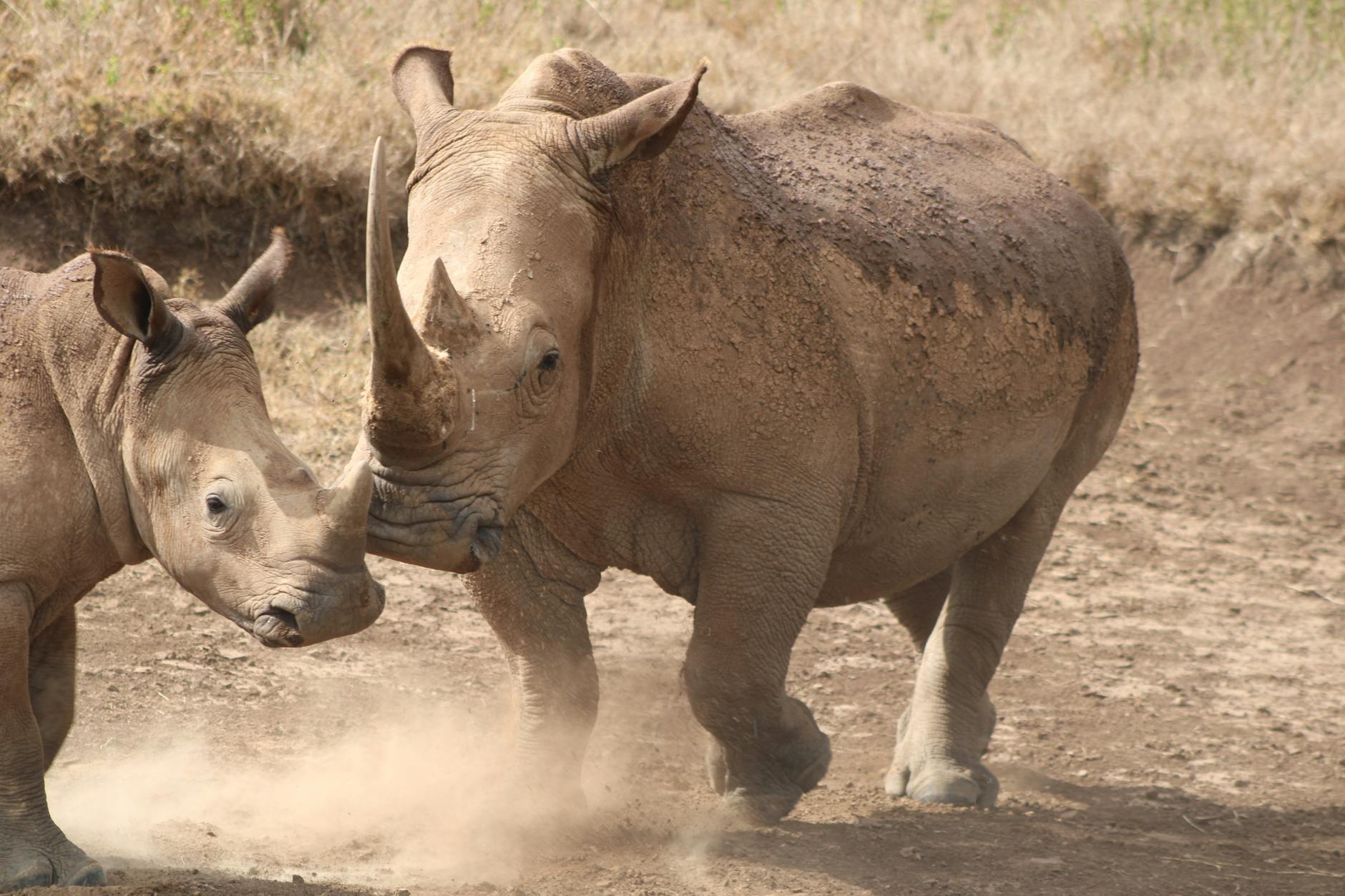
Rhino, as the most valuable poaching targets, receive especially intensive protection and monitoring. Conservancies maintain detailed records of every individual rhino, often identified by ear-notch patterns, horn shape and other features, and monitor their movements, health and breeding closely — sometimes with near-continuous observation of the most vulnerable animals. This monitoring serves both protection and conservation management, allowing rangers to detect immediately if an animal goes missing and to track population health and growth. The most famous rhinos in Laikipia are the last two northern white rhinos at Ol Pejeta, guarded around the clock by armed rangers — a poignant symbol of how close a species can come to the brink, and of the lengths to which conservationists will go to protect what remains. For black rhino too, intensive monitoring underpins the security that has allowed populations to grow. This painstaking, individual-level attention is a major part of why Laikipia’s rhino have been protected so successfully against relentless poaching pressure.
The Wider War: Stopping the Trade
Protecting wildlife on the ground is only one front; the war on poaching extends far beyond the conservancy fence. Poaching is driven by international criminal networks supplying illegal markets, so lasting success requires tackling the trade along its whole length — disrupting trafficking, strengthening law enforcement and courts so that poachers and kingpins are caught and convicted, and ultimately reducing the demand that makes rhino horn and ivory so lucrative. Conservancies and their partners therefore work with police, prosecutors, customs and national wildlife authorities, contributing intelligence and supporting prosecutions, while international efforts target demand and trafficking. This wider war is harder to see than a ranger patrol but just as vital: as long as demand and high prices persist, the pressure on Laikipia’s wildlife continues, and frontline protection must be matched by efforts to dismantle the criminal trade behind it. Understanding this bigger picture shows that anti-poaching is a chain stretching from the bush to global markets, and that every link, including frontline protection funded by tourism, matters.
The Human Cost of Protection
It is important to acknowledge that anti-poaching carries a real human cost. Rangers risk their safety, and sometimes their lives, confronting armed and dangerous poaching gangs, and across Africa rangers have been injured and killed in the line of duty. The work takes them away from families for long periods, into remote and hazardous conditions, demanding sacrifices that are easy to overlook when admiring a protected rhino. This human dimension deserves recognition and respect: the security that allows wildlife to thrive, and visitors to enjoy a safari, is purchased by the courage and dedication of people who put themselves in harm’s way. Supporting their welfare — proper training, equipment, pay and support for their families — is both a moral obligation and a practical necessity for effective conservation. When you pay a conservancy fee or stay at a lodge, part of what you fund is the wellbeing of these rangers. Remembering the human cost behind the conservation success story adds a sober and important dimension to appreciating what has been achieved in Laikipia.
How Visitors Can Engage
For travellers who want to connect with the anti-poaching story, Laikipia offers genuine opportunities. Some conservancies allow visitors to meet ranger teams or canine units and learn about their work first-hand, through conservation experiences that might include a demonstration of the tracker dogs, a talk on anti-poaching technology, or insight into rhino monitoring. These encounters are fascinating and humbling, putting faces and stories to the protection effort and deepening your understanding of what conservation really involves. They often directly fund the work, too. Beyond organised experiences, simply choosing to visit and pay conservancy fees supports the rangers and their operations, and some visitors choose to donate to anti-poaching and ranger-welfare programs. Spreading awareness of the anti-poaching effort and the threats wildlife faces is valuable in itself. By engaging thoughtfully — meeting the teams where possible, supporting the conservancies, and sharing the story — visitors become part of the constituency that sustains the fight to protect Laikipia’s most endangered animals.
Frequently Asked Questions
How are rhinos monitored in Laikipia?
Conservancies keep detailed records of every individual rhino, identified by ear-notch patterns, horn shape and other features, and monitor their movements, health and breeding closely — sometimes with near-continuous observation of the most vulnerable. The last two northern white rhinos at Ol Pejeta are guarded around the clock by armed rangers. This individual-level attention underpins rhino protection.
Is being an anti-poaching ranger dangerous?
Yes. Rangers confront armed, well-equipped poaching gangs and risk injury or death in the line of duty; across Africa rangers have been killed protecting wildlife. The work is physically tough, takes them from their families into remote, hazardous conditions, and demands serious training and courage. Supporting ranger welfare is both a moral and practical necessity.
Can visitors meet the anti-poaching teams?
At some conservancies, yes — through conservation experiences that may include meeting ranger or canine teams, watching a tracker-dog demonstration, or learning about anti-poaching technology and rhino monitoring. These encounters are fascinating, often directly fund the work, and deepen your understanding of what conservation really involves.
What technology is used against poaching?
Laikipia’s conservancies use AI to analyse camera-trap and sensor data and detect intrusions in real time, drones to monitor remote areas, GPS collars to track key animals, geo-fencing and satellite monitoring for instant alerts, and extensive solar-powered electric fencing. Ol Pejeta maintains over 185 km of such fencing. This technology combines with rangers and dogs for highly effective protection.
How does anti-poaching work in Laikipia?
Through an integrated approach combining armed ranger patrols, specialist tracking and detection dog units, technology (drones, AI camera-trap analysis, satellite monitoring, electric fencing and GPS collars), and community intelligence networks. Because Laikipia’s wildlife lives on open conservancy land rather than in a guarded park, the conservancies themselves fund and run this protection.
How effective are the anti-poaching efforts?
Very. Ol Pejeta has achieved multiple consecutive years with no rhino poaching incidents, and rhino and elephant populations across Laikipia have been protected and often grown despite ongoing poaching pressure in Africa. The combination of rangers, dogs, technology and community partnership has driven poaching to record lows.
What do the anti-poaching dogs do?
Tracking dogs follow human scent trails over long distances to lead rangers to suspects and reveal poaching routes, while detection dogs sniff out rhino horn, ivory and firearms at checkpoints. At Lewa, the dogs also help recover stolen livestock and track bandits, benefiting community security. Their sense of smell makes them invaluable.
Who are the rangers and where do they come from?
Rangers are the men and women who patrol the conservancies day and night protecting wildlife. Ol Pejeta alone employs more than 150, supported by armed National Police Reservists. Most are drawn from neighbouring communities, making anti-poaching a major source of local employment and binding community livelihoods to wildlife survival.
How does my safari help fight poaching?
The conservancy fees you pay and the revenue from eco-lodges directly fund rangers’ salaries, dog units, drones, AI systems and fencing — the frontline protection of endangered wildlife. By choosing to safari in Laikipia with conservation-minded operators, your visit becomes part of the financial engine that keeps rhino and elephant safe.
Go deeper with our guides to Laikipia’s endangered species, how your safari supports conservation, and the full conservation and community tourism guide.