Last updated: June 2026
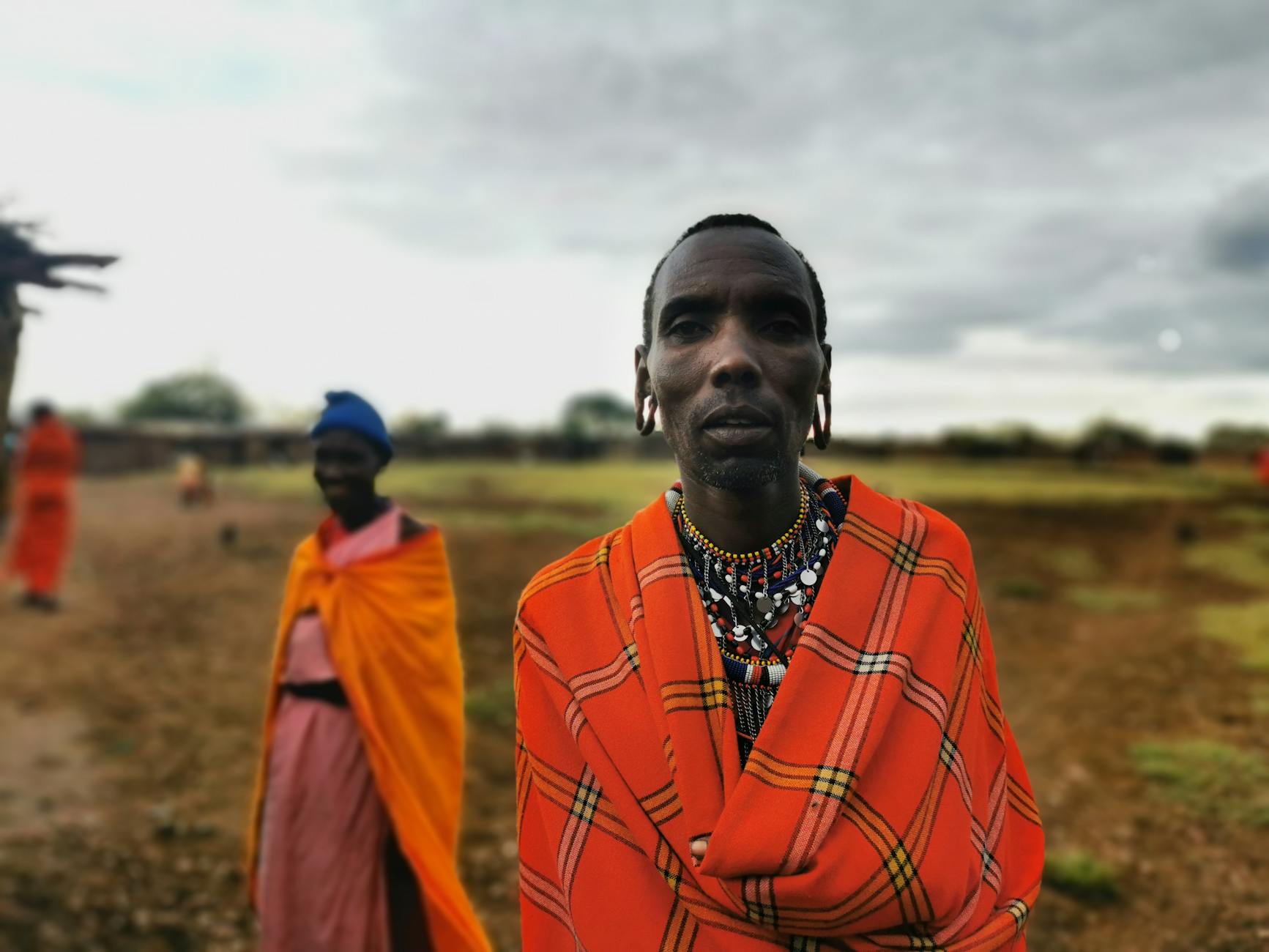
Of all the strands of the Laikipia conservation story, the one I find most moving is the rise of the community conservancy — places where the land, the wildlife and the safari lodge itself are owned not by a private investor or the state, but by the local people who have always lived there. In a community conservancy in Laikipia, tourism is not something done to a community but by it: revenues flow back into schools, clinics, water and scholarships, and decisions rest with community boards. It is conservation as empowerment, and it has produced some of Africa’s most inspiring success stories. This guide explains how the community-conservancy model works, profiles the pioneers like Il Ngwesi and Ol Lentille, and shows how staying at a community-owned lodge makes your safari a direct force for good.
If you want your travel to genuinely change lives as well as protect wildlife, this is the model to understand — and to seek out.
What Is a Community Conservancy?
A community conservancy is an area of land set aside for wildlife conservation that is owned and governed by the local community rather than a private individual or the government. The community — often pastoralist peoples such as the Maasai or Samburu — collectively decides to manage part of their land for wildlife, typically establishing a board or trust to run it, employing local rangers, and partnering with tourism operators or conservation organisations. The income generated, from tourism and other sources, belongs to the community and is reinvested in both conservation and local development. It is a model that turns the old logic of conservation on its head: instead of fencing people out, it puts them in charge, aligning the survival of wildlife with the prosperity and dignity of the people who live alongside it. This is community-based tourism in its truest, most powerful form.
Il Ngwesi: A Pioneering Success
No story captures the model better than Il Ngwesi. Following an approach from neighbouring Lewa in the mid-1990s, Il Ngwesi became the first Maasai group ranch in the region to embark on a community conservation and development journey. The group ranch was established and its celebrated eco-lodge opened in 1996, initially financed by USAID as a pilot for community conservation in East Africa. What makes it remarkable is that the lodge is owned, managed and staffed entirely by members of the Il Ngwesi Maasai community — around 7,000 people who call themselves the “people of wildlife.” Revenues have funded water projects, schools, scholarships and health outreach, and the conservancy’s wildlife has flourished, with black and white rhino relocated there in 2002 and growing numbers of elephant, giraffe and zebra. Il Ngwesi has become a model replicated across Kenya — proof that communities can lead conservation and prosper by it.
Ol Lentille: Community Ownership in Action
Another shining example is Ol Lentille, in northern Laikipia, established in 2007 across some 40,000 acres. Here too the model centres on community ownership: the luxury lodge was donated to and is owned by the local community, built on a tight partnership between the Maasai and Samburu peoples who own the land and the operators who run the tourism business. The communities, working with the African Wildlife Foundation, self-identified rotational grazing areas, livestock quotas and settlement zones, ensuring genuine buy-in and pride in the conservancy’s success. The results have been striking — a recovery from over-grazed semi-desert to abundant wildlife in just a few years — and the financial returns have been real, with millions of dollars raised and reinvested into schools, hospitals and conservation. Ol Lentille shows how community ownership, expert partnership and high-end tourism can combine to transform both a landscape and the lives of its people.
How Revenue Sharing Works
The engine of the community-conservancy model is revenue sharing, and it works in several ways. Tourism income — from lodge bed-night fees, conservancy fees and associated activities — flows to the community, typically through the conservancy trust or board, which allocates it between conservation costs (rangers, monitoring, habitat management) and community development (schools, clinics, water, bursaries). In community-owned lodges, the assets and profits belong to the community outright. Employment is itself a huge benefit, with conservancies and lodges hiring local people as rangers, guides, hospitality staff and managers. Some conservancies also receive support from umbrella bodies and conservation partners that help with management, training and market access. The principle throughout is that the people who bear the costs of living with wildlife — and who give up grazing land for it — are the people who reap the rewards.
The Benefits Beyond Money
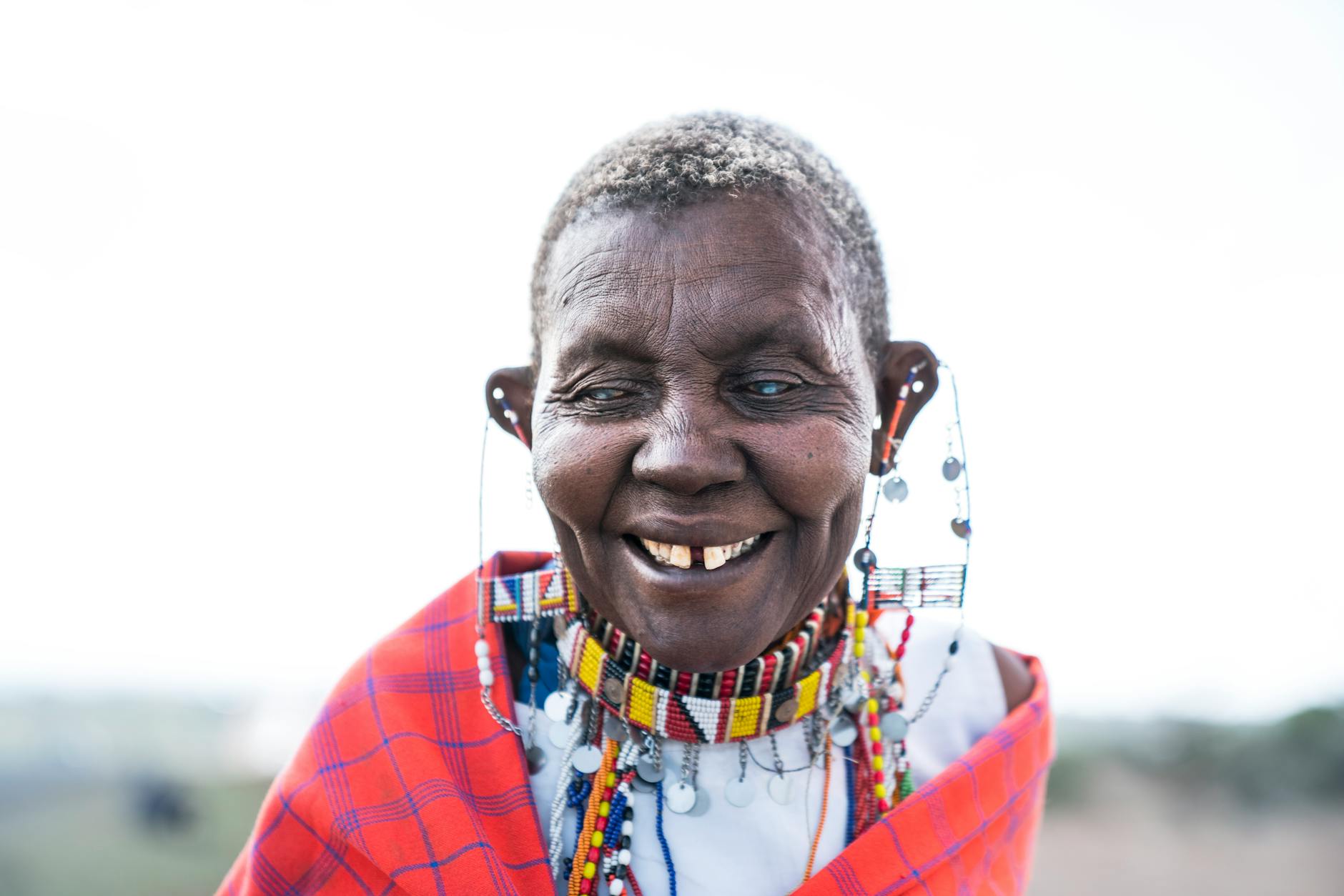
While the financial flows are vital, the deeper benefits of the model go further. Community conservancies build local capacity — training rangers, managers, guides and accountants — and create a sense of collective ownership and pride that sustains conservation through hard times. They strengthen land rights and governance, giving communities a structured voice over their own territory. They fund education and healthcare that ripple through generations. And they preserve culture, since many community lodges share and celebrate the traditions of their Maasai and Samburu owners, offering visitors authentic cultural experiences on the community’s own terms. Perhaps most importantly, the model restores agency: it positions communities not as obstacles to conservation or passive recipients of aid, but as the leaders and beneficiaries of it. That shift in dignity and self-determination is, in many ways, the model’s greatest achievement.
Staying at a Community Conservancy
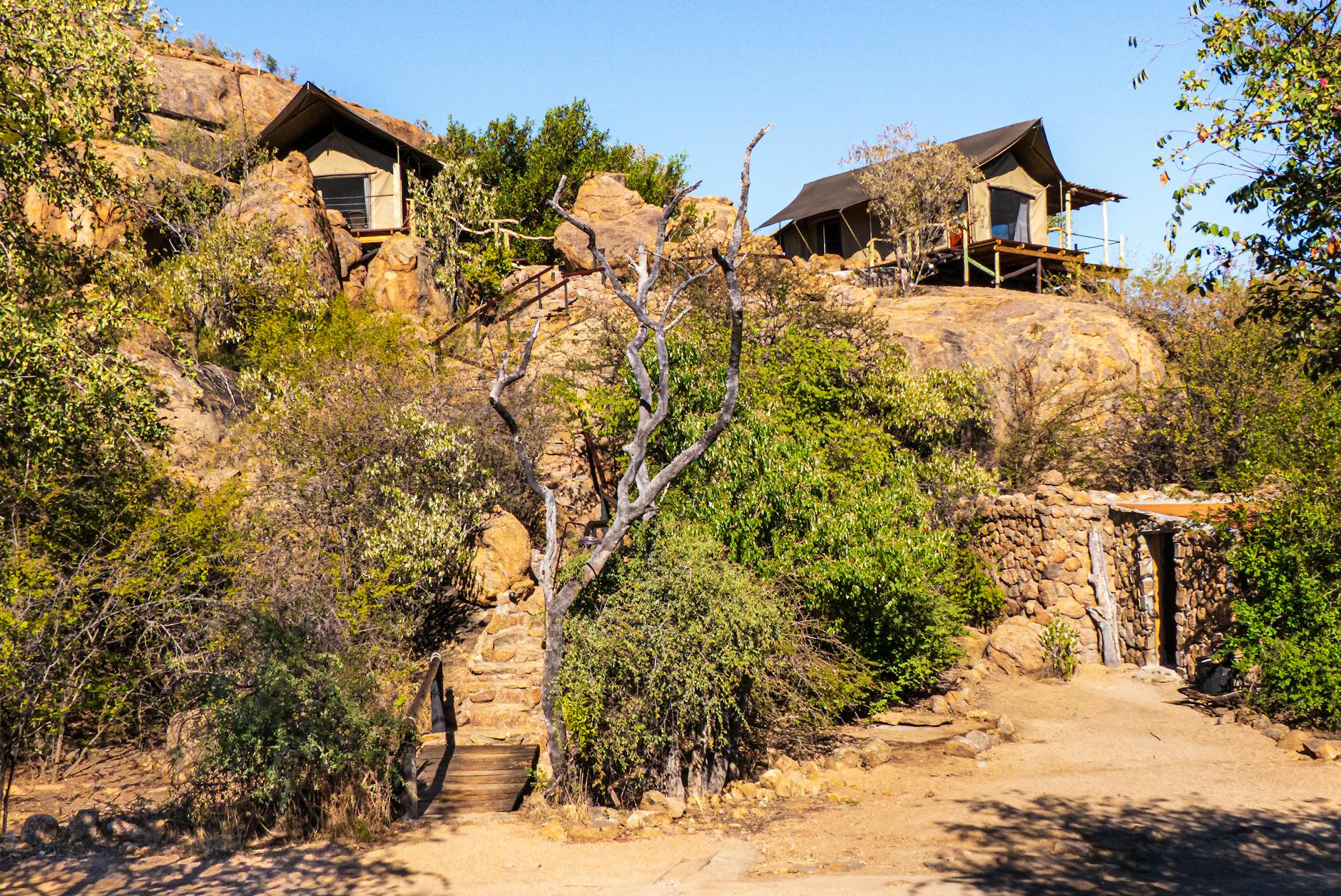
For travellers, the wonderful thing is that you can experience all of this directly by staying at a community-owned or community-partnered lodge. A night at Il Ngwesi or Ol Lentille (or other community lodges across the region) is not only a beautiful, often exclusive safari experience — frequently with walking safaris, cultural encounters and few other guests — but a direct contribution to the community that owns it. Your bed-night fee helps pay for the school, the clinic, the rangers and the scholarships. You’ll often be guided and hosted by members of the community itself, lending an authenticity and warmth that money can’t manufacture. Choosing a community conservancy for even a couple of nights of your Laikipia trip is one of the most meaningful decisions a traveller can make, turning a holiday into a genuine partnership with local people, as our guide to eco-lodges describes.
Challenges of the Community Model
For all its successes, the community-conservancy model is demanding and not without difficulty. Establishing and running a conservancy requires strong governance, transparency and trust, and communities must navigate complex decisions about grazing, land use and the distribution of benefits. Tourism revenue can be vulnerable to downturns, droughts and shocks, leaving conservancies financially exposed. Disagreements within communities, questions of equity, and the challenge of balancing livestock livelihoods with wildlife conservation are all ongoing. Success depends heavily on capable leadership, good partnerships and patient, long-term support. None of this diminishes the model’s achievements, but it does explain why thriving community conservancies are the product of years of careful work, and why ongoing support — including from responsible tourism — remains so important to their resilience and continued success.
How a Community Conservancy Is Established
Creating a community conservancy is a careful, often years-long process built on local consent. It typically begins with a community — frequently organised around a group ranch or communal landholding — deciding to set aside part of its land for wildlife. The community establishes a governance structure, usually a board or trust elected to represent members and manage the conservancy transparently. With support from conservation partners and sometimes neighbouring private conservancies, the community develops a management plan covering grazing, settlement and wildlife zones, recruits and trains local rangers, and builds or partners on tourism enterprises such as a lodge. Crucially, the community self-identifies grazing areas, livestock quotas and rules, ensuring genuine buy-in rather than imposed rules. Funding for the initial setup often comes from donors or development agencies — Il Ngwesi’s lodge, for instance, was financed as a pilot by USAID. The process demands patience, strong leadership and trust, but when done well it produces an institution genuinely owned by and accountable to the community, which is the foundation of the model’s long-term success and resilience.
The Role of Umbrella Organisations
Few community conservancies thrive entirely alone; most benefit from the support of umbrella organisations and conservation partners that provide what individual communities cannot easily muster. These bodies offer training and capacity-building for rangers, managers and boards; help with management planning, monitoring and fundraising; provide market access to connect conservancies with tourism and other revenue; and coordinate conservation across multiple community lands so that efforts join up at a landscape scale. Such support has been instrumental in scaling community conservation across northern Kenya and the wider region, helping dozens of communities establish and run successful conservancies. Conservation NGOs, research partners and neighbouring private conservancies also lend expertise and solidarity. This support network matters because establishing and sustaining a community conservancy is demanding, and the assistance of experienced partners dramatically improves the odds of success. For the communities, the goal is always to build their own capacity over time, so that the conservancy becomes ever more self-reliant — with partners enabling rather than directing the community’s own conservation leadership.
Women and Youth in Community Conservation
One of the quietly transformative aspects of community conservancies is the opportunity they create for women and young people. Conservancy enterprises generate jobs and income that often reach groups traditionally excluded from economic power, and many conservancies actively support women’s cooperatives — beadwork, crafts and other enterprises — that channel earnings directly to women and their families. Scholarships and education programs funded by conservancy revenue open doors for young people, while ranger, guiding and hospitality roles offer youth meaningful local careers and an alternative to leaving for the cities. Women increasingly serve on conservancy boards and in leadership, and youth engagement in conservation builds the next generation of local stewards. These social shifts ripple outward, strengthening communities and deepening the constituency for conservation. By creating opportunity where little existed, community conservancies do more than protect wildlife — they advance education, gender equity and youth empowerment, weaving conservation into the social and economic fabric of community life in ways that make it durable and widely supported.
Cultural Tourism and Community Conservancies
Community conservancies offer something private reserves often cannot: an authentic, community-led cultural dimension to a safari. Because these conservancies are owned and run by Maasai and Samburu communities, a stay frequently includes genuine cultural experiences shared on the community’s own terms — visits to villages, demonstrations of traditional skills, storytelling, song and dance, and conversations with community members and guides who are sharing their own heritage rather than performing for tourists. This cultural exchange enriches the visitor’s experience immeasurably, turning a wildlife holiday into a human encounter and offering insight into pastoralist ways of life intimately connected to the land. For the community, cultural tourism provides additional income and a source of pride, helping keep traditions alive and valued. Done respectfully, it is a meeting of equals that benefits both sides. This blend of wildlife and culture, of conservation and living heritage, is one of the most distinctive and rewarding aspects of choosing a community conservancy for part of your Laikipia journey.
Other Community Conservancies to Know
While Il Ngwesi and Ol Lentille are the celebrated pioneers, they are part of a broader and growing movement of community conservation across Laikipia and the neighbouring northern rangelands. A number of community conservancies and group-ranch initiatives operate across the wider landscape, each adapting the model to its own people and place, and together they protect significant areas of community land for wildlife. Some focus on particular species or landscapes, some run their own lodges or partner with operators, and all share the core principle of community ownership and benefit. This expanding network means the community-conservancy model is not a one-off success but a replicable, spreading approach that is steadily extending conservation across lands that would otherwise lack protection. For travellers, it means a growing choice of community-owned and community-partnered places to stay, each offering the chance to support local conservation directly. The continued growth of this movement is one of the most encouraging trends in the region, expanding both the conservation estate and the community benefits that flow from it.
Frequently Asked Questions
How is a community conservancy set up?
A community decides to set aside land for wildlife, establishes an elected board or trust to govern it transparently, develops a management plan (grazing, settlement and wildlife zones), trains local rangers, and builds or partners on tourism enterprises. The community self-identifies grazing rules to ensure buy-in, often with initial funding from donors and support from conservation partners.
Who governs a community conservancy?
The community itself, usually through an elected board or trust that represents members and manages the conservancy transparently — allocating revenue between conservation and community development. This local governance, accountable to the community, is central to the model, often supported by umbrella organisations and conservation partners who build capacity rather than take control.
Do community conservancies help women and youth?
Yes, significantly. They create jobs and income reaching groups often excluded from economic power, support women’s craft cooperatives, fund scholarships and education for young people, and offer youth local careers as rangers, guides and hospitality staff. Women increasingly serve in conservancy leadership, making conservation a driver of education, gender equity and youth empowerment.
What’s the difference between a private and community conservancy?
A private conservancy is owned by an individual or company; a community conservancy is owned and governed by the local community, who hold the land and often the lodge, and reinvest revenue in their own development. Community conservancies put ownership, decision-making and profits directly in local hands, and often offer authentic community-led cultural experiences.
What is a community conservancy in Laikipia?
It’s an area of land managed for wildlife conservation that is owned and governed by the local community — often Maasai or Samburu pastoralists — rather than a private owner or the government. The community runs it through a board or trust, employs local rangers, and reinvests tourism revenue into both conservation and development like schools, clinics and water.
What is Il Ngwesi?
Il Ngwesi is a pioneering Maasai community conservancy north of Mount Kenya, whose eco-lodge (opened in 1996) is owned, managed and staffed entirely by the Il Ngwesi Maasai community of around 7,000 people. Revenues fund water, schools, scholarships and health, and wildlife including rhino has been restored. It’s a model replicated across Kenya.
What makes Ol Lentille a community conservancy?
At Ol Lentille in northern Laikipia, established in 2007, the luxury lodge was donated to and is owned by the local Maasai and Samburu communities, who own the land and partner with tourism operators. The communities co-manage grazing and conservation, and millions of dollars have been raised and reinvested into schools, hospitals and conservation.
How does staying at a community lodge help?
Your bed-night and conservancy fees flow back to the community that owns the lodge, funding rangers, schools, clinics and scholarships. You’re often hosted and guided by community members, giving an authentic experience. Choosing a community-owned or community-partnered lodge makes your safari a direct contribution to local livelihoods and conservation.
Are community conservancies a good way to travel responsibly?
Yes — they’re among the most meaningful choices a traveller can make, channelling tourism income directly to the people who live with wildlife and putting conservation in local hands. Just choose established, well-governed community conservancies, and view your stay as a long-term partnership that supports their resilience through good times and bad.
Explore further with our guides to Il Ngwesi, volunteering in Laikipia, and the full conservation and community tourism guide.