Last updated: June 2026
Here is something that surprises most first-time visitors to Laikipia: there is no national park. Unlike the Maasai Mara or Amboseli, this plateau holds some of Kenya’s richest wildlife — the second-highest concentration of large mammals in the country, around half the world’s endangered Grevy’s zebra, thriving populations of black rhino, elephant and wild dog — almost entirely on private and community-owned land. That this wildlife exists at all is down to a quietly radical idea known as the Laikipia conservation model: the notion that conservation can be driven not by government parks but by landowners and communities who make protecting wildlife pay. This guide explains how that model works, how former cattle ranches became world-class conservancies, the economics that sustain them, and why Laikipia has become a template studied across Africa.
It is, to my mind, one of the most important conservation stories in the world — and understanding it transforms how you see everything on a Laikipia safari.
What Makes Laikipia Different
The defining feature of Laikipia is that its wildlife lives outside formal protected areas. Where most of Kenya’s famous animals are confined to government national parks and reserves, Laikipia’s roam across a patchwork of private ranches, community lands and the conservancies built on them. This makes the plateau a vast, unfenced, living laboratory for a different kind of conservation — one where wildlife and people, livestock and lions, share the same landscape. The absence of park boundaries means animals move freely along ancient routes, but it also means their survival depends entirely on the goodwill and economic incentives of the people who own the land. That is the heart of the Laikipia conservation model, and what makes this ecosystem so unusual and so instructive.
From Cattle Ranches to Conservancies
The model’s roots lie in the colonial-era cattle ranches that carved up the Laikipia plateau in the early twentieth century. For decades these were working livestock operations. But from the late twentieth century onwards, many ranchers recognised that the wildlife on their land — and the tourism it could attract — was an asset worth protecting, and in some cases more valuable and sustainable than cattle alone. Gradually, ranch after ranch shifted toward wildlife conservation and tourism, transforming into conservancies while often keeping livestock as part of an integrated system. Properties that were once purely cattle ranches became renowned wildlife strongholds, safeguarding rhino, Grevy’s zebra and other endangered species. This transformation, repeated across the plateau, is the foundation of modern Laikipia — and it is why the region’s history is, as our guide to the conservancies explains, really a story of land use reimagined.
Wildlife and Livestock Together
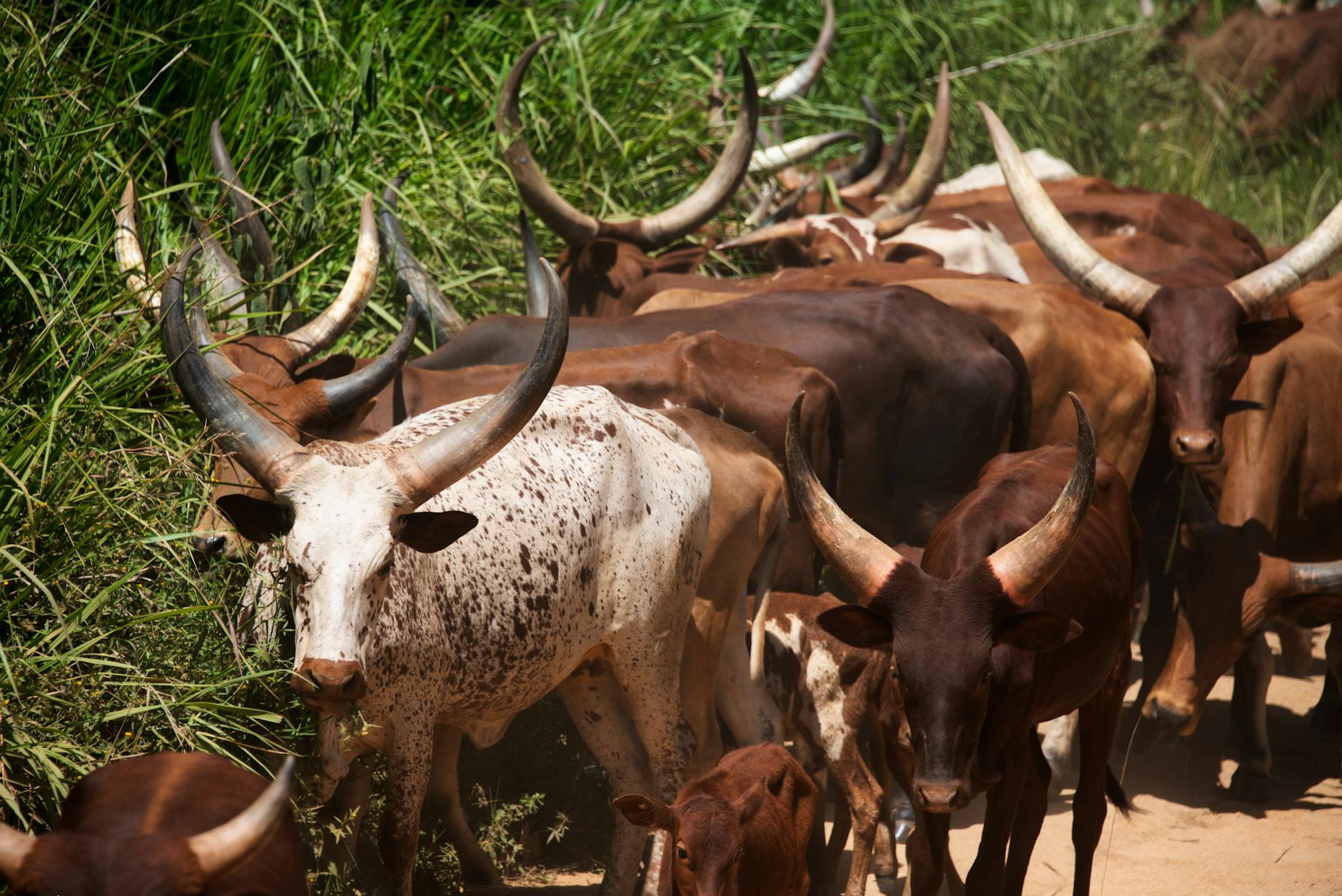
One of the most distinctive features of the Laikipia model is that it does not treat wildlife and livestock as enemies. Many conservancies run a “wildlife and cattle together” system, where carefully managed grazing coexists with wild animals, and where conservancies can grant scheduled grazing access to community herds during droughts — easing the pressure that so often drives conflict between pastoralists and landowners. Well-managed cattle can even be a conservation tool, mimicking the grazing of wild herbivores and keeping grasslands healthy. This integration matters enormously, because Laikipia is home to pastoralist peoples for whom livestock is life. Rather than excluding them, the best of the model works to align the interests of wildlife, ranchers and herders, recognising that conservation here can only succeed if it works for the cattle-keeping communities who share the land, as explored in our guide to Laikipia’s peoples and cultures.
The Economics of Conservation
For conservation to survive without government parks, it has to pay its way, and the Laikipia model rests on multiple revenue streams. Tourism is central: visitor fees, lodge revenues and the premium that wildlife-rich, low-density conservancies can command (see our guide to conservancy fees) fund the rangers, fences, monitoring and habitat management that protect the wildlife. Sustainable livestock production, sometimes marketed as conservation or wildlife-friendly beef, adds another stream, as can carbon projects and philanthropy. Crucially, conservancies, lodges and conservation NGOs have become among the largest employers in the county, channelling income to neighbouring communities. The economic logic is simple but powerful: make living wildlife more valuable than dead wildlife or converted land, and you give people a reason to protect it. When the numbers work, conservation becomes self-sustaining rather than charity-dependent.
How Communities Benefit
The model’s long-term success depends on tangible benefits reaching local people, and across Laikipia those benefits are substantial. Beyond employment, conservancies and their lodges fund schools, clinics, water projects, scholarships and enterprise. The Lewa Education Programme, for instance, supports nineteen primary and three secondary schools; conservancies such as Loisaba and Borana operate clinics serving tens of thousands of people. Revenue-sharing arrangements channel tourism income into community development, and community-owned conservancies put ownership and profits directly in local hands. This matters not only ethically but practically: conservation that asks communities to share land with dangerous wildlife cannot endure unless those communities see real, lasting improvements in their lives. Where the benefits flow, the model thrives; where they fail to materialise, it falters — which is why community engagement is the make-or-break factor.
A Model Studied Across Africa
Laikipia’s approach has become a reference point for conservation far beyond Kenya. The integration of wildlife and livestock, the conversion of private land to conservancies, the community-ownership experiments, the landscape-scale coordination between neighbouring properties — all have been studied, admired and replicated elsewhere on the continent. Conservation pioneers based in Laikipia have helped seed similar initiatives across northern Kenya and beyond. The plateau has shown that it is possible to recover wildlife on working landscapes, outside parks, in ways that benefit people — a hopeful counter-narrative to the idea that conservation must mean fencing nature away from humanity. For all its challenges, the Laikipia model stands as one of the most influential and optimistic experiments in modern conservation, and a key reason the region matters far beyond its borders.
The Challenges and Critiques
An honest account must acknowledge that the model is neither perfect nor uncontested. Laikipia has a complex and sometimes painful history of land politics, and tensions over land ownership, access and grazing have at times erupted into conflict. Critics point out that much conservation land remains in the hands of large private owners, that benefits are not always shared equitably, and that the model can sit uneasily with the needs and rights of pastoralist communities, especially during severe droughts. Fencing, grazing rules and the commercial pressures of tourism all carry trade-offs. These are real and serious issues, and the model’s defenders would argue they are reasons to deepen and improve community partnership, not to abandon the approach. Understanding these tensions gives a fuller, more truthful picture of how conservation actually works on this contested and remarkable landscape.
What It Means for Your Visit
Knowing how the model works changes the way you experience Laikipia. Every conservancy fee you pay, every night in a conservancy eco-lodge, every craft you buy directly funds the rangers, the schools and the wildlife protection that keep this landscape alive — your visit is part of the economic engine that makes conservation viable here. It also means a Laikipia safari is different in character: lower vehicle densities, walking and night drives, and a genuine connection to conservation work you can see and sometimes take part in. Choosing to visit, and choosing operators and lodges that channel benefits to communities and wildlife, makes you an active participant in one of the world’s great conservation experiments, as our guide to conservation and community tourism explores.
The Birth of an Idea
The Laikipia model did not appear overnight; it grew from the vision of a handful of pioneers who saw, decades ago, that wildlife could be an asset rather than a nuisance. As cattle ranching faced mounting economic and ecological pressures through the late twentieth century, forward-thinking landowners began experimenting with wildlife tourism and conservation as a complementary or alternative land use. Neighbouring Lewa, which converted from a cattle ranch into a wildlife conservancy, became hugely influential, demonstrating that protecting rhino and wildlife could pay and that ranchers and communities could partner around conservation. These early successes inspired others, and a movement spread across the plateau as ranch after ranch followed suit. The idea that quietly took hold — that conservation could be a viable business and a force for community development, not a sacrifice — was genuinely radical at the time. It is a reminder that Laikipia’s wildlife-rich present is the product of deliberate choices made by individuals who dared to reimagine what their land was for, and whose example continues to shape conservation thinking across Africa today.
The Wildlife the Model Protects
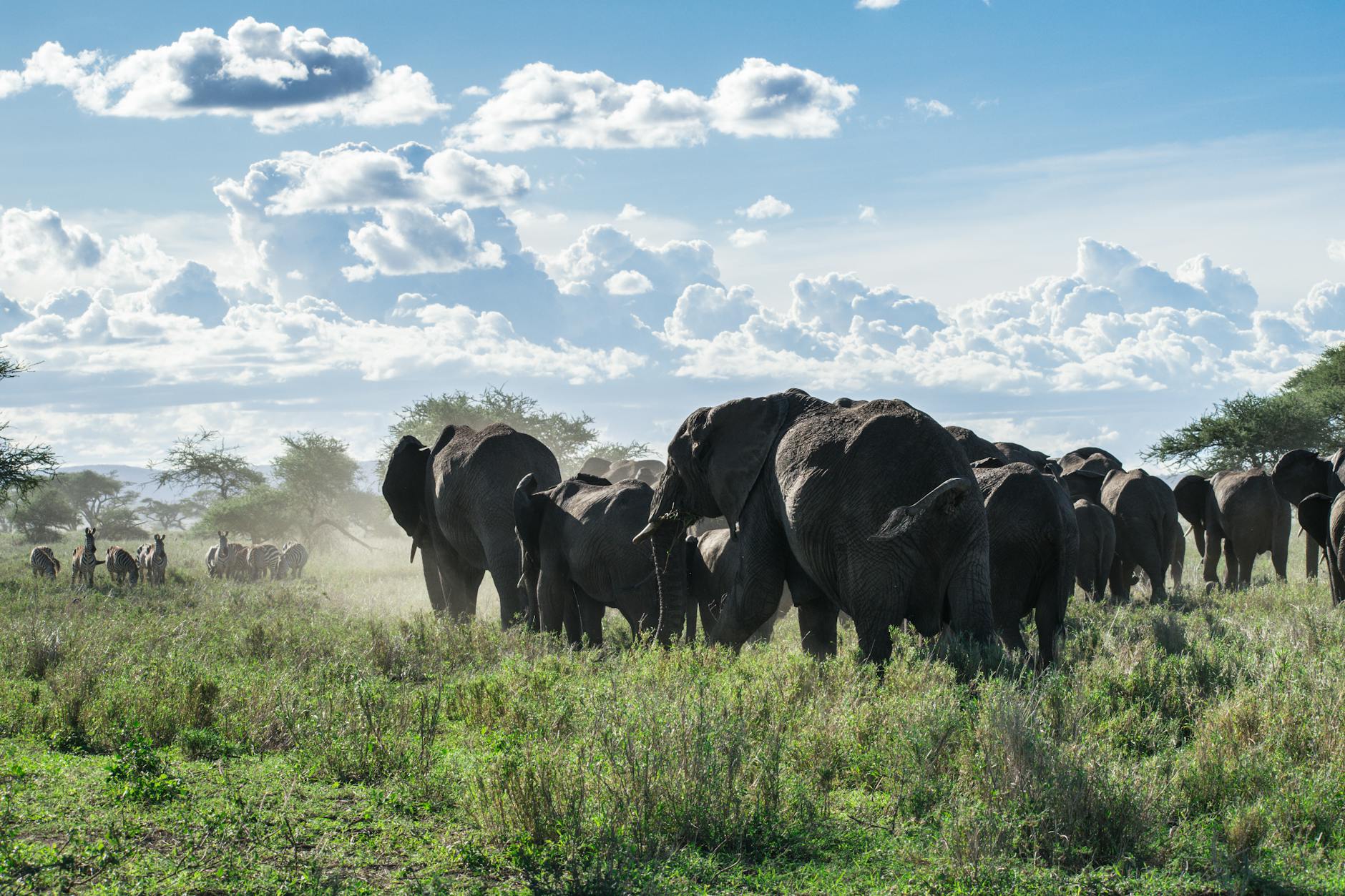
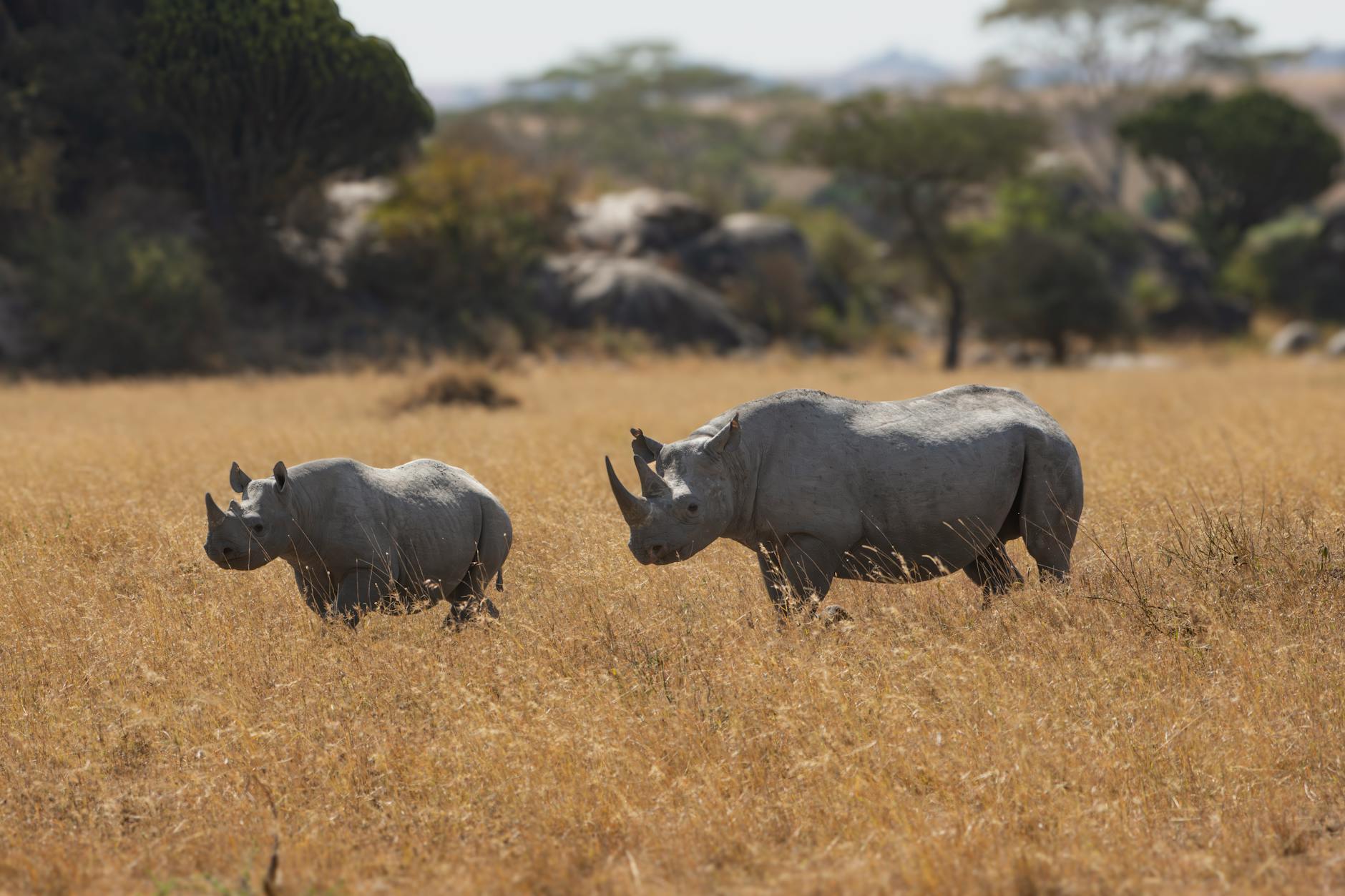
The proof of the model lies in the wildlife it sustains. Laikipia holds the second-highest concentration of large mammals in Kenya, an astonishing figure for a landscape without a national park. It is a global stronghold for the endangered Grevy’s zebra, harbouring a large share of the world’s remaining population, and a crucial refuge for black rhino, with conservancies running some of Africa’s most important rhino sanctuaries. It supports thriving numbers of elephant, and significant populations of African wild dog — one of the continent’s most endangered carnivores — along with lion, leopard, cheetah and a wealth of plains game. This concentration of rare and endangered species on private and community land is the model’s ultimate vindication: it shows that conservation outside the park system can not only hold the line but actively recover threatened wildlife. Every Grevy’s zebra and black rhino on the plateau is, in a real sense, a product of the economic and social model that makes their protection worthwhile.
New Revenue: Carbon and Diversification
While tourism and livestock remain the core, the Laikipia model is increasingly diversifying its revenue, which strengthens its resilience. Among the most significant developments are rangeland carbon projects, in which improved grazing management across vast conservancy and community lands sequesters carbon, generating carbon credits that can be sold to fund conservation and community development. Such projects open a valuable new income stream that rewards good land stewardship and is less vulnerable to the ups and downs of tourism. Conservancies also pursue sustainable livestock enterprises, wildlife-friendly beef, philanthropy, research partnerships and other ventures. This diversification matters because a model dependent on a single income source is fragile — as travel shutdowns have painfully shown — whereas multiple streams spread the risk and stabilise funding. The drive to broaden conservation’s economic base is one of the most important frontiers for the model’s future, helping ensure that the protection of Laikipia’s wildlife does not rest on tourism alone but on a robust, varied foundation that can weather shocks.
Laikipia Versus the National Parks
It is illuminating to compare Laikipia with Kenya’s famous national parks. In a park like the Maasai Mara or Amboseli, the land is state-owned, entry is open to all who pay the gate fee, and vehicle numbers at a popular sighting can be high. Laikipia works differently: its conservancies are private or community-managed, guest numbers are deliberately kept low, and the exclusivity allows activities impossible in most parks — walking safaris, night drives, off-road tracking and genuine conservation engagement. The trade-off is that conservancy fees tend to be higher, reflecting the fact that they directly fund conservation rather than a national treasury. For wildlife, the park model offers strong legal protection but can struggle with funding and human pressure at the edges, while the Laikipia model ties protection directly to economic incentive and community benefit. Neither is simply better; they are different tools. But for travellers seeking exclusivity, activity variety and a direct conservation connection, Laikipia’s approach offers something the big parks rarely can, as our safari guide explains.
The Role of NGOs and Partners
The conservancies do not work alone; a web of NGOs, research institutions and conservation partners underpins the model. Organisations focused on elephants, predators, rhino and rangelands provide scientific expertise, monitoring, training and funding that individual conservancies could not muster alone. Research institutions and universities run long-term studies that inform management decisions, while specialist bodies support anti-poaching, human-wildlife coexistence and community programs. Umbrella organisations help coordinate community conservancies and channel resources to them. International donors and conservation charities provide vital funding for capital projects and emergencies. This ecosystem of partners adds depth, expertise and resilience to the model, complementing the conservancies’ own efforts and connecting Laikipia to the global conservation community. For visitors, it means the conservation you support is backed by serious science and professional rigour, not goodwill alone — and it is one reason Laikipia has become such an influential testing ground for conservation ideas that spread far beyond its borders.
Frequently Asked Questions
What endangered species does the Laikipia model protect?
Laikipia protects a global stronghold of endangered Grevy’s zebra (a large share of the world population), crucial black rhino populations including some of Africa’s most important sanctuaries, the last northern white rhinos at Ol Pejeta, endangered African wild dogs, and thriving elephant, lion, leopard and cheetah — all on private and community land outside any national park.
Is Laikipia’s conservation land private or community-owned?
Both. The model spans large private conservancies, community-owned conservancies where local people lead conservation on their own land, and working ranches that integrate wildlife with livestock. This mix is a defining feature — conservation here is landowner- and community-driven rather than state-run, which is exactly what makes Laikipia distinctive and influential.
How is the Laikipia model different from a national park?
National parks are state-owned, open to all who pay the gate fee, and can be busy. Laikipia’s conservancies are private or community-managed with deliberately low guest numbers, allowing walking safaris, night drives and off-road tracking. Fees are higher but fund conservation directly rather than a national treasury, tying wildlife protection to economic incentive and community benefit.
Can the conservation model survive droughts and downturns?
It faces real pressure from drought, climate and tourism shocks, which is why diversification matters. Beyond tourism, conservancies pursue sustainable livestock, rangeland carbon projects, philanthropy and research partnerships to spread risk. The model’s resilience depends on broadening its economic base and deepening community benefit so conservation isn’t dependent on any single income stream.
What is the Laikipia conservation model?
It’s an approach where wildlife is conserved not in government national parks but on private and community-owned land, by making conservation economically viable through tourism, sustainable livestock and community benefits. Former cattle ranches became conservancies, wildlife and livestock often coexist, and local communities share in the revenue — giving people a reason to protect wildlife.
Why does Laikipia have no national park?
Laikipia’s wildlife lives almost entirely on private ranches, community lands and conservancies rather than in a formal protected area. This is precisely what makes the region distinctive: conservation is landowner- and community-driven rather than state-run, yet the plateau holds the second-highest concentration of large mammals in Kenya and key endangered species.
How did Laikipia’s ranches become conservancies?
From the late twentieth century, many colonial-era cattle ranches recognised that wildlife and tourism could be a more valuable and sustainable land use than livestock alone. Ranch by ranch, properties shifted toward wildlife conservation and tourism, becoming conservancies — often keeping livestock as part of an integrated wildlife-and-cattle system.
How do conservancies make money without a national park?
Through multiple revenue streams: tourism (conservancy fees and lodge revenue), sustainable livestock production, sometimes carbon projects and philanthropy. Conservancies, lodges and conservation NGOs are also among the county’s largest employers. The aim is to make living wildlife more valuable than the alternatives, so conservation becomes self-sustaining.
Is the Laikipia conservation model successful?
By many measures, remarkably so — it has recovered wildlife on working land outside parks and become a template studied across Africa. But it’s not uncontested: Laikipia has a complex history of land politics, and the model’s long-term success depends on sharing benefits equitably with pastoralist communities. Where benefits flow, it thrives.
Dig deeper into how it works with our guides to community conservancies, how your safari supports conservation, and the full conservation and community tourism guide.