Last updated: June 2026

The first time I stepped onto the canopy walkway at Ngare Ndare Forest, the bush below had gone quiet in that mid-morning way, and forty feet beneath my boots a small herd of elephant was moving through the undergrowth, completely unbothered by the people swaying gently on the bridge above them. That is Ngare Ndare in a sentence: an indigenous forest so alive that you can walk through its treetops while big game passes underneath. It is the single best half-day out from Nanyuki, and for many visitors it’s the highlight of their entire Laikipia trip.
This guide covers everything you need to plan a visit: the famous canopy walk, the turquoise pools and waterfalls, the hiking trail, what it costs in 2026, how to get there, where to stay, and the practical rules that have changed recently. I’ve tried to make this the most complete, honest resource on the forest anywhere online — the one I wish I’d had on my first visit.
What Is Ngare Ndare Forest?
Ngare Ndare is an ancient indigenous forest sitting in the southern foothills of Mount Kenya, between the mountain and the Lewa Wildlife Conservancy. The name means “place of clear water” in Maa, and the forest earns it: spring-fed streams running off Mount Kenya carve through the woodland and pool into a series of extraordinary blue-green swimming holes. Some of the cedar and African olive trees here are estimated to be over 200 years old.
Crucially, the forest is a living wildlife corridor. It forms the vital link that allows elephants to migrate between Mount Kenya and the Laikipia plains via an underpass beneath the main highway — one of Africa’s great connectivity-conservation success stories, which we explore in our article on the Laikipia ecosystem. The forest is managed by the community-led Ngare Ndare Forest Trust, whose tourism income funds protection and benefits the surrounding communities, an approach we cover in our conservation and community tourism guide.
The Canopy Walkway
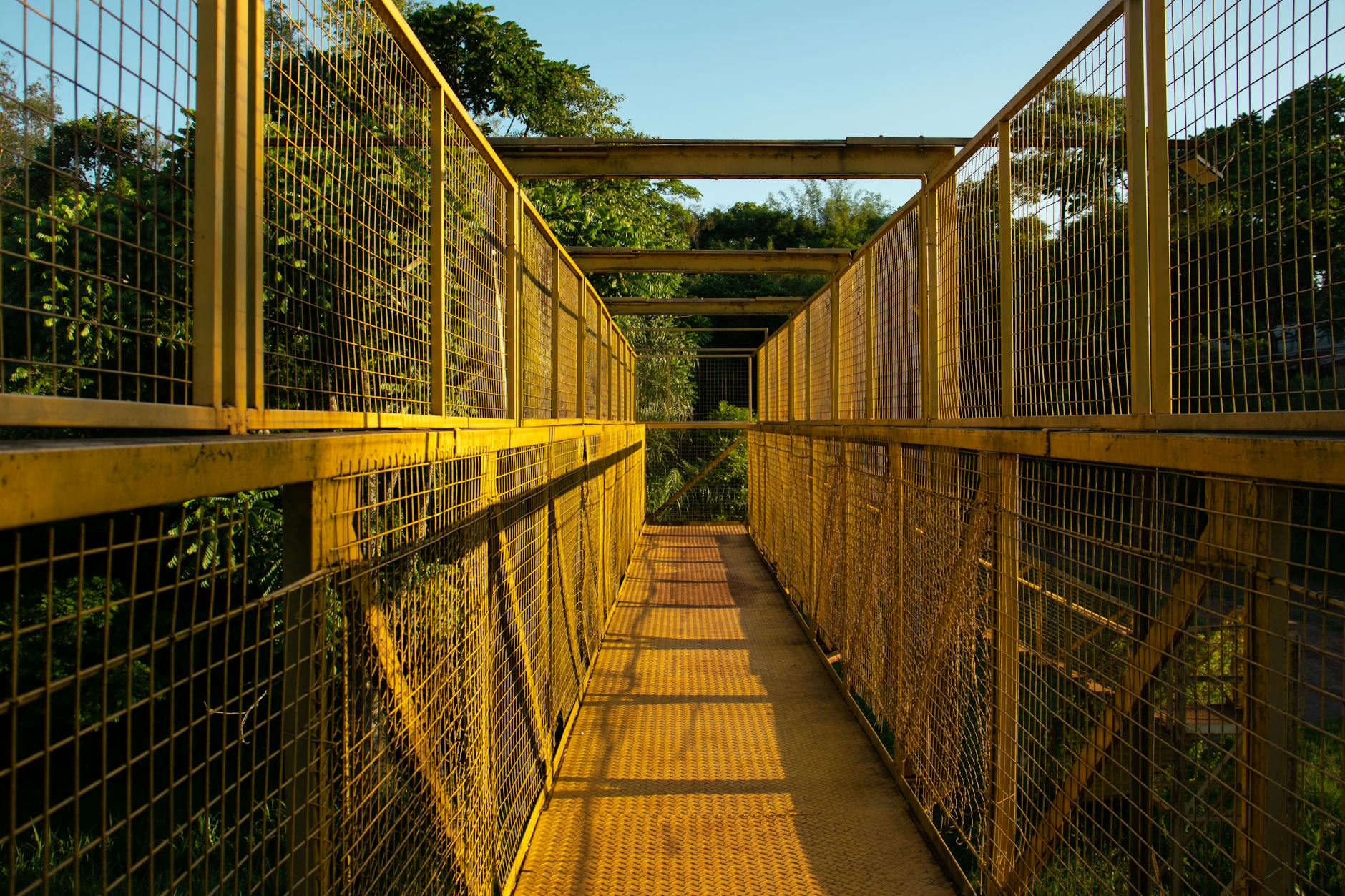
The headline attraction is the canopy walkway — a suspended bridge that stretches roughly 450 metres through the treetops, around 30 feet (about 10 metres) above the forest floor. It is one of the longest forest canopy walks in East Africa, and walking it is genuinely thrilling without being frightening: the structure is solid, netted at the sides, and gently swaying rather than alarming.
What makes it special is the perspective. Down at ground level a forest hides its life; up in the canopy you are eye-level with birds, colobus monkeys and the layered structure of the trees, with long views out toward Mount Kenya on a clear morning. Because Ngare Ndare is an active elephant corridor, it is genuinely possible to watch elephants moving below you — keep your voice down and your camera ready. The walkway ends on a platform with one of the best views in the forest.
The Waterfalls and Blue Pools
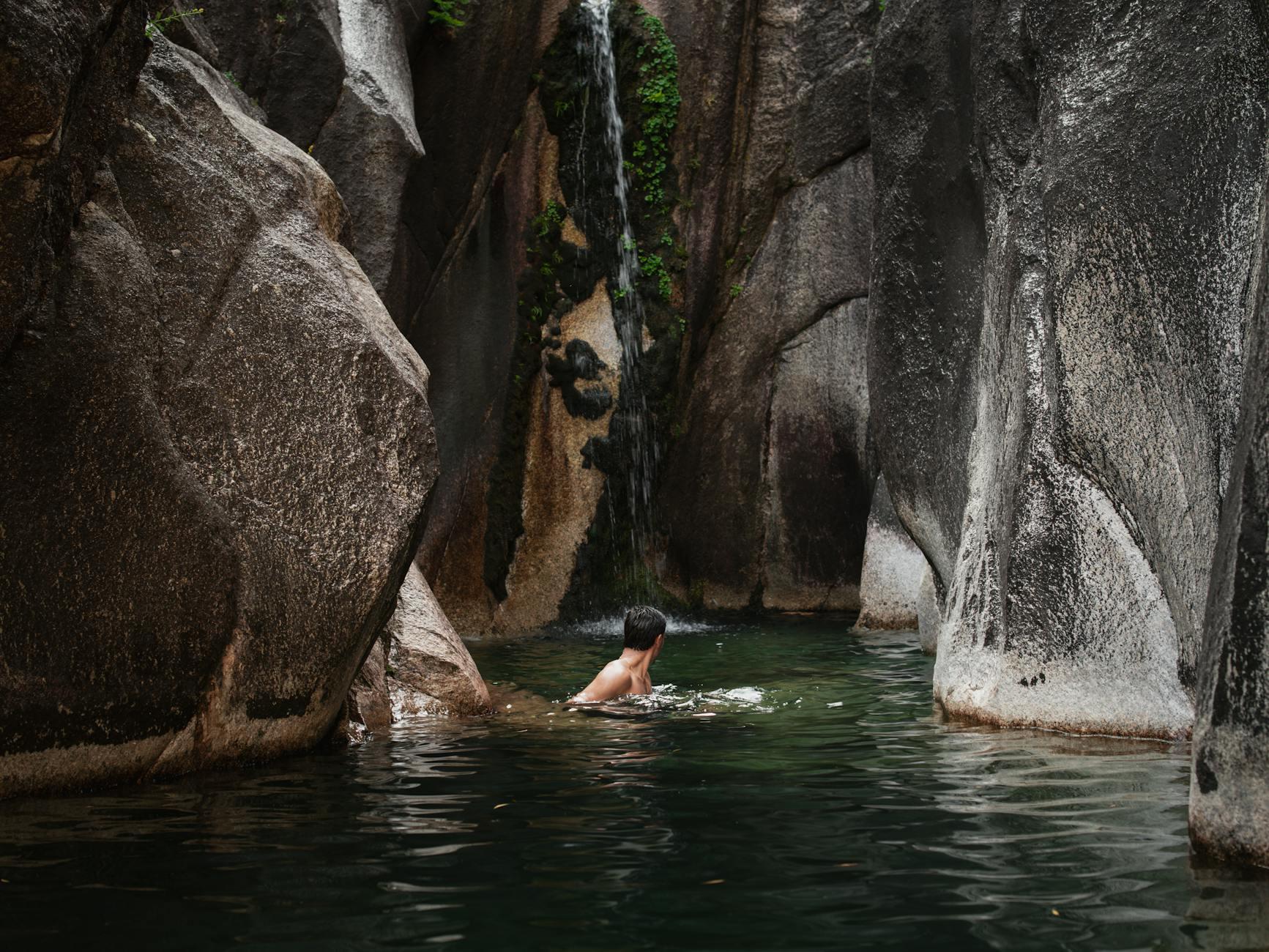
If the canopy walk is the thrill, the pools are the reward. A single main hiking trail of about 3.5 kilometres leads down through the forest to a series of waterfalls and the famous azure pools. The water is startlingly clear and a deep blue-green, fed straight off Mount Kenya, which means it is cold — properly, gasp-inducingly cold — but on a warm day after a walk it is glorious.
Strong swimmers can leap from the rocks into the main pool beneath the waterfall, a rite of passage for visitors and one of the most photographed spots in the entire Laikipia region. If you are not a confident swimmer, the shallower edges are still wonderful for a paddle and a cool-off. Bring a swimsuit, a quick-dry towel and water shoes if you have them, as the rocks can be slippery.
Hiking in the Forest
The main trail to the waterfalls covers about 3.5 km and is moderately demanding — some sections are quite steep, but it is manageable for anyone of reasonable fitness, including older children. A guide or ranger accompanies all visitors, both for safety (this is genuine elephant and buffalo country) and to interpret the forest’s birdlife, trees and tracks. Allow two to three hours for a relaxed round trip with time to swim.
For keen walkers, Ngare Ndare pairs naturally with the wider hiking options on the plateau — see our guide to hiking and trekking in Laikipia, and our piece on Mount Kenya from Laikipia if the mountain itself is calling.
Wildlife and Birdlife
Ngare Ndare is not a Big Five game-viewing destination in the way the conservancies are, but it is rich in its own right. Elephants use the corridor regularly, and buffalo, bushbuck, colobus and Sykes’ monkeys, and a host of forest birds inhabit the canopy. For birdwatchers it’s a rewarding contrast to the open savannah — pair it with our Laikipia birdwatching guide. Because there are dangerous animals about, walking is only ever done with an armed ranger; do not wander off alone.
The Elephant Underpass: A Conservation Triumph
One detail elevates Ngare Ndare from “pretty forest” to “conservation landmark.” For generations, elephants moving between the Mount Kenya forests and the Laikipia plains were blocked by the busy highway and expanding farmland, fragmenting the population and fuelling human-wildlife conflict. The solution, opened in 2011, was an elephant underpass — a corridor beneath the road that allows the herds to migrate safely between the mountain and the lowlands, with Ngare Ndare forming the crucial forested link. It worked beyond expectations: elephants learned to use it within weeks, and the route now reconnects populations that had been isolated for decades. When you walk the forest, you are walking a living wildlife corridor, not a museum piece. We explore this kind of landscape connectivity further in our guide to the Laikipia ecosystem and conservation tourism.
Camping in Ngare Ndare
For those who want more than a day visit, the Trust permits camping within the forest, and falling asleep to the sound of running water and the occasional crack of an elephant feeding nearby is a special kind of magic. Facilities are basic and you’ll need to be self-sufficient, and an armed ranger is required for overnight stays (reflected in the fees below). It’s a wonderful option for adventurous travellers and families with older children; book well in advance through the Trust. If you’d prefer a roof, see our guides to camping in Laikipia and nearby Lewa lodges.
Photography in the Forest
Ngare Ndare is a photographer’s gift, but a tricky one. The canopy walk offers elevated, layered compositions and the chance of elephants below; the pools, shot from above on the trail, glow an almost unreal blue-green in good light. The challenge is contrast — dappled forest light is harsh at midday, so aim for early morning when the sun is low and soft, and bring a lens that handles shade well. A polarising filter cuts glare off the water and saturates those famous blues. Protect your gear near the pools, and keep it accessible but secure on the canopy bridge. For broader technique, see our Laikipia photography guide.
Ngare Ndare Fees and Charges (2026)
Entry is managed by the Ngare Ndare Forest Trust, and fees cover access to the forest, the pools and the canopy walkway. As of 2026, the headline rates are approximately:
| Item | Residents / Citizens | Non-Residents |
|---|---|---|
| Adult day entry | KSh 2,000 | KSh 4,000 |
| Child (10–15 yrs) | Half adult rate | Half adult rate |
| Guide / ranger fee (per group) | KSh 1,000 | KSh 1,000 |
| Vehicle entry (per car) | KSh 500 | KSh 500 |
| Camping (per person) | KSh 3,000 | KSh 5,000 |
| Armed ranger for camping | KSh 1,000 | KSh 1,000 |
Important: Payment is by M-Pesa — cash is generally not accepted — and you must book in advance through the Ngare Ndare Forest Trust by phone or email rather than simply turning up. Fees change periodically, so always confirm current rates and availability when you book. For how this fits a wider budget, see our Laikipia safari cost guide.
A Brief History of the Forest
Ngare Ndare is a gazetted forest reserve that has been protected, on paper, for over a century — but its modern story is really about community ownership. For years the forest suffered from illegal logging, charcoal burning and overgrazing, the slow erosion that quietly kills so many African forests. The turning point came when local communities, conservancies and conservation partners formed the Ngare Ndare Forest Trust to manage the reserve collaboratively, channelling tourism income and grazing fees back into protection and into the surrounding villages. Eco-tourism — the canopy walk, the pools, the camping — was developed precisely to give the forest an economic value that made it worth protecting alive rather than felling. It is one of the cleaner examples of how a well-run visitor attraction can underwrite conservation, and a model echoed across the wider Laikipia conservation movement.
The Trees, Plants and Forest Life
Part of Ngare Ndare’s magic is simply its age. This is genuine indigenous forest, not plantation — a tangle of ancient African olive, red cedar (East African pencil cedar) and giant fig trees, some estimated to be more than two centuries old, draped in lichen and moss in the damper hollows. The understorey shifts as you descend toward the river, growing lusher and greener near the spring-fed pools. It’s a striking contrast to the open savannah and acacia country that defines most of Laikipia, and that variety is exactly why the forest supports such different wildlife — colobus and Sykes’ monkeys in the canopy, forest birds you won’t find on the plains, and the elephants that pass through on their ancient migration route. Your guide will point out medicinal and culturally important plants along the way, adding a layer of local knowledge to the walk.
Responsible Visiting: Leave No Trace
The Trust has, rightly, become stricter about visitor impact, and a responsible visit matters here more than at most attractions. Single-use plastic bottles are banned outright — bring a refillable flask, as rangers check bags at the trailhead. Carry out absolutely everything you bring in, including fruit peel and cigarette ends. Stick to the marked trail to avoid trampling vegetation and disturbing wildlife, keep your voice down (both for the experience and the animals), and never feed monkeys or other animals. Swimming is fine in the designated pool, but avoid sunscreen and insect repellent just before you get in, as the chemicals harm the aquatic ecosystem of these pristine, spring-fed waters. These small courtesies are the price of keeping somewhere this special intact.
How to Get to Ngare Ndare Forest
The forest lies south-east of Nanyuki, near Timau, roughly an hour to ninety minutes by road depending on your starting point and conditions. The access road becomes rough toward the gates, and a high-clearance 4×4 is strongly recommended, especially in the wet season when the murram roads can be slick. Many visitors come as a day trip from Nanyuki or combine it with a stay at Lewa, which borders the forest. For driving conditions and routes, see our guide to planning your Laikipia trip.
Where to Stay Near Ngare Ndare
You can comfortably visit on a day trip from Nanyuki’s hotels and guesthouses or from any of the central Laikipia lodges. To wake up on the forest’s doorstep, the lodges and camps on neighbouring Lewa are the natural choice, and there is a campsite within the forest itself for those who want to fall asleep to the sound of running water. Browse the full range in our Laikipia accommodation guide and, for tents under the trees, our piece on camping in Laikipia.
Best Time to Visit
Ngare Ndare is rewarding year-round, but the experience shifts with the seasons. The dry months (roughly June–October and again January–February) bring easier roads, clearer Mount Kenya views and comfortable hiking; the pools are still full thanks to the spring-fed streams. The green season is lush and beautiful but the access road can be challenging. Aim for a morning visit — the light is better, the canopy is most active, and you’ll have the pools to yourself before any day-trip crowds arrive. See our best time to visit Laikipia guide for the full picture.
What to Bring
Pack a swimsuit and quick-dry towel, sturdy closed walking shoes (the trail is steep and rocky in places), water shoes for the pools, sun protection, and — critically — a reusable water flask. The Trust has introduced strict “Leave No Trace” rules and single-use plastic bottles are banned; rangers check bags at the trailhead. Bring your phone for M-Pesa payment, a camera, binoculars for the birds, and a light layer, as the forest can be cool in the morning. Carry out everything you carry in.
Making a Full Day or Trip of It
Because Ngare Ndare takes a half-day, it pairs perfectly with the rest of the region. A classic combination is a morning at the forest — canopy walk, hike to the pools, a swim — followed by an afternoon game drive on neighbouring Lewa or Borana, whose unfenced rhino landscape shares a boundary with the forest. Travellers based around Nanyuki often string Ngare Ndare together with the equator crossing and a visit to Ol Pejeta for a varied few days. If the mountain itself appeals, the forest is the gentlest possible introduction to the Mount Kenya foothills before a sterner trek or day hike. However you slot it in, treat the forest as one rich half-day in a fuller Laikipia itinerary rather than a destination in isolation.
Frequently Asked Questions
How long is the Ngare Ndare canopy walk?
The canopy walkway is approximately 450 metres long and suspended around 30 feet (about 10 metres) above the forest floor, making it one of the longest forest canopy walks in East Africa.
How much does it cost to visit Ngare Ndare Forest in 2026?
Non-resident adults pay around KSh 4,000 per day, residents and citizens KSh 2,000, with children aged 10–15 at half price. Add a group guide fee of KSh 1,000 and KSh 500 per vehicle. Payment is by M-Pesa, and you should book in advance. Confirm current rates with the Ngare Ndare Forest Trust when booking.
Can you swim in the Ngare Ndare waterfalls?
Yes. Strong swimmers can swim in and even jump into the main pool beneath the waterfall. The water is very cold as it comes straight off Mount Kenya, and the rocks are slippery, so take care and supervise children closely.
How do you get to Ngare Ndare from Nanyuki?
It’s roughly one to one-and-a-half hours by road south-east of Nanyuki near Timau. The final stretch is rough, so a high-clearance 4×4 is strongly recommended, particularly in the wet season.
Do you need a guide at Ngare Ndare?
Yes. Because the forest is home to elephant and buffalo, all visitors are accompanied by a Trust ranger or guide, included via the group guide fee. It’s both a safety requirement and a much richer way to experience the forest.
Is Ngare Ndare suitable for children and families?
Yes, for families with children who can manage a moderately steep 3.5 km walk. The canopy walk and pools are a hit with kids. See our Laikipia family safari guide for planning with younger travellers.
Ngare Ndare is one of the great half-days in Kenya. Slot it into a wider itinerary using our guide to things to do in Laikipia, and explore the region in full with the complete guide to Laikipia Kenya.


1 comment