Last updated: June 2026
Money on safari is one of those things that feels confusing before you go and turns out to be simple once you’re there — provided you arrive with a plan. How much cash to carry, in which currency, how tipping works, whether your cards will be accepted, and what on earth M-Pesa is: these are the questions every Laikipia visitor has. This Kenya currency, money and tipping guide answers them all in practical terms, so you can handle the financial side of your safari with confidence and tip the people who make your trip special, in the right amounts and the right way.
A note on figures: exchange rates and prices move, and the numbers here are guideline ranges to help you plan, not fixed quotes. Check the current rate close to your travel date. Now, the essentials.
The Kenyan Shilling
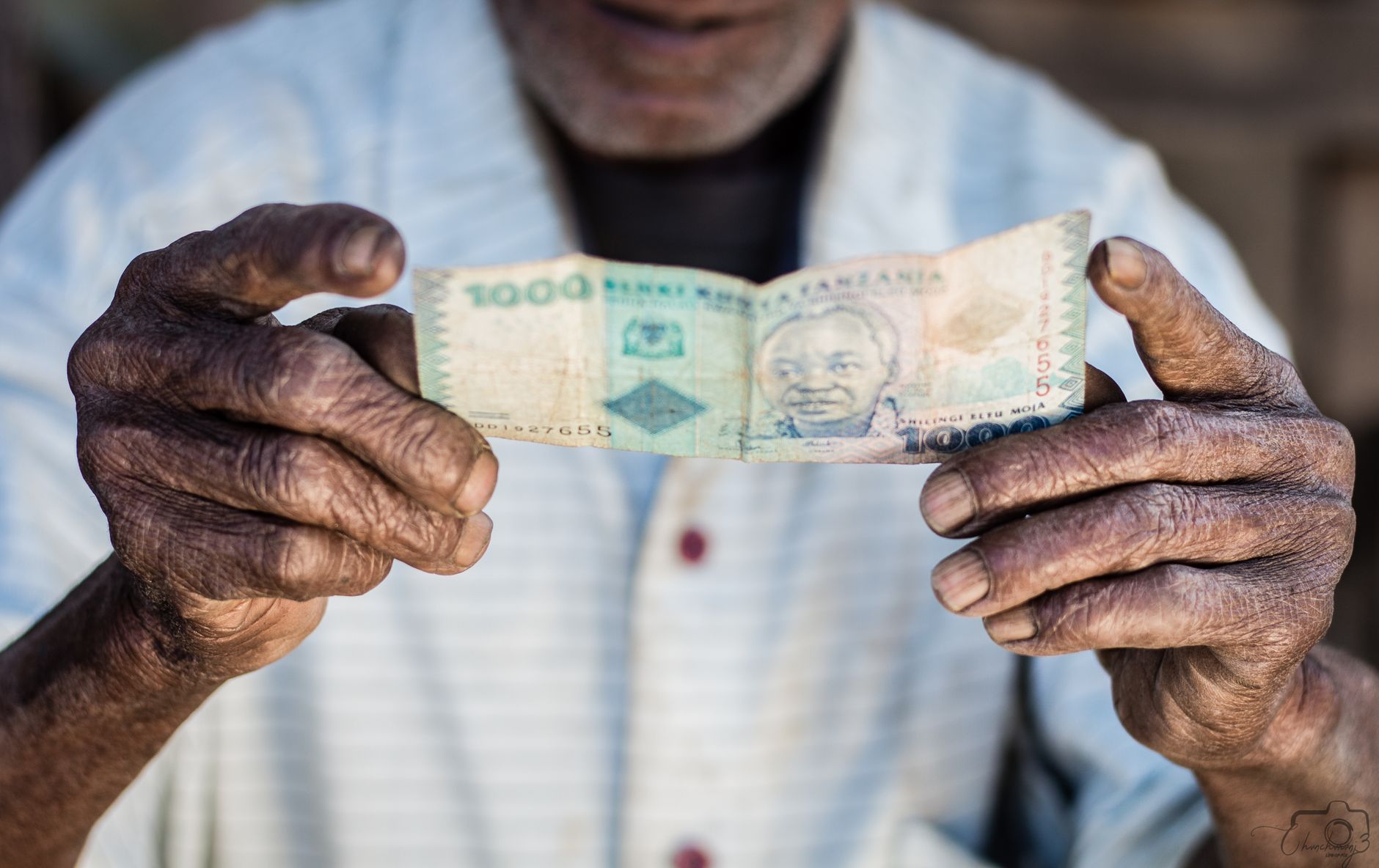
Kenya’s currency is the Kenyan shilling (KES), and it’s what you’ll use for most everyday transactions on the ground — tips, curios, snacks, fuel, market purchases. As a rough planning guide the rate has hovered in the region of 125–155 shillings to the US dollar in recent times, but it does fluctuate, so check before you go. You’ll want a supply of shillings, especially in smaller denominations, for tipping and small purchases where dollars aren’t practical. Notes come in denominations up to 1,000 KES; keep a mix, as breaking large notes can be awkward in rural areas.
US Dollars and Other Foreign Currency
US dollars are widely accepted for bigger-ticket items — lodge extras, conservancy and park fees, organised activities — and many prices in the tourism industry are quoted in dollars. Two important caveats: bring newer notes (post-2013 series, crisp and undamaged), as old or torn bills are often refused, and don’t rely on dollars for small day-to-day spending or tips in rural areas, where shillings are far more useful. Euros and pounds can be exchanged in towns but are less universally accepted than dollars. The smart approach is a combination: dollars for big payments, shillings for everything small.

ATMs and Getting Cash
Nanyuki, as the regional hub, has plenty of ATMs from major banks (Equity, KCB, Absa, Standard Chartered and others) where you can withdraw shillings on international cards — this is usually the best-value way to get local cash. Expect a withdrawal fee (commonly a few hundred shillings per transaction) on top of whatever your home bank charges, so take out larger amounts less often. Crucially, draw your cash in Nanyuki or Nairobi before heading to remote conservancies, where ATMs are scarce or absent. Tell your bank you’re travelling so your card isn’t blocked, and carry a backup card.
M-Pesa: Kenya’s Mobile Money
You can’t understand money in Kenya without M-Pesa, the mobile-money system that the vast majority of Kenyans use daily. It lets you store shillings on your phone and pay shops (via “Till” numbers) and bills (via “Paybill”) with a few taps, as well as send money person to person. As a visitor with a local SIM card, you can register for and load M-Pesa at any agent (they’re everywhere), which is handy for everything from fuel to curios to topping up data. It’s not essential for a lodge-based safari, but it’s brilliant for independent travellers and a fascinating slice of how the country works.
Credit and Debit Cards
Cards (Visa and Mastercard most widely) are accepted at lodges, hotels, larger restaurants and established shops, particularly in Nanyuki and at the better properties, so you won’t need cash for big payments at most lodges. American Express is less widely accepted. Be aware of possible card-surcharge fees at some establishments, and note that small vendors, markets, rural fuel stations and tip recipients deal in cash only. Carry a card for convenience and security, but never rely on cards alone — cash remains king for the small, frequent, human transactions that make up a safari day.

Tipping on Safari: The Big Question
Tipping is customary and genuinely appreciated in Kenya’s tourism industry, where it forms a meaningful part of many workers’ income. It’s discretionary and based on good service, but it’s expected, so budget for it. As general guidelines (adjust for service and group size): a safari guide or driver-guide is commonly tipped around US$10–25 per guest per day, with the higher end for private guides; general lodge and camp staff around US$10–15 per guest per day, often via a communal tip box at reception that’s shared among the team; and a transfer driver perhaps US$5–10 per trip. Specialist guides on activities like rhino tracking may be tipped separately for the experience.
How and When to Tip
A few conventions make tipping smooth and gracious. Tip your guide at the end of your time together rather than daily, ideally in an envelope with a few words of thanks — it’s discreet and personal. Use the communal box for general staff so kitchen and housekeeping teams you never meet are included. Shillings are generally preferred for tips (easier for staff to use than small amounts of foreign currency), though dollars are accepted; bring a stock of small-to-medium notes specifically for this. There’s no need to over-tip or feel pressured — give what reflects the service and your budget. Our safari cost guide helps you build tipping into the overall plan.
How Much Cash to Bring
Estimate your likely cash needs and bring a sensible buffer. Think through: tips for the duration (this is often the biggest cash item), curios and souvenirs at places like the equator and Nanyuki markets, any meals or drinks not included, conservancy fees if paying directly, and incidentals. A common approach is to bring some dollars for larger or backup needs and withdraw shillings from a Nanyuki ATM for daily spending and tips. Keep cash split between a couple of places (not all in one wallet), use the lodge safe for the bulk, and carry only what you need each day.
Money Safety Tips
Split your cash and cards across bag, safe and on-person; don’t keep everything in one place.
Use lodge safes for passports, spare cash and valuables you’re not carrying.
Draw cash in Nanyuki before heading remote, and tell your bank you’re travelling.
Bring newer dollar notes and a range of small shilling denominations for tips and markets.
Keep a backup card separate from your main one in case of loss or a blocked card.
Budgeting Your Cash for the Trip
Work out roughly how much cash you’ll need before you go, so you’re neither caught short nor carrying an alarming wad. The biggest cash item for most visitors is tipping over the length of the trip; add curios and souvenirs, any meals or drinks not included, conservancy fees if you’re paying directly, and a contingency. A practical approach is to bring a moderate amount of US dollars for larger or backup needs and to withdraw Kenyan shillings from an ATM in Nanyuki for daily spending and tips, topping up rather than carrying everything at once.
Because so much of a lodge-based safari is prepaid, your on-the-ground cash needs may be smaller than you expect — it’s mostly tips and incidentals. Independent and self-drive travellers need more for fuel, food and entry fees. Our safari cost guide helps you size the overall budget, of which day-to-day cash is only a part.
How to Carry and Store Money Safely
Spread your money rather than keeping it all in one place: a little in your pocket for the day, the bulk in your lodge safe, and cards split between bags. Use the lodge safe for your passport, spare cash and valuables whenever you’re not carrying them. A discreet money belt or inner pocket is useful in busy towns and transit, though once you’re at a lodge or on a conservancy, security is rarely a concern. Carry a backup card stored separately from your main one, and keep a small emergency stash of dollars apart from everything else.
Kenya is, for the most part, a relaxed and friendly place to travel, and money worries shouldn’t loom large — but the same sensible habits you’d use anywhere keep things trouble-free. See our Laikipia safety guide for the broader picture.
Exchanging Currency: Where and How
The best value usually comes from withdrawing shillings directly from a bank ATM in Nanyuki on your international card, rather than exchanging cash. If you do exchange, use banks or reputable forex bureaux in town rather than informal money-changers, count your money before leaving the counter, and keep receipts. Bring US dollars in newer, undamaged notes if you want exchange or to pay in dollars, as old or torn bills are widely refused. Avoid changing large amounts at the airport, where rates are typically poorer; change just enough to get started and sort the rest in town.
Whatever you do, end up with a good supply of smaller shilling notes, which are what you’ll actually use for tips, curios and small purchases — breaking a 1,000-shilling note in a rural market can be awkward.
Tipping Beyond the Safari
Tipping isn’t limited to your guide and lodge. In restaurants in Nanyuki and elsewhere, a tip of around 10% is appreciated for good service if one isn’t already added. Porters, airport and hotel staff who help with bags welcome a small note. The water-demonstration guides at the equator and other informal helpers are customarily tipped a little for their time. None of this is obligatory or large, but small gratuities for good service are part of the culture and genuinely valued, given how much tourism income supports local livelihoods.
Keep a stock of small shilling notes specifically for these everyday tips, separate from the larger amounts you’ll set aside for your safari guide and lodge team at the end of your stay.
Avoiding Money Pitfalls
A few simple precautions head off the common problems. Tell your bank you’re travelling so your card isn’t blocked, and carry a backup. Be wary of unofficial “helpers” at ATMs, and shield your PIN. Don’t accept torn or very old dollar notes as change, as you may struggle to spend them. Be aware of possible card surcharges at some establishments, and of ATM withdrawal fees, which make larger, less frequent withdrawals more economical. And stick to official channels for currency exchange. None of these are dramatic risks — Kenya is an easy place to manage money — but a little awareness keeps everything smooth.
Above all, draw and carry the cash you’ll need before heading to remote conservancies, where ATMs and card facilities thin out or vanish. Running low on shillings deep in the bush is the most common, and most avoidable, money headache.
Mobile Money for Independent Travellers
If you’re spending real time in Kenya, especially self-driving or travelling independently, registering for M-Pesa with a local SIM card is genuinely useful. It lets you pay for fuel, shop purchases, market goods and more straight from your phone, exactly as locals do, and saves carrying so much cash. Loading and using it is simple, and agents are everywhere. For a short, lodge-based safari it’s not essential — your guide can help with the occasional payment — but for the independent traveller it’s a small revelation and a window into how modern Kenya actually transacts.
A Realistic Sample Money Plan
To make this concrete, here’s how a typical lodge-based couple might handle money on a week’s Laikipia safari. Before leaving home, they bring a few hundred US dollars in newer notes as a backup and for any dollar-priced extras. On arrival, they withdraw a sensible sum of shillings from an ATM in Nanyuki for daily spending, curios and the bulk of their tips, asking for a mix of smaller notes. They keep their main card for lodge bills, a backup card stored separately, and a small daily float in a pocket with the rest in the lodge safe.
Over the week, most of their cash goes on tips for their guide and the lodge team, with the rest on souvenirs, the odd drink and incidentals. Because so much is prepaid, they’re surprised how little day-to-day cash they actually burn through. It’s a simple, low-stress template that works for the majority of visitors — adjust the amounts to your trip length, group size and how much independent spending you’ll do, guided by our cost guide.
Tipping Without the Anxiety
Tipping causes more pre-trip worry than it should, so here’s the reassuring version: there’s no rigid formula, nobody expects perfection, and any genuine, well-meant tip for good service is appreciated. The guideline amounts in this article are exactly that — guidelines — not rules you’ll be judged against. Bring a stock of small and medium shilling notes, keep your guide’s tip separate from the communal-box contributions, hand the guide’s tip over at the end with a sincere thank-you, and you’ve done it right. If service has been exceptional, tip a little more; if your budget is tight, tip what you comfortably can.
The spirit matters more than the precise sum. These are people who’ve gone out of their way to make your trip special, and a thoughtful tip — however modest — is a real and valued thank-you, not a transaction to agonise over.
Money and Responsible Tourism
How you spend your money in Laikipia genuinely matters, because tourism revenue underpins the whole conservation model here. Tips support the livelihoods of guides, trackers, housekeepers and the wider lodge teams; buying crafts from local artisans at the equator and Nanyuki markets puts money directly into community hands; and the fees you pay fund the rangers and programmes that protect the wildlife you came to see, as we explore in our guide to conservation and community tourism.
So while it pays to be sensible with money, it also pays to be generous where it counts. Spending thoughtfully — tipping fairly, buying locally, paying the fees that fund conservation — is one of the most direct ways a visitor contributes to keeping Laikipia wild and its communities thriving.
Frequently Asked Questions
What currency should I use in Laikipia?
Use Kenyan shillings (KES) for everyday spending, tips and small purchases, and US dollars (newer notes) for larger payments like lodge extras and fees, which are often quoted in dollars. A combination of both works best; cards cover big payments at lodges.
How much should I tip on a Kenya safari?
As a guide: roughly US$10–25 per guest per day for your safari guide (more for a private guide), US$10–15 per guest per day for general lodge staff (often via a communal box), and US$5–10 for a transfer driver. Tipping is customary and appreciated; adjust for service and group size.
Can I use US dollars in Kenya?
Yes, for larger payments and in the tourism industry, but bring newer, undamaged notes (older bills are often refused) and don’t rely on dollars for small purchases or tips, where shillings are far more practical.
Are there ATMs in Laikipia?
Yes, in Nanyuki, the regional hub, from major banks — the best way to get shillings on an international card (expect a withdrawal fee). Withdraw what you need before heading to remote conservancies, where ATMs are scarce. Tell your bank you’re travelling first.
Do safari lodges accept credit cards?
Most lodges, hotels and larger establishments accept Visa and Mastercard, especially in Nanyuki and at better properties, sometimes with a surcharge. Markets, small vendors, rural fuel stations and tips are cash-only, so always carry some cash too.
Money handled — now line up your phone and connectivity and the full Laikipia travel planning guide.