A Laikipia safari is unlike anything else in East Africa. While the Masai Mara draws hundreds of thousands of visitors each year to its famous wildebeest migration, and Amboseli offers postcard views of elephants beneath Kilimanjaro, Laikipia Kenya delivers something increasingly rare in African travel — an exclusive, uncrowded, and deeply immersive wildlife experience across a landscape that harbors more endangered species per square kilometer than almost anywhere else on the continent. This comprehensive guide covers everything you need to know about going on safari in Laikipia — the wildlife you will encounter, the types of safari experiences available, the best conservancies to visit, what a typical day looks like, how much it costs, and how to plan the trip of a lifetime.

Laikipia is the only region in Kenya where wildlife populations have actually increased over the past 25 years — a remarkable achievement that stands in stark contrast to the decline seen across much of Africa. The private conservancy model that drives this success also creates the conditions for an extraordinary safari experience: off-road game driving, walking safaris, night drives, horseback riding, and camel trekking are all standard offerings here, yet they remain prohibited in Kenya’s government-managed national parks and reserves. If you have ever wanted to experience Africa the way it was meant to be experienced — intimate, unhurried, and utterly wild — a Laikipia safari is where you will find it.

Why Laikipia Is Africa’s Premier Safari Destination

The word “safari” means “journey” in Swahili, and a safari in Laikipia Kenya is a journey in the truest sense — not just through landscape, but into a living conservation success story. Spanning 9,500 square kilometers of high-altitude plateau between Mount Kenya and the Great Rift Valley, Laikipia supports the second-largest wildlife population in Kenya and an astonishing diversity of species found nowhere else on the country’s southern safari circuit.

What sets a Laikipia safari apart from other Kenya destinations is the private conservancy model. Unlike national parks, where vehicles must stay on designated tracks and activities are limited to daytime game drives, Laikipia’s conservancies are privately managed, allowing safari operators to offer a far wider range of experiences. Your guide can drive off-road to follow a leopard through the bush. You can walk among elephants with armed Samburu trackers. You can ride horses alongside giraffes at dawn, or drive out after dark to discover the hidden world of nocturnal wildlife that most safari-goers never see.

The exclusivity factor is equally compelling. Where the Masai Mara can feel crowded during peak migration season — with twenty or thirty vehicles clustered around a single lion pride — Laikipia’s conservancies enforce strict limits on guest numbers. Many properties host no more than twelve to twenty guests at a time across thousands of acres. You might share a rhino sighting with one other vehicle, or have an entire river valley to yourself for an afternoon. This is not mass tourism. This is safari at its most personal.

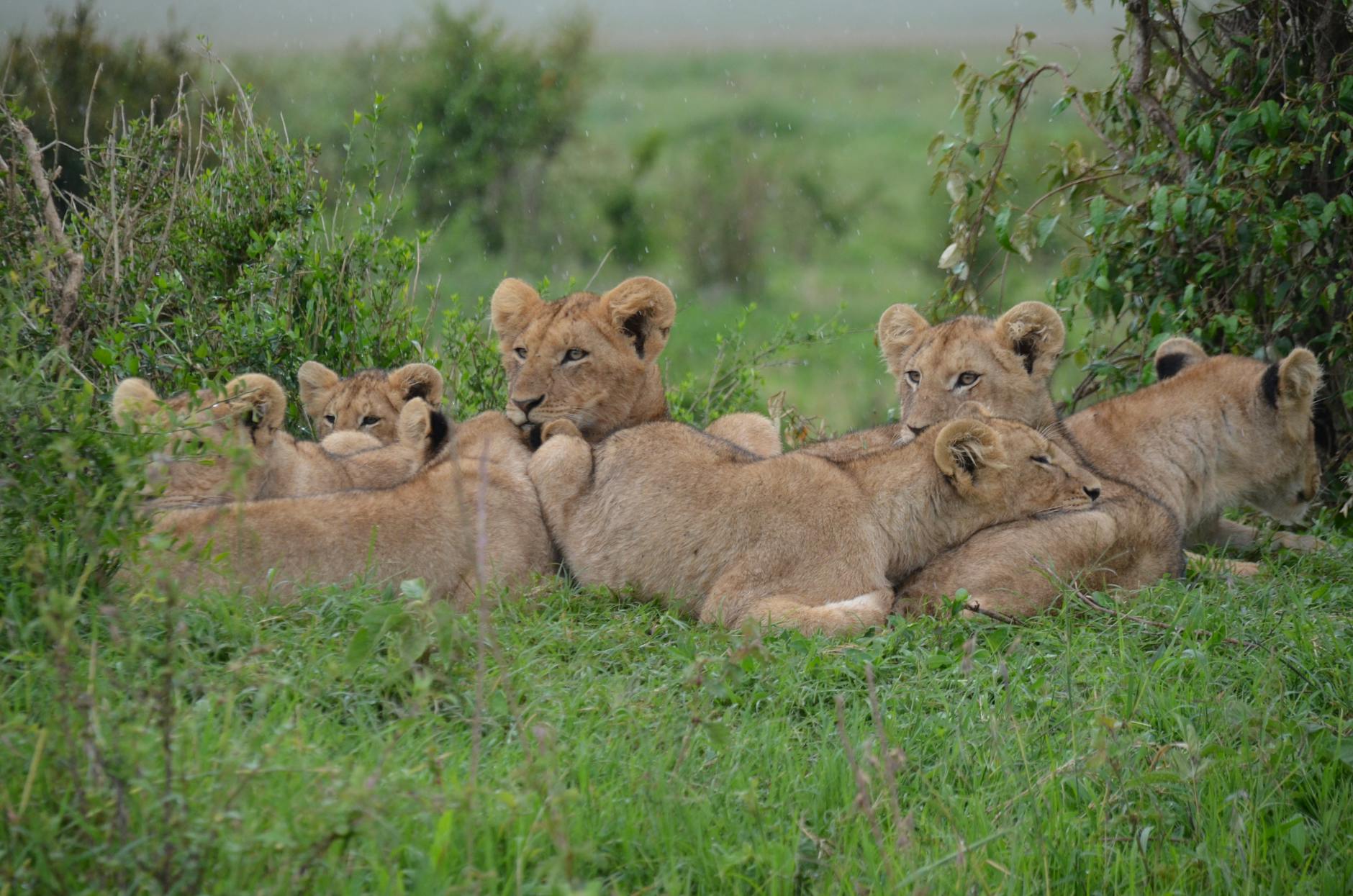
A pride of African lions resting in the golden grasslands of a Kenya safari conservancy
Lions are one of the Big Five species regularly encountered on Laikipia safari game drives.

The Big Five in Laikipia: Where to Find Them

Every major Laikipia safari delivers the chance to see Africa’s celebrated Big Five — lion, leopard, elephant, buffalo, and rhinoceros — but the experience of encountering these animals here is qualitatively different from what you will find in more crowded parks. The combination of low visitor numbers, expert guiding, and off-road access means that Big Five sightings in Laikipia tend to be longer, closer, and more intimate.

Lions

Laikipia supports multiple lion prides across its central and northern conservancies. Ol Pejeta Conservancy runs a dedicated lion tracking program using GPS collars, which means your guide can locate specific prides with a high degree of accuracy — transforming a game drive from a hopeful search into a near-guaranteed encounter. The open grasslands of Ol Pejeta and Lewa provide classic savanna settings for watching lions on the hunt, while the more rugged terrain of Loisaba and the northern conservancies offers a wilder, more dramatic backdrop. Lion sightings in Laikipia rarely involve the crowds that plague the Mara; on a typical game drive here, you might watch a pride at a kill with no other vehicle in sight.

Leopards

Leopards are notoriously elusive across most of their range, but several Laikipia conservancies report remarkably frequent sightings. The region gained global fame in 2019 when a melanistic (black) leopard — an extraordinarily rare genetic variant — was photographed near Laikipia Wilderness, one of only a handful of confirmed sightings in Africa in over a century. While encountering the black leopard remains a once-in-a-lifetime event, regular leopards are seen with impressive consistency at properties like Loisaba, Borana, and the Laikipia Wilderness area. Night drives significantly increase your chances, as leopards are most active after dark.

Elephants

More than 2,000 elephants roam Laikipia’s interconnected conservancies, forming part of a larger population that migrates between Mount Kenya’s forests, the Laikipia Plateau, and the Samburu ecosystem to the north. These are the elephants of northern Kenya — often encountered in large herds crossing open plains or congregating along the Ewaso Nyiro River during the dry months. Several conservancies use GPS collaring and satellite tracking to monitor elephant movements, and this data helps guides position you for exceptional encounters. The elephants of Laikipia have benefited enormously from the conservancy model and are among the most relaxed and approachable in East Africa.

Rhinoceros

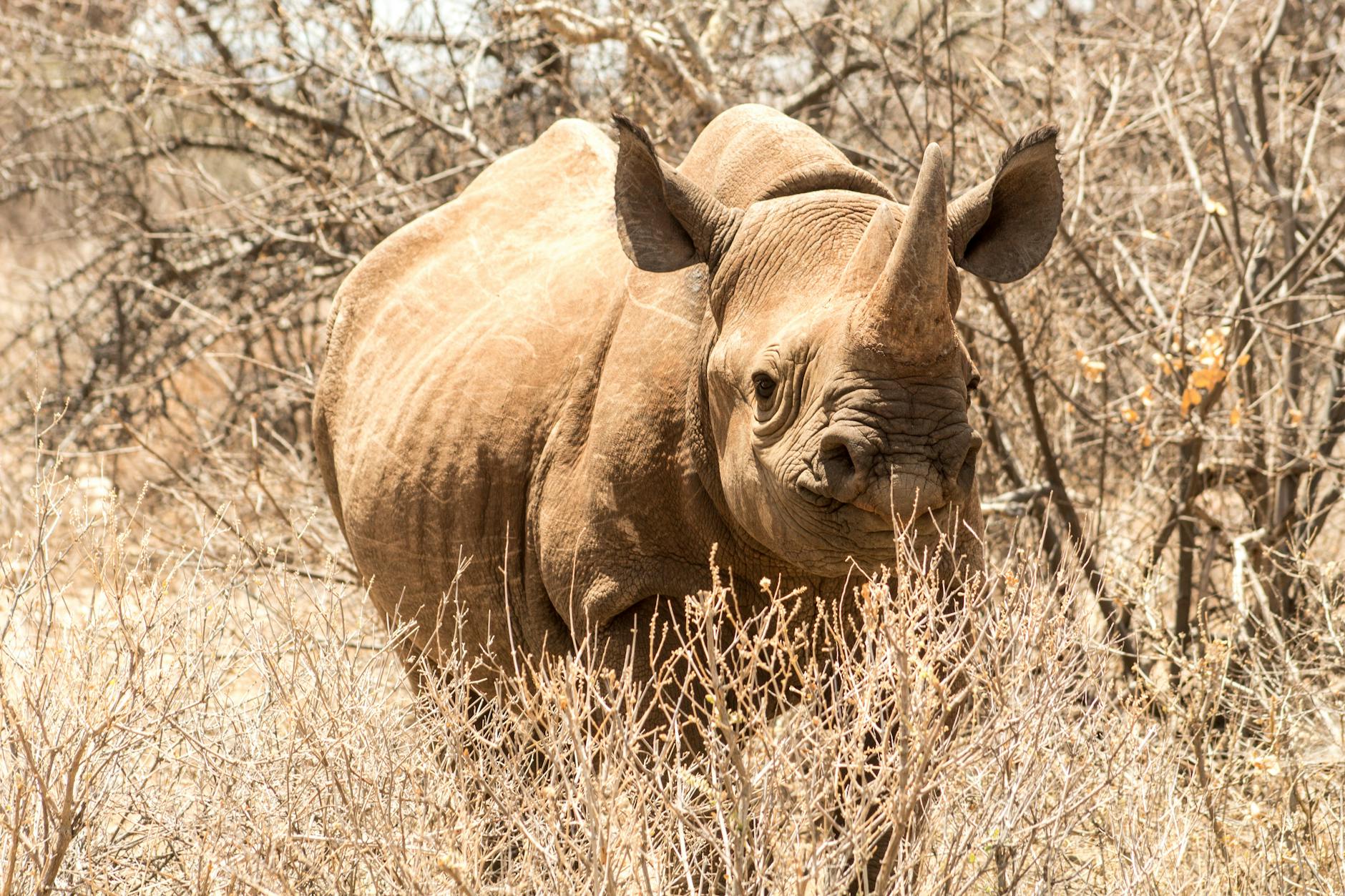
A black rhinoceros in its natural habitat on the Laikipia Plateau, home to over half of Kenya's black rhino population
Black rhinos are Laikipia’s greatest conservation success — the region hosts over half of Kenya’s population.

If there is one animal that defines the Laikipia safari experience, it is the rhinoceros. The plateau hosts eight rhino sanctuaries that collectively protect more than half of Kenya’s entire black rhino population. Ol Pejeta Conservancy alone holds the largest population of black rhinos in East Africa, with numbers growing steadily under intensive protection. But the rhino story goes even further: Ol Pejeta is the last refuge of the planet’s two remaining northern white rhinos, Najin and Fatu, whose survival now depends on cutting-edge IVF science being conducted on-site.

Solio Ranch, in southern Laikipia, has the highest density of rhinos anywhere in East Africa, with both black and white rhinos grazing openly on rolling grasslands. Borana Conservancy and Lewa Wildlife Conservancy are connected by a wildlife corridor that forms one of the continent’s most important rhino habitats. For visitors on a Laikipia safari, rhino sightings are not a matter of luck but of choosing the right conservancy — in the best locations, you can expect to see rhinos on every game drive.

Buffalo

Cape buffalo are found throughout Laikipia, from solitary old bulls (“dagga boys”) lurking in riverine thickets to herds of several hundred crossing the open plains. While buffalo may lack the headline appeal of lions or rhinos, experienced safari-goers know that a close encounter with a herd of several hundred buffalo — the thunder of hooves, the cloud of dust, the intense gaze of bulls assessing potential threats — is one of the most visceral wildlife experiences Africa offers. Ol Pejeta and the Ewaso Nyiro River corridor are particularly reliable for buffalo sightings.

The Northern Five: Species You Won’t Find in the Mara

One of the most compelling reasons to choose a Laikipia safari over the Masai Mara or Amboseli is the opportunity to see the “Northern Five” — a collection of species found only in northern Kenya that are completely absent from the country’s southern safari circuit. These animals have adapted to the semi-arid conditions of the northern frontier, and Laikipia sits at the ecological crossroads where their ranges overlap with those of more familiar savanna species.

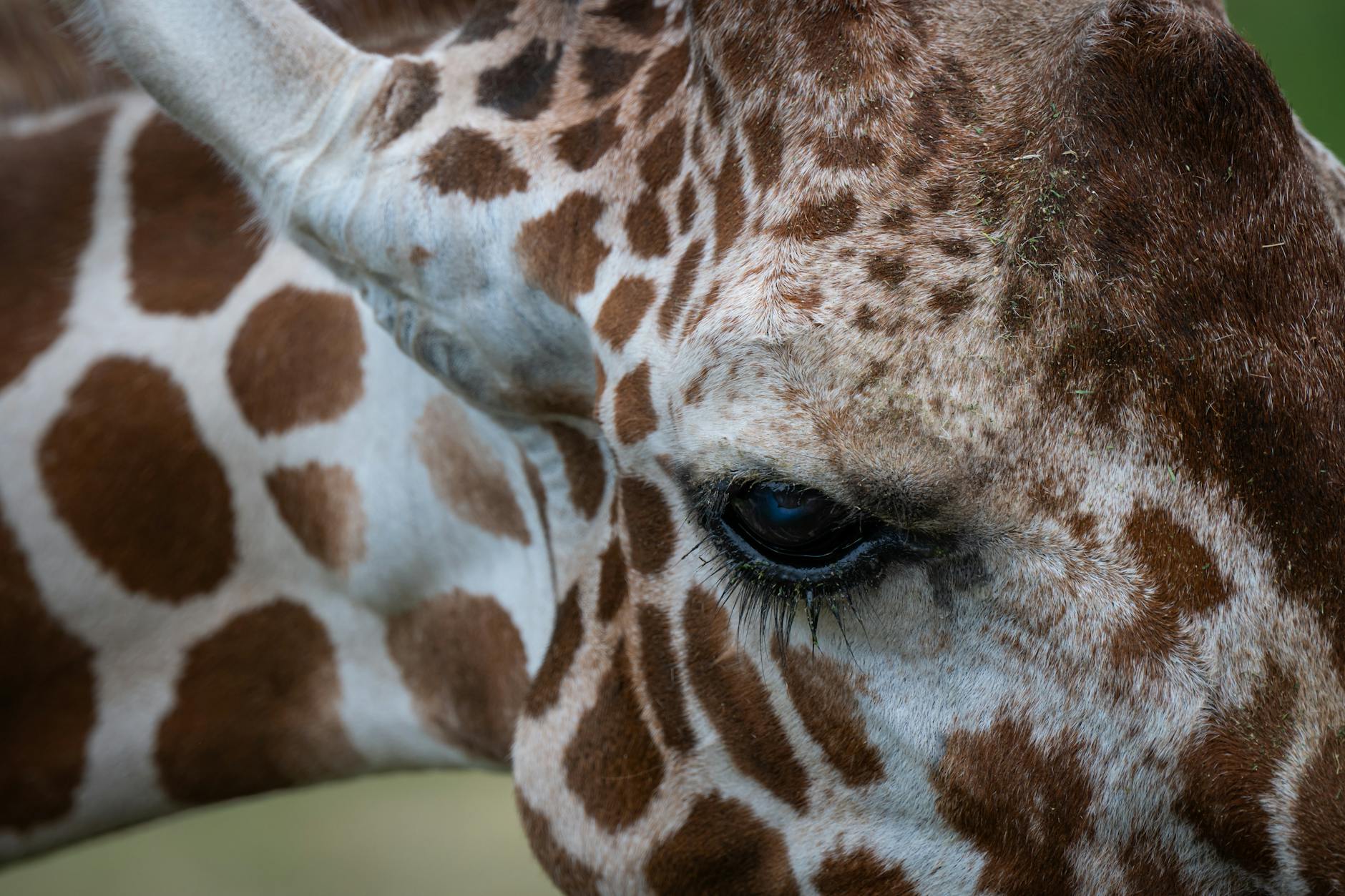
A reticulated giraffe grazing in the Laikipia savanna, one of the Northern Five species unique to this region
The reticulated giraffe, with its distinctive geometric pattern, is one of Laikipia’s iconic Northern Five species.

Reticulated Giraffe

The reticulated giraffe, with its distinctive sharp-edged geometric coat pattern of dark chestnut polygons separated by bright white lines, is one of the most visually striking animals in Africa. Unlike the Masai giraffe of southern Kenya, whose patches are more irregular and jagged, the reticulated giraffe’s markings look almost as if they were drawn with a ruler. Laikipia supports a healthy population, and sightings are virtually guaranteed on any multi-day safari. Watching a tower of reticulated giraffes move across the savanna against the backdrop of Mount Kenya is one of the iconic images of a Laikipia wildlife safari.

Grevy’s Zebra

The Grevy’s zebra is the world’s largest wild equid and one of Africa’s most endangered large mammals. Distinguished from the common plains zebra by its narrower stripes, white belly, larger rounded ears, and more horse-like build, the Grevy’s zebra finds one of its last strongholds in Laikipia. The plateau supports over 70 percent of the world’s remaining population, with Lewa Wildlife Conservancy running one of the most successful Grevy’s zebra conservation programs anywhere. On a Laikipia game drive, you will often see both species side by side — a vivid illustration of the region’s extraordinary biodiversity.

Gerenuk

Sometimes called the “giraffe gazelle,” the gerenuk is one of Africa’s most distinctive antelopes. With its impossibly long neck, large liquid eyes, and habit of standing upright on its hind legs to browse on acacia foliage that other antelopes cannot reach, the gerenuk is a creature that seems almost designed for photography. Gerenuk are common in the drier northern reaches of Laikipia and in conservancies bordering the Samburu ecosystem.

Somali Ostrich

The Somali ostrich, recently reclassified as a separate species from the common ostrich, is distinguished by its blue-grey neck and legs (rather than the pinkish hue of its southern cousin). It is found exclusively in the Horn of Africa and northern Kenya, and Laikipia represents the southern limit of its range. Spotting one on a game drive adds a genuinely unusual sighting to your safari checklist.

Beisa Oryx

The Beisa oryx, with its striking geometric facial markings and long, perfectly straight horns, is a beautiful and resilient antelope adapted to arid conditions. Herds are found across Laikipia’s northern conservancies and are often seen alongside Grevy’s zebra and reticulated giraffe, creating scenes that are distinctly “northern Kenya” and completely different from anything you would encounter in the Mara.

Rare and Endangered Species: Wild Dogs, Black Leopard, and More

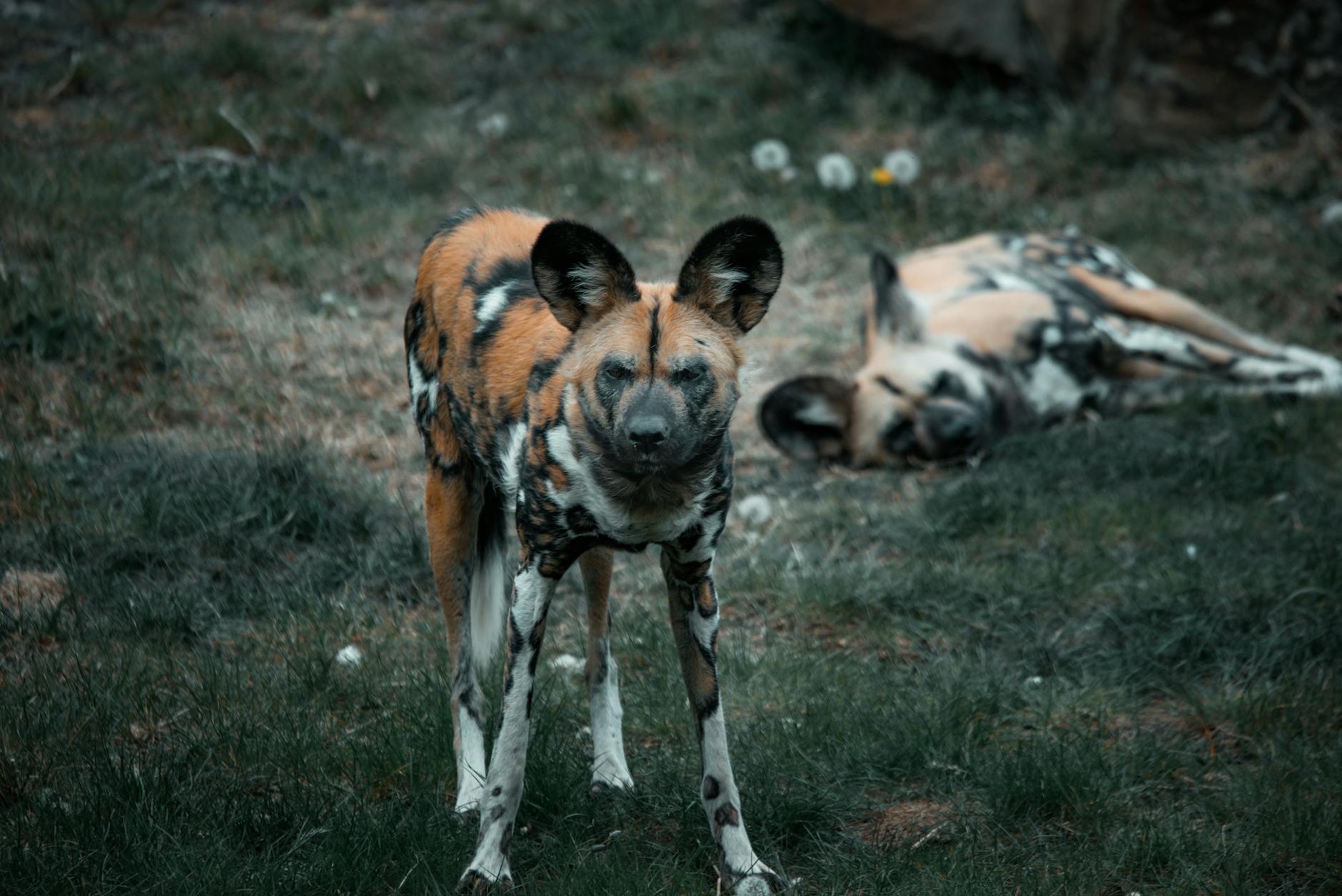
A pack of African wild dogs (painted wolves) in the grasslands of Laikipia Kenya, one of their last strongholds
Laikipia is one of the best places in East Africa to spot the critically endangered African wild dog.

Beyond the Big Five and the Northern Five, a Laikipia safari offers access to some of Africa’s rarest and most endangered species — animals that serious wildlife enthusiasts travel thousands of miles to see.

The African wild dog (also known as the painted wolf) is one of the continent’s most endangered large carnivores, with fewer than 7,000 individuals remaining across all of Africa. Laikipia is now the second most important area for wild dogs in Africa, with several packs roaming the interconnected conservancies. Sightings are never guaranteed — wild dogs cover vast distances in their daily hunts — but your chances in Laikipia are better than almost anywhere else in East Africa. The thrill of watching a wild dog pack in full pursuit is widely considered one of the greatest spectacles in African wildlife.

The melanistic (black) leopard known as Giza has made Laikipia famous among wildlife photographers worldwide. First captured on camera in 2019, Giza is one of only a handful of confirmed black leopards in Africa. While the chances of a direct sighting remain extremely slim, camera traps in the region continue to document melanistic leopards, confirming that Laikipia harbors a resident population of these extraordinarily rare animals.

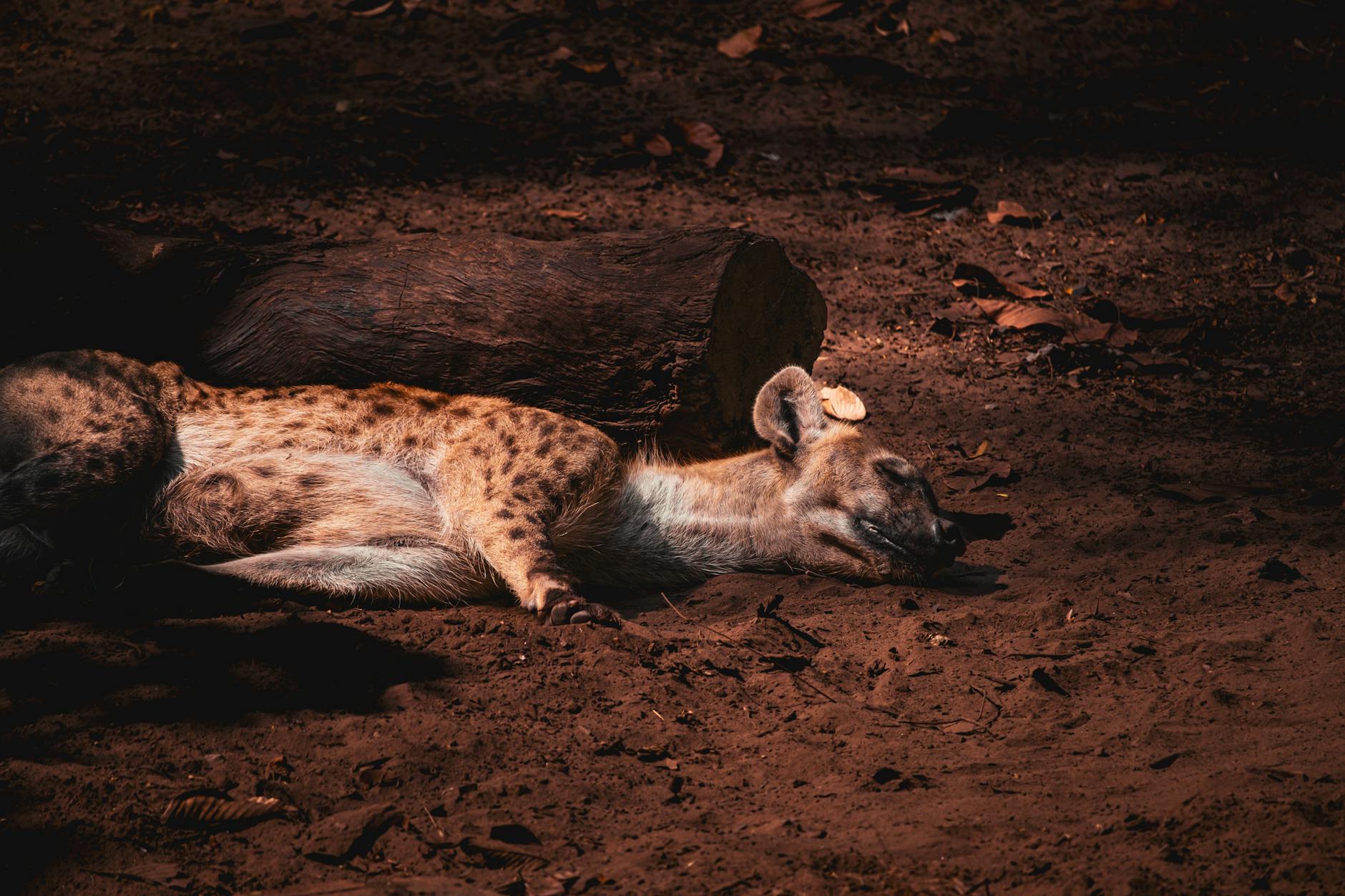
Other notable species include the aardvark (best seen on night drives), bat-eared foxes, aardwolves, serval cats, striped hyenas, and the bizarre pangolin — Africa’s most trafficked mammal, which is occasionally spotted in Laikipia’s less disturbed areas. For birders, more than 500 species have been recorded across the plateau, including the spectacular vulturine guineafowl, martial eagle, and Verreaux’s eagle.

Types of Safari Experiences in Laikipia

One of the defining advantages of a Laikipia safari is the extraordinary range of activities available. Because conservancies are privately managed, they can offer experiences that are strictly prohibited in Kenya’s national parks and government reserves. This diversity of activity is what transforms a Laikipia trip from a standard game-viewing holiday into a multi-dimensional wilderness adventure.

Game Drives: Day and Night

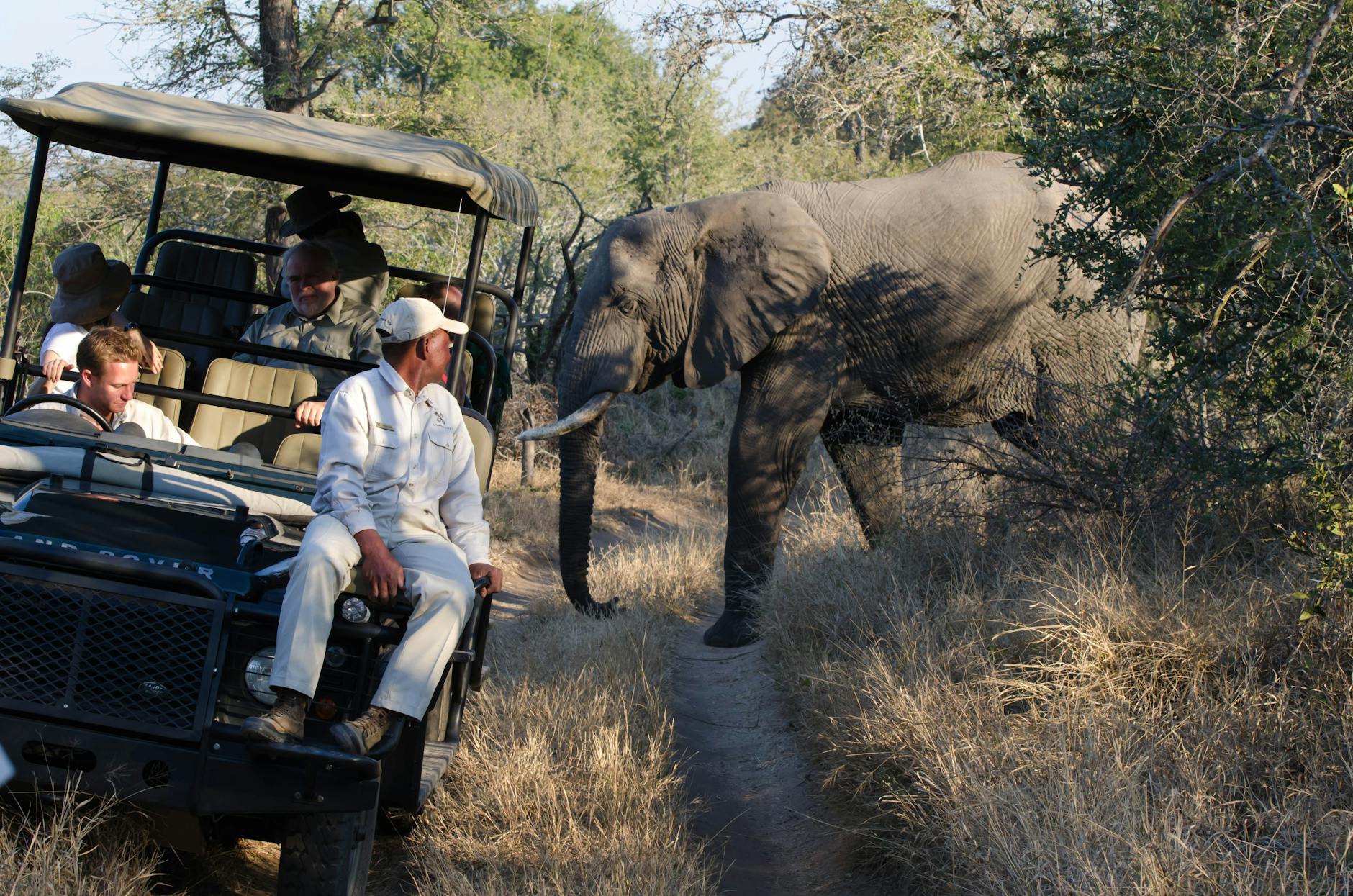
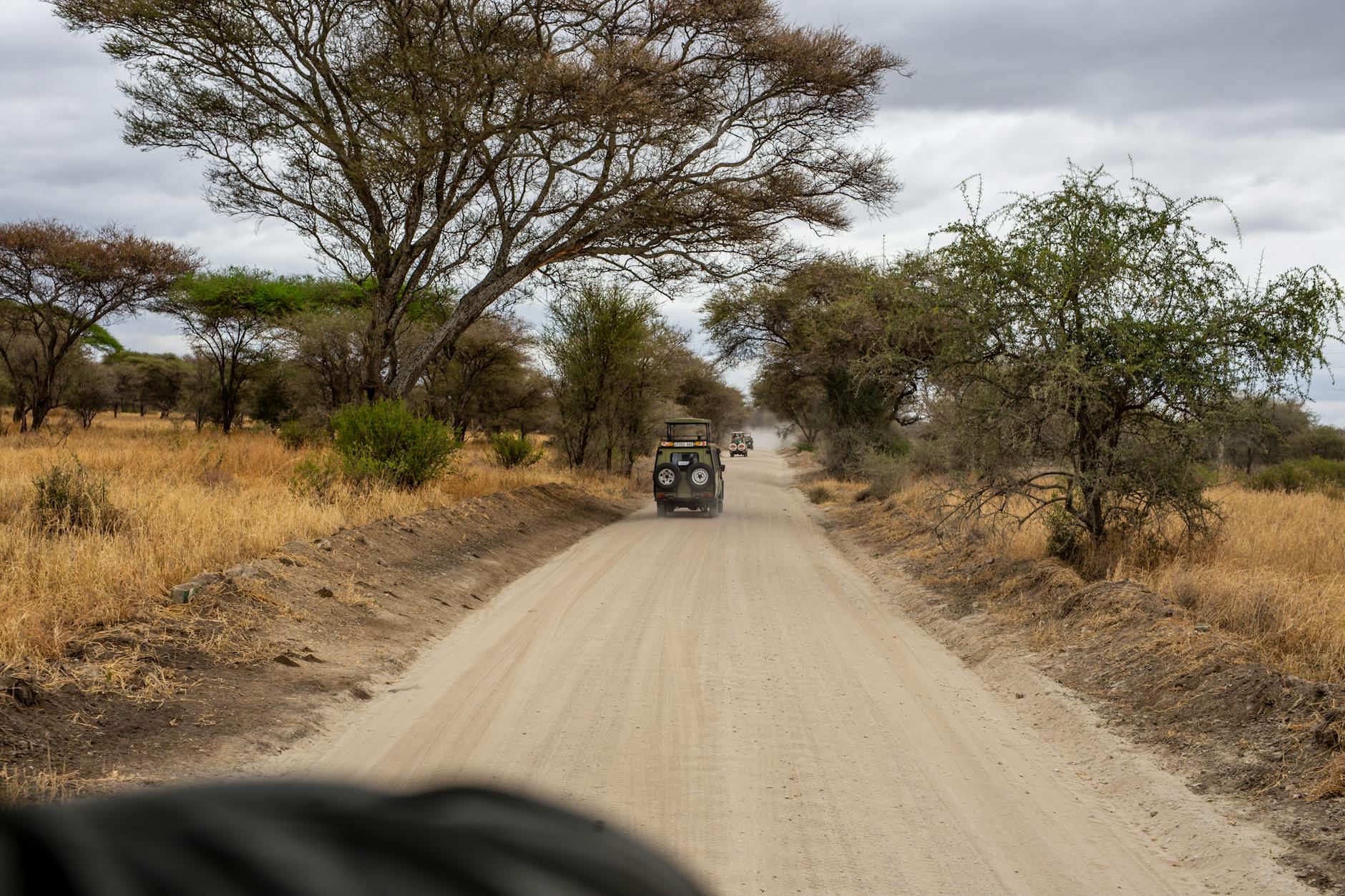
The classic vehicle-based game drive is the foundation of any Laikipia safari, but here it comes with advantages that set it apart from drives in the Mara or Amboseli. First, off-road driving is permitted — your guide can follow a cheetah hunt into the bush or position your vehicle for the perfect angle on an elephant crossing, rather than being restricted to established tracks. Second, night drives open up an entirely different dimension of the safari experience.

Night safari game drive in Laikipia Kenya with spotlight revealing nocturnal wildlife
Night drives in Laikipia reveal a hidden world of nocturnal wildlife including aardvarks, bush babies, and hunting leopards.

Night drives typically depart after dinner, using handheld spotlights to scan the bush. The nocturnal world of Laikipia is extraordinarily rich: aardvarks trundling between termite mounds, porcupines shuffling through the undergrowth, bush babies leaping between acacia branches with enormous eyes reflecting the light, and — if fortune favors you — leopards stalking prey in the darkness. Spring hares, genets, civets, and the enormous Verreaux’s eagle owl are all regular night-drive sightings. For many visitors, night drives become the unexpected highlight of their Laikipia safari.

A typical Laikipia game drive schedule includes an early morning drive departing at first light (around 6:30am), returning for a late breakfast, then an afternoon drive from around 4:00pm that extends into darkness. Full-day drives with bush picnic lunches are also available at most conservancies, allowing you to cover more ground and reach areas that shorter drives cannot.

Walking Safaris

Guided walking safari through the African bush with armed ranger leading tourists on foot
Walking safaris in Laikipia offer an immersive, ground-level wildlife experience unavailable in national parks.

Exploring Laikipia on foot is one of the region’s most distinctive and rewarding safari experiences. Walking safaris are led by armed guides — often ex-Kenya Wildlife Service rangers — accompanied by Samburu or Maasai trackers whose bush knowledge has been honed over generations. These walks are not hikes or nature strolls; they are guided immersions into the ecosystem at ground level.

On a walking safari in Laikipia, you learn to read the landscape the way the animals do. Your tracker identifies prints in the red earth — the three-toed impression of a rhino, the neat paired crescents of impala, the unmistakable dinner-plate footprint of an elephant. You learn which plants the Samburu use for medicine, which trees indicate underground water, and why certain birds alarm-call when a predator is near. The sensory experience is completely different from a vehicle-based drive: you hear the crunch of dry grass underfoot, feel the morning sun on your face, smell the dust and sage of the African bush.

The element of genuine vulnerability — being on foot in a landscape shared with lions, elephants, and buffalo — heightens every sense. This is not dangerous (guides are expertly trained and armed), but it is thrilling in a way that no vehicle-based drive can replicate. Walking safaris in Laikipia typically last two to four hours and are available at most camps and lodges.

Horseback Safaris

Horseback safari riders trekking through the African savanna with wildlife in Laikipia Kenya
Horseback safaris are one of Laikipia’s most distinctive activities, allowing riders to move among wildlife.

Laikipia is one of East Africa’s premier destinations for horseback safaris, and for good reason: the high-altitude terrain is ideal for riding, the wildlife is habituated enough to tolerate horses at remarkably close range, and the wide-open grasslands offer exhilarating cantering that vehicle-based safaris simply cannot match.

Properties like Sosian Lodge, Ol Malo, and Lewa Wilderness offer rides ranging from morning canters to multi-day riding expeditions that cover vast distances across the plateau. Experienced equestrians can ride among herds of zebra and giraffe, canter alongside running ostrich, and approach elephants and buffalo from a vantage point that feels both intimate and primordial — humans have been moving through this landscape on horseback for less than a century, yet the animals seem to accept mounted riders with a calm that they rarely show to vehicles.

Multi-day riding safaris, where you travel from camp to camp with your gear transported by support vehicles, are among the most sought-after safari experiences in all of Africa. These journeys combine physical adventure with wilderness immersion and wildlife viewing in a format that no other safari style can equal.

Camel Trekking

Guided by Samburu pastoralists whose families have relied on camels for centuries, camel trekking offers a slower, more meditative way to explore the drier northern reaches of Laikipia. You ride single-file through semi-arid bushland, your elevated seat providing an excellent vantage point for spotting wildlife — giraffes, zebras, and oryx are commonly encountered at remarkably close range, as the camels’ familiar silhouette does not alarm them.

Multi-day camel treks are available at several conservancies, including Loisaba and the community-owned conservancies in northern Laikipia. These journeys follow ancient Samburu trading routes, camping each night in temporary fly camps set up by an advance team. Falling asleep under a canopy of equatorial stars, with the sounds of the African bush as your lullaby, is an experience that ranks among the most memorable in adventure travel.

Fly Camping

Fly camping strips the safari experience down to its essentials. You walk or drive out from your main lodge to a remote location where a lightweight camp has been prepared — typically a simple canvas tent, a campfire, and a bucket shower under the stars. The point is not luxury but connection: falling asleep to the sound of hyenas whooping in the distance, waking to the alarm call of a francolin, and stepping out of your tent into the raw, unfiltered African bush with nothing between you and the wilderness but a thin sheet of canvas.

Many Laikipia camps offer fly camping as an optional add-on, and it has become one of the most requested experiences among repeat visitors. Loisaba’s famous “star beds” — raised sleeping platforms that can be wheeled out to the edge of a cliff, overlooking a waterhole — represent the pinnacle of this concept: wild luxury at its most creative.

Conservation Encounters

A Laikipia safari offers behind-the-scenes conservation experiences that provide depth and meaning beyond standard game viewing. At Ol Pejeta, visitors can join guided walks to the northern white rhino enclosure, learning about the groundbreaking IVF program that represents the last hope for saving this subspecies. The Sweetwaters Chimpanzee Sanctuary — the only place in Kenya where you can see chimpanzees — provides a fascinating counterpoint to the savanna wildlife outside its gates.

At Lewa, you can accompany anti-poaching rangers on patrol, gaining firsthand insight into the challenges and triumphs of protecting endangered species in East Africa. Several conservancies offer wildlife tracking sessions where you learn to read the bush alongside experienced trackers, identifying spoor, dung, and other signs that reveal the movements of animals you may never see directly.

Where to Go on Safari in Laikipia: The Top Conservancies

Laikipia is not a single park but a mosaic of interconnected conservancies, each with its own character, wildlife strengths, and style of safari experience. Choosing the right conservancy — or combination of conservancies — is the most important decision in planning your Laikipia wildlife safari.

Ol Pejeta Conservancy

Covering 364 square kilometers, Ol Pejeta is Laikipia’s most famous and most visited conservancy. It is the largest black rhino sanctuary in East Africa, the last home of the two surviving northern white rhinos, and the only place in Kenya with a chimpanzee sanctuary. Ol Pejeta offers all Big Five, lion tracking with GPS-collared prides, night drives, walking safaris, and — unusually for Laikipia — self-drive access, making it the region’s most accessible option for budget-conscious travelers. Accommodation ranges from the upscale Ol Pejeta Bush Camp and Kicheche Laikipia to the more affordable Sweetwaters Serena Camp.

Lewa Wildlife Conservancy

A UNESCO World Heritage Site, Lewa spans 250 square kilometers in the foothills of Mount Kenya and protects approximately 12 percent of Kenya’s total black rhino population. Lewa is equally celebrated for its Grevy’s zebra conservation and hosts the annual Lewa Safari Marathon — described as the world’s wildest long-distance race, run through a rhino and elephant sanctuary. The conservancy pioneered Kenya’s first elephant underpass and maintains extensive community outreach programs. Safari experiences here are characterized by exceptional guiding, intimate wildlife encounters, and a palpable sense of conservation purpose.

Loisaba Conservancy

At 57,000 acres in northern Laikipia, Loisaba is both a working cattle ranch and a critical wildlife corridor connecting Laikipia’s central highlands with the Samburu ecosystem. It is particularly renowned for adventure activities — horseback safaris, camel treks, mountain biking, and its iconic star beds. The landscape is more rugged and dramatic than the central Laikipia conservancies, with deep gorges, rocky escarpments, and panoramic views that stretch to the Samburu lowlands. Wild dog sightings are possible here, and the predator population is healthy.

Borana Conservancy

Adjacent to Lewa and connected by a wildlife corridor, Borana effectively doubles the contiguous habitat available to rhinos, elephants, and other wide-ranging species. The conservancy is known for its striking scenery, excellent rhino viewing, and the award-winning Borana Lodge — consistently rated among Kenya’s finest safari properties. Borana offers a more exclusive and intimate safari experience than the larger conservancies, with superb walking and riding options.

Solio Ranch

Solio occupies a unique position in the Laikipia safari landscape. This working cattle ranch has the highest density of rhinoceros — both black and white — anywhere in East Africa. Both species graze openly on Solio’s rolling green grasslands, offering close-up viewing that is almost impossible to replicate elsewhere. Solio is typically visited as a day trip from neighboring conservancies and is an essential stop for anyone with a particular interest in rhinos.

Community Conservancies

Some of Laikipia’s most meaningful and memorable safari experiences come from community-owned conservancies. Il Ngwesi, managed by the Laikipiak Maasai, was one of Kenya’s first community conservancies, and its eco-lodge has won numerous awards for sustainable tourism. Ol Lentille offers 40,000 acres of unfenced private wilderness with ultra-luxury accommodation managed by neighboring Samburu and Maasai communities. Lekurruki and Naibunga, in the remote north, provide truly off-the-beaten-track safari experiences where tourism revenue funds schools, clinics, and anti-poaching patrols for the communities that manage the land.

What a Typical Safari Day Looks Like in Laikipia

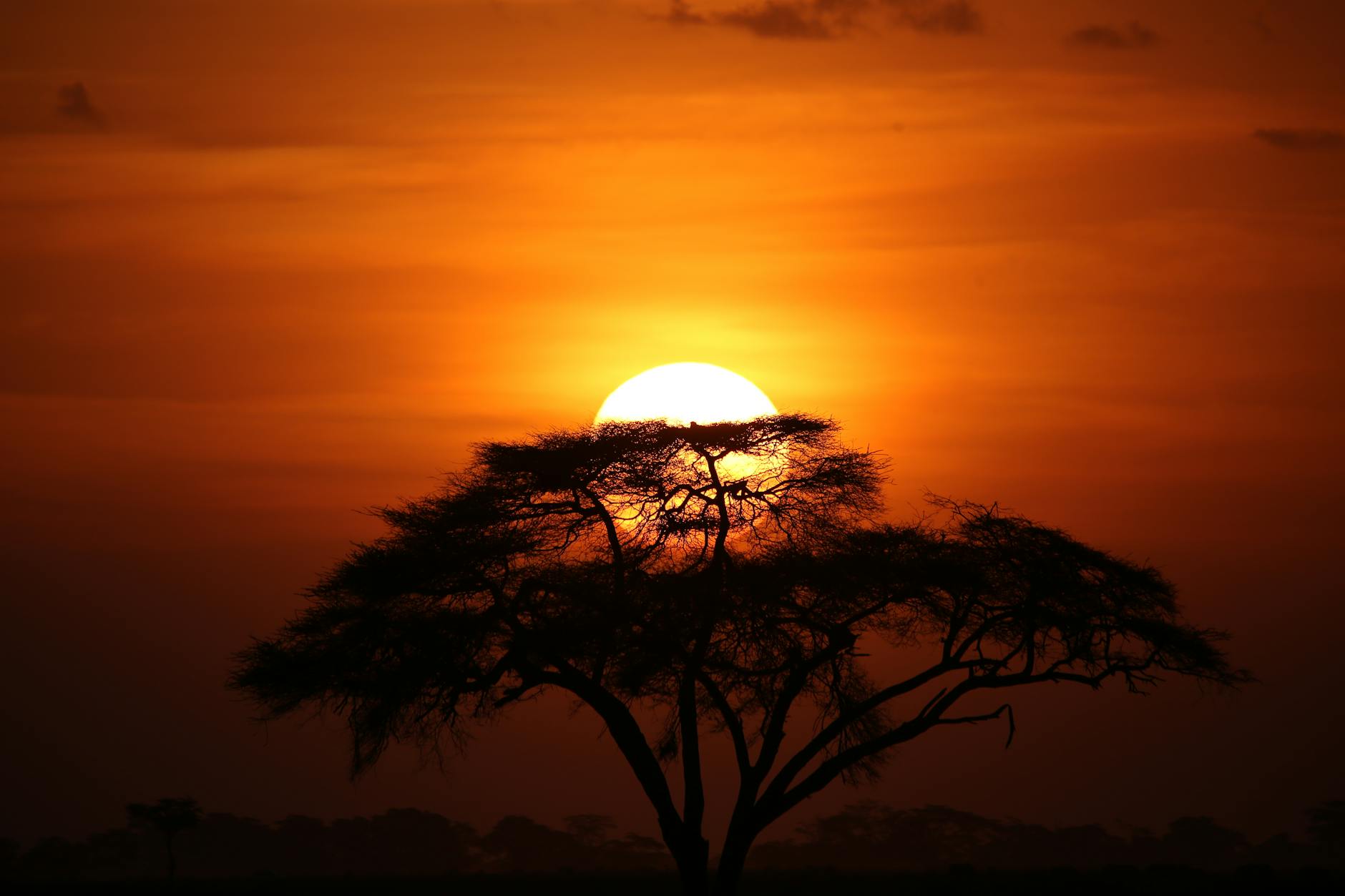
Dramatic golden sunset over the Laikipia savanna with acacia tree silhouettes on the horizon
Sunset over the Laikipia Plateau — the end of another extraordinary safari day.

Understanding the rhythm of a safari day helps you prepare for the experience and maximize your time in the bush. While every camp has its own variations, a typical day on a Laikipia safari follows a pattern shaped by the behavior of the wildlife itself.

5:30 – 6:00am: Wake-up call. In most camps, a staff member brings hot tea or coffee to your tent. The air is crisp and often surprisingly cold at Laikipia’s altitude — temperatures can be in single digits Celsius at dawn. Layer up with fleece and a warm jacket over your safari clothing.

6:30am: Morning game drive departs. The first hours of daylight are the most productive for wildlife viewing. Predators are still active from overnight hunts, herbivores are feeding in the open, and the quality of light is at its most beautiful for photography. Your guide will have checked radio reports from the camp’s scouting network and will know where key sightings have been reported.

9:00 – 10:00am: Return to camp for a full breakfast, or enjoy a bush breakfast set up at a scenic location in the conservancy. Many camps offer dining tables arranged under acacia trees, with views across the plains.

10:00am – 3:30pm: The middle of the day is typically spent at camp. Animals rest in the shade, and the heat (though moderate at Laikipia’s altitude) reduces both wildlife activity and photographic quality. This is the time for a guided walk, a swim at the pool, a visit to a nearby community project, or simply relaxing with a book on your veranda.

4:00pm: Afternoon game drive departs. As the heat eases, wildlife becomes active again. This is often the best time for predator sightings, as lions begin to stir, and the golden afternoon light creates spectacular photographic conditions.

6:30pm: Sundowner stop. Your guide will find a scenic spot — a hilltop with views, a riverbank, or a clearing with a panoramic vista — where the camp has arranged gin and tonics, cold beer, or wine. Watching the African sunset with a drink in hand is one of the simple rituals that defines the safari experience.

7:00pm: Night drive begins (if offered). Using handheld spotlights, your guide scans the bush for nocturnal species. The drive back to camp becomes an adventure in itself.

8:00pm: Dinner at camp, typically three courses served either in the dining area or around a campfire under the stars. Conversation flows easily — safari days have a way of creating instant camaraderie among guests.

Laikipia Safari Costs: What to Budget

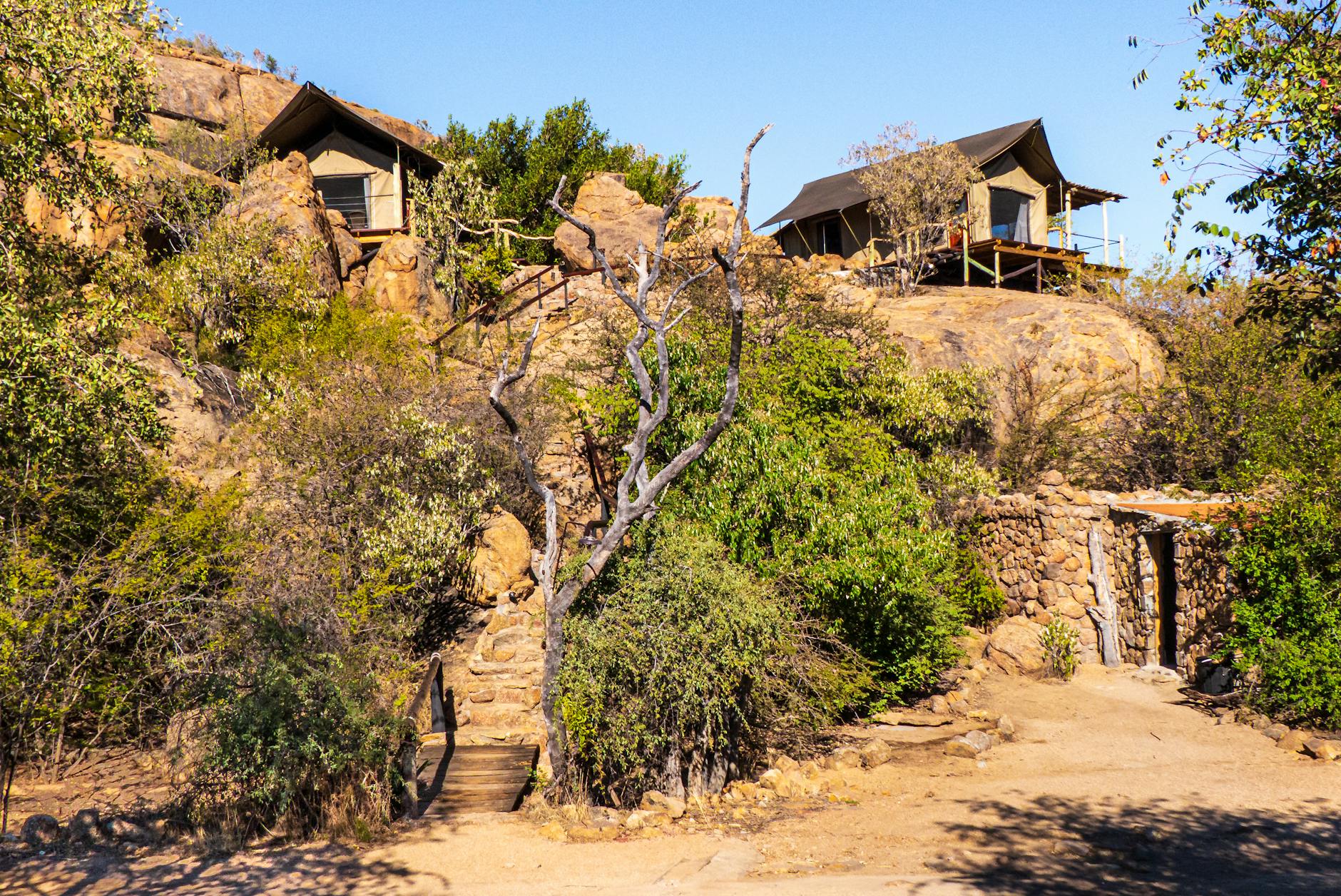
A luxury safari tented camp in the Laikipia wilderness surrounded by acacia woodland
Luxury tented camps across Laikipia combine wilderness immersion with world-class comfort.

A Laikipia safari is primarily a mid-range to luxury experience, though budget options do exist. Understanding the cost structure helps you plan a trip that matches both your expectations and your budget.

Budget Safari: $250 – $400 Per Person Per Day

The most affordable Laikipia safari option centers on Ol Pejeta Conservancy, which uniquely allows self-drive visits (most conservancies require you to stay at an on-site lodge). Budget-friendly camps like Ol Pejeta Bush Camp, Sweetwaters Serena Camp, and El Karama Lodge in neighboring conservancies offer comfortable accommodation with full-board meal plans and game activities at a fraction of the cost of the premium properties. Self-drive day visits to Ol Pejeta (with conservancy entry fees of approximately $90 per adult) are also possible from hotels in Nanyuki.

Mid-Range Safari: $500 – $800 Per Person Per Day

The mid-range tier offers the sweet spot of value and experience for most Laikipia visitors. Properties like Kicheche Laikipia Camp, Lewa Safari Camp, and Loisaba Tented Camp provide spacious tented accommodation, excellent guiding, full-board meals, most drinks, and a full program of game activities. Conservancy fees are typically included. Expect comfortable but not opulent surroundings, knowledgeable guides, and an authentic bush atmosphere.

Luxury Safari: $1,200 – $1,600+ Per Person Per Day

At the luxury tier, Laikipia competes with the finest safari destinations anywhere in Africa. Properties like Segera Retreat, Sirai House, Borana Lodge, and Ol Lentille offer extraordinary comfort — private plunge pools, gourmet dining with paired wines, spa treatments, dedicated vehicles with personal guides, and highly personalized experiences. At this level, everything is included: premium drinks, laundry, conservancy fees, and often even internal flights. The safari experience is curated rather than scheduled, with your guide adapting each day to your interests.

What’s Included (and What Isn’t)

Most Laikipia safari rates are fully inclusive, covering accommodation, all meals, house wines, beers, and spirits, two game activities per day, conservancy fees, and laundry. Items typically not included are premium champagnes and aged wines, spa treatments, scenic flights, tips for guides and staff, and international or domestic flights to Laikipia. Conservancy fees, which range from $80 to $150 per person per day at most properties, are a significant component of the overall cost — but this money goes directly to conservation and community development, making it one of the most meaningful expenditures of your trip.

Best Time for a Laikipia Safari

One of Laikipia’s great advantages is that it is genuinely a year-round safari destination. The equatorial location combined with high altitude means consistent temperatures throughout the year — warm during the day (20-28°C), cool at night (dropping to 5°C or below) — with rainfall being the primary seasonal variable.

The dry seasons (June to September and January to February) are considered the peak months for Laikipia game viewing. Vegetation thins, water becomes scarce, and animals congregate around permanent rivers and waterholes, making them easier to find. These months also offer clear skies, excellent photographic light, and the lowest malaria risk. June to September coincides with the wildebeest migration in the Mara, making Laikipia an excellent addition to a combined itinerary.

The wet seasons (March to May and October to December) bring lower prices, fewer visitors, lush green landscapes, and spectacular thunderstorms. Wildlife viewing remains good — the animals are resident year-round — but vegetation is thicker, some roads can become challenging, and mosquitoes are more prevalent. The wet months are excellent for birdwatching, as migratory species from Europe and central Asia swell the resident populations.

The shoulder months (June, November, early December) offer arguably the best overall value: near-peak wildlife viewing combined with accommodation rates that can be 20 to 30 percent lower than high season. Many experienced safari travelers deliberately target these windows.

How to Book Your Laikipia Safari

Booking a Laikipia safari is best done through a specialist East Africa safari operator or directly with the lodges and camps themselves. Most properties can be booked six to twelve months in advance for peak season, though last-minute availability is sometimes possible — particularly during the shoulder and wet months.

Key considerations when booking include the number of nights (three to four nights in Laikipia allows you to experience the full range of activities without rushing), whether to combine Laikipia with other destinations (a classic combination pairs three nights in Laikipia with three nights in the Masai Mara), and whether to fly in or self-drive. Daily scheduled flights from Nairobi’s Wilson Airport to Nanyuki, Lewa, and Loisaba airstrips take approximately 45 minutes to one hour and are operated by Safarilink and AirKenya.

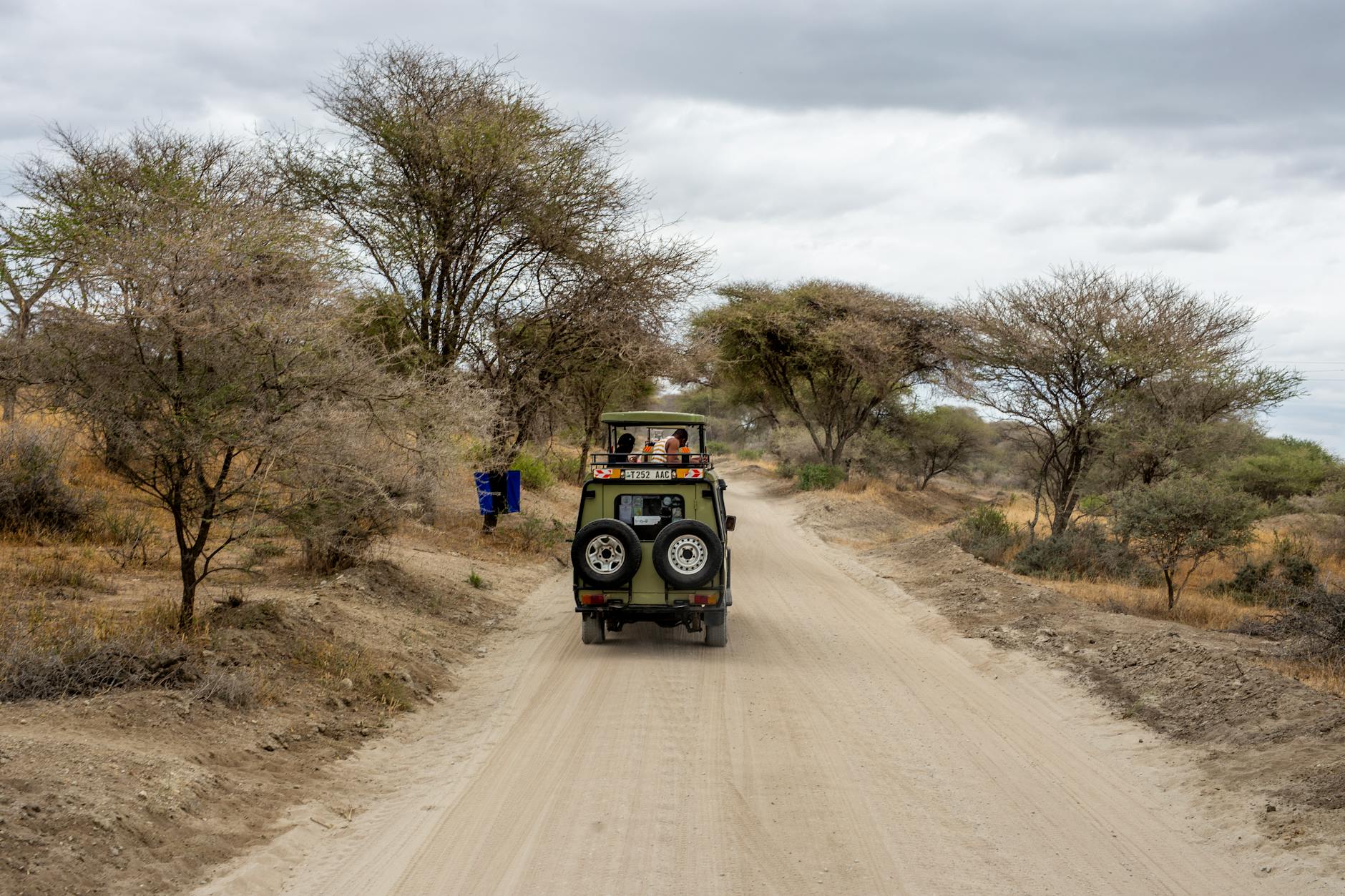
For self-drive visitors, the drive from Nairobi to Nanyuki takes approximately three hours on good tarmac. From Nanyuki, journey times to specific conservancies vary — Ol Pejeta is 20-30 minutes away, while more remote properties can take several hours on rough tracks. A 4×4 vehicle is strongly recommended beyond the main highways.

Laikipia Safari vs Masai Mara: Key Differences

The most common question from travelers considering a Laikipia safari is how it compares to the Masai Mara — Kenya’s most famous safari destination. Both are world-class, but they offer fundamentally different experiences.

Crowd levels: The Masai Mara receives over 300,000 visitors per year, and during peak migration season (July to October), the most popular sighting areas can feel congested. Laikipia’s private conservancy model limits guest numbers to a fraction of the Mara’s, ensuring an intimate experience throughout the year.

Activities: The Masai Mara National Reserve restricts visitors to vehicle-based game drives on designated tracks during daylight hours. Laikipia’s conservancies allow off-road driving, night drives, walking safaris, horseback riding, camel trekking, and more. If activity variety matters to you, Laikipia wins decisively.

Wildlife: The Mara’s annual wildebeest migration — involving over two million animals — is one of the greatest wildlife spectacles on Earth and has no equivalent in Laikipia. However, Laikipia offers species that the Mara cannot: the Northern Five (reticulated giraffe, Grevy’s zebra, gerenuk, Somali ostrich, Beisa oryx), wild dogs, and the chance to see the last northern white rhinos. For wildlife diversity beyond the migration, Laikipia holds its own.

Conservation impact: While the Mara’s conservancies fund important community programs, Laikipia’s entire economy is built on the conservation model. Every dollar spent on a Laikipia safari directly supports ranger salaries, anti-poaching operations, wildlife monitoring, and community development across nearly one million acres of private and communal land.

Value: Like-for-like, Laikipia accommodation can be slightly more expensive than mid-range Mara options, but the value equation tips in Laikipia’s favor when you consider the range of included activities, the exclusivity, and the absence of the park entry fees that make the Mara increasingly expensive (currently $200 per person per 24 hours for non-residents).

The ideal approach? Don’t choose between them. A combined Laikipia-Mara itinerary delivers the best of both worlds — Laikipia’s exclusivity, rare species, and activity diversity paired with the Mara’s migration spectacle and unrivaled big cat density.

Planning Your Laikipia Safari: Practical Tips

To help you prepare for your Laikipia safari, here are essential practical considerations that will make your trip smoother and more enjoyable.

What to pack: Laikipia’s altitude means mornings and evenings can be genuinely cold. Pack warm layers (fleece, down jacket) alongside your neutral-toned safari clothing. Essential items include binoculars (the single most important safari accessory), a camera with a telephoto lens (300mm minimum), sunscreen (SPF 50+), insect repellent with DEET, a wide-brimmed hat, and sturdy closed-toe shoes for walking safaris. Kenya bans single-use plastic bags entirely — pack accordingly.

Health: Malaria prophylaxis is essential. Laikipia’s altitude reduces mosquito risk compared to lowland destinations, but the risk is not eliminated. Consult your travel doctor at least four to six weeks before departure. Recommended vaccinations include hepatitis A and B, typhoid, and tetanus. Yellow fever vaccination is required if arriving from an endemic country.

Visa: Kenya uses an electronic travel authorization (eTA) system. Apply online at least 72 hours before departure. Your passport must have six months’ validity and two blank pages.

Tipping: Tipping is customary on safari. Typical guidelines are $15-$25 per person per day for your dedicated guide and $10-$15 per person per day for general camp staff, usually pooled into a communal tip box. Tips are genuinely appreciated and form an important part of staff income.

Photography: Laikipia’s high altitude delivers clear, clean light that produces exceptional photographic results. The “golden hours” — the first and last hours of daylight — offer the warm, saturated tones that define classic African wildlife imagery. Many camps cater to serious photographers with dedicated photography vehicles featuring beanbag supports and open sides.

For detailed accommodation recommendations across every conservancy and budget level, see our Laikipia Accommodation Guide.

To learn more about each individual conservancy — their wildlife strengths, unique activities, accommodation options, and conservation stories — explore our detailed Laikipia Conservancies Guide.

Your Laikipia Safari Starts Here

A Laikipia safari is not just a holiday — it is an encounter with one of Africa’s most remarkable conservation success stories, set against some of the continent’s most dramatic scenery. Whether you come for the Big Five, the Northern Five, the wild dogs, the horseback safaris, the star beds, or the chance to walk among elephants with a Samburu tracker, Laikipia will reward you with experiences that no other safari destination in East Africa can match.

The private conservancy model that sustains this landscape ensures that your visit directly funds the protection of endangered species and the livelihoods of the communities who share the land with them. This is not abstract eco-tourism. This is conservation in action, and your presence is part of what makes it work.

For more about the region — its geography, history, and cultures — explore our Complete Guide to Laikipia Kenya. And when you are ready to start planning, know that a Laikipia wildlife safari will deliver memories that linger long after the red dust has been washed from your boots.


Leave a Reply

Your email address will not be published. Required fields are marked *