Last updated: June 2026
In early 2019, a set of photographs from Laikipia stopped the wildlife world in its tracks: crisp, deliberate images of a genuine black leopard, padding through the African night, its rosettes faintly visible beneath the inky coat. They were among the first high-quality photographs of a wild melanistic leopard in Africa in around a century, and they put Laikipia on the map for photographers chasing the rarest shot in the bush. This guide tells the story of how that image was made, explains the techniques behind photographing the black leopard in Kenya, and — importantly — sets realistic expectations for anyone hoping to glimpse, let alone photograph, this almost mythical cat.
Let’s be honest from the outset: photographing a black leopard is extraordinarily difficult and largely a matter of luck, patience and specialist technique. But understanding how it’s done is fascinating in itself, and Laikipia remains the place where it’s most possible.
What Is a Black Leopard?
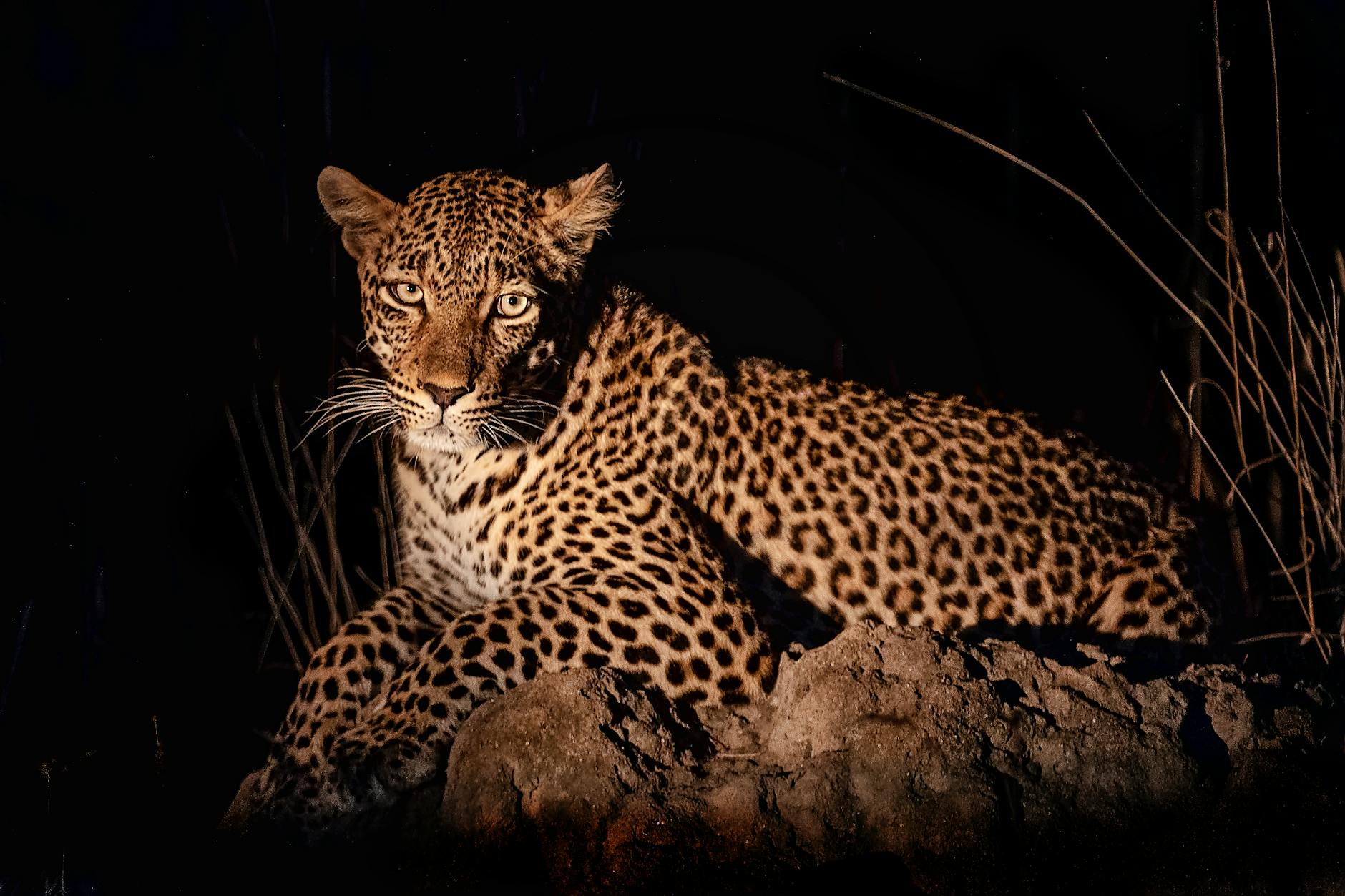
A black leopard, or melanistic leopard, isn’t a separate species — it’s an ordinary leopard with a genetic condition called melanism that produces an excess of dark pigment, turning the normally tawny, rosette-patterned coat almost black. Look closely (or photograph with infrared) and the classic leopard rosettes are still visible beneath the dark fur. Melanism is rare in African leopards (more common in the dense forests of Asia, where the dark coat aids camouflage), which made the confirmed presence of one in Laikipia so remarkable. These are the same elusive, powerful cats covered in our guide to the melanistic leopard of Laikipia — simply cloaked in an extraordinary, shadow-dark coat that makes them even harder to see and to photograph.
The Famous Laikipia Photographs
The story behind the celebrated images is a masterclass in patience and fieldcraft. British wildlife photographer Will Burrard-Lucas travelled to Laikipia in January 2019 after hearing reports of a black leopard. Working closely with local guides, conservationists and community members who knew the cat’s territory and habits, he identified the paths it used and deployed a network of camera traps — Camtraptions wireless motion sensors triggering high-quality DSLR cameras with multiple flashes — positioned along those routes. After patient weeks of trial, repositioning and waiting, the traps captured the now-iconic frames of the black leopard in the Laikipia night. He returned over about a year, eventually capturing more than two dozen high-quality images, and later achieved his dream “starlit” shot of the leopard beneath the stars. Researchers, including teams using camera traps for conservation monitoring, confirmed the cat around the same time.
The Camera-Trap Technique
The black leopard images were made not by a photographer behind a lens but by camera traps — and understanding why reveals the core challenge. Black leopards are intensely shy, primarily nocturnal, and rare, so the chance of a hand-held photograph from a vehicle in daylight is vanishingly small. A camera trap solves this: a motion sensor detects the animal and triggers a pre-positioned camera and flashes automatically, day or night, with no human present to spook the cat. The photographer’s skill lies in fieldcraft — reading tracks and local knowledge to predict where the leopard will pass — and in the technical setup: composing the frame in advance, balancing the flashes for natural-looking light, weatherproofing the gear, and then waiting, checking and repositioning over many nights. It’s a patient, specialist art far removed from typical safari photography.
Can Ordinary Visitors Photograph It?
Here’s the honest, important truth: the chance of an ordinary safari visitor seeing — let alone photographing — a black leopard is extremely small. These are rare, elusive, nocturnal animals, and even the professionals who’ve captured them did so with months of dedicated effort, specialist camera-trap equipment and deep local knowledge. A normal safari, however wonderful, is highly unlikely to produce a black leopard sighting, and you should not travel expecting one. That said, Laikipia is where it’s most possible, sightings do very occasionally happen on night drives, and simply being in the landscape where this near-mythical cat lives is a thrill. Treat any glimpse as an extraordinary stroke of luck, not an expectation.
Setting Realistic Expectations
It’s worth dwelling on expectations, because disappointment comes from hoping for the near-impossible. Even ordinary (spotted) leopards are challenging to find and photograph well; the black leopard is in another league of difficulty entirely. The famous images took a professional with specialist kit and local support around a year to achieve. So approach a Laikipia safari hoping to photograph the wonderful, attainable wildlife — the rhino, elephant, lion and the rest of the Big Five — and regard the black leopard as a legend you’re privileged to be in the vicinity of, rather than a checklist item. This mindset turns a safari into a joy rather than a frustrated hunt for a ghost. If you’re profoundly committed, specialist photographic operators and very long stays improve the (still slim) odds.
Where Black Leopards Have Been Seen
The confirmed Laikipia black leopard activity centred on the conservancies and ranches of the region, with the famous images associated with the Laikipia Wilderness area. Melanistic leopards have been reported and camera-trapped in parts of the plateau over recent years, and the broader Laikipia–Mount Kenya ecosystem, with its mix of forest, rocky terrain and bush, provides suitable leopard habitat. However, the exact whereabouts of any individual are not publicised — and rightly so, to protect the animal from disturbance and pressure. No lodge or operator can guarantee a sighting, and reputable ones won’t claim to. The takeaway: black leopards are part of Laikipia’s mystique, present somewhere in this wild landscape, but never a guaranteed or locatable photographic target.
If You Want to Try: Practical Advice
For the seriously committed (and realistic) photographer, a few approaches improve the slim odds. Choose a conservancy and lodge with a strong leopard population and good night-drive access, since night is when leopards move. Stay as long as you can — sightings are a numbers game. Work with expert local guides who know the terrain and the cats. Consider specialist photographic safaris that offer camera-trap experiences or hide-based photography. Bring gear that handles low light well (a camera with strong high-ISO performance and a fast lens) for any fleeting night encounter. And manage expectations relentlessly — even with all this, a black leopard photograph remains a long shot. Most who try, even hard, don’t succeed; those who do treasure it forever.
The Bigger Picture: A Conservation Icon
The black leopard has become something more than a photographic trophy — it’s a symbol of Laikipia’s wild, surprising richness and of the value of the conservancy model that protects such habitat. The 2019 images drew global attention to the region and to leopard conservation, and the camera-trap research that confirmed the cat feeds into the wildlife monitoring that underpins Laikipia’s protection. So even if you never see it, the black leopard’s story is part of why Laikipia matters and why supporting its conservation is worthwhile. Photographing the attainable wildlife, paying your conservancy fees and championing the landscape all help keep this extraordinary ecosystem — black leopard and all — intact for the future.
Other Rare Wildlife Worth Photographing
While the black leopard is the headline rarity, Laikipia offers other special photographic subjects that are far more attainable and equally worth pursuing. The endangered Grevy’s zebra, with its narrow stripes and big ears, has its global stronghold here. The reticulated giraffe, African wild dog, and the “northern specials” like Beisa oryx and gerenuk add unusual species to your portfolio. And of course the spotted leopard — challenging but achievable — alongside the full Big Five. Channelling your rare-species enthusiasm toward these realistic targets, rather than fixating solely on the near-impossible black leopard, fills your memory card with genuinely special images while you’re in one of Africa’s richest wildlife regions. The black leopard may stay a dream, but Laikipia’s other rarities are right there to be photographed.
Camera-Trap Photography for Visitors
If the camera-trap technique behind the famous black leopard images fascinates you, there are ways to engage with it as a visitor — though setting your own traps for a black leopard is not realistic on a normal trip. Some specialist photographic operators and lodges offer camera-trap experiences, where you can learn the technique and perhaps capture nocturnal wildlife (genets, hyena, porcupine, spotted leopard) passing your set. This is a wonderful way to photograph shy, nocturnal animals you’d never capture from a vehicle, and it scratches the camera-trap itch in an achievable form. It requires patience and a stay long enough to refine your sets, but the results — even of common nocturnal species — can be magical, and the process teaches you why the black leopard images were such an achievement.
Respecting the Animal and the Rules
The pursuit of a rare shot must never compromise the animal’s welfare or the rules that protect it. The black leopard, like all of Laikipia’s wildlife, is intensively protected, and its exact whereabouts are deliberately not publicised to prevent disturbance and pressure. As a visitor-photographer, never pressure guides to chase or harass wildlife, respect the conservancies’ rules and the animals’ space, keep night-time light to the minimum your guide permits, and accept that some animals simply won’t be seen. The ethic is simple: the welfare of the wildlife and the integrity of the landscape come before any photograph. This responsible approach is the foundation of Laikipia’s conservation tourism model, and as a guest you’re part of upholding it.
Why the Pursuit Is Worth It Anyway
Even though you almost certainly won’t photograph a black leopard, there’s real value in the pursuit — or rather, in the mindset it brings. Travelling to Laikipia aware that this near-mythical cat moves somewhere through the same darkness adds a frisson of wonder to every night drive and every dawn. It draws your attention to the richness and surprise of the ecosystem, deepens your appreciation of the conservation that protects such creatures, and reminds you that the wild still holds genuine mystery. Channel that wonder into patient, skilful photography of the wildlife you can capture, and the trip becomes richer for the black leopard’s presence even if it never steps in front of your lens. Sometimes the most powerful subjects are the ones that stay just out of frame.
The Bottom Line on the Black Leopard
The black leopard is the ultimate Laikipia photographic legend — real, rare, and very nearly unattainable for the ordinary visitor. The famous 2019 images were the fruit of a professional’s months of camera-trap work and deep local collaboration, not a lucky safari snap. So admire the story, understand the technique, and let it add mystique to your trip — but set your photographic ambitions on Laikipia’s attainable riches: the rhino, the Big Five, the Grevy’s zebra and the rest. Approach the black leopard as a symbol of the plateau’s wild surprise rather than a target, and you’ll enjoy your safari all the more. And on the slim chance you do glimpse one, you’ll know exactly how extraordinary your luck is. Read its full natural history in our melanistic leopard guide.
The Starlit Black Leopard
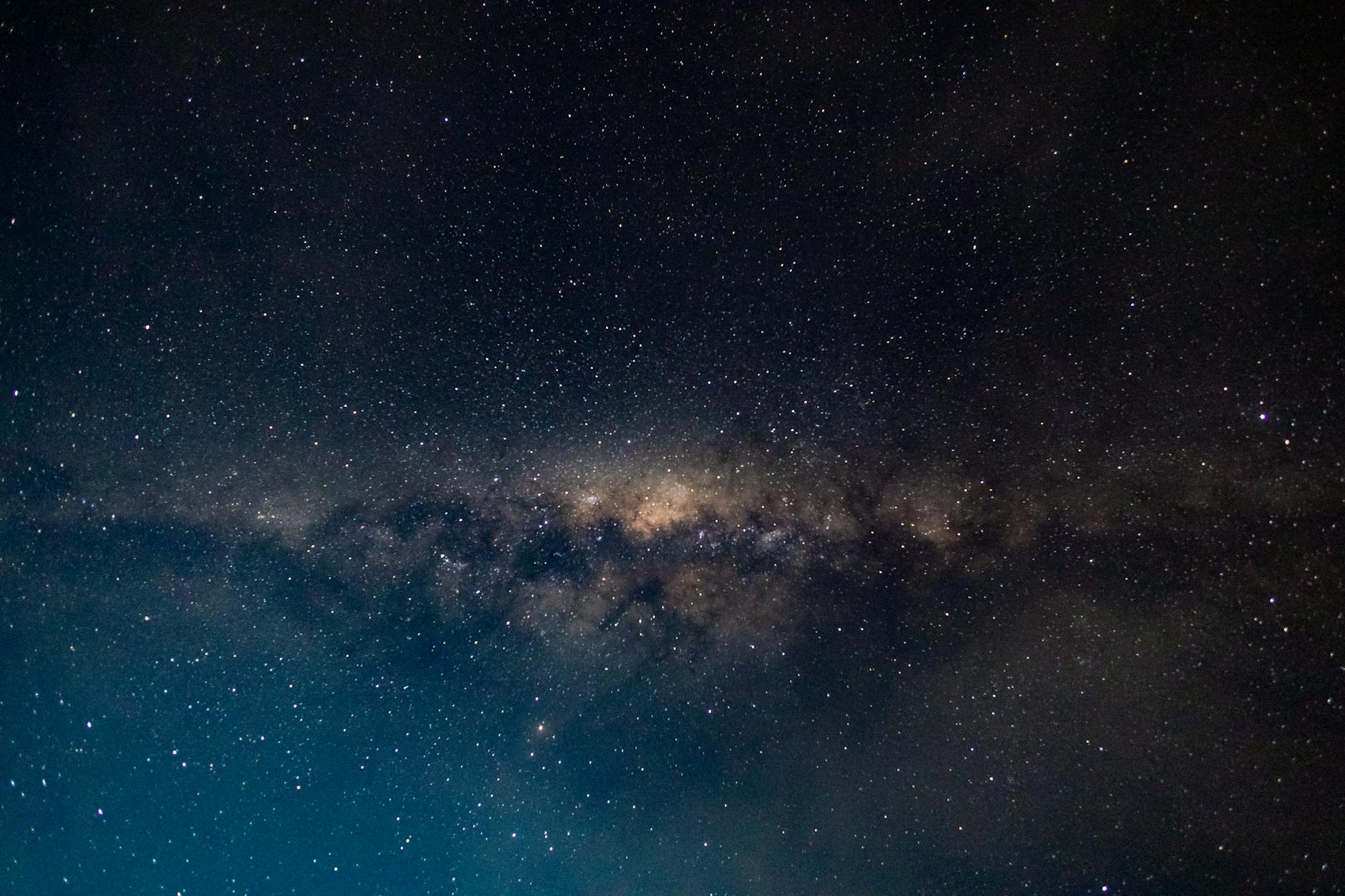
The black leopard saga had a remarkable sequel. Having captured the first images, the photographer set himself an even harder challenge: to photograph the black leopard beneath a star-filled sky. This “starlit” shot required combining the camera-trap leopard image with a long-exposure capture of the stars — an extraordinary technical and creative feat that took further dedication and ingenuity. The resulting image, showing the dark cat walking beneath the blazing Milky Way, became one of the most celebrated wildlife photographs of recent years. It’s a reminder that the black leopard story is one of relentless creative ambition as much as luck, and it underlines why Laikipia — with its dark skies and confirmed melanistic leopard — became the stage for such a unique image. For more on those dark skies, see our night photography guide.
Who photographed the black leopard in Laikipia?
British wildlife photographer Will Burrard-Lucas captured the celebrated 2019 images using camera traps, working with local guides and conservationists in Laikipia. Around the same time, researchers using camera traps for conservation monitoring also confirmed the melanistic leopard’s presence. The images were among the first high-quality wild African black leopard photographs in roughly a century.
How rare is a black leopard?
Very rare in Africa. Melanism is an uncommon genetic trait in African leopards (it’s more frequent in the forests of Asia), so a confirmed black leopard in Laikipia was a genuinely remarkable event. Even ordinary spotted leopards are elusive and hard to see; a black one is in another league of rarity entirely.
Frequently Asked Questions
What camera settings were used for the black leopard photos?
The camera-trap images were made with a DSLR triggered by a wireless motion sensor and lit by multiple flashes, using settings suited to the dark — a wide-ish aperture, a raised ISO and a relatively slow shutter, with the flashes freezing the motion. The exact figures matter less than the technique: a pre-positioned, flash-lit camera trap, not a hand-held shot. See our settings guide for general night and low-light approaches.
Is it worth going to Laikipia hoping to see a black leopard?
Go to Laikipia for its extraordinary, attainable wildlife — rhino, the Big Five, Grevy’s zebra and more — and treat the black leopard as a mythical bonus rather than a goal. Sightings by ordinary visitors are extremely rare, so building a trip around one invites disappointment. Enjoy being in the landscape where it lives, and you’ll have a wonderful safari regardless.
Can you see a black leopard in Laikipia?
It’s possible but extremely rare. Laikipia is the place in Africa where black (melanistic) leopards are most reliably confirmed, but they’re shy, nocturnal and elusive, so an ordinary visitor is very unlikely to see one. Treat any sighting as an extraordinary stroke of luck rather than an expectation.
How was the famous black leopard photographed?
Photographer Will Burrard-Lucas captured it in Laikipia in 2019 using camera traps — wireless motion sensors triggering DSLR cameras and flashes, positioned along the leopard’s known paths with help from local guides and conservationists. It took months of patient fieldwork; the images were among the first high-quality wild African black leopard photos in about a century.
What is a black leopard?
A melanistic leopard — an ordinary leopard with a genetic condition causing excess dark pigment, turning its coat almost black, though the classic rosettes remain faintly visible beneath. It’s not a separate species. Melanism is rare in African leopards, which made Laikipia’s confirmed individual so remarkable.
Can a normal safari photograph a black leopard?
Realistically, no — the odds are vanishingly small. Even professionals used specialist camera traps and months of effort. Approach a Laikipia safari hoping to photograph the attainable wildlife like the Big Five, and regard the black leopard as a legend you’re lucky to be near, not a target you can plan to capture.
Where do black leopards live in Laikipia?
Within the conservancies and ranches of the plateau, in suitable leopard habitat of forest, rocky terrain and bush — the famous images are associated with the Laikipia Wilderness area. Exact whereabouts aren’t publicised, to protect the animals from disturbance, and no operator can guarantee a sighting.
Captivated by Laikipia’s rarest cat? Read its full story in our guide to the melanistic leopard of Laikipia, plus our Big Five photography and complete wildlife photography guides.