Last updated: June 2026
Great wildlife photography is as much about where you point your camera as how. The same animal photographed at a dusty midday roadside and at a golden-hour waterhole, with Mount Kenya behind, produces two utterly different images — and Laikipia is gloriously rich in the kinds of locations that make the second possible. From sunken waterhole hides that bring you eye-to-eye with drinking elephants, to scenic ridges framing the mountain, to the conservancies that offer the best light and proximity, this guide maps the best photography locations and hides in Laikipia, so you can put yourself where the great shots happen.
Knowing these spots — and the type of photography each suits — lets you plan a trip around images rather than leaving them to chance. Let’s explore where Laikipia rewards the photographer most.
Why Location Matters So Much
Two things make a wildlife photograph: the subject and everything around it. Location determines the background (clean and complementary, or cluttered and distracting), the light (the angle and quality at a given spot and time), the proximity (how close you can get), and the context (whether Mount Kenya, a waterhole or open plains frame your subject). Laikipia’s advantage over the crowded national parks is profound here: its private conservancies often permit off-road driving and closer approaches, have far fewer vehicles to clutter your frame, and offer purpose-built photographic infrastructure like hides. Choosing the right location and time transforms your hit rate — which is exactly what this guide helps you do.
Waterhole Hides: Eye-Level Magic
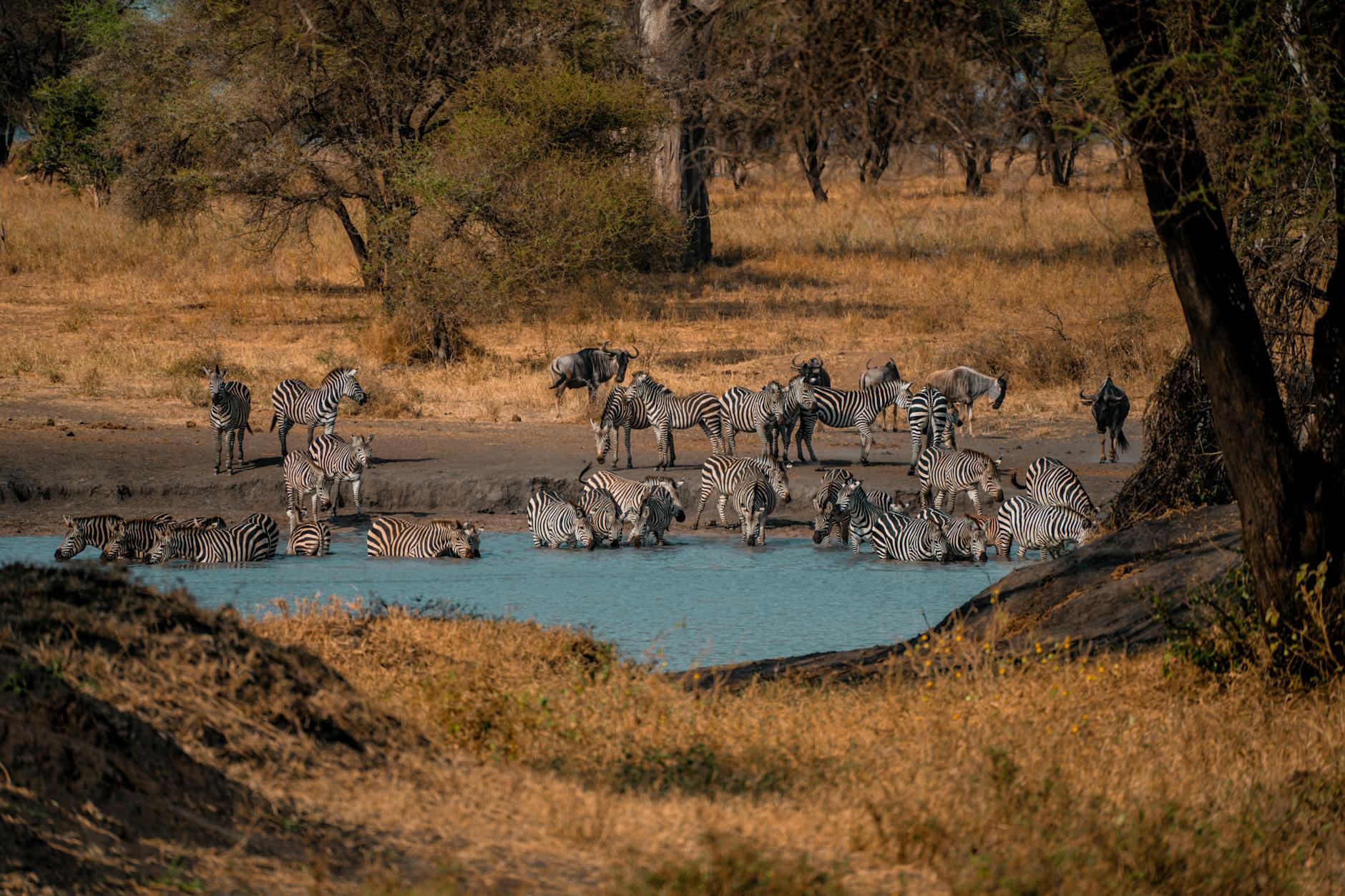
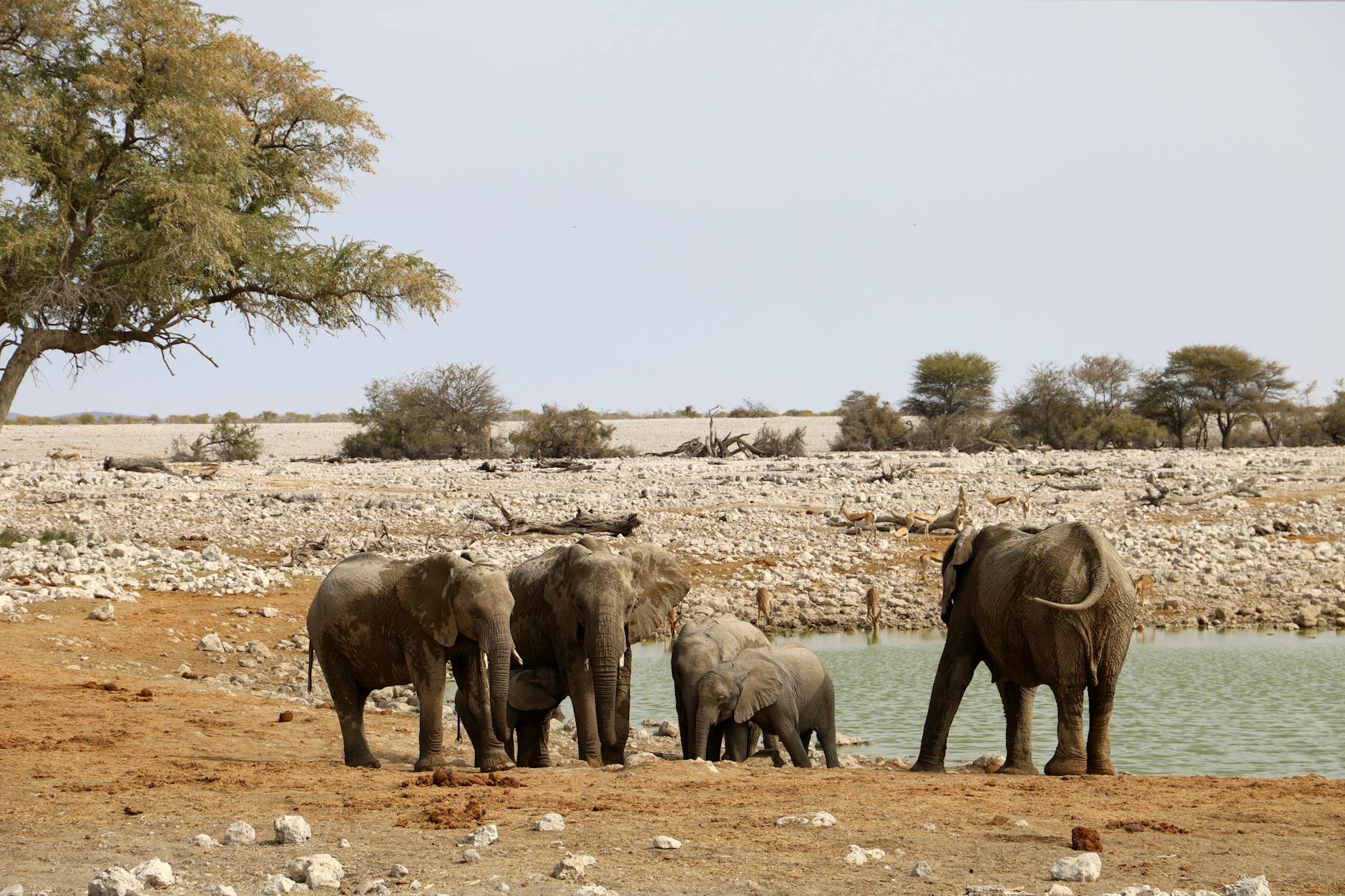
The photographic hide is Laikipia’s secret weapon, and a sunken waterhole hide is a revelation. Set low at the water’s edge, often partly underground, a hide puts your lens at the animals’ eye level — or below it — as they come to drink, producing intimate, powerful, low-angle images impossible from a vehicle. You’re concealed, so the animals behave naturally, often coming remarkably close: elephants, buffalo, plains game, and a constant parade of birds. The light reflects off the water, and the eye-level perspective gives that coveted professional look. Several Laikipia lodges and conservancies, including Ol Pejeta, offer photographic hides; if serious photography is your goal, seek one out and budget patient hours in it — the rewards are extraordinary.
The Best Conservancies for Photography
Each Laikipia conservancy offers something for the photographer. Ol Pejeta combines the Big Five, rhino in globally important numbers, the chimpanzee sanctuary and a photographic hide, with Mount Kenya as a backdrop — superb all-round. Lewa and Borana offer rolling, scenic terrain, rhino and exclusivity. Loisaba delivers dramatic northern landscapes and big skies. Solio is exceptional for rhino density. The northern and community conservancies offer raw wilderness and the northern specials. Your choice depends on your subjects and style — rhino-focused, landscape-focused, or seeking exclusivity and off-road freedom. Browse them all in our conservancies guide to match a location to your photographic goals.
Scenic Backdrops: Using Mount Kenya
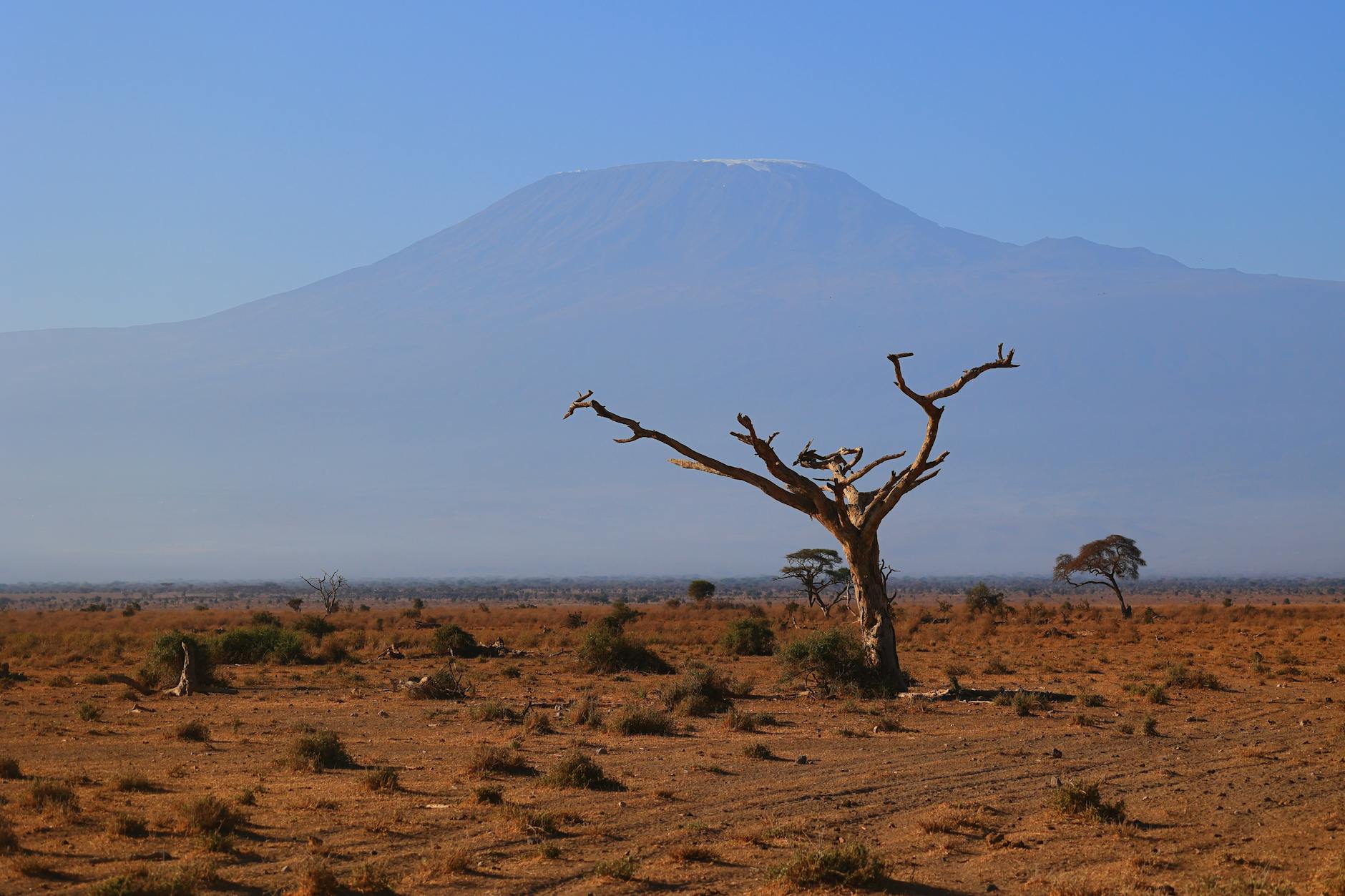
One of Laikipia’s signature photographic gifts is Mount Kenya itself, looming over the southern plains. An animal photographed with the mountain behind it — a rhino, an elephant herd, a lone acacia — becomes an instantly iconic, sense-of-place image that no tight portrait can match. The mountain is clearest at dawn before cloud builds, so plan mountain-backdrop shots for early morning. Beyond the mountain, look for other natural frames: lone trees on the plains, rocky kopjes catching low light, riverbanks, and the vast open horizons of the northern conservancies. Training your eye to include these backdrops, rather than only filling the frame with the animal, is what gives a Laikipia portfolio its distinctive, evocative character.
Viewpoints, Rivers and Forest
Beyond waterholes and plains, Laikipia offers varied photographic settings. Rivers and luggas concentrate wildlife and offer reflections and lush green frames, especially in the dry season when they’re magnets for animals. Rocky outcrops and ridges provide elevated vantage points for landscape and sundowner shots. The forests — notably Ngare Ndare with its canopy walk and blue pools — offer a completely different palette of dappled light, water and greenery for a change of pace from the savannah. And the conservancy lodges themselves, often beautifully designed and sited, make rewarding subjects, as do the cultural encounters with Maasai and Samburu communities. Variety is one of Laikipia’s photographic strengths — seek out these contrasting settings for a richer body of work.
Timing Your Locations
The right location at the wrong time underdelivers, so marry place to hour. Shoot east-facing scenes and Mount Kenya backdrops at dawn; position for the warm, low light of the golden hours at the start and end of the day; and use the harsh midday for travel, scouting or hide time (a hide works whenever animals come to drink, often through the heat of the day). The dry season concentrates animals at predictable water sources — gold for photographers — while the green season brings lush backdrops, dramatic skies and newborns. Plan your locations around both the daily light cycle and the seasonal patterns, guided by our best time to visit guide, and your images will reward the forethought.
Planning a Photography-Focused Trip
If photography is your primary motivation, plan deliberately. Choose a conservancy and lodge that match your subjects (rhino, landscapes, hides) and that welcome photographers — some offer photographic vehicles, hides, private guiding and the flexibility to stay out for the best light. Build in enough time; great images come from patience and repeated visits to productive spots, not a rushed checklist. Consider a specialist photographic safari or a private vehicle so you can position freely and linger at sightings without compromise. And combine locations — a hide, a Mount Kenya backdrop session, a river, a forest — for variety. Our guides to accommodation and itineraries help you build a photography-first trip.
Photographing from a Vehicle
Most of your Laikipia photography will happen from a safari vehicle, so mastering the vehicle as a platform matters. Position is everything: a good guide will angle the vehicle for the best light and background, so communicate what you want (the sun behind you, a clean backdrop, eye-level if possible). Steady your lens on a bean bag draped over the window or roof hatch, switch off the engine for vibration-free shooting, and brace yourself during the moment. Keep movements slow and quiet to avoid spooking animals. Because Laikipia’s conservancies often allow off-road positioning, you can frequently get a better angle than in the parks — make use of it, within the rules. A cooperative guide and a bean bag turn the vehicle into an excellent mobile hide.
Walking and Hide Photography
Beyond the vehicle, Laikipia offers photographic perspectives the parks rarely can. On a guided walking safari, you can photograph at ground level and capture the small details — tracks, plants, insects, birds — alongside plains game approached on foot, for a more intimate, grounded feel. In a rhino-tracking session you might photograph rhino on foot, an extraordinary low-angle opportunity. And in a waterhole hide, you shoot concealed and at eye level for hours. Each of these — walking, tracking, hides — gives a fresh perspective beyond the vehicle’s window, and combining them across a trip yields a far richer, more varied portfolio. Ask your lodge which of these photographic experiences they offer.
Light Direction and Time of Day at Each Spot
The same location transforms with the light, so think about direction and timing together. East-facing spots catch warm front-light at dawn; west-facing spots glow at sunset. A waterhole that’s backlit in the morning may be beautifully front-lit in the afternoon. Mount Kenya backdrops demand early morning before cloud builds. Open plains suit the long golden light of the day’s edges; forests like Ngare Ndare handle softer or overcast light well. Discuss timing with your guide, who knows how the light falls on each spot through the day. Returning to a productive location at the right hour, rather than passing through at the wrong one, is a hallmark of the thoughtful photographer and consistently yields better images.
Combining Locations for a Varied Portfolio
A great safari portfolio has range — and Laikipia’s variety makes that achievable. Across a trip, aim to shoot at a waterhole hide (intimate eye-level wildlife), on the open plains (classic game and Mount Kenya backdrops), along a river or lugga (reflections, concentrated wildlife, green frames), in a forest (a different palette entirely), and around camp (atmosphere, people, night skies). Add the cultural and landscape opportunities, and you return with a body of work that tells the full story of the place, not just a series of similar animal portraits. Deliberately seeking out contrasting locations — rather than driving the same loop each day — is what gives a Laikipia portfolio its depth and narrative. Plan the variety using our itinerary guide.
Specialist Photographic Lodges and Safaris
If photography is your central purpose, consider properties and operators set up specifically for it. Some Laikipia lodges offer photographic hides, photography-modified vehicles (with bean bags, charging, room to manoeuvre and fewer guests per vehicle), expert photographic guiding, and the flexibility to stay out for the best light. Specialist photographic safaris, led by professional photographer-guides, go further, tailoring the whole trip around image-making and teaching technique in the field. These cost more but transform your results and learning, and suit serious enthusiasts. When booking, ask specifically about photographic facilities — hides, vehicle setup, guide expertise, guest numbers per vehicle — as covered in our booking guide. The right photographic setup is itself a “location” decision that shapes everything.
The Bottom Line on Locations
Where and when you photograph matters as much as your gear and settings. Seek out waterhole hides for intimacy, use Mount Kenya and the open plains for iconic backdrops, exploit Laikipia’s off-road and walking access for angles the parks can’t offer, and combine contrasting settings — hide, plains, river, forest, camp — for a varied portfolio. Marry each location to the right light and time of day, lean on your guide’s knowledge, and consider a photography-focused lodge or safari if images are your priority. Get the location right and the great shots follow. Pair this with our guides to gear, settings and the complete wildlife photography guide.
Birds and Small Subjects
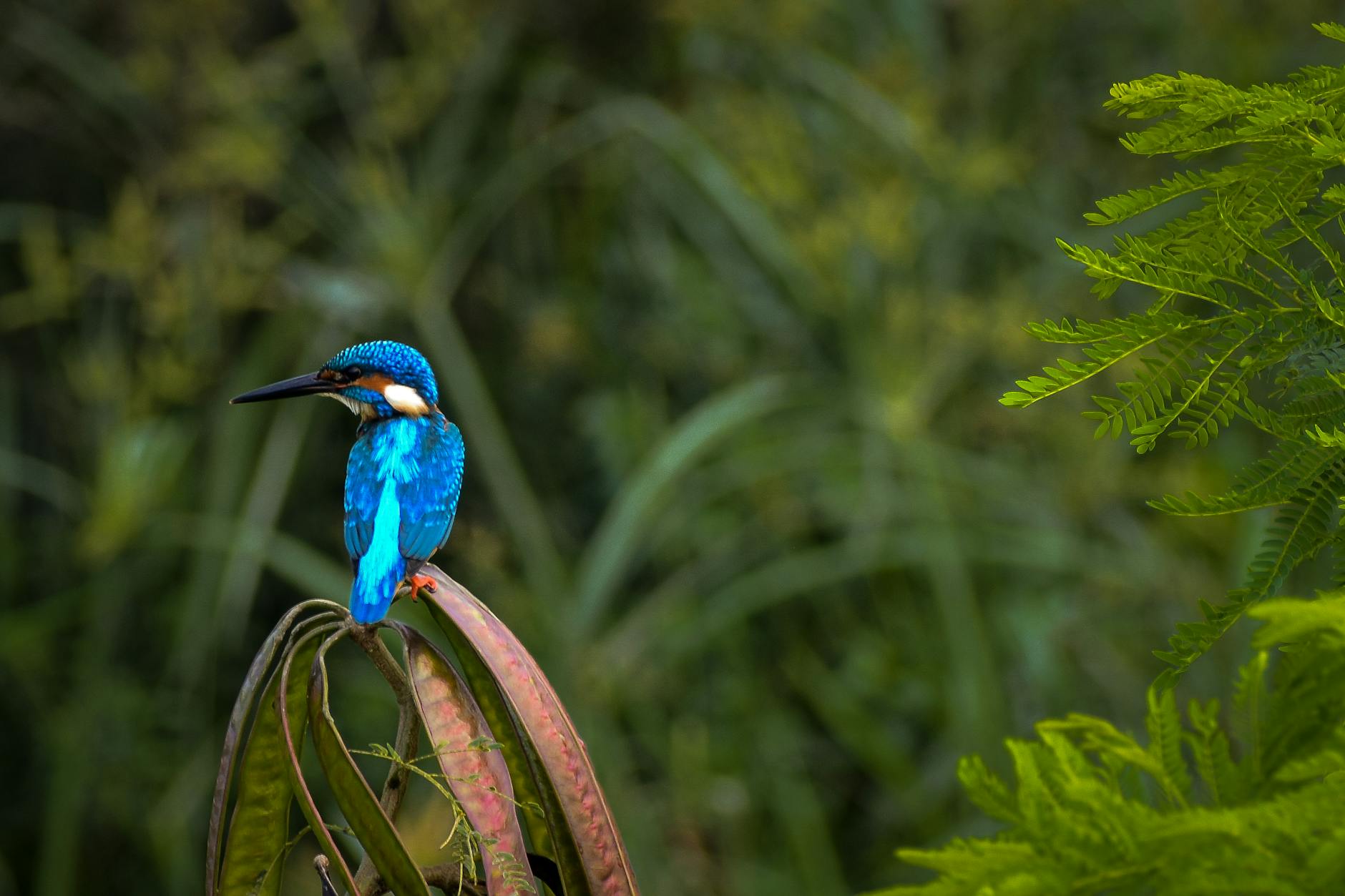
Photography in Laikipia isn’t only about big game — the plateau is a superb place for bird and small-subject photography, and the same locations often serve both. Waterhole hides are magnets for birds as well as mammals, the rivers and forests teem with species, and the open country hosts everything from tiny bee-eaters to massive raptors and the comical vulturine guineafowl. Bird photography demands the most reach (a long lens helps), fast shutter speeds for flight, and patience, but the rewards are colourful and varied. Pairing your big-game sessions with dedicated bird photography, especially around water and in the green season when migrants arrive, adds a whole dimension to your portfolio. See our Laikipia birdwatching guide for the best species and spots.
Landscape and Scene-Setting Locations
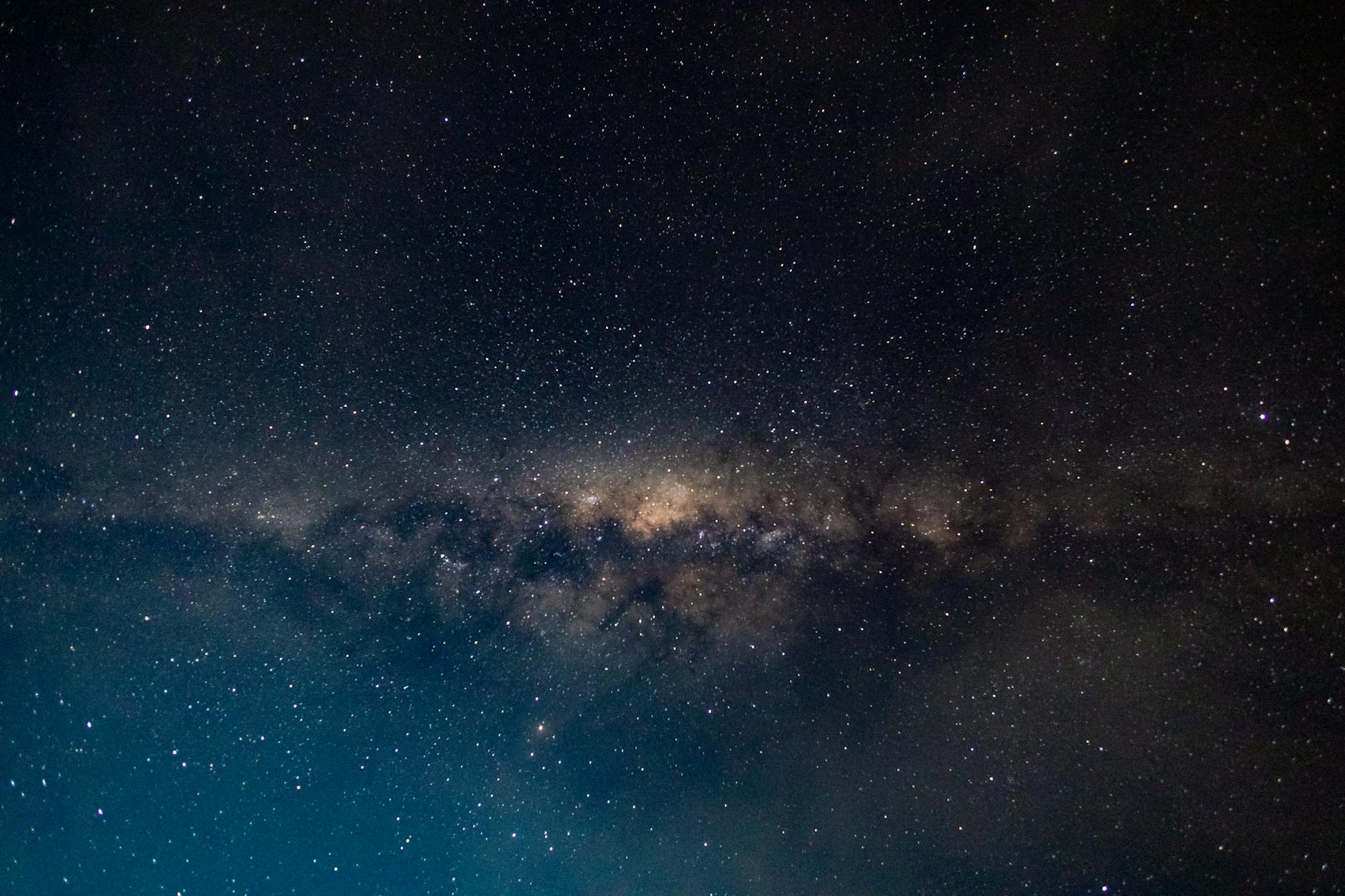
The animals are the draw, but Laikipia’s landscapes deserve their own photographic attention, and certain spots are made for them. Ridge-top viewpoints and kopjes offer sweeping vistas, especially at golden hour and for sundowners. The plains with Mount Kenya behind are the classic Laikipia landscape. Rivers, the blue pools of Ngare Ndare, and the dramatic gorges of the north each offer distinctive scenery. And the dark-sky locations are unmatched for astrophotography. Seeking out these landscape opportunities — not just photographing animals — gives your collection the sense of place that turns a set of wildlife shots into a portrait of a region. A wide lens and an eye for light and composition are all you need to capture Laikipia’s grand, varied scenery.
The Bottom Line: Be Where the Light and Wildlife Meet
Everything in this guide comes down to a single principle: put yourself where the light, the wildlife and a clean composition come together, and the great images follow. In Laikipia that means using the waterhole hides for intimacy, the open plains and Mount Kenya for iconic scenes, the rivers and forests for variety, and the dark skies for the stars — each at the right hour, with a guide who knows the terrain. It means exploiting the off-road and walking access that sets Laikipia apart from the crowded parks, and choosing a lodge or safari set up for photography if images are your priority. Location is the photographer’s most powerful, most overlooked tool. Master it, and a Laikipia portfolio becomes not just a record of animals but a portrait of one of Africa’s most photogenic landscapes. Continue with our complete wildlife photography guide.
Frequently Asked Questions
Are there photography hides at Laikipia lodges?
Yes — several Laikipia lodges and conservancies, including Ol Pejeta, offer sunken waterhole hides that put your lens at the animals’ eye level for intimate, low-angle images while you stay concealed. If photography is a priority, ask specifically about hides when booking, and budget patient hours in them; the results are among the best you can achieve on safari.
What makes Laikipia better than national parks for photography?
Its private conservancies often allow off-road driving and closer approaches, with far fewer vehicles cluttering your frame, plus purpose-built hides and walking access. This means cleaner backgrounds, better angles, more exclusive sightings and a more flexible, photographer-friendly experience than the crowded parks.
What are photographic hides and where can I use them in Laikipia?
Photographic hides are concealed, often sunken structures at waterholes that put your lens at the animals’ eye level as they come to drink, producing intimate, low-angle images while you remain hidden and the wildlife behaves naturally. Several Laikipia lodges and conservancies, including Ol Pejeta, offer them — seek one out for exceptional results.
Which Laikipia conservancy is best for photography?
It depends on your goals. Ol Pejeta is a superb all-rounder (Big Five, rhino, a hide, Mount Kenya backdrop); Lewa and Borana offer scenic terrain and exclusivity; Loisaba has dramatic northern landscapes; Solio is exceptional for rhino. Match the conservancy to your subjects and style using our conservancies guide.
How do I photograph wildlife with Mount Kenya in the background?
Shoot at dawn, when the mountain is clearest before cloud builds, and position so the animal is between you and the peak. Mount Kenya backdrops work beautifully on the southern plains, such as around Ol Pejeta. These environmental shots create iconic, sense-of-place images. See our Mount Kenya guide.
Why is Laikipia good for photography compared to national parks?
Laikipia’s private conservancies often allow off-road driving and closer approaches, have far fewer vehicles cluttering your frame, and offer purpose-built photographic infrastructure like hides. This means cleaner backgrounds, better angles, more exclusive sightings and a more flexible, photographer-friendly experience than the crowded parks.
When is the best time for photography in Laikipia?
The golden hours at dawn and dusk for light, with dawn best for Mount Kenya backdrops. The dry season concentrates animals at waterholes (great for hides), while the green season offers lush backdrops and dramatic skies. Plan locations around both the daily light cycle and the seasons.
Get in position for the best shots. Combine this with our guides to camera gear, Big Five photography, and the complete Laikipia wildlife photography guide.