Last updated: June 2026
Every safari photographer dreams of the Big Five portfolio — the lion’s stare, the elephant’s bulk, the leopard in the tree, the buffalo’s brooding glare, the rhino in golden light. But each of these animals demands a different approach, and the photographers who consistently nail them aren’t just lucky: they understand each species’ behaviour, the light that flatters it, and the settings that capture it. Laikipia is one of the finest places anywhere to build this collection, home to all of the Big Five plus the freedom of private conservancies. This species-by-species guide to photographing the Big Five shares exactly how to capture each one well.
This guide assumes you’ve got the basics of settings and gear down; here we focus on the species-specific craft that turns a record shot into a great one.
Photographing Lions
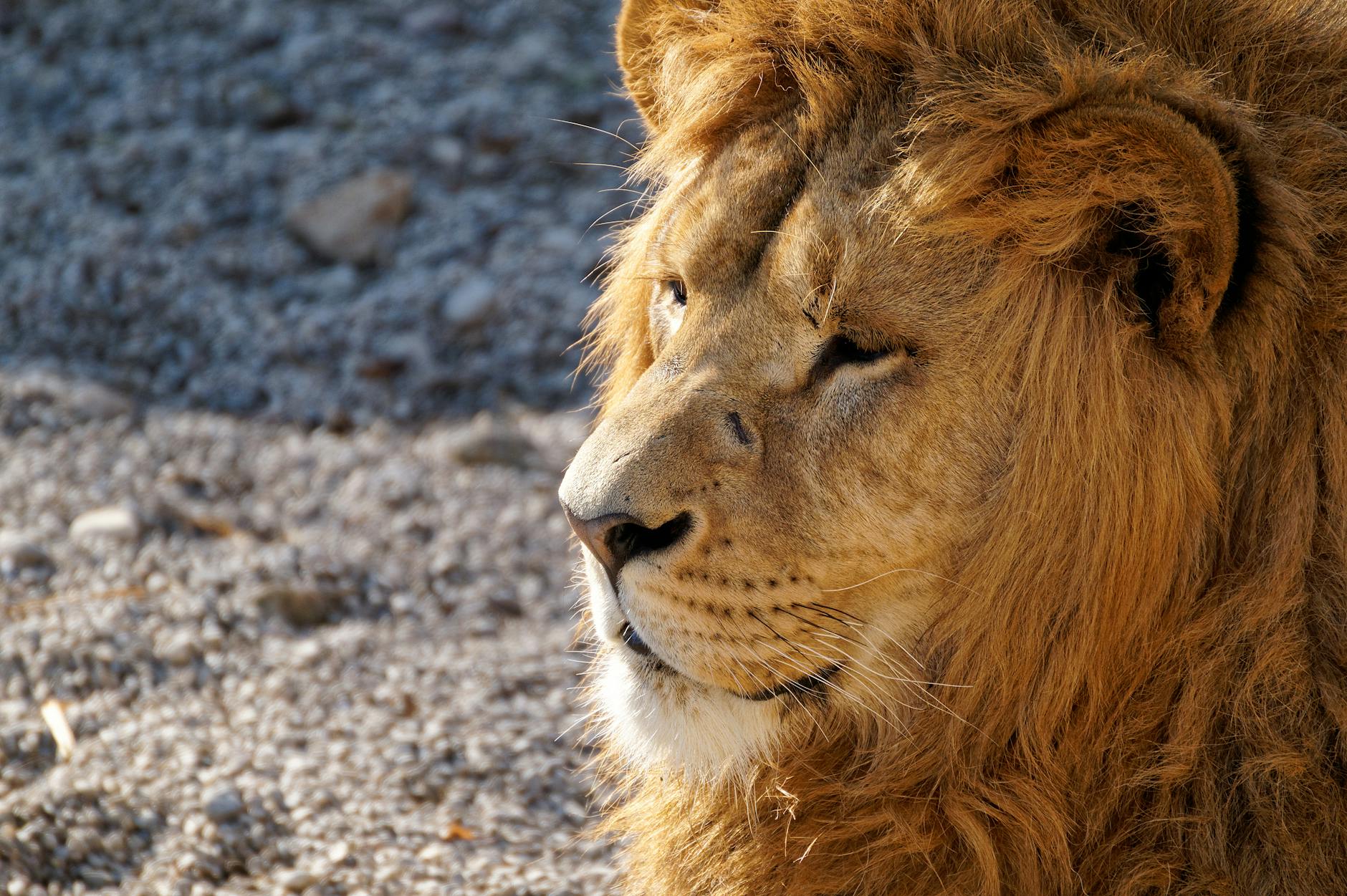
Lions are both the easiest and the trickiest of the Big Five to photograph — easy because they’re often relaxed and approachable, tricky because that relaxation means they spend most of the day asleep. The key is timing and patience. Shoot in the early morning and late afternoon when they’re active; a sleeping lion makes a dull photo, so wait for the head to lift, a yawn, a stretch, or interaction within the pride. Get down to their eye level where possible for intimacy and power. Focus on the eyes, and watch for the catchlight (the glint of light in the eye) that brings a portrait alive. For drama, look for cubs at play, males with full manes backlit by low sun, or the intense pre-hunt stare at dusk. A moderate telephoto suffices, as lions often allow close approach.
Photographing Elephants
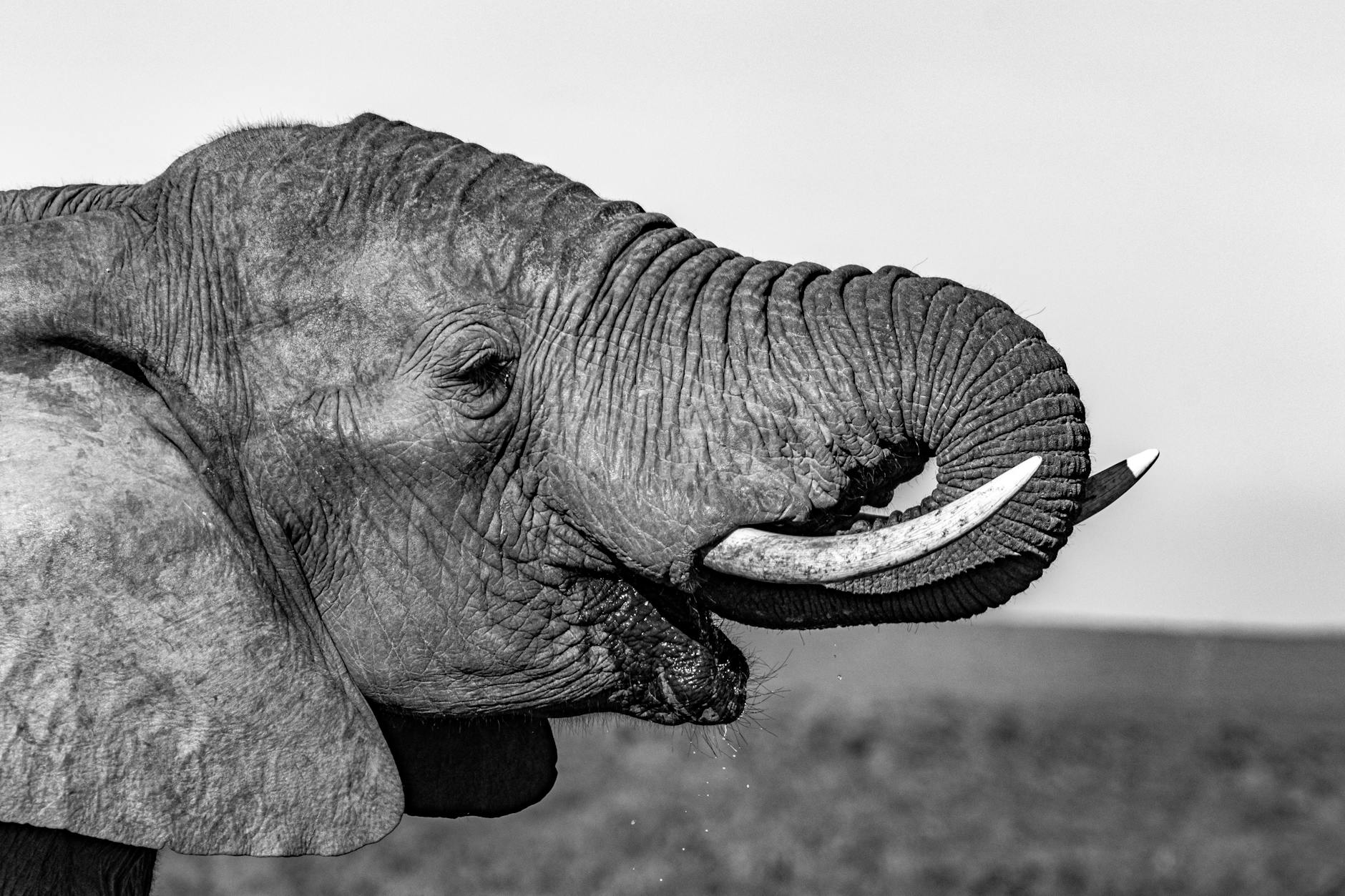
Elephants are gloriously photogenic and, being large, more forgiving of less reach — but their size brings its own challenges. Decide your story: a tight portrait of the textured face, eye and trunk, or a wider shot showing the whole animal or herd in the landscape. Both work; just compose deliberately. Watch for behaviour — dust-bathing, mud-wallowing, drinking, interaction between adults and calves, the raised trunk testing the air. With Mount Kenya often in the background on the Ol Pejeta plains, elephants offer some of Laikipia’s most iconic environmental compositions. Give them space and respect (a wide lens for a close elephant can mean you’re too close), watch the light on their wrinkled skin, and capture the gentle, intelligent character that makes them such rewarding subjects. Backlighting a dusty elephant at sunset is pure magic.
Photographing Leopards
The leopard is the Big Five’s most coveted and elusive photographic prize — secretive, often nocturnal, and a master of camouflage. When you do find one, make it count. Leopards draped in trees offer classic compositions; look for a clean view of the face and those piercing eyes, and be ready for the descent or a yawn. Because leopards are often seen in low light or shade, you’ll likely need a higher ISO and a wide aperture — embrace it. A longer lens helps, as leopards are often more distant and wary than lions. Patience is everything: a leopard may sleep for hours, then suddenly act. Laikipia is also home to the famous melanistic black leopard, a separate photographic challenge entirely, covered in our dedicated guide to photographing the black leopard.
Photographing Buffalo
Cape buffalo are perhaps the least glamorous of the Big Five, but they make powerful, characterful images when approached thoughtfully. The classic shot is the head-on portrait emphasising the heavy boss (the fused horn base) and that famously baleful, suspicious stare — get low and fill the frame for maximum impact. Old solitary bulls, often caked in mud, make brooding subjects. A large herd moving in dust at golden hour can be dramatic and atmospheric. Buffalo are dark, so watch your exposure — they can fool the meter into underexposing; expose for the animal, not the bright background. Look for the oxpeckers (birds) that ride them for an extra story element. Buffalo reward the photographer who looks past their plainness to their genuine drama and menace.
Photographing Rhino
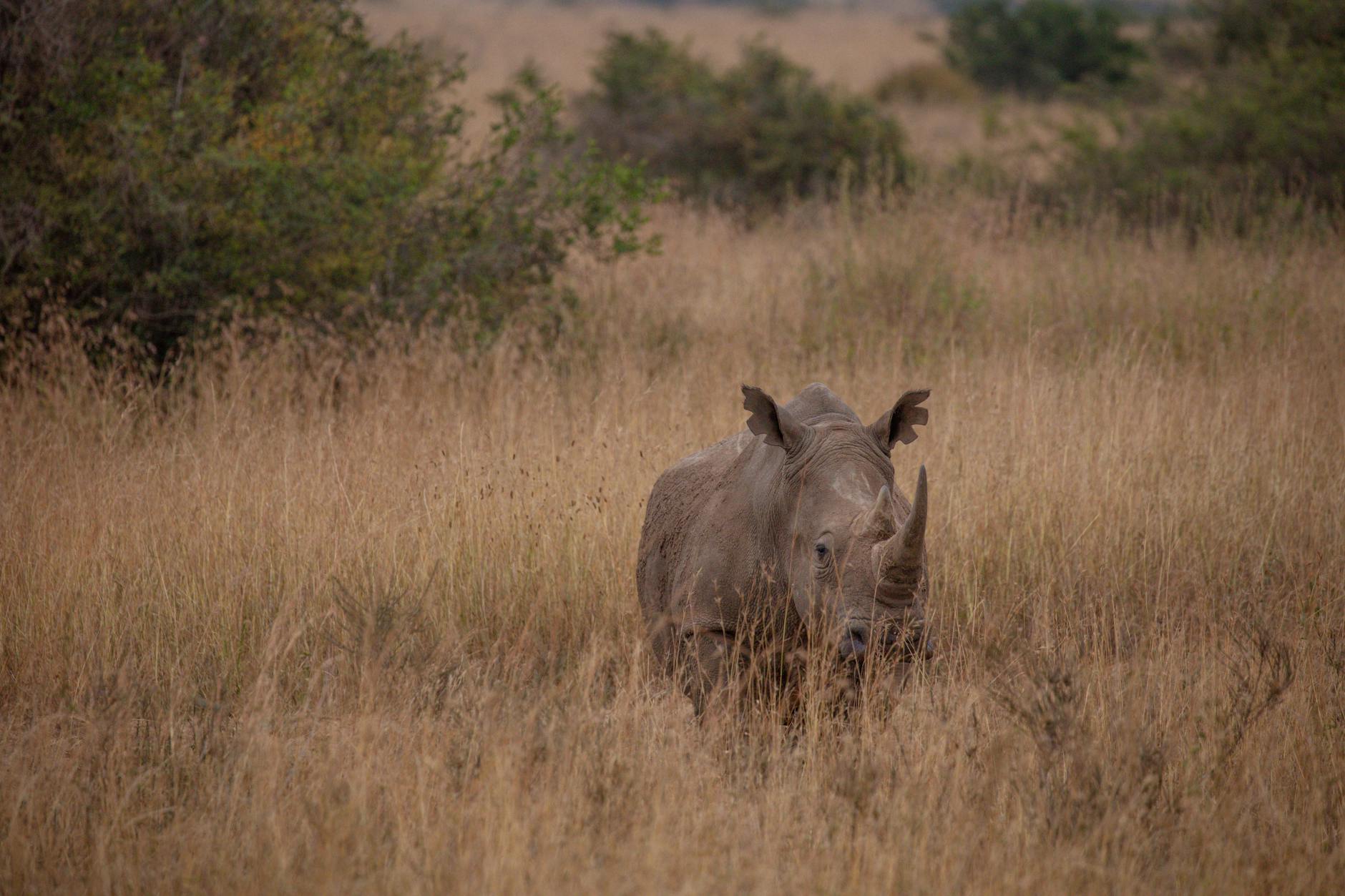
Laikipia is one of the world’s great rhino strongholds, so this is a species you can realistically build a portfolio around here — a rare privilege. Both black and white rhino offer prehistoric, sculptural subjects. Emphasise the horn and the armoured, folded skin; a low angle adds power and presence. Golden-hour light rakes beautifully across their hide. Watch for behaviour — a calf with its mother, a mud-wallow, the alert head-up posture, oxpeckers at work. Because Laikipia’s conservancies protect rhino so intensively, you may even photograph them on a rhino-tracking walk on foot, an extraordinary and intimate perspective. Capturing a rhino well, knowing how endangered they are and how hard Laikipia works to protect them, makes these among the most meaningful images you’ll take.
Light and Timing for Each Species
Across all five, the golden rules of light apply, with species nuances. The warm, low light of early morning and late afternoon flatters everything and coincides with peak animal activity — plan your serious shooting around the dawn and dusk drives. Dark animals (buffalo, black rhino, leopard in shade) need careful exposure to avoid underexposing; lighter scenes and dusty backlighting suit elephants and golden-maned lions. Overcast or hazy light, while less dramatic, can be kind for high-contrast subjects. The single best habit is to be out and ready in the magic hours, when the Big Five are both active and beautifully lit — midday is for resting, both for them and for you.
Behaviour: Anticipating the Moment
The difference between a snapshot and a great wildlife image is usually a moment of behaviour — and capturing it means anticipating it. Learn to read the signs: a lion’s twitching tail before it rises, an elephant’s restlessness before it moves to water, a leopard’s gaze fixing on prey, the social tension in a buffalo herd. This is where a knowledgeable guide is invaluable, predicting what an animal will do next so you’re ready. Keep your camera up and focused during promising moments rather than chimping (reviewing) old shots. Patience and anticipation, more than any setting, are what separate the photographers who capture the yawn, the charge or the tender interaction from those who get only the aftermath.
Ethics and Respect
Great wildlife photography is never worth stressing or endangering the animal. Always follow your guide’s instructions and the conservancy’s rules; never pressure a driver to approach too closely, block an animal’s path, or chase a sighting. Keep noise down, movements slow, and give animals — especially mothers with young, and the heavily protected rhino — the space they need. The best images come from relaxed, natural animals, not harassed ones, so ethics and good photography align. Laikipia’s whole model is built on responsible, low-impact wildlife tourism, and as a photographer you’re part of that. A respectful approach also tends to produce better, more authentic images — the animal behaving naturally rather than reacting to you.
Portrait vs Environmental Shots
For each of the Big Five, decide consciously between two kinds of image, because both are valuable and they require different framing. A portrait fills the frame with the animal — the lion’s face, the elephant’s eye and trunk, the rhino’s horn — emphasising character, texture and intimacy, and usually shot with a longer lens and wide aperture for a blurred background. An environmental shot places the animal smaller within its habitat — a rhino beneath Mount Kenya, an elephant herd crossing golden plains — conveying scale, place and story, often with a wider lens and more depth of field. The best portfolios mix both. On each sighting, ask yourself: is this a portrait moment or an environmental one? Deliberately shooting for each, rather than always zooming in tight, gives your Big Five collection range and depth.
Capturing Action and Behaviour
A static portrait of any of the Big Five is good; an action or behaviour shot is unforgettable. These are the images of a lion mid-yawn or roar, an elephant flapping and dust-bathing, a buffalo tossing its head, two rhino interacting, a leopard descending a tree. They require anticipation (reading the animal and the guide’s cues), a fast shutter speed to freeze movement, continuous autofocus and burst mode to catch the peak instant, and patience to wait for behaviour to unfold. They’re harder and lower-percentage than portraits, but they’re the shots that win competitions and tell stories. Stay ready during any promising moment — camera up, focused, finger poised — because behaviour erupts and ends in seconds. The reward for patience and readiness is the frame everyone else missed.
Exposing for Light and Dark Animals
The Big Five span a huge tonal range, and exposure is where many shots fail. The dark animals — buffalo, black rhino, leopard in shade — fool the camera’s meter into overexposing (brightening) to compensate, washing them out, or sit underexposed against bright backgrounds; use exposure compensation and expose for the animal. The lighter scenes — a tawny lion in golden light, an elephant in dust — are more forgiving but watch for blown highlights. The reliable approach: meter on the animal, check your histogram and the image after shooting, and adjust exposure compensation accordingly. Shooting RAW gives latitude to fine-tune later. Mastering exposure for the wide tonal range of the Big Five is what keeps your buffalo from being a featureless blob and your backlit lion from blowing out.
The Best Conservancies for Each Species
Where you photograph affects which of the Big Five you’ll capture well. For rhino, Laikipia is world-class — Ol Pejeta and Solio offer exceptional density and access, even on foot. For elephant, the plains of Ol Pejeta and the northern conservancies, often with Mount Kenya behind. For lion, most conservancies hold prides; ask your guide where they’ve been seen. Leopard is the wild card everywhere — secretive and luck-dependent. Buffalo are widespread. Because Laikipia’s conservancies allow off-road and closer approaches than the parks, your chances of a clean, close shot of each are genuinely better here. Plan your conservancy choice around your priority species, guided by our Big Five in Laikipia and photo locations guides.
Editing Your Big Five Images
A thoughtful edit completes a Big Five image. The essentials: crop for stronger composition (placing the animal on a third, leaving looking-space); adjust exposure and recover highlight/shadow detail (especially for those tricky dark animals); enhance contrast and clarity modestly to make the subject pop; reduce noise from high-ISO shots; and subtly boost colour without going garish. For portraits, a touch of sharpening on the eyes brings them alive. The goal is to enhance what was there, not to fabricate — keep it natural. Shooting RAW gives you the latitude to do all this well. A good edit can turn a slightly underexposed, slightly soft sighting into a frame-worthy image, which is why processing is the final, valuable skill in the Big Five photographer’s toolkit.
A Day Building Your Big Five Portfolio
Picture how a productive photographic day unfolds in Laikipia. You set out before dawn, when the light is golden and the animals active, aiming first for a species you know is nearby — perhaps rhino on the plains with Mount Kenya catching first light behind them. You work the scene patiently: portraits, then environmental shots, waiting for behaviour. As the light hardens toward midday, you return to rest, review and back up your images. In the late afternoon you head out again for the second golden window, perhaps seeking lions as they rouse, or positioning at a waterhole. Over several such days, methodically targeting each species in the best light, the Big Five portfolio builds itself. The key is patience, repetition and being out in the magic hours — not rushing to tick all five in a single frantic drive.
The Reward of the Rhino Shot
Of all the Big Five you might photograph in Laikipia, the rhino carries a special weight. This is one of the last great strongholds of both black and white rhino on Earth, protected at enormous cost, and to photograph one here — perhaps even on foot during a rhino-tracking experience — is a genuine privilege. As you frame that prehistoric silhouette in the golden light, it’s worth remembering that your visit, your conservancy fees and your images all play a small part in the story of keeping these animals alive. That awareness lends the rhino shot a meaning beyond aesthetics. It’s not just a photograph; it’s a record of an animal that came back from the brink, in a place that refused to let it disappear — perhaps the most resonant image in any Laikipia Big Five collection.
The Bottom Line on the Big Five
Photographing the Big Five well comes down to understanding each animal — its behaviour, the light that suits it, the exposure it demands — and then bringing patience, anticipation and good fieldcraft to each encounter. Lions reward timing, elephants reward storytelling, leopards reward luck and patience, buffalo reward looking past the plain to the dramatic, and rhino reward both skill and gratitude. Across all five, work the golden hours, focus on the eyes, mix portraits with environmental shots, expose carefully for the wide tonal range, and always put the animal’s welfare first. Do that in Laikipia — with its rhino riches, its photogenic light and its photographer-friendly conservancies — and you’ll build a Big Five portfolio to be proud of. Continue with our guides to the black leopard and the best photo locations.
Frequently Asked Questions
What’s the hardest of the Big Five to photograph?
The leopard, because it’s secretive, often nocturnal and a master of camouflage, so finding one is the first challenge. When you do, it’s frequently in low light or partial shade, requiring higher ISO and patience. The buffalo is the easiest to find but the least glamorous; lions, elephants and rhino fall in between.
How do I photograph dark animals like buffalo and black rhino?
Watch your exposure carefully, as dark animals can fool the meter into underexposing. Expose for the animal rather than a bright background, even if it means brightening the overall scene. Golden-hour side-light helps reveal texture, and shooting in even, soft light avoids harsh shadows on dark hide.
Where can I photograph the Big Five in Laikipia?
Laikipia is home to all of the Big Five, with Ol Pejeta and the major conservancies offering excellent opportunities, especially for rhino, which Laikipia protects in globally important numbers. See our Big Five in Laikipia guide for where to find each species.
What lens do I need for Big Five photography?
A telephoto zoom reaching 400mm covers most situations, though elephants and approachable lions allow shorter reach, while wary leopards reward more. Laikipia’s private conservancies often allow closer and off-road approaches than the national parks, so you may need slightly less reach here. See our camera gear guide.
What’s the best time of day to photograph the Big Five?
The golden hours just after dawn and before dusk, when the warm, low light is most flattering and the animals are most active. Midday light is harsh and the animals usually rest, so plan serious shooting around the early morning and late afternoon game drives.
Build your Big Five portfolio, then go for the ultimate prize: our guide to photographing the black leopard, the best photography locations, and the complete Laikipia wildlife photography guide.