Last updated: June 2026
Tipping is the part of safari planning that quietly stresses people out. How much is right? Who do you tip? In what currency? Will you offend someone by giving too little — or look naive by giving too much? It needn’t be fraught. Tipping on a Kenyan safari is customary, genuinely appreciated, and follows fairly clear conventions once you know them. This detailed Kenya safari tipping guide for Laikipia tells you exactly how much to budget for guides, drivers, lodge staff and camp crew, how and when to hand it over, and the etiquette that makes it gracious rather than awkward.
Think of tips not as an optional extra but as a meaningful part of the income of the people who make your safari special — and a budget line worth planning for from the start. Here’s everything you need.
Why Tipping Matters on Safari
Tipping is woven into the fabric of Kenya’s tourism industry, where gratuities form a significant and valued part of many workers’ earnings. The guides, drivers, trackers, housekeepers, cooks and camp teams who look after you often rely on tips to supplement their wages, and a thoughtful gratuity is a direct, personal way to thank the people whose skill and care shape your trip. It’s discretionary and based on good service — you’re never obligated to a fixed sum — but it is expected, and budgeting for it properly is part of responsible safari planning. Done right, tipping is one of the more rewarding small rituals of a safari, a genuine human connection at the end of a shared experience.
How Much to Tip Your Safari Guide
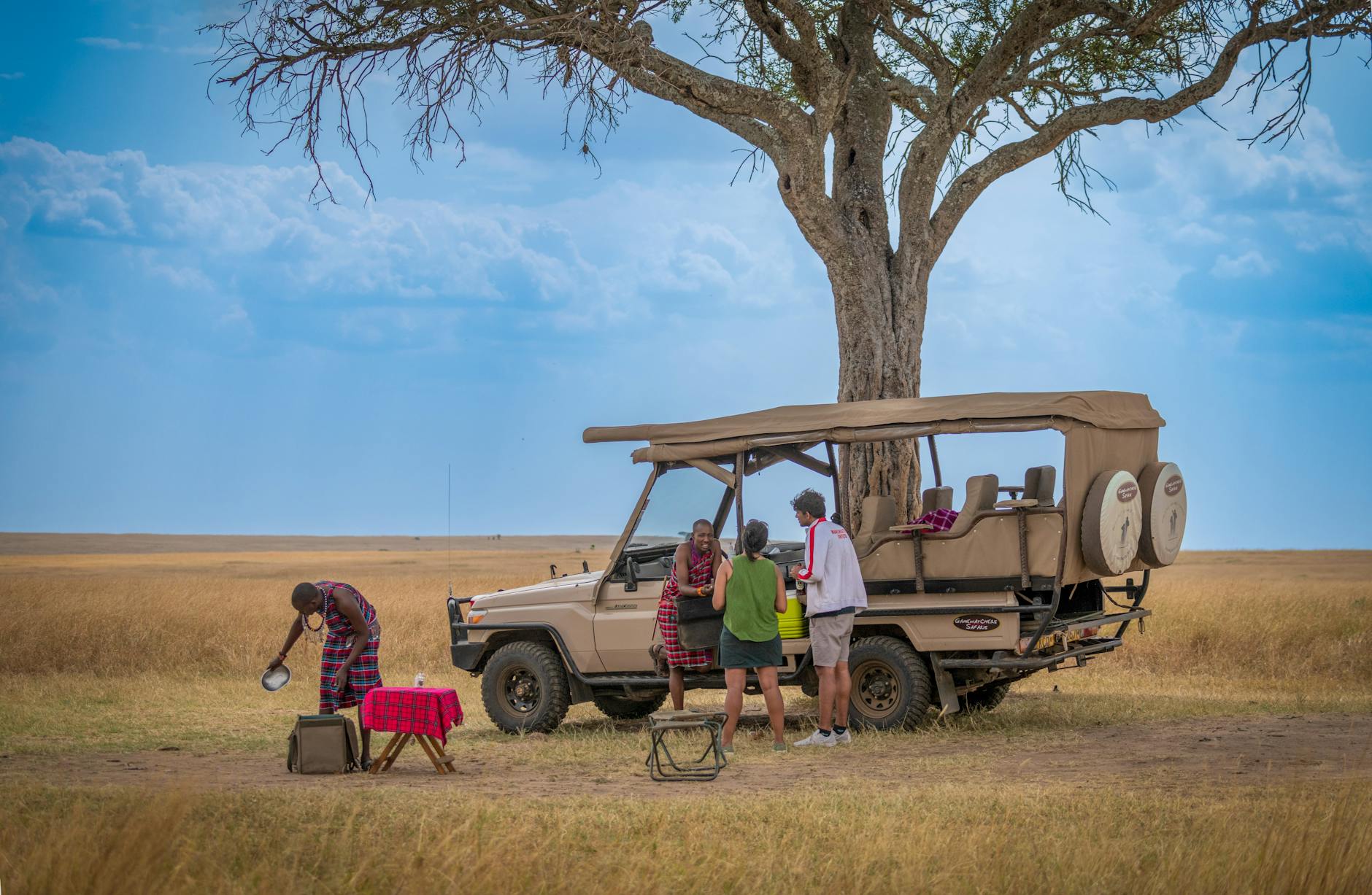
Your guide or driver-guide is the person who most shapes your safari, and the main tipping focus. As a general guideline, budget around US$10–25 per guest per day for your guide, with the higher end for an exceptional private guide and the lower end for a shared one. For a couple over a week, that adds up to a meaningful sum, so factor it in from the start. Tip according to the service — a guide who works tirelessly to find you that leopard, shares deep knowledge and looks after you well deserves the upper end. Specialist guides on activities like rhino tracking may be tipped separately for that experience.

Tipping Lodge and Camp Staff
Beyond your guide, the wider team — housekeepers, waiters, cooks, camp hands — also deserve recognition, and there are two common ways to do it. Many lodges have a communal tip box at reception, into which you contribute a sum to be shared fairly among all the behind-the-scenes staff you may never personally meet; a guideline is around US$10–15 per guest per day, or a set amount per room. Alternatively, or in addition, you can tip individuals directly for standout personal service. The communal box is the simplest way to ensure the whole team — including the kitchen and housekeeping — is included, which matters because those are often the lowest-paid and least-thanked roles. Ask at reception how the lodge prefers to handle it.
Tipping Transfer Drivers and Others
Don’t forget the supporting cast. A transfer driver who delivers you safely from the airport or between lodges is customarily tipped around US$5–10 per trip, more for a long or particularly good journey. Porters who carry bags welcome a small note. If you take part in specialist activities with dedicated staff — a walking-safari ranger, a cultural-visit host, a spa therapist — a modest tip for good service is appreciated. None of these is large, but keeping a stock of small notes for them makes the whole trip flow graciously. For broader money logistics, see our Kenya currency and money guide.
Which Currency to Tip In
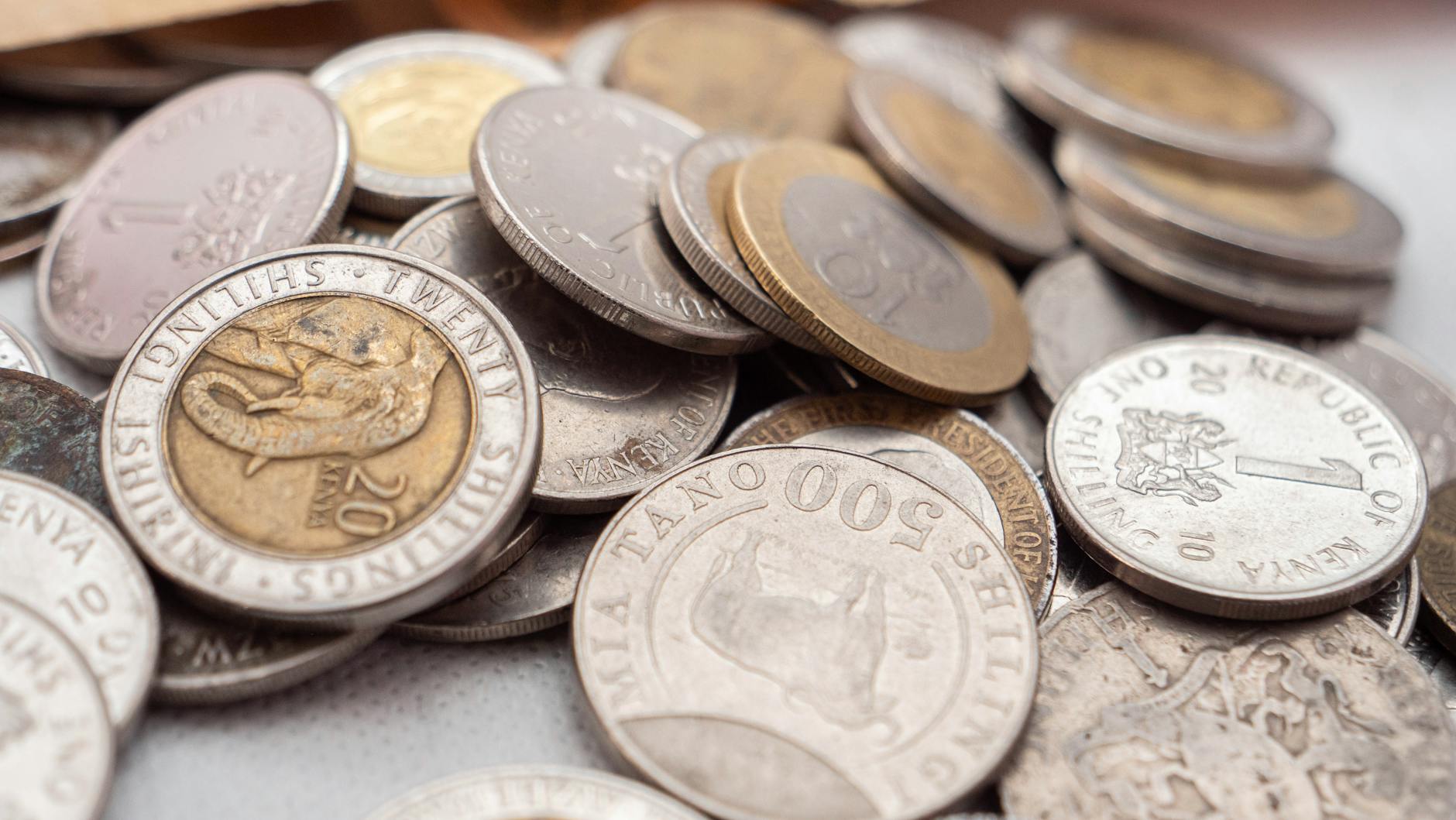
This is a common question with a clear answer: Kenyan shillings are generally preferred for tips, because they’re immediately usable by the recipient, whereas small amounts of foreign currency can be awkward for staff to exchange. US dollars are widely accepted too, especially in newer, undamaged notes, and are fine for larger guide tips. The practical approach is to carry a stock of small-to-medium denomination shilling notes specifically for tipping, supplemented by some dollars. Avoid tipping in coins or torn notes. Draw your tipping cash before heading to remote conservancies, where ATMs are scarce — our currency guide explains where and how to get shillings.
How and When to Tip
A little etiquette makes tipping smooth and meaningful. Tip your guide at the end of your time together rather than daily — ideally in an envelope, handed over discreetly with a few words of genuine thanks, which is far more personal than cash thrust across a vehicle. Use the communal box for general staff, typically at the end of your stay. There’s no need for ostentation or for tipping in front of others. If you’re travelling with an operator, ask them in advance about the lodge’s tipping norms so you arrive prepared. And remember it’s discretionary: tip well for great service, tip what you can if your budget is tight, and never feel pressured into sums beyond your means.
Budgeting for Tips
Because tips are never included in lodge rates or all-inclusive packages, you must budget for them separately, and for a longer trip they add up to a real figure. A simple method: estimate the daily guide tip plus the daily communal-staff contribution per person, multiply by your number of days, add transfer-driver and incidental tips, and bring that total in cash (mostly shillings) from the start. Setting it aside in advance — perhaps in a dedicated envelope — means you’re never caught short or scrambling for cash at a remote camp. Fold it into your overall planning using our Laikipia safari cost guide.
A Sample Tipping Budget
Let’s make tipping concrete with a worked example for a couple on a week-long safari. Budget around US$10–25 per person per day for the guide — say US$15 each, so US$30 a day for the couple, or about US$210 across the week. Add the communal staff contribution, perhaps US$10–15 per person per day, say US$20 a day for the couple, around US$140 for the week. Add a transfer driver or two (US$5–10 each) and a few small tips for porters and special activities. All told, a couple might budget somewhere in the region of US$400 in tips for a week — a meaningful sum that’s easy to overlook if you haven’t planned for it. Adjust for your group size, trip length and service, and bring it in cash (mostly shillings) from the start.
Setting this aside in advance — ideally in labelled envelopes for the guide and the staff box — means you’re never scrambling for cash at a remote camp or short-changing people who’ve looked after you superbly. It’s the mark of a well-prepared, considerate traveller.
Tipping on Private vs Shared Safaris
The structure of your trip affects tipping. On a private safari with your own guide and vehicle, you tip that guide directly and generously, as they’re dedicated to you throughout — the upper end of the guideline range is appropriate for excellent private guiding. On a shared or group safari, you tip your share of the group’s collective appreciation for the guide, so the per-person figure can sit at the lower end since the guide receives tips from several guests. In both cases the communal staff box works the same way. If you’re on a solo or group-join trip, tip the guide your individual share. The principle is consistent: reward good service fairly, scaled to how much of the guide’s attention was yours.
Tipping for Special Experiences
Beyond the core guide and lodge tips, certain experiences warrant their own gratuity. Specialist guides on a rhino-tracking outing or walking safari, a dedicated photography guide, a cultural-visit host, a spa therapist, or the crew of a special bush dinner — all appreciate a modest tip for a memorable experience delivered well. These are separate from your main guide and lodge tips. Keep a stock of small notes for them, and tip in the moment or at the end of the specific experience. None of these need be large; a thoughtful gesture for a standout experience is what’s intended, and it’s warmly received.
What If the Service Was Poor?
Tipping is discretionary and tied to service, so what if things genuinely fell short? You’re never obligated to tip the full guideline amount for poor service, and it’s reasonable to tip less if your experience was truly disappointing. That said, distinguish between a guide’s controllable performance and things beyond their control (the weather, animals not appearing, a flight delay) — don’t penalise someone for bad luck they managed well. If service was poor, a reduced tip sends a fair signal; if it was a specific, serious problem, it’s better to raise it constructively with the management than simply to withhold a tip silently. In practice, the standard of guiding and service in Laikipia is generally very high, so the dilemma rarely arises — but it’s reasonable to tip according to genuine merit.
Tipping Etiquette: Dos and Don’ts
A quick etiquette summary. Do tip at the end of your stay or time with a guide; do use an envelope and a word of thanks for the guide; do contribute to the communal box for the wider team; do carry small-denomination shilling notes; do budget for tips from the start. Don’t feel pressured into sums beyond your means; don’t tip ostentatiously or in front of others; don’t forget the behind-the-scenes staff (kitchen, housekeeping) who the communal box covers; don’t tip in coins or torn notes; and don’t assume tips are included in your package (they never are). Follow these simple conventions and your tipping will be gracious, fair and genuinely appreciated, a fitting thank-you to the people who made your safari special.
Tipping and the Bigger Picture
It’s worth remembering what tipping represents in the Laikipia context. The guides, trackers and lodge teams are very often drawn from local communities, and tourism income — including tips — is part of what makes wildlife and conservation valuable to those communities, reinforcing the whole model that protects the plateau. So a fair tip isn’t just a personal thank-you; it’s a small thread in the larger fabric of community benefit that underpins Laikipia’s conservation success, a theme we explore in our conservation and community tourism guide. Tip thoughtfully and generously where service merits it, and you’re contributing, in a small but real way, to the virtuous circle that keeps this landscape wild and its people invested in it.
Practical Tipping Logistics
A little preparation makes tipping effortless on the ground. Before you travel, get a supply of small and medium-denomination Kenyan shilling notes (and keep some newer US dollars as backup), drawing cash in Nanyuki before heading to remote camps where ATMs vanish. Bring a few envelopes for guide tips. Keep your tip money separate from your general cash, ideally pre-divided so you’re not counting out notes awkwardly at the end. Know in advance roughly who you’ll tip and how much, using the guidelines here. With the logistics sorted before you arrive, tipping becomes the simple, gracious act it should be, rather than a last-minute scramble for change at a remote lodge. Our currency and money guide covers getting and carrying cash.
The Final Word on Tipping
Tipping on a Laikipia safari really does come down to a few simple principles: it’s customary and genuinely appreciated, so budget for it from the start; tip your guide generously for good service and contribute to the communal staff box for the wider team; favour Kenyan shillings; tip discreetly at the end with a word of thanks; and never feel pressured beyond your means. Get those right and you’ll handle one of safari’s quiet anxieties with confidence and grace, thanking the people who turn a good trip into an unforgettable one. For the full money picture, pair this with our broader currency and tipping guide and the complete Laikipia safari cost guide.
Frequently Asked Questions
Is tipping mandatory on a Kenyan safari?
No — tipping is discretionary and based on service, never mandatory. But it is customary and genuinely expected in the tourism industry, where it forms a meaningful part of staff income, so you should budget for it and tip fairly for good service. Give what reflects the service and your means.
How much should you budget for tips on a week’s safari?
As a rough guide, a couple on a week-long safari might budget in the region of US$400 total — roughly US$10–25 per person per day for the guide plus US$10–15 per person per day for the communal staff box, with extra for transfer drivers and special experiences. Adjust for group size, trip length and service, and bring it in cash, mostly shillings.
Do you tip at the start or end of a safari?
At the end — tip your guide when your time together concludes, ideally in an envelope with a few words of thanks, and contribute to the communal staff box at the end of your stay. Tip transfer drivers per trip. End-of-stay, discreet tipping is the gracious convention.
What happens if I can’t get Kenyan shillings for tips?
US dollars in newer, undamaged notes are widely accepted for tips too, especially for larger guide tips, so dollars work as a backup. That said, shillings are preferred as they’re immediately usable by staff, so try to draw some in Nanyuki before heading to remote camps where ATMs are scarce.
How much should you tip a safari guide in Kenya?
As a guideline, around US$10–25 per guest per day, with the higher end for an exceptional or private guide and the lower end for a shared guide. Tip according to the quality of service. It’s customary and appreciated, so budget for it from the start of your planning.
How much do you tip lodge staff on safari?
Commonly around US$10–15 per guest per day, often via a communal tip box at reception that’s shared fairly among all the behind-the-scenes staff. You can also tip individuals directly for standout service. The communal box ensures the kitchen and housekeeping teams are included.
Should you tip in dollars or Kenyan shillings?
Kenyan shillings are generally preferred, as they’re immediately usable by staff, though US dollars (in newer, undamaged notes) are widely accepted too, especially for larger guide tips. Carry a stock of small-to-medium shilling notes for tipping, and avoid coins or torn notes.
When should you tip on safari?
Tip your guide at the end of your time together, ideally in an envelope with a personal thank-you, and contribute to the communal staff box at the end of your stay. Tip transfer drivers per trip. Tipping at the end, discreetly, is the gracious convention.
Is tipping included in safari packages?
No — tips are never included in lodge rates or all-inclusive packages and must be budgeted separately. For a longer trip they add up, so estimate your daily guide and staff tips, multiply by your days, and bring that total in cash (mostly shillings) from the start.
Tipping sorted. Pair this with our broader currency and money guide, the conservancy fees guide, and the complete Laikipia safari cost guide.