Last updated: June 2026
The phrase “all-inclusive” gets thrown around a lot in safari marketing, and it can mean wildly different things depending on the lodge. At one property it covers everything down to your house wine and laundry; at another it’s bed, breakfast and not much else, with game drives and fees billed on top. For a Laikipia safari, where prices are significant, knowing exactly what’s included — and what isn’t — is the difference between a budget that holds and a string of nasty surprises. This guide demystifies all-inclusive safari pricing in Laikipia: what the term really means here, what’s typically covered, the hidden extras to watch for, and how to compare quotes like for like.
Get this right and you’ll book with confidence, knowing your headline price is the real price. Get it wrong and you’ll spend your trip mentally tallying surcharges. Let’s make sure it’s the former.
What “All-Inclusive” Means in Laikipia
In Laikipia, the higher-end lodges and camps typically operate on a genuinely inclusive “full-board plus activities” model, which is more comprehensive than the “all-inclusive” you might know from a beach resort. A typical Laikipia all-inclusive rate covers your accommodation, all meals, usually most drinks, two guided activities a day (such as game drives or walks), the conservancy/conservation fees, and often transfers to and from the nearest airstrip. This bundling is why a Laikipia nightly rate looks high compared with a city hotel — it’s not just a room, it’s a whole safari day. Understanding that reframes the price entirely.
What’s Typically Included
While it varies, a standard Laikipia all-inclusive package usually covers: your room or tent; all meals (often three courses, beautifully done); a selection of drinks (house wines, beers, soft drinks and often spirits, though premium labels may cost extra); two daily guided activities with a professional guide; the conservancy fees; road transfers between the airstrip and the lodge; laundry at many properties; and tea, coffee and snacks throughout the day. At the top tier, “inclusive” can extend to nearly everything bar tips and flights. This breadth is genuinely good value once you realise how much it bundles — see our accommodation guide for what different properties offer.

What’s Usually NOT Included
Here’s where budgets go astray. Even at fully inclusive lodges, a few things are almost always extra. International and domestic flights are rarely included — your flights to Laikipia are a separate, significant cost. Tips for guides and staff are never included and should be budgeted (see our tipping guide). Premium extras — speciality activities like rhino tracking or a spa treatment, top-shelf wines, private vehicle hire — typically cost more. And pre-trip essentials like your eTA, travel insurance and vaccinations sit outside any lodge rate. Knowing these in advance keeps your budget honest.
Decoding Board Basis Terminology
The booking jargon can confuse, so here’s a quick translation. Full board (FB) means all meals included but not necessarily drinks or activities. All-inclusive (AI) generally adds drinks. Full board plus activities — the common Laikipia model — adds the game drives and usually conservancy fees, which is what makes it close to a complete safari package. Game package or fully inclusive is the most comprehensive, covering accommodation, meals, drinks, activities, fees and transfers. When you see a rate, always ask precisely which of these it is, because the gap between “full board” and “fully inclusive” can be enormous once activities and fees are added.
Why Laikipia Prices Look High (But Often Aren’t)
A Laikipia lodge rate of several hundred dollars a night can cause sticker shock until you unpack it. Compare it fairly: that figure typically includes your accommodation, all food, drinks, two professionally guided safari activities, conservancy fees of US$80–150, and transfers — items that, booked separately elsewhere, would add up to far more. A cheaper “room-only” rate that then charges for every drive, meal and fee can easily end up costing as much or more, with far more hassle. So when comparing options, always convert everything to a true per-person, per-day, all-in figure. Our budget vs luxury comparison and cost guide help you do exactly that.

How to Compare Quotes Fairly
When you’ve got two or three options on the table, level the playing field before deciding. For each, write down: what board basis it is; whether conservancy fees are included; how many activities per day are covered; whether drinks are in or out (and which drinks); whether airstrip transfers are included; and what’s explicitly excluded. Then add the excluded items back in to reach a genuine total. A lodge that looks pricier upfront may be cheaper all-in, and vice versa. This five-minute exercise is the single most valuable thing you can do when budgeting a Laikipia safari, and it’s where a good operator earns their keep — see our booking guide.
Is All-Inclusive Worth It?
For most Laikipia visitors, yes — emphatically. The inclusive model suits the remote, lodge-based nature of a Laikipia safari, where there’s nowhere to nip out for a cheaper dinner and where activities are the whole point. It removes daily money decisions, lets you relax into the experience, and usually represents good value once you account for everything bundled in. The main exceptions are independent, self-drive travellers staying at the budget edges of the region, who may prefer to pay à la carte. For everyone else, a fully inclusive rate is the simplest and often the smartest way to do Laikipia.
The Value Math, Worked Through
Let’s put real structure on why inclusive rates often represent good value. Imagine a lodge quoting, say, several hundred dollars per person per night, fully inclusive. Unpack what that single figure replaces: a room; breakfast, lunch and dinner; drinks through the day; two guided game drives with a professional guide and vehicle; the conservancy fee of perhaps US$80–150; and airstrip transfers. Price each of those separately — restaurant meals, a private guide and 4×4 for a full day, the conservation fee, the transfers — and the total comfortably exceeds the inclusive rate, before you’ve even added the convenience of it all being arranged. That’s the math that turns sticker shock into recognition of value.
The lesson for comparing options is to always reduce every quote to a true, all-in, per-person-per-day figure. Only then can you see which “expensive” lodge is actually the better deal once everything’s counted.
Drinks Policies in Detail
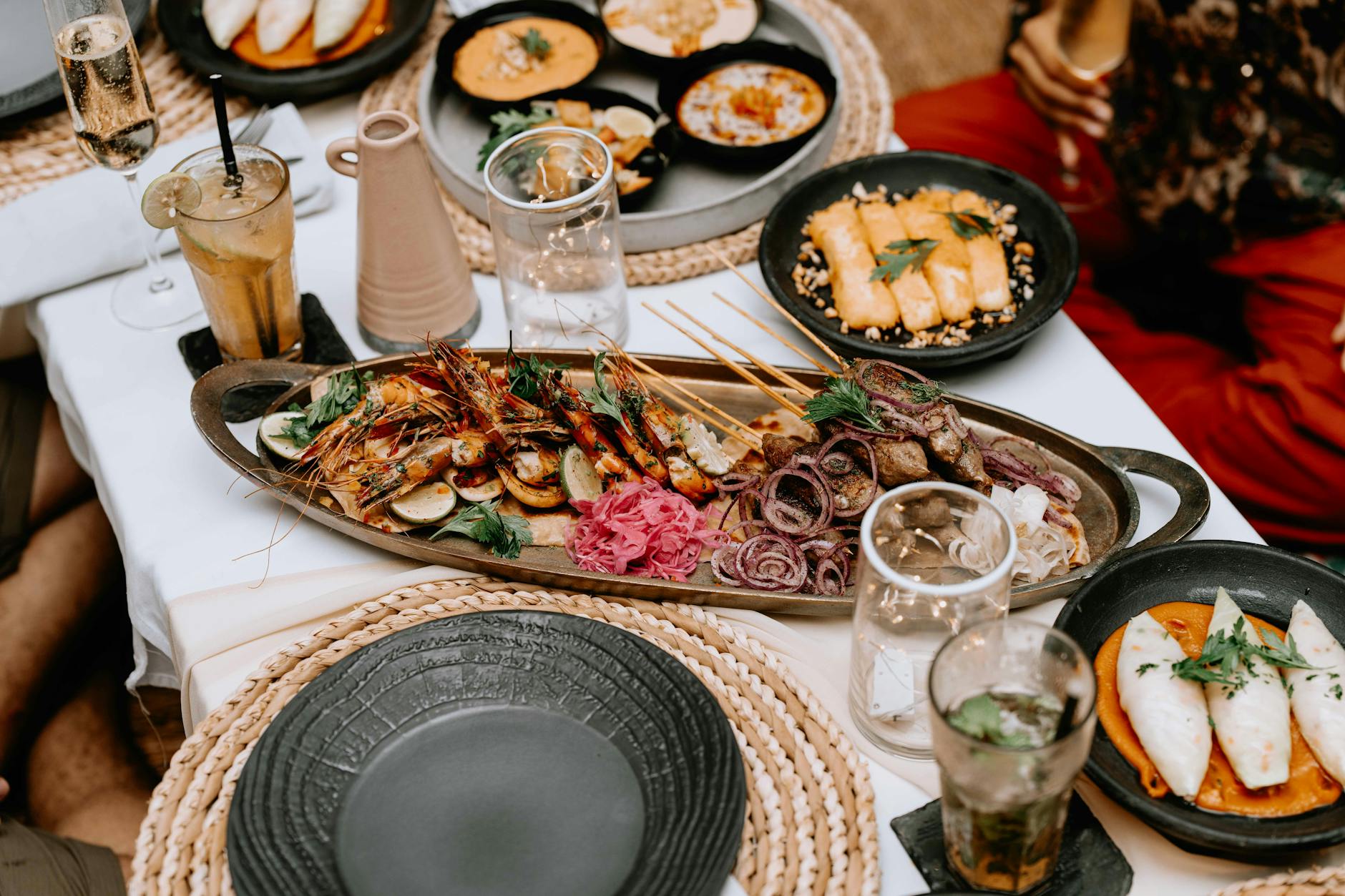
Drinks are the most variable inclusion, so they deserve a close look. At many Laikipia lodges, “inclusive” covers house wines, local and regional beers, soft drinks, water, tea and coffee, and often standard spirits — essentially everything most guests drink. What typically costs extra: premium and imported wines and champagnes, top-shelf spirits, and speciality cocktails. A few properties include absolutely everything; a few include less. The practical move is to ask, when booking, exactly which drinks are covered, so you know whether to expect a bar bill. For most travellers the standard inclusive drinks are more than enough, and the policy is generous by international standards.
Family and Children Inclusions
Families should pay particular attention to how children are priced and what’s included for them. Many lodges offer reduced rates for children sharing with parents, family rooms or tents, and sometimes child-specific activities or meals. Conservancy fees for children are usually discounted too. However, age policies vary — some camps have minimum ages for certain activities or for staying at all — so families must check the specifics. The inclusive model is generally great for families, as it removes the constant cost decisions of feeding and entertaining children on the road. See our family safari guide for how to plan, and always confirm child rates and age rules when booking.
Top-End Inclusions and Exclusive Use
At the luxury end, “inclusive” can become almost all-encompassing. The finest lodges and private houses may include private guiding and a dedicated vehicle, all premium drinks, speciality activities, laundry, and bespoke experiences arranged on request — effectively everything bar flights and tips. Exclusive-use properties, where you book the whole house or camp, fold the cost of the entire operation into one price, which can be superb value for families or groups. At this level you’re paying for the removal of every friction and decision, not just for food and a bed. Explore the options in our luxury lodges guide.
Questions to Ask Before You Book
Before committing, run through a short checklist with each property or operator. What board basis is the rate (full board, all-inclusive, fully inclusive)? Are conservancy fees included? How many guided activities per day are covered, and are they private or shared? Which drinks are included? Are airstrip transfers in the price? Is laundry included? What exactly is excluded? And are there child rates or single-traveller policies relevant to you? Getting clear written answers to these questions before you pay turns a vague “all-inclusive” into a precise, comparable figure — and prevents the surprises that sour otherwise wonderful trips. Cross-reference our booking guide.
À la Carte vs Inclusive: When Each Wins
While the inclusive model dominates Laikipia, it’s worth knowing when à la carte (pay-as-you-go) might suit you better. Inclusive wins for the vast majority: lodge-based safaris in remote conservancies where there’s nowhere else to eat, where activities are the whole point, and where you want to relax without daily money decisions. À la carte can suit independent, self-drive travellers staying at budget properties near Nanyuki, who want to control exactly what they spend on, eat in town, and pay conservancy day-fees only when they enter. If you’re the type who’d rather pay only for what you use and enjoy organising it yourself, à la carte gives that control; if you’d rather everything handled and predictable, inclusive is the way.
Most travellers, especially first-timers and those staying inside conservancies, find inclusive both simpler and better value once everything’s counted — but it’s good to know the alternative exists for those who want it.
Reading the Fine Print
The difference between a happy budget and a disappointing one usually lives in the fine print, so read it. Look specifically for: exactly which meals and drinks are included; how many activities per day and whether they’re shared or private; whether conservancy fees are in or extra; whether transfers (and which transfers) are covered; laundry; and any minimum-stay or seasonal conditions. Watch for words like “from” on prices (the lowest season/room) and for activities described as “available” (meaning extra) versus “included.” A reputable lodge or operator will spell all this out clearly; vagueness is itself a warning sign. Five minutes with the fine print prevents the bill shock that sours otherwise wonderful trips.
The Real Value: Peace of Mind
Beyond the pounds and dollars, the inclusive model buys something harder to price: peace of mind. On an inclusive safari you stop thinking about money the moment you arrive — every meal, drink, drive and fee is handled, so you can sink fully into the experience rather than mentally totting up a bill. For a holiday that’s often a once-in-a-lifetime investment, that freedom from daily money decisions is genuinely valuable, letting you be present for the wildlife and the landscape. It’s part of why the inclusive approach has become the Laikipia norm and why most guests, once they’ve tried it, wouldn’t do a safari any other way. Factor that intangible into your value calculation, not just the line items.
Is all-inclusive better than booking separately for a safari?
For most Laikipia safaris, yes. The inclusive model suits remote, lodge-based trips where there’s nowhere cheaper to eat and activities are central, and it usually represents good value once everything’s counted, plus the peace of mind of no daily bills. Independent self-drive travellers at budget properties may prefer paying separately.
Inclusive Pricing and Tipping
One thing inclusive rates never cover is tipping, so don’t let the word “inclusive” lull you into forgetting it. However comprehensive your package, gratuities for your guide and the lodge staff sit outside it and must be budgeted separately — typically a meaningful sum over a week. The inclusive model handles everything operational, but tipping remains a personal, discretionary cost on top. Factor it in from the start using our dedicated safari tipping guide, so it doesn’t catch you out at the end of an otherwise fully-paid trip. It’s the one predictable extra that even the most all-encompassing rate leaves to you.
Putting Inclusive Pricing in Context
Step back and the logic of Laikipia’s inclusive model becomes clear. This is a remote, lodge-based safari region where, unlike a city break, there’s no stepping out to a cheaper restaurant, no public transport to the sights, and where the “sights” are guided wildlife activities requiring vehicles, expertise and conservancy access. Bundling all of that into one rate is simply the sensible way to price such a trip, and it’s why the model has become standard here. Once you understand that a Laikipia night isn’t a hotel room but a complete, guided safari day with everything laid on, the pricing stops looking expensive and starts looking like what it is: a comprehensive, well-organised, often excellent-value way to experience one of Africa’s finest wildlife regions. Plan the whole budget with our cost guide.
Frequently Asked Questions
Do all-inclusive Laikipia rates include flights and tips?
No. Even fully inclusive Laikipia rates almost never include international or domestic flights, and they never include tips for guides and staff. Both are significant costs to budget separately on top of the lodge rate. Pre-trip essentials like your eTA, insurance and vaccinations also sit outside any package.
What does all-inclusive include on a Laikipia safari?
Typically accommodation, all meals, most drinks, two guided activities a day (such as game drives or walks), conservancy fees, and airstrip transfers — sometimes also laundry. It’s closer to a complete safari package than a beach-resort “all-inclusive.” Always confirm the exact inclusions, as they vary by property.
What’s not included in an all-inclusive Laikipia safari?
Usually flights (international and domestic), tips, premium extras (speciality activities, top-shelf drinks, spa treatments), and pre-trip costs like your eTA, travel insurance and vaccinations. Budget these separately on top of the lodge rate.
Why are Laikipia safari prices so high?
Because the rate bundles far more than a room — it includes meals, drinks, guided activities, conservancy fees of US$80–150 per day, and transfers, effectively packaging a whole safari day. Compared fairly against booking those elements separately, the inclusive rate is often good value.
What’s the difference between full board and all-inclusive?
Full board means all meals but not necessarily drinks or activities; all-inclusive usually adds drinks; and the common Laikipia “full board plus activities” or “fully inclusive” model adds game drives and conservancy fees, making it close to a complete package. Always check exactly which basis a rate is.
Are drinks included in Laikipia all-inclusive rates?
Often yes — house wines, beers and soft drinks are commonly included, and many lodges include spirits too. Premium and imported labels may cost extra. Confirm the drinks policy when booking, as it’s one of the more variable inclusions.
Now you can read a quote properly. Continue with our guides to budget vs luxury safaris, conservancy fees, and the complete Laikipia safari cost guide.