Last updated: June 2026
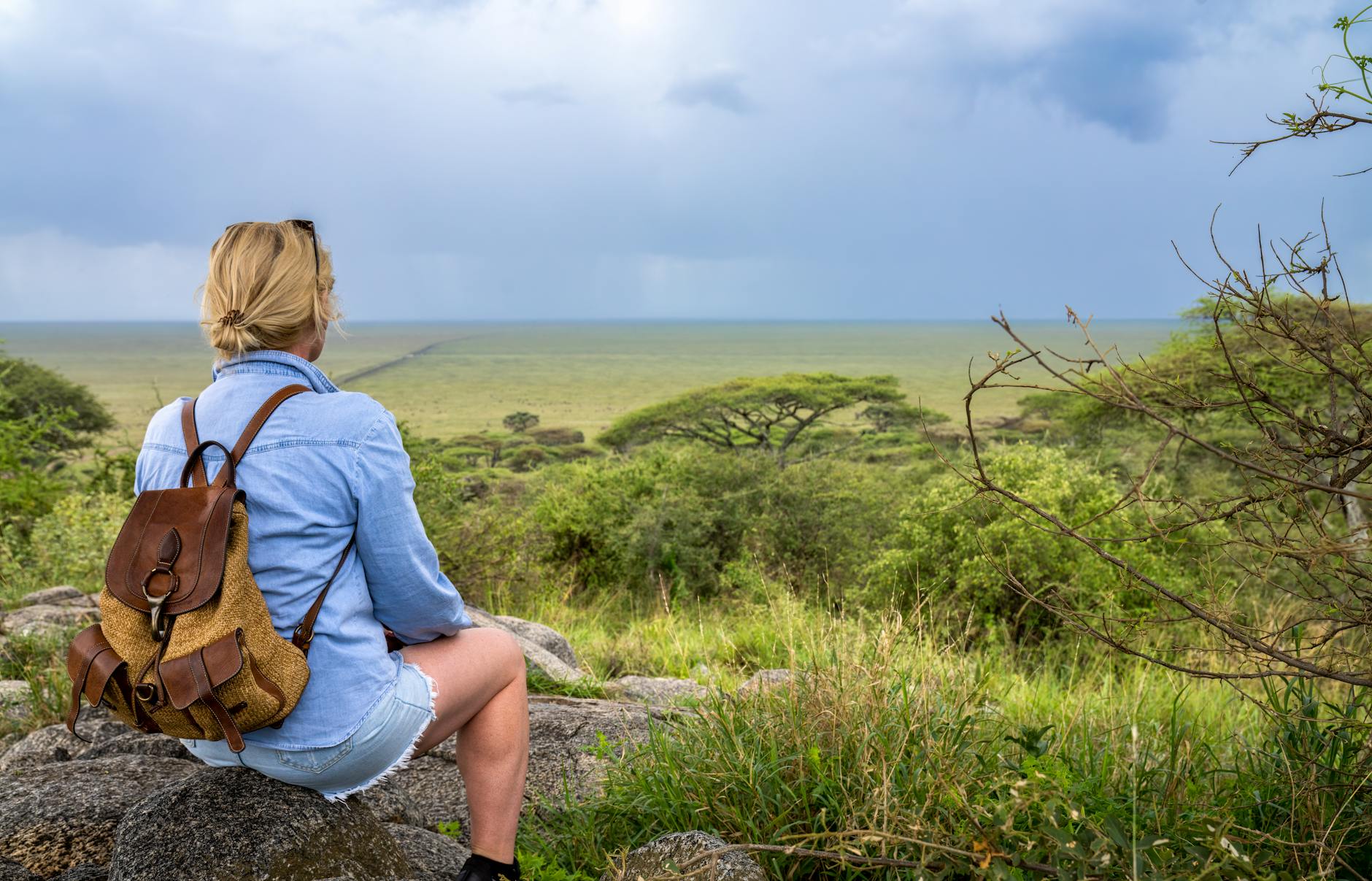
Safari is often pictured as a couples’ or family affair, but Laikipia is a wonderful place to go it alone — safe, friendly, sociable when you want company and serene when you don’t. The one thing that gives solo travellers pause is cost: the dreaded single supplement, and the worry that going solo means paying double. The good news is that Laikipia is unusually solo-friendly, with several camps waiving single supplements entirely, and there are smart ways to keep costs down. This guide covers everything for the solo traveller planning a Laikipia safari — the real costs, how single supplements work, where to stay, safety, and how to make the most of a solo trip.
Whether you’re a seasoned solo adventurer or nervously planning your first independent safari, Laikipia rewards the solo traveller richly. Here’s how to do it well and affordably.
Understanding the Single Supplement
The single supplement is the safari industry’s way of charging a solo guest for occupying a room or tent designed (and priced) for two. Because lodges quote per person sharing, a solo traveller would otherwise leave a bed empty and the lodge out of pocket, so they add a surcharge — commonly in the region of 25–50% of the nightly rate, though it varies widely. It’s the single biggest cost factor for solo safari-goers, and the thing to understand and plan around. The crucial good news: it’s far from universal, and in Laikipia in particular, many properties reduce or waive it altogether, especially outside peak season.
Laikipia’s Solo-Friendly Camps
Here’s where Laikipia shines for solo travellers. Several camps and lodges have genuinely solo-friendly policies. Some, like Laikipia Wilderness Camp, are known for charging no single supplement at all, year-round; others, like Sosian Lodge, also waive it; and properties such as Kicheche Laikipia offer special solo rates and single-supplement waivers in certain seasons. These policies can save you a substantial amount, effectively letting you pay close to the per-person sharing rate as a solo guest. Because such offers change, always ask each property directly about its current single-traveller policy when booking — it’s one of the most valuable questions a solo guest can ask. Browse options in our accommodation guide.
How Much Does a Solo Safari Cost?
Solo costs depend heavily on the single-supplement situation and your chosen tier. As a rough guide, budget solo trips might run from a few hundred dollars a day, mid-range options higher, and luxury considerably more, with the single supplement (where charged) adding to the per-person figure. The trick is that by choosing solo-friendly properties that waive the supplement, you can bring a solo trip much closer to the standard per-person rate. Travelling in shoulder or green season, when waivers and lower rates abound, helps enormously. For the full picture, see our cost guide and money-saving tips.
Ways to Avoid or Reduce the Supplement
Beyond choosing camps that waive it, solo travellers have several tactics. Travel in low or shoulder season, when supplements are most often dropped. Ask operators about scheduled small-group departures or “join-in” safaris, where you share a vehicle and costs with other travellers, sidestepping the supplement entirely. Look for solo-traveller special offers, which appear periodically. Consider a slightly simpler property where the supplement is smaller in absolute terms. And simply ask — many lodges will negotiate on a quiet date. With a little effort, the single supplement need not be the budget-breaker solo travellers fear. Our booking guide covers join-in options.
Is Laikipia Safe for Solo Travellers?
Yes — Laikipia is a safe and welcoming destination for solo travellers, including solo women. On a lodge-based safari you’re in the care of professional guides and staff throughout, the conservancies are secure and well-managed, and the small-camp atmosphere means you’re never truly alone unless you wish to be. As anywhere, sensible precautions apply: follow your guide’s instructions, especially around wildlife; use lodge safes; and take normal care in towns like Nanyuki. The structured nature of a safari makes it one of the more reassuring ways to travel solo. For the full picture, see our Laikipia safety guide.

The Social Side of Solo Safari
One of the joys of solo safari in Laikipia is that you choose your level of company. Small camps with communal dining bring guests together over meals and sundowners, so you’ll meet fellow travellers and convivial hosts — solo doesn’t mean lonely. Guides become companions and mentors, sharing their deep knowledge one-on-one. Yet you also have the freedom of your own schedule and plenty of quiet, contemplative time in the wilderness if that’s what you crave. Many solo travellers find this balance — sociable when they want it, solitary when they don’t — is exactly what makes a solo safari so rejuvenating. It pairs beautifully with the plateau’s wellness offerings.
Best Experiences for Solo Travellers
Solo travellers can enjoy the full range of Laikipia, and some experiences suit independent visitors especially well. One-on-one time with a guide on a walking safari or rhino-tracking outing is intimate and rich. Photography-focused solo trips let you set your own patient pace. Wellness and reflective trips suit the solitude. And the sociable small camps make it easy to join others for activities if you’d like company. Whatever your interest, going solo means the trip is entirely yours to shape — see the full menu in our things to do guide.
Group-Join and Small-Group Safaris
One of the best ways for solo travellers to cut costs and find company is the group-join or small-group safari. Here, you join a scheduled departure with other travellers, sharing a vehicle, guide and sometimes accommodation — which spreads the fixed costs and usually sidesteps the single supplement entirely. You get built-in companionship, a ready-made group to share sightings and meals with, and a lower price than a private solo trip. The trade-off is less flexibility (you follow the group’s itinerary and pace) and less solitude. For sociable solo travellers, especially first-timers, a well-run small-group safari is often the ideal balance of cost, company and ease. Ask operators about scheduled departures and join-in options for your dates.
If you prefer independence and privacy, a private solo trip to a single-supplement-waiving camp may suit better — but the group-join route is worth knowing about, as it solves both the cost and the company questions at once.
Solo Women Travellers
Laikipia is a reassuring destination for solo women, and many travel here independently and happily. The lodge-based, guided nature of a safari means you’re in a secure, supervised environment throughout — collected from the airstrip, looked after at camp, accompanied on every activity. The small-camp atmosphere is welcoming and sociable, staff are professional and attentive, and the conservancies are safe, well-managed spaces. As anywhere, normal sensible precautions apply, particularly in towns like Nanyuki, but the structured safari setting removes much of the uncertainty that can make solo travel elsewhere feel exposed. Choosing reputable lodges and a good operator adds further peace of mind. Our safety guide has practical detail.
Plenty of solo women describe their Laikipia safari as one of their most empowering and rewarding trips — the combination of safety, sociability and wild beauty is hard to beat for independent travel.
Best Lodges and Camps for Solo Travellers
Beyond the single-supplement question, certain types of property suit solo travellers especially well. Small owner-run camps with communal dining are ideal, fostering the sociability that makes solo travel fun, and their hosts often take special care of single guests. Properties known for excellent guiding give solo travellers rich one-on-one time in the field. And, of course, camps with solo-friendly pricing — those waiving or reducing the single supplement — stretch the budget. When choosing, look for these qualities together: a sociable atmosphere, great guiding and a fair solo rate. Our accommodation guide and tented camps guide highlight the kinds of intimate properties that work beautifully for solo guests.
A Sample Solo Itinerary
A rewarding solo week might combine a few nights at a sociable, solo-friendly camp inside a conservancy — sharing meals and sundowners with fellow guests, enjoying one-on-one time with a guide on game drives and a walking safari — with a couple of nights focused on a personal passion, whether that’s photography, conservation experiences or simply wellness and reflection. Choosing properties that waive the single supplement keeps it affordable, and a group-join element can add company and savings. The beauty of solo travel is that the trip is entirely yours to shape around what you love. Build yours with our itinerary guide.
The Rewards of Going Solo
For all the focus on costs, it’s worth celebrating why solo safari is so special. Travelling alone, you set your own rhythm, follow your own interests, and experience the wilderness with an undiluted intensity that company can sometimes soften. You’ll forge a real connection with your guide, meet fellow travellers from around the world over camp dinners, and enjoy long, contemplative moments alone with the landscape that are hard to find in everyday life. Many solo travellers return describing their Laikipia safari as not just a holiday but a genuinely restorative, even transformative, experience. The plateau’s safety, sociability and sheer beauty make it one of the finest places anywhere to embrace solo travel — the costs are very manageable, and the rewards are immense.
Practicalities for the Solo Traveller
A few practical habits make solo safari smoother. Share your itinerary and lodge contacts with someone at home, and keep emergency numbers and your insurance details accessible. Pack light but complete (no one else to borrow from), keeping valuables, documents and medication in your carry-on. Embrace the communal dining and activities to meet people, but don’t feel obliged to be sociable every moment — the solitude is part of the appeal. Tip as you would on any safari (the staff serve you just the same), budgeting per our tipping guide. And lean on your lodge and guide for anything you need; on a solo trip they become your team. With these basics covered, solo logistics are genuinely simple.
Solo Safari on a Budget
Combining solo travel with budget travel is entirely doable in Laikipia with the right approach. Prioritise camps that waive the single supplement so you’re not penalised for travelling alone. Travel in the shoulder or green season when both rates and supplements drop. Consider a group-join safari to share vehicle costs and sidestep the supplement entirely. Look at budget-friendly accommodation around Nanyuki with day-trips into Ol Pejeta. And apply the general money-saving tactics that work for everyone. Stack these and a solo Laikipia safari becomes genuinely affordable, not the double-priced ordeal solo travellers often fear.
The single biggest lever remains choosing solo-friendly properties: by paying close to the per-person sharing rate rather than a hefty supplement, a solo traveller’s costs come right down to a level comparable with travelling as a couple.
The Final Word for Solo Travellers
Laikipia deserves its reputation as one of the best places in Africa to safari alone. The single supplement, that perennial solo bugbear, is unusually manageable here thanks to the many camps that waive or reduce it, and the costs overall are very workable with a little planning. More than that, the experience itself suits solo travel beautifully — safe, sociable when you want it, profoundly peaceful when you don’t, and rich with the one-on-one guiding and personal connection that make a solo trip special. Whether you’re seeking adventure, reflection, photography or simply the freedom of your own company in a magnificent wilderness, Laikipia welcomes you warmly. Plan it with our cost guide and itineraries, and go.
Why Solo Travellers Love Laikipia
To sum up the appeal: Laikipia combines the things that make solo travel both affordable and joyful. The unusually solo-friendly pricing — with so many camps waiving the single supplement — removes the financial penalty that deters solo travellers elsewhere. The safe, guided, lodge-based structure removes the uncertainty. The sociable small camps remove the loneliness. And the magnificent wilderness, intimate guiding and sheer peace deliver the reward. Few destinations balance cost, safety, company and experience so well for the person travelling alone. Plan your trip with our cost guide, budget tips and things to do guide, and embrace the freedom of a solo safari.
Frequently Asked Questions
What’s the best lodge type for a solo traveller in Laikipia?
Small, owner-run camps with communal dining tend to suit solo travellers best — they’re sociable, the hosts take special care of single guests, and the guiding is often excellent and personal. Combine that with a solo-friendly pricing policy (a waived or reduced single supplement) and you have the ideal solo base.
How much extra does a solo traveller pay on safari?
Where a single supplement applies, it’s commonly around 25–50% of the nightly rate. But many Laikipia camps reduce or waive it — some charge no single supplement at all, especially outside peak season — so by choosing solo-friendly properties you can pay close to the standard per-person sharing rate rather than a hefty premium.
Can solo travellers join group safaris in Laikipia?
Yes. Group-join or small-group scheduled departures let you share a vehicle, guide and costs with other travellers, usually sidestepping the single supplement and providing ready-made company. They offer less flexibility than a private trip but are excellent value and very sociable, ideal for first-time solo safari-goers.
Is Laikipia good for solo female travellers?
Very much so. The guided, lodge-based nature of a safari means you’re in a secure, supervised environment throughout, the camps are welcoming and sociable, and the conservancies are safe. With normal sensible precautions, many solo women find Laikipia one of the most rewarding and empowering places to travel alone.
How much is the single supplement for a Laikipia safari?
It varies, commonly around 25–50% of the nightly rate where charged. Crucially, many Laikipia camps reduce or waive it — some charge no single supplement at all, especially outside peak season — so a solo trip can cost close to the per-person sharing rate if you choose solo-friendly properties.
Which Laikipia camps don’t charge a single supplement?
Several have solo-friendly policies — for example, Laikipia Wilderness Camp is known for no single supplement year-round, Sosian Lodge waives it, and Kicheche Laikipia offers solo rates and waivers in certain seasons. Policies change, so always confirm each property’s current single-traveller policy when booking.
Is Laikipia safe for solo travellers?
Yes, it’s a safe and welcoming destination for solo travellers, including solo women. On a lodge-based safari you’re with professional guides and staff throughout, the conservancies are secure, and small camps are sociable. Take normal sensible precautions and follow your guide, especially around wildlife. See our safety guide.
How can solo travellers save money on safari?
Choose camps that waive the single supplement, travel in shoulder or green season when waivers are common, consider join-in small-group departures to share vehicle costs, look for solo special offers, and simply ask lodges about their solo policies. These tactics can bring a solo trip close to the standard per-person rate.
Is solo safari lonely?
Not unless you want it to be. Small Laikipia camps with communal dining bring guests together, guides offer rich one-on-one company, and you can join others for activities — while still enjoying plenty of quiet wilderness time. Most solo travellers find the balance of sociability and solitude deeply rewarding.
Planning a solo adventure? Combine this with our guides to saving money, booking your safari, and the complete Laikipia safari cost guide.